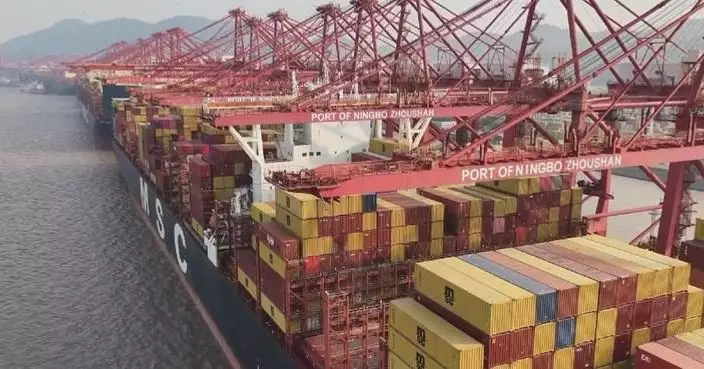
The "mini-three-links" passenger sea route between Xiamen City of east China's Fujian Province and Kinmen County of China's Taiwan region handled more than 5,000 trips on Sunday alone, a record high for single-day passenger traffic since the resumption of ferry service in 2023.
The Xiamen-Kinmen route is part of the "mini-three-links", which is short for direct trade, postal, and transport services between Fujian Province and Taiwan-administered Kinmen and Matsu islands. Known as "the golden passage" to connect the Chinese mainland and the Taiwan region, the route accounts for over 95 percent of customs clearance in Fujian.
Growing exchanges related to Chinese traditional cultural activities such as celebrating the Chongyang Festival, also known as the Double Ninth Festival observed on the ninth day of the ninth month on the Chinese lunar calendar to show respect and care for the elderly throughout China, which fell on Friday this year, and the tea expo, among other business events, have contributed to the increase in trips between Xiamen and Kinmen.
To manage the surging traffic flow, the border inspection authorities have strengthened the intelligent application covering ticket purchasing and checking, customs clearance and boarding. They have also deployed police forces on duty in a timely manner, and opened additional clearance channels to ensure convenient and efficient trips for passengers.
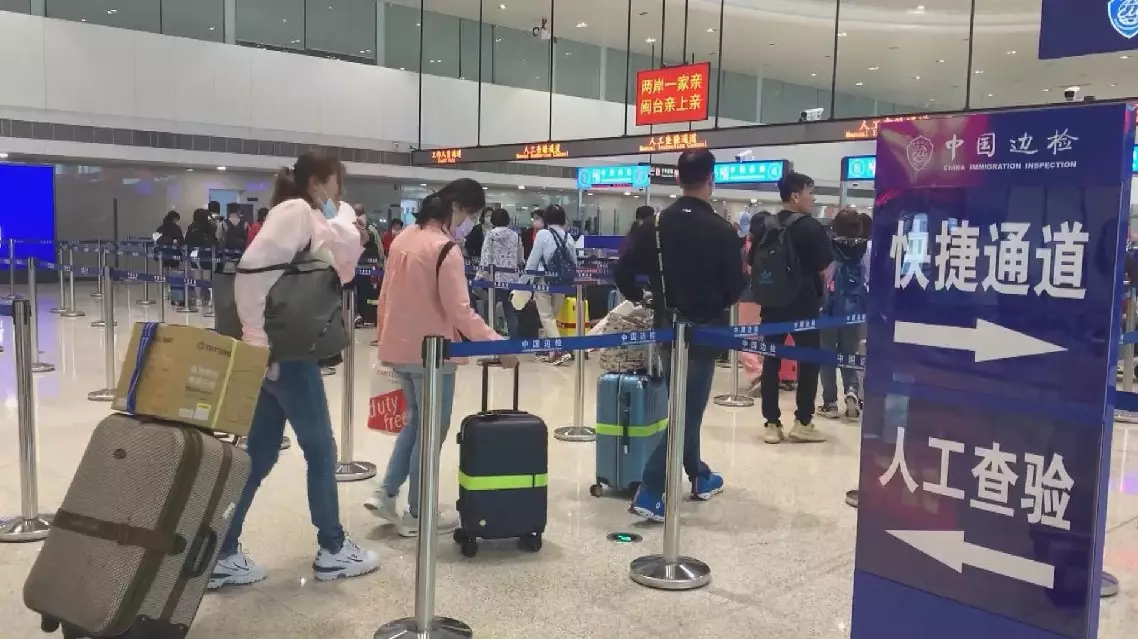
Mini-three-links route between Xiamen, Kinmen sees record high single day trips
Years of war in South Sudan have left the East African country littered with landmines that may take more years to remove.
South Sudan had hoped to clear all anti-personnel minefields and cluster munitions in the country by this year.
However, the government says efforts are complicated by a lack of funding, continued insecurity and flooding in the country.
The United Nations says more than 5,000 South Sudanese have been killed or injured by landmines and unexploded ordnance since South Sudan's independence 15 years ago.
"In our country mine action is not only for clearing land but also for protecting civilians, supporting peacekeeping mobility, enabling humanitarian operations and creating safe conditions for returns, recovery and socio-economic growth," said Jurkuch Barach Jurkuch, chairperson of the South Sudan National Mine Action Authority.
South Sudan has fertile land that could be crucial to achieving the government's goal of national food self-sufficiency.
However, for far too long, landmines and other unexploded munitions have severely hindered farming activities.
"We are implementing critical interventions including survey, clearance, [safe destruction of explosive ordnance] and explosive ordnance risk education," said Albino Akol Atak, South Sudan's Minister of Humanitarian Affairs.
The government says the risk education initiatives equip farmers and community members with the knowledge and skills to identify potential threats and adopt safe practices.
The United Nations Mine Action Service in South Sudan says it has now destroyed more than one million explosive devices and 4.2 million bullets.
Families torn apart by landmines can be found all over South Sudan. The UN says the threat from the remnants of the country's long civil war is still huge.
"People living in these areas, even there is no accident, nothing happens, it doesn't mean that the hazard is out, so anything they see, anything they get, they still need to report it through the normal reporting system, informing the government," said Clement Aswali, a United Nations Mine Action Operations specialist.
South Sudan's government says most of the country's landmines are left over from the 21-year war between the then northern and Southern Sudanese people which ended in 2005. However, another war between 2013 and 2018 also left behind dangerous explosives.
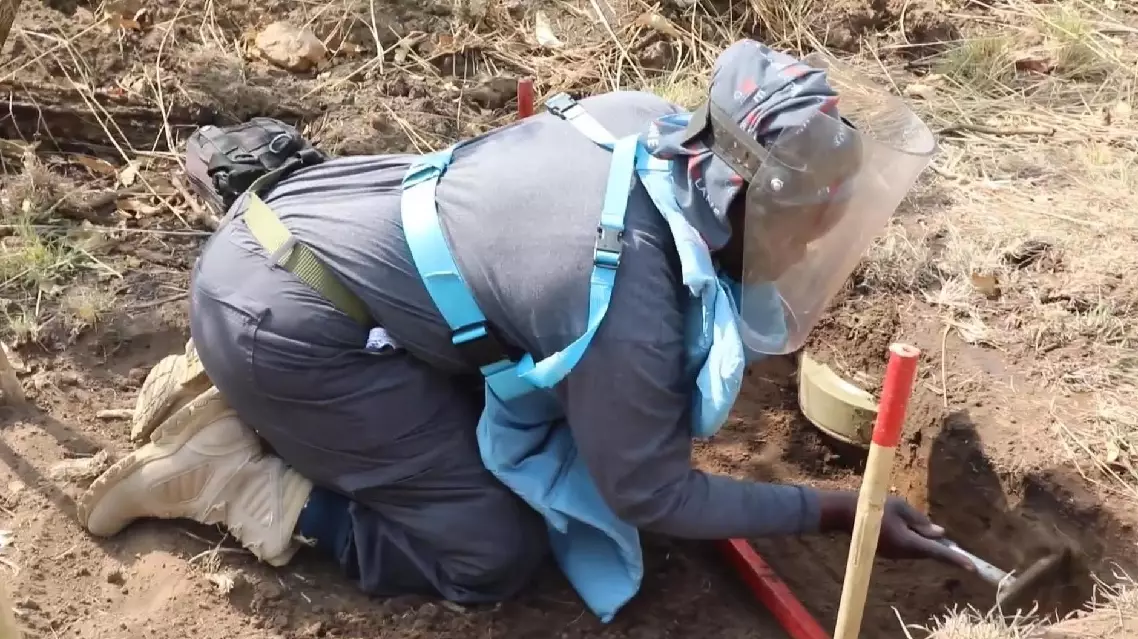
South Sudan struggles to clear mines left by civil war