In historical Chinese cities like Nanjing and Xi’an, the ancient city walls stand downtown, forming a spectacular combination of the past and the present, of a historical relic and the modern metropolis.
A remnant of the country’s thousands of years of history, they attract tourists from around the globe.
Click to Gallery
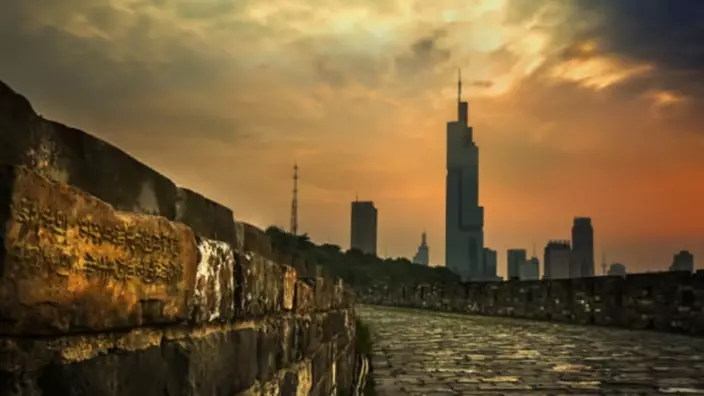
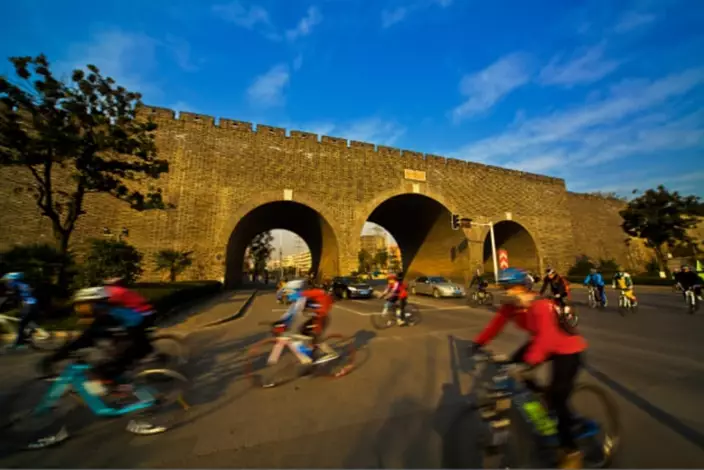
City wall in Nanjing city, Jiangsu Province /Photo via official website of Nanjing City Wall
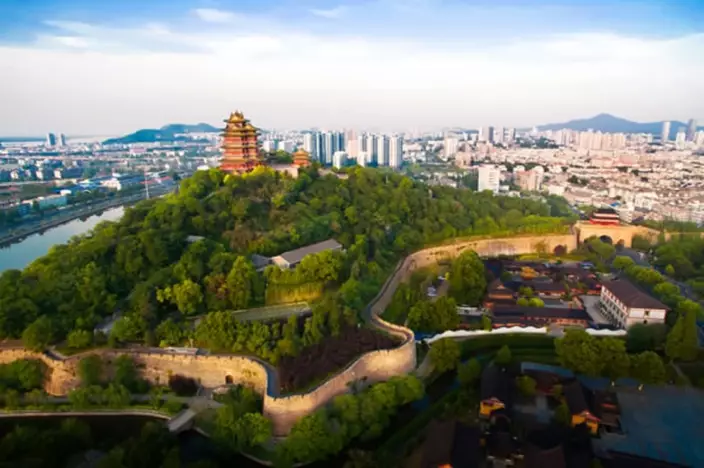
City wall in Nanjing city, Jiangsu Province /Photo via official website of Nanjing City Wall
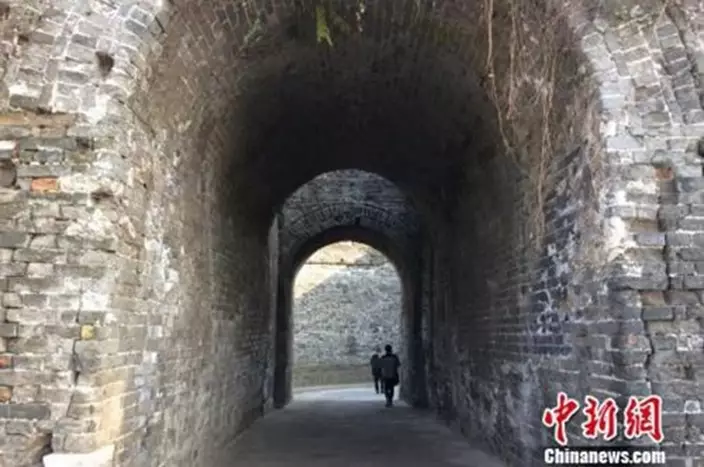
City wall in Jingzhou city, Hubei Province /CNS Photo
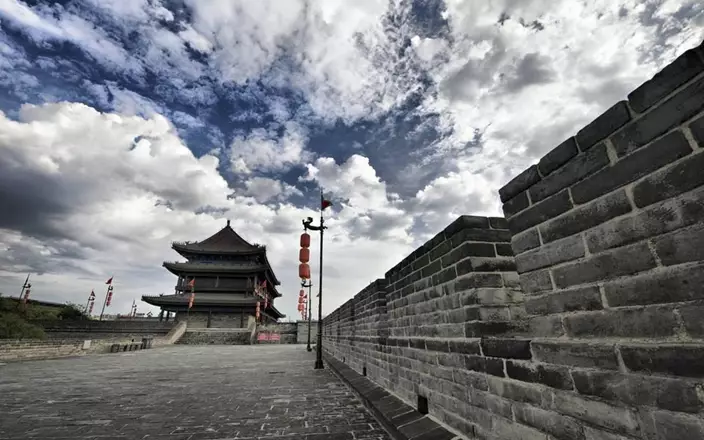
City Wall in Xi'an city, Shaanxi Province /Photo via 163.com
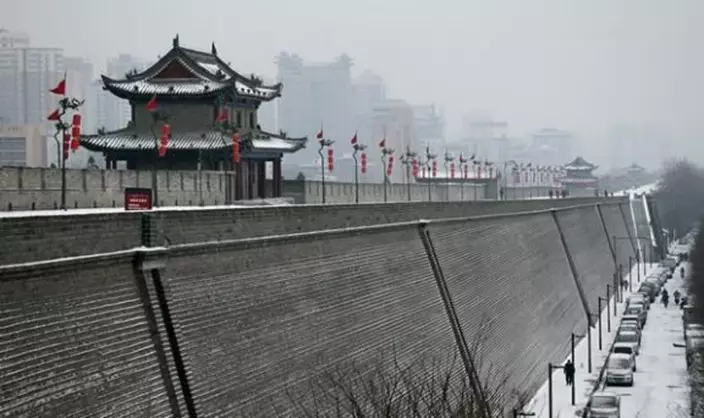
City Wall in Xi'an city, Shaanxi Province /Photo via official website of Xi'an City Wall
However, according to Yang Guoqing, expert of the Nanjing City Wall Protection Management Center, the city walls are slowly disappearing.
A meeting on September 18 will focus on preserving these walls – many from the Ming and Qing dynasties – by applying for them to be a part of World Heritage Sites.
“To some extent, the move is just a starting point, and the main focus is to help the local governments protect the city walls, which are already on the brink of disappearance,” said He Yun’ao, director of the Cultural and Natural Heritage Research Center at Nanjing University.
City wall in Nanjing city, Jiangsu Province /Photo via official website of Nanjing City Wall
Living history: ancient city walls
As a cradle of civilization, China’s first city wall was built some 6,000 years ago during the Neolithic Age. As an indispensable part of the ancient Chinese cities, the city walls served as part of the defense systems as well as the architectural experience. It also had political symbolic significance.
City wall in Nanjing city, Jiangsu Province /Photo via official website of Nanjing City Wall
In the ancient times, each city's walls were made of different layers varying in scale and form. There were strict rules for the height, width, as well as the number of gates and towers depending on whether the city was the capital, a provincial capital or a county.
The study of these ancient walls have allowed experts to decipher traditional Chinese cultures and history.
“For instance, the city wall of Nanjing. Nanjing’s city walls were not built following the traditional shape of a square. Instead, it was built in accordance with astronomy,” said Yang.
City wall in Jingzhou city, Hubei Province /CNS Photo
“Originally, the ancient Nanjing city wall had 13 gates, each representing a constellation. The main palace was located at the center of the Plough, and that is why the rulers at that time preferred to fill the lake to build the palaces,” said Yang.
According to Yang, Nanjing’s city wall is a mixture of Taoism which was just taking off at the beginning of the Ming Dynasty (1368-1644) and the special geographic location of the city.
The past and present of the city walls
There are at least 6,000 ancient Chinese cities which used to have city walls, but only 10 still have relatively intact walls, according to He Yun’ao. Though the existing city walls are fragile, he added.
City Wall in Xi'an city, Shaanxi Province /Photo via 163.com
Weather and erosion have led to the damage of the city walls, but the primary causes for deterioration are the rapid development of modern cities and the lack of awareness for protecting these walls.
“In the past, there are always people who want to tear them down, and replace them with a more modern building, or to remove them to pave a road. Many have not realized that they are priceless relics,” said He.
“By making the walls a World Heritage Site, we hope that the remaining city walls could be well preserved,” said He Yun’ao.
City Wall in Xi'an city, Shaanxi Province /Photo via official website of Xi'an City Wall
The program was jointly launched by eight cities which still have intact ancient city walls, with several other cities poised to join.
The application work started in 2006, and now the city walls of the Ming and Qing Dynasties have already entered the tentative list.
“In cities like Nanjing and Xi’an, the ancient city walls standing at the hearts of rapidly developed modern cities has formed unique comparisons between the classic cities and the modern ones, the inspirations they brought for the cities’ residents are irreplaceable,” said He.