Utter the word "Shunde" to Chinese gastronomes and expect salivation. The word is a district in the city of Foshan in Guangdong Province, and a synonym for something being scrumptious. Shunde is known as the cradle of Cantonese cuisine, the birthplace of the famous buffalo milk dessert Shuangpinai, and the hometown of some of the country's best chefs.
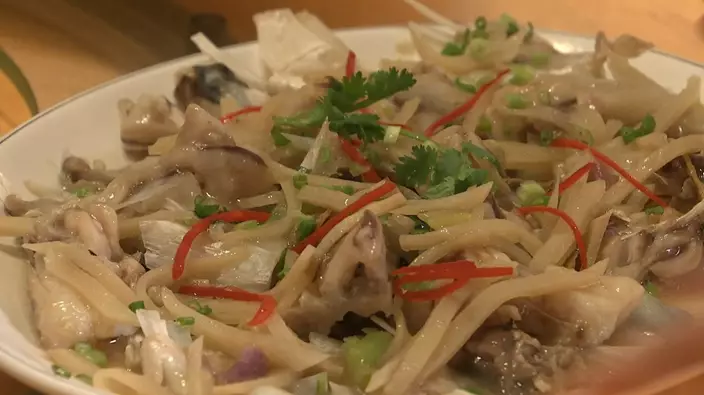
The famous fish food in Shunde/CGTN Photo
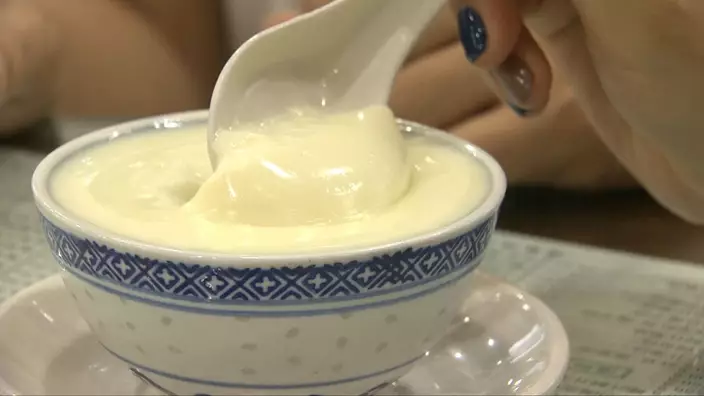
The famous buffalo milk dessert Shuangpinai /CGTN Photo
A unique fabric
Click to Gallery
The famous fish food in Shunde/CGTN Photo
The famous buffalo milk dessert Shuangpinai /CGTN Photo
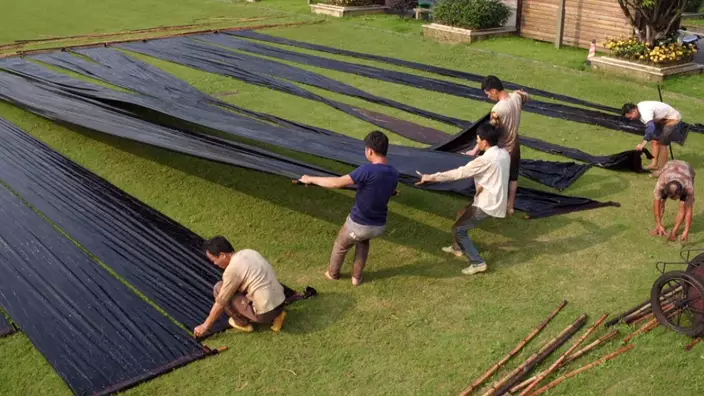
The unique fabric: Xiangyunsha /CGTN Photo
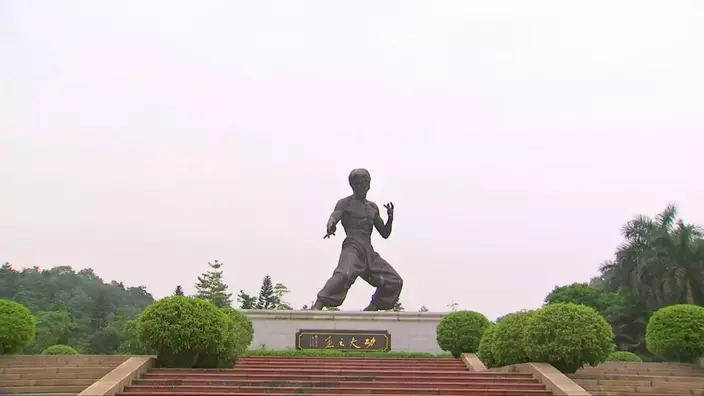
Statue of Bruce Lee /CGTN Photo
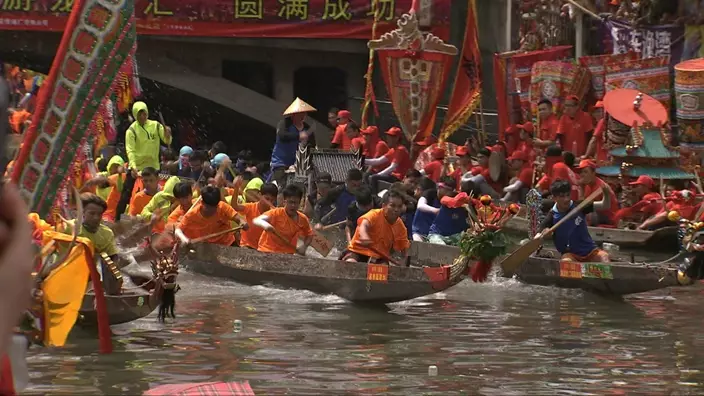
The dragon boat races /CGTN Photo
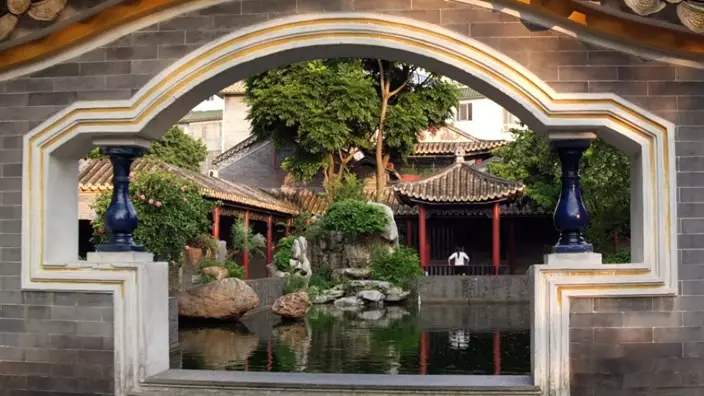
Qinghui Garden /CGTN Photo
There are other non-epicurean reasons why this modern manufacturing boomtown on the banks of the Pearl River should be your next destination. For example, Xiangyunsha, an organic silk created by hand, using all-natural ingredients and ancient techniques recognized as part of China's Intangible Cultural Heritage. The durable, wrinkle-resistant and sumptuously soft material is made only in Shunde.
The unique fabric: Xiangyunsha /CGTN Photo
The Bruce Lee legend
Kung Fu fanatics fear not – Shunde hasn't forgotten you. It is Bruce Lee's ancestral home – well, he never actually lived there, but his father did. You can wander into the humble dwelling off an alleyway now called "Bruce Lee Lane," and turn the corner into Bruce Lee Paradise, a theme park celebrating Wing Chun martial arts and its practitioners.
Statue of Bruce Lee /CGTN Photo
Dragon boat races and revelry
If you find yourself ever wondering what to do on the fifth day of the fifth lunar month, then join the crowds in Longyan Village, central Shunde. The quiet, rather ordinary hamlet transforms into a raucous and extraordinary venue for a gigantic dragon boat bash, complete with all sorts of age-old rituals like "painting the dragon's eye." Think: banquets with thousands of people, lion dances, and, of course, dragon boat races that will get your ears and heart pounding.
The dragon boat races /CGTN Photo
Green and serene
Afterwards, when you need a little peace and tranquility, pop into Qinghui Garden, built some 400 years ago and one of the Four Great Gardens of Guangdong. Its name literally translates as "Garden of Pure Splendor", which, amidst its stained-glass pagodas, trickling waterfalls and bamboo-shaded paths, you may find is quite the understatement.
Qinghui Garden /CGTN Photo
Once a prosperous agricultural county, today, Shunde is up there amongst the nation's most affluent areas. So really, it's got the best of both worlds – modernity combined with raw and rustic allure. Throw in food, fabrics, Kung Fu and festivities and what more could you want on a visit to southern China?