The Hong Kong media delegation visited the Yangzhou Intangible Cultural Heritage Treasure Hall on March 25, touring the exhibition halls and master studios. At the Treasure Hall, the staff introduced a range of intangible cultural heritage crafts, including jade carving, lacquerware, paper cutting, embroidery, and sola flower making. Moreover, the staff also revealed that many of the items on display are the retained versions of China's national gifts.
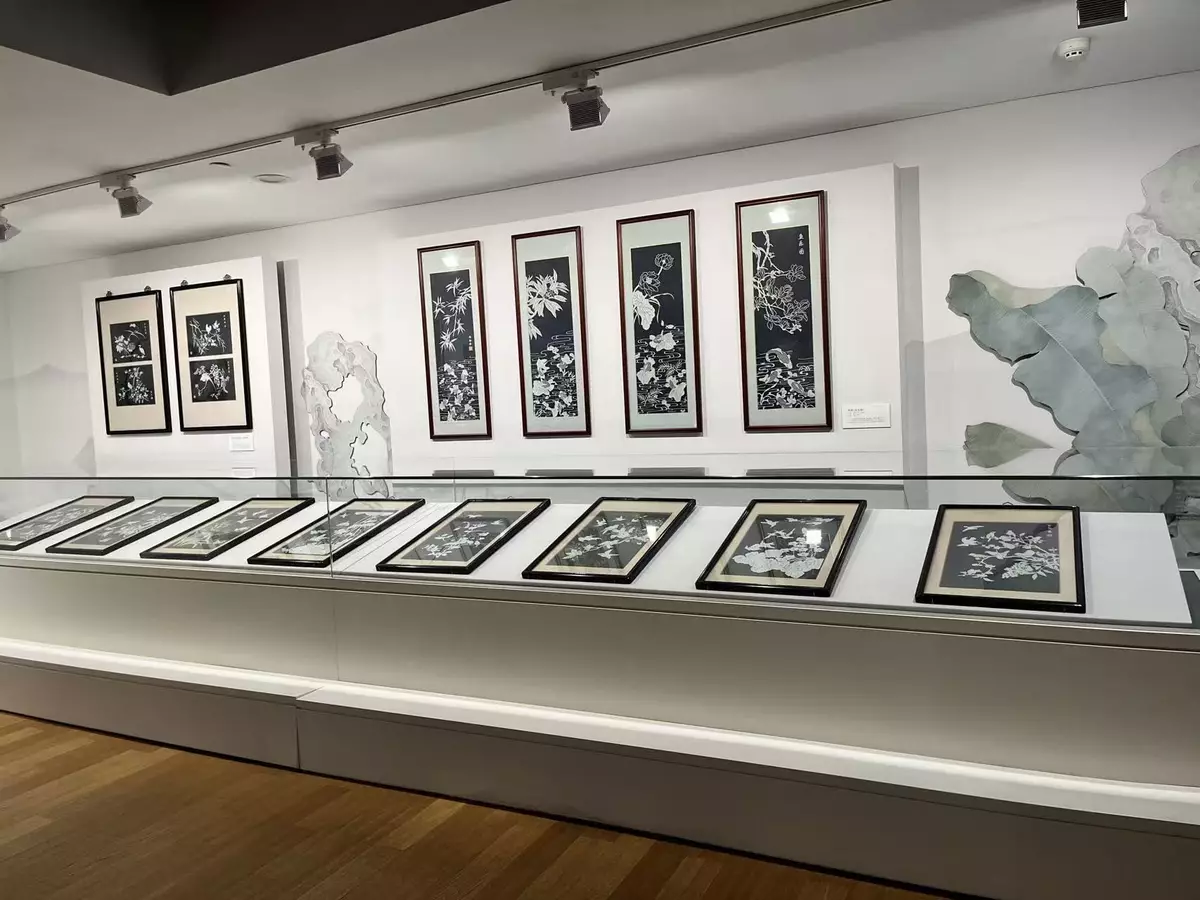
Photo by Bastille Post
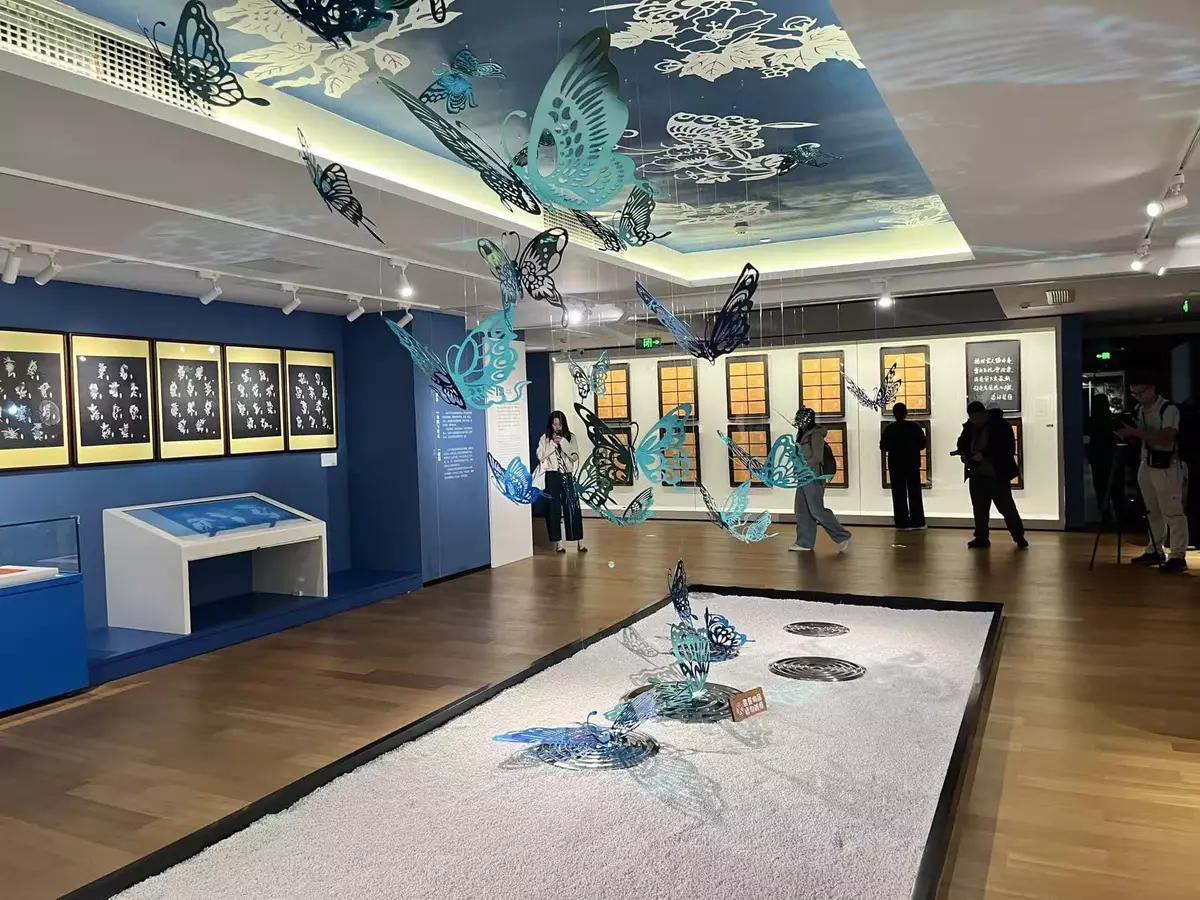
Photo by Bastille Post
Five Halls in One: Preserving China's National Gifts
The Yangzhou Intangible Cultural Heritage Treasure Hall integrates the Yangzhou Arts and Crafts Museum, the Yangzhou Jade Carving Museum, the Yangzhou Lacquerware Museum, the China Paper Cutting Museum, and the Guangling Branch of China Printing Museum. The Treasure Hall houses over ten thousand display items, encompassing exquisite masterpieces of woodblock printing, lacquerware, jade carving, paper cutting, and sola flowers, etc. The staff introduced that the wooden ship model "Boat of Friendship" on display is a retained version of the national gift presented by President Hu Jintao during his visit to Japan in 2008. "National gifts are often given in duplicate to prevent damage during transit. After arrival and confirmation of no problems, we keep the other one ourselves." This practice is common in diplomatic gift-giving: one item is kept in the museum, and one is given to the foreign dignitary.
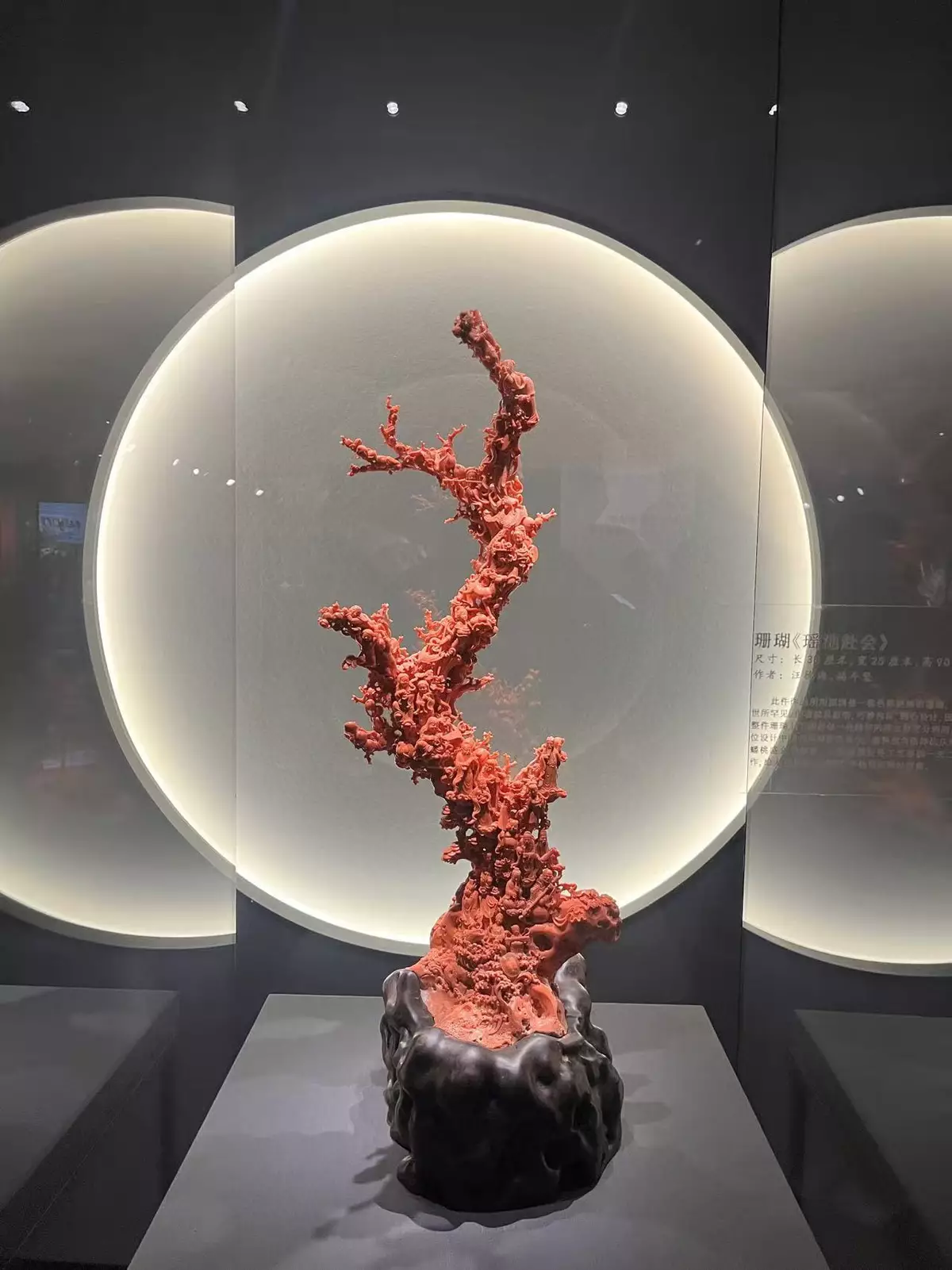
Photo by Bastille Post
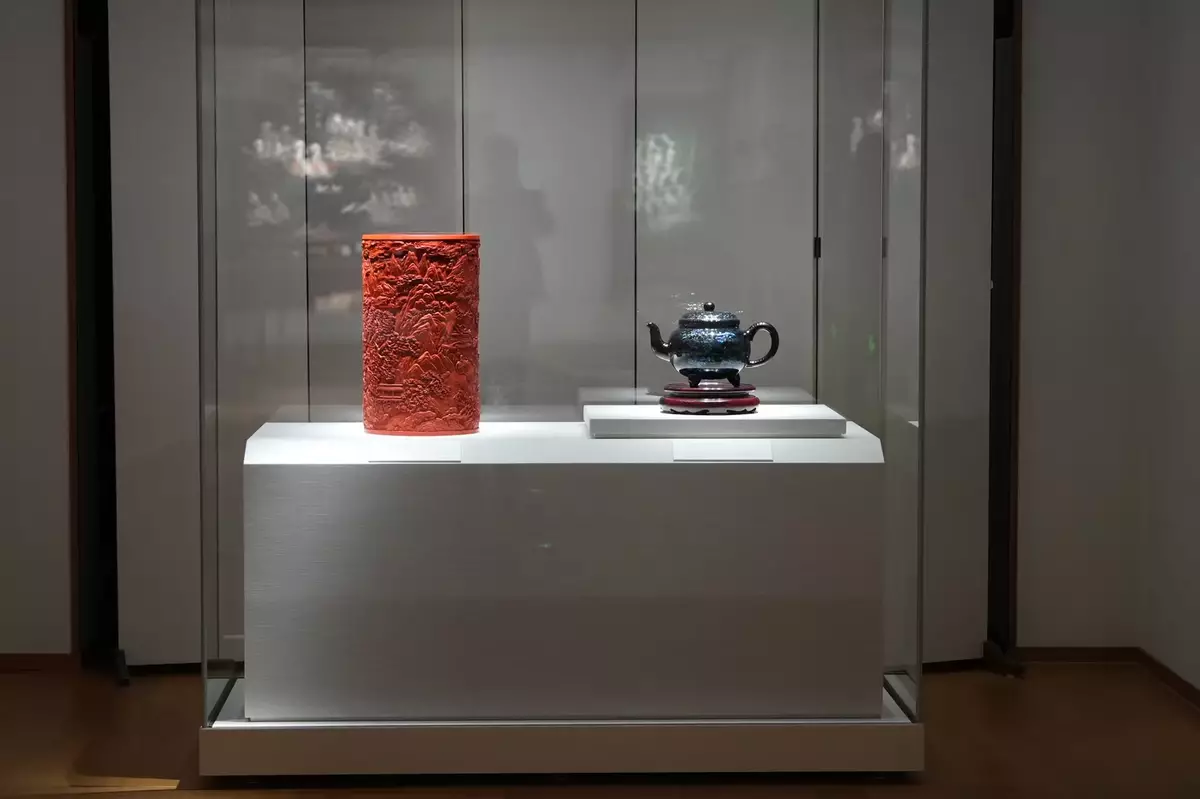
Photo by Bastille Post
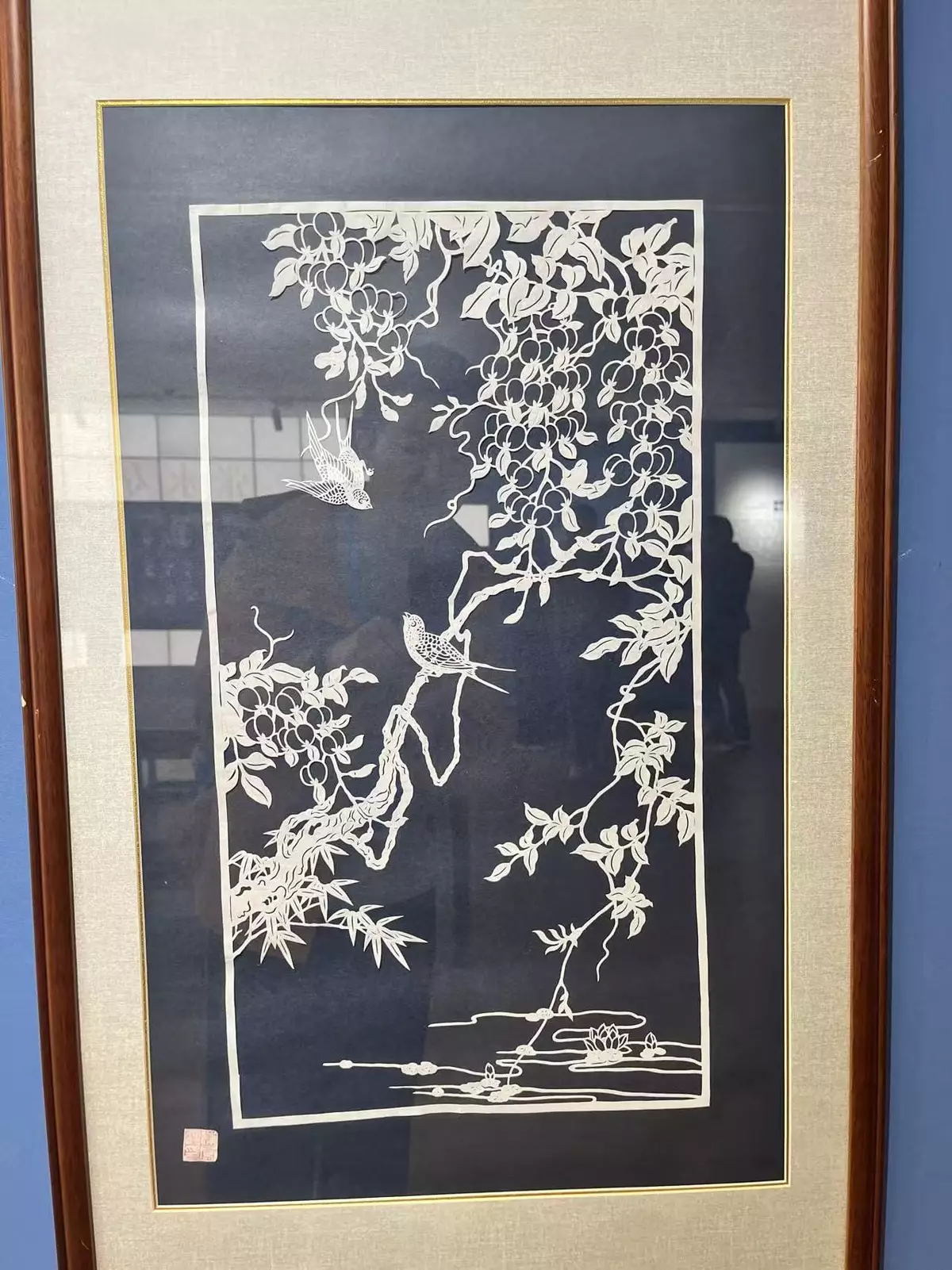
Photo by Bastille Post
The Star Exhibit: Jade Carving "Mantis and Cabbage"
The jade carving "Mantis and Cabbage", the hall's star exhibit, has an extremely complex production process. The staff explained that jade carving cannot be done with long tools at high rotation speeds, "because the jade will lose centrifugal force at high speeds, and the tools are too long." The openwork section of the carving— including the cabbage veins, pods, and various parts of the mantis — is all painstakingly hand-carved by sixteen craftsmen working in shifts, taking approximately three years to complete.
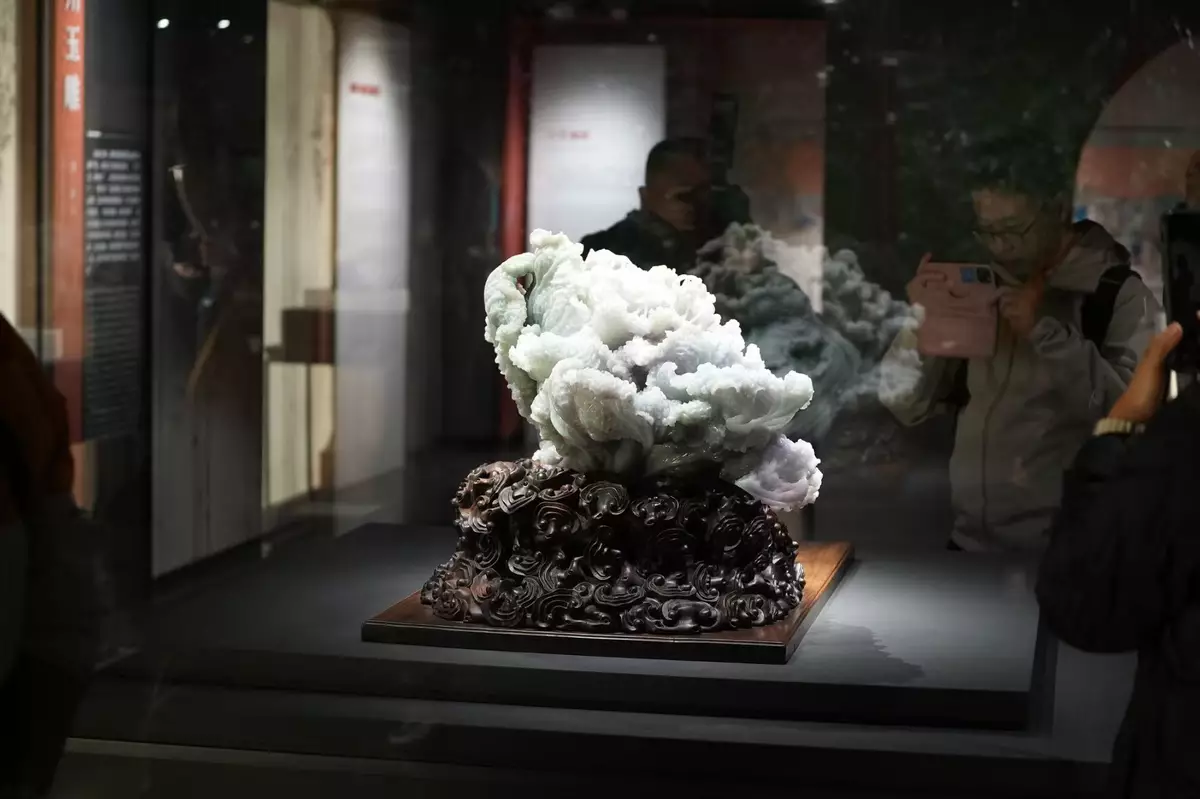
The jade carving "Mantis and Cabbage", the hall's star exhibit, has an extremely complex production process. Photo by Bastille Post
The Treasure Hall also houses a well-preserved Qing Dynasty lacquerware artifact that showcases the ultimate aesthetic of Yangzhou lacquerware." This piece uses golden phoebe wood as its base and combines complex techniques such as point-shell inlay, Qiangjin carved lacquer production (a type of carving technique), and turquoise inlay, etc. According to the staff, such an exquisite piece was often displayed on central hall tables in ancient times, symbolizing the status and position of the owner.
Yangzhou Paper Cutting: One Scissors, One Sheet of Xuan Paper
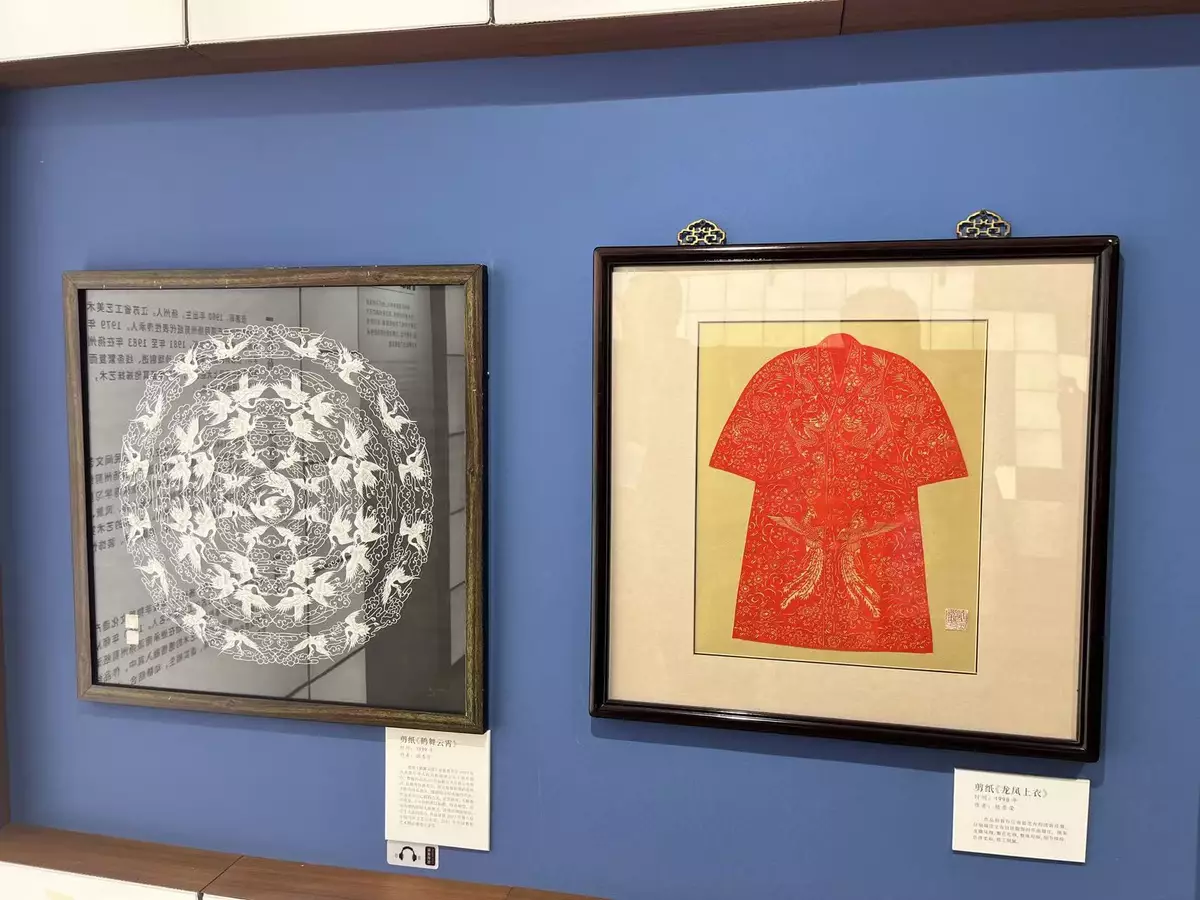
Staff explained that Yangzhou paper-cutting is characterized by "flat cutting, no folding, and asymmetry" — using ordinary scissors to cut directly through Xuan paper, producing smooth lines and a style quite different from northern window decorations. Photo by Bastille Post
The Treasure Hall also houses several studios of intangible cultural heritage craft masters, including a live demonstration of traditional Yangzhou paper-cutting by master Ms. Zhang Zhenmei. Staff explained that Yangzhou paper-cutting is characterized by "flat cutting, no folding, and asymmetry" — using ordinary scissors to cut directly through Xuan paper, producing smooth lines and a style quite different from northern window decorations.
Ms. Zhang Zhenmei said that paper-cutting relies entirely on the coordination of wrist strength and scissor control. "When the scissors cut lines that are too thick, we need to reduce the thickness. If the size is too small, the layers will be easily cut off and cannot be stretched." Once a pair of scissors becomes comfortable to use, she added, it is not easily replaced.
From the Spring Festival Gala to the Studio: A Post-95s Inheritor of Sola Flower Making
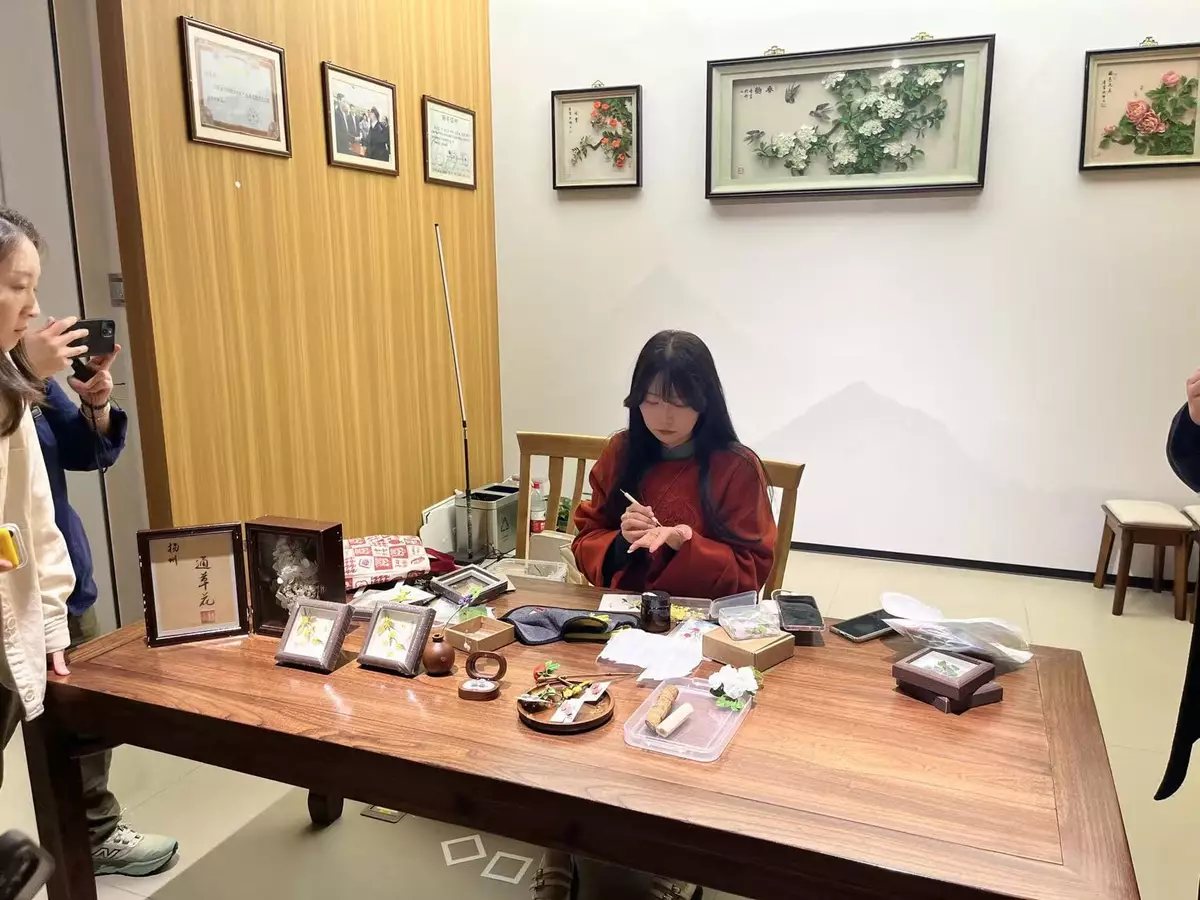
A young inheritor at the Treasure Hall, 28-year-old Wang Yunyu, has devoted herself to the art of sola flower making for over a decade, making her the youngest and earliest apprentice of master Mr. Dai Chunfu. Photo by Bastille Post
A young inheritor at the Treasure Hall, 28-year-old Wang Yunyu, has devoted herself to the art of sola flower making for over a decade, making her the youngest and earliest apprentice of master Mr. Dai Chunfu.
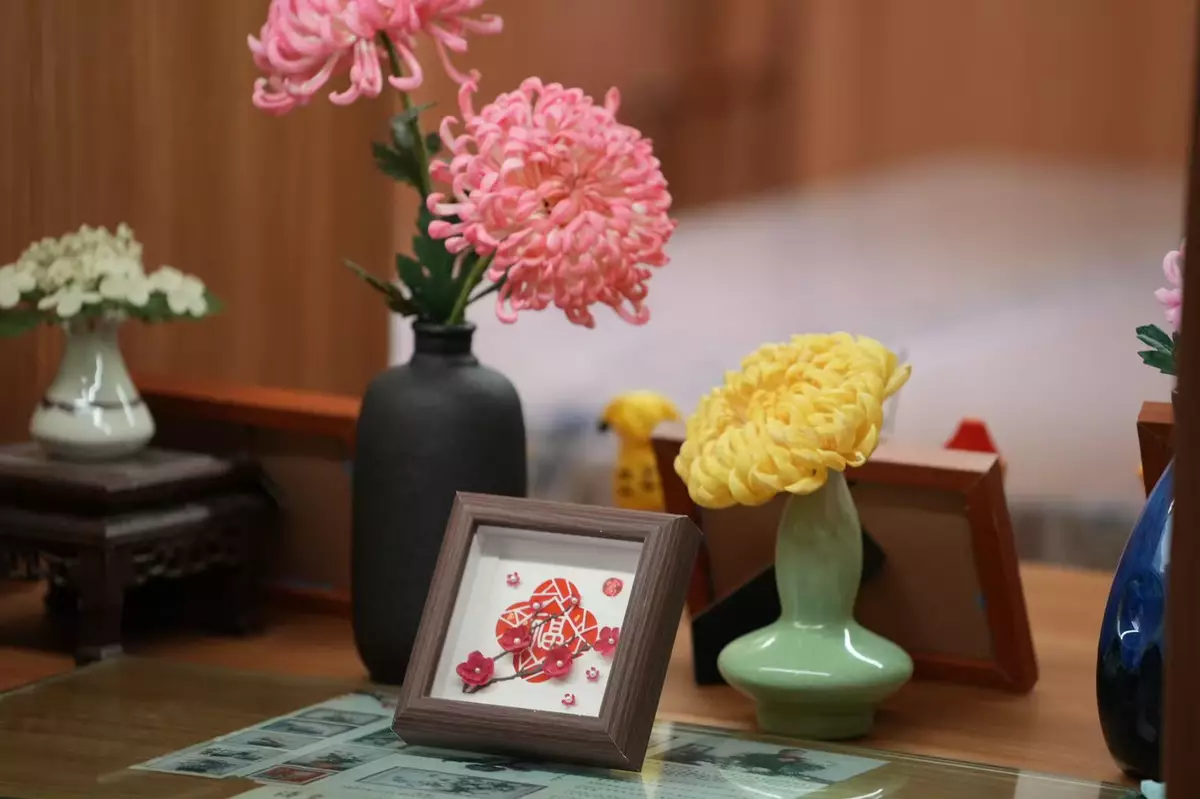
Sola flowers are made from rice-paper plant pith. Photo by Bastille Post
Sola flowers are made from rice-paper plant pith — a type of traditional Chinese medicine — which is shaved into thin slices with a rolling knife, cut into petal shapes, pressed, and then colored to create incredibly realistic flowers that "never wither." Staff explained that the technique was once lost after the Kangxi era but was revived in 1953 by master Mr. Qian Hongcai, who is related to Mr. Dai Chunfu as brother-in-law.
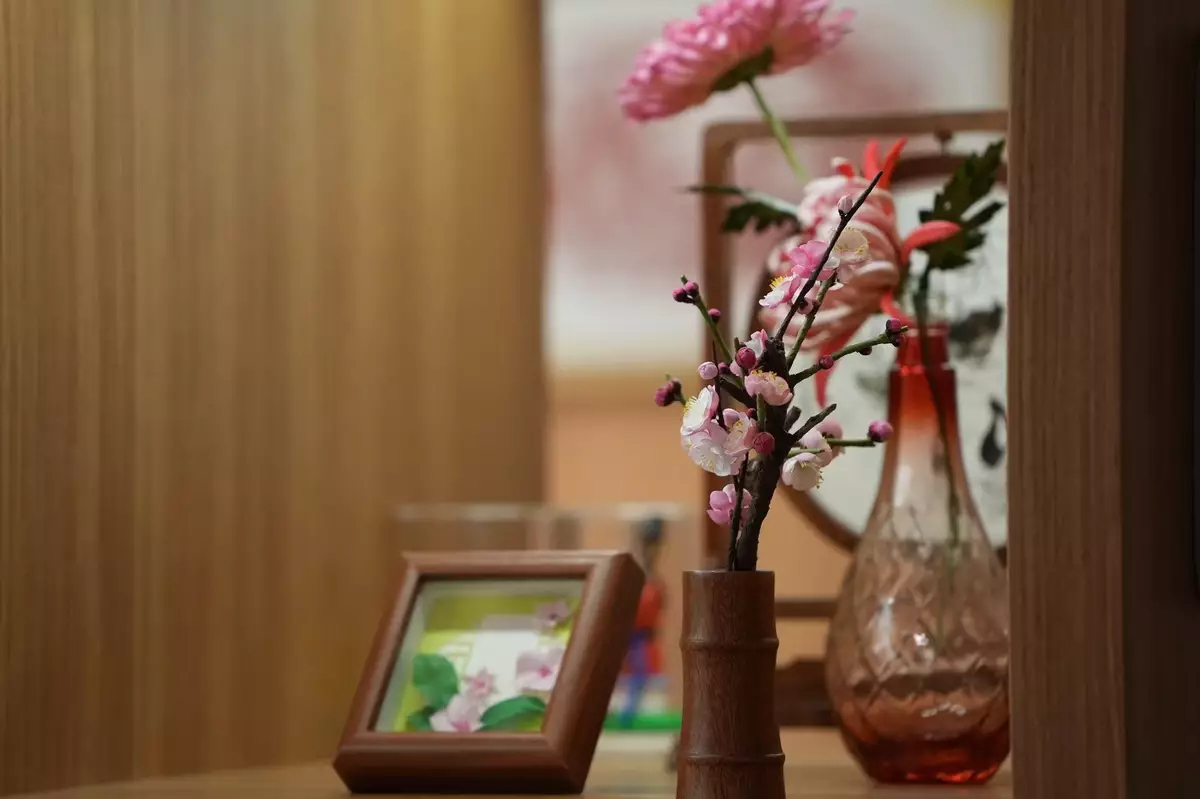
Sola flowers are the flowers that "never wither." Photo by Bastille Post
In recent years, Yangzhou sola flowers have gained increasing recognition. For instance, the "Twelve Floral Deities" featured in the 2026 Spring Festival Gala incorporated these flower products as decorations. Some pieces are even permanently displayed in national venues such as the Great Hall of the People, Zhongnanhai, and the Ziguang Pavilion, etc.
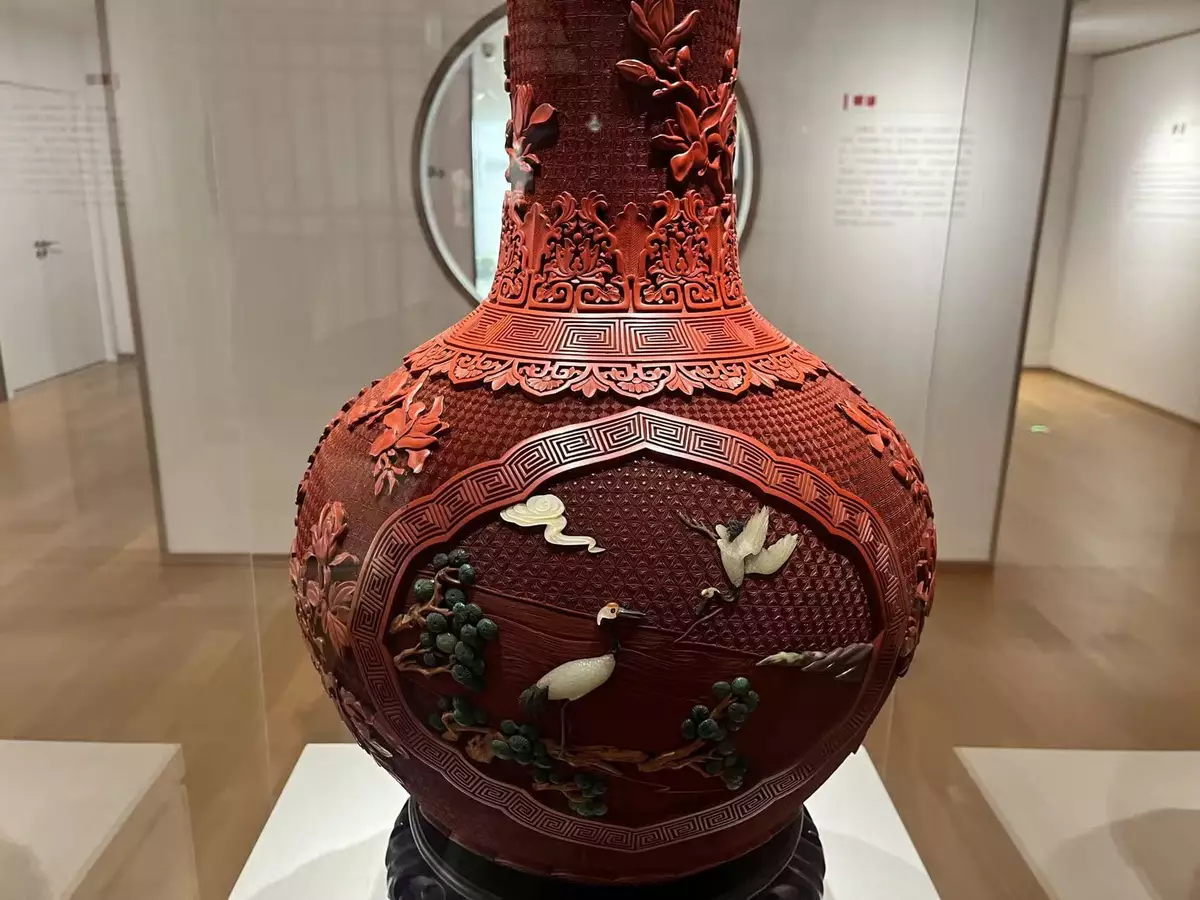
Photo by Bastille Post
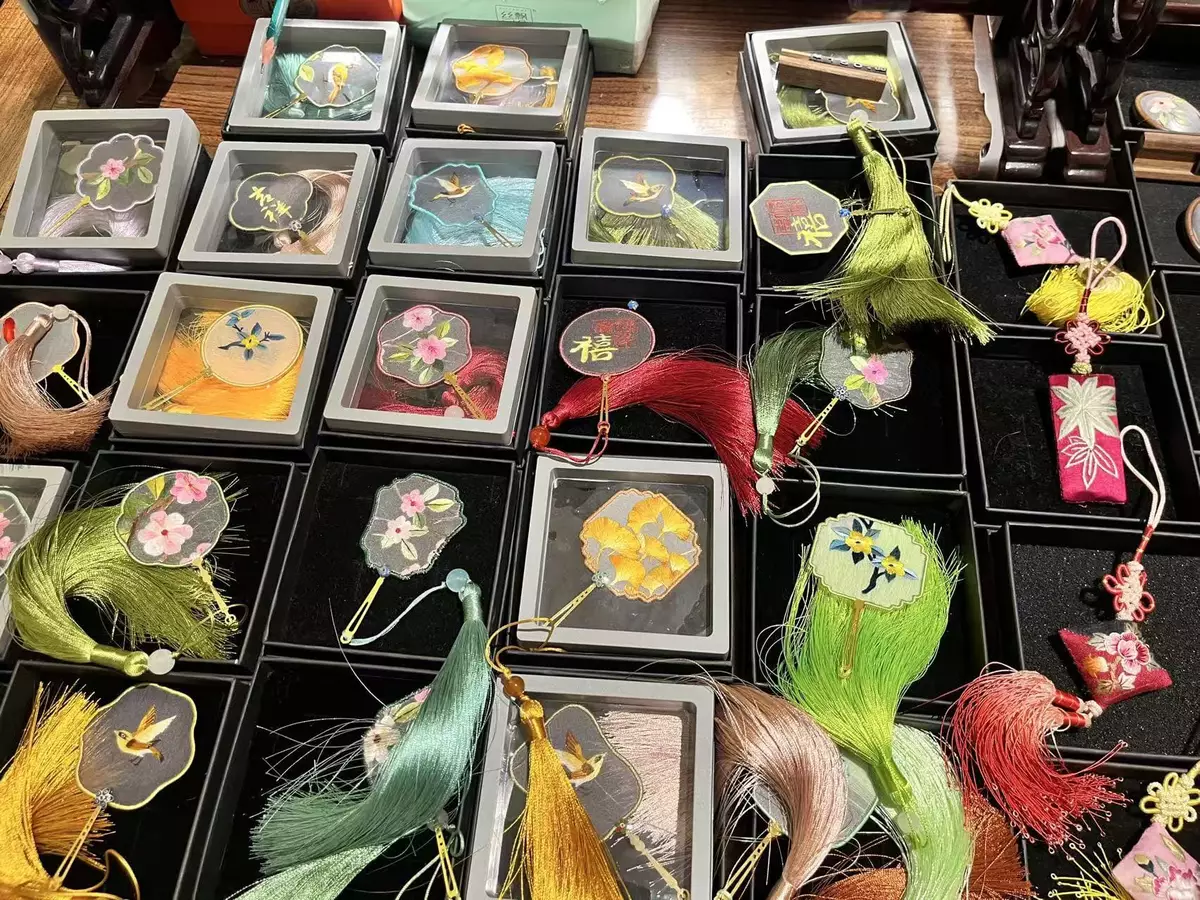
Photo by Bastille Post
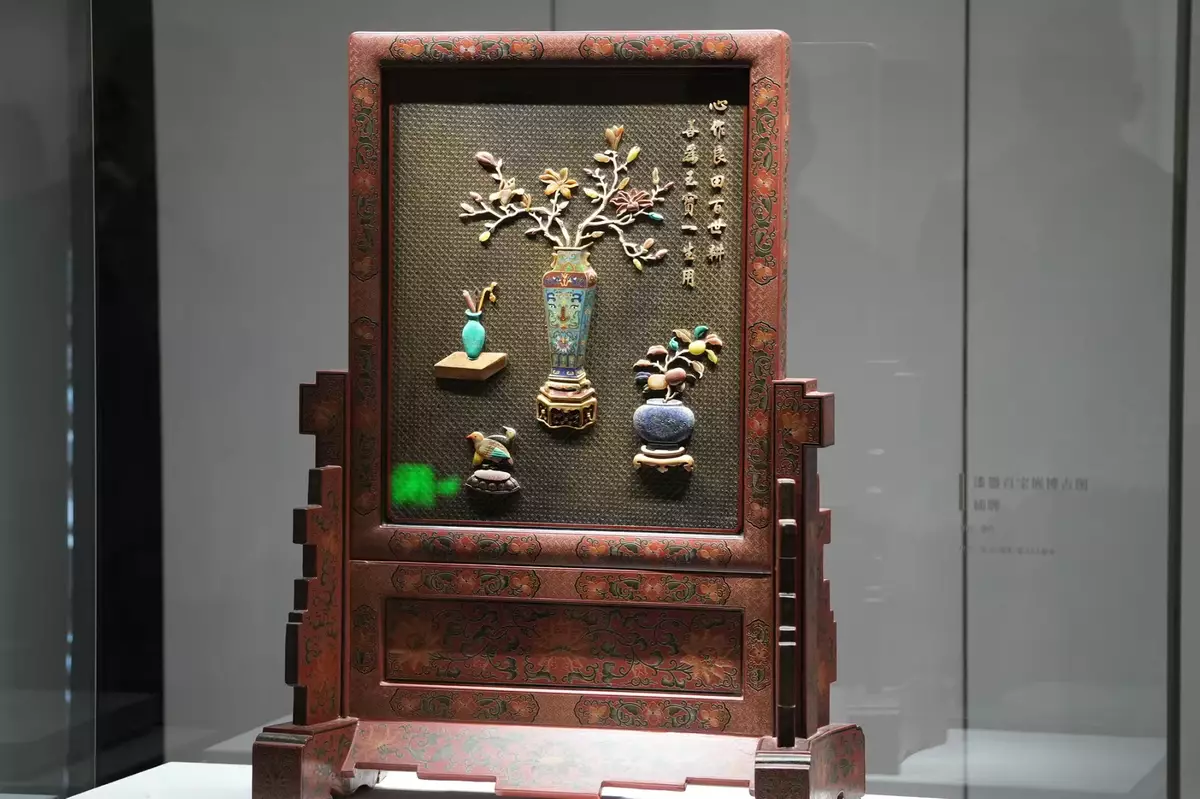
Photo by Bastille Post
Photo by Bastille Post