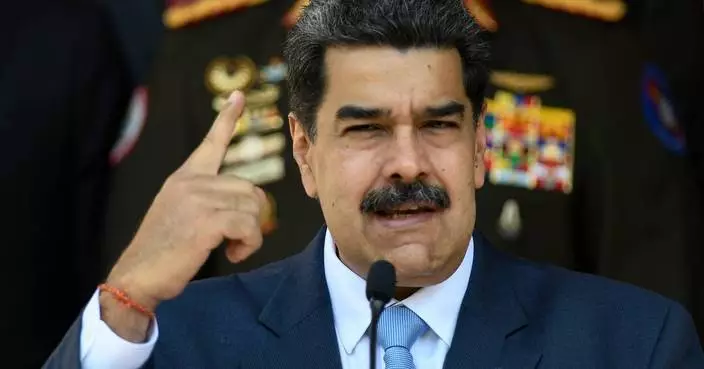
Teodoro Petkoff, a giant of Venezuela's politics who led a band of communist guerrillas in his youth before winning the praise of Wall Street in a top government post and then launching a newspaper that fearlessly railed against socialist President Hugo Chavez, died Wednesday.
Xabier Coscojuela, editor of the newspaper Tal Cual, said the paper's founder died after a long illness. Petkoff was 86.
Petkoff was celebrated as a critical thinker who maintained his political independence within an opposition movement weakened by cronyism and infighting. He promoted conservative economic policies, which Latin American leftists considered a betrayal.
"Teodoro Petkoff was a mentor to at least three generations of Venezuelans. I count myself among them," playwright, essayist and former Tal Cual columnist Ibsen Martinez told The Associated Press. "He instilled in us the idea that democracy and tolerance ... are the essence of social justice."
Petkoff's life story reads more like a Hollywood movie script, marked by daring prison escapes, bank heists and failed presidential campaigns in the tumultuous South American petro state.
Born to a Bulgarian father and Polish mother of Jewish origin who immigrated to Venezuela, Petkoff's political rise began as a student leader. He then joined the Communist Party and took up arms in the 1950s against dictator Marcos Perez Jimenez.
Petkoff spent three years in prison and escaped twice, once by slipping through a tunnel onto the streets of Caracas, where large crowds of costumed Carnival-goers provided ample cover.
In the second escape, he vomited blood that he had swallowed to feign illness and gained access to a prison hospital, where he rappelled down by rope from a seventh-story window.
Petkoff continued with the armed struggle against a U.S.-backed government that replaced Perez Jimenez in 1958. The rebels robbed banks, kidnapped businessmen and fought at times with soldiers.
He turned to journalism in the mid-1960s, writing for the Communist Party's newspaper in Caracas.
But the struggle faded in the 1970s as then-President Rafael Caldera offered amnesty to the last remaining rebels. By then, Petkoff had grown disillusioned with the Soviet model, which he saw as growing authoritarian.
Together with other former rebels, Petkoff formed the left-leading Movement Toward Socialism and was elected to the Senate. He ran for the presidency twice in the 1980s, and was handily defeated both times.
He joined the government in the late 1990s when Caldera in his second term tapped the former rebel as planning minister during an economic crisis. Petkoff's performance won praise on Wall Street for privatizing state-run companies and cutting subsidies while gradually reducing the state's role in the economy.
His wit was put on display launching Tal Cual in 2000 during the rise of Hugo Chavez's socialist movement, which maintains power today. The newspaper's inaugural front page boldly called out to the charismatic president with the headline: "Hola, Hugo."
Tal Cual's edgy stories and cutting opinion pieces over the years have drawn blowback from the government, including a defamation lawsuit filed by socialist party boss Diosdado Cabello, then president of the National Assembly. It was later dropped.
Petkoff's third presidential bid came in 2006 in a challenge to Chavez, who ultimately won a second 6-year term.
Petkoff was "the greatest democrat of the left in Latin America," said Enrique Krause, a Mexican historian and critic of current Venezuelan President Nicolas Maduro.
Luis Almagro, secretary general of the Organization of American States, said Petkoff's death is a loss that extends beyond his native Venezuela.
"He leaves #Venezuela and the region without a mandate on social commitment, political coherence and defense of democratic values," Almagro said on Twitter. "His struggle for freedom of expression and defense of human rights will never be forgotten."
MINNEAPOLIS (AP) — Federal agents carrying out immigration arrests in Minnesota's Twin Cities region already shaken by the fatal shooting of a woman rammed the door of one home Sunday and pushed their way inside, part of what the Department of Homeland Security has called its largest enforcement operation ever.
In a dramatic scene similar to those playing out across Minneapolis, agents captured a man in the home just minutes after pepper spraying protesters outside who had confronted the heavily-armed federal agents. Along the residential street, protesters honked car horns, banged on drums and blew whistles in attempts to disrupt the operation.
Video of the clash showed some agents pushing back protesters while a distraught woman later emerged from the house with a document that federal agents presented to arrest the man. Signed by an immigration officer, the document — unlike a warrant signed by a judge — does not authorize forced entry into a private residence. A warrant signed by an immigration officer only authorizes arrest in a public area.
Immigrant advocacy groups have done extensive “know-your-rights” campaigns urging people not to open their doors unless agents have a court order signed by a judge.
But within minutes of ramming the door in a neighborhood filled with single-family homes, the handcuffed man was led away and soon gone.
More than 2,000 immigration arrests have been made in Minnesota since the enforcement operation began at the beginning of December, said Homeland Security spokesperson Tricia McLaughlin.
The Twin Cities — the latest target in President Donald Trump’s immigration enforcement campaign — is bracing for what is next after 37-year-old Renee Good was shot and killed by an immigration officer Wednesday.
“We’re seeing a lot of immigration enforcement across Minneapolis and across the state, federal agents just swarming around our neighborhoods,” said Jason Chavez, a Minneapolis city councilmember. “They’ve definitely been out here.”
Chavez, the son of Mexican immigrants who represents an area with a growing immigrant population, said he is closely monitoring information from chat groups about where residents are seeing agents operating.
People holding whistles positioned themselves in freezing temperatures on street corners Sunday in the neighborhood where Good was killed, watching for any signs of federal agents.
More than 20,000 people have taken part in a variety of trainings to become “observers” of enforcement activities in Minnesota since the 2024 election, said Luis Argueta, a spokesperson for Unidos MN, a local human rights organization .
“It’s a role that people choose to take on voluntarily, because they choose to look out for their neighbors,” Argueta said.
The protests have been largely peaceful, but residents remained anxious. On Monday, Minneapolis public schools will start offering remote learning for the next month in response to concerns that children might feel unsafe venturing out while tensions remain high.
Many schools closed last week after Good’s shooting and the upheaval that followed.
While the enforcement activity continues, two of the state’s leading Democrats said that the investigation into Good's shooting death should not be overseen solely by the federal government.
Minneapolis Mayor Jacob Frey and U.S. Sen. Tina Smith said in separate interviews Sunday that state authorities should be included in the investigation because the federal government has already made clear what it believes happened.
“How can we trust the federal government to do an objective, unbiased investigation, without prejudice, when at the beginning of that investigation they have already announced exactly what they saw — what they think happened," Smith said on ABC’s "This Week."
The Trump administration has defended the officer who shot Good in her car, saying he was protecting himself and fellow agents and that Good had “weaponized” her vehicle.
Todd Lyons, acting director of ICE, defended the officer on Fox News Channel’s “The Sunday Briefing.”
"That law enforcement officer had milliseconds, if not short time to make a decision to save his life and his other fellow agents,” he said.
Lyons also said the administration’s enforcement operations in Minnesota wouldn't be needed “if local jurisdictions worked with us to turn over these criminally illegal aliens once they are already considered a public safety threat by the locals.”
The killing of Good by an ICE officer and the shooting of two people by federal agents in Portland, Oregon, led to dozens of protests across the country over the weekend.
Thousands of people marched Saturday in Minneapolis, where Homeland Security called its deployment of immigration officers in the Twin Cities its biggest ever immigration enforcement operation.
Associated Press journalists Giovanna Dell’Orto in Minneapolis, Thomas Strong in Washington, Bill Barrow in Atlanta, and John Seewer in Toledo, Ohio, contributed.
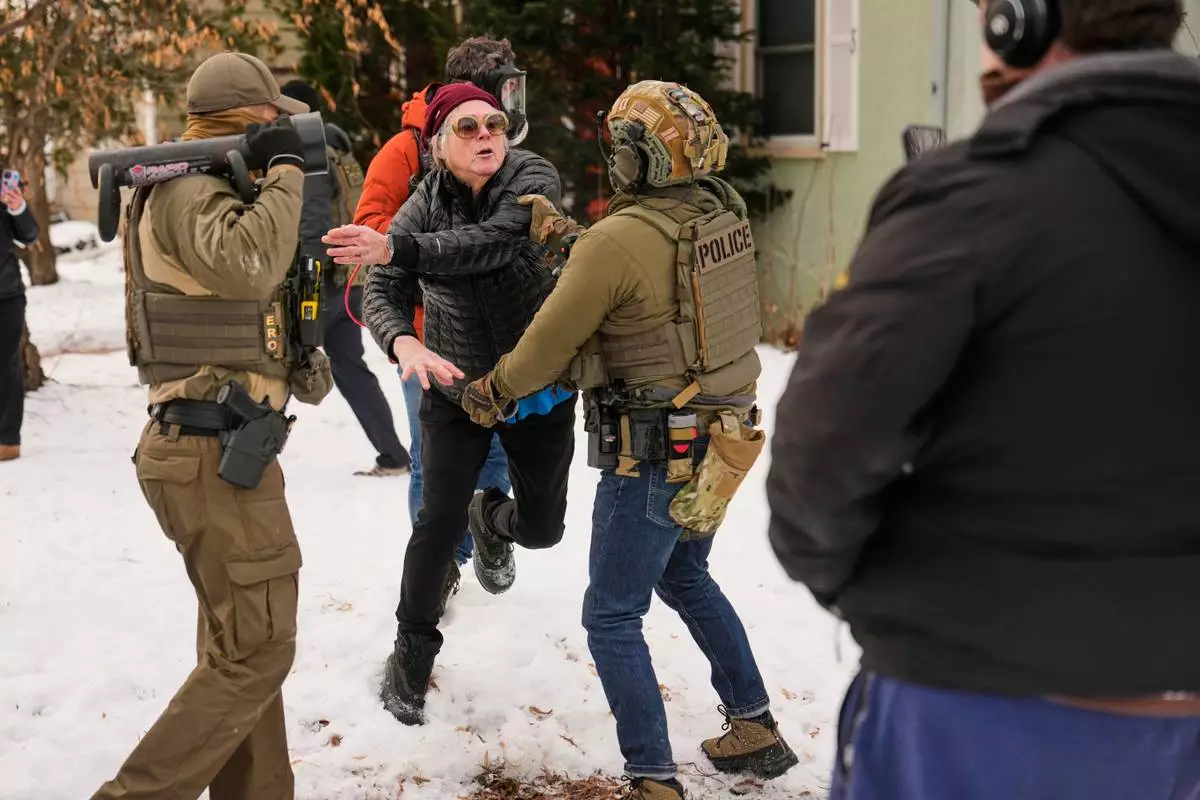
A woman gets into an altercation with a federal immigration officer as officers make an arrest Sunday, Jan. 11, 2026, in Minneapolis. (AP Photo/John Locher)
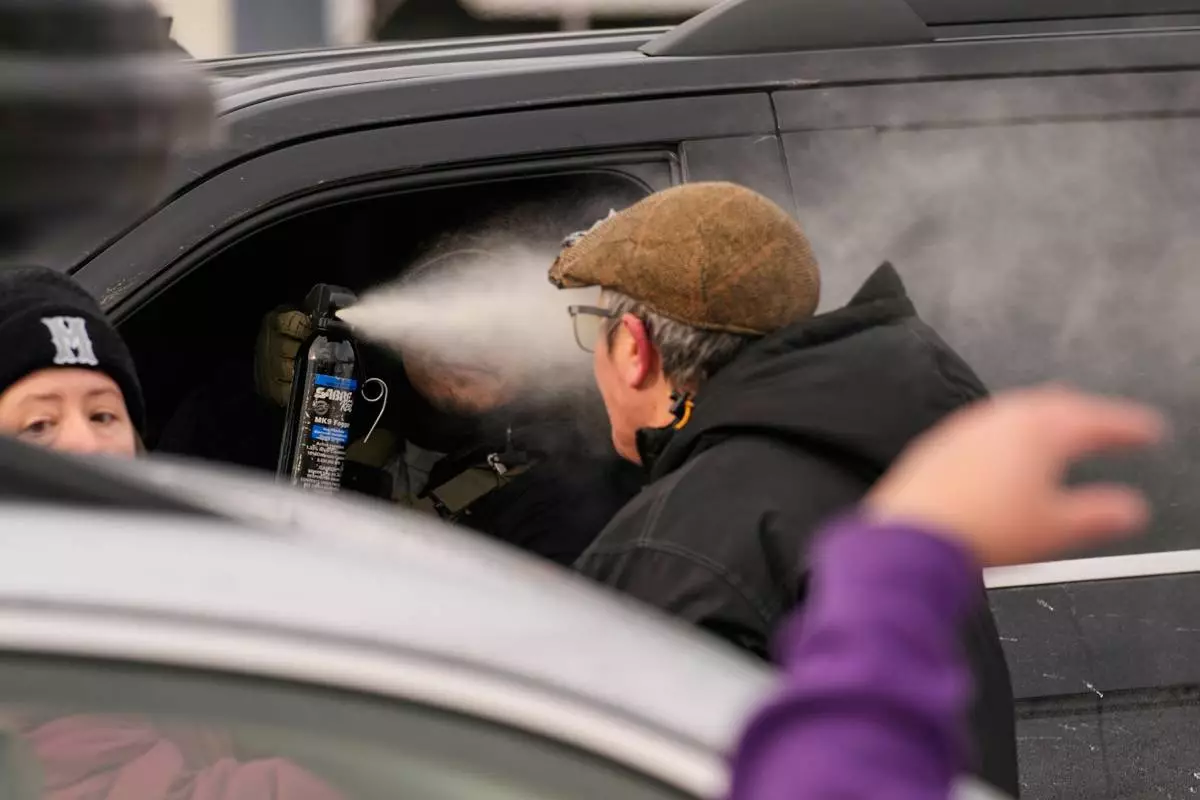
A federal immigration officer deploys pepper spray as officers make an arrest Sunday, Jan. 11, 2026, in Minneapolis. (AP Photo/John Locher)
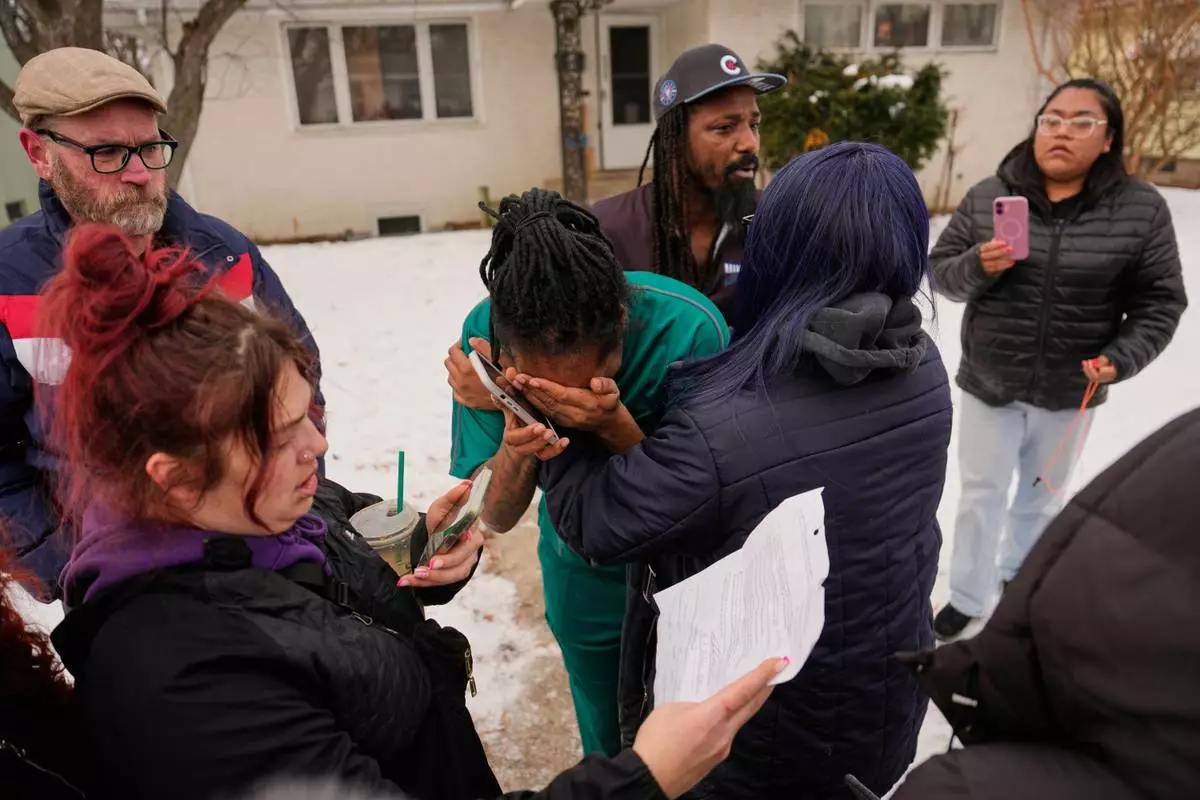
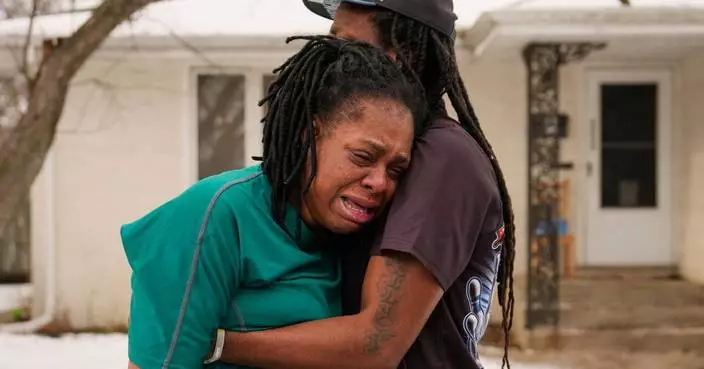
A family member, center, reacts after federal immigration officers make an arrest Sunday, Jan. 11, 2026, in Minneapolis. (AP Photo/John Locher)
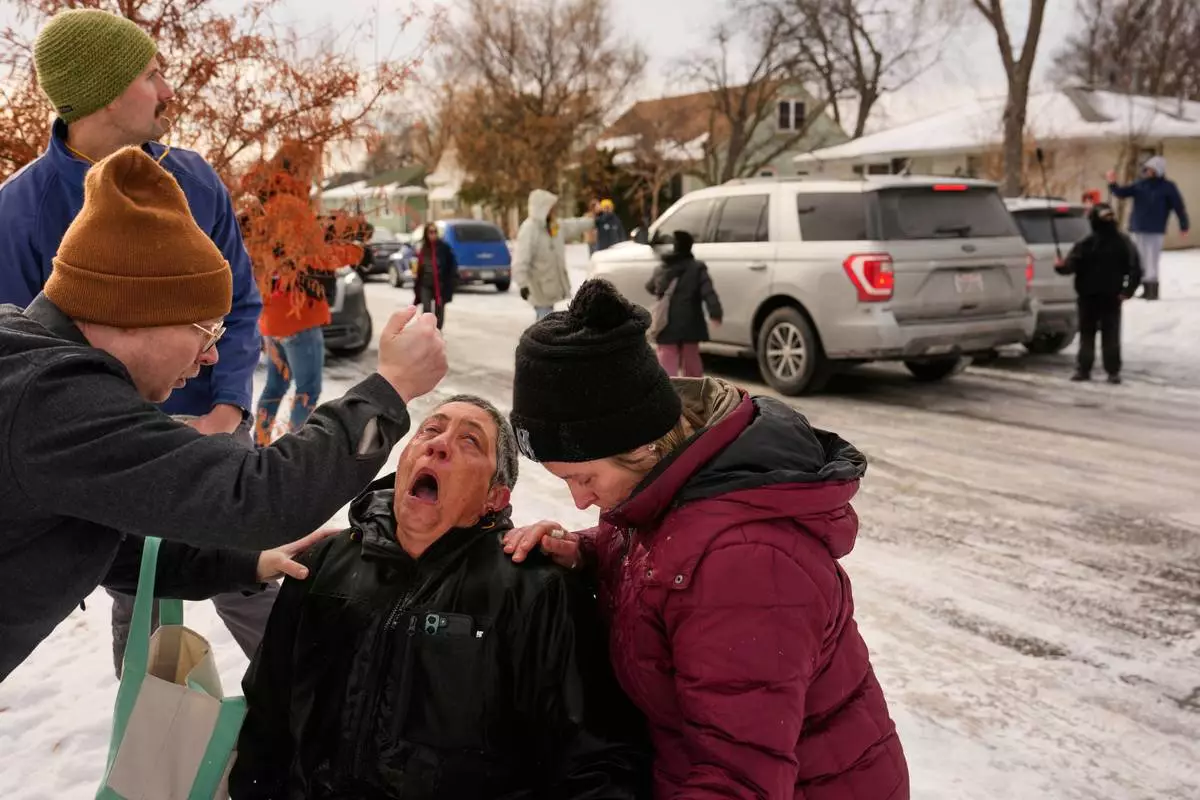
Bystanders are treated after being pepper sprayed as federal immigration officers make an arrest Sunday, Jan. 11, 2026, in Minneapolis. (AP Photo/John Locher)
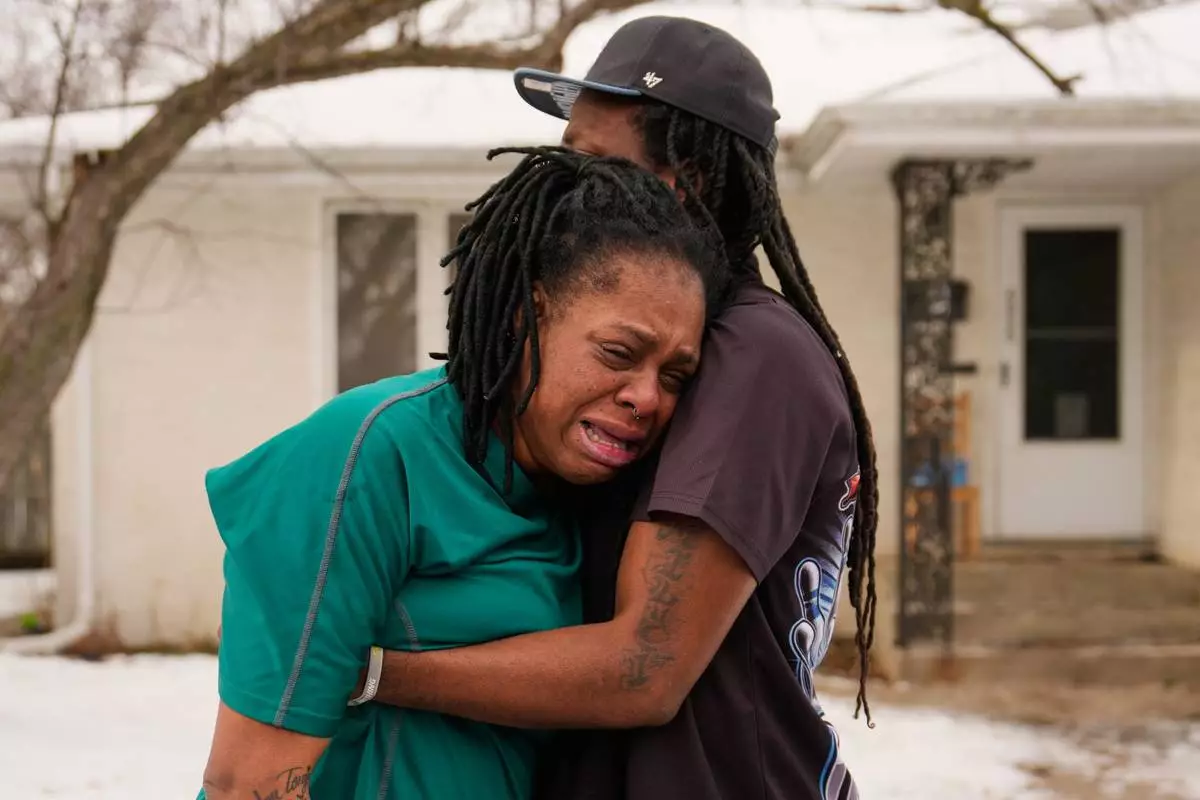
A family member reacts after federal immigration officers make an arrest Sunday, Jan. 11, 2026, in Minneapolis. (AP Photo/John Locher)
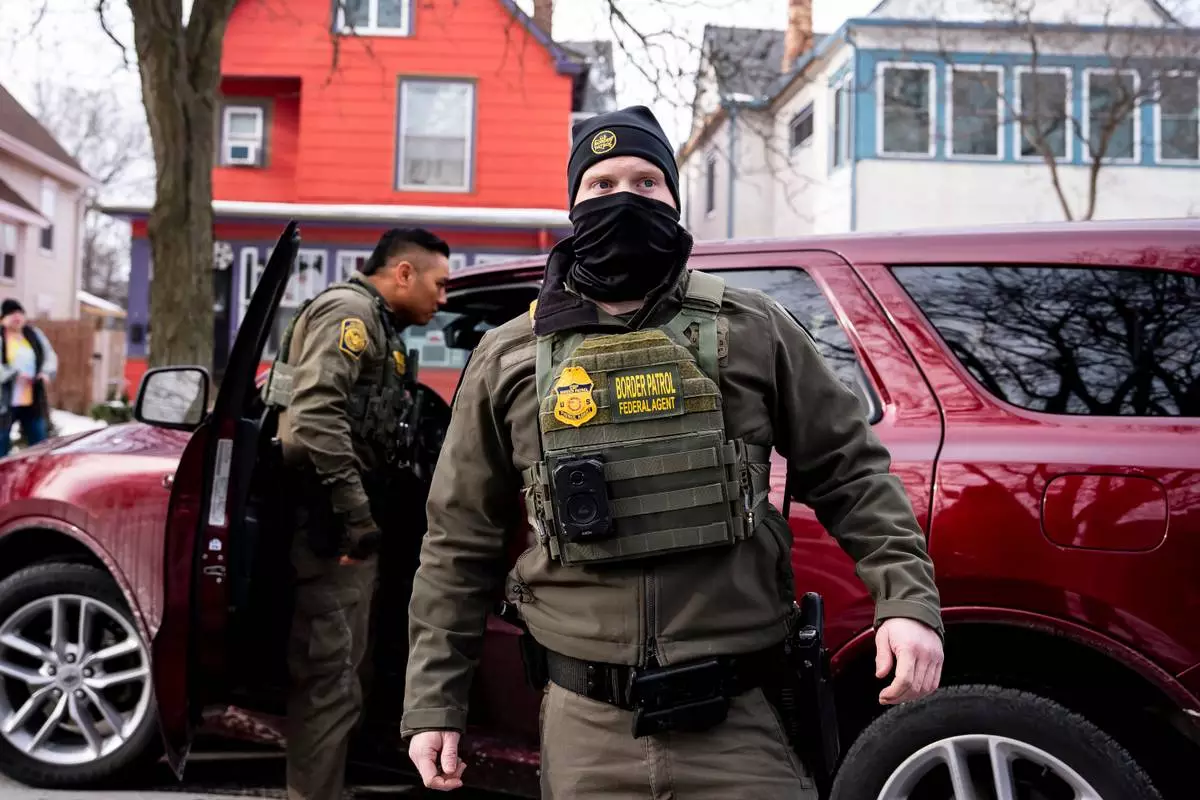
Federal agents look on after detaining a person during a patrol in Minneapolis, Minn., Sunday, Jan. 11, 2026. (Christopher Katsarov/The Canadian Press via AP)
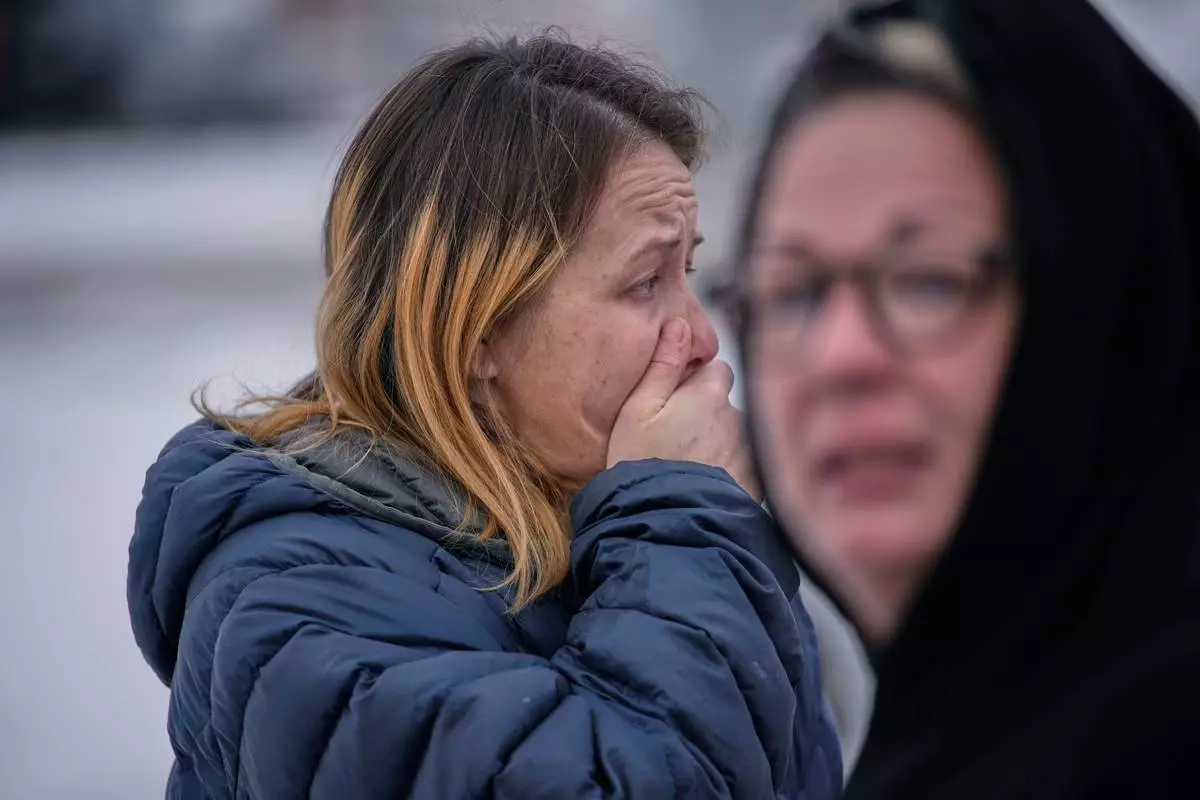
Bystanders react after a man was detained by Immigration and Customs Enforcement (ICE) agents during a traffic stop, Sunday, Jan. 11, 2026, in Robbinsdale, Minn. (AP Photo/John Locher)
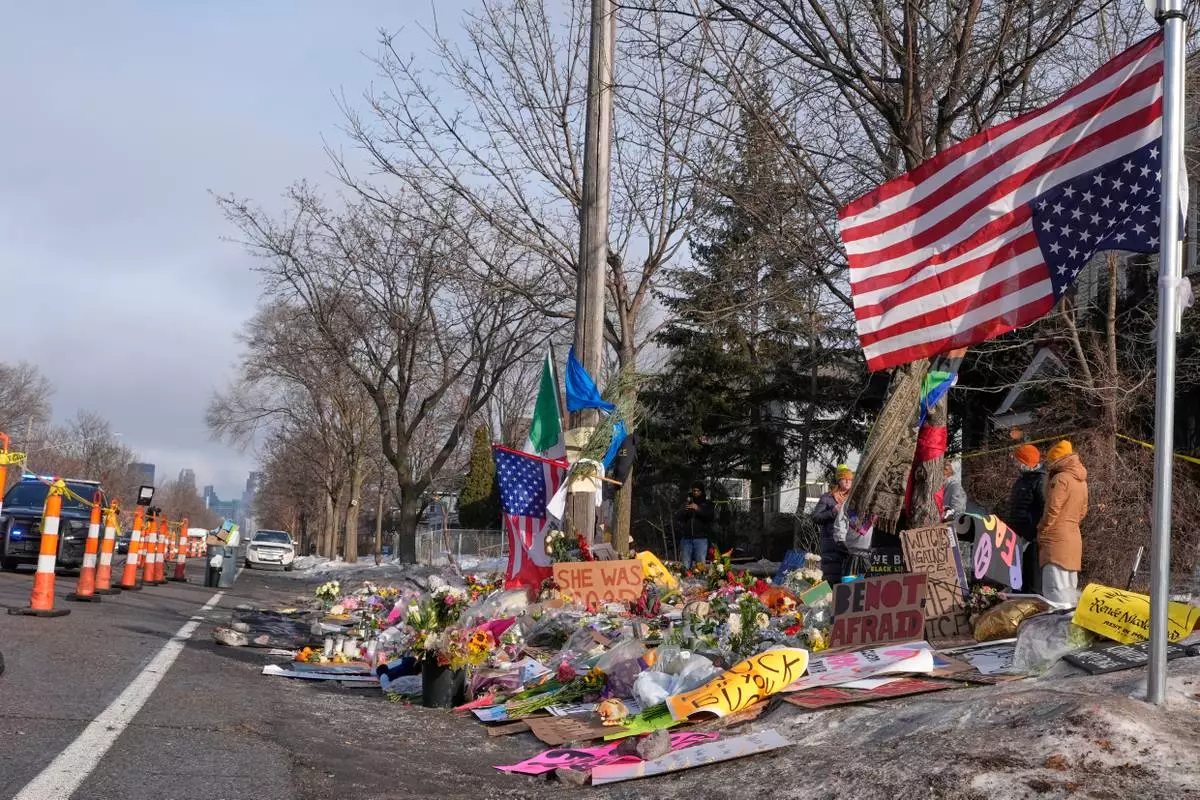
People stand near a memorial at the site where Renee Good was fatally shot by an ICE agent, Sunday, Jan. 11, 2026, in Minneapolis. (AP Photo/Jen Golbeck)
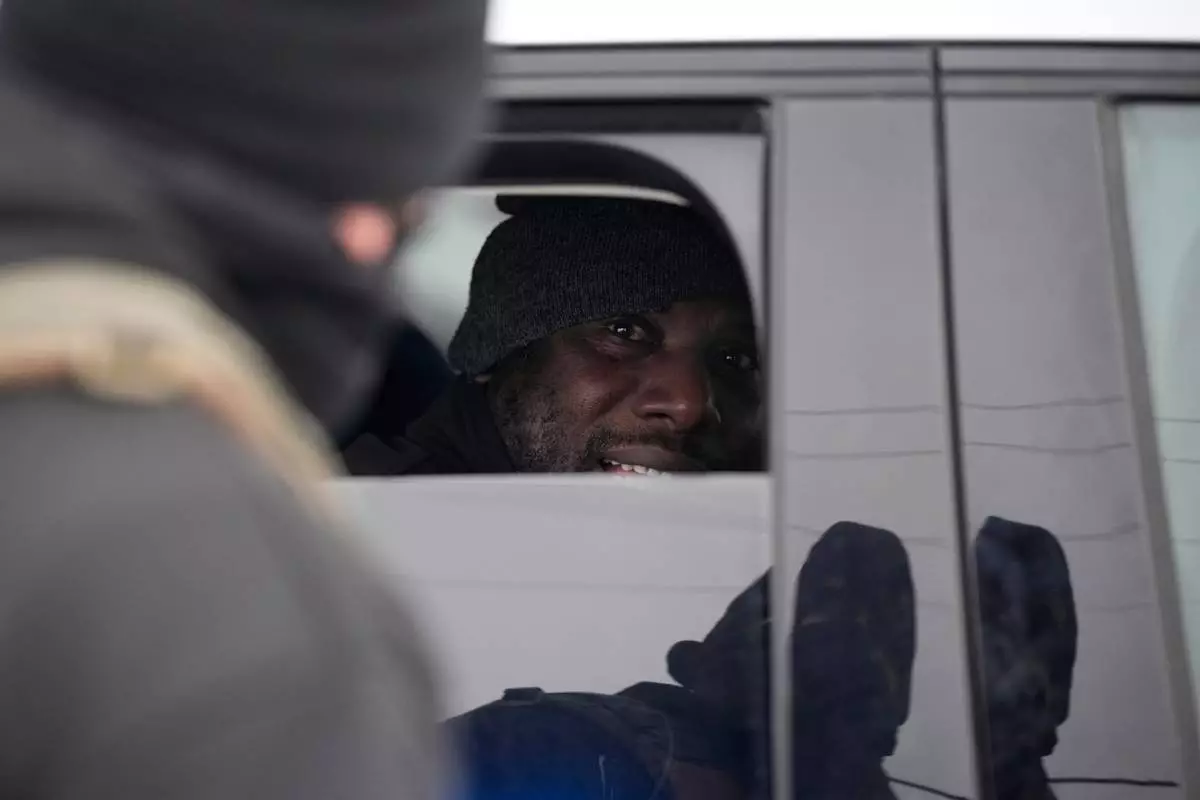
A man looks out of a car window after being detained by Immigration and Customs Enforcement (ICE) agents during a traffic stop, Sunday, Jan. 11, 2026, in Robbinsdale, Minn. (AP Photo/John Locher)
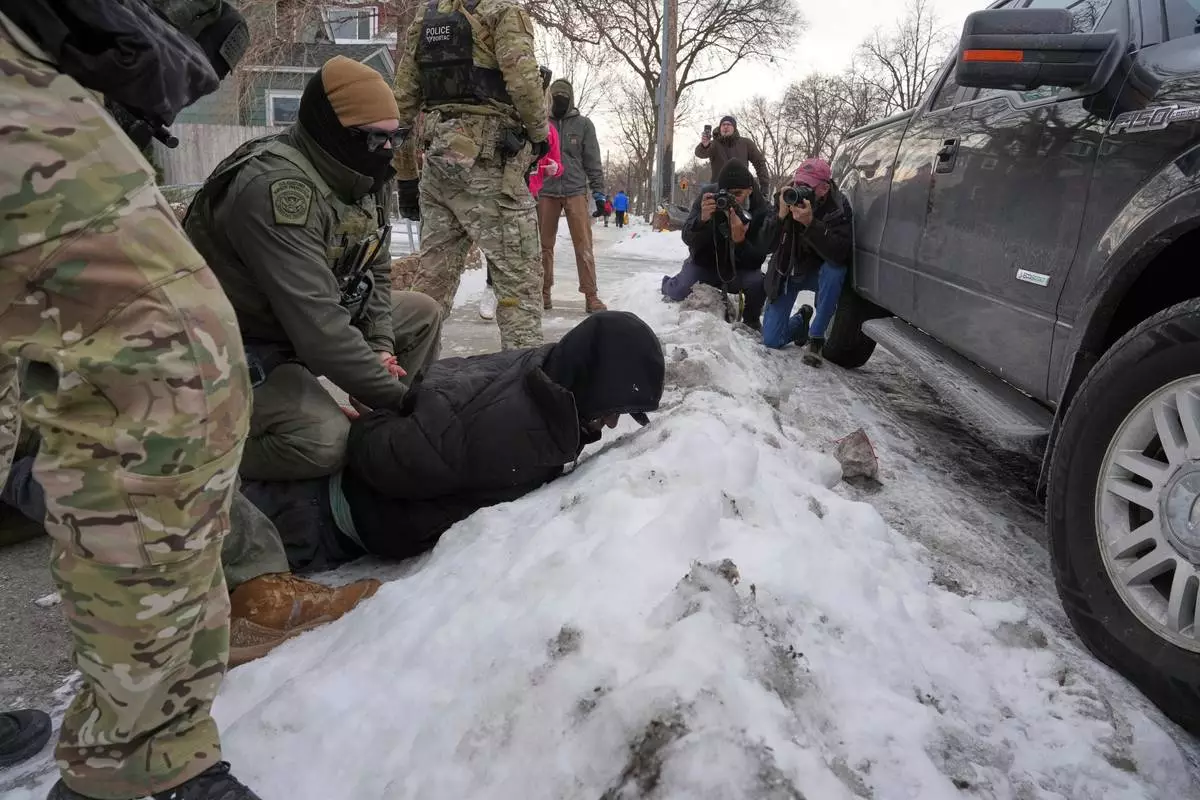
Border Patrol agents detain a man, Sunday, Jan. 11, 2026, in Minneapolis. (AP Photo/Adam Gray)
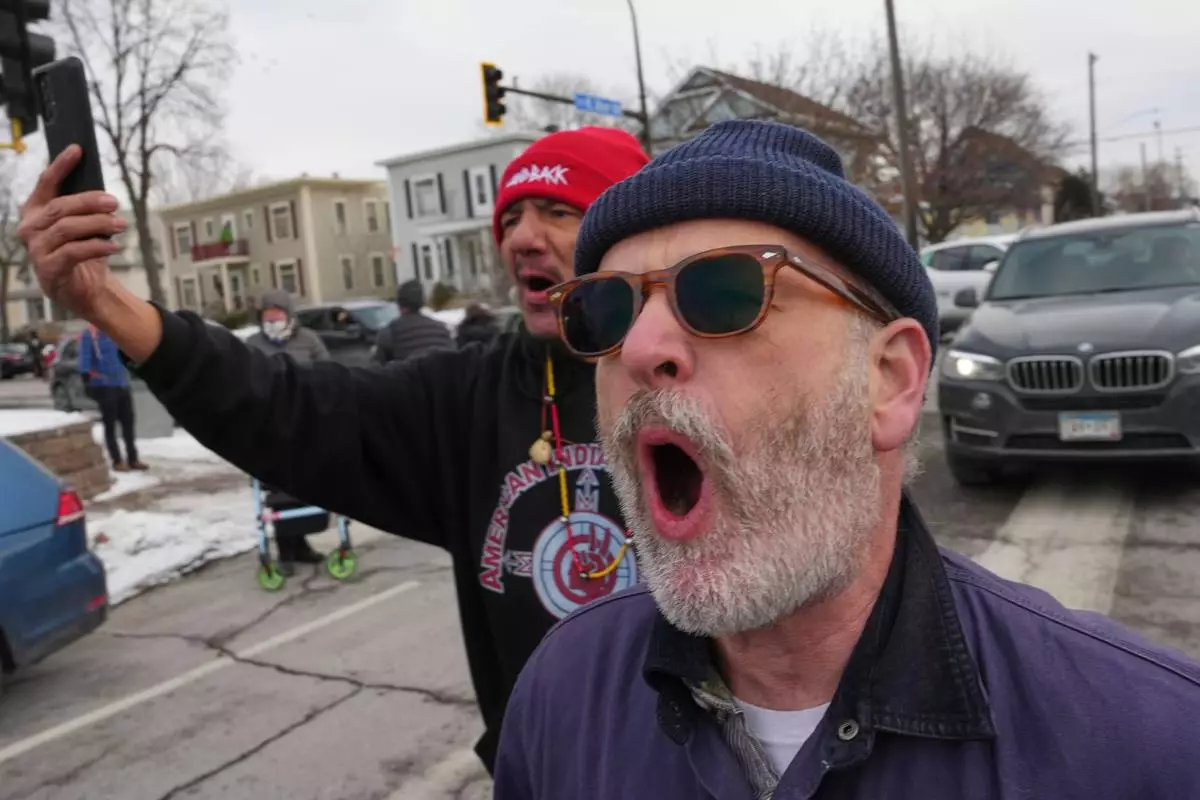
People shout toward Border Patrol agents making an arrest, Sunday, Jan. 11, 2026, in Minneapolis. (AP Photo/Adam Gray)
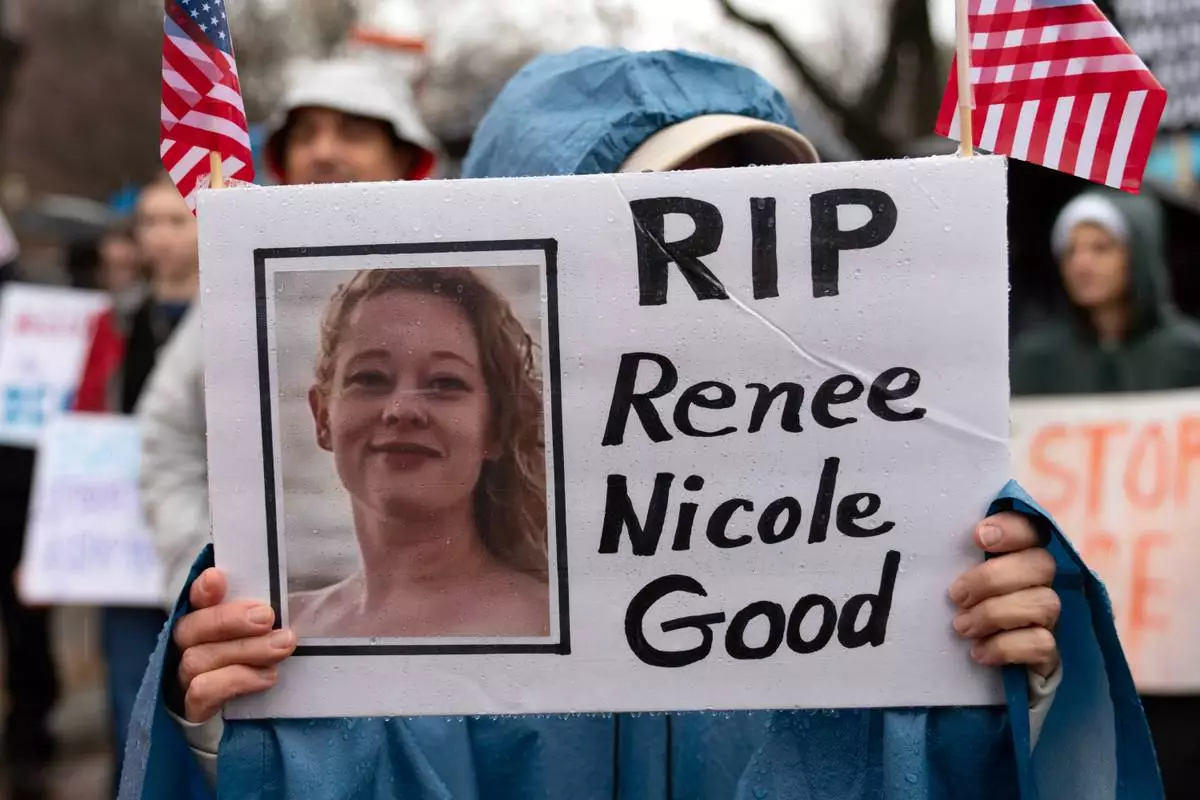
Demonstrators protest outside the White House in Washington, Saturday, Jan. 10, 2026, against the Immigration and Customs Enforcement agent who fatally shot Renee Good in Minneapolis. (AP Photo/Jose Luis Magana)
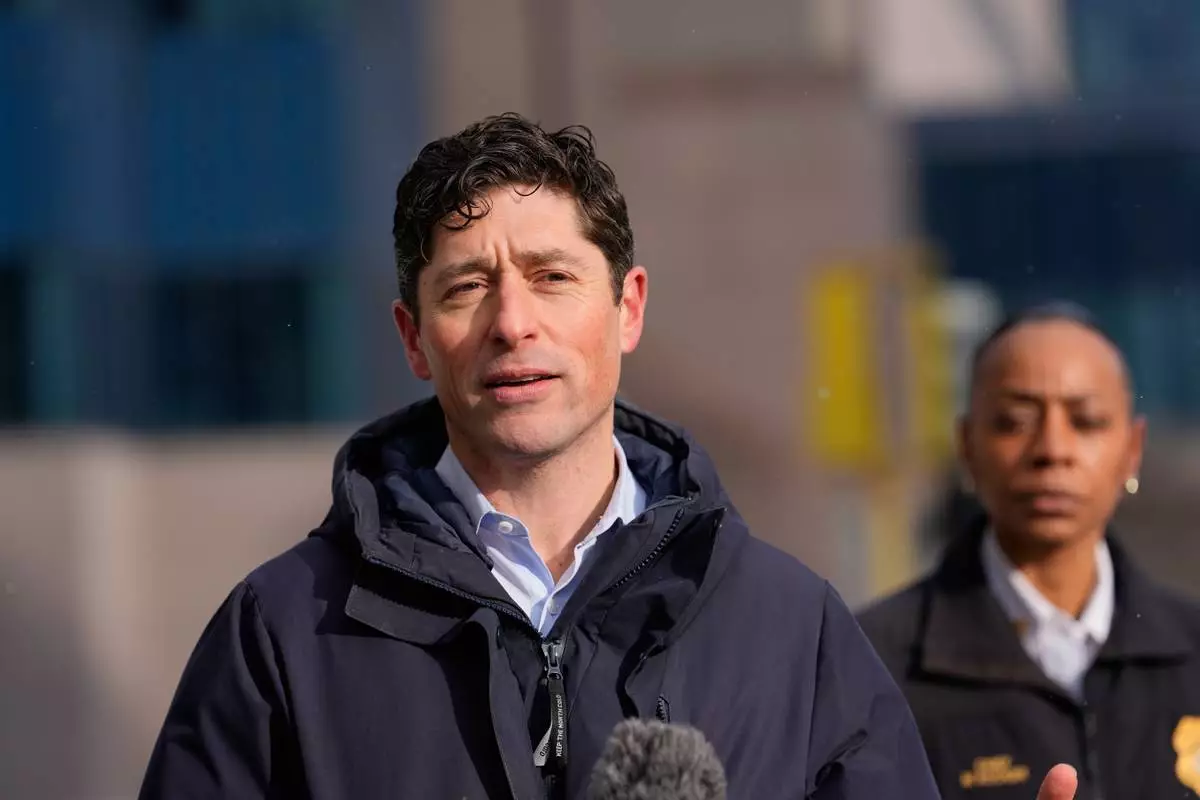
Minneapolis Mayor Jacob Frey holds a news conference on Saturday, Jan. 10, 2026, in Minneapolis. (AP Photo/Jen Golbeck)
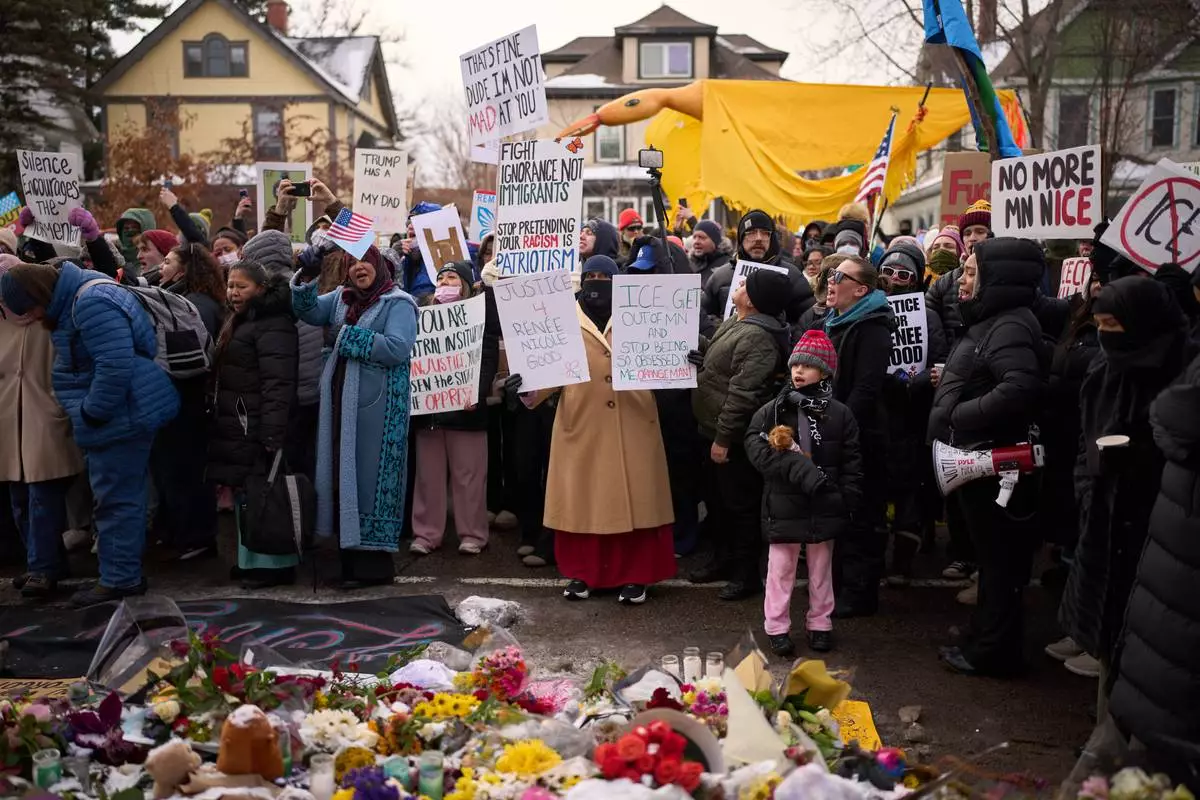
Protesters react as they visit a makeshift memorial during a rally for Renee Good, who was fatally shot by an ICE officer earlier in the week, Saturday, Jan. 10, 2026, in Minneapolis. (AP Photo/John Locher)