A federal appeals court gave President Donald Trump a rare legal win in his efforts to crack down on "sanctuary cities" Friday, upholding the Justice Department's decision to give preferential treatment in awarding community policing grants to cities that cooperate with immigration authorities.
The 2-1 opinion overturned a nationwide injunction issued by a federal judge in Los Angeles. The court said awarding extra points in the application process to cities that cooperate was consistent with the goals of the grant program created by Congress.
"The Department is pleased that the Court recognized the lawful authority of the Administration to provide favorable treatment when awarding discretionary law-enforcement grants to jurisdictions that assist in enforcing federal immigration laws," the Justice Department said in an emailed statement.
Federal courts have blocked some efforts by the administration to withhold money from sanctuary cities, including an executive order issued by the president in 2017 that would have barred them from receiving federal grants "except as deemed necessary for law enforcement purposes." Courts also barred the Justice Department from imposing new immigration enforcement-related conditions on Byrne Memorial Justice Assistance Grants, the biggest source of federal funding to state and local jurisdictions.
The 9th Circuit's ruling Friday concerned a different grant program, Community Oriented Policing Services, or COPS, grants, which are used to hire more police officers. Previously, the Justice Department has given extra points to cities that agree to hire veterans, or that operate early intervention systems to identify officers with personal issues, or that have suffered school shootings.
In 2017, under then-Attorney General Jeff Sessions, the Justice Department for the first time decided extra points would go to cities that listed immigration enforcement as a priority or that certified they would cooperate with federal immigration authorities by allowing them access to detainees in city jails and giving 48 hours' notice before an undocumented immigrant was released from custody.
Los Angeles applied for a grant that year, but declined to list immigration enforcement as a priority — it listed building community trust instead — or to make the certification. It failed to win, and it sued.
The Justice Department had introduced conditions that impermissibly coerced the grant applicants to enforce federal immigration law, the city said. It also said the immigration-related conditions were contrary to the goals for which Congress had approved the grant money: to get more police on the beat, developing trust with the public.
The judges in the majority, Sandra Ikuta and Jay Bybee, both appointed by Republican President George W. Bush, rejected that.
"Cooperation relating to enforcement of federal immigration law is in pursuit of the general welfare, and meets the low bar of being germane to the federal interest in providing the funding to 'address crime and disorder problems, and otherwise ... enhance public safety,'" Ikuta wrote.
Several other jurisdictions did win funding without agreeing to the DOJ's immigration enforcement preferences, she noted.
Judge Kim Wardlaw, appointed by Democratic President Bill Clinton, dissented, calling the majority's opinion "Orwellian" in the way it tried to equate federal immigration enforcement with enhanced community policing.
"Nothing in the congressional record nor the Act itself remotely mentions immigration or immigration enforcement as a goal," she wrote. "In the quarter-century of the Act's existence, Congress has not once denoted civil immigration enforcement as a proper purpose for COPS grants."
The Los Angeles city attorney's office did not immediately respond to an email seeking comment.
Supporters of sanctuary cities say that encouraging local police to participate in federal immigration enforcement is counterproductive: People will be less likely to report crimes if they believe they'll be deported for doing so. But the 9th Circuit's opinion found that to be a question of policy, not law, said David Levine, a professor at University of California Hastings College of the Law.
"What the Justice Department was doing before, they were trying to force sanctuary cities to do things, and yank money from them retroactively if they didn't," Levine said. "They've gotten a little more sophisticated now. They're saying, 'You don't have to take this money, but if you want it, it comes with strings attached.' That's a well understood way the federal government gets states to do things. You don't use a stick, you use a carrot."
U.S. President Donald Trump said that he has demanded about seven countries send warships to keep the Strait of Hormuz open, as Iranian strikes continued to rain down on Gulf countries early Monday.
Dubai International Airport — the world's busiest — suspended operations after a drone struck a fuel tank, starting a fire. Authorities said it was quickly contained and no injuries were reported.
Tehran has accused the United States of using “ports, docks and hideouts” in the United Arab Emirates to launch strikes on Kharg Island, home to the main terminal handling Iran’s oil exports, without providing evidence, as oil prices soared.
Trump said the U.S. is negotiating with countries heavily reliant on Middle East crude to join a coalition to police the waterway where about one-fifth the world’s traded oil normally flows, but declined to name them.
Meanwhile, Israeli strikes have deepened Lebanon's humanitarian crisis, with more than 850 people killed and over 850,000 displaced.
Here is the latest:
Saudi Arabia says it intercepted three drones Monday morning over the capital Riyadh and the nation’s oil-rich western region.
The Saudi Defense Ministry says no casualties or damage were reported.
The ministry reports more than 60 drones attacked the Gulf country within a few hours.
United Arab Emirates officials say Dubai International Airport has gradually resumed some flights at hours after a drone strike.
Dubai Civil Aviation Authority announced flights are operating to selected destinations, according to the Dubai Media Office.
Emirates airline says limited operations have resumed at the airport.
A drone struck a fuel tank at the airport early Monday, causing a fire and forcing the temporary suspension of flights.
Brent crude oil is trading near the $105 per barrel level on Monday.
A barrel of Brent, the international standard, was up 1.6% at $104.73, dipping slightly after opening above $106 per barrel. It’s up more than 40% since the war began.
Share prices in Asia were mixed and U.S. futures advanced.
Hours after a drone strike sparked a fire at Dubai’s main airport, Emirates says in its latest update that all of its flights there “remain suspended until further notice.”
The airline says it is working with authorities to restart operations when possible. It urged passengers not to travel to the airport.
Dubai International Airport is the world’s busiest airport for international travel and a key hub for many routes linking the East and West.
The United Arab Emirates’ Defense Ministry said forces were intercepting Iranian missiles and drones Monday morning.
Earlier, a drone hit a fuel tank at the Dubai International Airport.
Trump is suggesting he may delay his much-anticipated visit to China at the end of the month as he seeks to ramp up the pressure on Beijing to help reopen the Strait of Hormuz and calm oil prices.
In an interview Sunday with the Financial Times, Trump said China’s reliance on oil from the Middle East means it ought to help with a new coalition he is trying to put together to get oil tanker traffic moving through the strait after Iran’s threats have throttled global flows of oil.
Trump said “we’d like to know” before the trip whether Beijing will help.
“We may delay,” Trump said in the interview.
Trump’s new comments came as U.S. Treasury Secretary Scott Bessent was meeting with Chinese Vice Premier He Lifeng on Monday in Paris for a new round of trade talks that were meant to pave the way for Trump’s Beijing trip.
Mohammed bin Salman and Mohamed bin Zayed Al Nahyan discussed the latest regional developments in a phone call, Saudi Arabia’s Foreign Ministry said in a statement early Monday.
The two leaders said the continued “Iranian attacks against Gulf Cooperation Council countries represent a dangerous escalation that threatens regional security and stability,” adding that GCC states will continue efforts to defend their countries
Emirati authorities have closed the main road and tunnel leading to Dubai International Airport.
Dubai Police urged drivers to use alternative roads.
Authorities said earlier a drone hit a fuel tank at the airport, causing fire with no casualties.
Saudi Arabia’s Defense Ministry said early Monday it downed an additional large barrage of 35 drones in the country’s eastern region, one of the kingdom’s least dense, close to Iran and home to major oil installations.
This brings the total number of drones intercepted to at least 60 in the last few hours.
The ministry did not immediately report casualties or damage.
The Australian government says a warship won’t be sent to the Middle East to keep the Strait of Hormuz open to international shipping.
U.S. President Donald Trump said that he has demanded about seven countries send warships to keep the Strait of Hormuz open, as Iranian strikes continued to rain down on Gulf countries.
Australia’s Transport Minister Catherine King told Australian Broadcasting Corp. on Monday she was not aware of Australia receiving such a request.
“We won’t be sending a ship to the Strait of Hormuz. We know how incredibly important that is, but that’s not something that we’ve been asked or that we’re contributing to,” King said.
Australia said last week it was providing the UAE with an air force surveillance jet and air-to-air missiles to defend against Iranian attacks.
But a government statement said Australia was “not taking offensive action against Iran.”
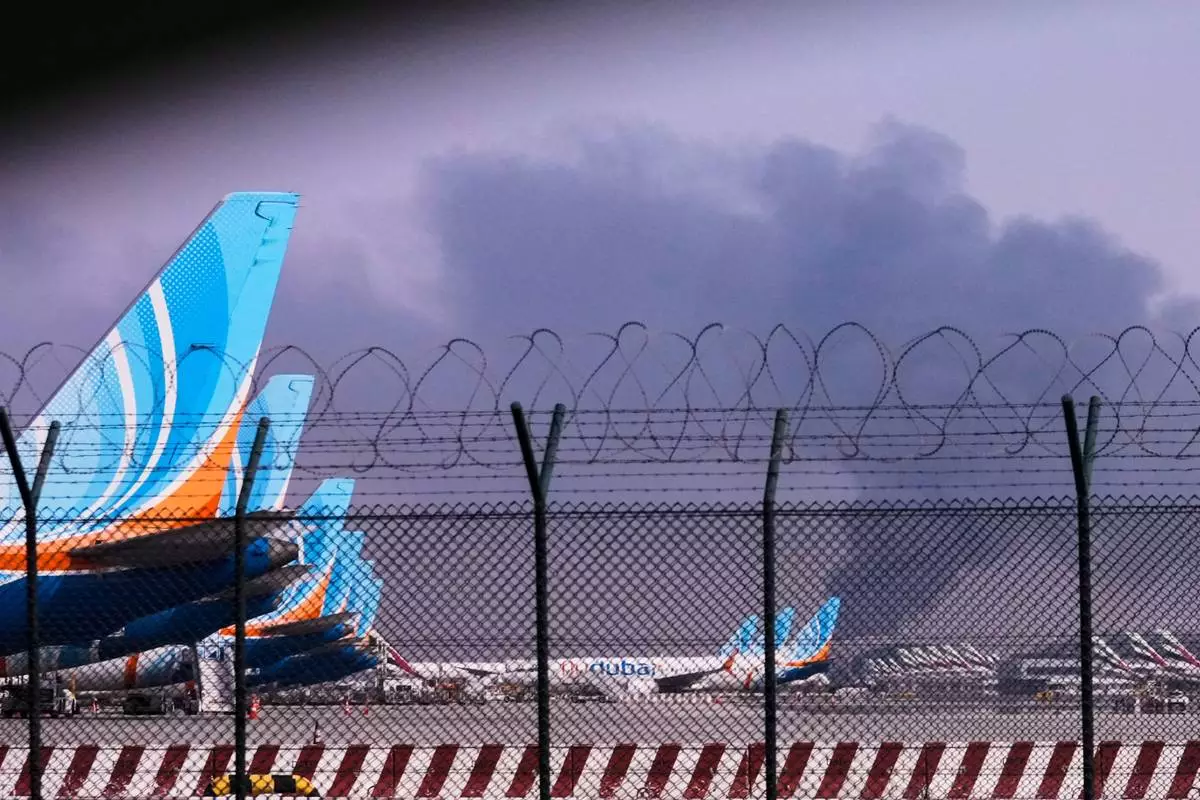
FlyDubai planeS is parked at Dubai International Airport as smoke rises in the background after a drone struck a fuel tank early morning, forcing the temporary suspension of flights, in Dubai, United Arab Emirates, Monday, March 16, 2026. (AP Photo)

A member of the armed wing of the Kurdish-Iranian opposition group Organization of Iranian Kurdistan Struggle, known as Khabat, stands in front of a shrapnel pockmarked wall that allegedly was damaged in strike by Iranian-backed militias in Iraq last week at a military base on the outskirts of Irbil, Iraq, Monday, March 16, 2026. (AP Photo/Leo Correa)
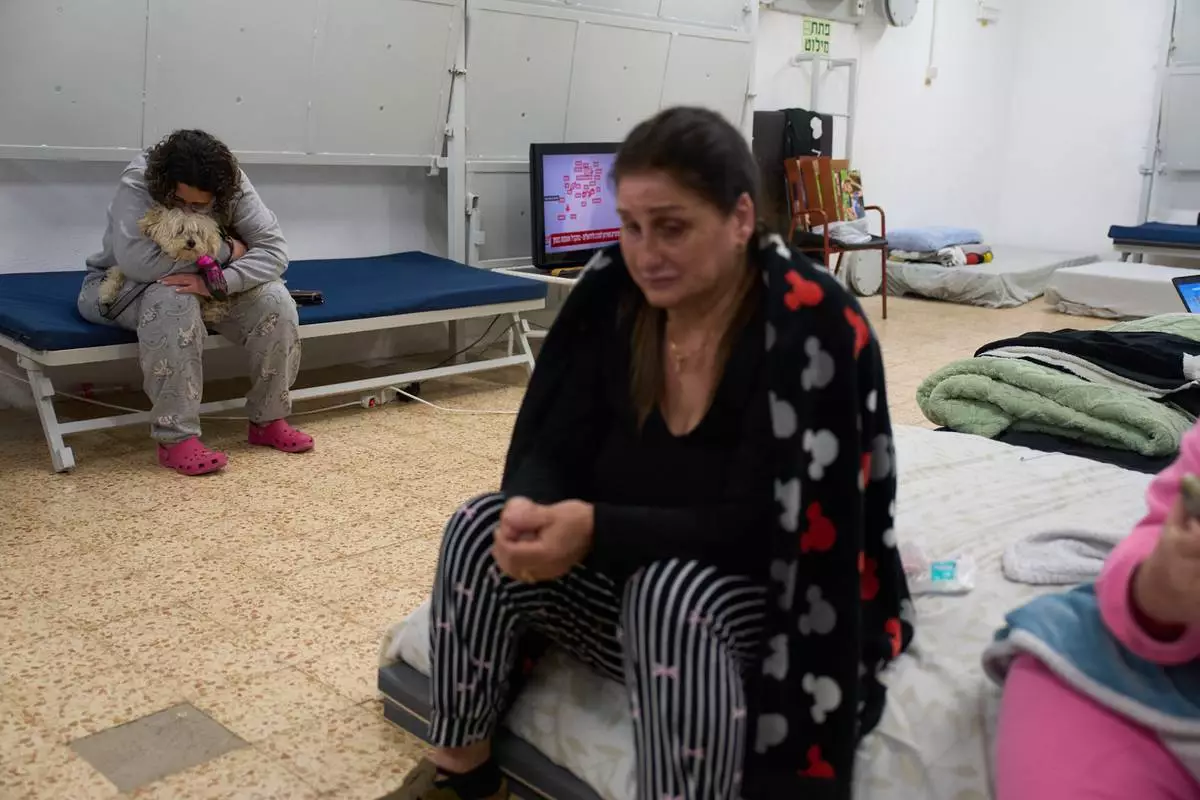
Nofar Eliash holds her dog as she takes shelter with others while air raid sirens warn of incoming Iranian and Hezbollah missile strikes in Kiryat Shmona, northern Israel, Monday, March 16, 2026. (AP Photo/Ariel Schalit)
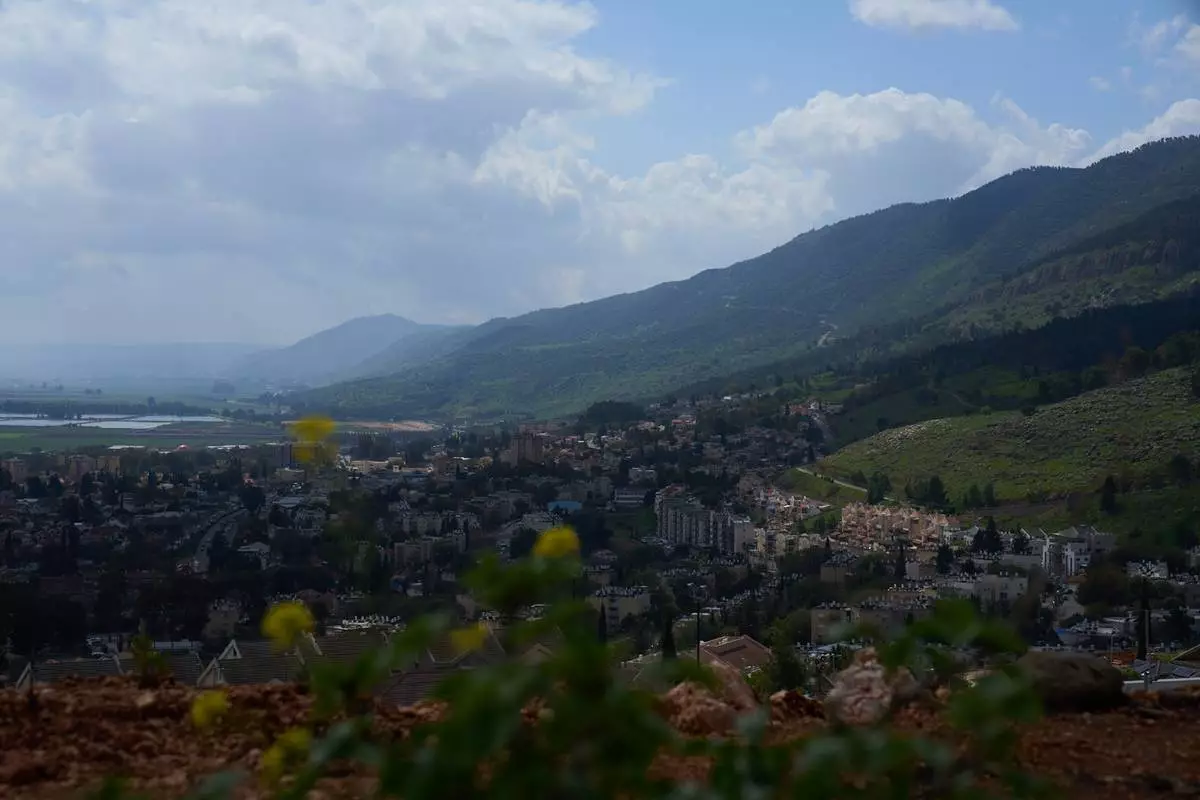
A view of Kiryat Shmona, northern Israel, and Lebanon border on the right,, Monday, March 16, 2026. (AP Photo/Ariel Schalit)
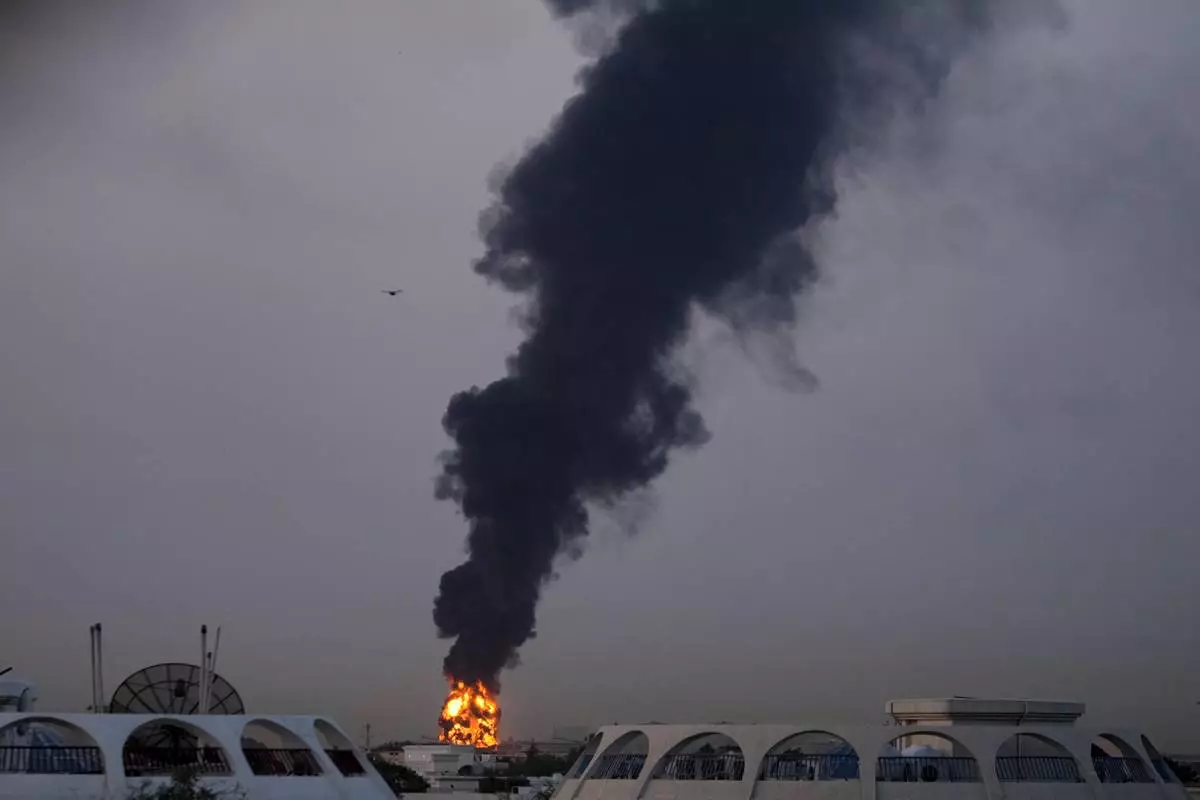
Fire and plumes of smoke rise after a drone struck a fuel tank forcing the temporary suspension of flights. near Dubai International Airport, in United Arab Emirates, early Monday, March 16, 2026. (AP Photo)
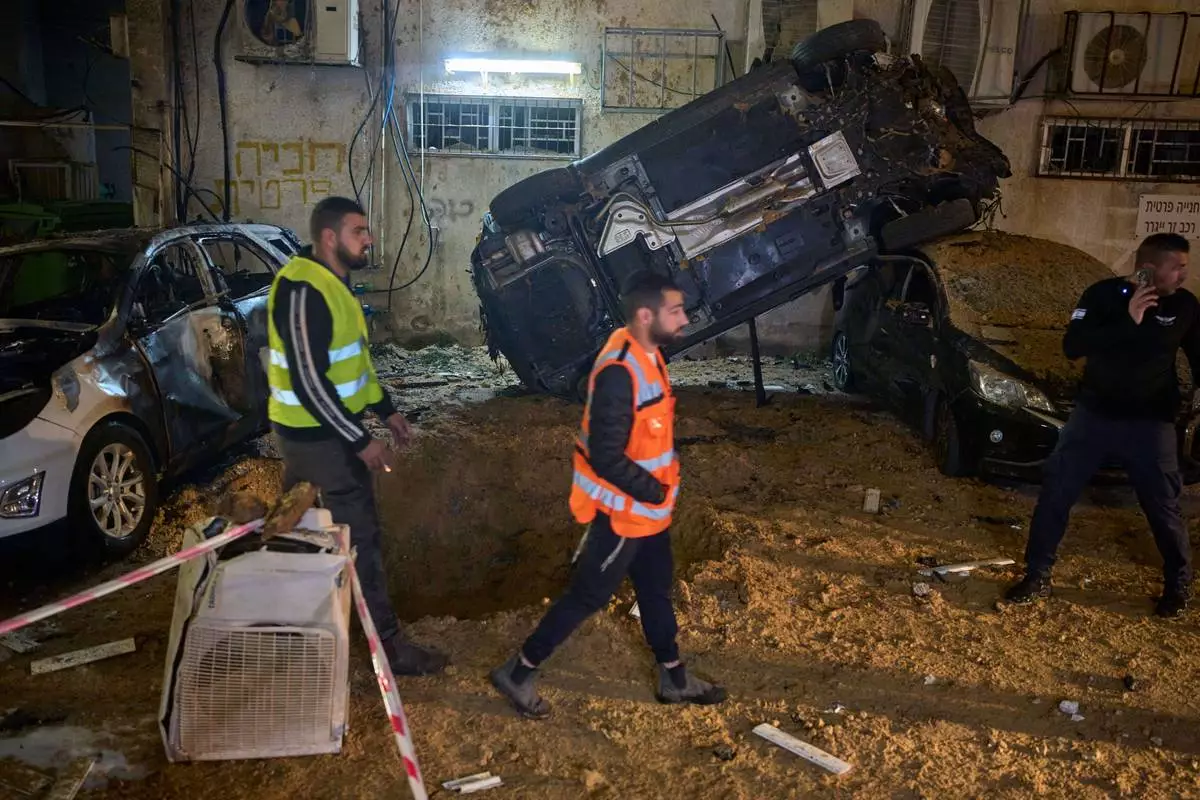
Israeli security forces inspect damage at the site of an Iranian missile strike in Holon, central Israel, Sunday, March 15, 2026. (AP Photo/Ohad Zwigenberg)
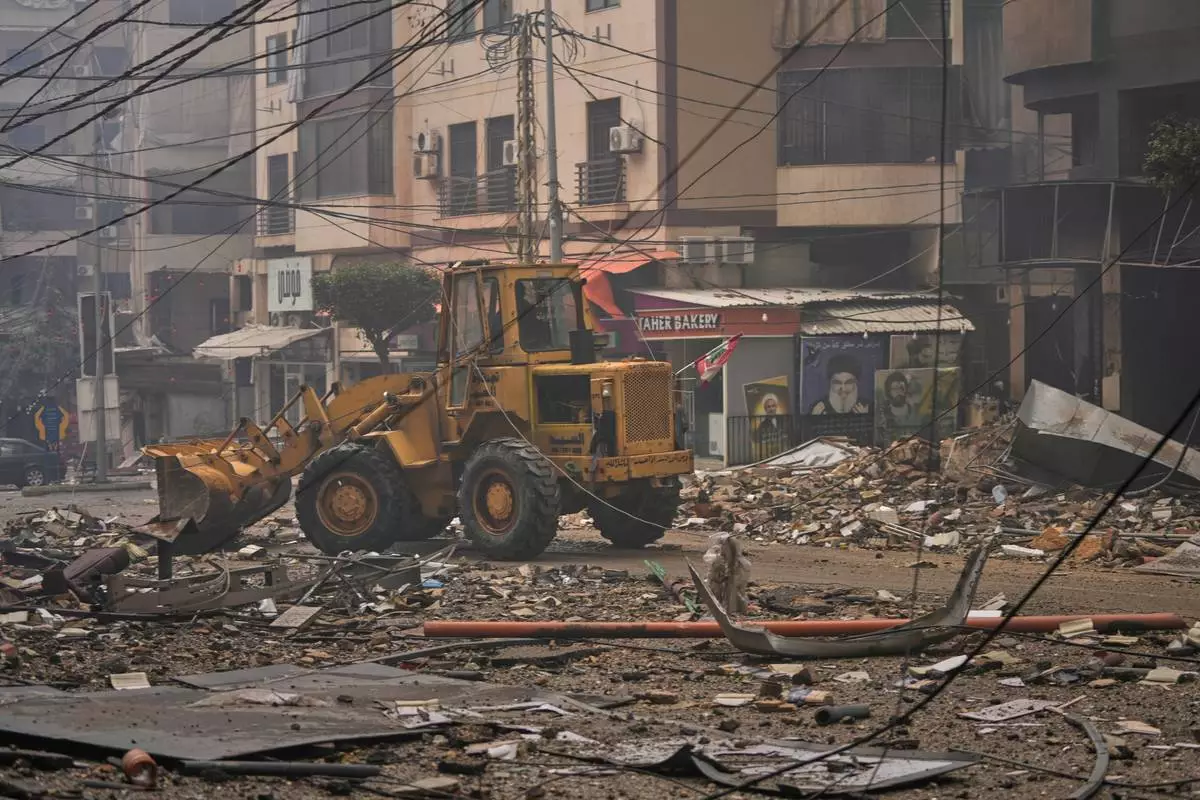
A bulldozer clears debris from the rubble of buildings destroyed in an Israeli airstrike in Dahiyeh, Beirut's southern suburbs, Lebanon, Sunday, March 15, 2026. (AP Photo/Hassan Ammar)
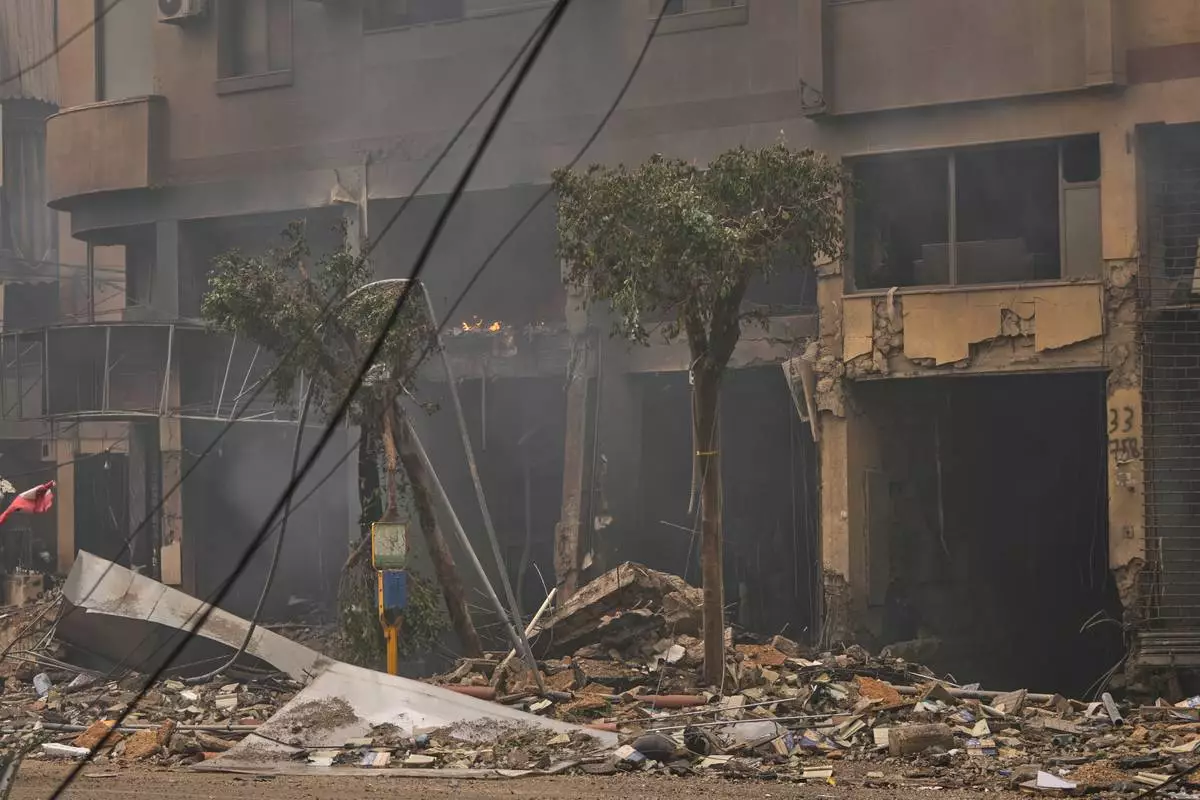
Debris litters the street as smoke rises from buildings damaged in an Israeli airstrike in Dahiyeh, Beirut's southern suburbs, Lebanon, Sunday, March 15, 2026. (AP Photo/Hassan Ammar)
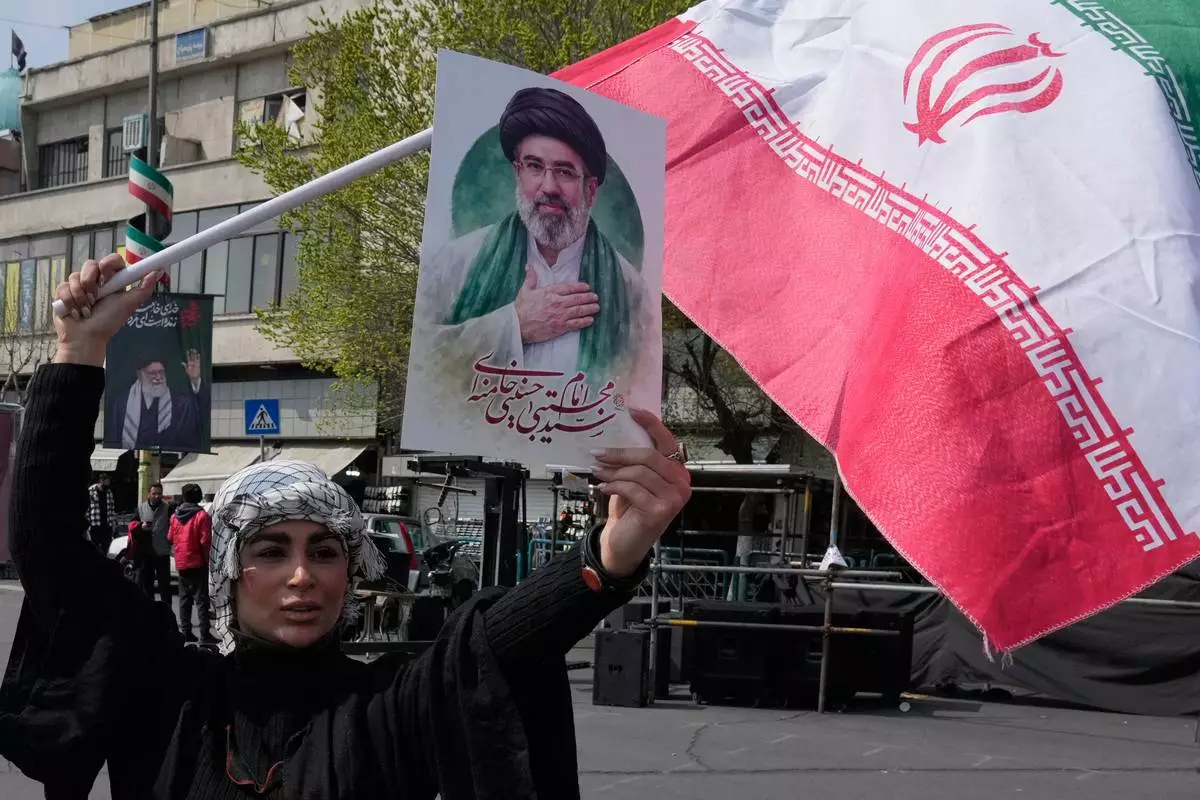
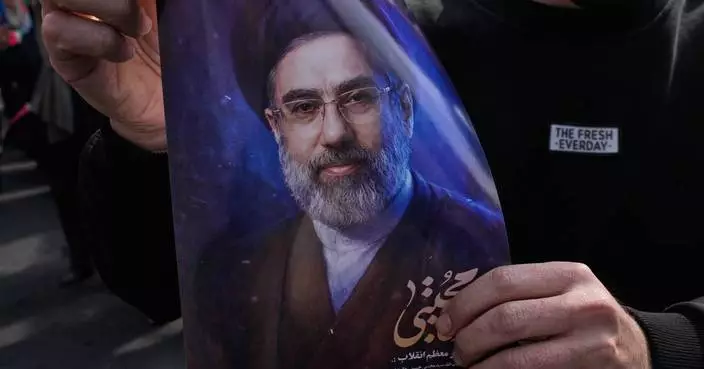
A woman displays a poster of the Iranian Supreme Leader Ayatollah Mojtaba Khamenei as she waves her country's flag during a campaign in support of the government at the Enqelab-e-Eslami, or Islamic Revolution, square in downtown Tehran, Iran, Saturday, March 14, 2026. (AP Photo/Vahid Salemi)
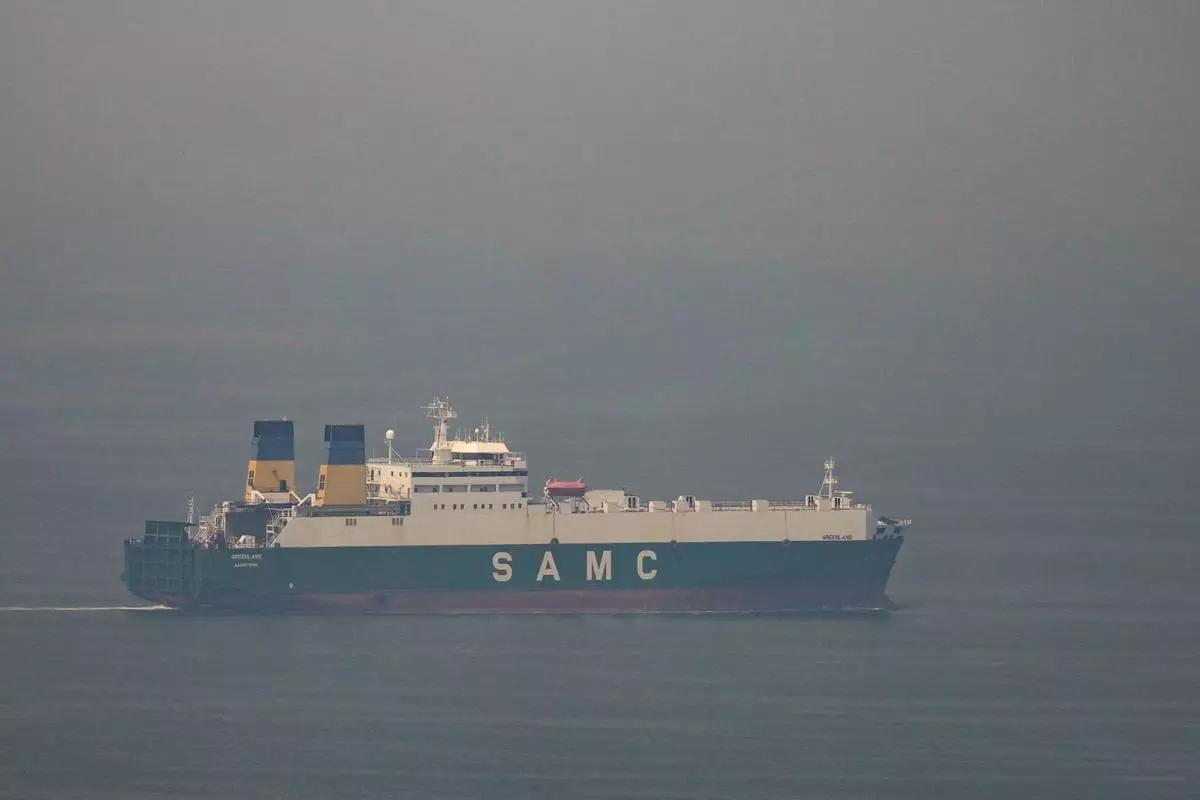
A cargo ship sails in the Arabian Gulf towards Strait of Hormuz in United Arab Emirates, Sunday, March 15, 2026. (AP Photo/Altaf Qadri)