Skip to Content Facebook Feature Image

Japan emperor's harvest rite is his 1st communion with gods

News

Japan emperor's harvest rite is his 1st communion with gods
News

News

Japan emperor's harvest rite is his 1st communion with gods

2019-11-13 20:14 Last Updated At:20:20

Japanese Emperor Naruhito will perform a secretive and controversial ritual Thursday, a once-in-a-reign event to give thanks for good harvests, pray for the peace and safety of the nation and play host to his family's ancestral gods.

Or at least that's what experts and officials say.

More Images
This aerial view shows the ritual venue called Daijokyu at the Imperial Palace in Tokyo, Wednesday, Nov. 13, 2019.  Japan’s Emperor Naruhito will perform his first harvest ritual since ascending to the Chrysanthemum Throne on Nov. 14, 2019. It’s called Daijosai, or great thanksgiving festival, the most important imperial ritual that an emperor performs only once in his reign. (Kenzaburo FukuharaKyodo News via AP)
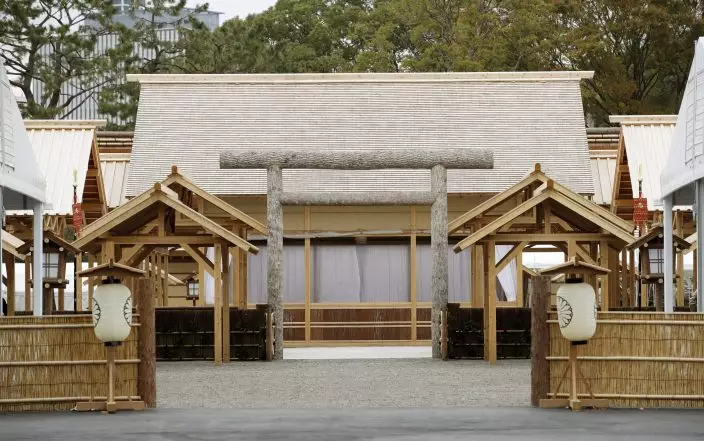
This aerial view shows the ritual venue called Daijokyu at the Imperial Palace in Tokyo, Wednesday, Nov. 13, 2019. Japan’s Emperor Naruhito will perform his first harvest ritual since ascending to the Chrysanthemum Throne on Nov. 14, 2019. It’s called Daijosai, or great thanksgiving festival, the most important imperial ritual that an emperor performs only once in his reign. (Kenzaburo FukuharaKyodo News via AP)

The ritual venue called Daijokyu is seen at the Imperial Palace in Tokyo, Wednesday, Nov. 13, 2019.  Japan’s Emperor Naruhito will perform his first harvest ritual since ascending to the Chrysanthemum Throne on Nov. 14, 2019. It’s called Daijosai, or great thanksgiving festival, the most important imperial ritual that an emperor performs only once in his reign. (Fumine TsutabayashiKyodo News via AP)
The ritual venue called Daijokyu is seen at the Imperial Palace in Tokyo, Wednesday, Nov. 13, 2019. Japan’s Emperor Naruhito will perform his first harvest ritual since ascending to the Chrysanthemum Throne on Nov. 14, 2019. It’s called Daijosai, or great thanksgiving festival, the most important imperial ritual that an emperor performs only once in his reign. (Fumine TsutabayashiKyodo News via AP)

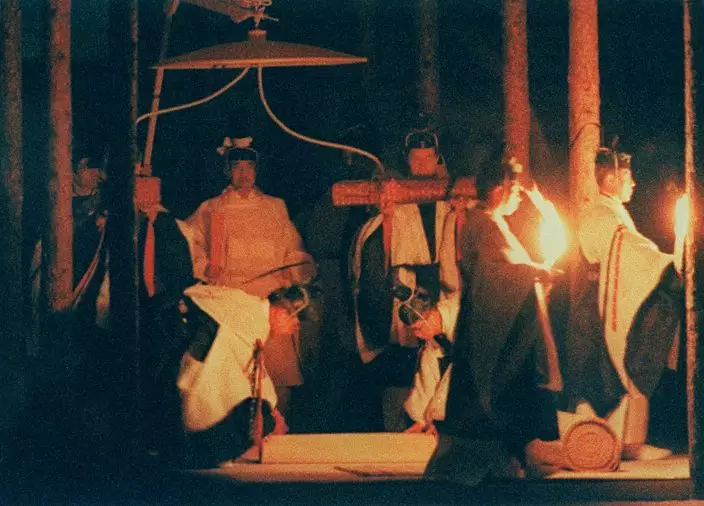
In this Nov. 1990, photo, then Japan's Emperor Akihito perform his harvest ritual, called Daijosai, or great thanksgiving festival at the Imperial Palace in Tokyo, Japan. Emperor Naruhito, the son of former Emperor Akihito, is set to perform his first annual harvest ritual since ascending to the Chrysanthemum Throne on Nov. 14, 2019. (Kyodo News via AP)

In this Nov. 1990, photo, then Japan's Emperor Akihito perform his harvest ritual, called Daijosai, or great thanksgiving festival at the Imperial Palace in Tokyo, Japan. Emperor Naruhito, the son of former Emperor Akihito, is set to perform his first annual harvest ritual since ascending to the Chrysanthemum Throne on Nov. 14, 2019. (Kyodo News via AP)

The ritual venue called Daijokyu is seen at the Imperial Palace in Tokyo, Wednesday, Nov. 13, 2019.  Japan’s Emperor Naruhito will perform his first harvest ritual since ascending to the Chrysanthemum Throne on Nov. 14, 2019. It’s called Daijosai, or great thanksgiving festival, the most important imperial ritual that an emperor performs only once in his reign. (Fumine TsutabayashiKyodo News via AP)
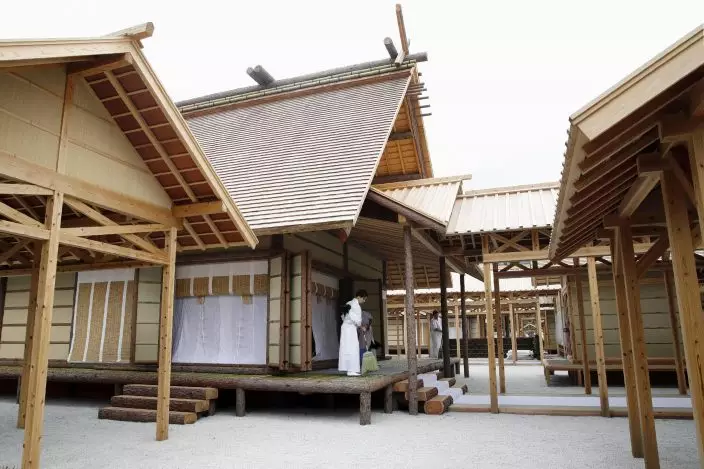
The ritual venue called Daijokyu is seen at the Imperial Palace in Tokyo, Wednesday, Nov. 13, 2019. Japan’s Emperor Naruhito will perform his first harvest ritual since ascending to the Chrysanthemum Throne on Nov. 14, 2019. It’s called Daijosai, or great thanksgiving festival, the most important imperial ritual that an emperor performs only once in his reign. (Fumine TsutabayashiKyodo News via AP)

The Sukiden, center, one of two main halls is seen at ritual venue called Daijokyu at the Imperial Palace in Tokyo, Wednesday, Nov. 13, 2019.  Japan’s Emperor Naruhito will perform his first harvest ritual since ascending to the Chrysanthemum Throne on Nov. 14, 2019. It’s called Daijosai, or great thanksgiving festival, the most important imperial ritual that an emperor performs only once in his reign. (Fumine TsutabayashiKyodo News via AP)

The Sukiden, center, one of two main halls is seen at ritual venue called Daijokyu at the Imperial Palace in Tokyo, Wednesday, Nov. 13, 2019. Japan’s Emperor Naruhito will perform his first harvest ritual since ascending to the Chrysanthemum Throne on Nov. 14, 2019. It’s called Daijosai, or great thanksgiving festival, the most important imperial ritual that an emperor performs only once in his reign. (Fumine TsutabayashiKyodo News via AP)

The Daijosai, or great thanksgiving festival, the most important succession ritual that an emperor performs, is closed to the public, even as taxpayer money funds it.

This aerial view shows the ritual venue called Daijokyu at the Imperial Palace in Tokyo, Wednesday, Nov. 13, 2019.  Japan’s Emperor Naruhito will perform his first harvest ritual since ascending to the Chrysanthemum Throne on Nov. 14, 2019. It’s called Daijosai, or great thanksgiving festival, the most important imperial ritual that an emperor performs only once in his reign. (Kenzaburo FukuharaKyodo News via AP)

This aerial view shows the ritual venue called Daijokyu at the Imperial Palace in Tokyo, Wednesday, Nov. 13, 2019. Japan’s Emperor Naruhito will perform his first harvest ritual since ascending to the Chrysanthemum Throne on Nov. 14, 2019. It’s called Daijosai, or great thanksgiving festival, the most important imperial ritual that an emperor performs only once in his reign. (Kenzaburo FukuharaKyodo News via AP)

It has drawn criticism as a throwback to Japan's authoritarian past and as a colossal waste of money, and provoked speculation the emperor is spending the night on a bed with a goddess.

Here's a look at the significance of the ritual and what people are saying about it:

FIRST COMMUNION WITH GODS

The ritual venue called Daijokyu is seen at the Imperial Palace in Tokyo, Wednesday, Nov. 13, 2019.  Japan’s Emperor Naruhito will perform his first harvest ritual since ascending to the Chrysanthemum Throne on Nov. 14, 2019. It’s called Daijosai, or great thanksgiving festival, the most important imperial ritual that an emperor performs only once in his reign. (Fumine TsutabayashiKyodo News via AP)

The ritual venue called Daijokyu is seen at the Imperial Palace in Tokyo, Wednesday, Nov. 13, 2019. Japan’s Emperor Naruhito will perform his first harvest ritual since ascending to the Chrysanthemum Throne on Nov. 14, 2019. It’s called Daijosai, or great thanksgiving festival, the most important imperial ritual that an emperor performs only once in his reign. (Fumine TsutabayashiKyodo News via AP)

Daijosai marks the emperor's first communion with the Sun Goddess Amaterasu, the monarchy's mythological ancestor, and with other gods of Shinto, the religion of the imperial family. Harvest rituals originated in Japan's ancient rice growing culture from around the 7th century, historians say.

The two-part ritual, each one lasting a few hours, begins Thursday evening. Naruhito, after purifying himself and donning a white robe, will enter the Yukiden, one of two main halls at a newly prepared, and very expensive, shrine complex inside his palace. Only he can enter the innermost sanctum to present harvested rice, sake, vegetables, seafood and local produce from around the country to the goddess and gods.

Naruhito will offer arcane prayers for peace and bountiful harvests, then partake of the offerings in a symbolic communion. After a short break, he will perform the other ritual at another main hall, the Sukiden.

In this Nov. 1990, photo, then Japan's Emperor Akihito perform his harvest ritual, called Daijosai, or great thanksgiving festival at the Imperial Palace in Tokyo, Japan. Emperor Naruhito, the son of former Emperor Akihito, is set to perform his first annual harvest ritual since ascending to the Chrysanthemum Throne on Nov. 14, 2019. (Kyodo News via AP)

In this Nov. 1990, photo, then Japan's Emperor Akihito perform his harvest ritual, called Daijosai, or great thanksgiving festival at the Imperial Palace in Tokyo, Japan. Emperor Naruhito, the son of former Emperor Akihito, is set to perform his first annual harvest ritual since ascending to the Chrysanthemum Throne on Nov. 14, 2019. (Kyodo News via AP)

ONE NIGHT, $18 MILLION SHRINE

The venue, Daijokyu, is a one-off shrine complex of about 30 structures in various sizes, including the two main halls, all of which will be demolished afterward. The shrine complex alone costs about 2 billion yen ($18 million), and the whole ritual will total 2.9 billion yen ($27 million).

It's all funded by the government.

The ritual venue called Daijokyu is seen at the Imperial Palace in Tokyo, Wednesday, Nov. 13, 2019.  Japan’s Emperor Naruhito will perform his first harvest ritual since ascending to the Chrysanthemum Throne on Nov. 14, 2019. It’s called Daijosai, or great thanksgiving festival, the most important imperial ritual that an emperor performs only once in his reign. (Fumine TsutabayashiKyodo News via AP)

The ritual venue called Daijokyu is seen at the Imperial Palace in Tokyo, Wednesday, Nov. 13, 2019. Japan’s Emperor Naruhito will perform his first harvest ritual since ascending to the Chrysanthemum Throne on Nov. 14, 2019. It’s called Daijosai, or great thanksgiving festival, the most important imperial ritual that an emperor performs only once in his reign. (Fumine TsutabayashiKyodo News via AP)

The ritual shrank when Japan was ruled by warlords and the monarchy had little money and power. There was a 200-year hiatus before it was restored during the Tokugawa shogunate, which ruled from the 17th to the 19th century.

The ritual and the shrine were expanded when the pre-World War II government deified the emperor and used his status to drive Japanese aggression. The event has not been scaled down even after the emperor became a mere symbol, with no political power, under the postwar constitution, and there's been little public debate about the use of taxpayer money for the highly religious and secretive event.

Keiko Hongo, a University of Tokyo historian who was invited to speak before a government committee on the ritual, said officials wanted to cut costs of other events but not the Daijosai.

The Sukiden, center, one of two main halls is seen at ritual venue called Daijokyu at the Imperial Palace in Tokyo, Wednesday, Nov. 13, 2019.  Japan’s Emperor Naruhito will perform his first harvest ritual since ascending to the Chrysanthemum Throne on Nov. 14, 2019. It’s called Daijosai, or great thanksgiving festival, the most important imperial ritual that an emperor performs only once in his reign. (Fumine TsutabayashiKyodo News via AP)

The Sukiden, center, one of two main halls is seen at ritual venue called Daijokyu at the Imperial Palace in Tokyo, Wednesday, Nov. 13, 2019. Japan’s Emperor Naruhito will perform his first harvest ritual since ascending to the Chrysanthemum Throne on Nov. 14, 2019. It’s called Daijosai, or great thanksgiving festival, the most important imperial ritual that an emperor performs only once in his reign. (Fumine TsutabayashiKyodo News via AP)

WHAT'S THE BED FOR?

There's speculation about many aspects of the ritual, but especially about the presence of a bed in the main hall, and what it might be used for.

Some experts believe the emperor uses it to sleep with the sun goddess to gain divinity. Others say it's for the goddess to rest and that it's not even touched by the emperor.

"The so-called bed, as we understand it, is a sacred seat for the imperial ancestor to rest," then-Prime Minister Toshiki Kaifu said before the Daijosai in 1990 was performed by former Emperor Akihito, the current emperor's father.

Officials have denied that the emperor uses the bed to gain divinity.

RELIGION AND STATE

The government's funding of the highly religious rite remains contentious.

A group of more than 200 people filed a lawsuit against the government last year, saying the ritual violates the constitutional separation of state and religion. The wartime government turned Shinto into a fascist ideology to promote its colonial aggression.

Abe's government says even though the rite is too religious to be considered an official duty of the emperor, it is an "extremely important" succession ritual for the country's hereditary monarchy written in the constitution and therefore it serves the public interest and deserves state funding. The cost is paid in the name of "palace expenses," which ordinarily cover maintenance and ceremonial spending by the palace, following a precedent set by the government at the time of the earlier event.

"There seems to be a political intention to resist (calls to stop funding the ritual) because of a sense of nostalgia for the (prewar) era," Takeshi Hara, a monarchy expert at the Open University of Japan, told a TBS radio talk show this week.

Abe's government wants the emperor to be a more authoritative figure, as he was before the end of World War II.

IMPERIAL CRITICISM

Naruhito's younger brother, Crown Prince Akishino, says he is against using public money for the ritual and that it's questionable under a constitution that separates religion and state.

"It's a royal family event, and it is highly religious," Akishino said last year. The palace budget for the Imperial family's private activities, including religious ones, was about one-seventh of the amount needed for the event. "I think the Daijosai should be held ... by making it an affordable ceremony."

His view was quickly dismissed by the government and conservatives, but widely welcomed by some palace watchers and legal experts. They say it's doable because the emperor already performs a regular annual harvest ritual in November at the palace's existing shrines.

Follow Mari Yamaguchi on Twitter at https://twitter.com/mariyamaguchi

SAN FRANCISCO & JACKSONVILLE, Fla.--(BUSINESS WIRE)--Jan 12, 2026--

Abridge, the leading enterprise-grade AI for clinical conversations, is collaborating with Availity, the nation’s largest real-time health information network, to launch a first-of-its kind prior authorization experience. The engagement uses cutting-edge technology grounded in the clinician-patient conversation to facilitate a more efficient process between clinicians and health plans in medical necessity review.

This press release features multimedia. View the full release here: https://www.businesswire.com/news/home/20260112960386/en/

Rather than creating parallel AI systems across healthcare stakeholders, Abridge and Availity are working together to ensure shared clinical context at the point of conversation powers administrative processes, such as prior authorization review and submission, improving outcomes for patients and the teams delivering care.

This collaboration unites two trusted and scaled organizations: combining Abridge’s enterprise-grade AI platform, serving over 200 health systems and projected to support over 80 million patient-clinician conversations in 2026, with Availity’s next-generation, FHIR-native Intelligent Utilization Management solution, which helps payers and providers digitize and operationalize coverage requirements within administrative workflows.

Availity’s FHIR-native APIs enable fast, scalable, and secure connectivity of payer information across the entire healthcare ecosystem. With Abridge’s Contextual Reasoning Engine technology, clinicians can gain visibility into relevant clinical information during the conversation to support documentation aligned with prior authorization requirements.

“At Availity, we’ve invested in building AI-powered, FHIR-native APIs designed to bring clinical policy logic directly into provider workflows,” said Russ Thomas, CEO of Availity. “By embedding our technology at the point of conversation, we’re enabling faster, more transparent utilization management decisions rooted in clinical context. We’re excited to collaborate with Abridge and to demonstrate what’s possible when payer intelligence meets real-time provider workflows.”

The development of real-time prior authorization is just a component of a broader revenue cycle collaboration that is focused on applying real-time conversational intelligence across the patient, provider, and payer experiences. The companies intend to support integration by collaborating on workflow alignment between their respective platforms in the following areas:

“Abridge and Availity are each bringing national scale, deep trust, and a track record of solving important challenges across the care and claims experience to this partnership,” said Dr. Shiv Rao, CEO and Co-Founder of Abridge. “We’re building real-time bridges between patients, providers, and payers, unlocking shared understanding, focused at the point of conversation.”

About Availity

Availity empowers payers and providers to deliver transformative patient experiences by enabling the seamless exchange of clinical, administrative, and financial information. As the nation's largest real-time health information network, Availity develops intelligent, automated, and interoperable solutions that foster collaboration and shared value across the healthcare ecosystem. With connections to over 95% of payers, more than 3 million providers, and over 2,000 trading partners, Availity provides mission-critical connectivity to drive the future of healthcare innovation. For more information, including an online demonstration, please visit www.availity.com or call 1.800.AVAILITY (282.4548). Follow us on LinkedIn.

About Abridge

Abridge was founded in 2018 to power deeper understanding in healthcare. Abridge is now trusted by more than 200 of the largest and most complex health systems in the U.S. The enterprise-grade AI platform transforms medical conversations into clinically useful and billable documentation at the point of care, reducing administrative burden and clinician burnout while improving patient experience. With deep EHR integration, support for 28+ languages, and 50+ specialties, Abridge is used across a wide range of care settings, including outpatient, emergency department, and inpatient.

Abridge’s enterprise-grade AI platform is purpose-built for healthcare. Supported by Linked Evidence, Abridge is the only solution that maps AI-generated summaries to source data, helping clinicians quickly trust and verify the output. As a pioneer in generative AI for healthcare, Abridge is setting the industry standard for the responsible deployment of AI across health systems.

Abridge was awarded Best in KLAS 2025 for Ambient AI in addition to other accolades, including Forbes 2025 AI 50 List, TIME Best Inventions of 2024, and Fortune’s 2024 AI 50 Innovators.

Abridge and Availity Collaborate to Redefine Payer-Provider Synergy at the Point of Conversation

Abridge and Availity Collaborate to Redefine Payer-Provider Synergy at the Point of Conversation

Abridge and Availity Collaborate to Redefine Payer-Provider Synergy at the Point of Conversation

Abridge and Availity Collaborate to Redefine Payer-Provider Synergy at the Point of Conversation

Recommended Articles