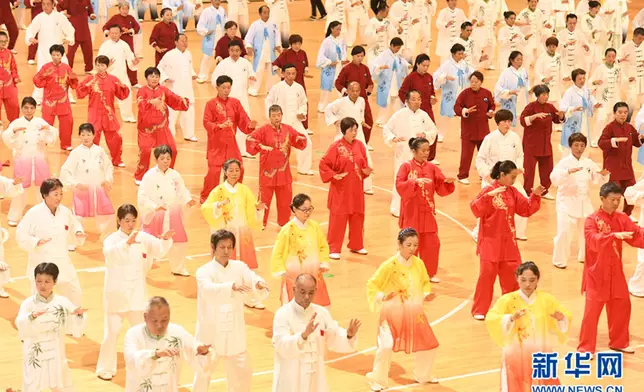
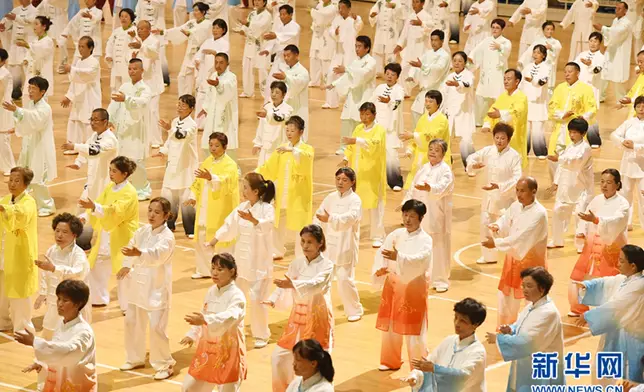
Following in her father's footsteps, she first began to practice martial arts at the age of six. After studying under one of the "top 10 Chinese martial artists" at the age of 15, she became the 12th-generation heir of Chen's Tai Chi.
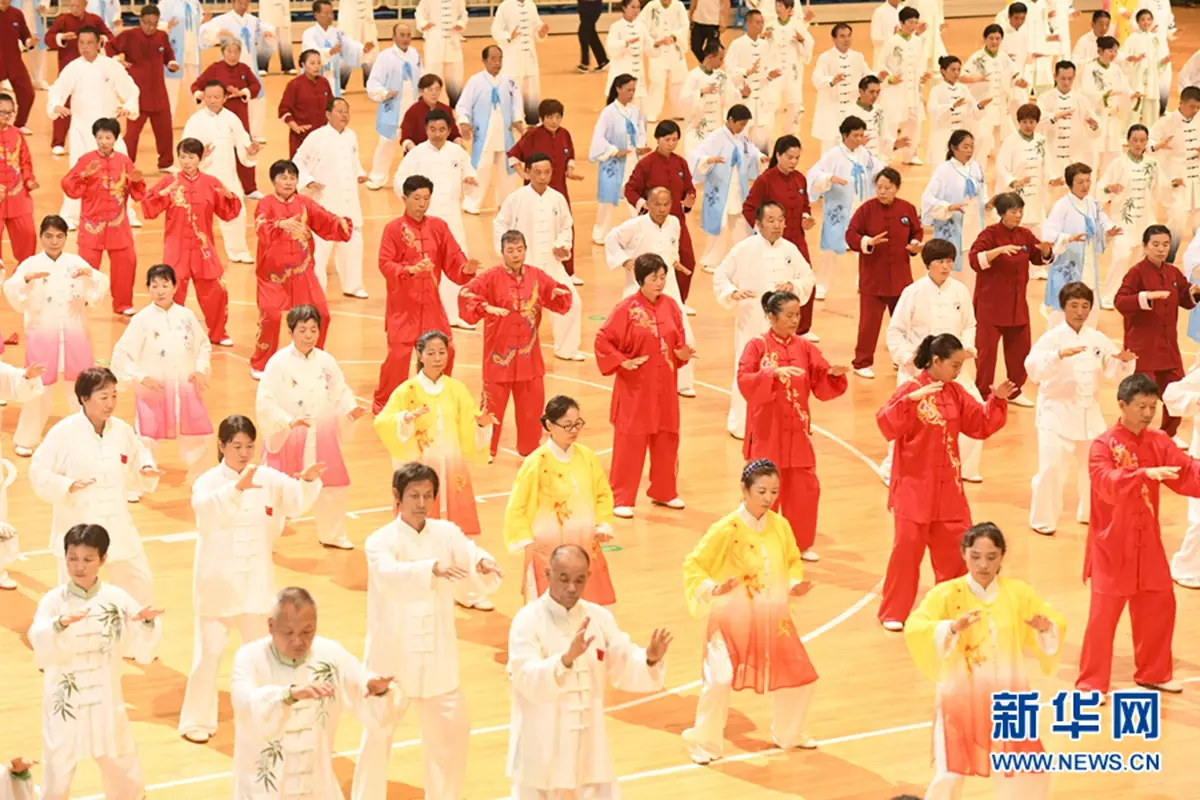
Tai Chi
When first meeting Liu Tianzi, it's difficult to associate her with the above description. It isn't until her feet drew a gentle but powerful arc on the ground that we were sure she is the "female Tai Chi master."
47-year-old Liu is in high spirits during her preparations for the upcoming Tai Chi exhibition in the city of Liling, located in central China's Hunan province.
"I'm not just a female coach, I also want to be the inheritor of Chinese martial arts," said Liu, who speaks quickly and talks about her dreams with great enthusiasm.
"Although there are many traditional Tai Chi schools, I welcome anyone who likes martial arts and traditional culture to join us, regardless of factions," she explained.
As a result, Liu has been teaching Tai Chi for public welfare in elementary and junior high schools. "Many people think that Tai Chi is slow and only practiced by the elderly. Actually, martial arts practice should start from childhood," Liu added.
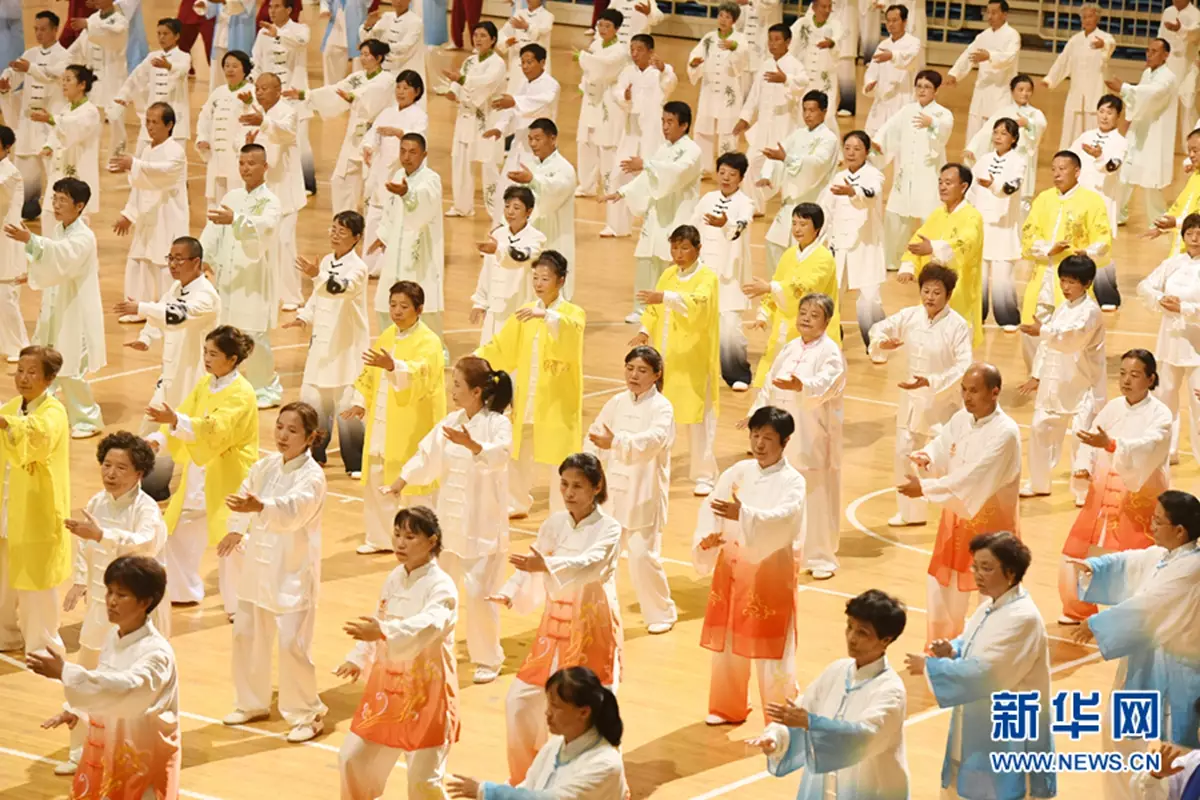
Tai Chi
In order to make children interested in Tai Chi, she added more powerful movements to her regimen and told them: "Tai Chi contains the essence of Chinese Kung Fu, and our Chinese Kung Fu is very powerful".
Now, the most important goal in her life is to continue to promote Tai Chi culture. "As a martial artist, it is my duty to promote Chinese martial arts and Chinese culture."
At the beginning of this year, the COVID-19 pandemic trapped many people at home, but Liu saw it as an opportunity to promote Tai Chi. She created a set of "Six Minimalist Tai Chi Styles," which simplifies half a dozen complex moves.
"In less than three minutes, you can complete a set of minimalist Tai Chi to help you meditate and reduce stress at home."
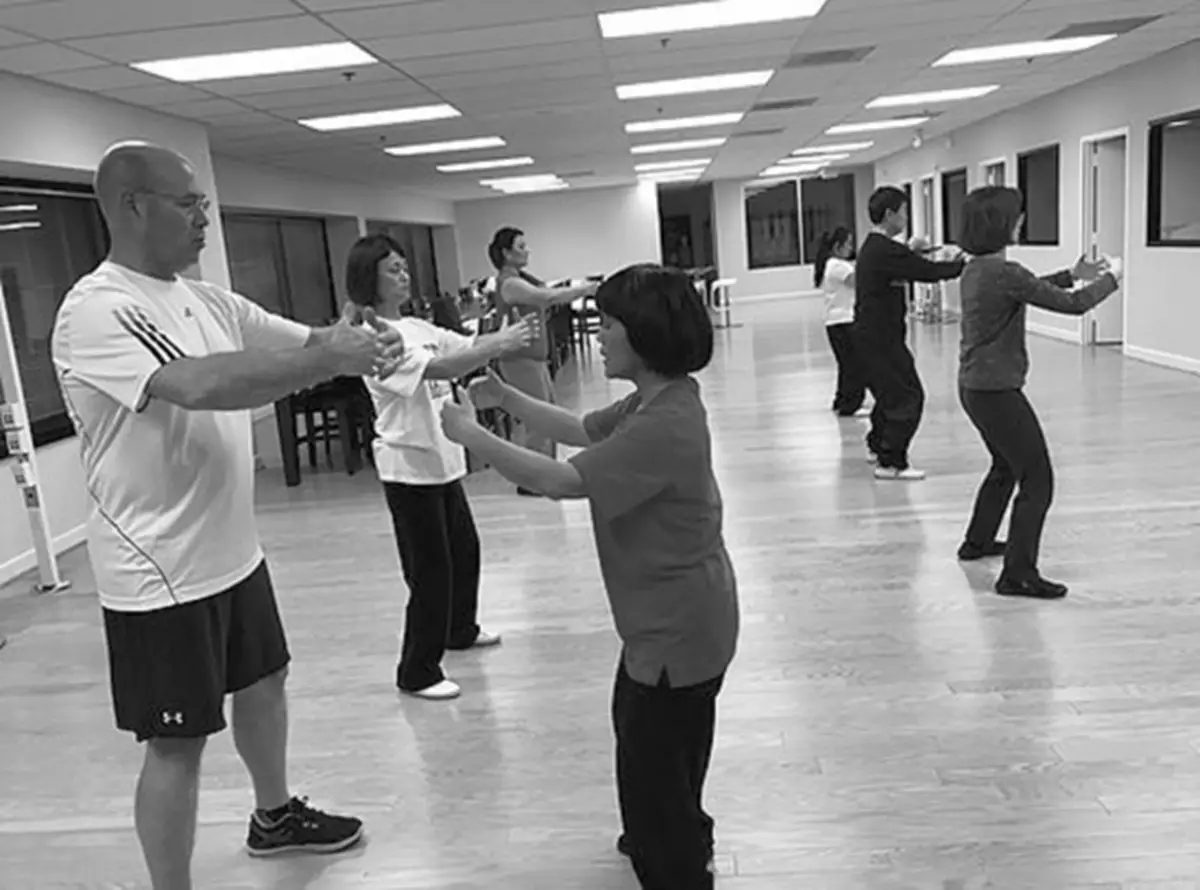
Liu Tianzi
Liu's demonstration video spread to local TV stations and outdoor screens, which brought her incredible joy.
"Tai Chi has many benefits to the body," Liu said as she talked about her desire to use Tai Chi to help more people. In 2019, she began to teach children with cerebral palsy.
"I am not a doctor and cannot treat them, but maybe Tai Chi can help them improve rehabilitation."
Now, every Wednesday afternoon, Liu goes to the local special education school to teach children with cerebral palsy.
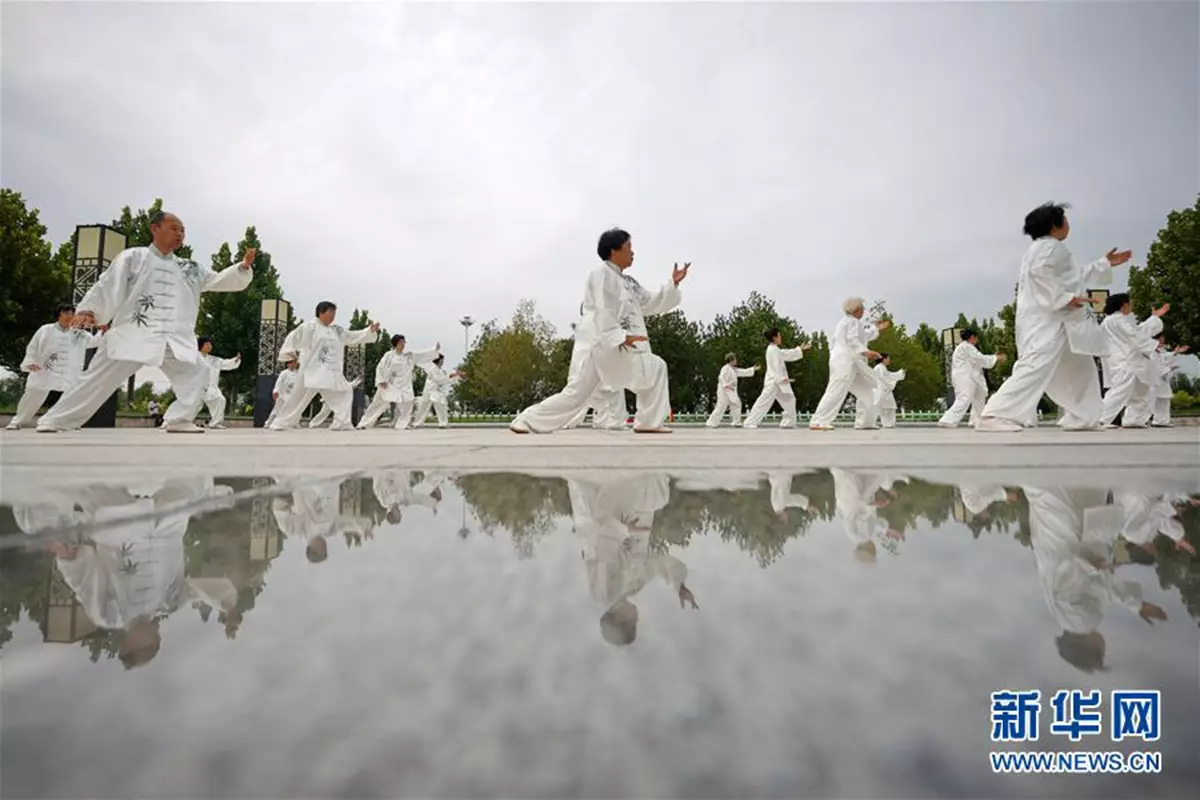
Tai Chi
"More than a year has passed. Through Tai Chi practice, the children have significantly improved their physical coordination and flexibility," said Zhu Yanqing, the principal of the Liling Special Education School.
"Liu enjoys teaching Tai Chi very much," Liu's assistant, Wu Yabing, explained.
"Although she is thin and small, she does a great job. If you ask me where Liu is, I'll tell you she's either in class or on the way to class," Wu added.
A research team led by the School of Public Health at the LKS Faculty of Medicine, the University of Hong Kong (HKUMed), has discovered that tai chi, a traditional Chinese mind-body exercise, offers long-term benefits for chronic insomnia comparable to cognitive behavioural therapy for insomnia (CBT-I), the current first-line non-pharmacological treatment for chronic insomnia. The study supports the therapeutic use of tai chi as an accessible, culturally relevant, low-cost alternative for managing chronic insomnia among middle-aged and older adults. The findings were published in The BMJ .
Alternative evidence-based approach for insomnia
Insomnia is a common sleep disorder in older adults and is linked to serious disorder risks, including cardiovascular disease, mental illness, and cognitive decline. CBT-I, also known as talking therapy, is a psychological intervention designed to help individuals recognise and alter harmful thought patterns and behaviours that interfere with sleep. CBT-I is considered to be an effective treatment option for chronic insomnia but its accessibility is limited by high costs and a shortage of trained therapists, restricting its availability in the community.
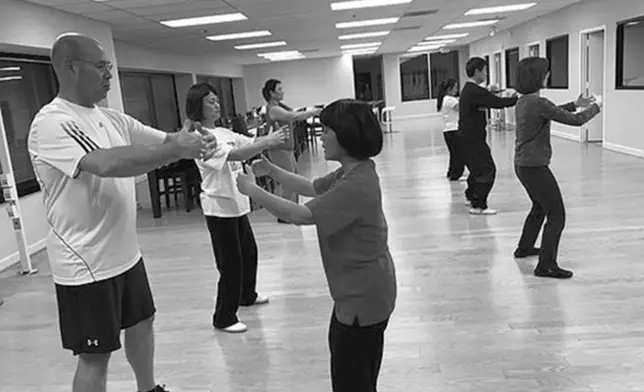
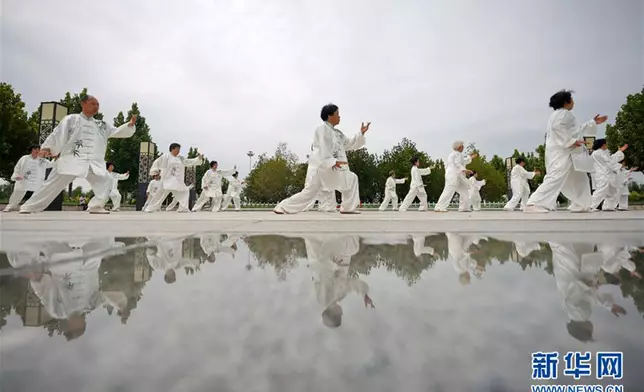
Tai chi is a Chinese martial art and an ancient form of mind-body exercise. As a low-impact, moderate-intensity exercise, tai chi is popular among older adults for regular practice to promote health. While previous studies hinted at its positive effects on sleep, rigorous scientific evidence comparing tai chi to standard clinical treatment was lacking.
Professor Parco Siu Ming-fai, Professor and Head of Division of Kinesiology of the School of Public Health, HKUMed, emphasised the importance of validating tai chi as an evidence-based option. This study was designed to fill this important knowledge gap on the therapeutic role of tai chi in relieving chronic insomnia.
Tai chi delivers positive sleep outcomes comparable to CBT-I
Between May 2020 and July 2022, HKUMed researchers conducted a rigorous trial in Hong Kong involving 200 Chinese adults aged 50 or above who were suffering from chronic insomnia. The participants were randomly assigned to either the tai chi or the CBT-I group. The tai chi group practiced the widely recognised 24-form Yang style in one-hour, instructor-led workout sessions twice a week for three months. To rigorously assess outcomes, insomnia severity was measured using the Insomnia Severity Index (ISI) at three critical points: before the programme (baseline), at three months (post-intervention) and at 15 months (12-month follow-up). Researchers set a benchmark to assess tai chi's potential as an alternative therapy for insomnia. If tai chi's improvement on the ISI fell within four points of the standard CBT-I treatment, it would be recognised as delivering comparable clinical effectiveness.
The results revealed a fascinating dynamic between short and long-term outcomes. At the three-month checkpoint, CBT-I demonstrated a clear advantage, reducing ISI scores by 11.19 points compared to tai chi's 6.67, resulting in a between-group difference of 4.52, underscoring CBT-I's faster impact. However, the picture shifted dramatically over time. By month 15, tai chi had nearly caught up, achieving a reduction of 9.51 points versus CBT-I's 10.18, narrowing the gap to just 0.68 points and meeting the non-inferiority criteria.
"While CBT-I delivers rapid relief, tai chi offers sustained, long-term improvement without the barriers of cost or therapist availability," said Professor Siu. "For many middle-aged and older adults struggling with chronic insomnia, access to CBT-I often means long waits and high expenses. Our research provides strong evidence that tai chi can serve as a practical alternative — providing a lifestyle-based intervention that improves sleep while promoting overall physical and mental well-being. This is more than just good news for insomnia sufferers. Instead of relying solely on clinical referrals, patients can integrate lifestyle-based interventions into insomnia care, empowering individuals to take control of their health."

Professor Parco Siu Ming-fai said that tai chi offers lifestyle-based interventions for integration into insomnia care, empowering individuals to take control of their health and improve both their sleep and overall well-being.
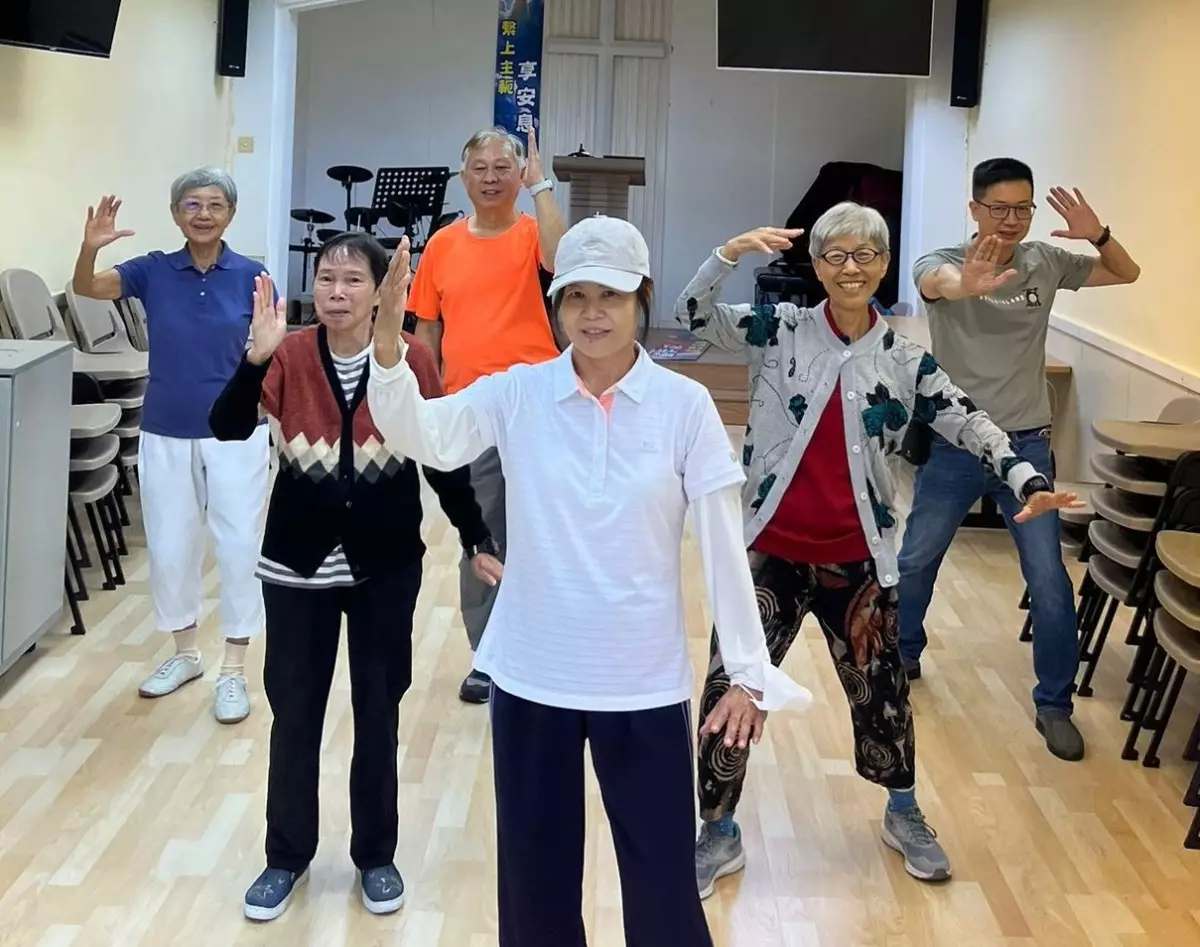
The HKUMed study supports the therapeutic use of tai chi as an alternative for managing chronic insomnia among middle-aged and older adults.