Your home is your sanctuary, but it’s also one of your biggest budget items. And after you retire, it may feel like more house than you need. But in this housing market, when a smaller home with upgraded features may be about as expensive as the one you’re selling, is it still smart to downsize?
In some cases, downsizing is appropriate, but not necessarily money-saving. You may be able to sell your house and buy something cheaper, but it might also make sense to downsize to move closer to family or have less house to clean.
It’s important to be clear on what you want. “Goals are so crucial,” says Juan HernandezAriano, a certified financial planner in Houston. “There are multiple pathways people can take.”
Here are some situations that may match up with a “For Sale” sign.
YOU’RE IN A CASH FLOW BIND
In retirement, you might find that rising prices combined with a fixed income make you feel a little squeezed.
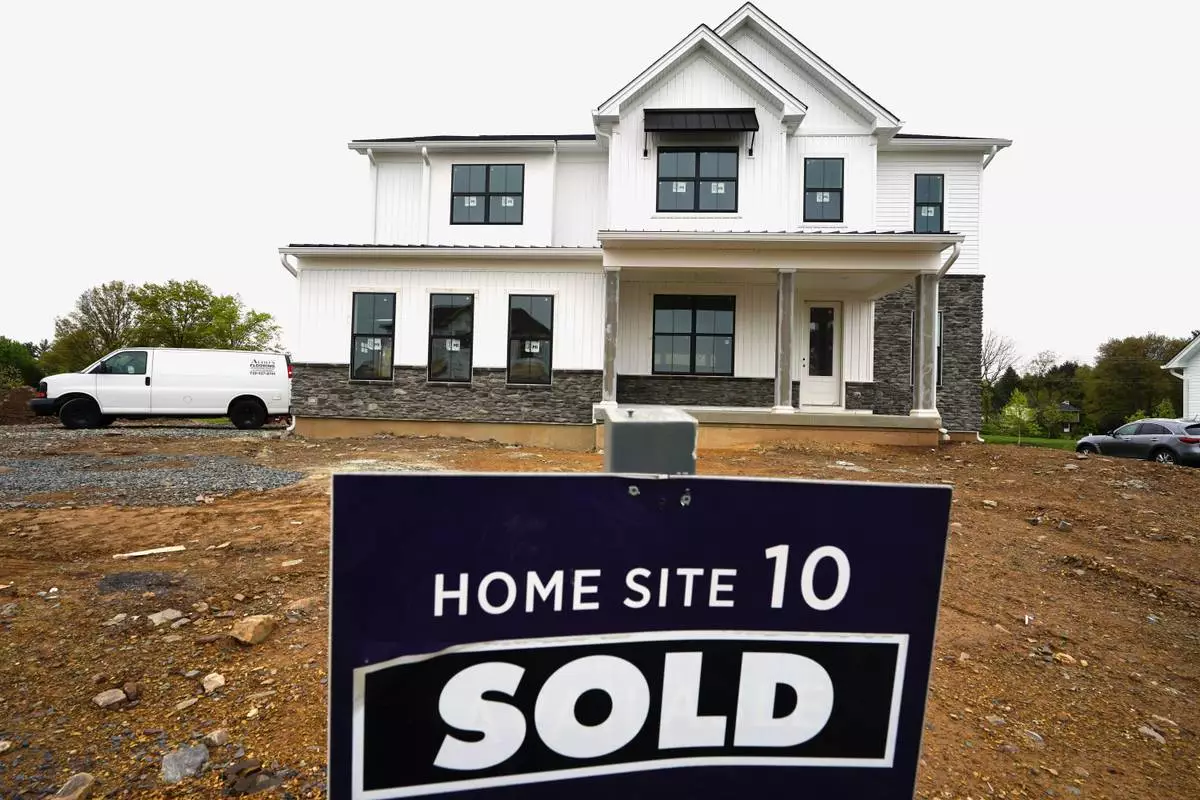
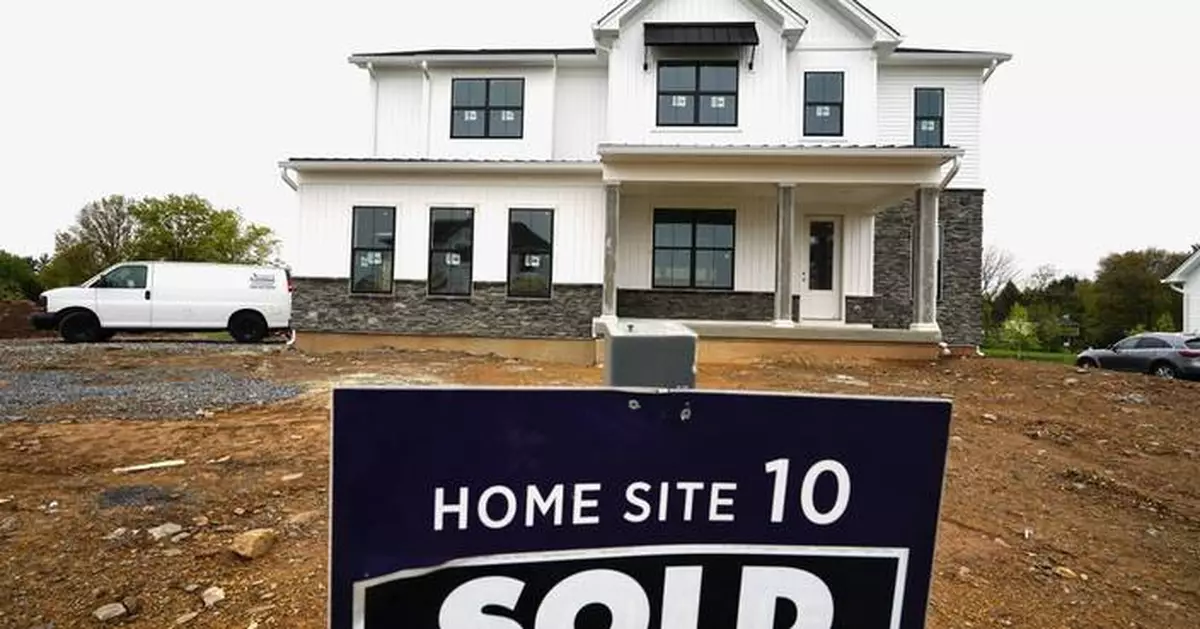
FILE - A home under construction marked as "SOLD" at a development in Eagleville, Pa., is shown on Friday, April 28, 2023. Your home is your sanctuary, but it’s also one of your biggest budget items. And after you retire, it may feel like more house than you need. But in this housing market, when a smaller home with upgraded features may be about as expensive as the one you’re selling, is it still smart to downsize? (AP Photo/Matt Rourke, File)
HernandezAriano notes that his clients in southeast Texas are bothered by high home insurance premiums due to severe weather events, plus high property taxes. “A lot of insurance companies are dropping coverage on the southeast side of Texas,” he says.
If downsizing is a question of money, consider all your housing costs. Weigh the mortgage, property taxes and insurance, plus basic bills like electricity and water services for your current and future homes.
One client in Houston did the math and moved 90 minutes away, where they got a cheaper home and dropped their homeowners insurance by 60%. “Property taxes also went down since they weren’t in a highly competitive school district,” HernandezAriano says. “They still spent more on gas and water and had to pay for relocation expenses, but overall, they saved monthly.”
YOU’RE IN A PRICEY AREA
If you live in an expensive city, you have a better chance of selling your home and finding something cheaper. “When you’re in a lower-cost area, it’s going to be difficult to find something even (more) lower cost,” says David Demming, a CFP in Aurora, Ohio.
Just do some looking before you leap. Inventory is low in many places, and competition is steep for a smaller home with upgrades.
To save money overall, the value of the home you’re purchasing should be at least 20% less than the house that you’re selling, says Diane Pearson, a CFP in Wexford, Pennsylvania.
YOU CAN’T LIVE THERE SAFELY ANYMORE
Your health may require you to find a new home with fewer stairs, a first-floor primary bedroom or an accessible bathroom.
Michael Maye, a CFP in Gillette, New Jersey, notes that his clients who’ve seen parents go through long-term care or health issues are more likely to consider future mobility when planning their retirement. “Recently, I proactively worked with a couple and they knew that they didn’t want to age in place, because they have a bigger house,” he says.
They wanted to buy into a continuing care retirement community, where they could take advantage of graduated levels of care as they needed it. “They could stay in their house, but they don’t plan to,” Maye says.
YOU WANT TO BE CLOSER TO FAMILY
While being closer to children or aging parents is a good reason to downsize, don’t count on this being the cheaper option, especially if you’re moving into a hotter market.
Consider one of Demming’s clients, who moved from one part of Ohio to another part of the state. “It cost her $150,000 more to move there, to get a house that was acceptable to her,” Demming said.
Even with the higher cost, Demming says, it was worth it to be closer to her children and grandchildren — and her new city is booming. “There is no looking back,” Demming says. “Her new home has appreciated quite a bit since moving.”
YOU’RE PREPARED TO CREATE A NEW SUPPORT NETWORK
If downsizing means a new city, keep in mind that you may have to rebuild your community. Even if you’re moving to be near family, you shouldn’t count on them to be your activities hub. “Are you a social person who’s going to be able to get out and about and make your own way?” Maye says.
You’ll need to make new friends, find new medical professionals, find a new gym. “Those are the trade-offs,” Maye says. “None of them are deal breakers, but I think people should really think about all these other things.”
This article was provided to The Associated Press by the personal finance website NerdWallet. Kate Ashford is a writer at NerdWallet. Email: kashford@nerdwallet.com. Twitter: @kateashford.
RELATED LINKS:
NerdWallet: How to sell your house https://bit.ly/nerdwallet-how-to-sell-your-house
LAS VEGAS (AP) — Duane “Keffe D” Davis is set to be sentenced Tuesday for orchestrating the murder of rap icon Tupac Shakur, who was gunned down off the Las Vegas Strip over 30 years ago.
Davis, 63, was convicted in August of first-degree murder with the use of a deadly weapon. He is the only person ever charged in the death of Shakur, whose popularity was peaking at age 25. Davis faces life in prison without the possibility of parole.
On the night of Sept. 7, 1996, Shakur was in the passenger seat of a black BMW with music mogul Marion “Suge” Knight when a white Cadillac pulled up at a red light, and shots erupted. Shakur was shot multiple times and died six days later, while Knight survived.
Shakur is considered one of the most influential and versatile rappers of all time and had a burgeoning film career as an actor at the time of his death. His legend has only grown since. His songs still resonate among fans with themes of hardship, love and Black struggles.
The killing went unsolved for years until Davis, a former leader of the South Side Compton Crips, gave interviews and published his role in the shooting in his 2019 tell-all memoir. He explained how Shakur and his entourage beat up Davis' nephew hours before the shooting in Las Vegas. He said he sought retaliation, and that he was in the passenger seat of the Cadillac and passed the gun to the backseat, where shots were fired. Davis had spoken to detectives years before but avoided prosecution because of an agreement he made with law enforcement.
During the weekslong trial, prosecutors relied on Davis' own statements he made to law enforcement and documentarians. They argued Davis orchestrated the shooting and provided the gun used in Shakur's death, which was the result of a rivalry between the South Side Compton Crips and Mob Piru. Davis' defense attorney pointed to a lack of physical evidence that connected his client to the 30-year-old crime, and he portrayed Davis as a liar who was trying to make money.
After nine days of hearing testimony in August, the jury deliberated for three hours before turning over the guilty verdict. Davis said in court that he plans to appeal.
Shakur's family is expected to speak at the sentencing, including his siblings Maurice “Mopreme” Shakur and Sekyiwa “Set” Shakur.
Following the verdict, prosecutor Binu Palal said that to many people, Shakur was an icon or an idea, "but to the family, Tupac Shakur was a brother, a son, a cousin, a loved person ripped from them 30 years ago.”
Palal said the family had to sit through years of Davis “bragging about killing someone they loved.”
"They loved that man. And the arrogance that Mr. Davis had in expressing his joy in killing that man ultimately was his undoing,” Palal said.
Davis is the only person to be charged and convicted in the killing of Shakur. The three other people who allegedly were in the Cadillac — including Davis' nephew Orlando “Baby Lane” Anderson who Davis said was the one who pulled the trigger — have died.
Sean “Diddy” Combs and his alleged role were brought up often throughout the trial. Witnesses testified Combs used members of the South Side Compton Crips for security for Bad Boy Records. In his book and public statements, Davis alleged Combs offered him money to kill Shakur and Knight. Combs, who is serving a four-year prison sentence after being convicted of prostitution-related offenses, has repeatedly denied any involvement in the death of Shakur.
Clark County District Attorney Steve Wolfson has said his office doesn't believe it has sufficient evidence to charge anyone else.
“But like any other case, if we come into more information, more evidence, we can always consider filing additional charges,” he said following the guilty verdict. “But today, we don't believe that's the appropriate move to make.”
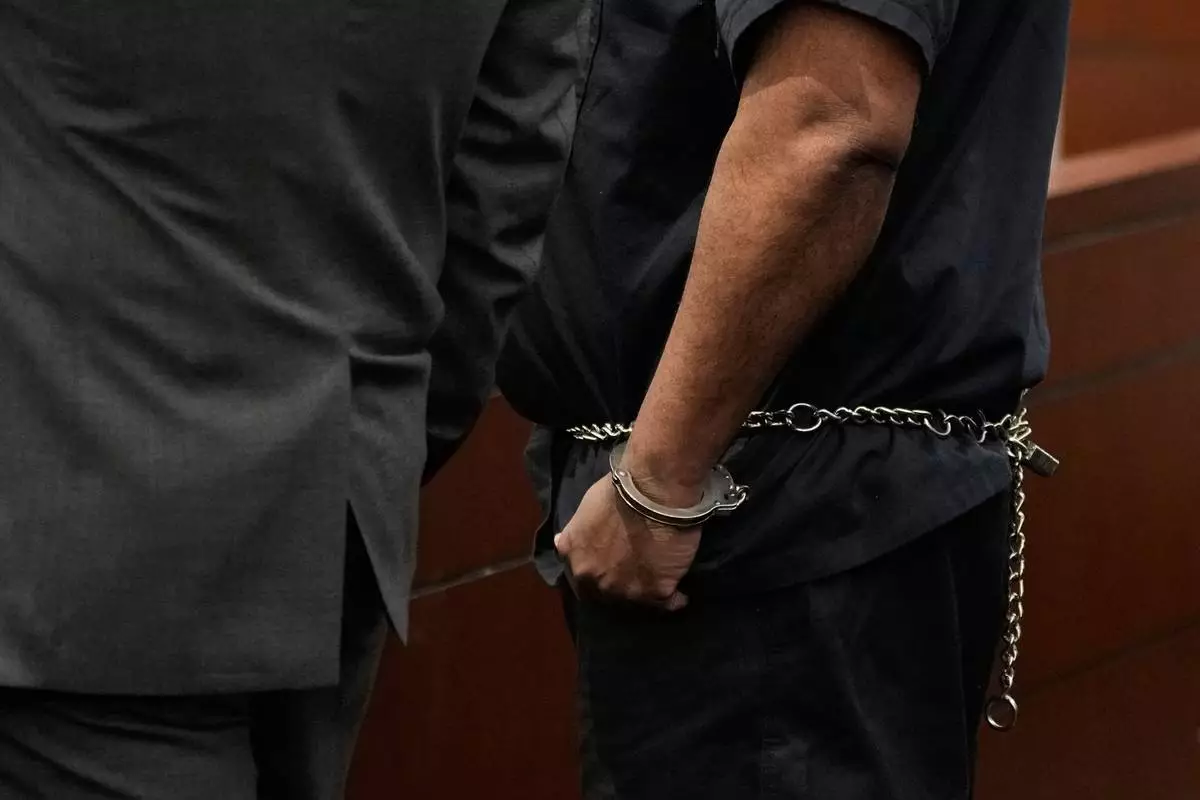
Duane Davis, right, talks stands with his attorney Michael Sanft during a sentencing hearing after his murder conviction in the death of rapper Tupac Shakur on Tuesday, Oct. 13, 2026, in Las Vegas. (AP Photo/John Locher, Pool)
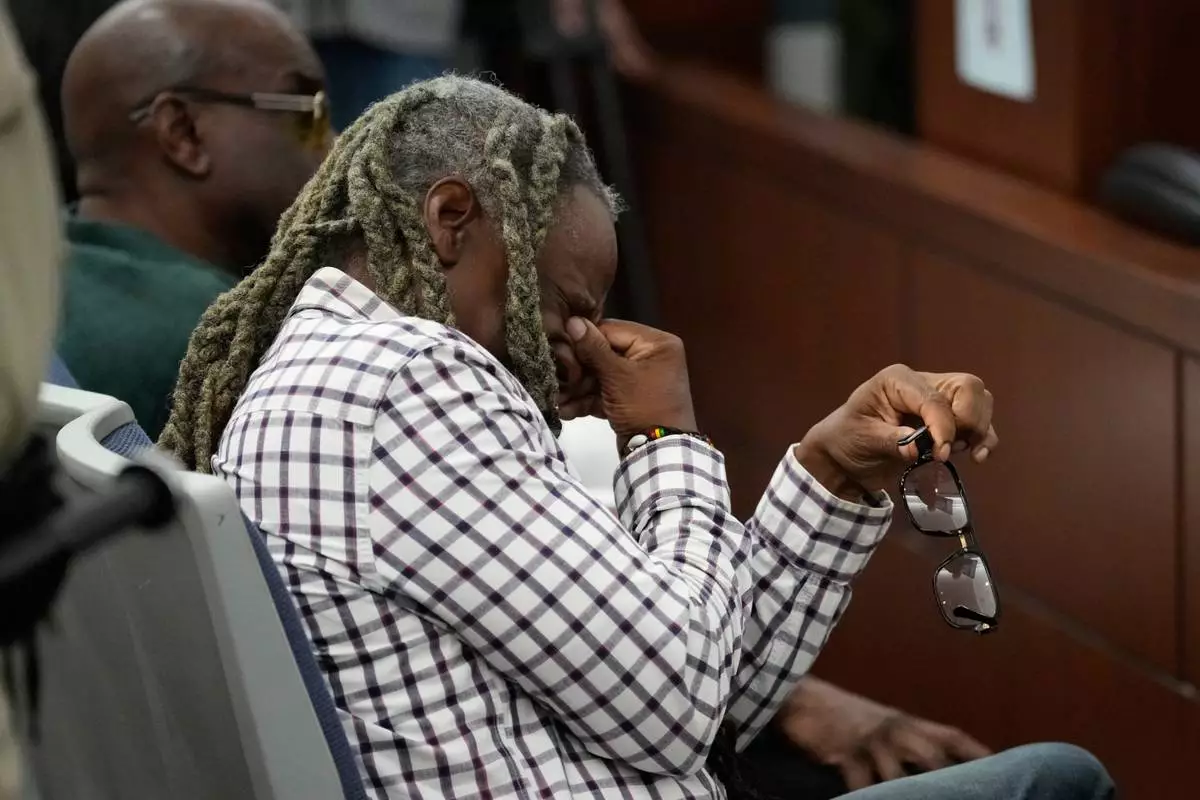
A man reacts during a sentencing hearing for Duane Davis after Davis' murder conviction in the death of rapper Tupac Shakur on Tuesday, Oct. 13, 2026, in Las Vegas. (AP Photo/John Locher, Pool)
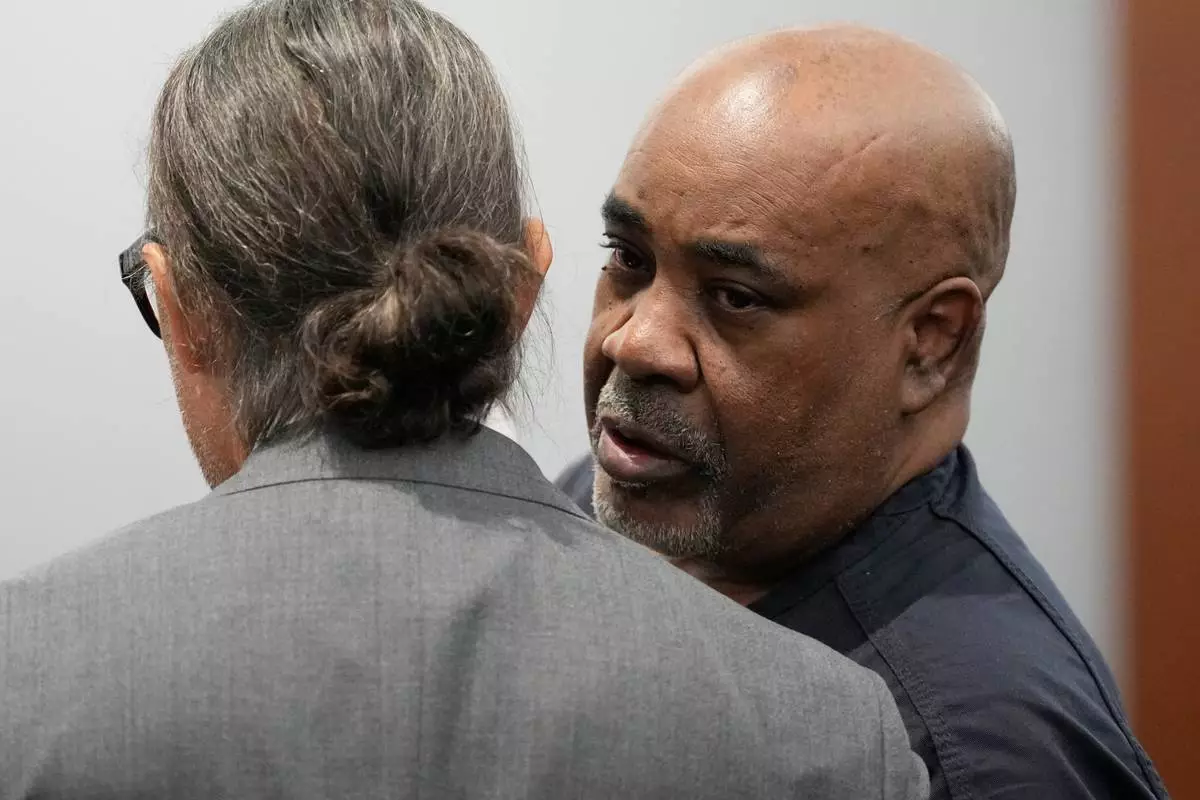
Duane Davis, right, talks with his attorney Michael Sanft during a sentencing hearing after his murder conviction in the death of rapper Tupac Shakur on Tuesday, Oct. 13, 2026, in Las Vegas. (AP Photo/John Locher, Pool)
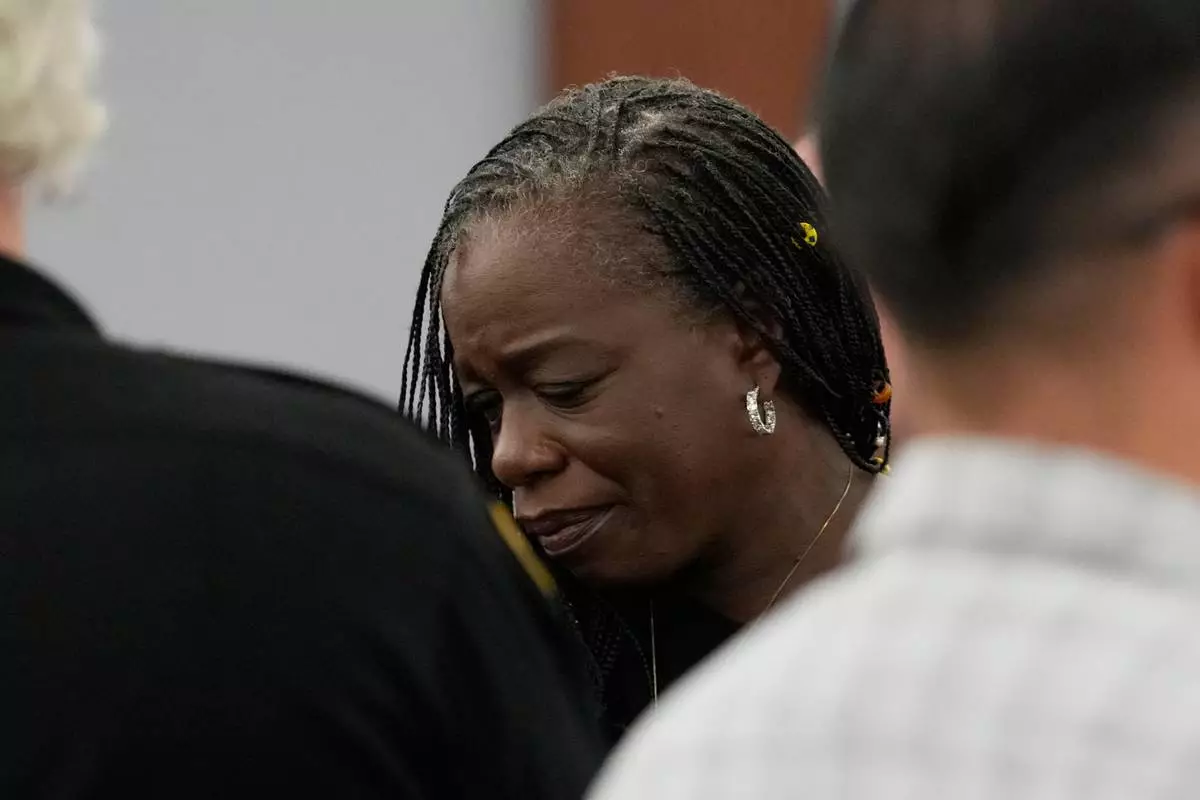
Sekyiwa "Set" Shakur, center, attends the trial of Duane Davis during a sentencing hearing after Davis' murder conviction in the death of rapper Tupac Shakur on Tuesday, Oct. 13, 2026, in Las Vegas. (AP Photo/John Locher, Pool)
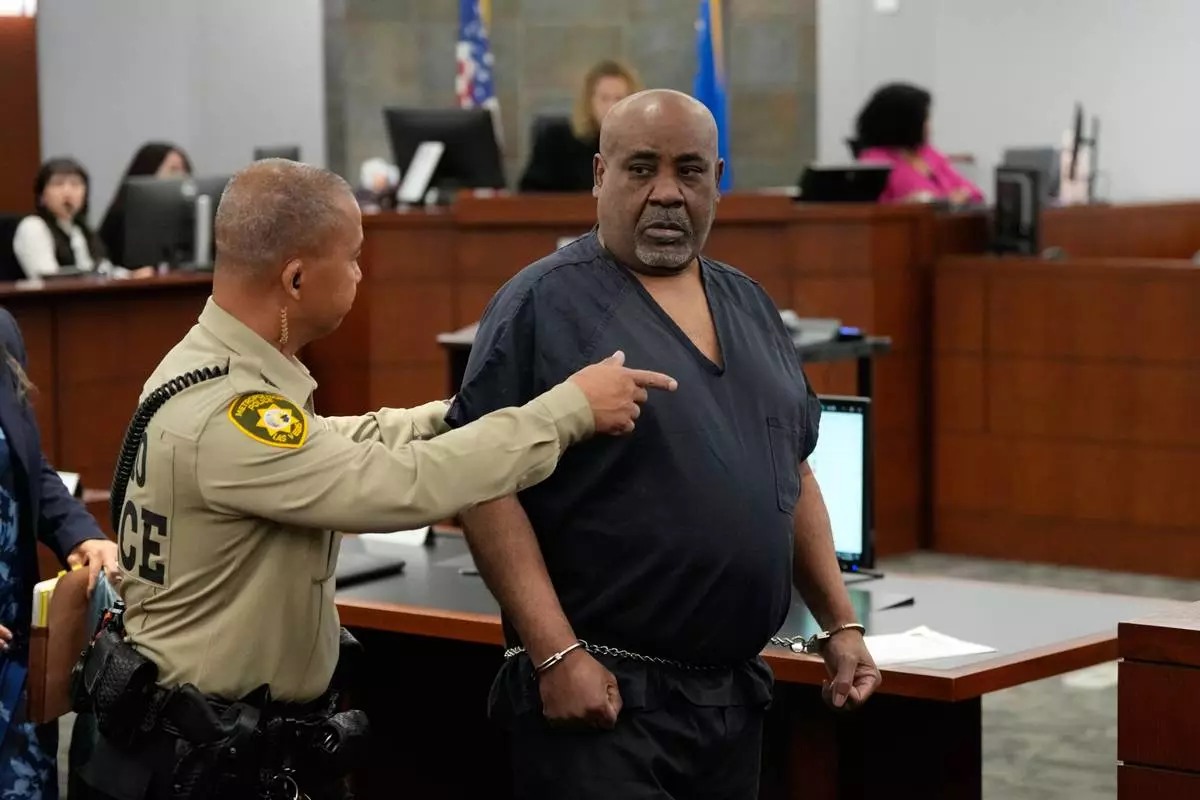
Duane Davis, center, arrives for a sentencing hearing after his murder conviction in the death of rapper Tupac Shakur on Tuesday, Oct. 13, 2026, in Las Vegas. (AP Photo/John Locher, Pool)
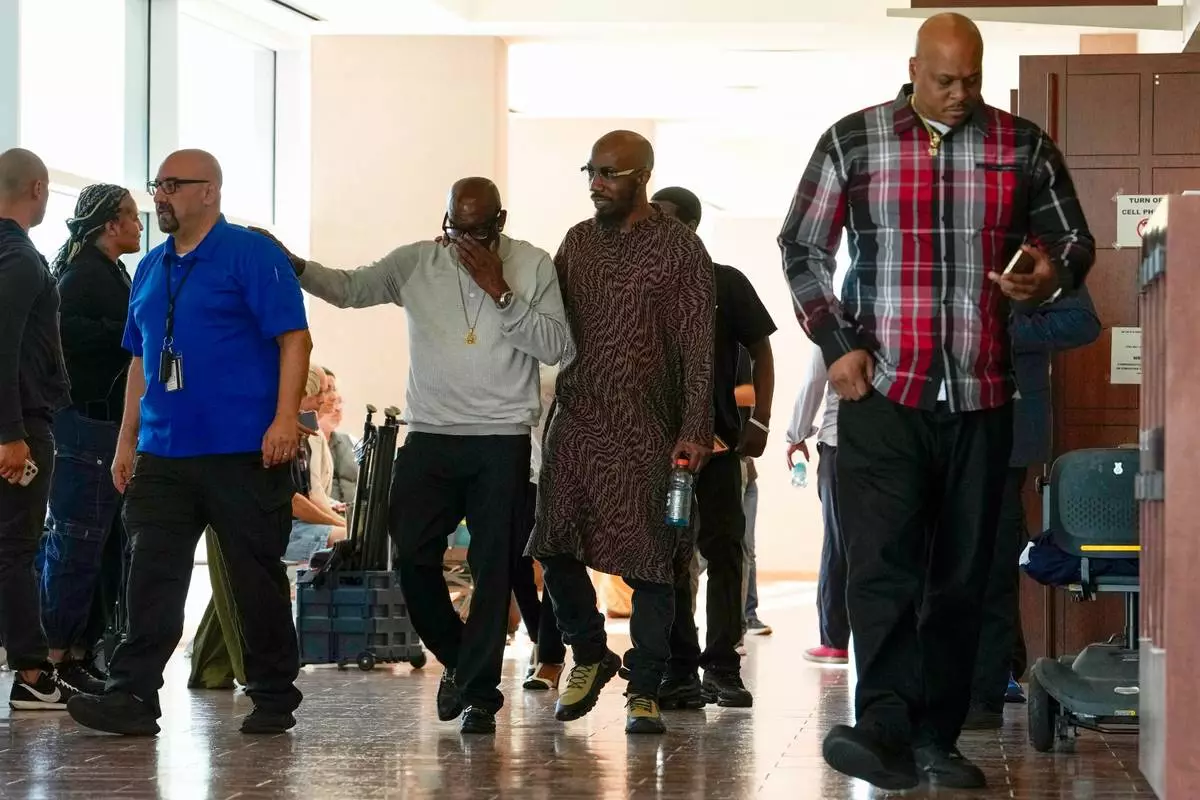
FILE - Mopreme Shakur leaves for recess following the closing arguments in the murder trial of Duane Davis, Aug. 31, 2026, in Las Vegas. (AP Photo/Lucas Peltier, File)
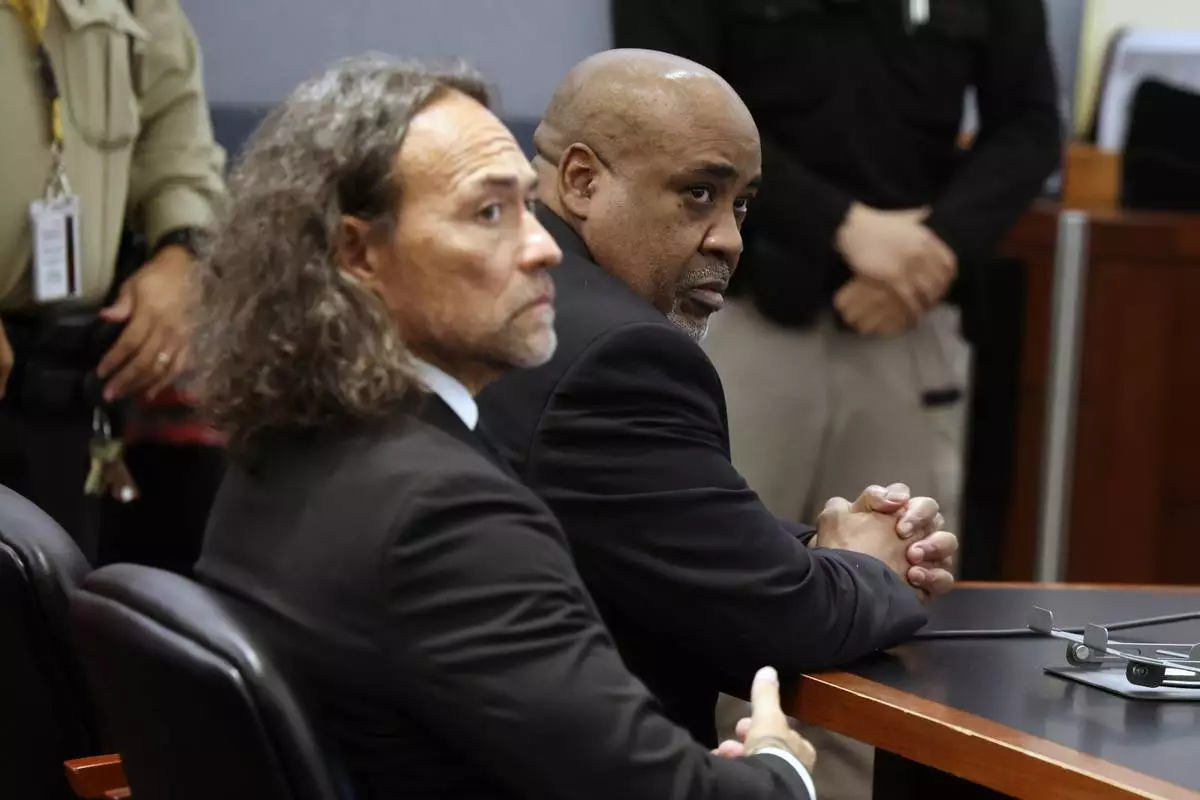
FILE - Duane Davis, right, and his attorney Michael Sanft sit in a courtroom, after a jury found Davis guilty of first-degree murder in his trial related to the 1996 killing of rapper Tupac Shakur, at Clark County District Court Regional Justice Center on Aug. 31, 2026, in Las Vegas. (Bizuayehu Tesfaye/Las Vegas Review-Journal via AP, Pool)