HA approves implementation arrangements for Sale of Home Ownership Scheme Flats 2024
The following is issued on behalf of the Hong Kong Housing Authority:
The Hong Kong Housing Authority (HA)'s Subsidised Housing Committee today (August 27) approved the average selling prices and sales arrangements for the Sale of Home Ownership Scheme (HOS) Flats 2024 (HOS 2024) as well as the income and asset limits for White Form (WF) applicants.
"Apart from sparing no effort in constructing public rental housing to eligible applicants to shorten their waiting time, the HA has also been actively providing affordable Subsidised Sale Flats (SSFs) for purchase by the eligible applicants to fulfil their home ownership aspiration. Following the launch of HOS 2023 and the Sale of Green Form Subsidised Home Ownership Scheme Flats 2023 offering a total of about 12000 flats, the HA is going to launch HOS 2024 and start receiving applications in the fourth quarter of 2024," a spokesman for the HA said.
Details of the implementation arrangements for HOS 2024 are as follows:
Flats for sale
The HA will offer five new HOS developments with a total of over 7100 HOS flats, and a new batch of recovered Tenants Purchase Scheme flats under HOS 2024. While the number of new HOS flats put up for sale this time is slightly below the recent peak of about 9100 flats in HOS 2023, as some of the projects to be completed in the coming years have been put up for sale in previous sale exercises, it is still above the average number of around 6 900 flats for sale since the last few HOS sale exercises from 2018.
The new HOS developments are located at a wide variety of locations (including Kai Tak, Kwun Tong, Yau Tong, Tung Chung and Tuen Mun), providing choices of flats of different sizes with saleable areas ranging from about 17.3 square metres to about 47.4 sq m (about 186 square feet to about 510 sq ft), catering for the needs of different applicants. Large flats, with saleable areas ranging from about 41.1 sq m to about 47.4 sq m (about 442 sq ft to about 510 sq ft), have been more popular among applicants and account for about a quarter of the total number of flats. (See Annex 1)
Pricing
The HA continues to price HOS flats at an affordable level. The average selling prices of the HOS flats for sale under HOS 2024, if setting the selling prices at an affordable level, are set at a 30 per cent discount from the current assessed market values (i.e. for sale at 70 per cent of the assessed market values). The selling prices of flats in the five new HOS developments range from $1.43 million to $4.67 million with an average selling price of about $2.7 million.
"Based on the average flat selling price at about $2.7 million with the assumption that the mortgage loan-to-price ratio is 90 per cent and the flat is mortgaged for a term of 30 years at an interest rate of about 4 per cent, mortgage payment is only about $11,600 per month. For one to two-person flats, the average selling price is about $1.7 million and the mortgage payment is only about $7,300 per month, which will be welcomed by young families and young people," the spokesman said.
Priority for flat selection and quota
The HA will implement the Families with Newborns Flat Selection Priority Scheme (Priority Newborns Scheme) announced under The Chief Executive's2023Policy Address as scheduled. A quota of about 40 per cent of the new flats to be offered for sale under HOS 2024 will be set for balloting and priority flat selection by those eligible applicants applying under the Priority Newborns Scheme and Priority Scheme for Families with Elderly Members (Priority Elderly Scheme). Family applicants of SSFs sale exercises with babies born on or after October 25, 2023, will be eligible if their babies are aged 3 or below on the closing date of the application of HOS 2024.
The HA will also refine the arrangements of quota allocation at the same time. In the past, the quota is set according to the total number of flats in all developments under a sale exercise. To provide applicants of different application categories a reasonable chance to purchase flats in different developments, the HA has decided to set the quota on a project-by-project basis according to the respective number of flats in individual new HOS developments. In each development, the quota for the Priority Newborns Scheme and the Priority Elderly Scheme is 40 per cent of the number of flats of the development, and the quota for one-person applicants is 10 per cent of the number of flats of the development. The order of priority for flat selection by eligible applicants will be determined by the application category, quota allocation and ballot results. (See Annex 2)
White Form income and assets limits
At the same time, the HA has also reviewed the WF income and asset limits according to the established mechanism. For family applicants with a household size of two persons and above, the income limit was reduced from $62,000 per month to $60,000 per month, and the asset limit was reduced from $1.47 million to $1.23 million, making downward adjustments of 3.2 per cent and 16.3 per cent respectively. For one-person applicants, their income and asset limits were reduced to $30,000 per month and $615,000 correspondingly.
Since the income and asset limits for HOS application are based on citizens' ability to afford home ownership in the private sector, the WF income and asset limits shall be slightly reduced in response to the development of the private property market of Hong Kong.

Source: AI-generated images
LegCo Members on National Affairs Study Visit inspect new quality productive forces, grassroots legislation and urban renewal projects (with photos and video)
The following is issued on behalf of the Legislative Council Secretariat:
Members of the Legislative Council (LegCo) continued the National Affairs Study Visit in Beijing today (23 July). In the morning, Members attended a thematic seminar on the continuous improvement of the socialist legal system with Chinese characteristics centred on the Constitution. The seminar focused on the development process of the socialist legal system with Chinese characteristics, as well as the national legislative mechanism with the National People's Congress system at its core. Fully adhering to law-based governance is the fundamental requirement and an important guarantee of socialism with Chinese characteristics. The legislative bodies must uphold Xi Jinping Thought on the Rule of Law as its guidance, deeply advance scientific legislation, democratic legislation as well as law-based legislation, and expedite the improvement of the socialist legal system with Chinese characteristics centred on the Constitution. This would ensure that the people act as masters of the country, and drive reform, foster development and safeguard good governance through good laws, thereby realizing rapid economic development and long-term social stability.
Members gained a profound understanding from the seminar that LegCo, as the legislature of the Hong Kong Special Administrative Region (HKSAR), exercises important constitutional functions under the Constitution and the Basic Law. Members have the responsibility to refine legislative processes, enhance the quality and efficiency of legislation, assist the HKSAR Government in resolving long-standing, big and difficult issues in society. Furthermore, under the executive-led system, legislation in key and emerging fields should be strengthened to enhance the targetedness, timeliness and operability of laws. During the seminar, Members actively raised questions and exchanged views with experts, noting that more communication with Mainland legislative bodies and drawing reference from national experience would enable LegCo to better discharge its duties and responsibilities.
In the afternoon, Members were divided into four groups to visit projects relating to new quality productive forces, grassroots legislation and urban renewal projects to draw on local experiences.
One group of Members inspected projects relating to innovation and technology (I&T) development and application such as new energy vehicles, robotics and embodied intelligence. Members first visited the Xiaomi Auto Super Factory in the Beijing Economic-Technological Development Area (BDA) to receive a briefing from representatives of the Xiaomi Group on the planning and layout of the intelligent factory. While visiting the production workshops, Members learnt about the key components and manufacturing processes. Members noted that the support of BDA policies has facilitated independent research and development (R&D) and innovation at the factory, which has established full-chain R&D capabilities, and deployed over 700 robots to achieve round-the-clock automated new energy vehicles production. It has also opened its workshops to visitors to promote industrial tourism.
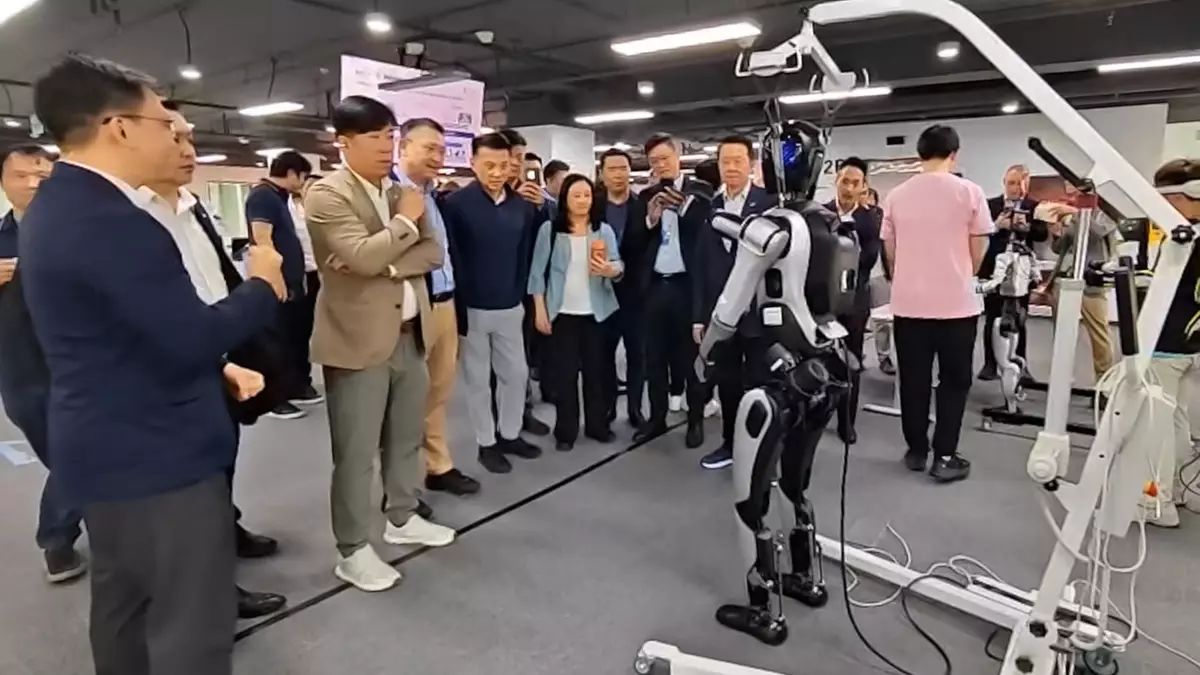
Members later visited the Robot World in the BDA, where they observed robots made by enterprises across the country and their applications in industrial manufacturing, elderly care and bionic animals. They also visited an experience zone of popular science education to learn about the innovation achievements in areas such as artificial intelligence and biomimetics.
Members noted that the nation holds a globally leading position in I&T development, while Hong Kong is the home to five of the world's top 100 universities with outstanding research capabilities and talents. The HKSAR can play a key role in accelerating high-level scientific and technological self-reliance under the National 15th Five-Year Plan. During the visit, Members also deeply appreciated that removing red tape for the development of the I&T industry requires the coordination and support of policies, legislation and funding. This serves as an important demonstration for Hong Kong in expediting the development of the Northern Metropolis, including the Northern Metropolis Development Bill currently being scrutinized by LegCo.
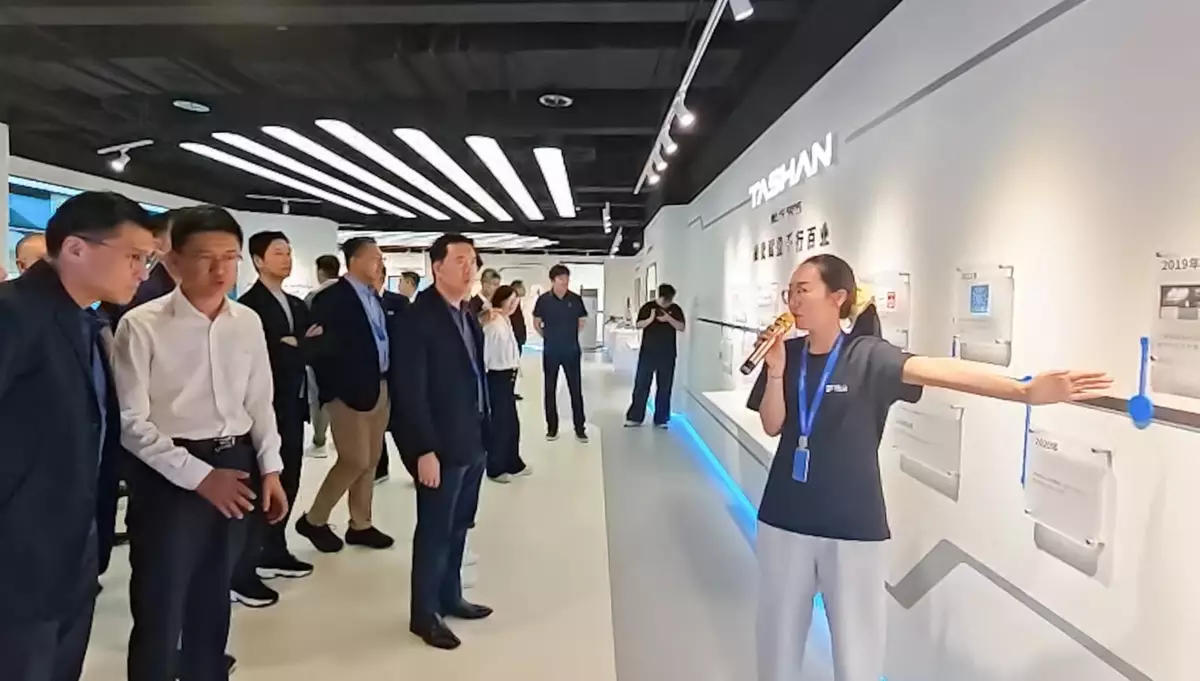
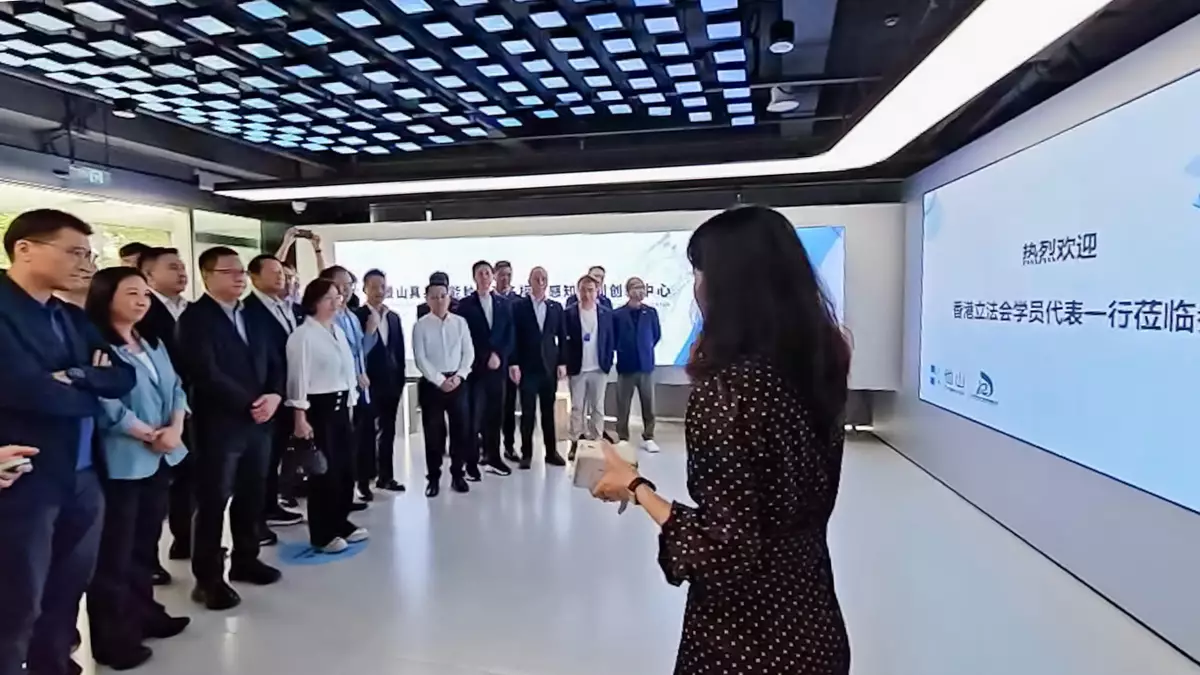
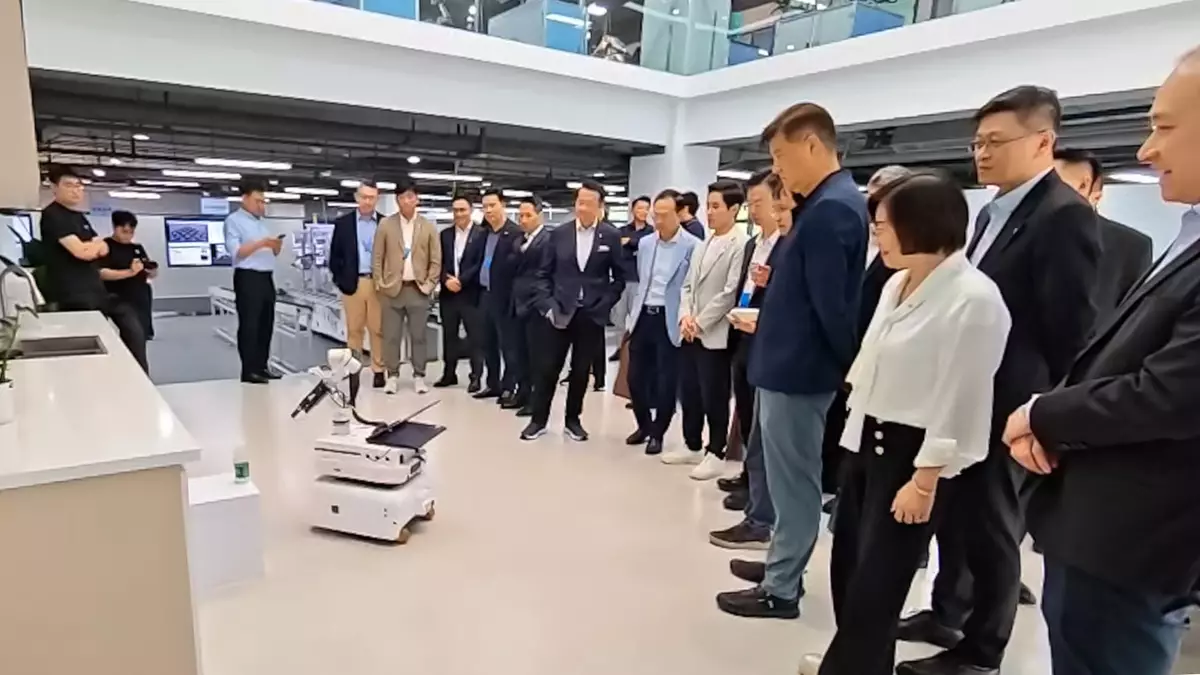
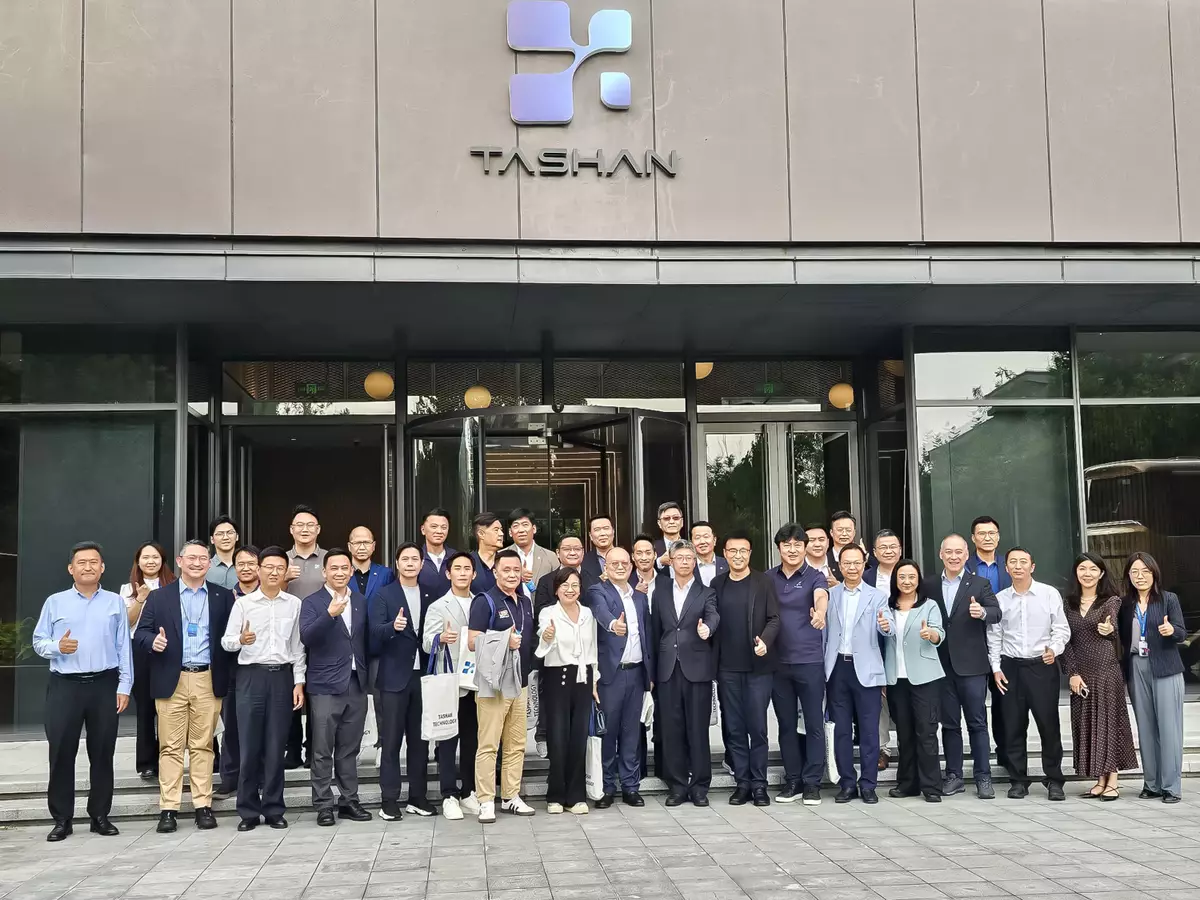
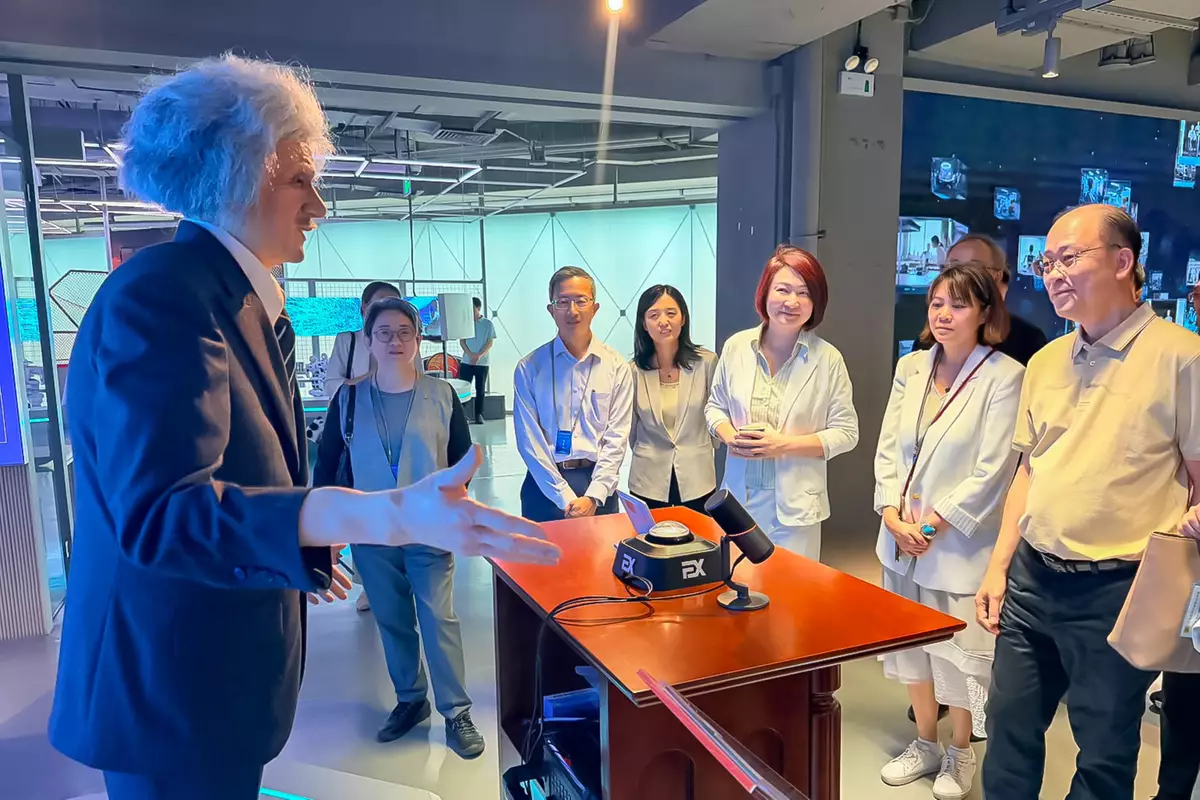
Another group of Members visited Beijing Tashan Technology Co., Ltd (Tashan) to learn about the I&T application in robots and embodied intelligence. Tashan is a leading enterprise in tactile sensing technology in the Mainland, focusing on developing artificial intelligence tactile sensing chips and application solutions, which are applied to areas such as robots as well as smart vehicles and home appliances. Tashan is also one of the first Zhongguancun high-tech enterprises that has signed an agreement for R&D cooperation with the Hong Kong Productivity Council, enabling the Mainland enterprise to explore overseas markets. Members observed demonstrations of tactile sensing technology for humanoid robots, including the application of "electronic skin" on robots. Members considered that in light of the growing I&T collaboration between the Mainland and Hong Kong, LegCo could proactively support the HKSAR Government in promoting the integration of an efficient market with a capable government, and join hands with the Government to develop high-quality industries, realizing R&D outcomes. Giving full play to Hong Kong's distinctive advantages of having our nation's strong support and being closely connected to the world would enable more Mainland high-tech companies to "go global" through Hong Kong, strengthening the city's status as an international I&T centre.
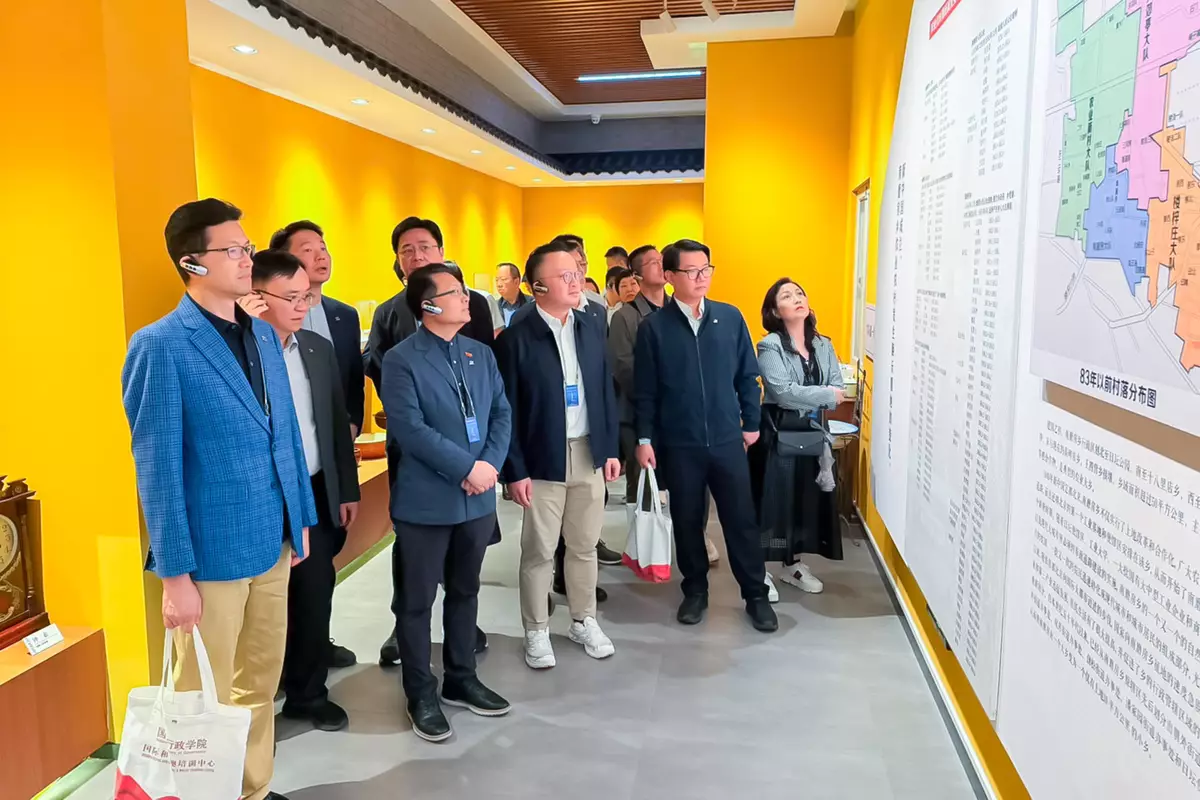
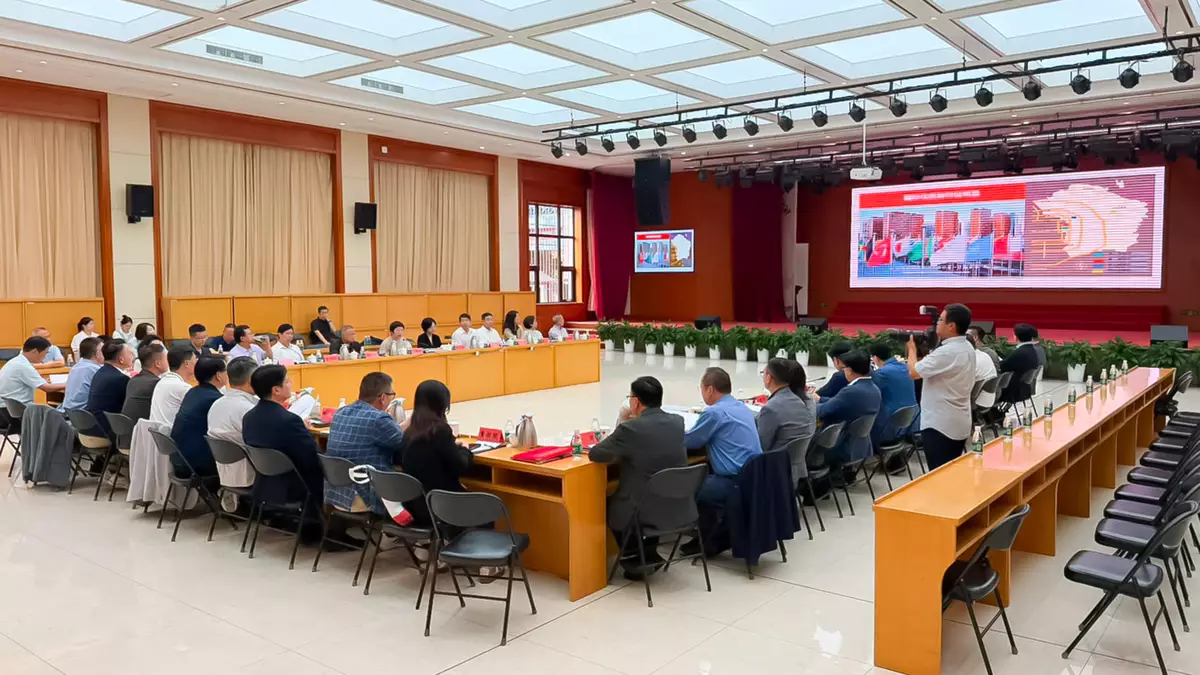
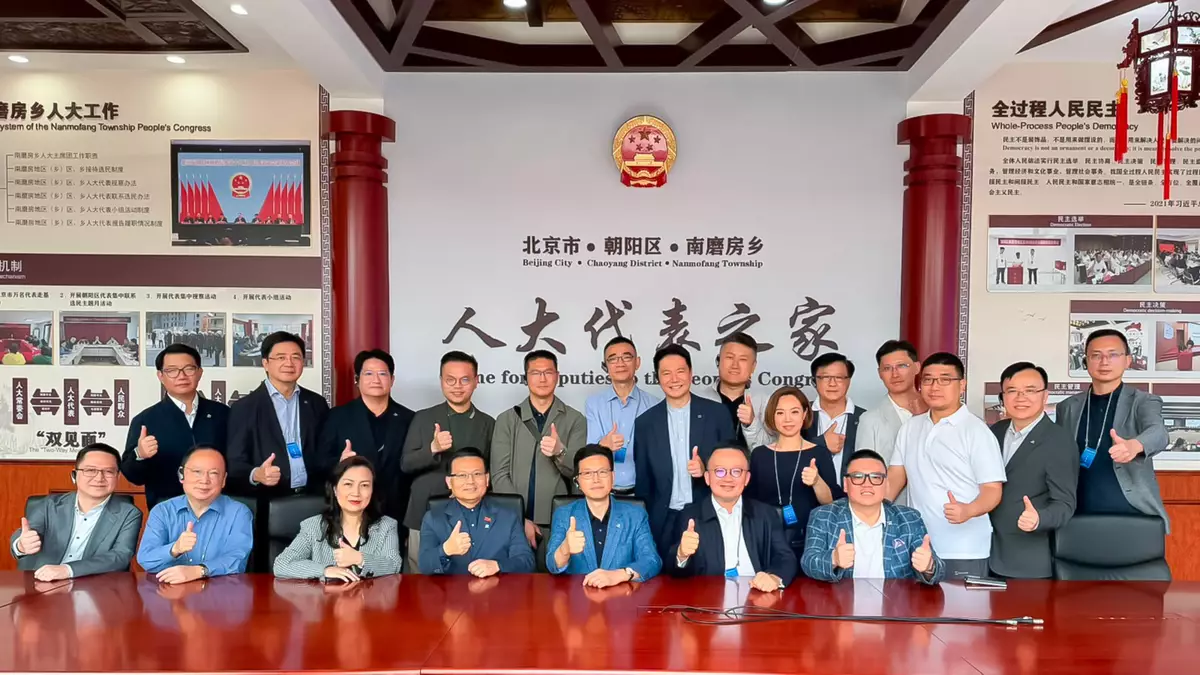
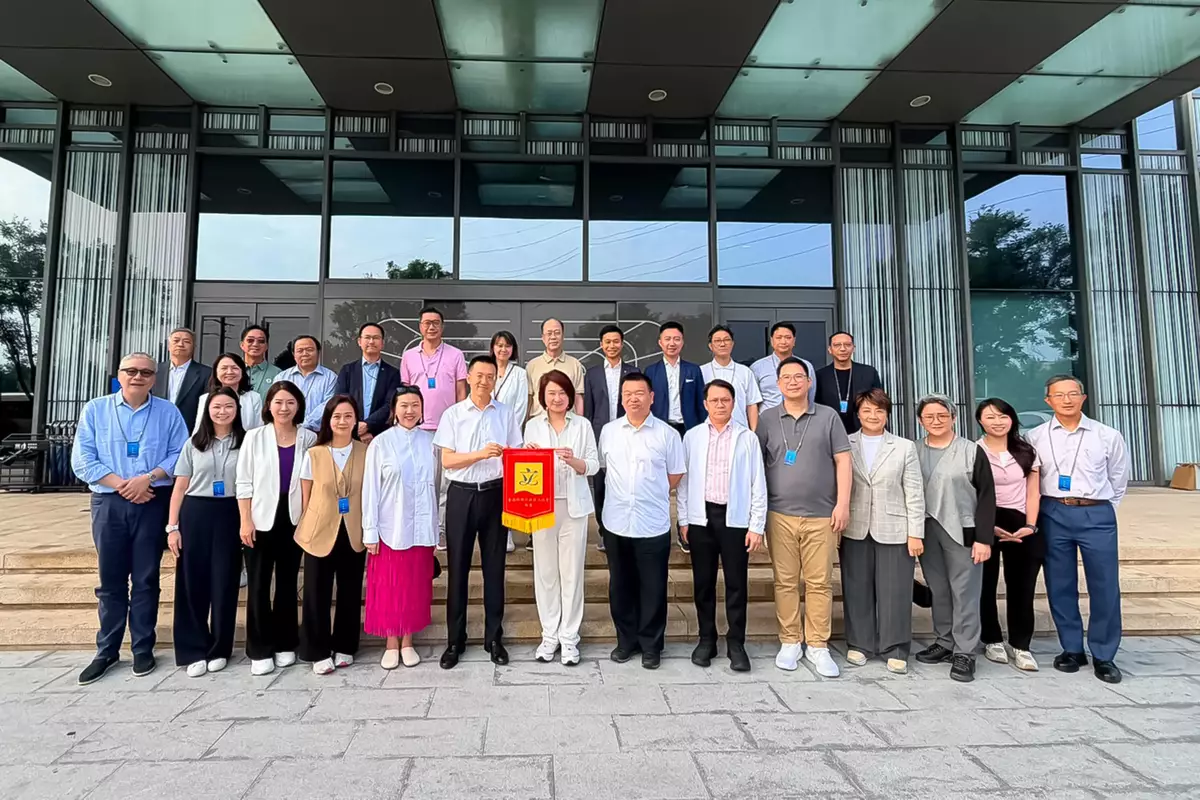
One group of Members proceeded to Nanmofang Township in Chaoyang District in Beijing Municipality to visit the Home for Deputies to the People's Congress and Legislative Contact Point (Home and Contact Point), learning about the grassroots legislation there and exchanging views with representatives of the Standing Committee of Chaoyang District People's Congress of Beijing Municipality. The Home and Contact Point collects citizens' views on legislative work through online and offline channels, conveying feedback directly to the National People's Congress. This initiative is regarded as a "direct train" for national legislation and a successful practice of "whole-process people's democracy" in the legislative field. Members considered that maintaining close contact with the public, conducting in-depth research and fully taking on public views and pooling public wisdom make the Home and Contact Point an important practical innovation in democratic lawmaking with significant reference value. Serving as representatives of public voice, Members can draw on the successful experience of the Home and Contact Point to further listen to grassroots citizens, strengthen the sense of responsibility and commitment, and fully reflect public opinion in LegCo's work.
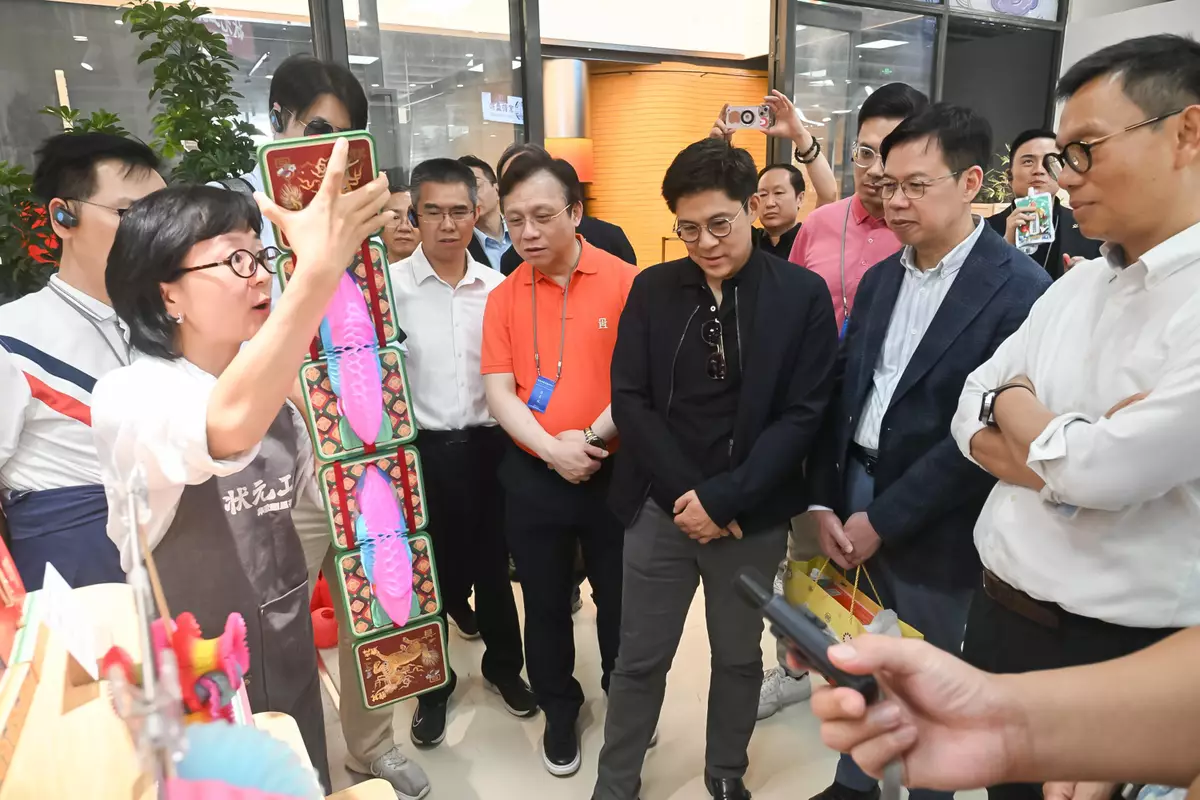
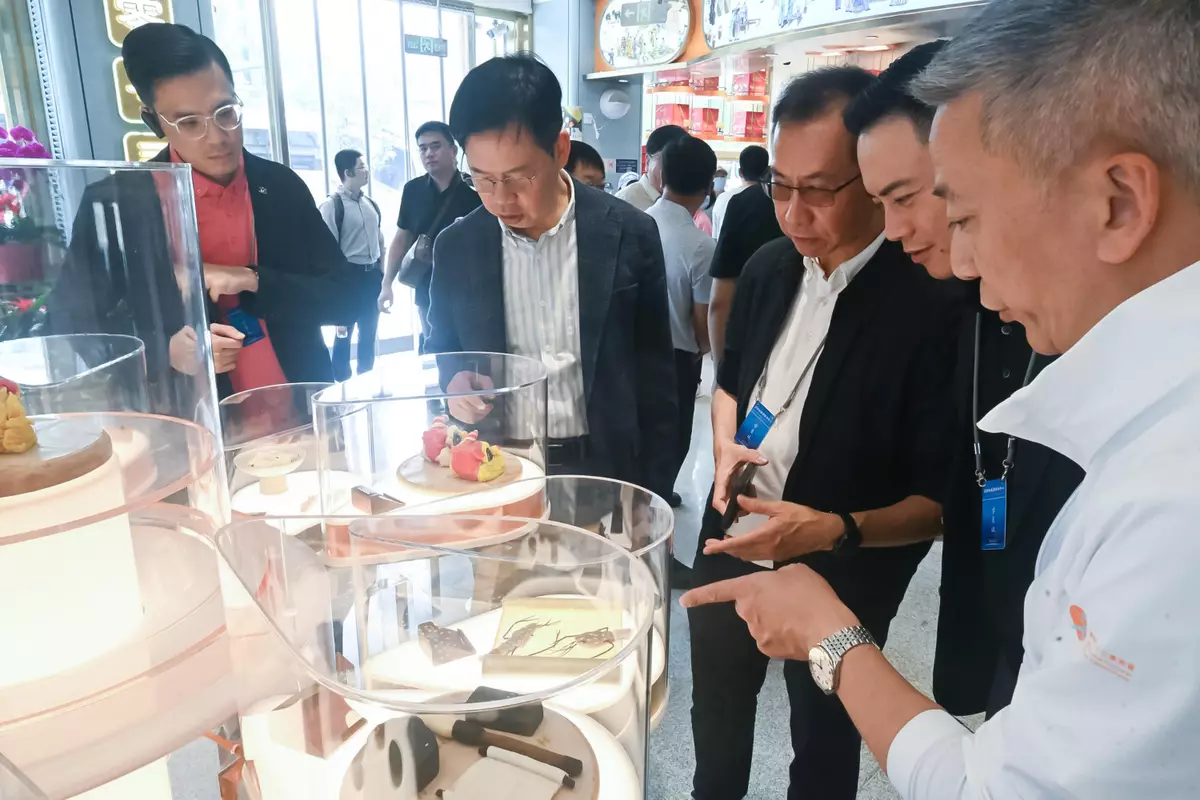
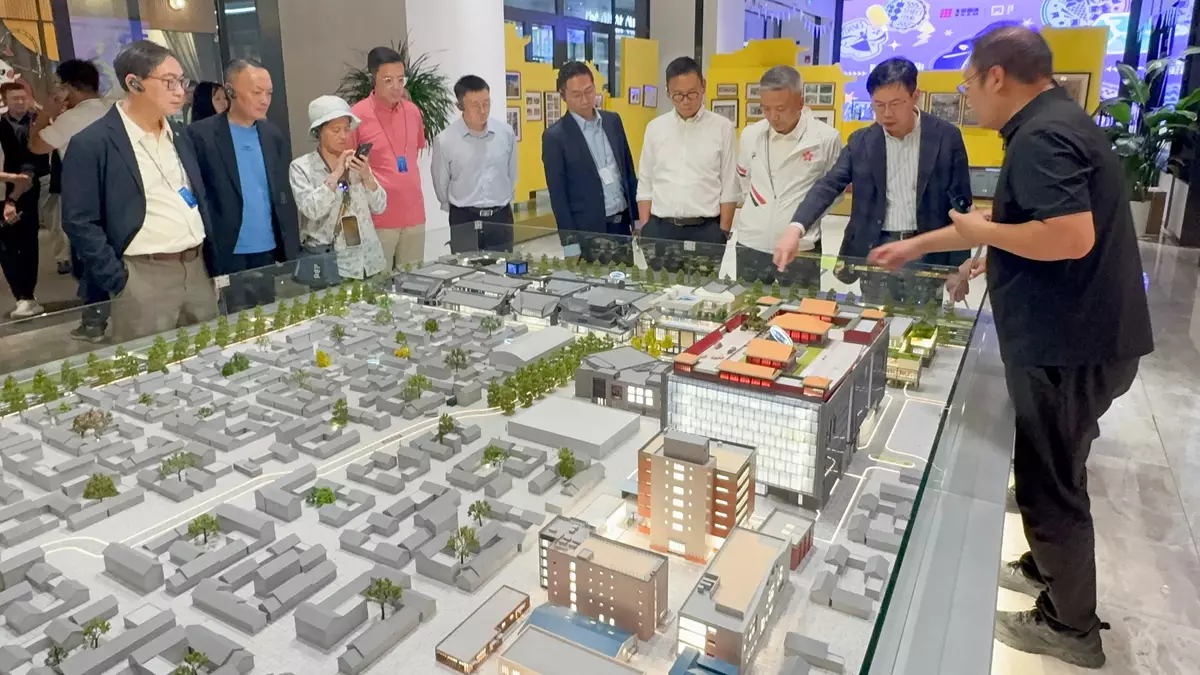
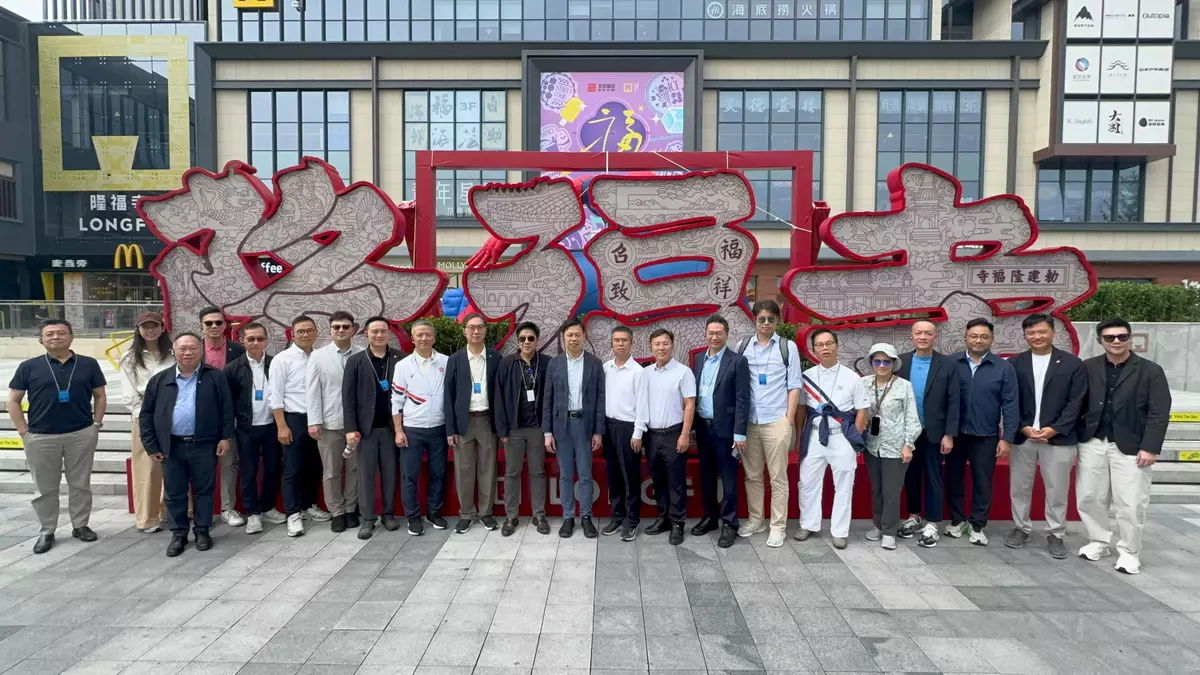
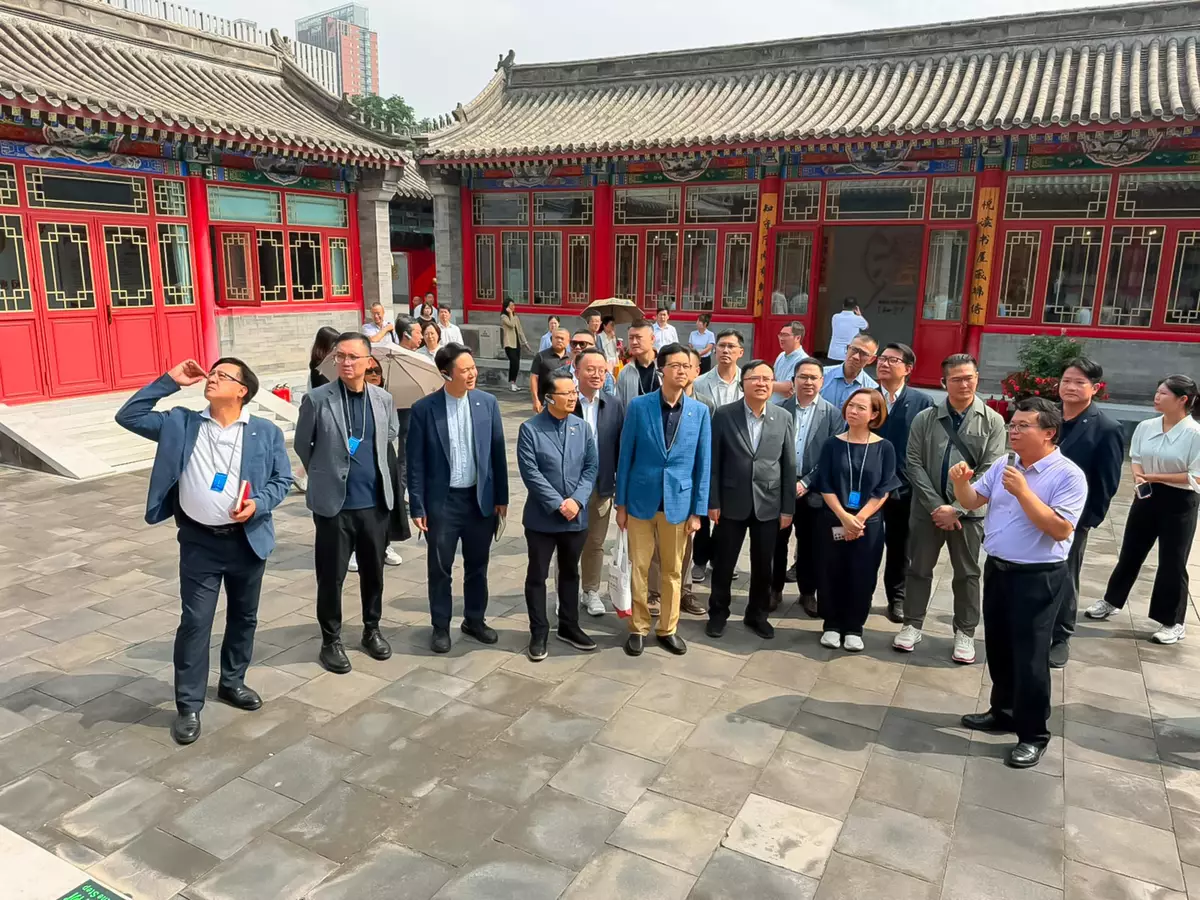
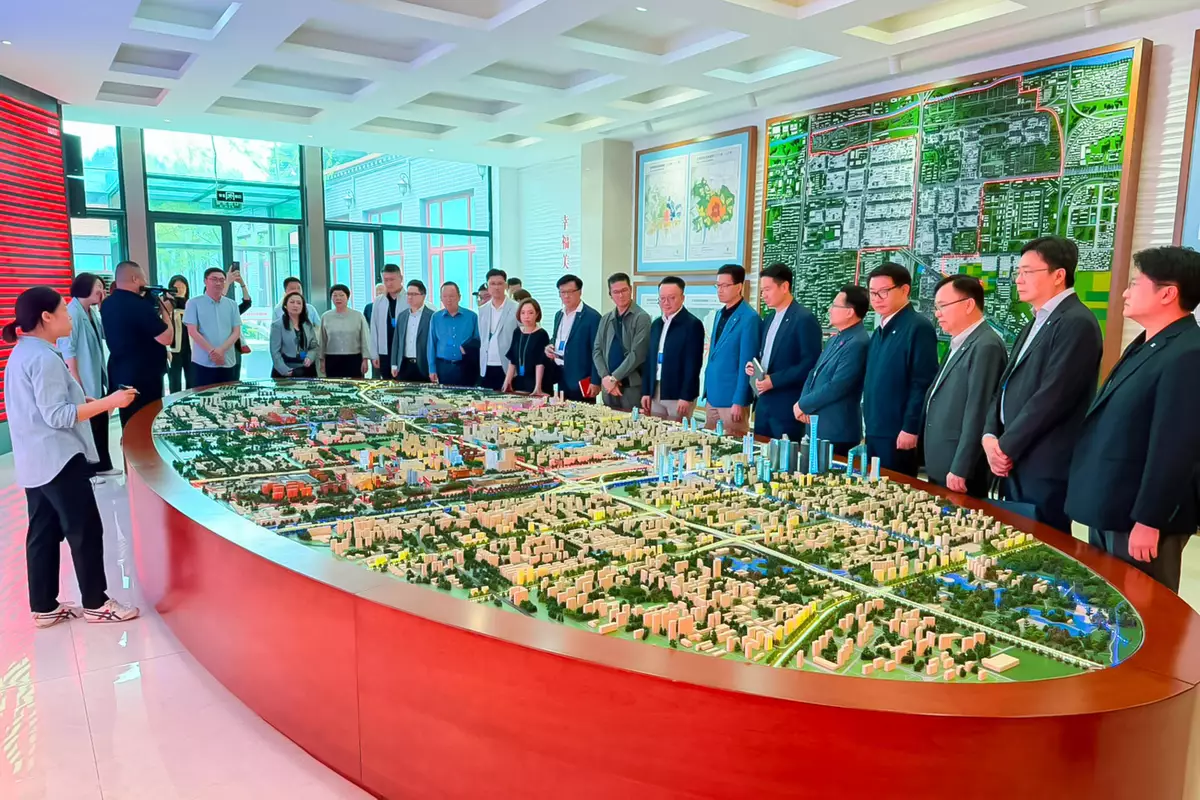
Another group of Members visited the Longfu Temple Historical and Cultural District (Longfu Temple District) in Dongcheng District in Beijing Municipality to inspect urban revitalization and renewal projects in the area. Since 2012, Longfu Temple District has promoted historic preservation and urban renewal projects, blending traditional "hutong" courtyards with modern architectural designs to transform the old district into a new landmark for culture and consumption. Members visited shops with a long-established reputation, cultural and creative parks, and cultural centres in Longfu Temple District, gaining an understanding of how new vitality was injected into traditional commercial projects during renovation and renewal, as well as the promotion of the integrated development of culture, commerce and tourism. Members took the view that Longfu Temple District has successfully preserved its original features while breaking new ground. It not only renovates and upgrades public spaces, but also organically integrates culture, arts and trendy lifestyles. Hong Kong can draw on its experience to promote urban revitalization, strengthen research and offer suggestions on urban renewal policies, so as to inject new economic momentum into old districts.
Members will continue with the Study Visit programme tomorrow (July 24).
Click here to watch the highlight of today's Study Visit.

LegCo Members on National Affairs Study Visit inspect new quality productive forces, grassroots legislation and urban renewal projects (with photos and video) Source: HKSAR Government Press Releases
LegCo Members on National Affairs Study Visit inspect new quality productive forces, grassroots legislation and urban renewal projects (with photos and video) Source: HKSAR Government Press Releases
LegCo Members on National Affairs Study Visit inspect new quality productive forces, grassroots legislation and urban renewal projects (with photos and video) Source: HKSAR Government Press Releases
LegCo Members on National Affairs Study Visit inspect new quality productive forces, grassroots legislation and urban renewal projects (with photos and video) Source: HKSAR Government Press Releases
LegCo Members on National Affairs Study Visit inspect new quality productive forces, grassroots legislation and urban renewal projects (with photos and video) Source: HKSAR Government Press Releases
LegCo Members on National Affairs Study Visit inspect new quality productive forces, grassroots legislation and urban renewal projects (with photos and video) Source: HKSAR Government Press Releases
LegCo Members on National Affairs Study Visit inspect new quality productive forces, grassroots legislation and urban renewal projects (with photos and video) Source: HKSAR Government Press Releases
LegCo Members on National Affairs Study Visit inspect new quality productive forces, grassroots legislation and urban renewal projects (with photos and video) Source: HKSAR Government Press Releases
LegCo Members on National Affairs Study Visit inspect new quality productive forces, grassroots legislation and urban renewal projects (with photos and video) Source: HKSAR Government Press Releases
LegCo Members on National Affairs Study Visit inspect new quality productive forces, grassroots legislation and urban renewal projects (with photos and video) Source: HKSAR Government Press Releases
LegCo Members on National Affairs Study Visit inspect new quality productive forces, grassroots legislation and urban renewal projects (with photos and video) Source: HKSAR Government Press Releases
LegCo Members on National Affairs Study Visit inspect new quality productive forces, grassroots legislation and urban renewal projects (with photos and video) Source: HKSAR Government Press Releases
LegCo Members on National Affairs Study Visit inspect new quality productive forces, grassroots legislation and urban renewal projects (with photos and video) Source: HKSAR Government Press Releases
LegCo Members on National Affairs Study Visit inspect new quality productive forces, grassroots legislation and urban renewal projects (with photos and video) Source: HKSAR Government Press Releases
LegCo Members on National Affairs Study Visit inspect new quality productive forces, grassroots legislation and urban renewal projects (with photos and video) Source: HKSAR Government Press Releases
LegCo Members on National Affairs Study Visit inspect new quality productive forces, grassroots legislation and urban renewal projects (with photos and video) Source: HKSAR Government Press Releases

LegCo Members on National Affairs Study Visit inspect new quality productive forces, grassroots legislation and urban renewal projects (with photos and video) Source: HKSAR Government Press Releases
LegCo Members on National Affairs Study Visit inspect new quality productive forces, grassroots legislation and urban renewal projects (with photos and video) Source: HKSAR Government Press Releases
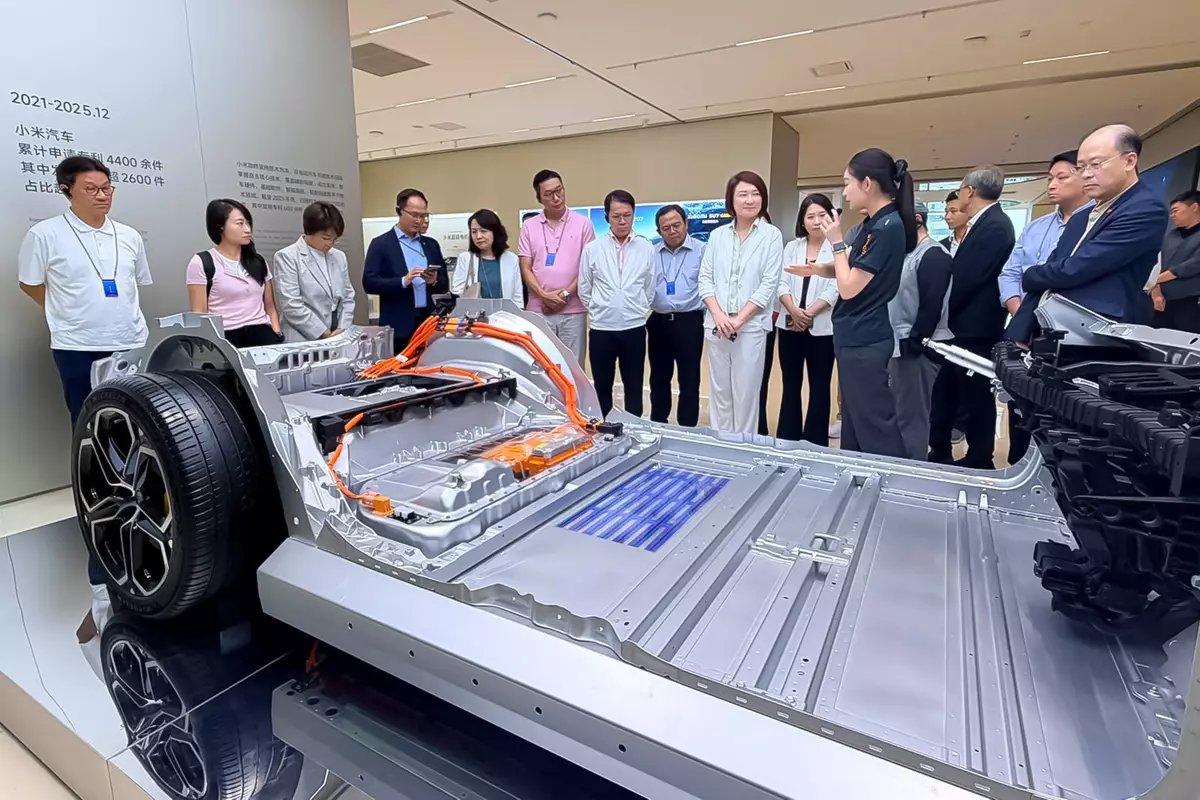
LegCo Members on National Affairs Study Visit inspect new quality productive forces, grassroots legislation and urban renewal projects (with photos and video) Source: HKSAR Government Press Releases
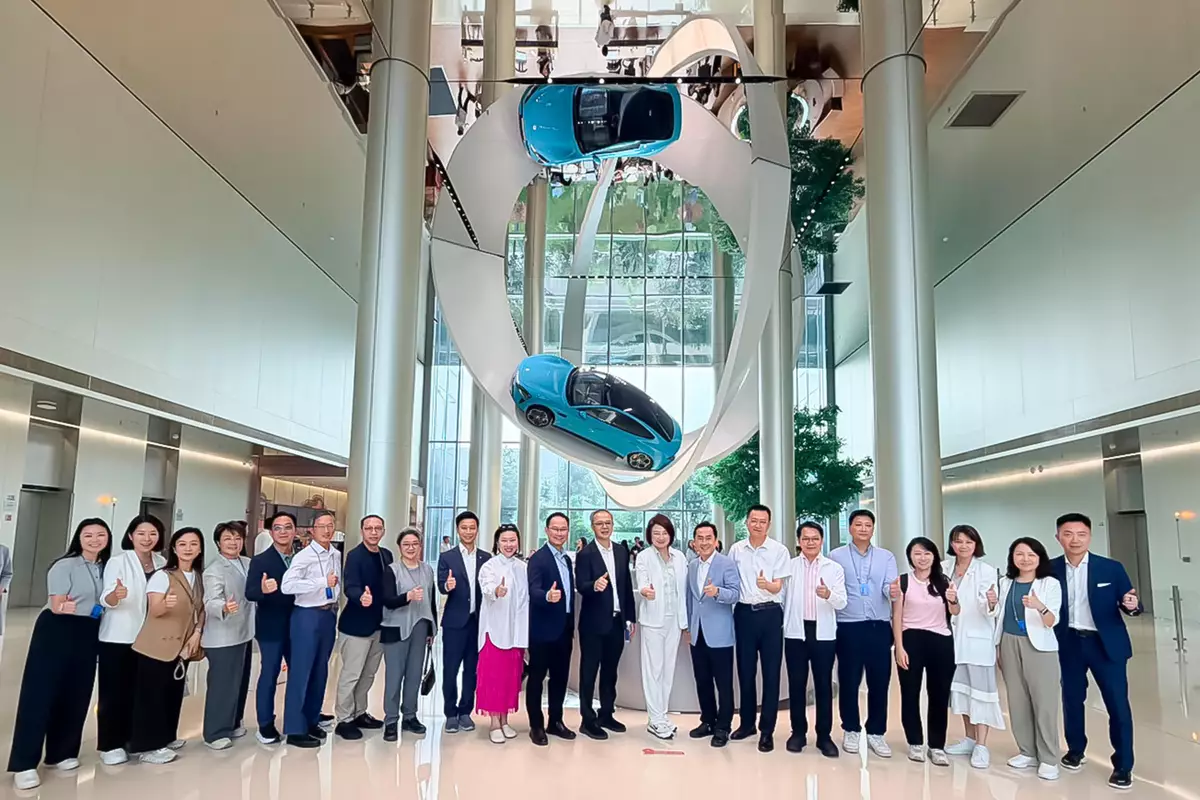
LegCo Members on National Affairs Study Visit inspect new quality productive forces, grassroots legislation and urban renewal projects (with photos and video) Source: HKSAR Government Press Releases
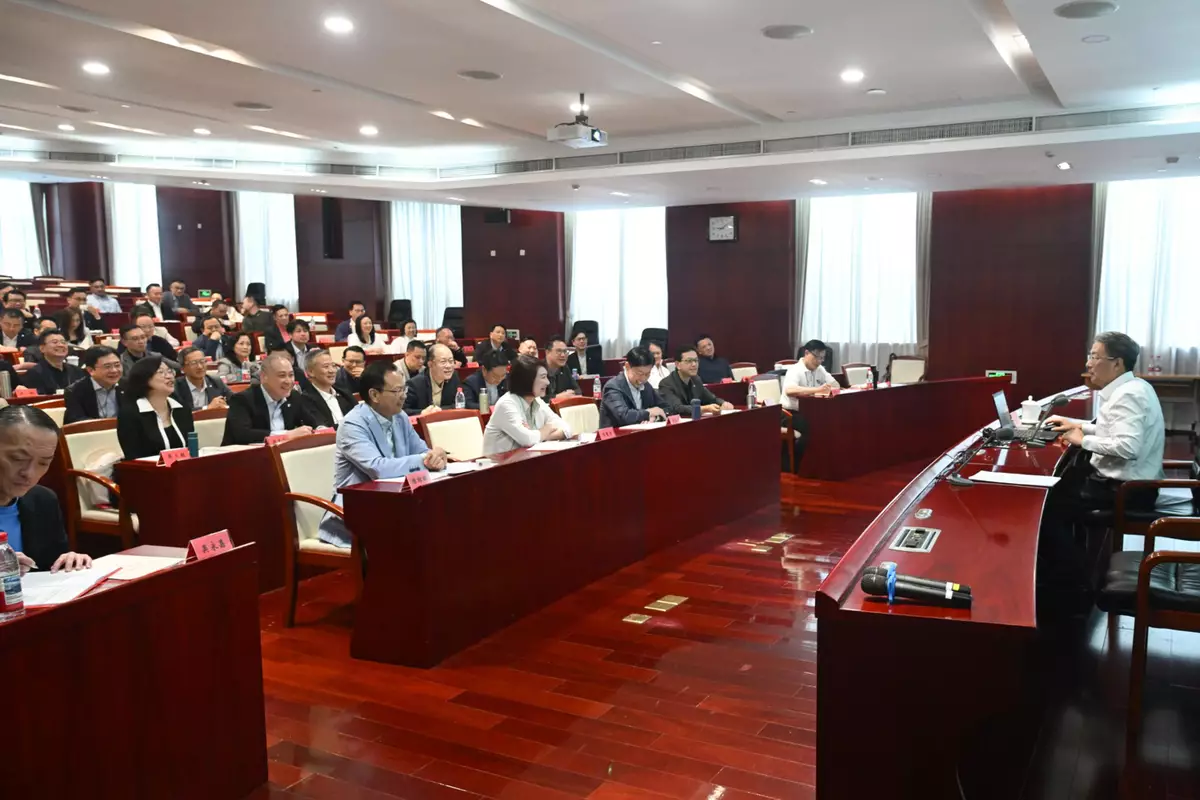
LegCo Members on National Affairs Study Visit inspect new quality productive forces, grassroots legislation and urban renewal projects (with photos and video) Source: HKSAR Government Press Releases