South Sudan's transitional government on Friday announced the postponement of long-delayed elections and extended the transition period by two years after failing to meet key provisions of the Revitalized Agreement on the Resolution of the Conflict.
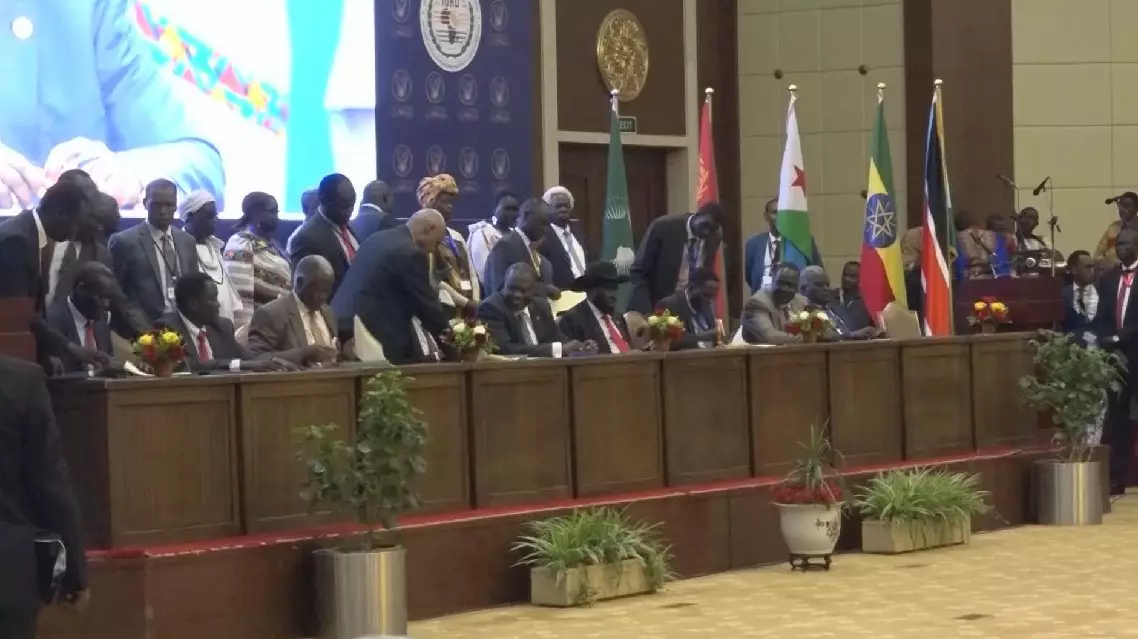
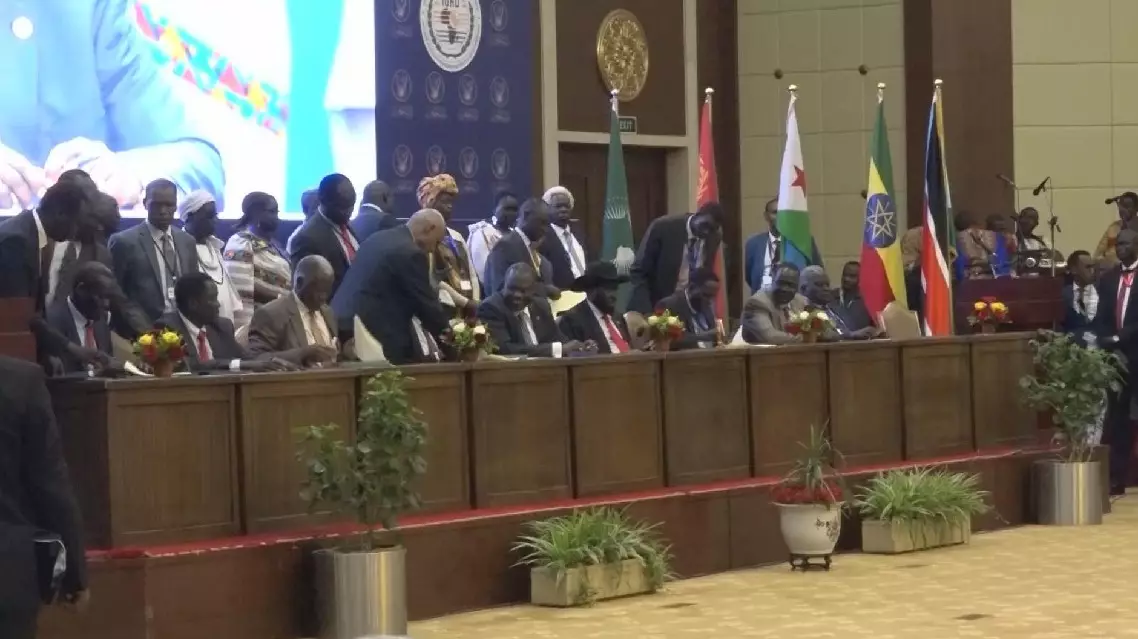
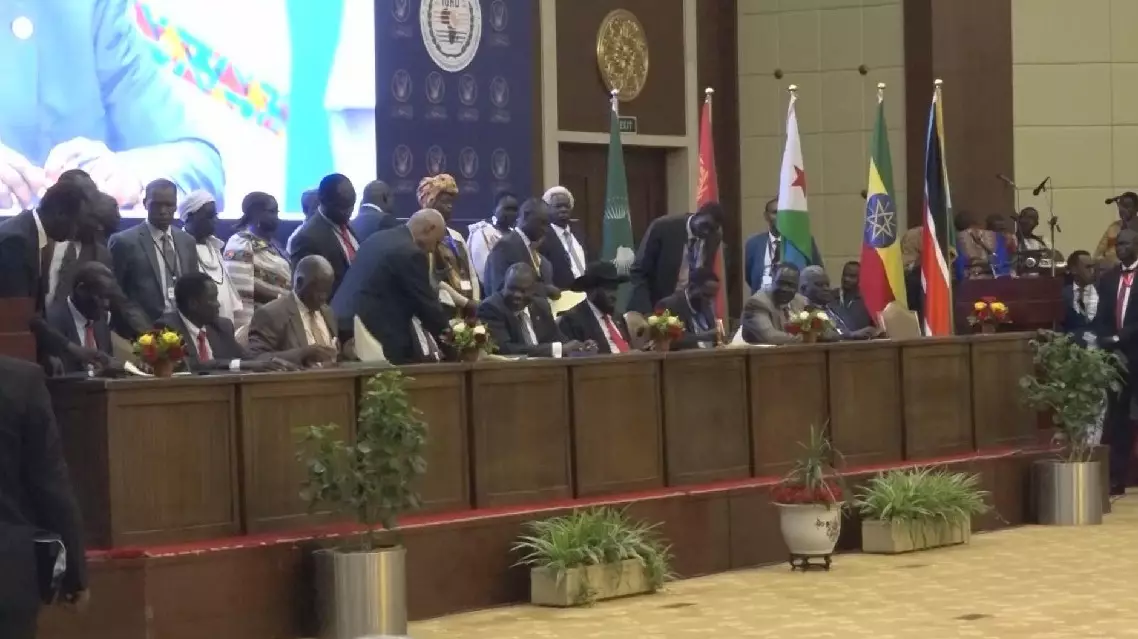
The decision was reached at a meeting President Salva Kiir held with his deputies, cabinets members and advisors in the capital, Juba.
Click to Gallery
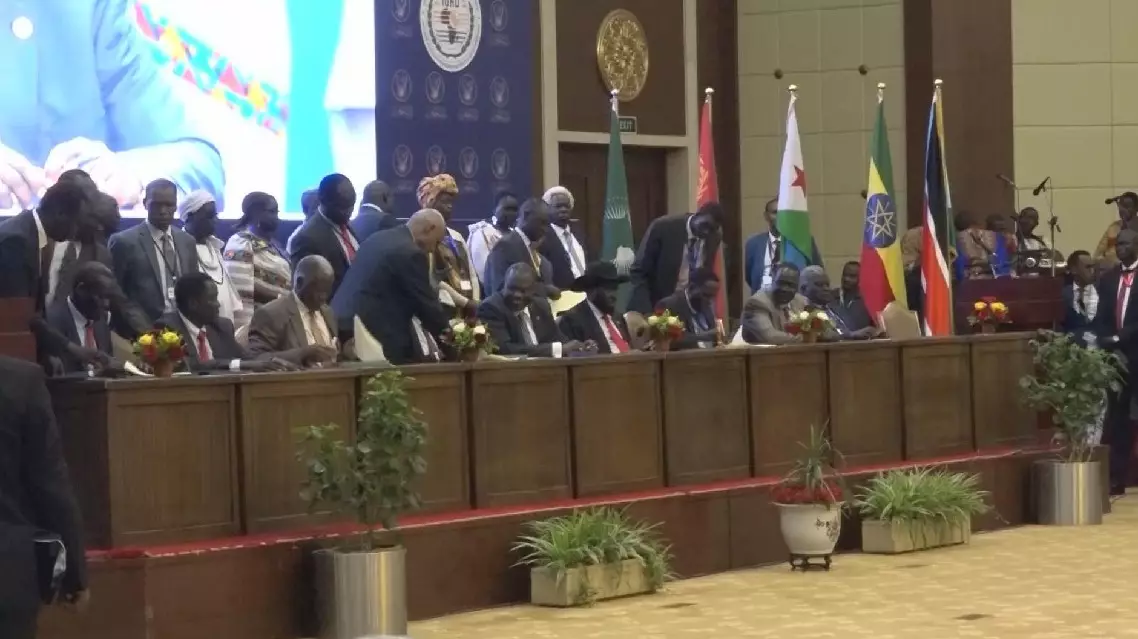
South Sudan extends transition period by two more years
South Sudan extends transition period by two more years
South Sudan extends transition period by two more years
South Sudan extends transition period by two more years
This is the second time the country, which gained independence in 2011, has postponed elections and extended a transition period that began in February 2020.
The extension follows recommendations from both election-related institutions and the security sector, which stressed that the additional time would allow for the completion of essential tasks before the next elections, said Martin Elia Lomuro, minister for Cabinet Affairs in the transitional government.
He noted that the government has reset the transition period, which will begin in February 2025 and last until 2026.
"The people must trust in the security sector. Why? So that they feel secure and those who took refuge in neighboring countries can feel comfortable to voluntarily and in dignified manner come back," Elia Lomuro said at a press conference in Juba.
It means the current unity government led by President Kiir and five vice presidents will continue for another 24 months. And during the next two years, the unity government is expected to complete unification, retrain and redeploy former rival forces.
The extension is expected to allow the country's new constitution to be drafted and allow the government to reach a peace deal with opposition groups.
People in Juba are in general in favor of the extention.
"These two years is also not enough for me because there are going to be a lot of things to be done, a lot of census to be done, and also buying equipment for this election to be done. And if the money is not enough, for example at the moment, the government is saying there is no money; there is a lack of fund," said Walter Onen, a resident in the city.
"It's important that we are going to have another period of two years. This will give the current transitional government to have all the remaining provisions in the agreement implemented so that the country will have elections in 2026 without any problems," said Michael Tapeng, another local.
"It's a process because if you are going for elections, there are a lot of things need to be put in place, so elections can go smoothly. With this extension, I think as a citizen, I'm very happy with it, so that things should be done in a right way," said Emmanuel Joseph, a resident.
The country's peace agreement was signed in 2018 to end the bloody civil war that had killed some 400,000 people, according to the United Nations.
Under the agreement, the government was supposed to be dissolved on Sept. 22 as South Sudan prepared for elections in December this year.
South Sudan extends transition period by two more years
South Sudan extends transition period by two more years
South Sudan extends transition period by two more years
South Sudan extends transition period by two more years