MANCHESTER, England (AP) — The biggest challenge to Manchester City’s Premier League dominance was due to start on Monday at a hearing into a slew alleged financial breaches.
On the line is City's reputation and punishment could be as extreme as expulsion from the league.
City, which has won the last four league titles, denies the charges, which include providing misleading information about its finances. It will be down to a team of lawyers to clear the club's name and finally quash accusations that have cast a cloud over its unprecedented period of success.
Manager Pep Guardiola confirmed on Friday that the long-awaited hearing into more than 100 charges of alleged financial wrongdoing was due to start.
“I’m happy it’s starting on Monday. I know there will be more rumors,” he said. “Everybody is innocent until guilt is proven.”
City was accused by the Premier League in February last year of providing misleading information about its finances over a nine-year period between 2009-18 after it was bought by Abu Dhabi’s ruling family in 2008. City was trying to establish itself as one of the leading clubs in Europe, signed some of the world’s best players like Yaya Toure, Sergio Aguero and Kevin de Bruyne and won three league titles — in 2012, 2014 and 2018.
The league's financial fair play rules are designed to ensure clubs essentially spend what they earn and commercial deals are assessed for being at legitimate market value.
The charges came after a four-year investigation and following the publication of leaked emails and documents, likely hacked, that were published starting in 2018 by German magazine Der Spiegel. The documents allegedly showed attempts to cover up the source of City’s income in a bid to comply with Financial Fair Play rules operated by European soccer’s governing body UEFA and the Premier League.
City was also accused of breaches relating to its alleged failure to co-operate with the investigation.
The hearing into the charges will be held by an independent commission made up of three judges appointed by a lawyer who chairs the league’s judicial panel. The hearing will be held behind closed doors, and a verdict is not expected until next year.
Potential punishment for a “serious breach” of the league's rule book is wide-ranging. Dependent on whether City is found guilty of any of the charges, possible sanctions include a fine, points deduction or in “extreme cases, expulsion from the competition” according to the league's rules.
City said it was surprised by the charges when they were made last year.
“The Club welcomes the review of this matter by an independent Commission, to impartially consider the comprehensive body of irrefutable evidence that exists in support of its position,” it said in a statement. “As such we look forward to this matter being put to rest once and for all.”
Guardiola has repeatedly been critical of the treatment of City.
“My first thought is we are already being condemned,” he said after the charges were made. “We are lucky we live in a marvellous country where everyone is innocent until proved guilty. We didn’t have this opportunity. We are already sentenced.”
Known as Financial Fair Play, the regulations are aimed at preventing clubs from spending more than they earn. FFP was established in the aftermath of the 2008 global financial crisis, which deepened worries in European soccer that clubs could go out of business if the cost of player transfers and wages kept rising.
City was fined 60 million euros (then $82 million) spread over three years by UEFA in 2014 and forced to limit its Champions League squad to 21 instead of 25 senior players after violating FFP rules. Ultimately City only had to forfeit 20 million euros of prize money after complying with the governing body's measures.
In 2018 German magazine Der Spiegel published the “Football Leaks” series of articles supposedly based on City's internal documents and communications. They suggested City had broken FFP rules in financial relationships with “related-party” sponsors from Abu Dhabi.
In February 2020 City was banned from UEFA competition for two seasons for “serious breaches”, including overstating sponsor revenue and failing to cooperate with investigators.
The Court of Arbitration for Sport (CAS) overturned the ban in July 2020, ruling that some UEFA charges were not proven and other evidence was excluded as time-barred. The court “strongly condemned” Man City for obstructing UEFA’s investigation, though a €10 million ($10.7 million) fine was one-third of the original punishment.
Graham Dunbar in Geneva contributed.
James Robson is at https://twitter.com/jamesalanrobson
AP soccer: https://apnews.com/hub/soccer
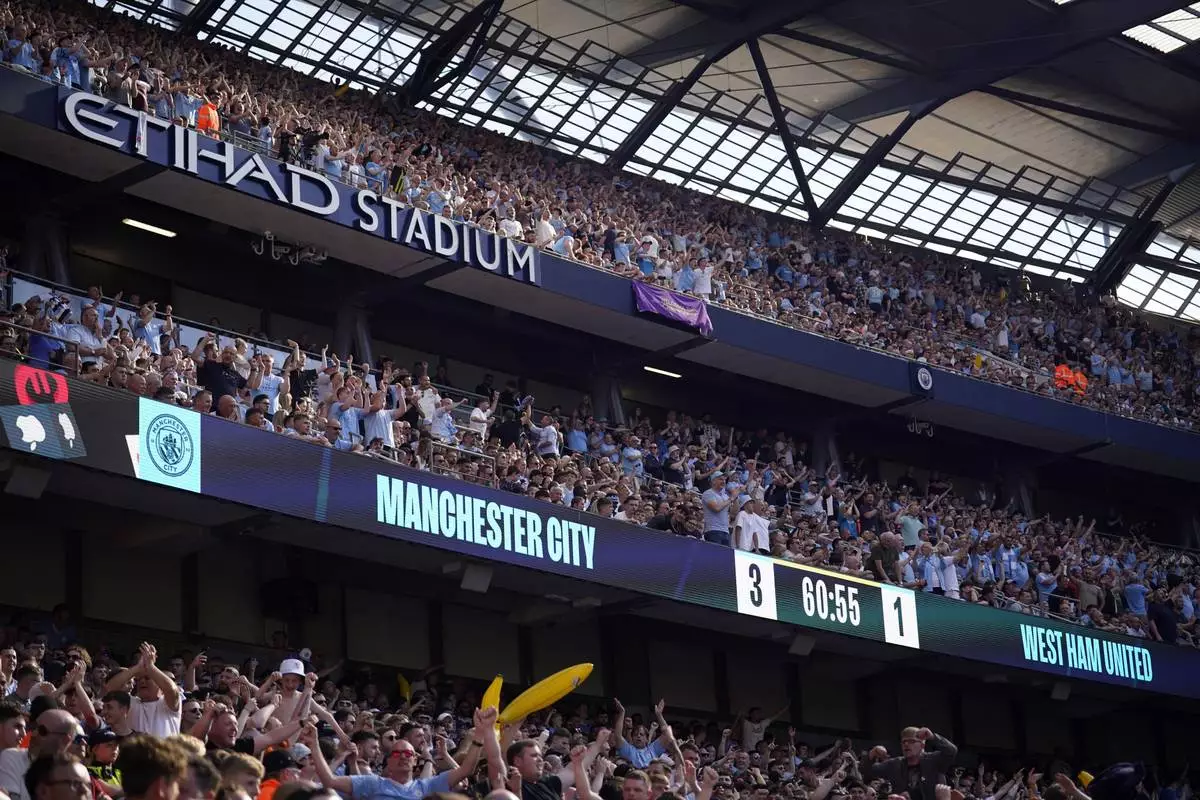
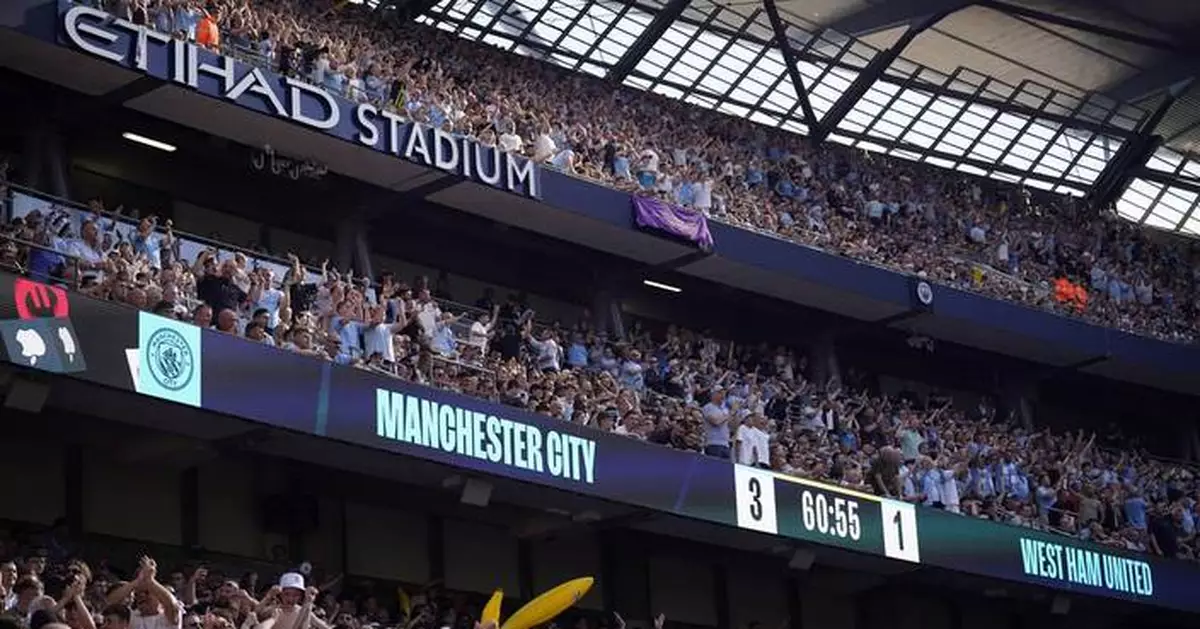
FILE - Manchester City fans celebrate after Manchester City's Rodrigo scores his side's third goal during the English Premier League soccer match between Manchester City and West Ham United at the Etihad Stadium in Manchester, England, Sunday, May 19, 2024. (AP Photo/Dave Thompson, File)
WASHINGTON (AP) — The Trump administration on Thursday loosened federal rules that require grocery stores and air-conditioning companies to reduce greenhouse gases used in cooling equipment, a step President Donald Trump said would help lower grocery costs.
Trump, at a White House ceremony, said the action by the Environmental Protection Agency would “substantially lower costs for consumers” by delaying costly restrictions that limit the type of refrigerants U.S. businesses and families can use.
The move to relax the Biden-era rules on harmful pollutants known as HFCs emitted by refrigerators and other appliances was the latest attempt by the Trump administration to try to address rising voter concerns over the cost of living ahead of pivotal elections in November.
It is not clear how much or how quickly the loosening of the refrigerant rule might impact grocery prices. Industry groups said the move could even raise prices because manufacturers have already redesigned products, retooled factories and trained workers to build and service next-generation refrigerant equipment.
Inflation in the United States increased to 3.8% annually in April, amid price spikes caused by the Iran war and President Donald Trump’s sweeping tariffs. Inflation is now outpacing wage gains as the war has kept oil and gasoline prices high.
The Biden-era regulation was “unnecessary and costly and actually makes the machinery worse,” Trump said at a ceremony joined by top executives from Kroger, Piggly Wiggly and other grocery chains. The EPA action will protect hundreds of thousands of jobs and save Americans more than $2 billion a year, he said.
The Air-Conditioning, Heating and Refrigeration Institute, which represents more than 330 HVAC manufacturers and commercial refrigeration companies, said the change in approach would “inject uncertainty across the market” and could even raise prices.
“This rule works against basic supply and demand,” said Stephen Yurek, the group’s president and CEO. “By extending the compliance deadline” for phasing out hydrofluorocarbons, or HFCs, the administration “is maintaining and even increasing demand in the market for existing refrigerants while supply continues to fall.”
Manufacturers have already retooled product lines and certified models based on the existing timeline, Yurek said. Nearly 90% of residential and light commercial air conditioning systems use substitute refrigerants, rather than HFCs, he said.
The administration's action on refrigerants represents a reversal after Trump signed a law in his first term that aimed to reduce harmful, planet-warming pollutants emitted by refrigerators and air conditioners. That bipartisan measure brought environmentalists and major business groups into rare alignment on the contentious issue of climate change and won praise across the political spectrum.
The 2020 law reflected a broad bipartisan consensus on the need to quickly phase out domestic use of HFCs, greenhouse gases that are thousands of times more potent than carbon dioxide and are considered a major driver of global warming.
The EPA action highlights the second Trump administration’s drive to roll back regulations perceived as climate friendly. The plan is among a series of sweeping environmental changes that EPA Administrator Lee Zeldin has said will put a “dagger through the heart of climate change religion.”
Environmentalists criticized the administration’s actions, saying the new rule would exacerbate climate pollution while disrupting a yearslong industry transition to new coolants as an alternative to HFCs.
The 2020 law signed by Trump, known as the American Innovation and Manufacturing Act, phased out HFCs as part of an international agreement on ozone pollution. The law accelerated an industry shift to alternative refrigerants that use less harmful chemicals and are widely available.
The U.S. Chamber of Commerce and the American Chemistry Council, the top lobbying group for the chemical industry, were among numerous business groups that supported the law and an international deal on pollutants, known as the Kigali Amendment, as victories for jobs and the environment. U.S. companies such as Chemours and Honeywell developed and produce the alternative refrigerants sold in the United States and around the world.
The 2023 rule now being relaxed imposed steep restrictions on HFCs starting in 2026. Zeldin said the rule from the Democratic Biden administration did not give companies enough time to comply and that the rapid switch to other refrigerants caused shortages and price increases last year. Some in the industry dispute this.
The Food Industry Association, which represents grocery stores and suppliers, applauded the Trump EPA proposal last year, saying the earlier rule “imposed significant and unrealistic compliance timelines.”
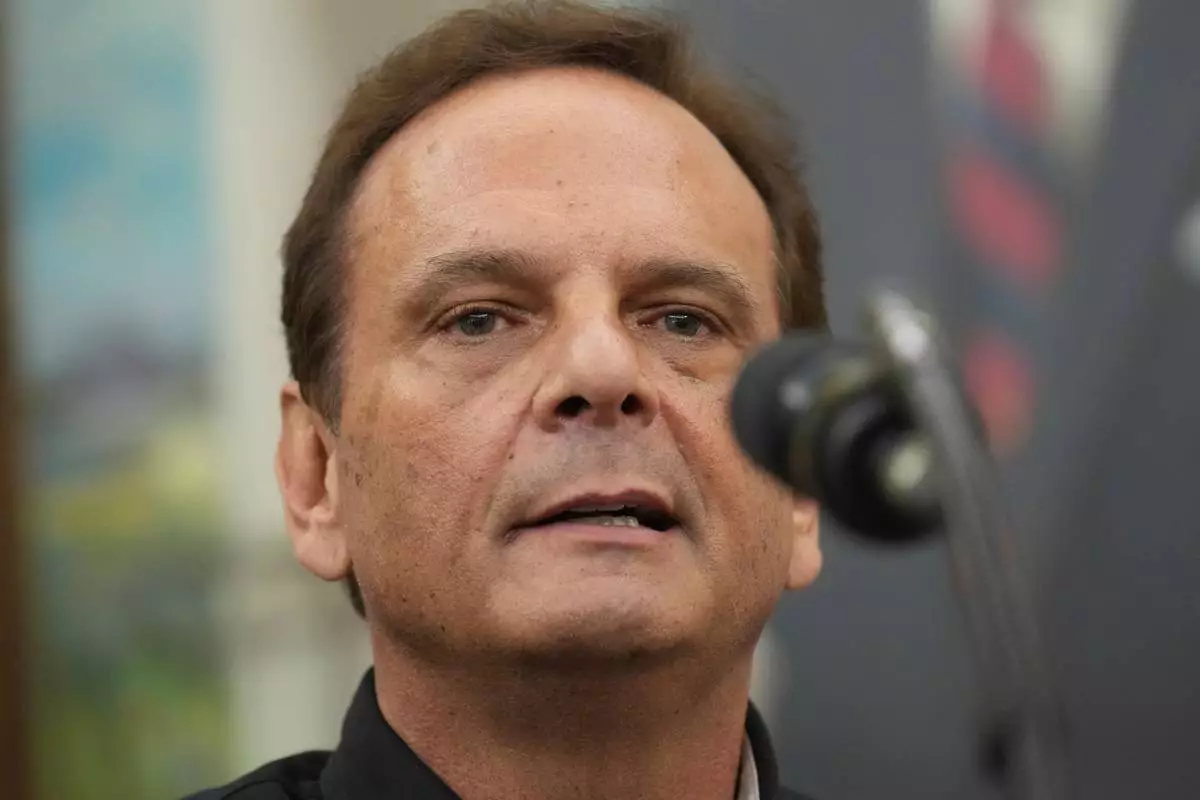
Kevin McDaniel, Piggly Wiggly franchise owner, speaks during an event with President Donald Trump about loosening a federal refrigerant rule, in the Oval Office at the White House, Thursday, May 21, 2026, in Washington. (AP Photo/Jacquelyn Martin)
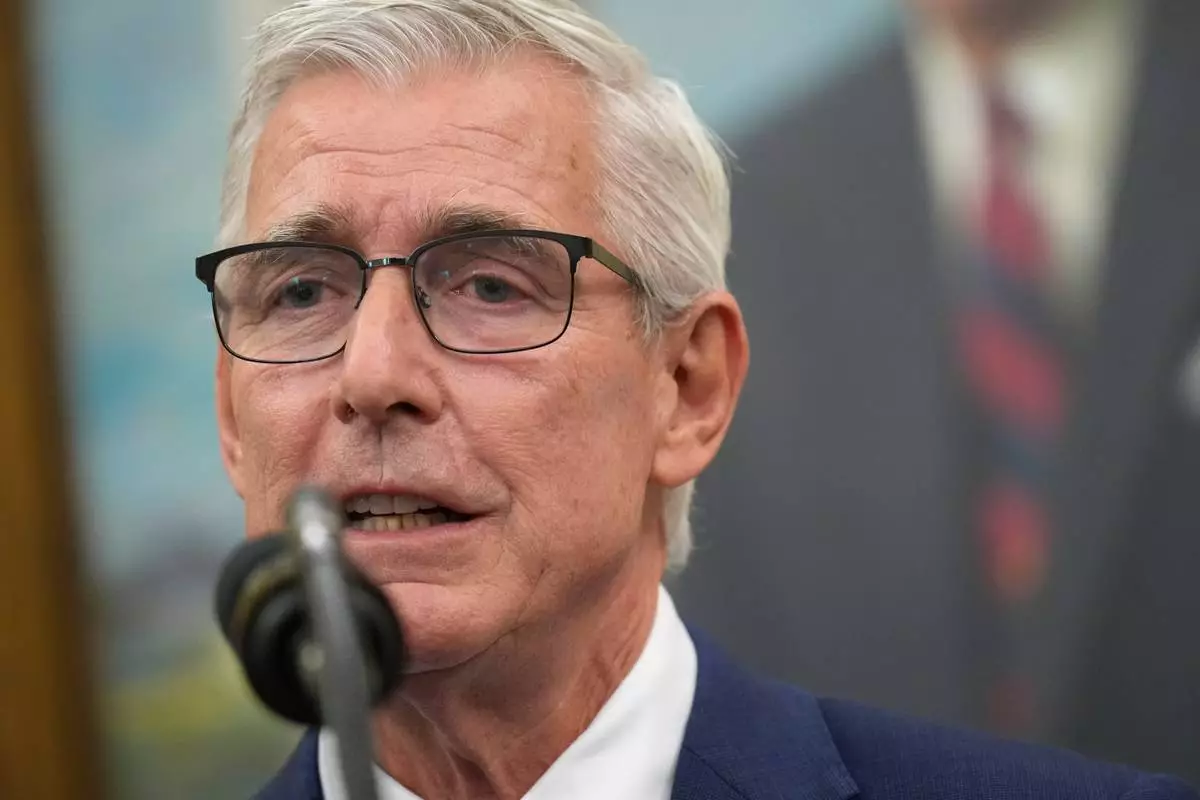
Kroger CEO Greg Foran speaks speaks during an event with President Donald Trump about loosening a federal refrigerant rule, in the Oval Office at the White House, Thursday, May 21, 2026, in Washington. (AP Photo/Jacquelyn Martin)
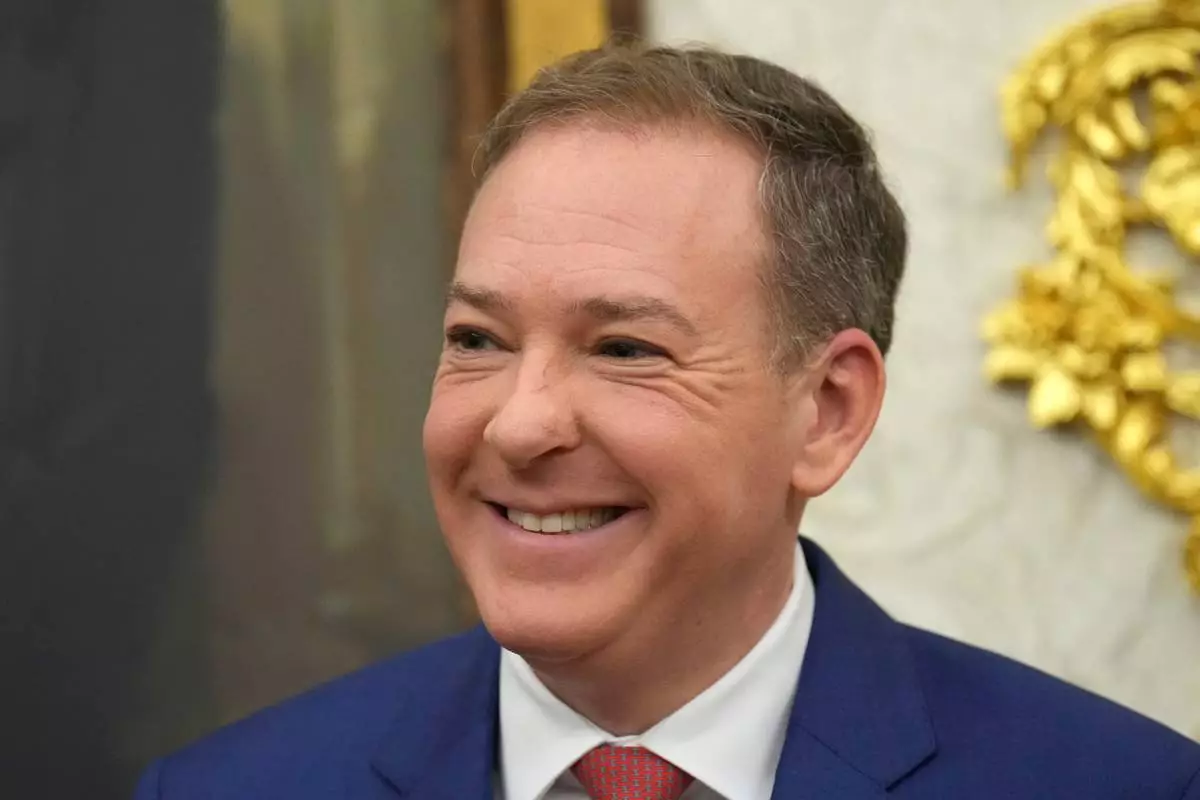
Lee Zeldin, Environmental Protection Agency administrator, listens as President Donald Trump speaks during an event about loosening a federal refrigerant rule, in the Oval Office at the White House, Thursday, May 21, 2026, in Washington. (AP Photo/Jacquelyn Martin)
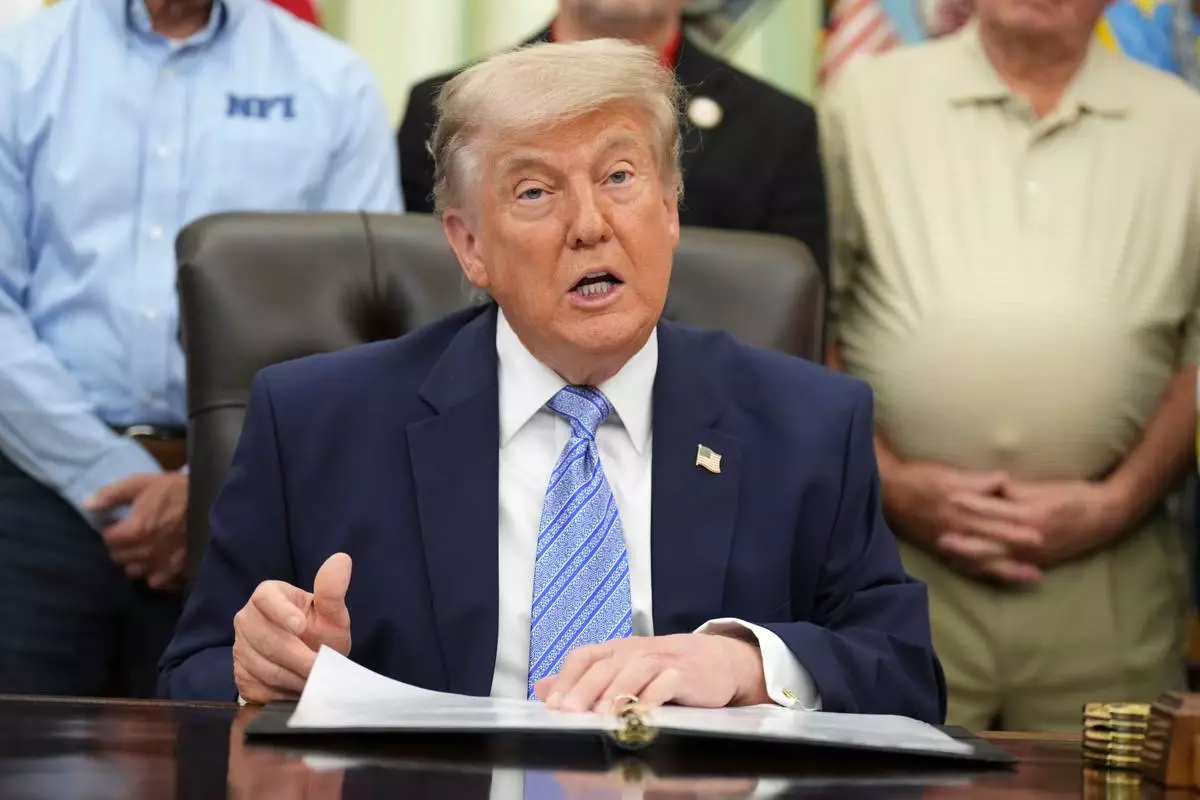
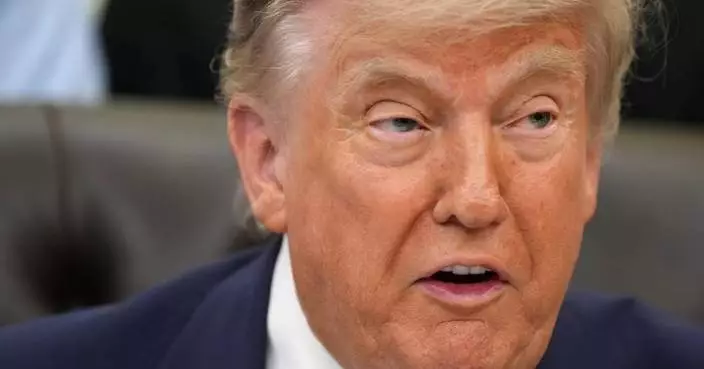
President Donald Trump speaks during an event about loosening a federal refrigerant rule, in the Oval Office at the White House, Thursday, May 21, 2026, in Washington. (AP Photo/Jacquelyn Martin)
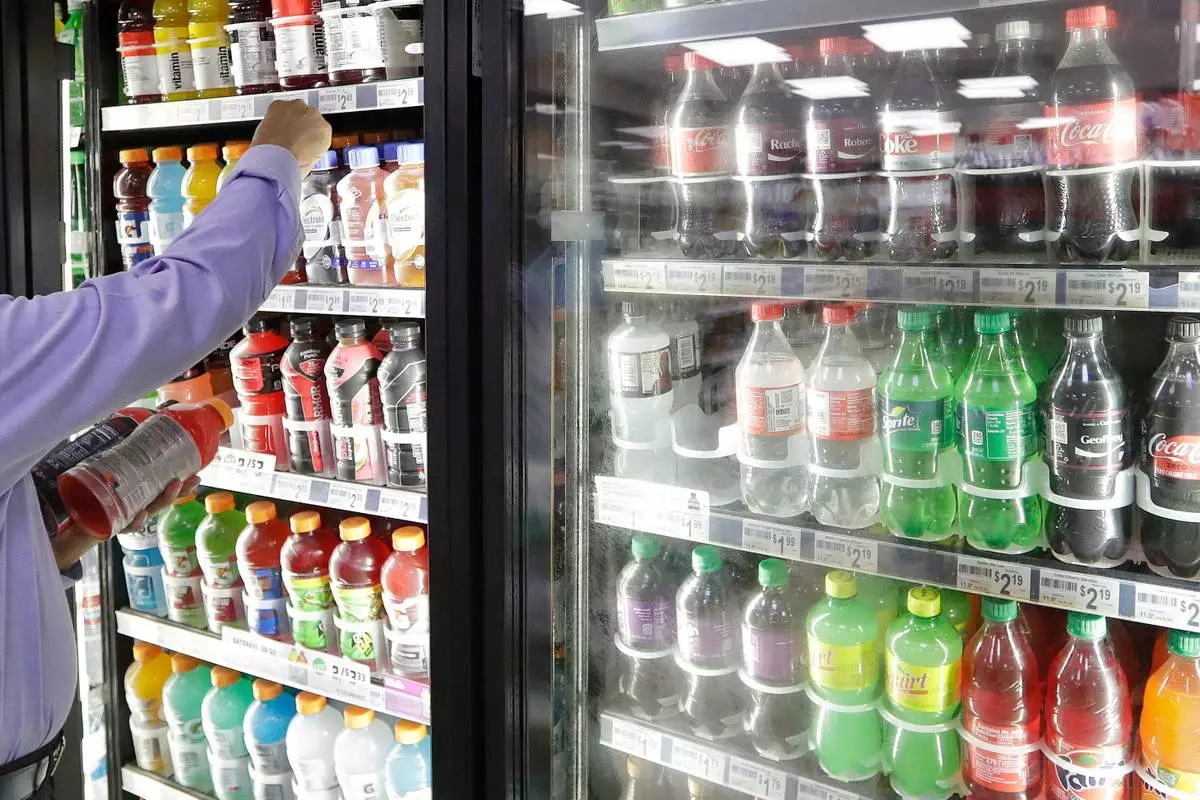
FILE - A shop owner reaches into a drink display refrigerator at his convenience store in Kent, Wash., Oct. 1, 2018. (AP Photo/Elaine Thompson, File)