Skip to Content Facebook Feature Image

Iran's president insists Tehran wants to negotiate over its nuclear program

News

Iran's president insists Tehran wants to negotiate over its nuclear program
News

News

Iran's president insists Tehran wants to negotiate over its nuclear program

2024-09-17 00:04 Last Updated At:00:11

TEHRAN, Iran (AP) — Iran's new reformist president insisted Monday that Tehran didn't want to enrich uranium at near-weapons grade levels but had been forced to by the U.S. withdrawal from its nuclear deal with world powers.

The comments by President Masoud Pezeshkian, in response to a question by The Associated Press at his first news conference, underlines a campaign promise he made to try to see international sanctions on the Islamic Republic lifted. However, it remains unclear just how much room for negotiation Pezeshkian will have — and just who will be in the White House come next year.

More Images
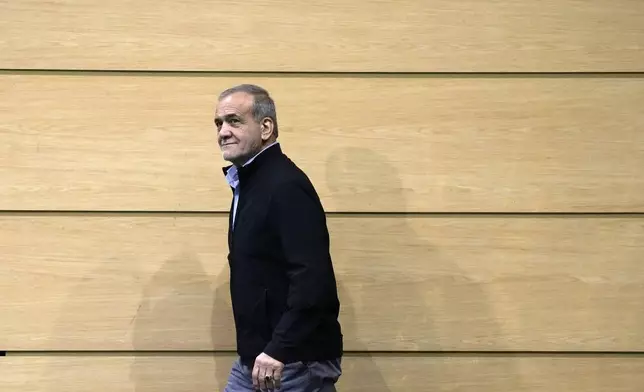
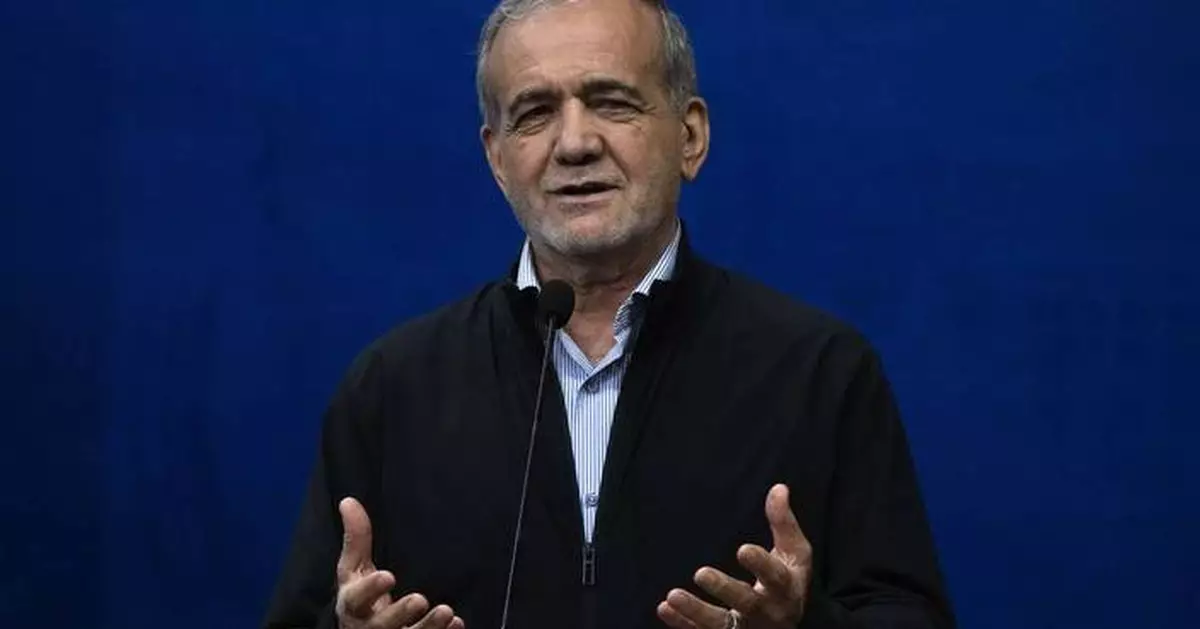
Iranian President Masoud Pezeshkian walks towards the podium at his press conference in Tehran, Iran, Monday, Sept. 16, 2024. (AP Photo/Vahid Salemi)
Iranian President Masoud Pezeshkian walks towards the podium at his press conference in Tehran, Iran, Monday, Sept. 16, 2024. (AP Photo/Vahid Salemi)

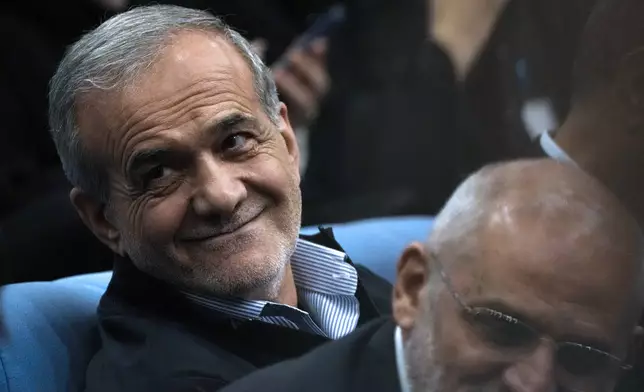
Iranian President Masoud Pezeshkian sits as he arrives at his press conference in Tehran, Iran, Monday, Sept. 16, 2024. (AP Photo/Vahid Salemi)
Iranian President Masoud Pezeshkian sits as he arrives at his press conference in Tehran, Iran, Monday, Sept. 16, 2024. (AP Photo/Vahid Salemi)

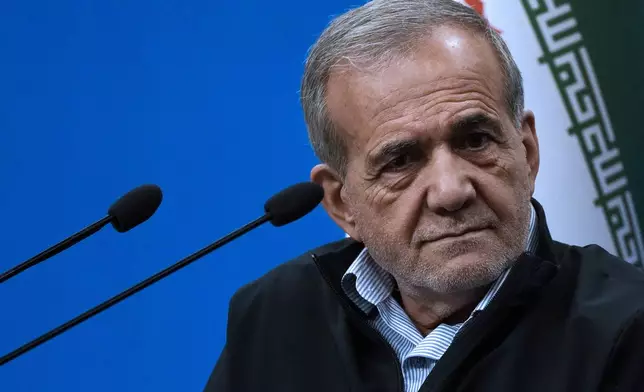
Iranian President Masoud Pezeshkian listens to a question during a press conference in Tehran, Iran, Monday, Sept. 16, 2024. (AP Photo/Vahid Salemi)
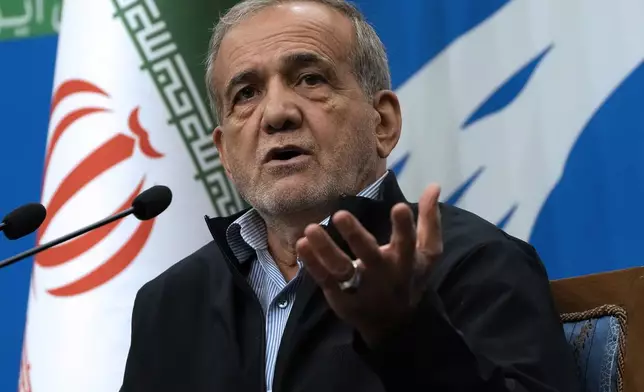
Iranian President Masoud Pezeshkian listens to a question during a press conference in Tehran, Iran, Monday, Sept. 16, 2024. (AP Photo/Vahid Salemi)

Iranian President Masoud Pezeshkian speaks during his press conference in Tehran, Iran, Monday, Sept. 16, 2024. (AP Photo/Vahid Salemi)
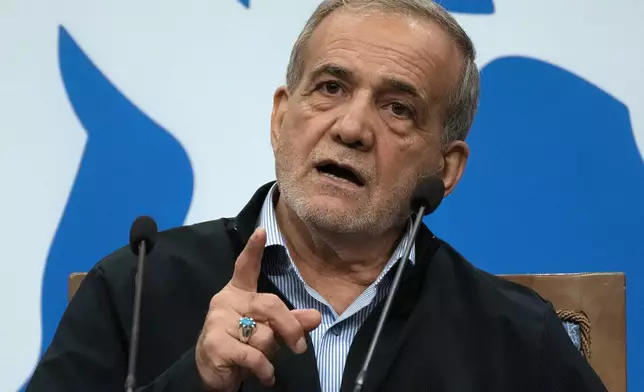
Iranian President Masoud Pezeshkian speaks during his press conference in Tehran, Iran, Monday, Sept. 16, 2024. (AP Photo/Vahid Salemi)

Iranian President Masoud Pezeshkian speaks during a press conference in Tehran, Iran, Monday, Sept. 16, 2024. (AP Photo/Vahid Salemi)
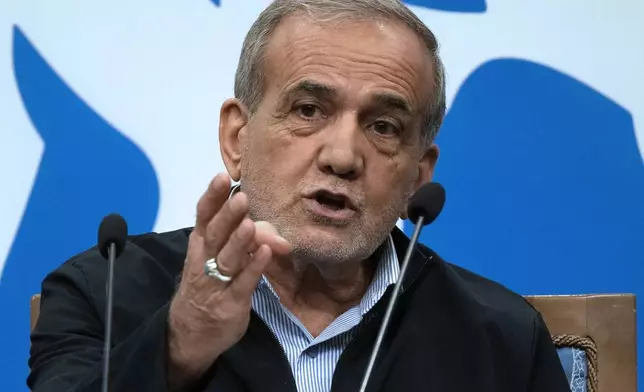
Iranian President Masoud Pezeshkian speaks during a press conference in Tehran, Iran, Monday, Sept. 16, 2024. (AP Photo/Vahid Salemi)
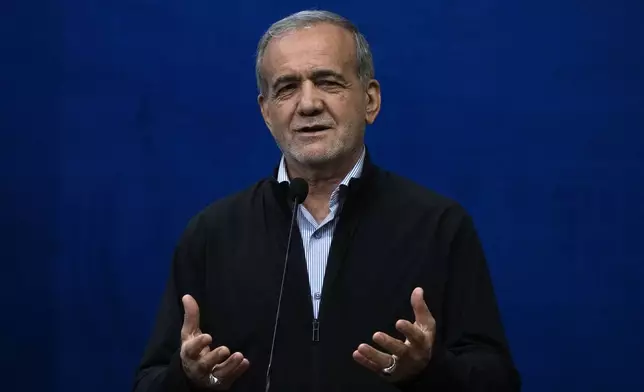
Iranian President Masoud Pezeshkian speaks during a press conference in Tehran, Iran, Monday, Sept. 16, 2024. (AP Photo/Vahid Salemi)

Iranian President Masoud Pezeshkian speaks during a press conference in Tehran, Iran, Monday, Sept. 16, 2024. (AP Photo/Vahid Salemi)

Iranian President Masoud Pezeshkian speaks during his press conference in Tehran, Iran, Monday, Sept. 16, 2024. (AP Photo/Vahid Salemi)

Iranian President Masoud Pezeshkian speaks during his press conference in Tehran, Iran, Monday, Sept. 16, 2024. (AP Photo/Vahid Salemi)

“I think, we said many times, we don’t want to do this at all. We want to solve our technical and scientific needs, we are not looking for nuclear weapons," Pezeshkian said. “We adhered to the framework written in the (nuclear deal). We are still looking to maintain those frameworks. They tore them, they forced us to do something.”

He added: “If they don’t continue, we will not continue,”

Pezeshkian's comments came as Iran enriches uranium up to 60% purity, which is just a short, technical step away from weapons-grade levels of 90%. Iran long has insisted its nuclear program is peaceful, but Western nations and the International Atomic Energy Agency say Iran had a military nuclear program up until 2003.

Iran's supreme leader, the 85-year-old Ayatollah Ali Khamenei, has opened the door to possible negotiations by earlier telling its civilian government there was “no harm” in engaging with its “enemy.” There have been indirect talks between Iran and the U.S. in recent years mediated by Oman and Qatar, two of Washington's Middle East interlocutors when it comes to Iran.

Pezeshkian’s new foreign minister, Abbas Araghchi, also was deeply involved in negotiating the 2015 deal.

Pezeshkian, asked if he'd meet or talk with U.S. President Joe Biden or whoever wins the November election, said that Washington should return to the nuclear deal first, then “we will talk, there is no dispute”.

“They have blocked all roads to us”, Pezeshkian said. “They should show that they have no enmity towards us. We have no enmity toward them.”

Pezeshkian urged the U.S. not to threaten Iran with its regional military bases or impose sanctions on the country.

“Otherwise, we are a brother with them," he said.

Meanwhile, tensions between Iran and Israel have hit a new high during the Israel-Hamas war in the Gaza Strip. Tehran launched an unprecedented drone and missile attack on Israel in April. A shadow war between the two countries over the years reached a climax with Israel’s apparent attack on an Iranian consular building in Syria that killed two Iranian generals and others.

The July assassination in Tehran of Hamas leader Ismail Haniyeh, suspected to have been carried out by Israel, also prompted Iran to threaten to retaliate against Israel.

Pezeshkian, meanwhile, said that Iran wouldn't give up its ballistic missile arsenal “unless all are disarmed in our region.” He made a point to say that Israel should disarm after earlier criticizing its conduct in the ongoing war against Hamas in the Gaza Strip.

"We need military power for the security of our people and country," he said. “We will not lose our defense power unless all are disarmed in our region. If America also respects our rights, we have no dispute. Do not sanction or threaten us, we will not be threatened.”

Amir Vahdat in Tehran, Iran, and Jon Gambrell in Dubai, United Arab Emirates, contributed to this report.
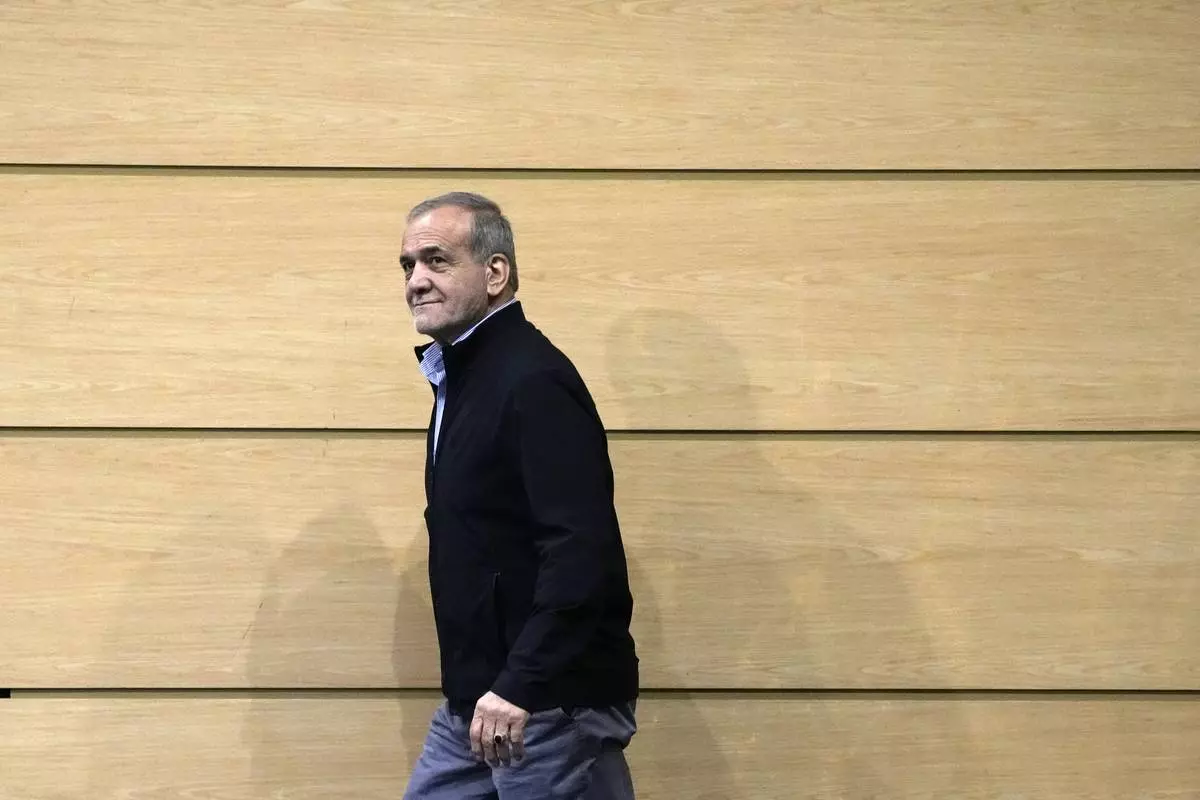
Iranian President Masoud Pezeshkian walks towards the podium at his press conference in Tehran, Iran, Monday, Sept. 16, 2024. (AP Photo/Vahid Salemi)
Iranian President Masoud Pezeshkian walks towards the podium at his press conference in Tehran, Iran, Monday, Sept. 16, 2024. (AP Photo/Vahid Salemi)

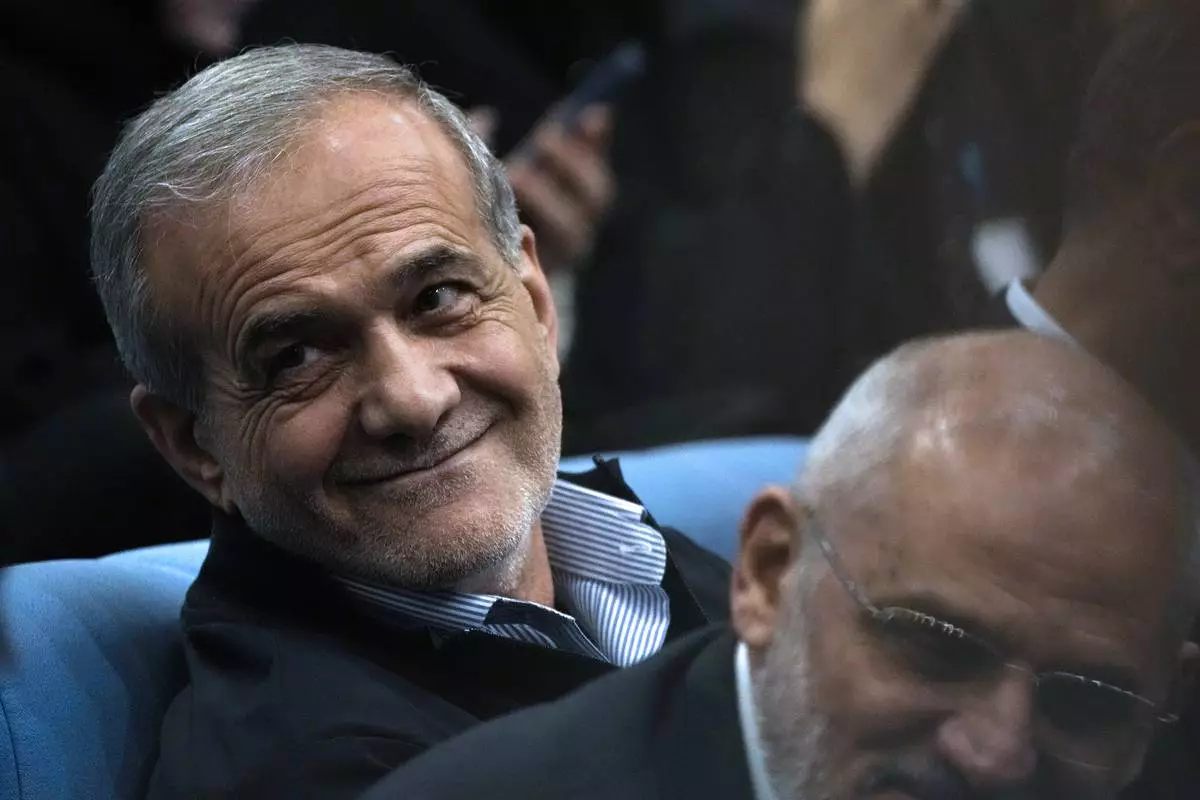
Iranian President Masoud Pezeshkian sits as he arrives at his press conference in Tehran, Iran, Monday, Sept. 16, 2024. (AP Photo/Vahid Salemi)
Iranian President Masoud Pezeshkian sits as he arrives at his press conference in Tehran, Iran, Monday, Sept. 16, 2024. (AP Photo/Vahid Salemi)

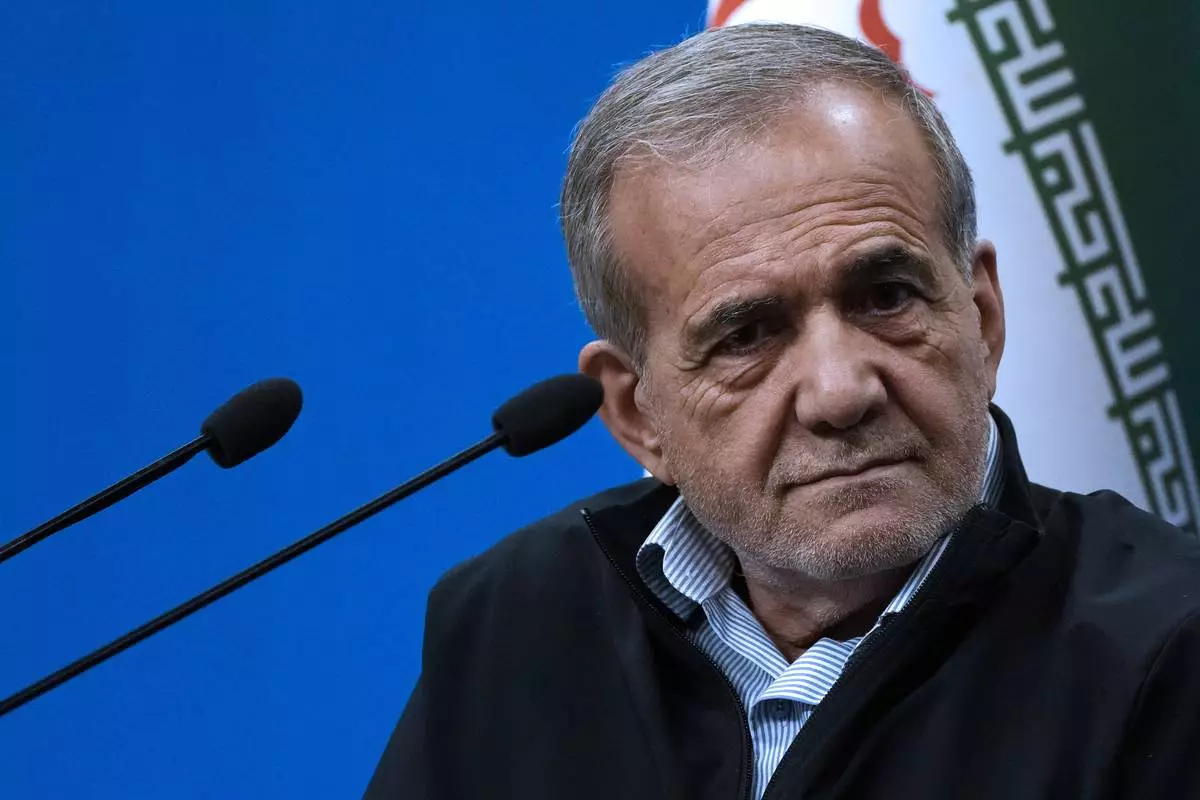
Iranian President Masoud Pezeshkian listens to a question during a press conference in Tehran, Iran, Monday, Sept. 16, 2024. (AP Photo/Vahid Salemi)
Iranian President Masoud Pezeshkian listens to a question during a press conference in Tehran, Iran, Monday, Sept. 16, 2024. (AP Photo/Vahid Salemi)

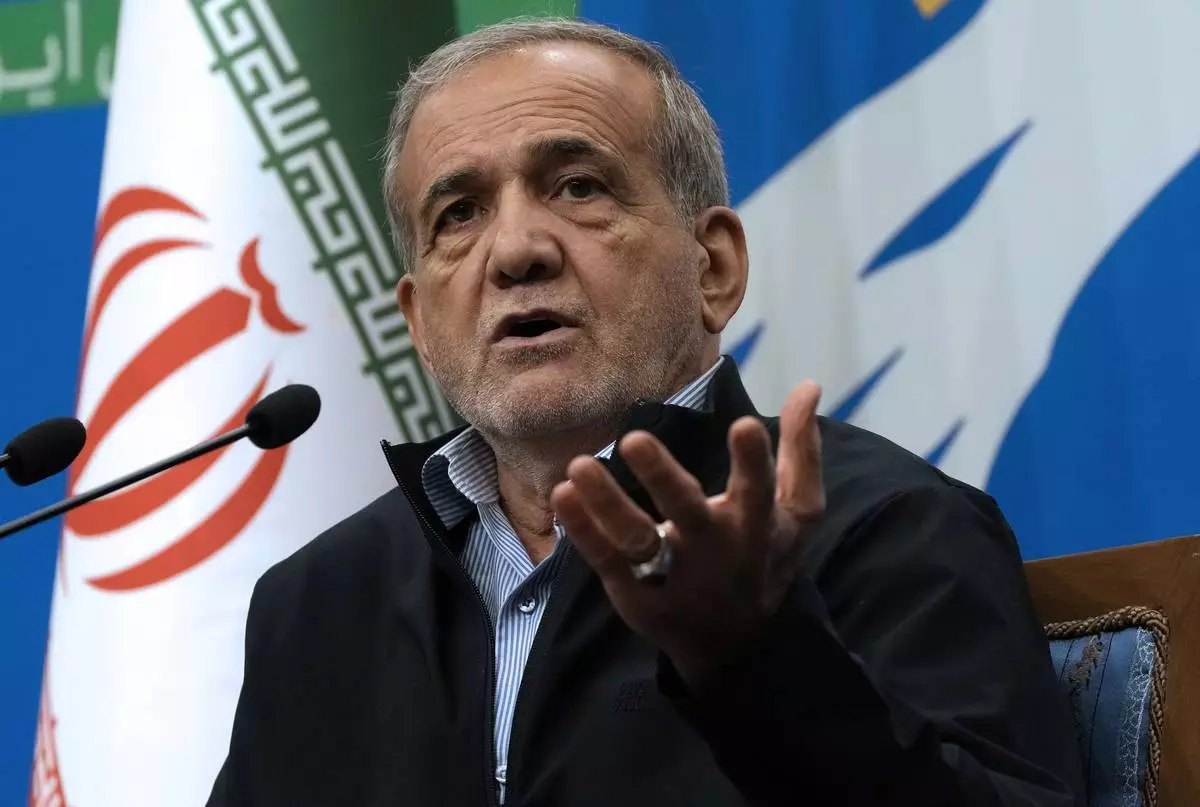
Iranian President Masoud Pezeshkian speaks during his press conference in Tehran, Iran, Monday, Sept. 16, 2024. (AP Photo/Vahid Salemi)
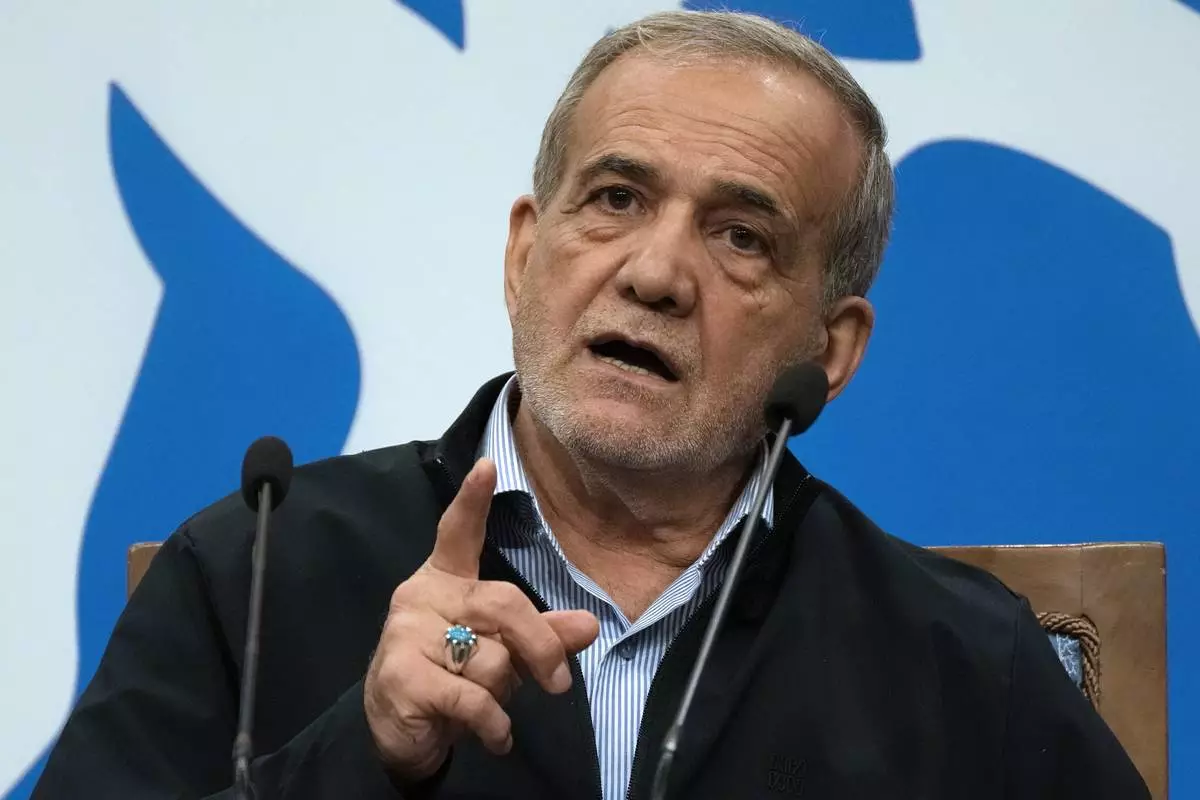
Iranian President Masoud Pezeshkian speaks during his press conference in Tehran, Iran, Monday, Sept. 16, 2024. (AP Photo/Vahid Salemi)

Iranian President Masoud Pezeshkian speaks during a press conference in Tehran, Iran, Monday, Sept. 16, 2024. (AP Photo/Vahid Salemi)
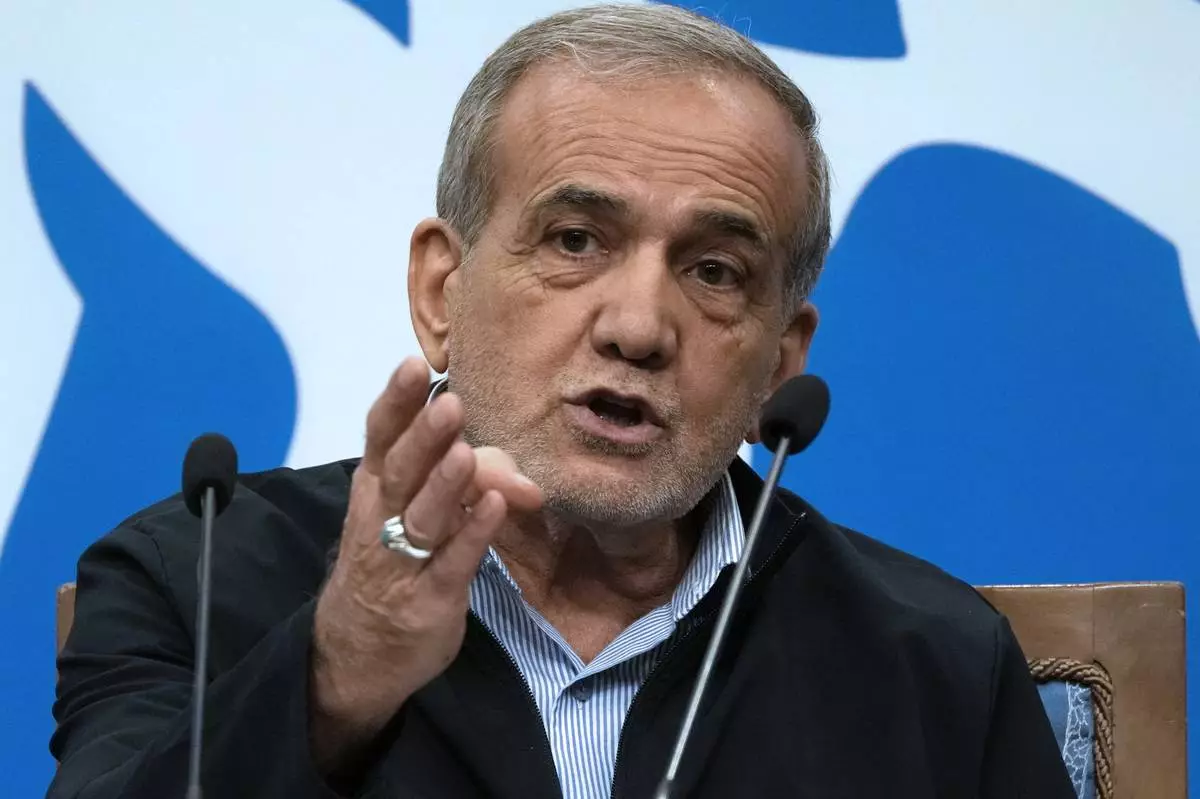
Iranian President Masoud Pezeshkian speaks during a press conference in Tehran, Iran, Monday, Sept. 16, 2024. (AP Photo/Vahid Salemi)
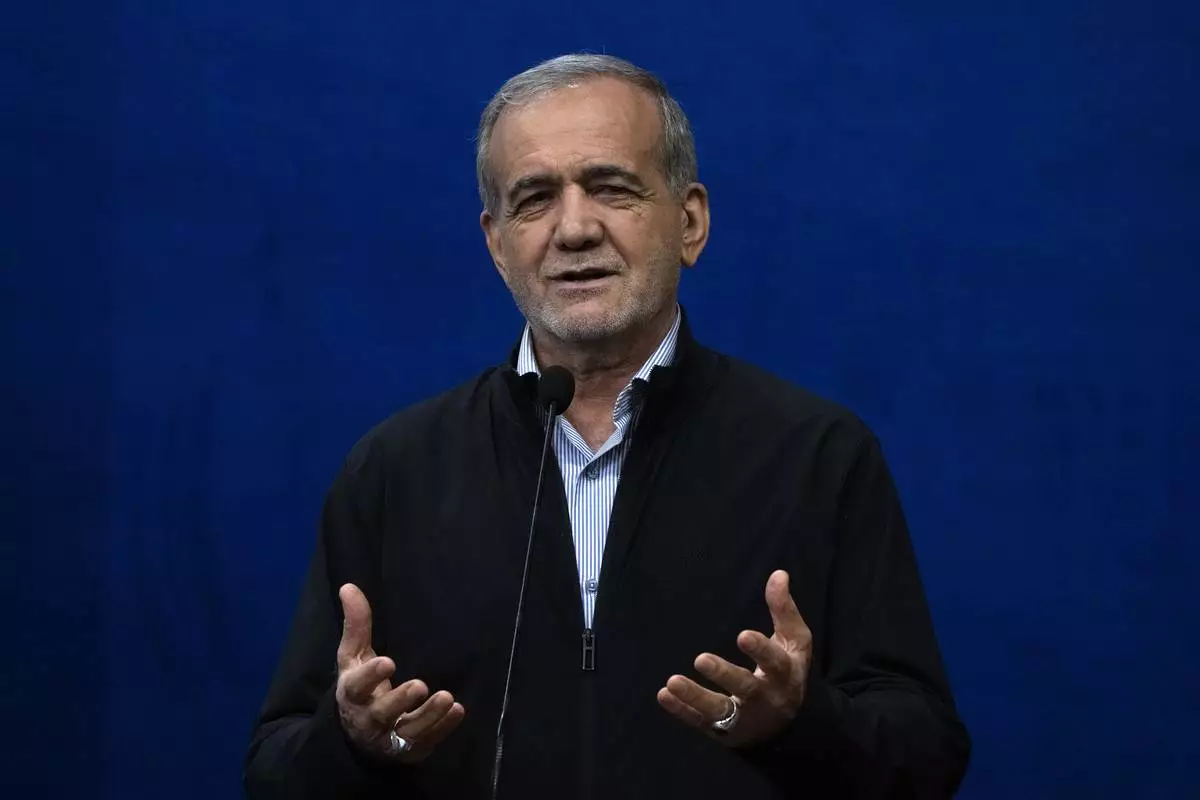
Iranian President Masoud Pezeshkian speaks during a press conference in Tehran, Iran, Monday, Sept. 16, 2024. (AP Photo/Vahid Salemi)

Iranian President Masoud Pezeshkian speaks during a press conference in Tehran, Iran, Monday, Sept. 16, 2024. (AP Photo/Vahid Salemi)

Iranian President Masoud Pezeshkian speaks during his press conference in Tehran, Iran, Monday, Sept. 16, 2024. (AP Photo/Vahid Salemi)
Iranian President Masoud Pezeshkian speaks during his press conference in Tehran, Iran, Monday, Sept. 16, 2024. (AP Photo/Vahid Salemi)
ALEPPO, Syria (AP) — First responders on Sunday entered a contested neighborhood in Syria’ s northern city of Aleppo after days of deadly clashes between government forces and Kurdish-led forces. Syrian state media said the military was deployed in large numbers.

The clashes broke out Tuesday in the predominantly Kurdish neighborhoods of Sheikh Maqsoud, Achrafieh and Bani Zaid after the government and the Syrian Democratic Forces, the main Kurdish-led force in the country, failed to make progress on how to merge the SDF into the national army. Security forces captured Achrafieh and Bani Zaid.

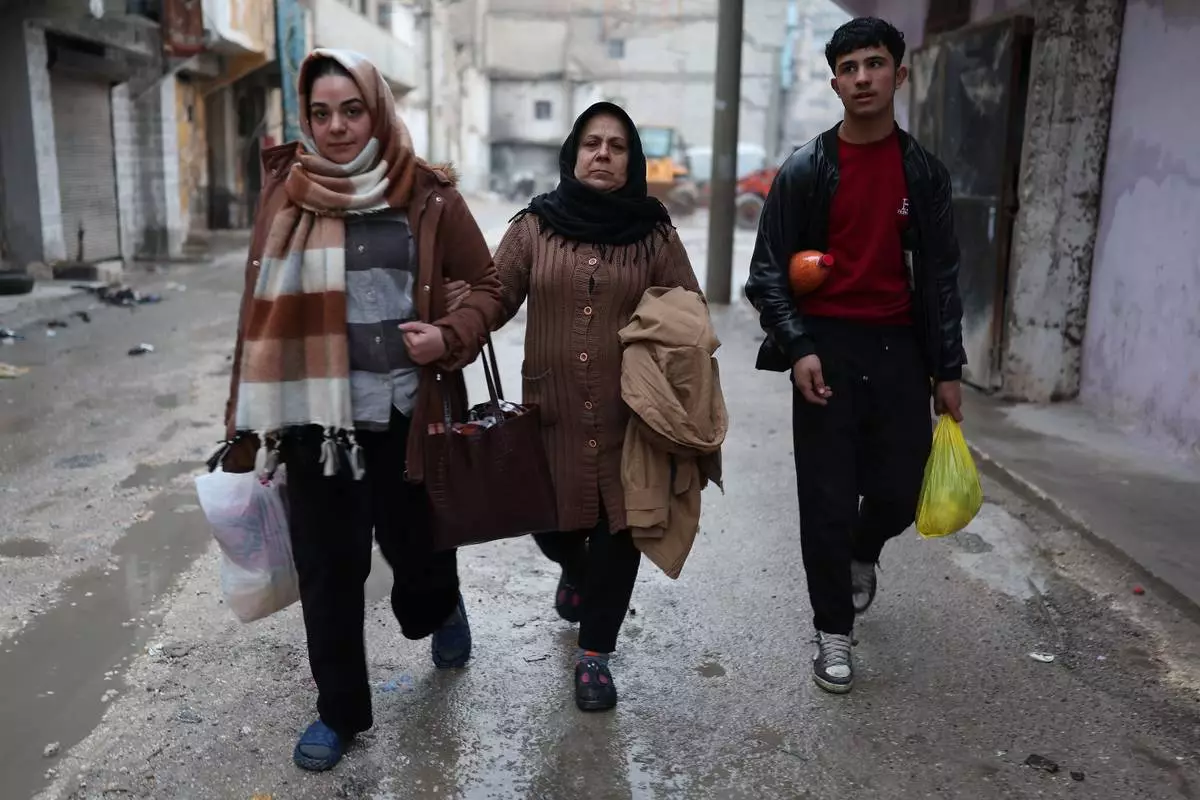
The fighting between the two sides was the most intense since the fall of then-President Bashar Assad to insurgents in December 2024. At least 23 people were killed in five days of clashes and more than 140,000 were displaced amid shelling and drone strikes.

The U.S.-backed SDF, which have played a key role in combating the Islamic State group in large swaths of eastern Syria, are the largest force yet to be absorbed into Syria's national army. Some of the factions that make up the army, however, were previously Turkish-backed insurgent groups that have a long history of clashing with Kurdish forces.

The Kurdish fighters have now evacuated from the Sheikh Maqsoud neighborhood to northeastern Syria, which is under the control of the SDF. However, they said in a statement they will continue to fight now that the wounded and civilians have been evacuated, in what they called a “partial ceasefire.”

The neighborhood appeared calm Sunday. The United Nations said it was trying to dispatch more convoys to the neighborhoods with food, fuel, blankets and other urgent supplies.

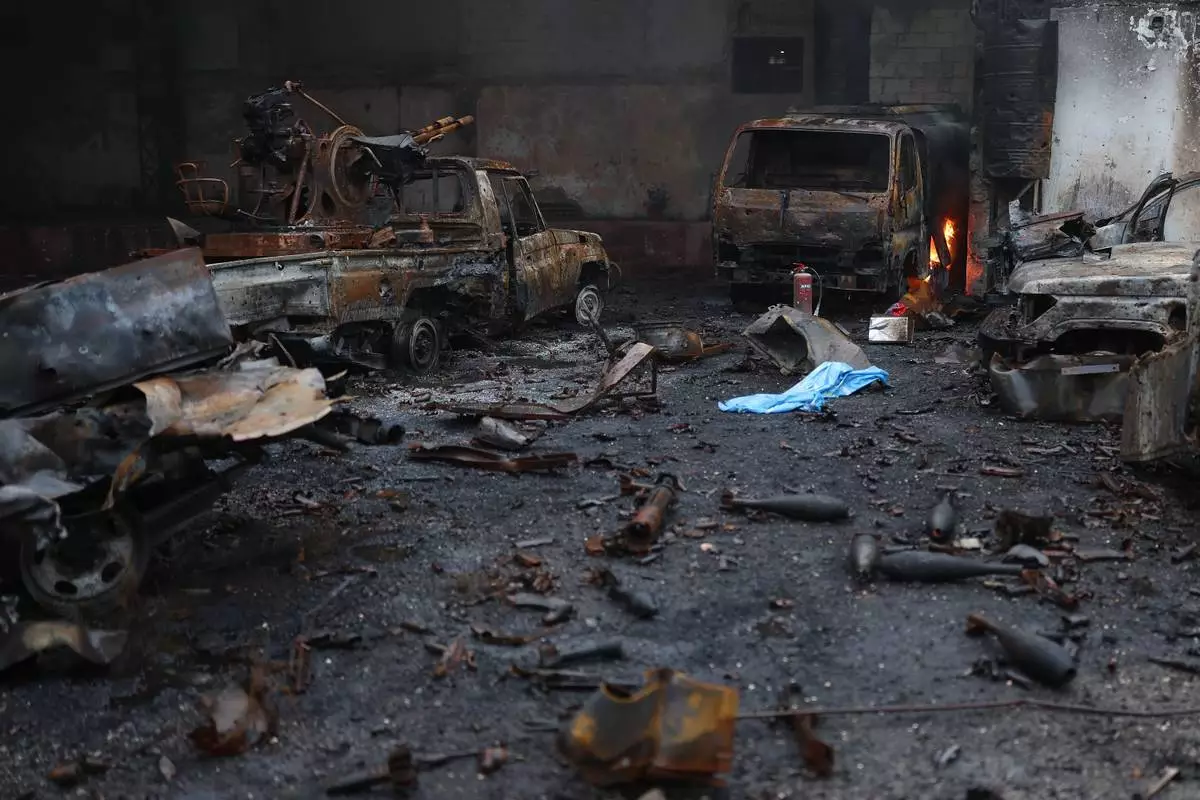
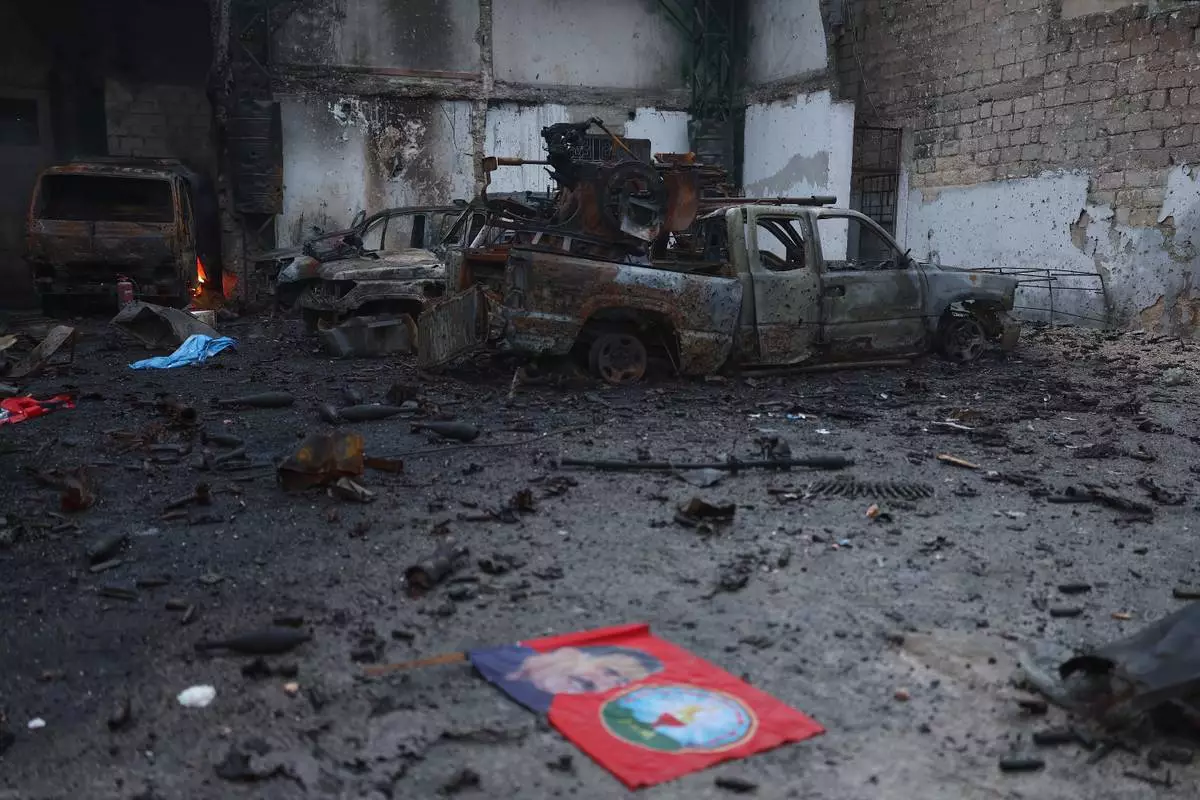
Government security forces brought journalists to tour the devastated area, showing them the damaged Khalid al-Fajer Hospital and a military position belonging to the SDF’s security forces that government forces had targeted.

The SDF statement accused the government of targeting the hospital “dozens of times” before patients were evacuated. Damascus accused the Kurdish-led group of using the hospital and other civilian facilities as military positions.

On one street, Syrian Red Crescent first responders spoke to a resident surrounded by charred cars and badly damaged residential buildings.

Some residents told The Associated Press that SDF forces did not allow their cars through checkpoints to leave.

“We lived a night of horror. I still cannot believe that I am right here standing on my own two feet,” said Ahmad Shaikho. “So far the situation has been calm. There hasn’t been any gunfire.”

Syrian Civil Defense first responders have been disarming improvised mines that they say were left by the Kurdish forces as booby traps.

Residents who fled are not being allowed back into the neighborhood until all the mines are cleared. Some were reminded of the displacement during Syria’s long civil war.

“I want to go back to my home, I beg you,” said Hoda Alnasiri.

Associated Press journalist Kareem Chehayeb in Beirut contributed to this report.

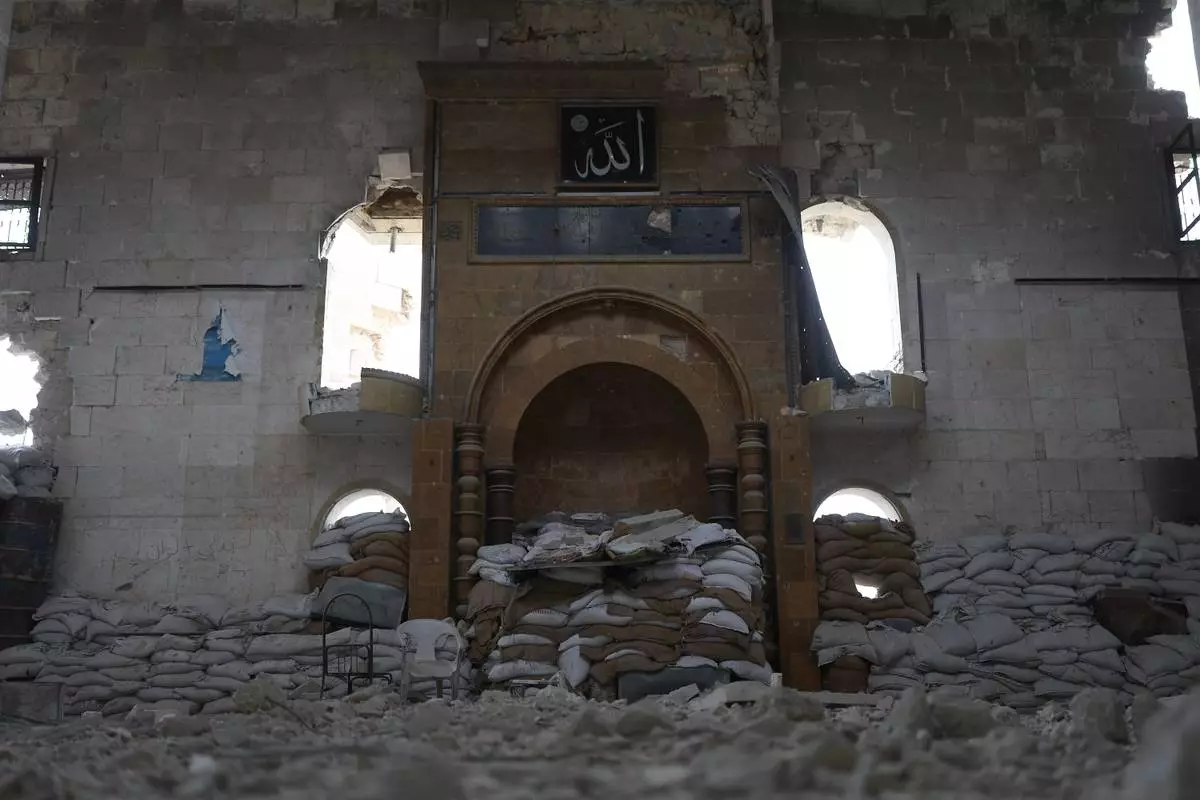
Sandbag barriers used as fighting positions by Kurdish fighters, left inside a destroyed mosque in the Sheikh Maqsoud neighborhood, where clashes between government forces and Kurdish fighters have been taking place in the northern city of Aleppo, Syria, Sunday, Jan. 11, 2026. (AP Photo/Ghaith Alsayed)

Sandbag barriers used as fighting positions by Kurdish fighters, left inside a destroyed mosque in the Sheikh Maqsoud neighborhood, where clashes between government forces and Kurdish fighters have been taking place in the northern city of Aleppo, Syria, Sunday, Jan. 11, 2026. (AP Photo/Ghaith Alsayed)

Burned vehicles at one of the Kurdish fighters positions at the Sheikh Maqsoud neighborhood, where clashes between government forces and Kurdish fighters have been taking place in the northern city of Aleppo, Syria, Sunday, Jan. 11, 2026. (AP Photo/Ghaith Alsayed)

Burned vehicles at one of the Kurdish fighters positions at the Sheikh Maqsoud neighborhood, where clashes between government forces and Kurdish fighters have been taking place in the northern city of Aleppo, Syria, Sunday, Jan. 11, 2026. (AP Photo/Ghaith Alsayed)

People flee the Sheikh Maqsoud neighborhood, where clashes between government forces and Kurdish fighters have been taking place in the northern city of Aleppo, Syria, Sunday, Jan. 11, 2026. (AP Photo/Ghaith Alsayed)

People flee the Sheikh Maqsoud neighborhood, where clashes between government forces and Kurdish fighters have been taking place in the northern city of Aleppo, Syria, Sunday, Jan. 11, 2026. (AP Photo/Ghaith Alsayed)

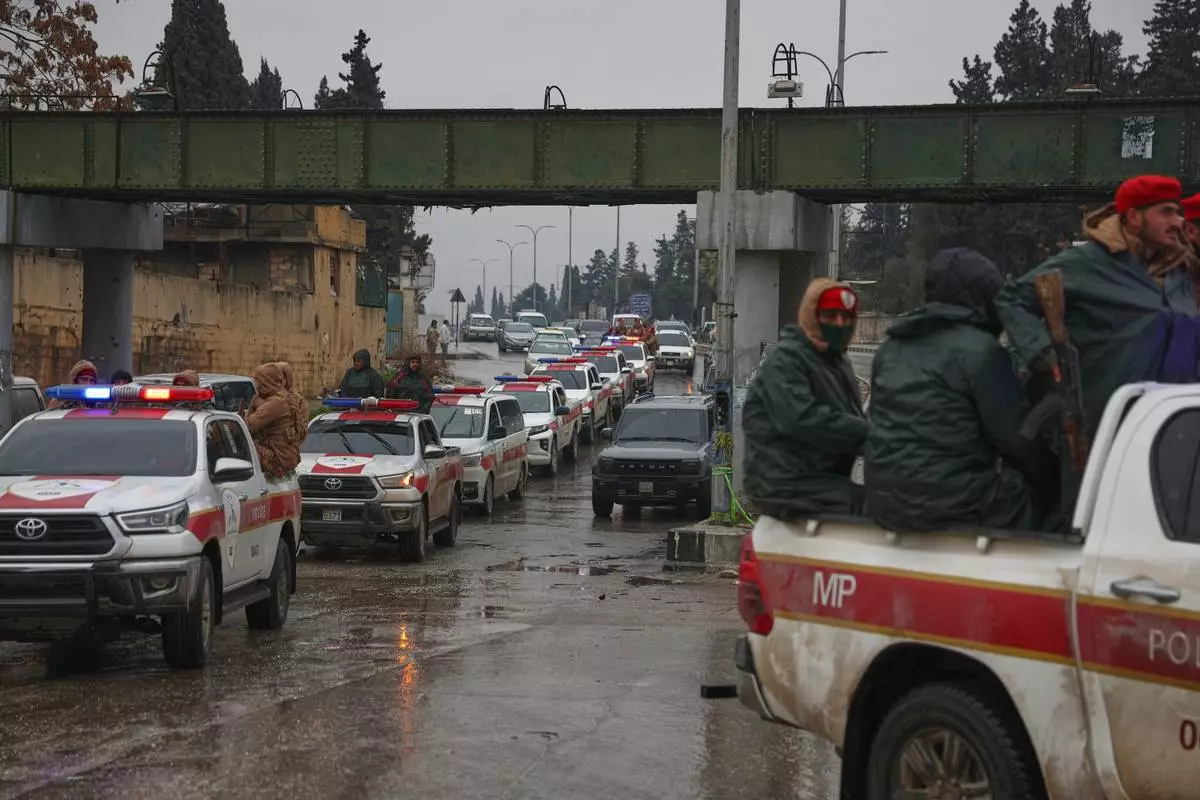
A Syrian military police convoy enters the Sheikh Maqsoud neighborhood, where clashes between government forces and Kurdish fighters have been taking place in the northern city of Aleppo, Syria, Sunday, Jan. 11, 2026. (AP Photo/Ghaith Alsayed)

A Syrian military police convoy enters the Sheikh Maqsoud neighborhood, where clashes between government forces and Kurdish fighters have been taking place in the northern city of Aleppo, Syria, Sunday, Jan. 11, 2026. (AP Photo/Ghaith Alsayed)

Burned vehicles and ammunitions left at one of the Kurdish fighters positions at the Sheikh Maqsoud neighborhood, where clashes between government forces and Kurdish fighters have been taking place in the northern city of Aleppo, Syria, Sunday, Jan. 11, 2026. (AP Photo/Ghaith Alsayed)

Burned vehicles and ammunitions left at one of the Kurdish fighters positions at the Sheikh Maqsoud neighborhood, where clashes between government forces and Kurdish fighters have been taking place in the northern city of Aleppo, Syria, Sunday, Jan. 11, 2026. (AP Photo/Ghaith Alsayed)

Recommended Articles