The ports of entry in Nanning City, south China's Guangxi Zhuang Autonomous Region, are experiencing an influx of exhibitors participating in the 21st China-ASEAN Expo.
The event is scheduled to be held from Tuesday to Saturday in Nanning, an important gateway connecting China and ASEAN countries.
Exhibitors from different countries have increasingly gravitated toward the Chinese market, bolstered by the implementation of China's customs clearance facilitation policy in recent years.
"I'm from Malaysia. I am here to participate in the ASEAN expo. With this visa-free policy, we will take more trips to China to see what the market is like here," said an visitor from Malaysia, the country of honor for this year's expo.
With favorable policies and measures in place to felicitate customs clearance, China has been welcoming an increasing number of foreign arrivals, especially during international events like the China-ASEAN Expo.
According to data from the local border checkpoint, ports of entry in Nanning have recently processed an average of approximately 2,100 inbound and outbound travelers each day. It is expected that the total number of passengers before, during, and after the China-ASEAN Expo will surpass 20,000.
The customs authority has facilitated the clearance and entrance with various measures.
"As exhibitors and visitors are entering for the expo, we have established designated areas for command and dispatch, service as well as data analysis to ensure safe and efficient customs clearance," said Wei Zhou, instructor of Nanning General Station of Exit and Entry Frontier Inspection.
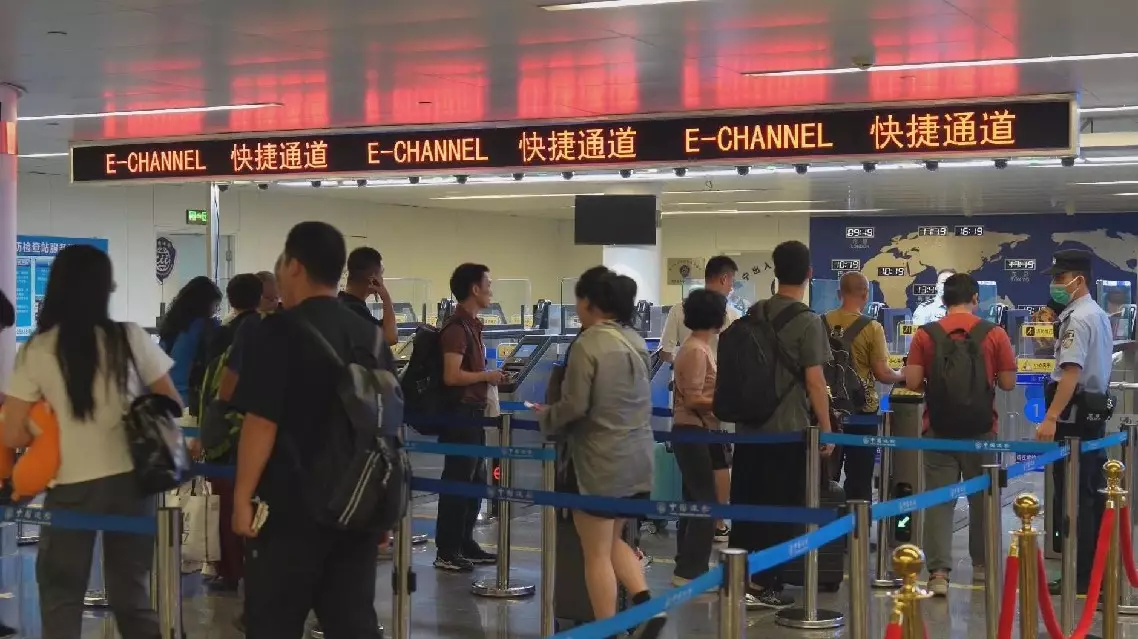
Nanning's ports of entry see influx of exhibitors for China-ASEAN Expo
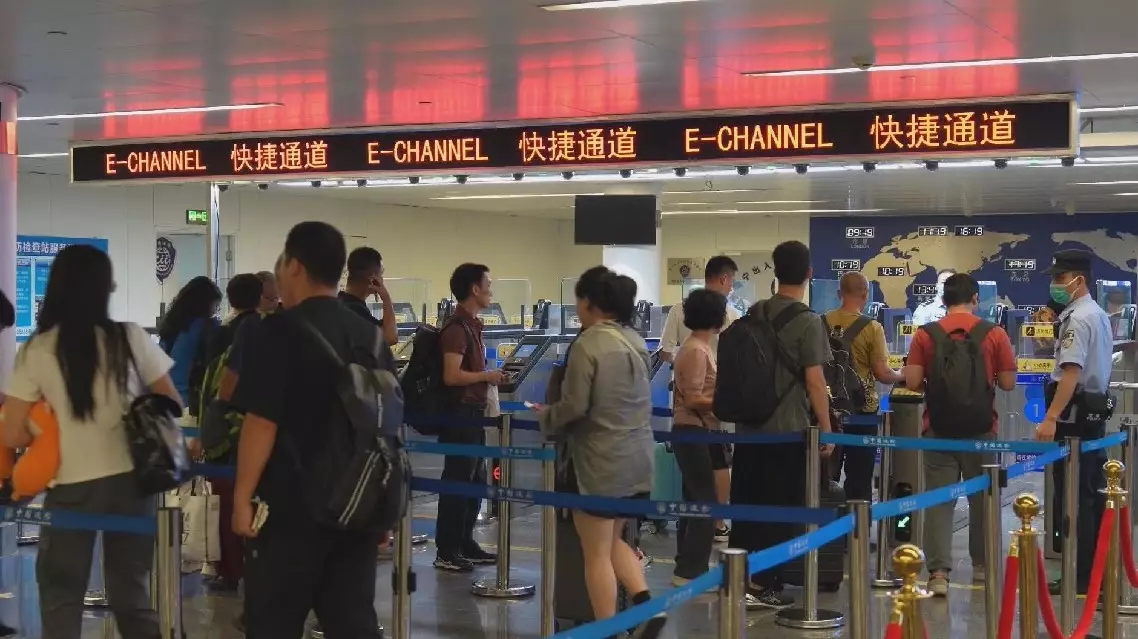
Nanning's ports of entry see influx of exhibitors for China-ASEAN Expo
China will push for the rollout of next-generation communication networks ahead of market demand in the coming five years, a senior official with the Ministry of Industry and Information Technology (MIIT) said on Wednesday at the annual International Postal and Telecommunications Expo (PT Expo).
The push mirrors the development plan recently issued by the ministry for the information and communications industry during the 15th Five-Year Plan period (2026-2030).
According to the plan, a new-generation communications network with comprehensive coverage and leading performance is expected to be fully established by 2030, the 5G user penetration rate will reach 95 percent, gigabit-capable broadband will connect to 320 million households, and intelligent computing power will reach 9,800 EFLOPS -- a unit of computing performance, with each unit representing one quintillion floating-point operations per second.
"We will systemically promote the development of an application-driven and appropriately future-oriented next-generation communications network, push broadband networks toward dual 10-gigabit evolution, and advance the construction of low-Earth orbit satellite internet systems. We will also holistically optimize a communications network that links ground and sea, expand and improve computing facilities, and strengthen computing-network integration and the interconnection of computing power, so as to better support the national integrated computing network," said Yu Xiaohui, vice minister of the Ministry of Industry and Information Technology.
The move came as breakthroughs in digital intelligence technologies -- represented by artificial intelligence -- brought opportunities for the development of information and communication.
As of the end of July, China had deployed over 5.15 million 5G base stations, with early-stage deployment of 10-gigabit optical networks already underway and intelligent computing power standing at 2,185 EFLOPs, according to official data.
China will also deepen the integration of terrestrial and satellite networks, including commercial applications for smartphone direct-to-satellite services and the Internet of Things (IoT), ramp up research and development for 6G base stations, and advance the development of standards in key information and communication sectors, such as computing power networks and quantum communication, according to the development plan.
The PT Expo this year is being held from Tuesday to Thursday in Beijing.
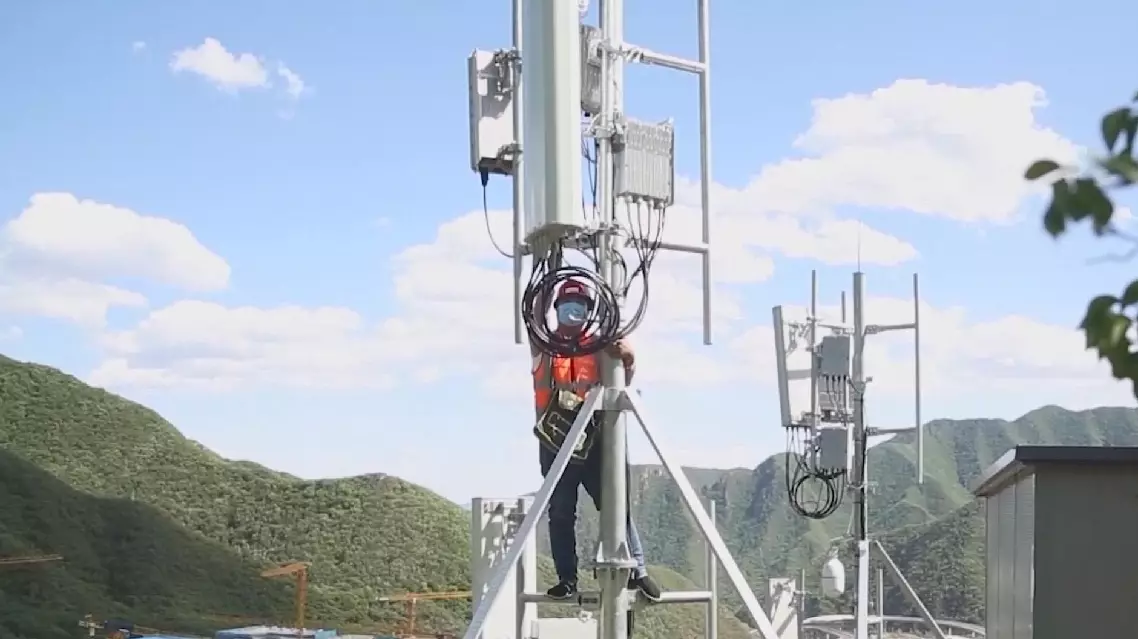
China to push ahead-of-demand rollout of next-generation communications networks