China's New International Land-Sea Trade Corridor has promoted the opening up and development of western China over the past five years and created new opportunities for countries participating in the Belt and Road Initiative.
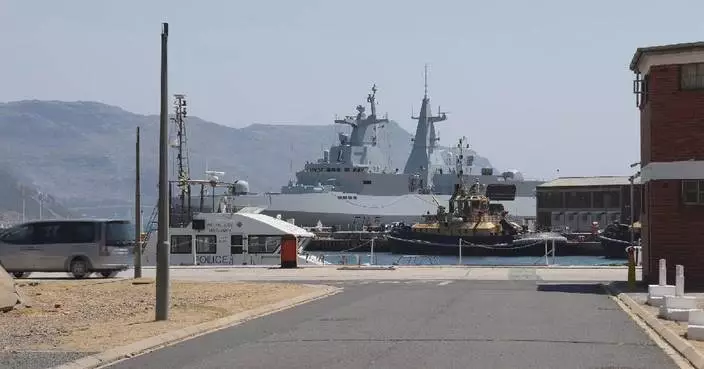
With its operational hub based in southwest China's Chongqing Municipality, this trade corridor connects global ports via railways, sea routes and highways through southern Chinese provincial regions such as Guangxi and Yunnan.
In August 2019, China's top economic planner National Development and Reform Commission issued a plan to promote the construction of the corridor, marking the elevation of the program from local exploration to a national strategy.
From 2019 to 2023, the annual freight volume through the project, also known as the new western land-sea corridor, from Chongqing increased by 50 percent, 45 percent, 54 percent, 32 percent and 21 percent year on year, respectively.
Over the past five years, the variety of goods transported via the trade corridor has expanded to over 1,100 types, covering a wide range of categories, including electronic products, vehicles and components, machinery, small household appliances and food.
The trade corridor has now achieved a near balance between inbound and outbound shipments.
Relying on the fast and efficient corridor, specialty products from western China, such as goji berry juice and red wine from Ningxia, oranges from Chongqing and tea from Guizhou, have become new growth drivers for local foreign trade.
Additionally, the export of new energy vehicles from these western regions has accelerated, with local auto enterprises establishing factories in Southeast Asian countries.
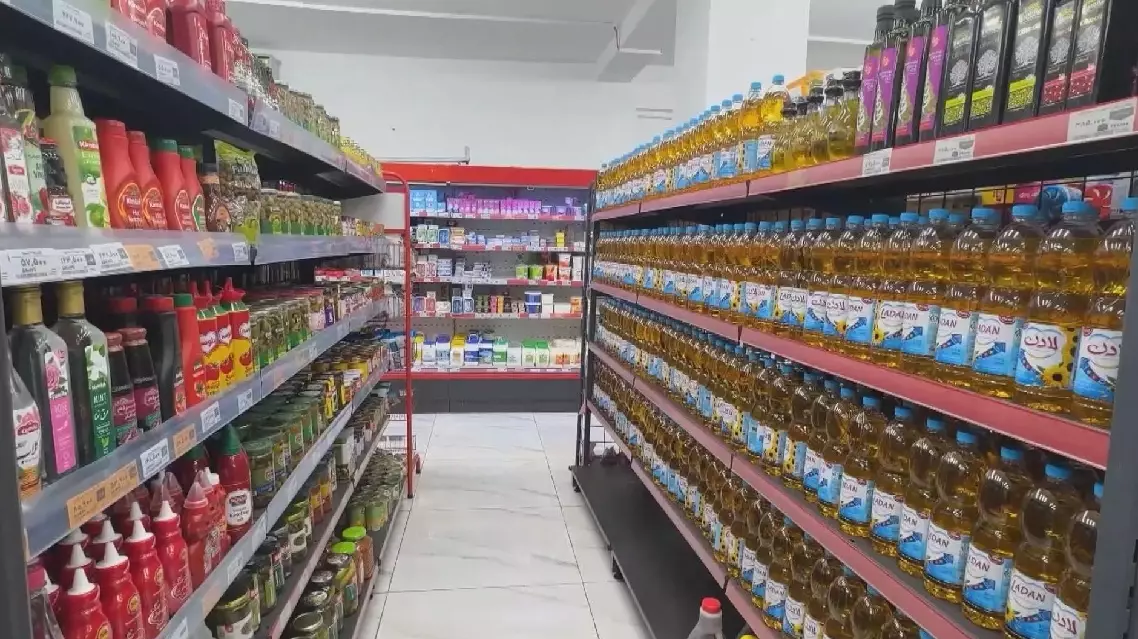
Meanwhile, Southeast Asian specialty products like Thai durians and Vietnamese basa fish are entering the Chinese market more quickly through the corridor.
"Fruits from Southeast Asia can arrive in Chongqing within 10 days by railway operated via the trade corridor, saving at least five days compared to traditional routes and reducing costs by more than 30 percent. The New International Land-Sea Trade Corridor has evolved from an isolated "route" into a dense network. The variety of goods transported through this corridor has increased from over 80 types to more than 1,160," said Chen Liangshuang, an official with the New Land-Sea Corridor Operation Co., Ltd.
Moreover, the corridor has expanded its reach to 523 ports in 124 countries and regions from 166 ports in 71 countries and regions registered five years ago, and more than 30,000 China-Europe freight trains have operated via the trade corridor.
In the first half of 2024, Chongqing handled 120,000 TEUs of freight volume via the corridor, up 54 percent compared to 2023, with a total value of some 23.2 billion yuan (about 3.29 billion U.S. dollars).
"Goods worth a total of over 23.2 billion yuan (about 3.29 billion U.S. dollars) were delivered (in the first half of this year), marking a growth of 89 percent year on year. An increasing number of high-value-added goods, such as laptops, general machinery and seafood, are being circulated through the corridor to facilitate the domestic and international dual circulation systems. Innovative measures, including the import and customs transfer of chrome ore, the 'China-Laos-Thailand-Malaysia' rail transport channels, as well as multiple rail-river-sea multi-modal transport, have significantly enhanced the transport efficiency of goods and strongly promoted the high-quality development of trade," said Liu Yizhen, deputy general manager of New Land-Sea Corridor Operation Co., Ltd.
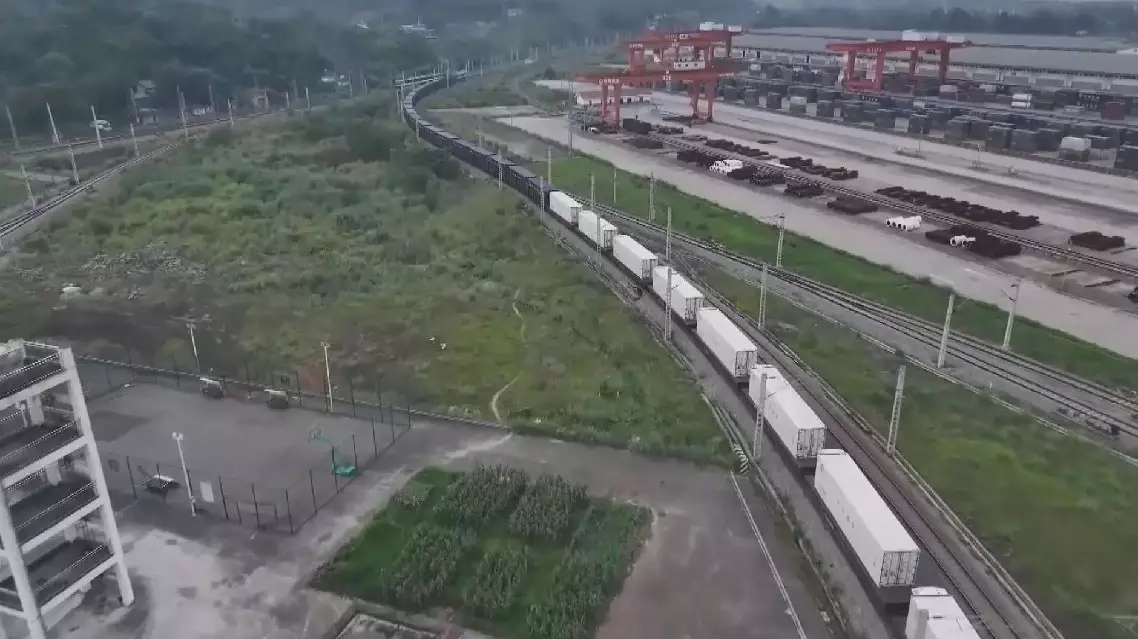
China's New Int'l Land-Sea Trade Corridor further boosts opening-up
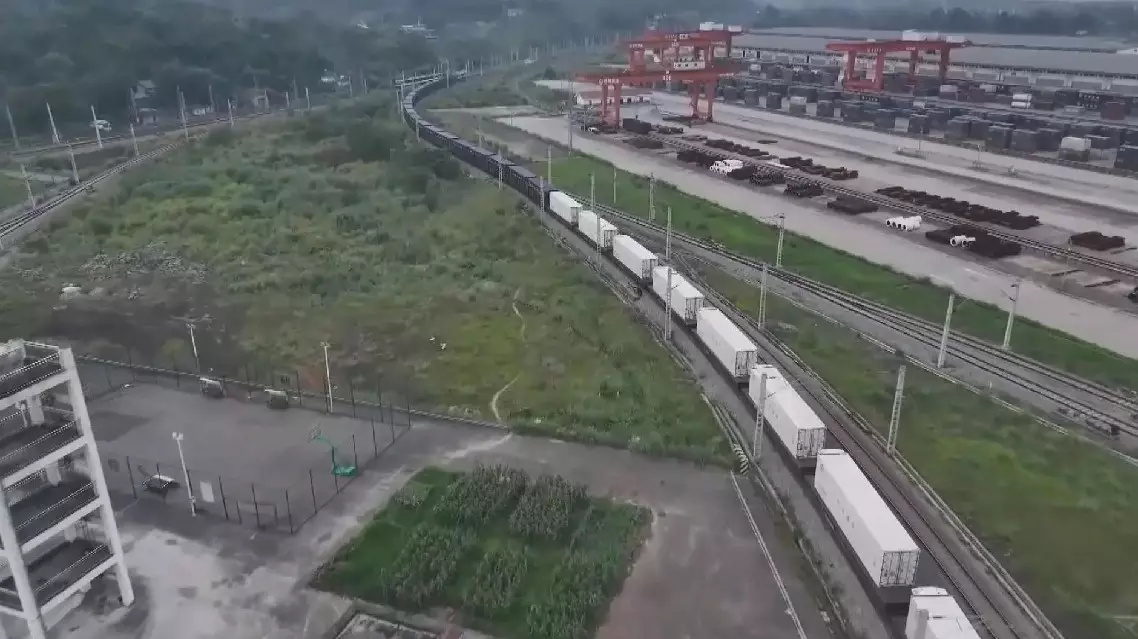
China's New Int'l Land-Sea Trade Corridor further boosts opening-up