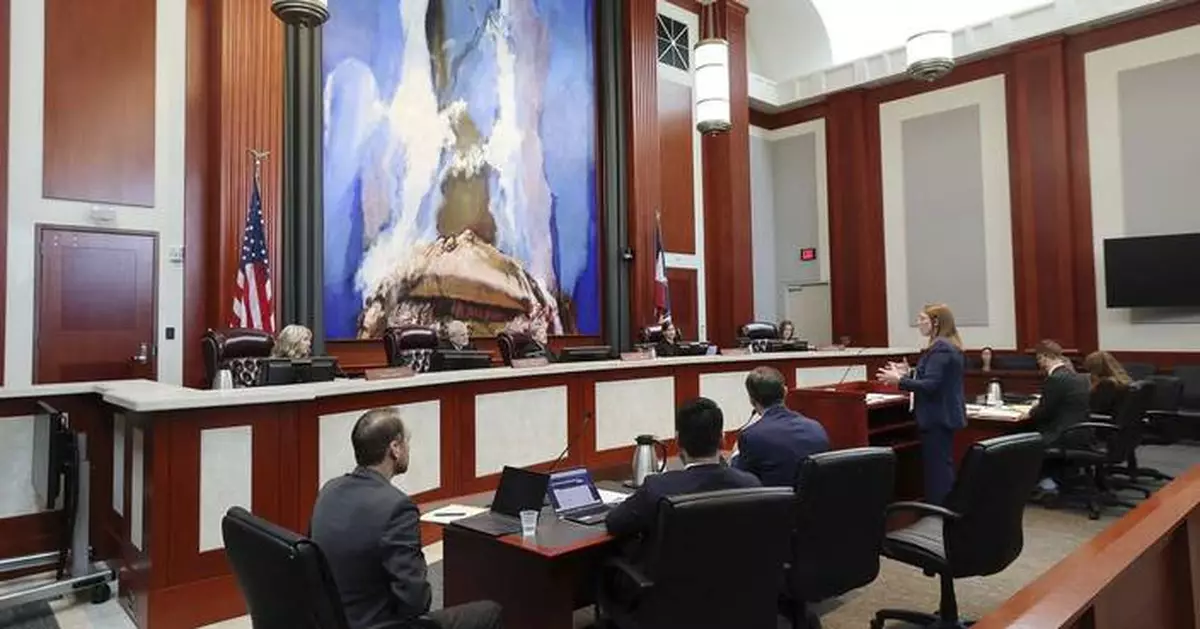
SALT LAKE CITY (AP) — Utah voters will not decide this November on a constitutional amendment asking voters to cede power over ballot measures to lawmakers after the Utah Supreme Court on Wednesday upheld a lower court decision voiding the amendment.
The five-justice panel grilled attorneys for the Legislature earlier Wednesday before siding with opponents of the amendment who argued it would have been presented to voters in a misleading manner. Republican legislative leaders, who penned the ballot question, had asked the high court to overturn a district judge's ruling and put Amendment D back before the public.
Click to Gallery
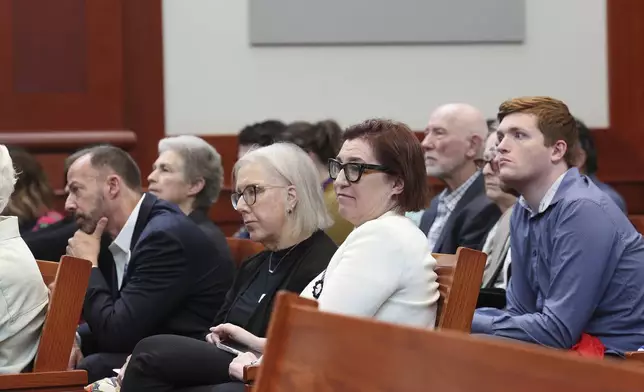
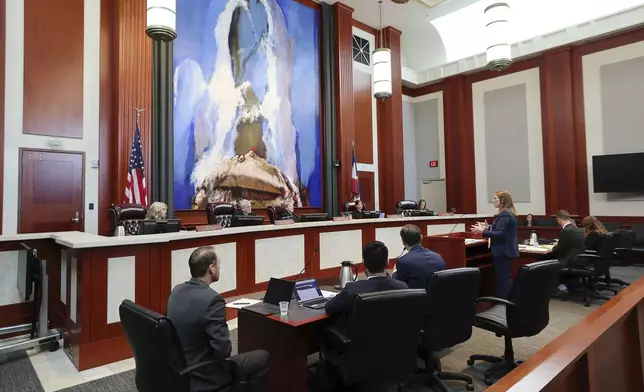
Attendees listen during a hearing about a proposed constitutional amendment before the Utah Supreme Court in Salt Lake City on Wednesday, Sept. 25, 2024. (Jeffrey D. Allred/The Deseret News via AP, Pool)
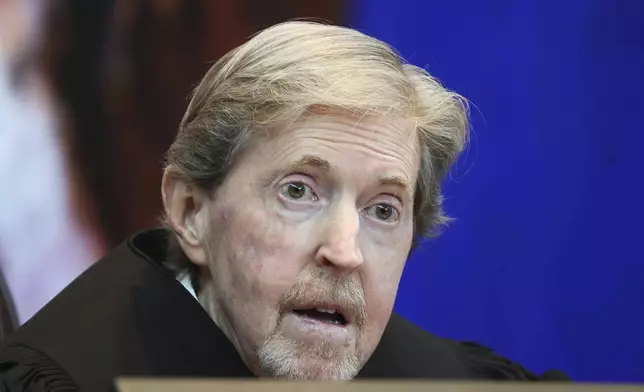
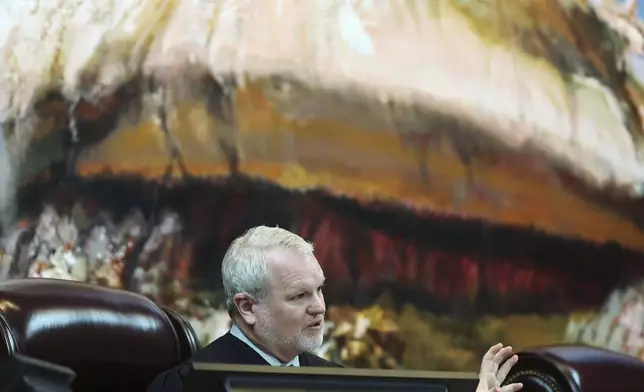
Chief Justice Matthew Durrant speaks during a hearing about a proposed constitutional amendment before the Utah Supreme Court in Salt Lake City on Wednesday, Sept. 25, 2024. (Jeffrey D. Allred/The Deseret News via AP, Pool)
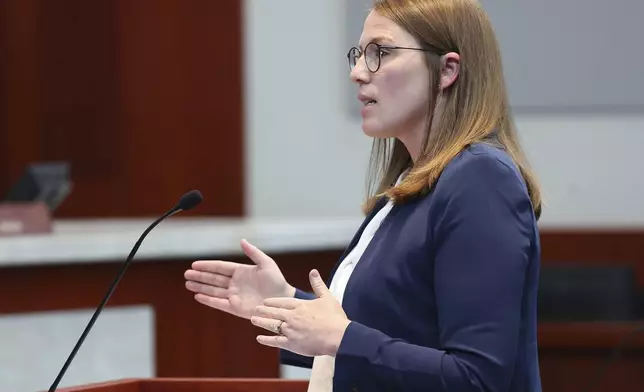
Mark Gaber, an attorney for the League of Women Voters, argues against a proposed constitutional amendment before the Utah Supreme Court in Salt Lake City on Wednesday, Sept. 25, 2024. (Jeffrey D. Allred/The Deseret News via AP, Pool)
Associate Chief Justice John Pearce asks a question during a hearing about a proposed constitutional amendment before the Utah Supreme Court in Salt Lake City on Wednesday, Sept. 25, 2024. (Jeffrey D. Allred/The Deseret News via AP, Pool)
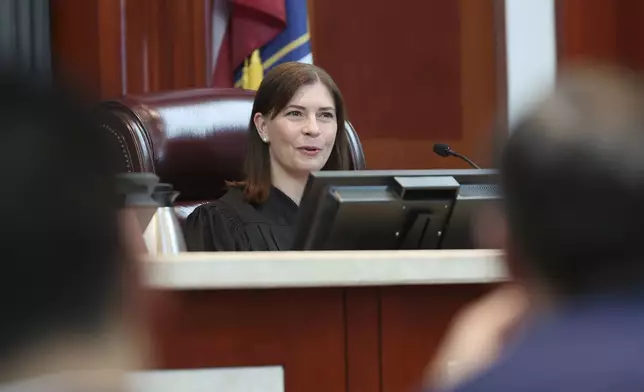
Justice Paige Petersen speaks during a hearing about a proposed constitutional amendment before the Utah Supreme Court in Salt Lake City on Wednesday, Sept. 25, 2024. (Jeffrey D. Allred/The Deseret News via AP, Pool)
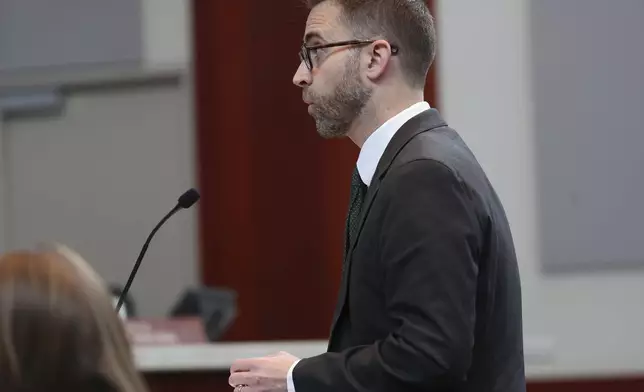
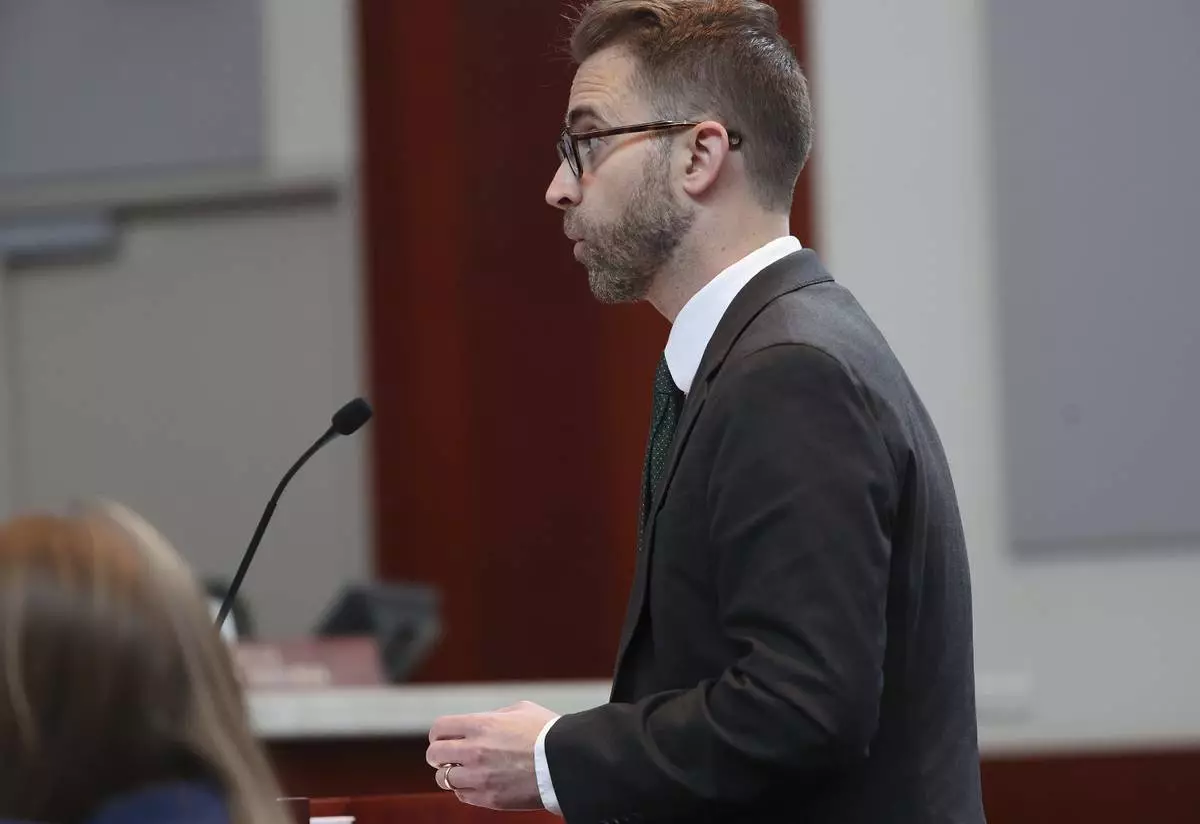
Taylor Meehan, right, an attorney for the Utah Legislature, defends a proposed constitutional amendment before the Utah Supreme Court in Salt Lake City on Wednesday, Sept. 25, 2024. (Jeffrey D. Allred/The Deseret News via AP, Pool)
Taylor Meehan, right, an attorney for the Utah Legislature, defends a proposed constitutional amendment before the Utah Supreme Court in Salt Lake City on Wednesday, Sept. 25, 2024. (Jeffrey D. Allred/The Deseret News via AP, Pool)
The amendment would have given lawmakers constitutional authority to rewrite voter-approved ballot measures or repeal them entirely. Lawmakers also could have applied their new power to initiatives from past election cycles.
But the summary that voters would have seen on their ballots only asked if the state constitution should be changed to “strengthen the initiative process” and to clarify the roles of legislators and voters.
“The description does not submit the amendment to voters ‘with such clarity as to enable the voters to express their will,'" the high court wrote in its opinion.
The justices said District Judge Dianna Gibson ruled correctly in mid-September when she ordered that any votes cast for or against the amendment should not count. She ruled that the ballot question language was “counterfactual” and did not disclose to voters the unfettered power they would be handing to state lawmakers.
The state Supreme Court also agreed with Gibson's assessment that the Legislature had failed to publish the ballot question in newspapers across the state during the required time frame.
Because of ballot-printing deadlines, the amendment text will still appear on Utah ballots this November, but votes will not be counted.
Utah Democrats were quick to celebrate the ruling, which blocked a ballot question that state party chair Diane Lewis called “intentionally deceitful.”
“Today’s Supreme Court decision ensures that voters can make their voices heard, despite all the Republican supermajority’s attempts to trick Utahns into giving away their power,” Lewis said.
In a joint statement, Senate President Stuart Adams and House Speaker Mike Schultz called the ruling troubling and said it was a sad day for the state.
Their next opportunity to place a similar proposal on the ballot will be in 2026.
“The Legislature offered the court a way to preserve the voting rights of all Utahns, but instead, the court took the chance to vote on Amendment D out of the voters' hands," the Republican legislative leaders said.
Republican Gov. Spencer Cox said last week during his monthly televised news conference at KUED-TV that he thought Gibson's lower court opinion was “compelling,” but he declined to say whether he thought the ballot question was misleading.
“It is important that the language is clear and conveys what the actual changes will do,” Cox said. “I do hope that, eventually, the people of Utah will get a chance to weigh in and decide one way or another how this is going to go. I think that’s very important, but it is important that we get it right.”
Justices agreed that voters should eventually have an opportunity to decide if they want to give lawmakers greater power to change citizen-approved initiatives, but only if the question is presented in a way that complies with the state constitution.
The amendment marked lawmakers’ first attempt to circumvent another Utah Supreme Court ruling from July, which found that the Legislature has very limited authority to change laws approved through citizen initiatives.
Frustrated by that decision, legislative leaders in August used their broadly worded emergency powers to call a special session in which both chambers approved placing an amendment on the November ballot. Democrats decried the decision as a “power grab,” while many Republicans argued it would be dangerous to have certain laws on the books that could not be substantially changed.
Taylor Meehan, an attorney for the Legislature, defended the proposal before the state Supreme Court earlier Wednesday, arguing that a reasonably intelligent voter would be able to understand the intent of the ballot question. She said the summary that appears on the ballot is not required to educate voters about the effects of the amendment and is meant to point people to the full text to learn more.
Mark Gaber, an attorney for the League of Women Voters, argued voters would not assume a ballot summary was false and should not be expected to go searching for accurate information.
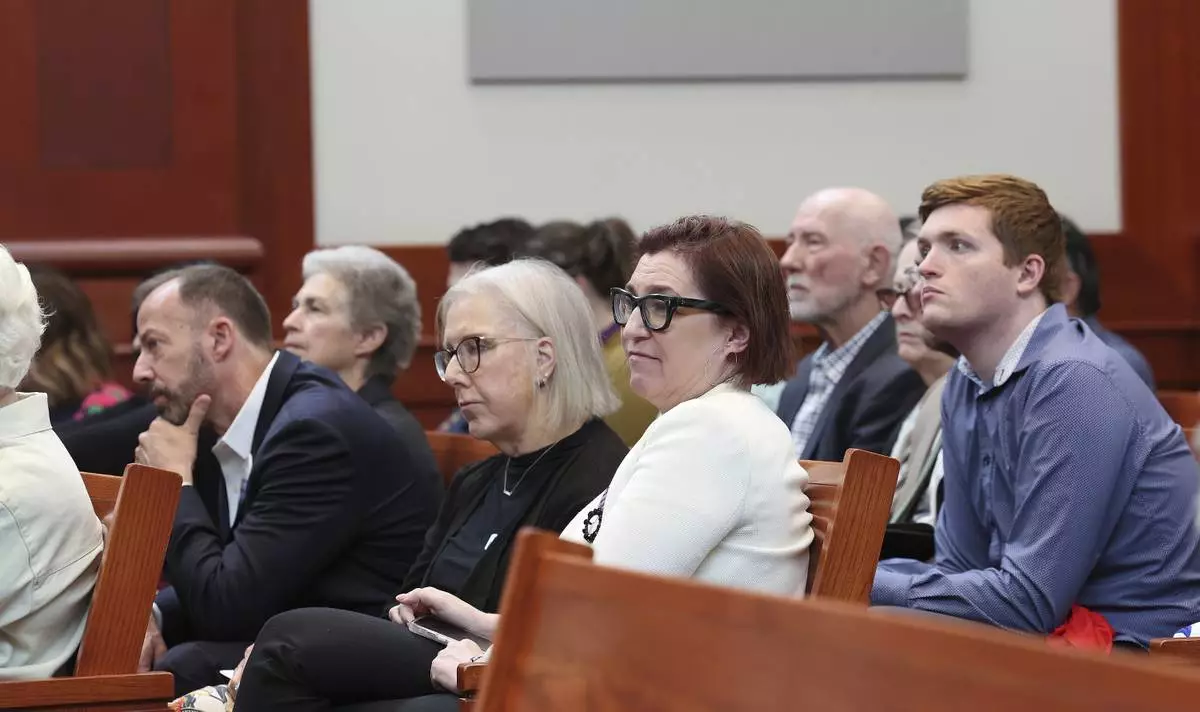
Attendees listen during a hearing about a proposed constitutional amendment before the Utah Supreme Court in Salt Lake City on Wednesday, Sept. 25, 2024. (Jeffrey D. Allred/The Deseret News via AP, Pool)
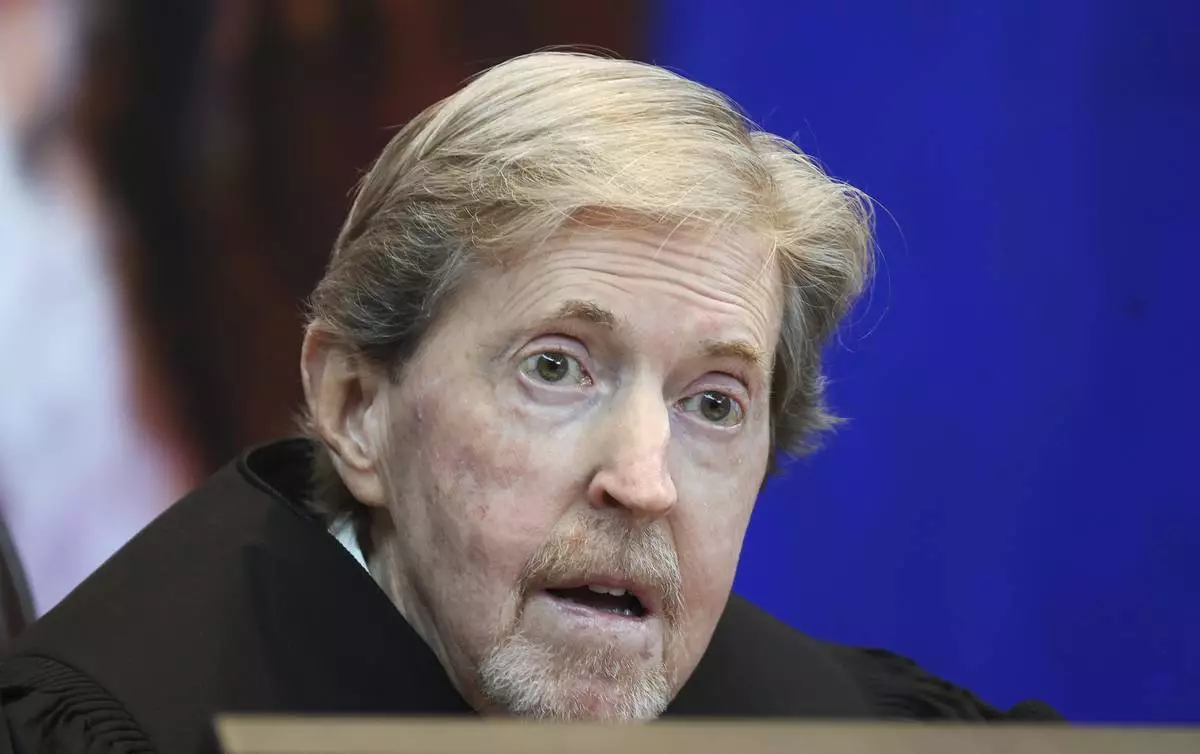
Chief Justice Matthew Durrant speaks during a hearing about a proposed constitutional amendment before the Utah Supreme Court in Salt Lake City on Wednesday, Sept. 25, 2024. (Jeffrey D. Allred/The Deseret News via AP, Pool)
Mark Gaber, an attorney for the League of Women Voters, argues against a proposed constitutional amendment before the Utah Supreme Court in Salt Lake City on Wednesday, Sept. 25, 2024. (Jeffrey D. Allred/The Deseret News via AP, Pool)
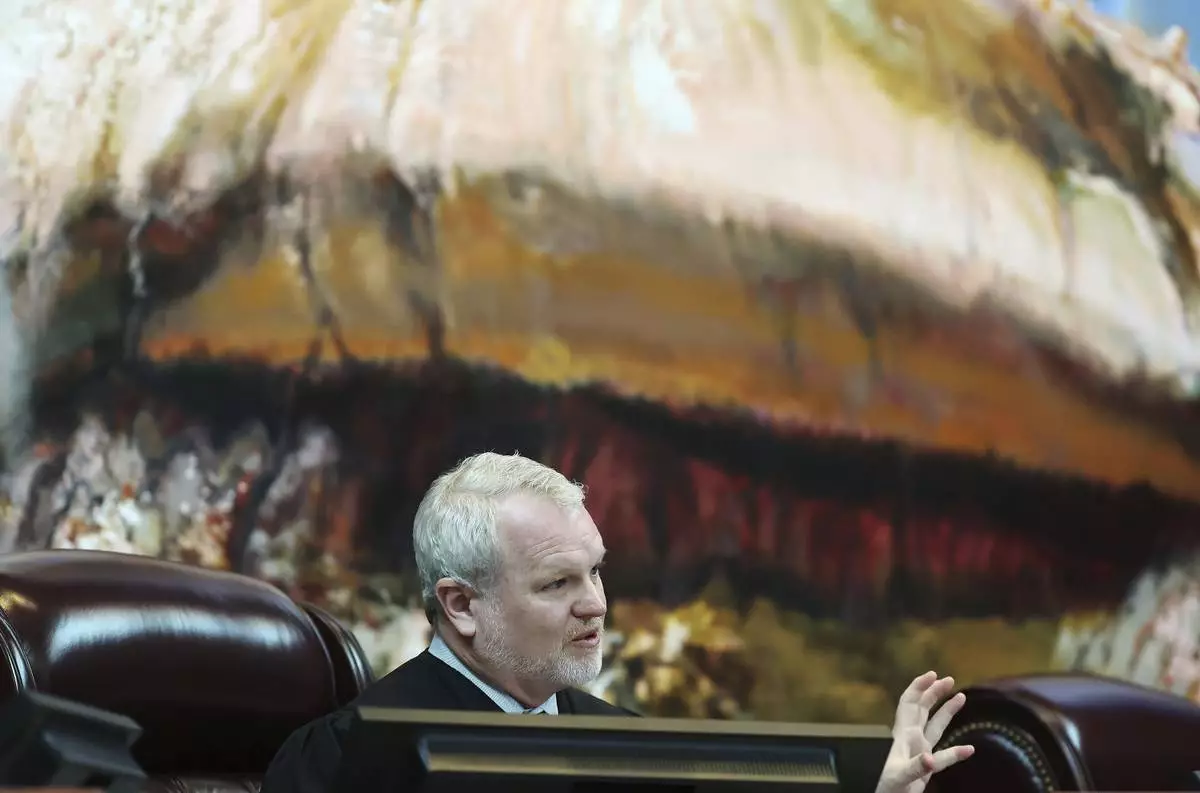
Associate Chief Justice John Pearce asks a question during a hearing about a proposed constitutional amendment before the Utah Supreme Court in Salt Lake City on Wednesday, Sept. 25, 2024. (Jeffrey D. Allred/The Deseret News via AP, Pool)
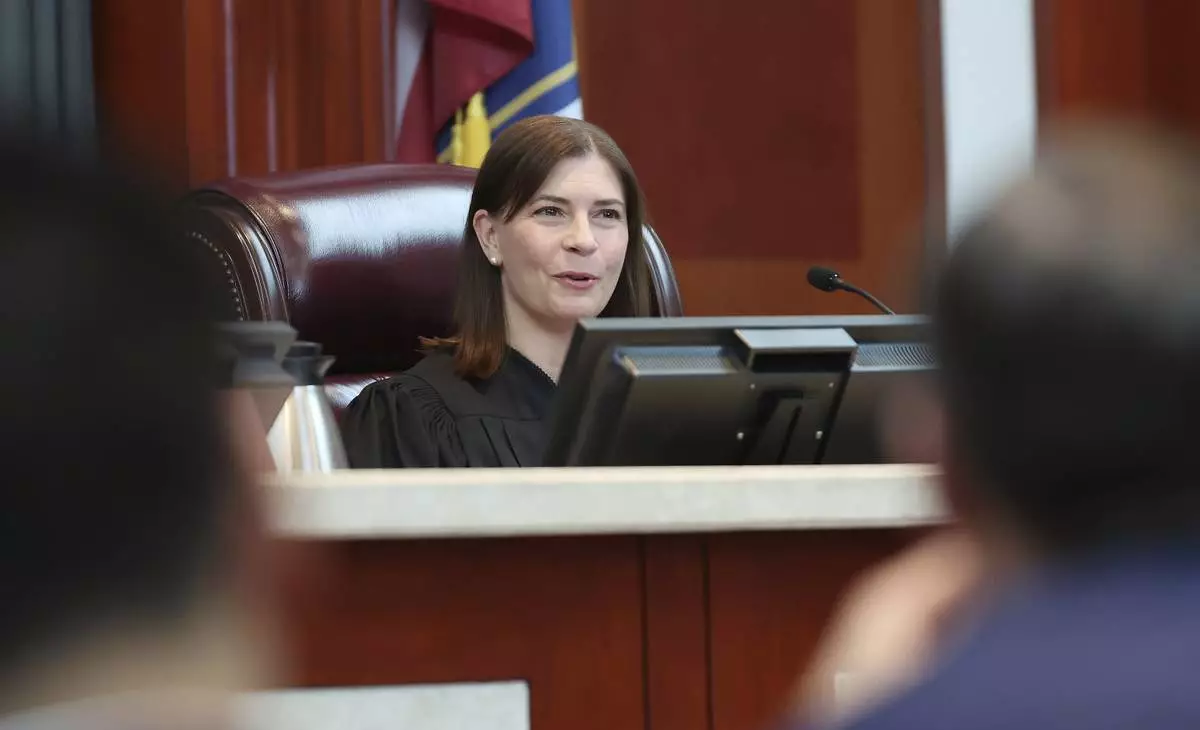
Justice Paige Petersen speaks during a hearing about a proposed constitutional amendment before the Utah Supreme Court in Salt Lake City on Wednesday, Sept. 25, 2024. (Jeffrey D. Allred/The Deseret News via AP, Pool)
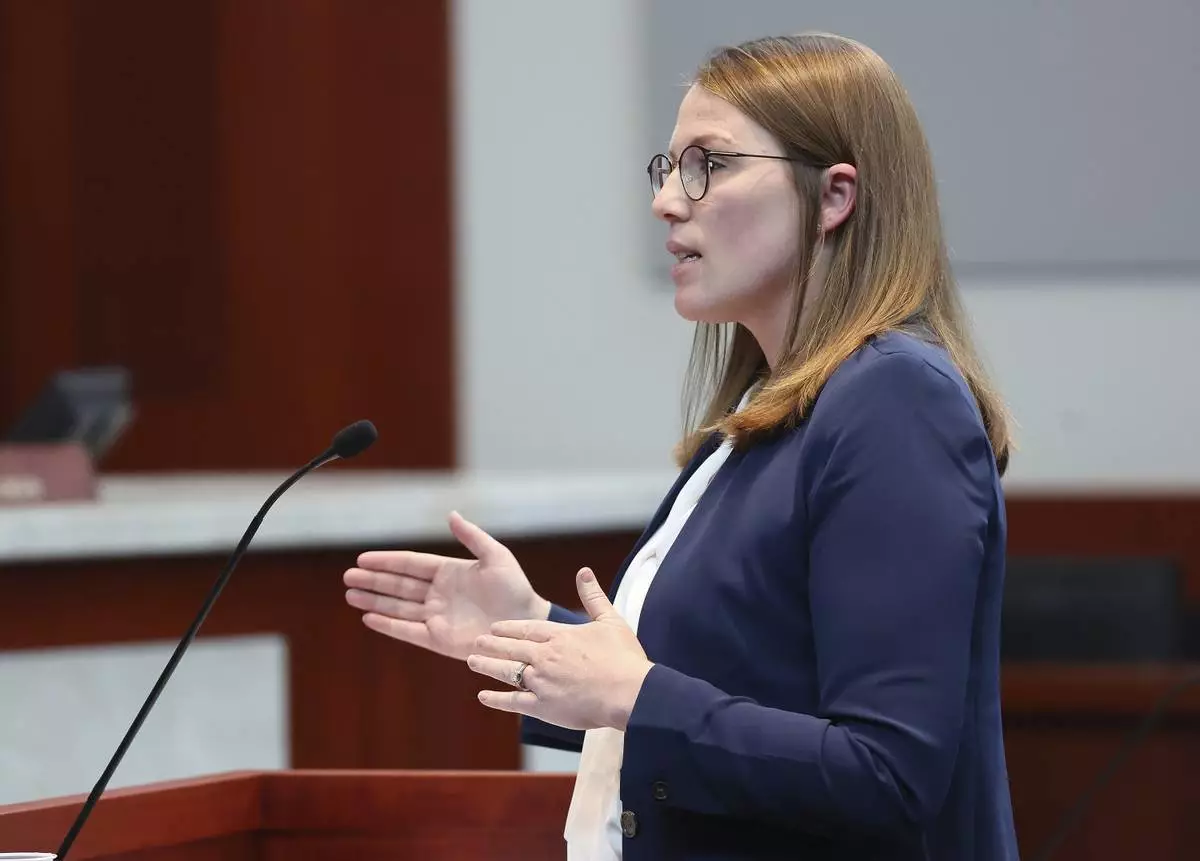
Taylor Meehan, right, an attorney for the Utah Legislature, defends a proposed constitutional amendment before the Utah Supreme Court in Salt Lake City on Wednesday, Sept. 25, 2024. (Jeffrey D. Allred/The Deseret News via AP, Pool)
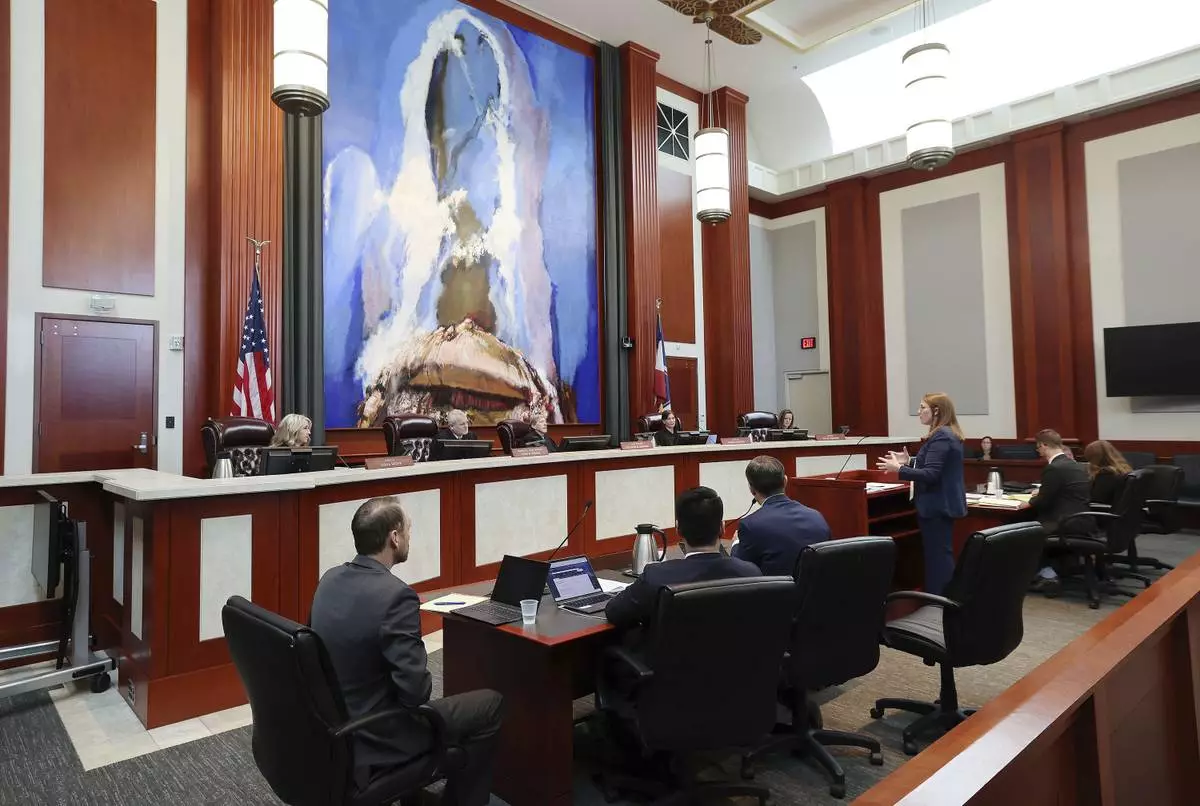
Taylor Meehan, right, an attorney for the Utah Legislature, defends a proposed constitutional amendment before the Utah Supreme Court in Salt Lake City on Wednesday, Sept. 25, 2024. (Jeffrey D. Allred/The Deseret News via AP, Pool)
NEW YORK (AP) — President Donald Trump scored another win Tuesday against a Republican rival, dislodging Rep. Thomas Massie in Kentucky’s primary and knocking out one of his most outspoken critics on Capitol Hill.
Massie has been a particularly difficult thorn in Trump’s side. He pushed for the release of the Jeffrey Epstein files, opposed the war with Iran and voted against Trump’s signature tax legislation last year. He lost to Trump-backed challenger Ed Gallrein following the most expensive U.S. House primary in history.
While Trump has racked up several wins this primary season, this one perhaps sends an even more forceful message to the president's Republican critics. Massie was entrenched in his deep-red Kentucky district before his feud with Trump exploded, cutting short a congressional career that began in 2012.
Still, Massie will remain in Congress until his term ends in January, and without a Republican primary on the horizon, he now has a freer hand than ever to antagonize Trump.
Massie’s defeat is another sign that Republicans give their politicians vanishingly little leeway to cross Trump, who is bent on retribution and has persuaded his voters to defeat his adversaries again and again.
Here are some things to continue watching as votes roll in across Alabama, Georgia, Idaho, Kentucky, Oregon and Pennsylvania.
Gallrein was boosted by significant spending from AIPAC and pro-Israel groups, which provided about half of the money benefiting his candidacy, according to AdImpact.
However, there's no question that Trump's role was the key factor. He has repeatedly shown that Republican primary voters will follow his lead, even as his popularity wanes with the broader electorate.
Before Massie's loss Tuesday, Republican Sen. Bill Cassidy of Louisiana failed to even make the runoff Saturday, unable to repair his relationship with Trump five years after voting to convict him during his second impeachment trial. And earlier this month, Trump successfully dislodged five of seven Indiana Republicans he targeted for voting against his redistricting plan.
Trump is flexing his influence in other places Tuesday.
In the race for Georgia governor, Trump backed Lt. Gov. Burt Jones in an unexpectedly ugly battle for the Republican nomination. Jones, who comes from a wealthy Georgia family, has given his campaign $19 million. But billionaire Rick Jackson, a health care tycoon, has put more than $83 million of his fortune into the race. Trump’s endorsement power has rarely been tested against that level of lopsided spending, and Jones and Jackson are heading for a June 16 runoff.
Trump stayed on the sidelines of Georgia’s Senate race, leaving a crowded field of hopefuls seeking to take on Democratic Sen. Jon Ossoff, who’s running unopposed for his party’s nomination. But in Alabama, Trump endorsed Rep. Barry Moore for Senate to replace Tommy Tuberville, who is running for governor.
After staying on the sidelines of a Senate runoff in Texas that's taking place next week, Trump on Tuesday endorsed Attorney General Ken Paxton over incumbent Sen. John Cornyn.
While Trump had a big night on the Republican side, Democratic Pennsylvania Gov. Josh Shapiro showed some political strength of his own.
Shapiro, who may look to succeed Trump in the White House, endorsed four Democrats running for Congress, three of them in contested primaries. And all four won their primaries.
Shapiro’s endorsed candidates included Paige Cognetti, mayor of Scranton; Bob Brooks, president of the state firefighters’ union; Bob Harvie, a Bucks County commissioner; and Janelle Stelson, a former television news personality who narrowly lost two years ago.
It was a relatively low bar in some cases — Cognetti ran unopposed — but Shapiro did not show any weakness as he plows toward a November reelection in swing-state Pennsylvania that is expected to launch him into the 2028 presidential contest.
Shapiro may have an even stronger case if the four Democrats he picked on Tuesday succeed in flipping Republican seats in the fall.
Pennsylvania’s Democratic Party chairman Eugene DePasquale told an election night crowd that “no one” is more invested in flipping seats and “taking back the country” than Shapiro.
Georgia offered a case study in just how bad it can get for Republicans who defy Trump — especially those who push back on his false claims of election fraud.
Secretary of State Brad Raffensperger and former Lt. Gov. Geoff Duncan were among the few Republicans to speak out against Trump’s attempt to overturn his 2020 loss. They were on the ballot for governor on Tuesday — Raffensperger as a Republican and Duncan as a Democrat.
Both lost decisively.
Raffensperger spent millions of his own money trying to reintroduce himself to Republicans by reminding them of his long career in conservative politics before defying Trump. Duncan, meanwhile, tried to convince Democratic voters that they can trust him after renouncing his prior opposition to abortion rights, gun control and the expansion of Georgia’s Medicaid program.
It didn't work.
The president has continued to falsely insist that he only lost the 2020 election because of fraud, and he's spread baseless fears about the upcoming November midterm elections as well.
But the results for Raffensperger and Duncan may remind Republicans of the risks of pushing back.
The leading Republican candidates in the governor’s race, Jackson and Jones, have both questioned or denied the 2020 election outcome. Jackson actually ran a political ad in the weeks leading up to the primary attacking Raffensperger for defying Trump’s effort to overturn 2020.
More than 100,000 people cast ballots in four of Alabama’s seven congressional districts that may not count.
That’s because Republican Gov. Kay Ivey moved just last week to postpone the primaries until Aug. 11, emboldened by the recent U.S. Supreme Court decision that hollowed out the Voting Rights Act. Republicans across Alabama, Louisiana and Tennessee are now scrambling to redraw congressional boundaries to eliminate some majority-Black U.S. House districts to maximize their political advantage.
Over the weekend, thousands of civil rights activists rallied in Alabama against the changes, but the redistricting plan is moving forward. That means that ballots cast Tuesday in primaries for Alabama’s 1st, 2nd, 6th and 7th congressional districts will be voided, the secretary of state says, while state officials restore a previous set of Republican-drawn district boundaries.
However, the district lines remain the subject of litigation as the NAACP Legal Defense Find and other groups try to stop the use of the new map. If they are successful, the winners of the Tuesday primaries will determine the party nominees.
You’d be excused for being confused. Alabama voters still chose nominees Tuesday as planned for the 3rd, 4th and 5th congressional districts, as well as for U.S. Senate and a full slate of state and local offices.
Oregon voters overwhelmingly rejected a 6-cent gas tax increase proposed by the state's Democratic lawmakers.
The measure was failing by huge margins in every county, crossing every political divide — liberal and conservative, urban and rural, prosperous and struggling.
Tax proponents may have fallen victim to bad timing, with the vote coming as Americans already feel stretched by high gas prices brought on by the war in Iran.
Oregon legislative Democrats voted last year for the tax increase and a series of related fee hikes to help pay for road improvements and plug a hole in the state’s transportation budget. Republicans responded by launching a successful referendum campaign to put the issue before voters.
The failure of the gas tax was no surprise to Democrats. It also ran counter to the party’s national strategy that relies on channeling voter angst about the high cost of living to win back control of Congress.
The late Rep. David Scott, D-Ga., was the fourth Democrat to die in office this term, fueling a growing restlessness on the left over the party's aging leadership. Scott, who was 80 when he died, was seeking a 13th term.
Scott's name appeared on the ballot alongside five other candidates running in the Democratic primary, but votes for him will not be counted.
State Rep. Jasmine Clark won the nomination on Tuesday night, and she is almost certain to win the general election in a district that tilts overwhelmingly toward the Democrats.
Young Democrats have been challenging their elders in primaries around the country. Although some have fallen short, the races have channeled angst that an aging generation of lawmakers is unable or unwilling to mount a bare-knuckles opposition to Trump.
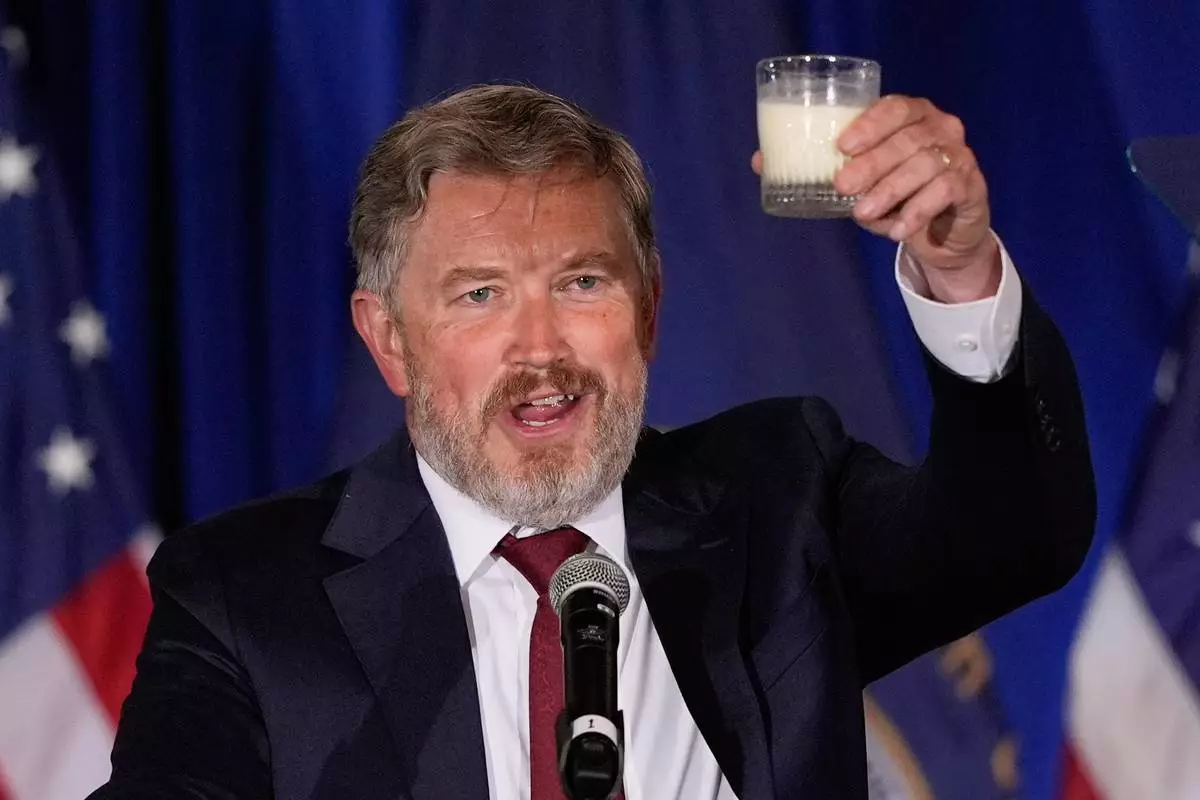
Rep. Thomas Massie, R-Ky., holds a drink as he speaks during an election night watch party after losing the Republican party's nomination at the Marriott Cincinnati Airport, Tuesday, May 19, 2026, in Hebron, Ky. (AP Photo/Carolyn Kaster)
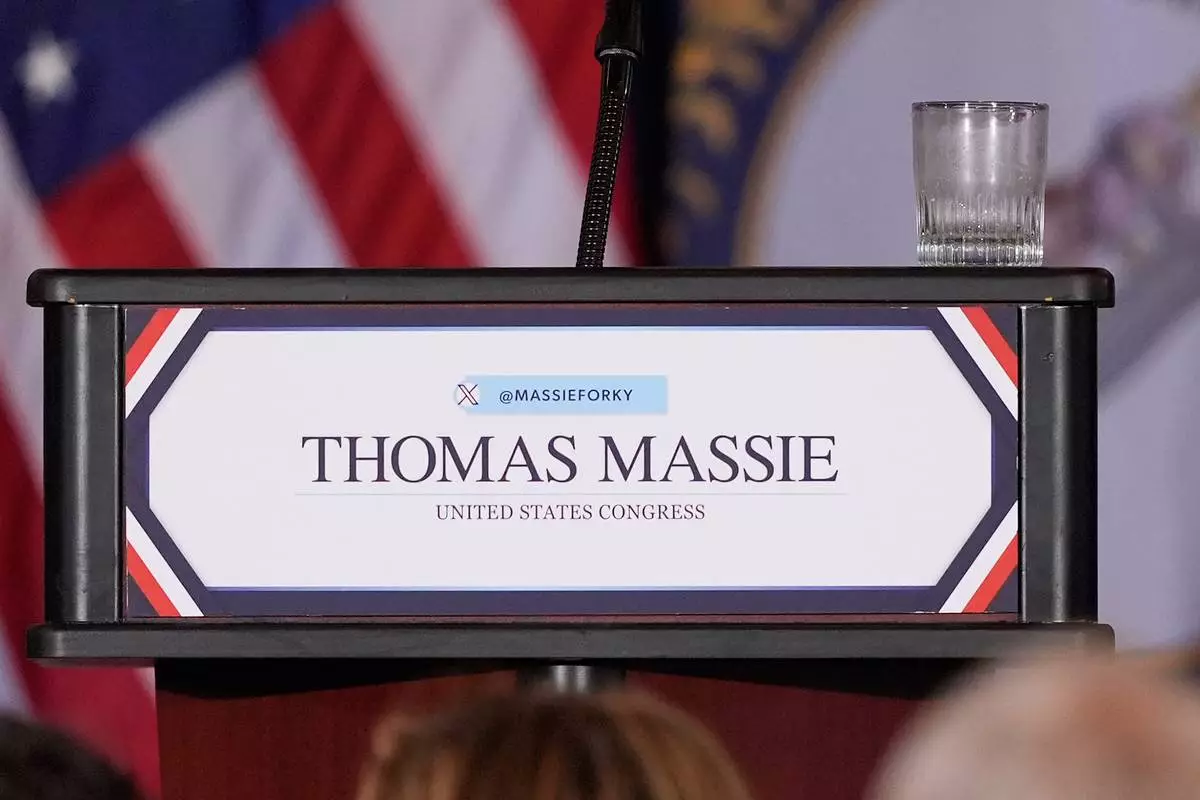
An empty glass is seen after Rep. Thomas Massie, R-Ky., spoke during an election night watch party after losing the Republican party's nomination at the Marriott Cincinnati Airport, Tuesday, May 19, 2026, in Hebron, Ky. (AP Photo/Carolyn Kaster)
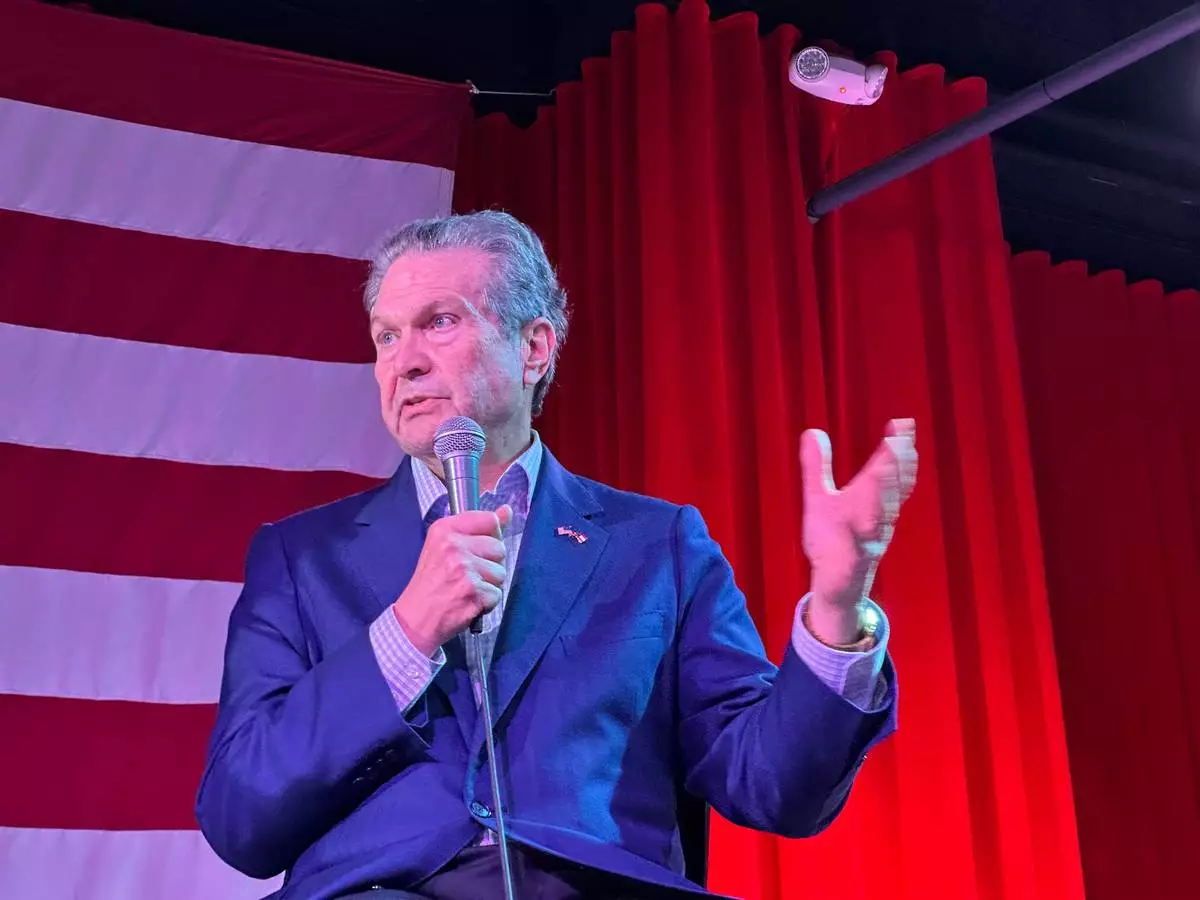
Georgia gubernatorial candidate Rick Jackson speaks to the Atlanta Young Republicans in Atlanta Thursday, May 7, 2026 (AP Photo/Jeff Amy)
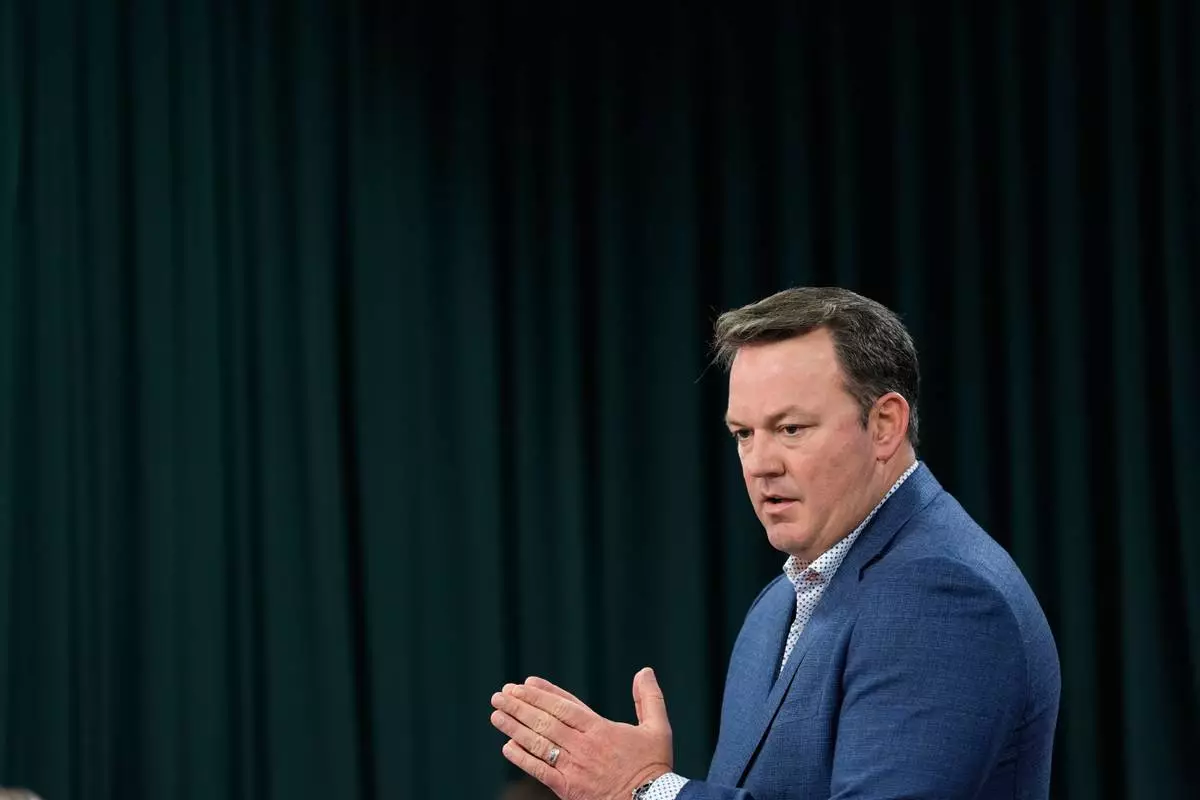
Georgia Republican candidate for governor Burt Jones speaks to supporters Tuesday, May 12, 2026, in Smyrna, Ga. (AP Photo/Brynn Anderson)

Republican congressional candidate for Kentucky, Ed Gallrein, stands for a portrait during the Kenton County Republican Party Lincoln Day Dinner, Thursday, April 30, 2026, in Covington, Ky. (AP Photo/Jon Cherry)

Rep. Thomas Massie, R-KY, sits at a table alone in the studio ahead of a Kentucky Educational Television (KET) debate, Monday, May 4, 2026, in Lexington, Ky. (AP Photo/Jon Cherry)

President Donald Trump gestures to reporters as he walks across the South Lawn of the White House, Friday, May 15, 2026, in Washington, on return from Beijing where he met with China's President Xi Jinping. (AP Photo/Jacquelyn Martin)