Secretary for Health calls on Hong Kong and Macao Affairs Office of State Council and National Medical Products Administration
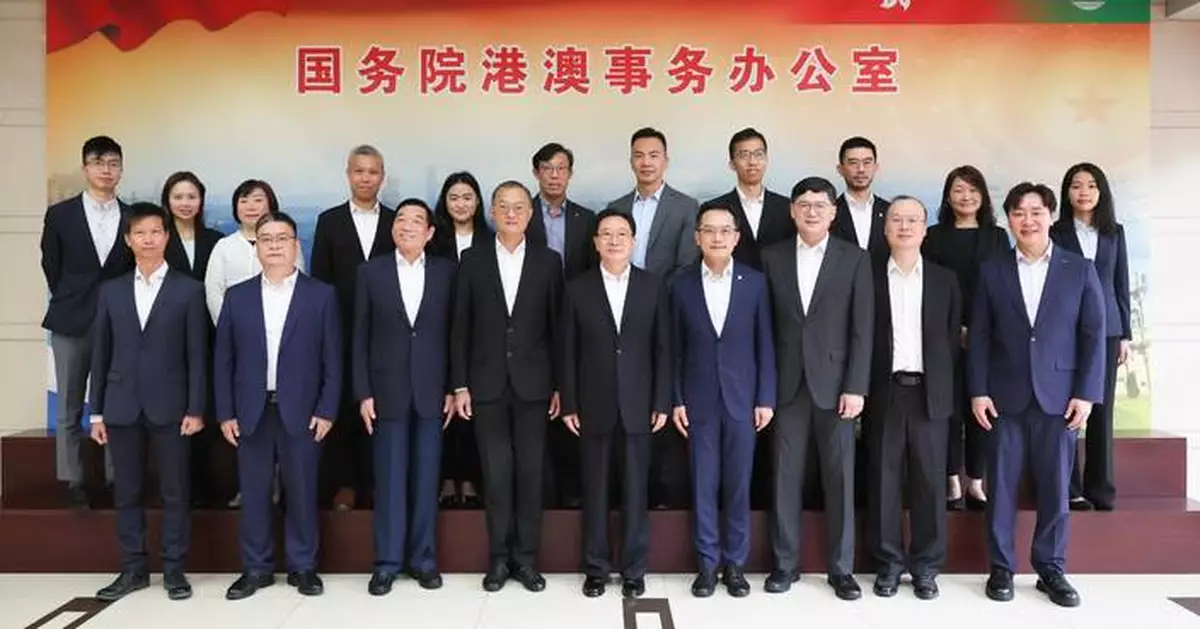
The Secretary for Health, Professor Lo Chung-mau, and his delegation conducted the last day of their visit to Beijing today (September 27), and called on the Hong Kong and Macao Affairs Office of the State Council (HKMAO) and the National Medical Products Administration (NMPA).
The delegation called on the Executive Deputy Director of the HKMAO of the State Council, Mr Zhou Ji, this morning. Professor Lo expressed gratitude to the HKMAO for its continuous support and trust in the work of the Health Bureau (HHB), and introduced to Mr Zhou the latest developments of various healthcare reform initiatives in Hong Kong, including the initial achievements in the area of health and medical innovation.
Professor Lo said, "The Third Plenary Session of the 20th Central Committee of the Communist Party of China (CPC Central Committee) adopted the Resolution of the CPC Central Committee on Further Deepening Reform Comprehensively to Advance Chinese Modernization, and Deepening the Medical and Health System Reform was identified as one of the key tasks. It is essential for Hong Kong to press ahead with reform and innovation in the healthcare system to cater for the mounting service demand of society posed by an ageing population.
"The HHB will stay committed to implementing the spirit of the Third Plenary Session of the 20th CPC Central Committee and reform the healthcare system in a progressive manner. We have been progressively implementing the Primary Healthcare Blueprint and developing new healthcare services and management models to promote primary healthcare development on all fronts. We have enhanced the mechanism of healthcare professional training and created new pathways for admitting non-locally trained healthcare personnel to practise in Hong Kong so as to strengthen the healthcare manpower supply, and made every effort to formulate the Chinese Medicine Development Blueprint in collaboration with the Chinese medicine sector to promote the inheritance and innovation of Chinese medicine, etc. At the same time, we will give full play to the medical strengths of Hong Kong and complement the advantages of other cities in the Guangdong-Hong Kong-Macao Greater Bay Area (GBA) to vigorously develop new quality productive forces in biomedicine according to local conditions, with a view to developing Hong Kong into an international health and medical innovation hub."
"The HHB will adhere to the objectives of 'Government dominating; be bold and committed; improving the healthcare system; caring for all patients; be creative and innovative; leading the GBA; seeking common ground while allowing differences; and winning mutually in the reforms', and make breakthroughs and changes through an innovative mindset, so as to build a 'Healthy Hong Kong' for integration into the nation's 'Healthy China'," he emphasised.
Professor Lo and his delegation then met with Deputy Commissioner of the NMPA Mr Zhao Junning to exchange views on fostering closer collaboration between the Mainland and Hong Kong in key areas such as the regulatory and approval of drugs and medical devices, cross-boundary clinical trials, and real-world data research.
Professor Lo highlighted the efforts to develop Hong Kong into an international health and medical innovation hub, and establish an authority that registers drugs and medical devices under the "primary evaluation" approach in the long run.
He said, "The Hong Kong Special Administrative Region (HKSAR) Government will leverage the city's medical strengths in a more proactive and efficient manner. The Greater Bay Area International Clinical Trial Institute established by the HHB in the Hong Kong Park of the Hetao Shenzhen-Hong Kong Science and Technology Innovation Co-operation Zone and the Greater Bay Area International Clinical Trial Centre in the Shenzhen Park will jointly set up a regional clinical trial collaboration platform leveraging the GBA population base of over 86 million, with a view to attracting more local, Mainland and overseas pharmaceutical and medical device enterprises to conduct research and development (R&D) as well as clinical trials in Hong Kong, and build up the capacity, recognition and status to ensure that the eventual approval mechanism of drugs and medical devices in Hong Kong would be widely recognised internationally and by the Mainland.
The HKSAR Government implemented the new "1+" mechanism for approval of new drugs ("1+" mechanism) on November 1 last year. Since the implementation of the "1+" mechanism, the Department of Health (DH) has received over 250 enquiries from more than 70 pharmaceutical companies, including many overseas and Mainland pharmaceutical companies, and has approved five new drug applications under this mechanism, bringing new hope to patients. The "1+" mechanism has effectively accelerated the R&D and registration and approval of innovative drugs and medical devices in Hong Kong, bringing the benefits of good drugs and R&D to Hong Kong patients. At the same time, the HKSAR Government established the Preparatory Office for the Hong Kong Centre for Medical Products Regulation (CMPR) under the DH on June 5 this year to comprehensively study and plan a regulatory and approval regime for drugs and medical devices suitable for Hong Kong, as well as put forward proposals and steps for the establishment of the CMPR.
Members of the delegation include the Director of Health, Dr Ronald Lam; Deputy Secretary for Health Mr Sam Hui; the Chairman of the Hospital Authority (HA), Mr Henry Fan; and the Chief Executive of the HA, Dr Tony Ko. They will return to Hong Kong tonight.
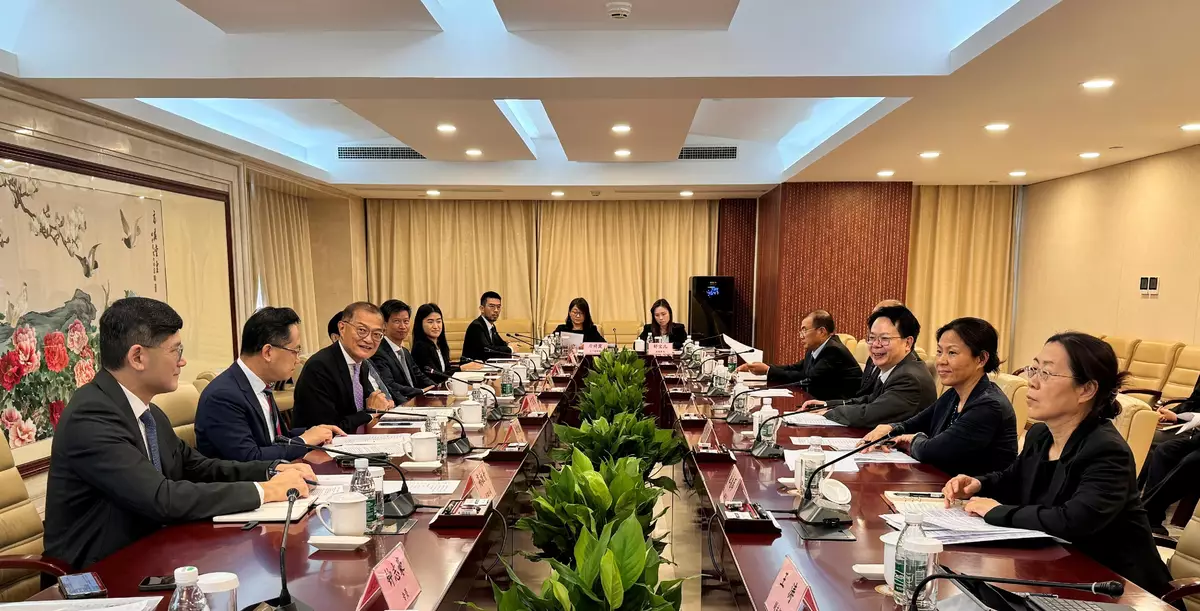
Secretary for Health calls on Hong Kong and Macao Affairs Office of State Council and National Medical Products Administration Source: HKSAR Government Press Releases
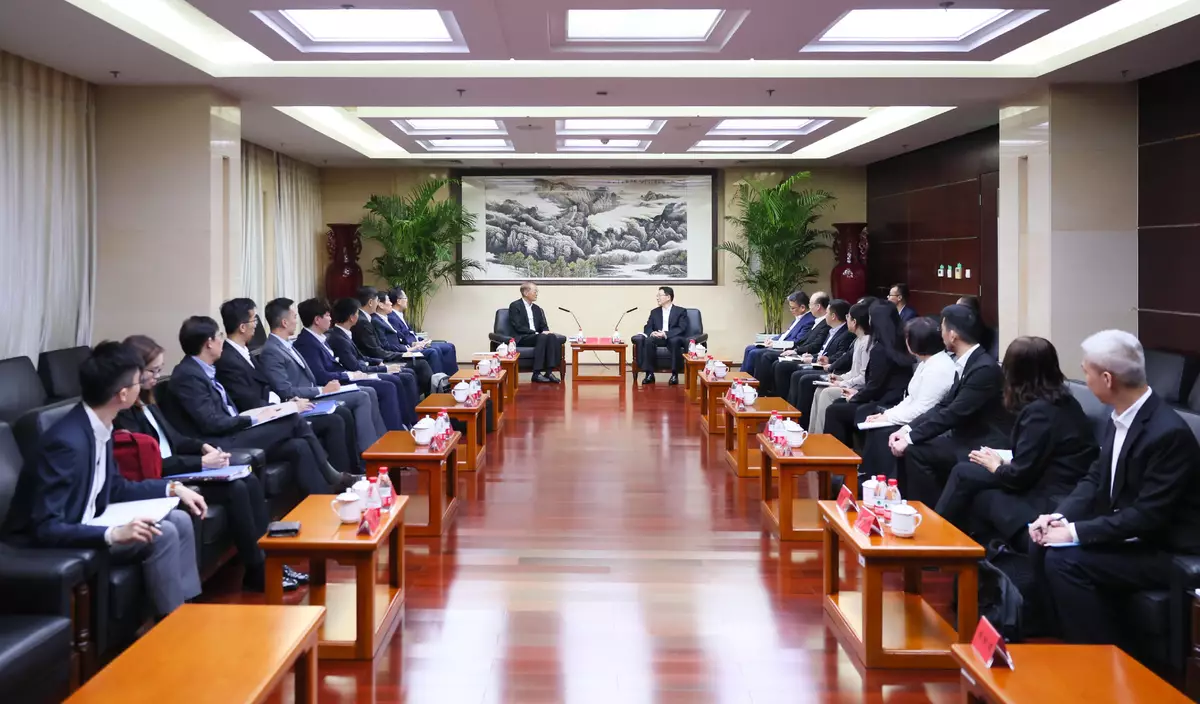
Secretary for Health calls on Hong Kong and Macao Affairs Office of State Council and National Medical Products Administration Source: HKSAR Government Press Releases
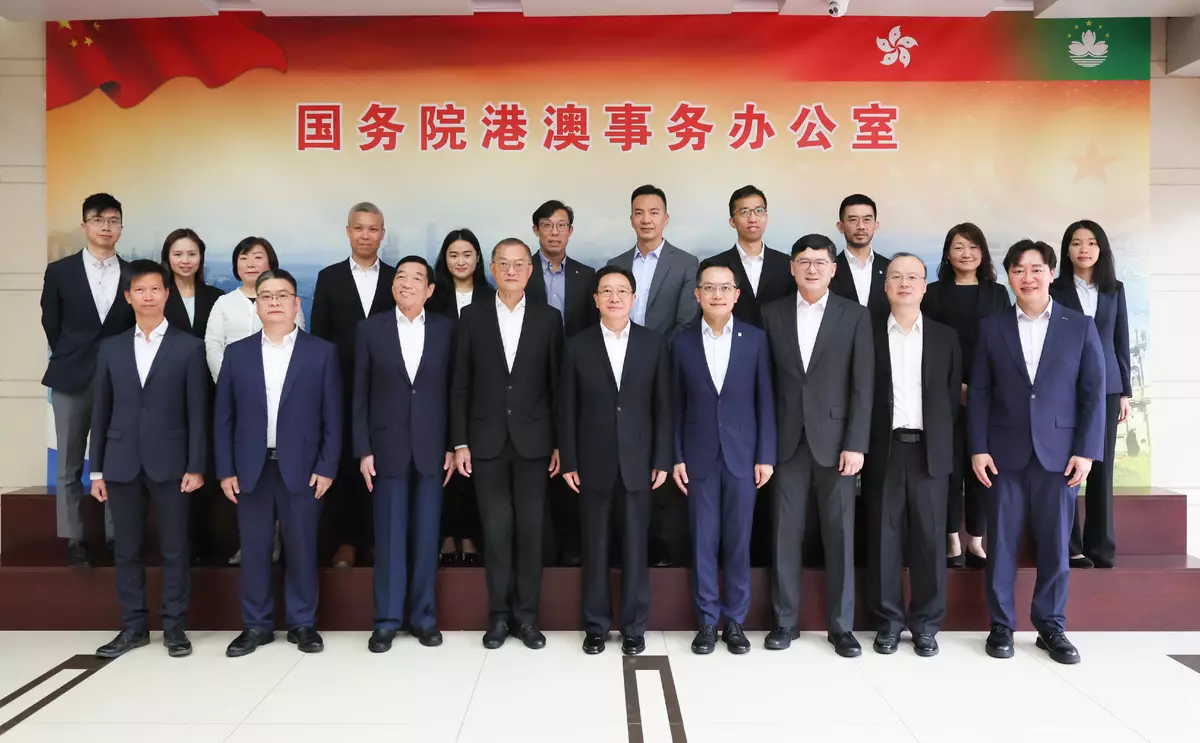
Secretary for Health calls on Hong Kong and Macao Affairs Office of State Council and National Medical Products Administration Source: HKSAR Government Press Releases
Update on mosquito-borne diseases, dengue fever and chikungunya fever
The Centre for Health Protection (CHP) of the Department of Health today (May 1) announced the latest situation regarding dengue fever (DF) and chikungunya fever (CF). As temperatures gradually rise and humidity increases, creating favourable conditions for mosquito breeding, members of the public are reminded to take appropriate measures to prevent mosquito bites and mosquito breeding, both in Hong Kong and when travelling to areas affected by mosquito-borne diseases, in order to prevent mosquito-borne diseases.
Dengue fever
----------------
From April 24 to yesterday (April 30), the CHP recorded one imported DF case. The patient had travelled to Vietnam during the incubation period.
Regarding the local DF case announced earlier, the CHP has conducted health assessments for approximately 700 individuals, including workers at the same construction site as the patient and residents of the same housing estate. None of them have exhibited any symptoms. The CHP has not received any reports of suspected DF cases epidemiologically linked to that local case.
Hong Kong has recorded 17 DF cases so far this year, including 16 imported cases and one local case. A total of 59 DF cases were recorded last year (2025), all of which were imported cases. In 2024, 161 DF cases were recorded, including 156 imported cases and five local cases.
According to the World Health Organization (WHO), the global incidence of DF has markedly increased over the past two decades, posing a substantial public health challenge. In 2024, the WHO recorded over 14 million cases, which was a record number. From January to July 2025, over 4 million cases and over 3 000 DF-related deaths were reported in 97 countries/territories.
DF is prevalent in many neighbouring tourist destinations. In 2025, Indonesia, India and Vietnam each recorded over 120 000 cases; Malaysia and Thailand each recorded over 50 000 cases; and Singapore recorded over 4 000 cases. Meanwhile, as of April 19, the Guangdong Provincial Center for Disease Control and Prevention recorded 69 cases in Guangdong Province this year, including four locally infected cases. Guangdong Province recorded over 3 500 locally infected cases in 2025.
Detailed information on the latest DF situation in Hong Kong, as well as neighbouring and overseas countries and areas, has been uploaded to the CHP'swebsite.
Chikungunya fever
-----------------------
From April 24 to yesterday, no new cases of CF had been recorded. Hong Kong has recorded two confirmed CF cases so far this year, both of which were imported cases. Hong Kong recorded a total of 82 confirmed CF cases last year. Among them, 11 were local cases, and the rest were imported cases.
Since the beginning of 2025, and as of December 10, 2025, a total of 502 264 CF cases and 186 CF-related deaths have been reported in over 40 countries/territories. Cases have been reported in the Americas, Africa, Asia, and Europe. Meanwhile, as of April 19, the Guangdong Provincial Center for Disease Control and Prevention recorded three cases in Guangdong Province this year, including one locally infected case.
Preventive measures to be taken by the public
----------------------------------------------------
According to the latest surveillance data from the Food and Environmental Hygiene Department (FEHD), the mosquito infestations in Hong Kong worsened in April. In addition, the average temperature and rainfall in April this year were higher than those of the same period last year, creating favourable conditions for mosquito growth and breeding. Therefore, the CHP reminded members of the public to maintain good environmental hygiene, and to take appropriate measures to prevent mosquito bites and mosquito breeding, both in Hong Kong and when travelling to areas affected by mosquito-borne diseases, in order to prevent mosquito-borne diseases.
Mosquito-borne diseases such as DF and CF are endemic in various countries worldwide. The risk of importation persists. Members of the public should check the situation at their destinations before travelling abroad, especially when travelling to Southeast Asian countries. Additionally, whether traveling or not, members of the public should use DEET-containing insect repellents or other effective active ingredients properly to prevent mosquito bites, but the following precautions should be taken when using them:
 read the label instructions carefully first;
apply right before entering an area with a risk of mosquito bites;
apply on exposed skin and clothing;
use DEET of up to 30 per cent for pregnant women and up to 10 per cent for children (for children who travel to countries or areas where mosquito-borne diseases are endemic or epidemic, and where exposure is likely, those aged 2 months or above can use DEET-containing insect repellents with a DEET concentration of up to 30 per cent);
apply sunscreen first, then insect repellent;
reapply only when needed and follow the instructions; and
in addition to DEET, there are other insect repellents available on the market containing different active ingredients, such as IR3535 and picaridin. When using any insect repellent, the public should follow the usage instructions and precautions on the product label.
read the label instructions carefully first;
apply right before entering an area with a risk of mosquito bites;
apply on exposed skin and clothing;
use DEET of up to 30 per cent for pregnant women and up to 10 per cent for children (for children who travel to countries or areas where mosquito-borne diseases are endemic or epidemic, and where exposure is likely, those aged 2 months or above can use DEET-containing insect repellents with a DEET concentration of up to 30 per cent);
apply sunscreen first, then insect repellent;
reapply only when needed and follow the instructions; and
in addition to DEET, there are other insect repellents available on the market containing different active ingredients, such as IR3535 and picaridin. When using any insect repellent, the public should follow the usage instructions and precautions on the product label.
The FEHD also appeals to members of the public to continue to stay alert and work together to carry out mosquito prevention and control measures early, including inspecting their homes and surroundings to remove potential breeding grounds, changing water in vases and scrubbing their inner surfaces, removing water in saucers under potted plants at least once a week, and properly disposing of containers such as empty cans and lunch boxes. The FEHD also advises members of the public and property management agencies to keep drains free of blockage and level all defective ground surfaces to prevent the accumulation of water. They should also scrub all drains and surface sewers with an alkaline detergent at least once a week to remove any mosquito eggs.
The public should call 1823 in case of mosquito problems, and may visit the following pages for more information: the CF page of theCHPand theTravel Health Service, the latestTravel Health News,tips for using insect repellents, and the CHPFacebook Page,Instagram AccountandYouTube Channel, and also theMosquito Prevention and Control dedicated pageof the FEHD.
Source: AI-found images