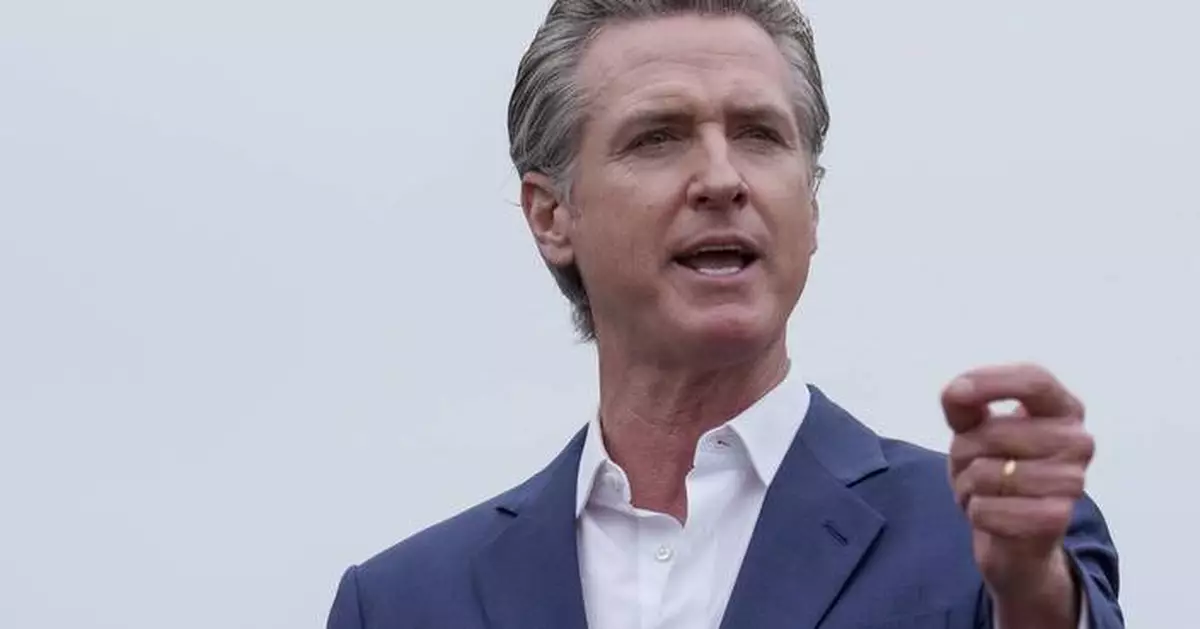
SACRAMENTO, Calif. (AP) — Gov. Gavin Newsom vetoed a bill Saturday that would have required new cars to beep at drivers if they exceed the speed limit.
California would have become the first to require such systems for all new cars, trucks and buses sold in the state starting in 2030. The bill, aimed at reducing traffic deaths, would have mandated that vehicles beep at drivers when they exceed the speed limit by at least 10 mph (16kph).
The European Union has passed similar legislation to encourage drivers to slow down. California's proposal would have provided exceptions for emergency vehicles, motorcycles and motorized scooters.
In explaining his veto, Newsom said federal law already dictates vehicle safety standards and adding California-specific requirements would create a patchwork of regulations.
The National Highway Traffic Safety “is also actively evaluating intelligent speed assistance systems, and imposing state-level mandates at this time risks disrupting these ongoing federal assessments,” the Democratic governor said.
Opponents, including automotive groups and the state Chamber of Commerce, said such regulations should be decided by the federal government, which earlier this year established new requirements for automatic emergency braking to curb traffic deaths. Republican lawmakers also said the proposal could make cars more expensive and distract drivers.
The legislation would have likely impacted all new car sales in the U.S., since the California market is so large that car manufacturers would likely just make all of their vehicles comply.
California often throws that weight around to influence national and even international policy. The state has set its own emission standards for cars for decades, rules that more than a dozen other states have also adopted. And when California announced it would eventually ban the sale of new gas-powered cars, major automakers soon followed with their own announcement to phase out fossil-fuel vehicles.
The speeding alert technology, known as intelligent speed assistance, uses GPS to compare a vehicle’s pace with a dataset of posted limits. If the car is at least 10 mph (16 kph) over, the system emits a single, brief, visual and audio alert.
The proposal would have required the state to maintain a list of posted speed limits, and it’s likely that those would not include local roads or recent changes in speed limits, resulting in conflicts.
The technology has been used in the U.S. and Europe for years. Starting in July, the European Union will require all new cars to have the technology, although drivers would be able to turn it off. At least 18 manufacturers including Ford, BMW, Mercedes-Benz and Nissan, have already offered some form of speed limiters on some models sold in America, according to the National Transportation Safety Board.
The National Highway and Traffic Safety Administration estimates that 10% of all car crashes reported to police in 2021 were related to speeding. This was especially a problem in California, where 35% of traffic fatalities were speeding-related — the second highest in the country, according to a legislative analysis of the proposal.
Last year the NTSB recommended federal regulators require all new cars to alert drivers when they speed. Their recommendation came after a crash in January 2022, when a man with a history of speeding violations ran a red light at more than 100 mph (161 kph) and struck a minivan, killing himself and eight other people.
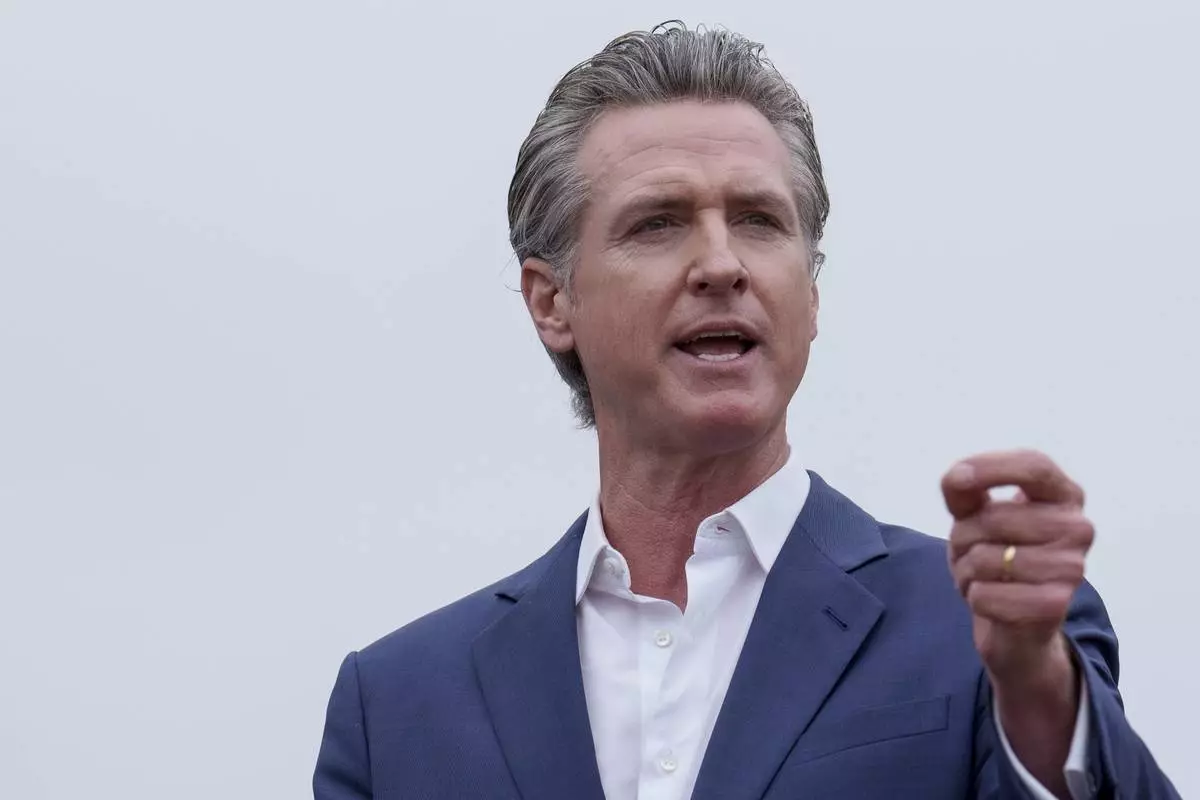
FILE - California Gov. Gavin Newsom speaks during a press conference in Los Angeles, Wednesday, Sept. 25, 2024. (AP Photo/Eric Thayer, File)
MINNEAPOLIS (AP) — Federal agents carrying out immigration arrests in Minnesota's Twin Cities region already shaken by the fatal shooting of a woman rammed the door of one home Sunday and pushed their way inside, part of what the Department of Homeland Security has called its largest enforcement operation ever.
In a dramatic scene similar to those playing out across Minneapolis, agents captured a man in the home just minutes after pepper spraying protesters outside who had confronted the heavily armed federal agents. Along the residential street, protesters honked car horns, banged on drums and blew whistles in attempts to disrupt the operation.
Video of the clash taken by The Associated Press showed some agents pushing back protesters while a distraught woman later emerged from the house with a document that federal agents presented to arrest the man. Signed by an immigration officer, the document — unlike a warrant signed by a judge — does not authorize forced entry into a private residence. A warrant signed by an immigration officer only authorizes arrest in a public area.
Immigrant advocacy groups have conducted extensive “know-your-rights” campaigns urging people not to open their doors unless agents have a court order signed by a judge.
But within minutes of ramming the door in a neighborhood filled with single-family homes, the handcuffed man was led away.
More than 2,000 immigration arrests have been made in Minnesota since the enforcement operation began at the beginning of December, said Homeland Security spokesperson Tricia McLaughlin.
Homeland Security Secretary Kristi Noem told Fox News on Sunday that the administration would send additional federal agents to Minnesota to protect immigration officers and continue enforcement.
The Twin Cities — the latest target in President Donald Trump’s immigration enforcement campaign — is bracing for what is next after 37-year-old Renee Good was shot and killed by an immigration officer on Wednesday.
“We’re seeing a lot of immigration enforcement across Minneapolis and across the state, federal agents just swarming around our neighborhoods,” said Jason Chavez, a Minneapolis city councilmember. “They’ve definitely been out here.”
Chavez, the son of Mexican immigrants who represents an area with a growing immigrant population, said he is closely monitoring information from chat groups about where residents are seeing agents operating.
People holding whistles positioned themselves in freezing temperatures on street corners Sunday in the neighborhood where Good was killed, watching for any signs of federal agents.
More than 20,000 people have taken part in a variety of trainings to become “observers” of enforcement activities in Minnesota since the 2024 election, said Luis Argueta, a spokesperson for Unidos MN, a local human rights organization .
“It’s a role that people choose to take on voluntarily, because they choose to look out for their neighbors,” Argueta said.
The protests have been largely peaceful, but residents remained anxious. On Monday, Minneapolis public schools will start offering remote learning for the next month in response to concerns that children might feel unsafe venturing out while tensions remain high.
Many schools closed last week after Good’s shooting and the upheaval that followed.
While the enforcement activity continues, two of the state’s leading Democrats said that the investigation into Good's shooting death should not be overseen solely by the federal government.
Minneapolis Mayor Jacob Frey and U.S. Sen. Tina Smith said in separate interviews Sunday that state authorities should be included in the investigation because the federal government has already made clear what it believes happened.
“How can we trust the federal government to do an objective, unbiased investigation, without prejudice, when at the beginning of that investigation they have already announced exactly what they saw — what they think happened," Smith said on ABC’s "This Week."
The Trump administration has defended the officer who shot Good in her car, saying he was protecting himself and fellow agents and that Good had “weaponized” her vehicle.
Todd Lyons, acting director of U.S. Immigration and Customs Enforcement, defended the officer on Fox News Channel’s “The Sunday Briefing.”
"That law enforcement officer had milliseconds, if not short time to make a decision to save his life and his other fellow agents,” he said.
Lyons also said the administration’s enforcement operations in Minnesota wouldn't be needed “if local jurisdictions worked with us to turn over these criminally illegal aliens once they are already considered a public safety threat by the locals.”
The killing of Good by an ICE officer and the shooting of two people by federal agents in Portland, Oregon, led to dozens of protests in cities across the country over the weekend, including New York, Los Angeles, Washington D.C. and Oakland, California.
Contributing were Associated Press journalists Giovanna Dell’Orto in Minneapolis; Thomas Strong in Washington; Bill Barrow in Atlanta; Christopher Weber in Los Angeles; and John Seewer in Toledo, Ohio.
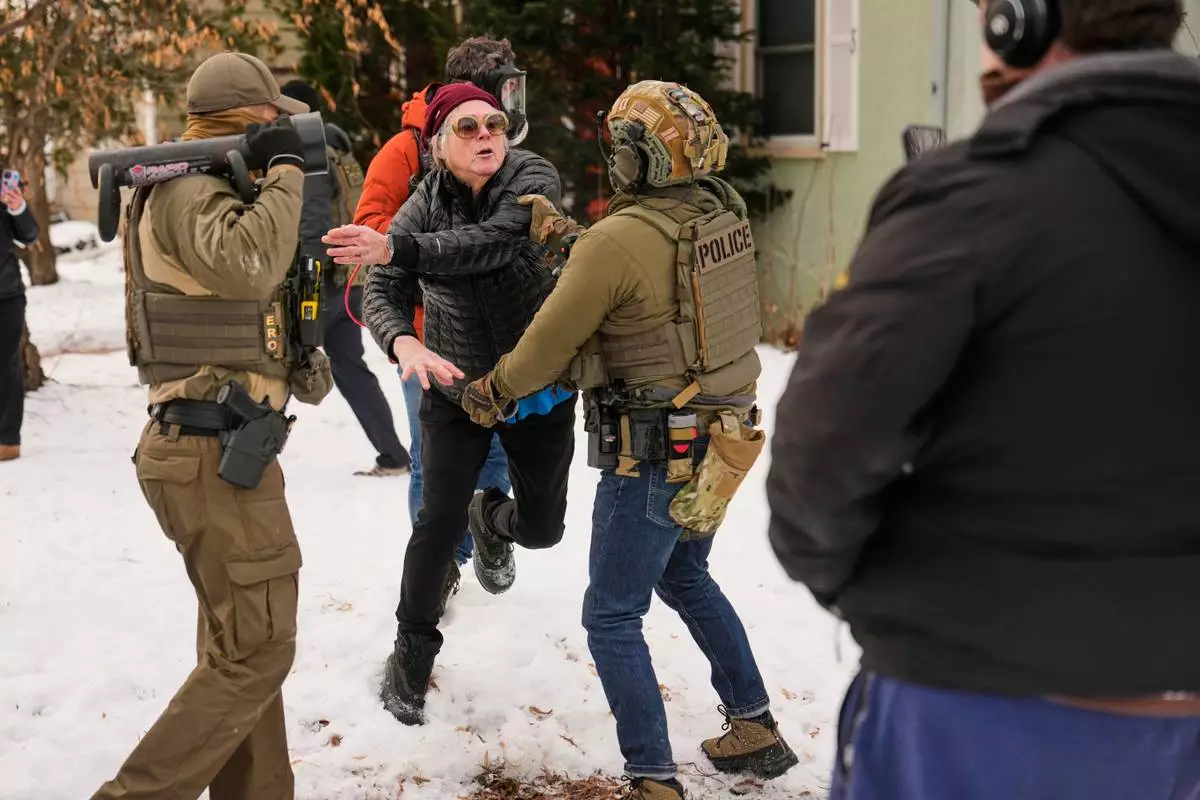
A woman gets into an altercation with a federal immigration officer as officers make an arrest Sunday, Jan. 11, 2026, in Minneapolis. (AP Photo/John Locher)
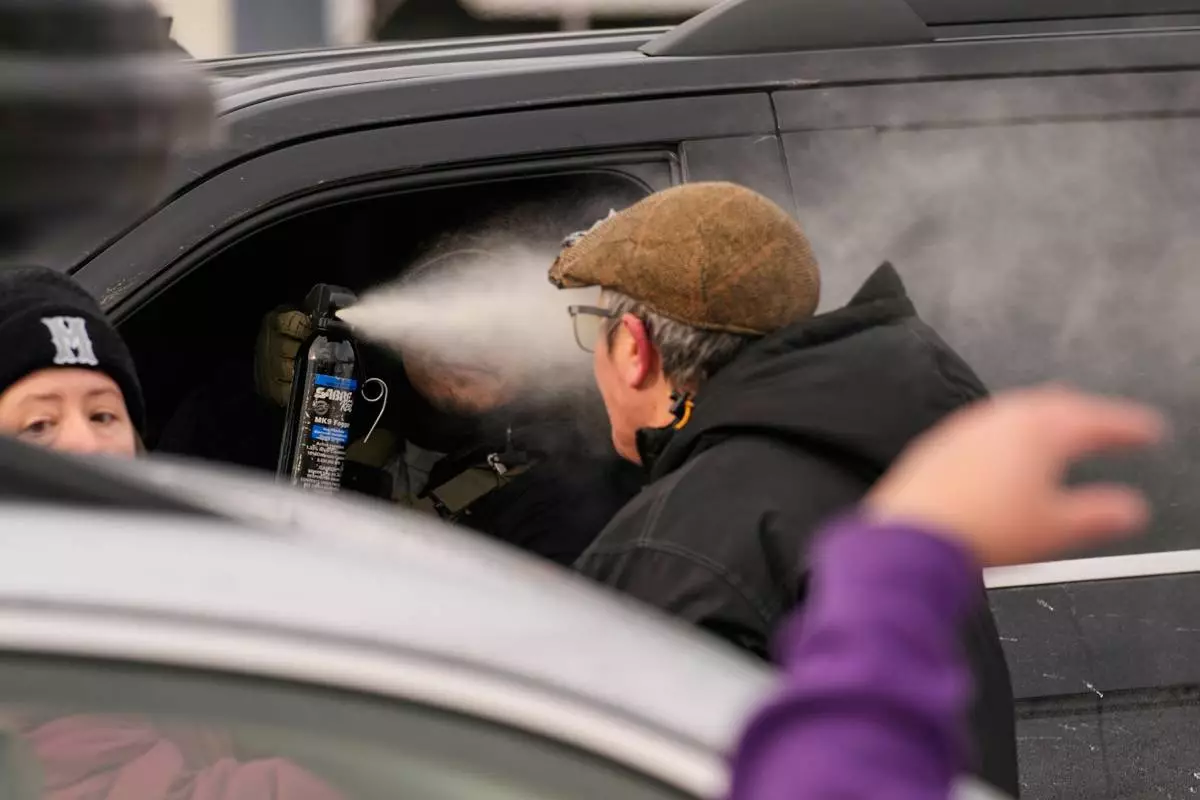
A federal immigration officer deploys pepper spray as officers make an arrest Sunday, Jan. 11, 2026, in Minneapolis. (AP Photo/John Locher)
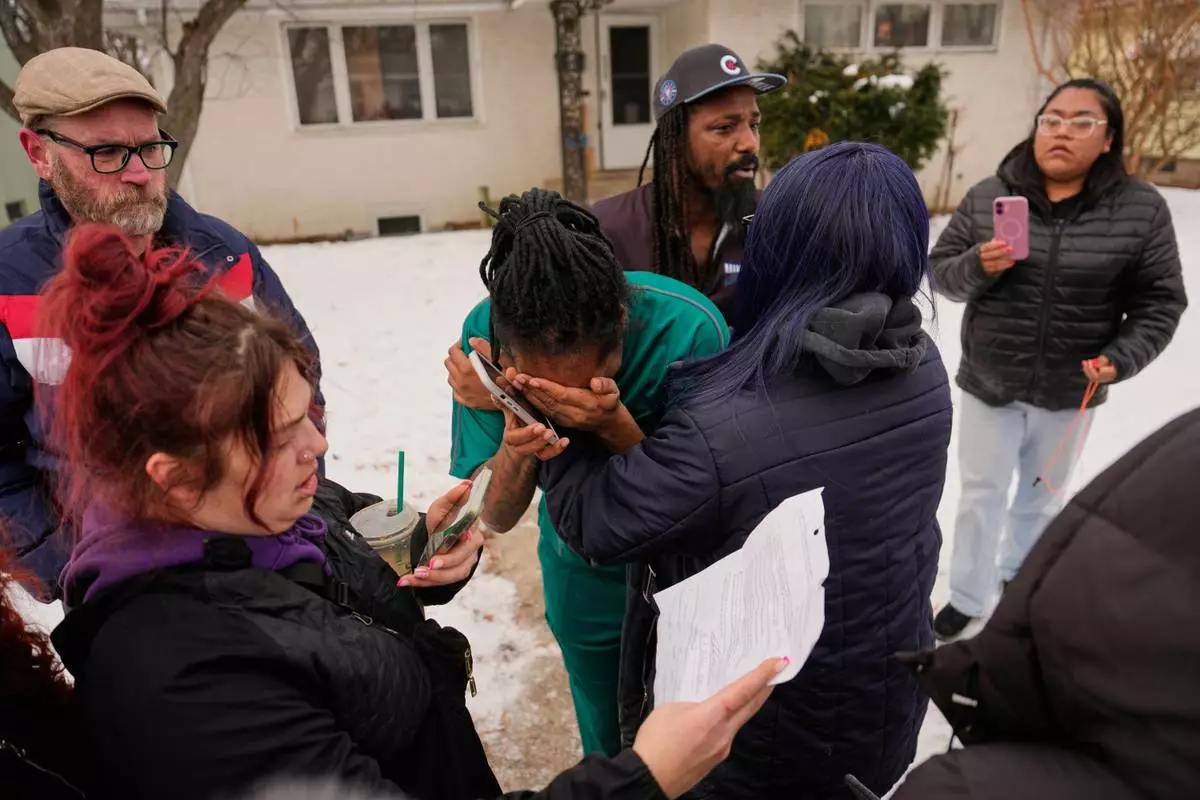
A family member, center, reacts after federal immigration officers make an arrest Sunday, Jan. 11, 2026, in Minneapolis. (AP Photo/John Locher)
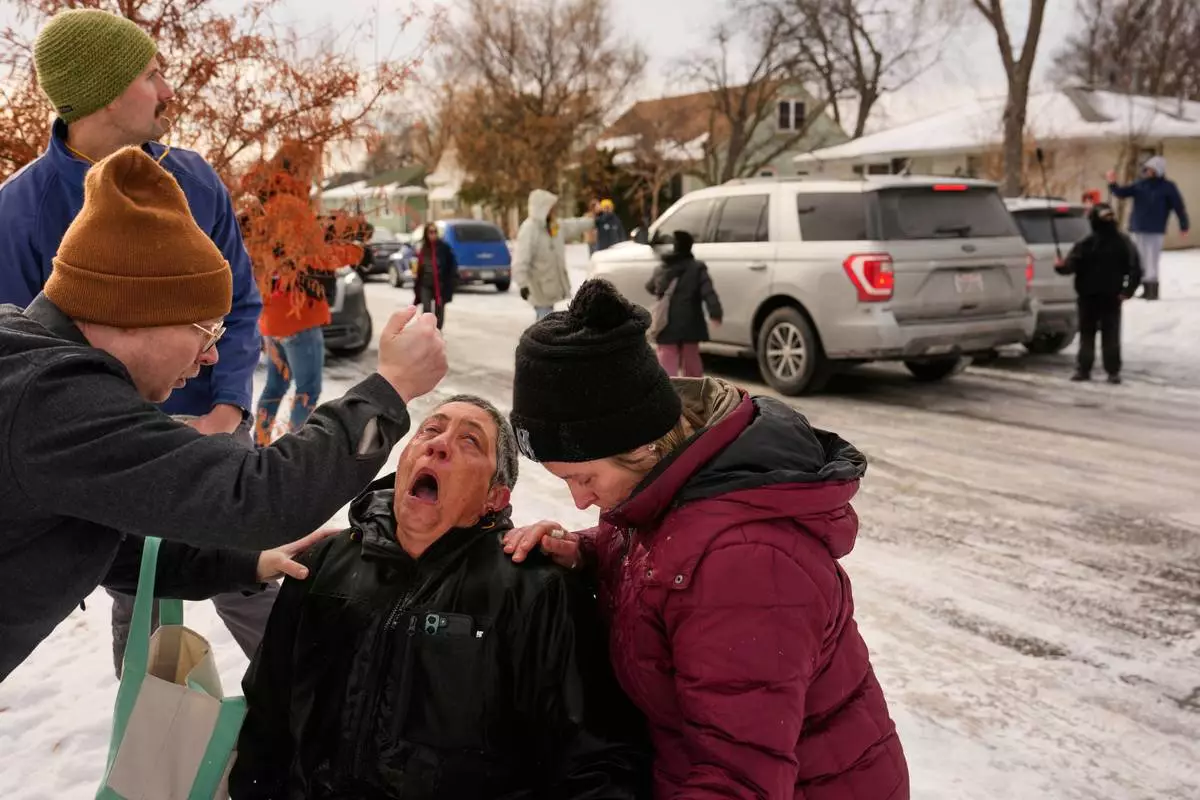
Bystanders are treated after being pepper sprayed as federal immigration officers make an arrest Sunday, Jan. 11, 2026, in Minneapolis. (AP Photo/John Locher)
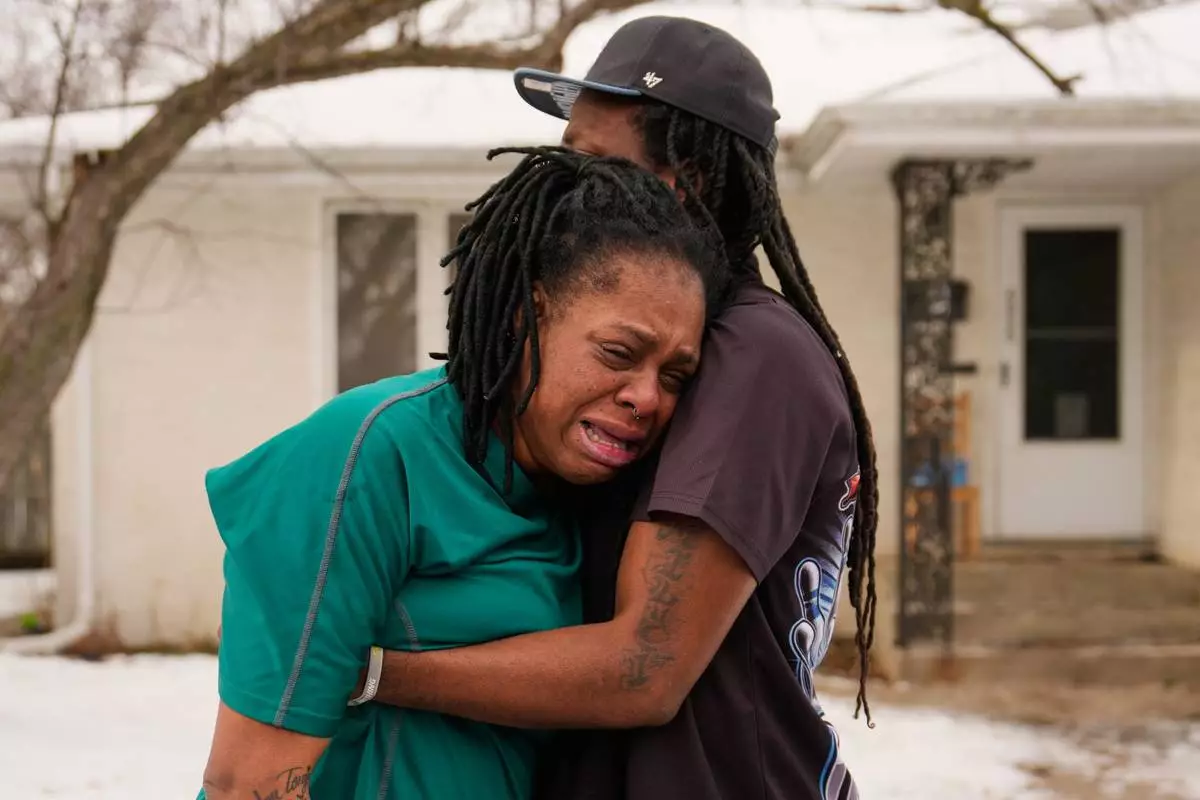
A family member reacts after federal immigration officers make an arrest Sunday, Jan. 11, 2026, in Minneapolis. (AP Photo/John Locher)
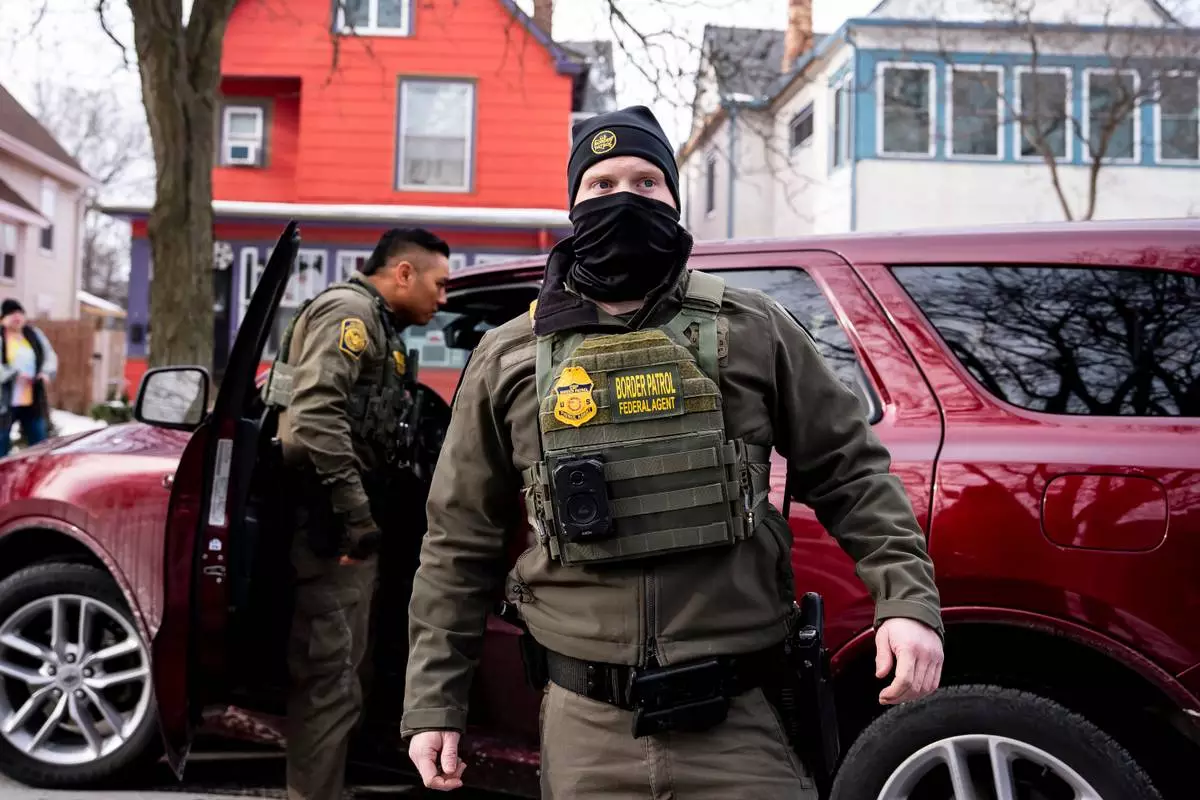
Federal agents look on after detaining a person during a patrol in Minneapolis, Minn., Sunday, Jan. 11, 2026. (Christopher Katsarov/The Canadian Press via AP)
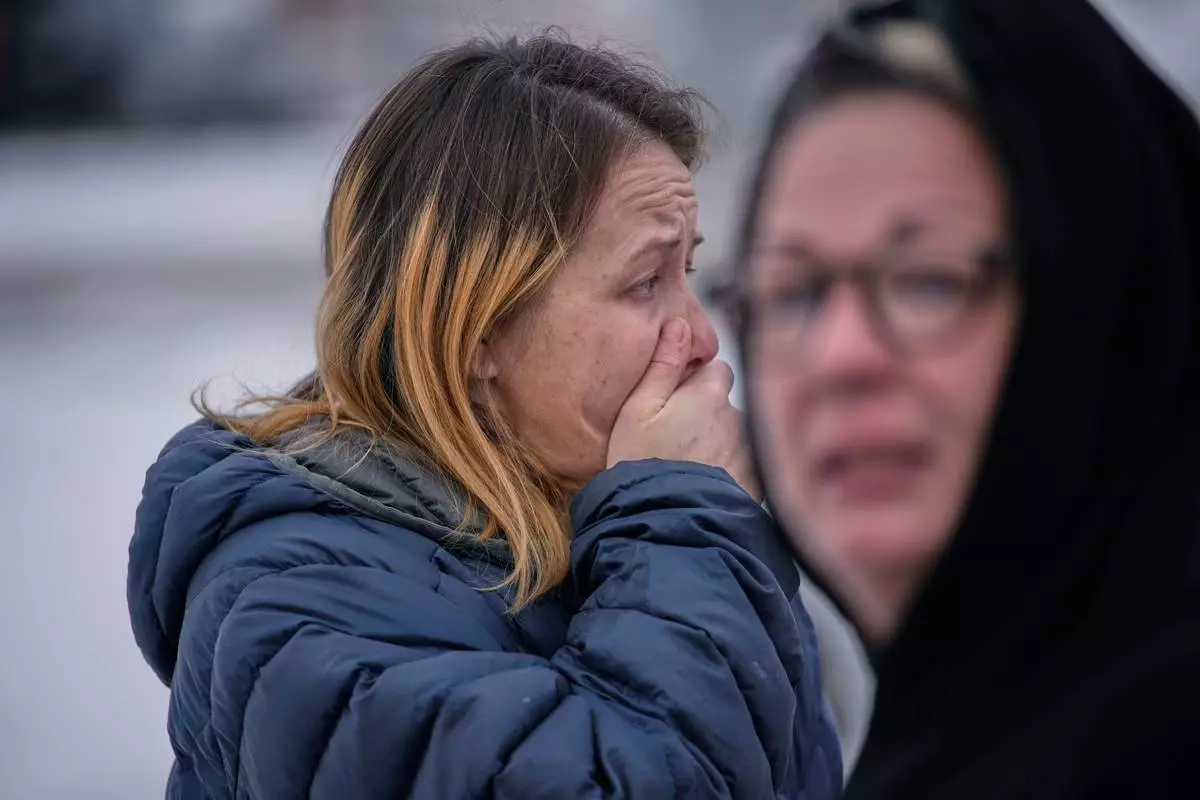
Bystanders react after a man was detained by Immigration and Customs Enforcement (ICE) agents during a traffic stop, Sunday, Jan. 11, 2026, in Robbinsdale, Minn. (AP Photo/John Locher)
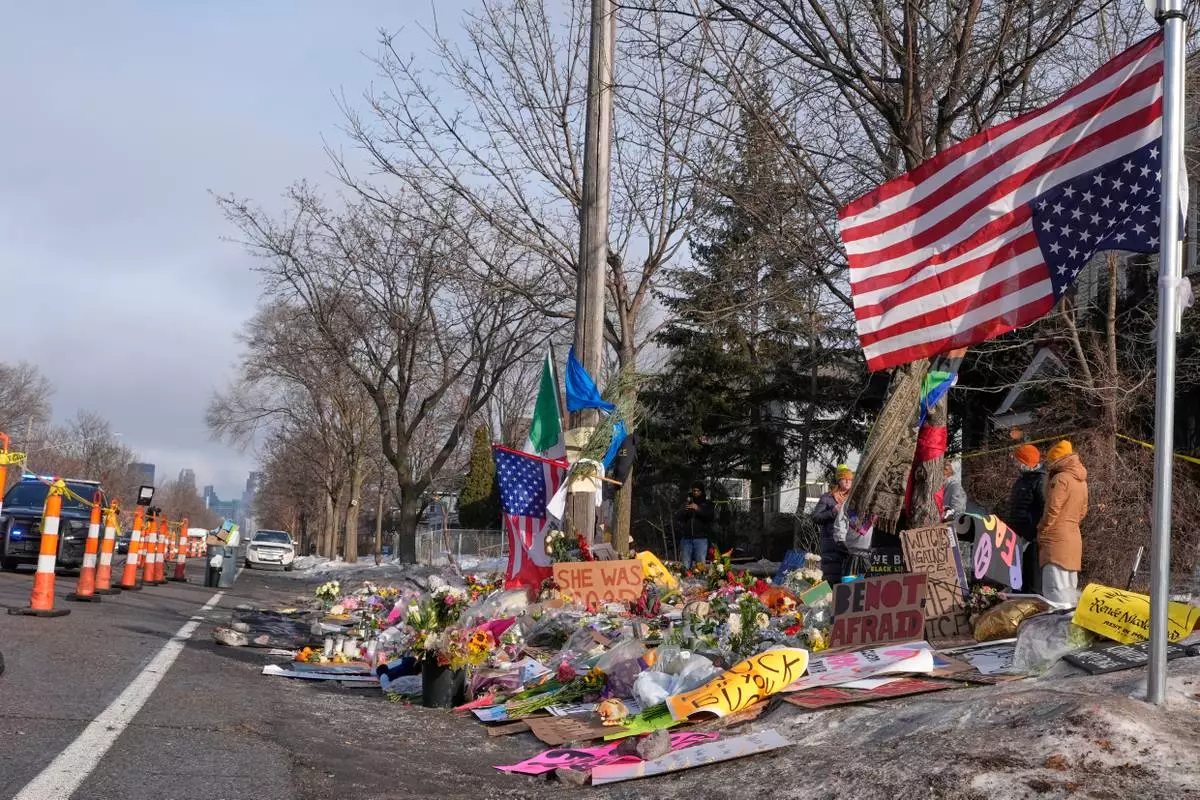
People stand near a memorial at the site where Renee Good was fatally shot by an ICE agent, Sunday, Jan. 11, 2026, in Minneapolis. (AP Photo/Jen Golbeck)
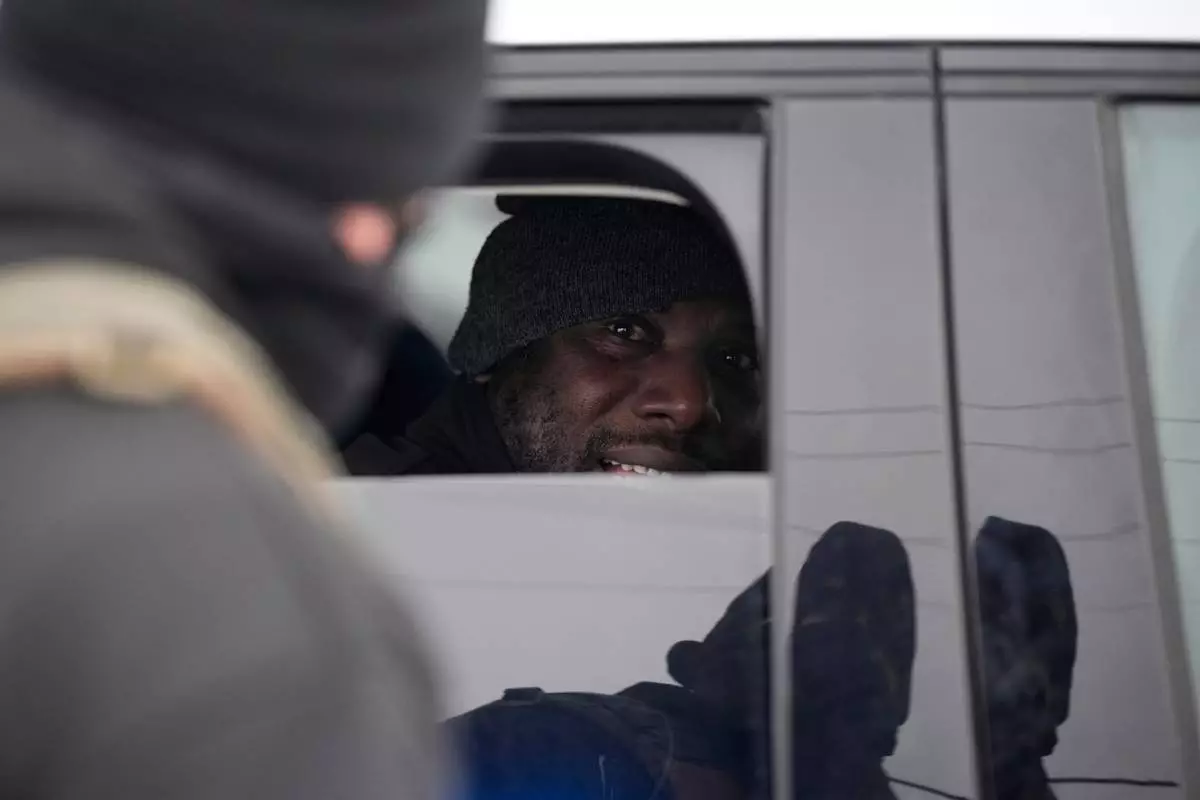
A man looks out of a car window after being detained by Immigration and Customs Enforcement (ICE) agents during a traffic stop, Sunday, Jan. 11, 2026, in Robbinsdale, Minn. (AP Photo/John Locher)
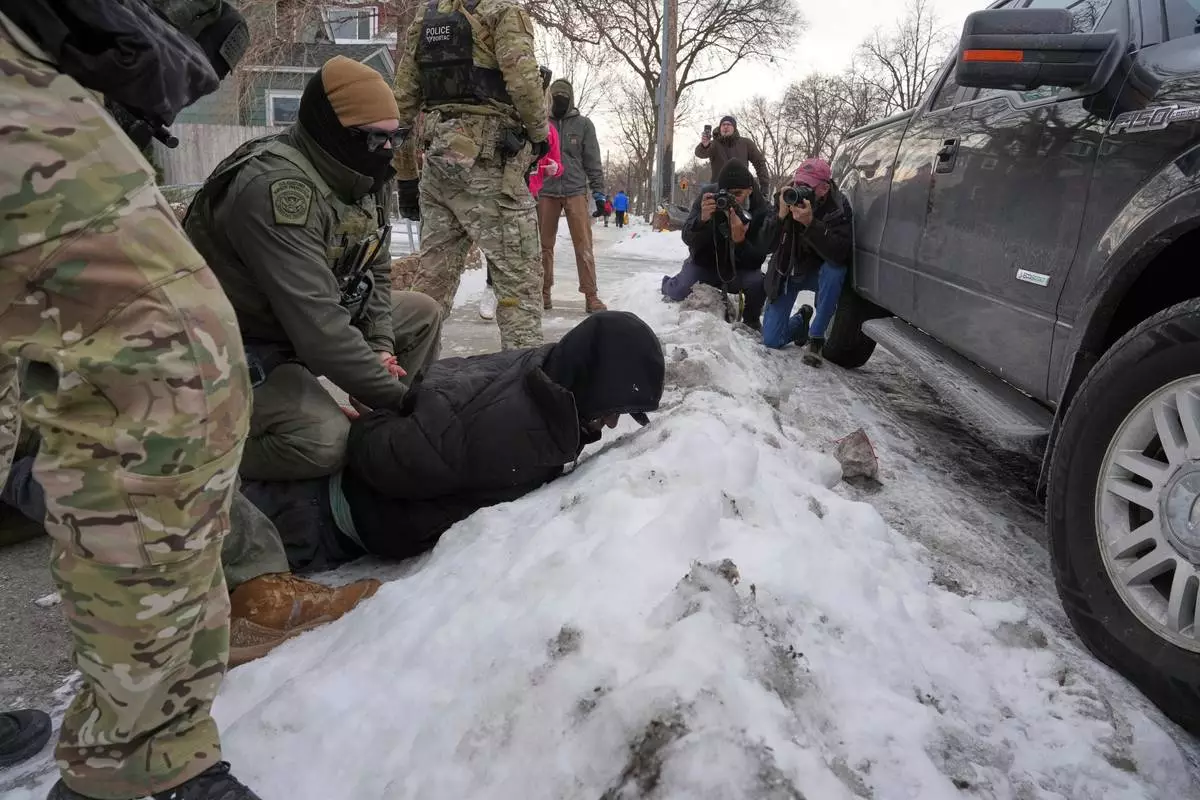
Border Patrol agents detain a man, Sunday, Jan. 11, 2026, in Minneapolis. (AP Photo/Adam Gray)
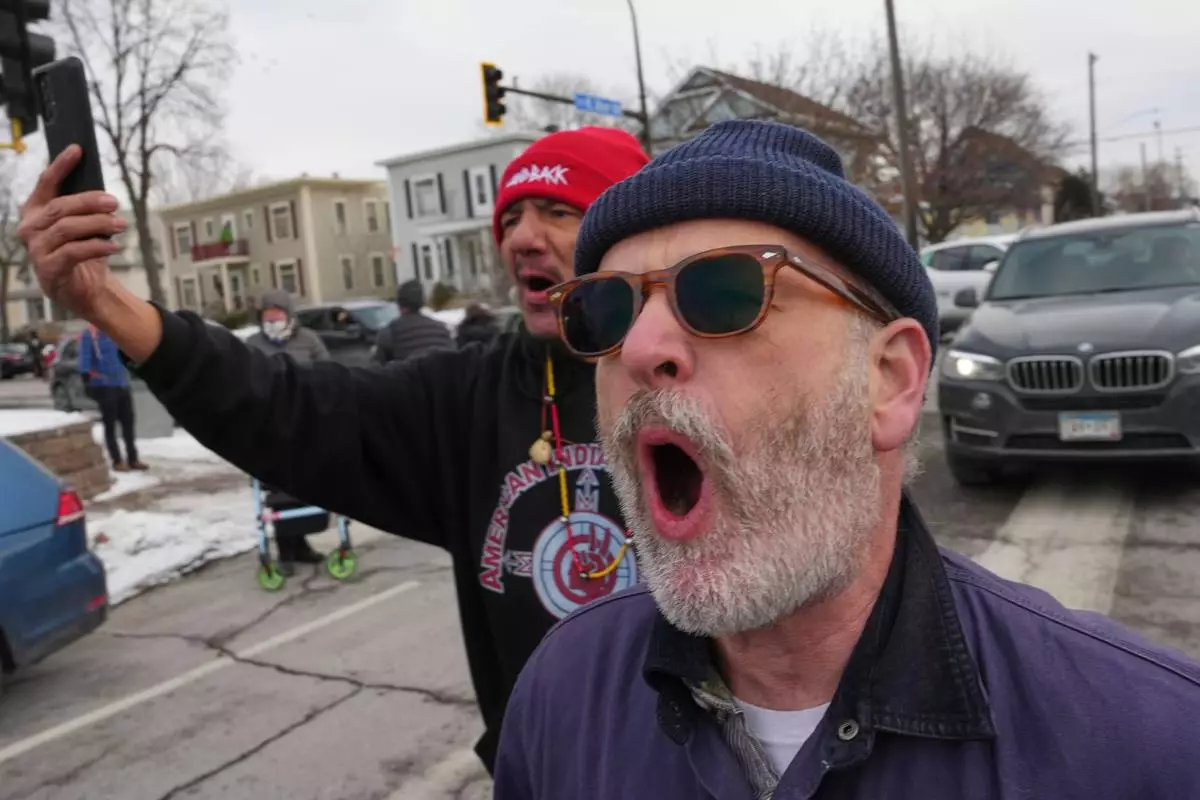
People shout toward Border Patrol agents making an arrest, Sunday, Jan. 11, 2026, in Minneapolis. (AP Photo/Adam Gray)
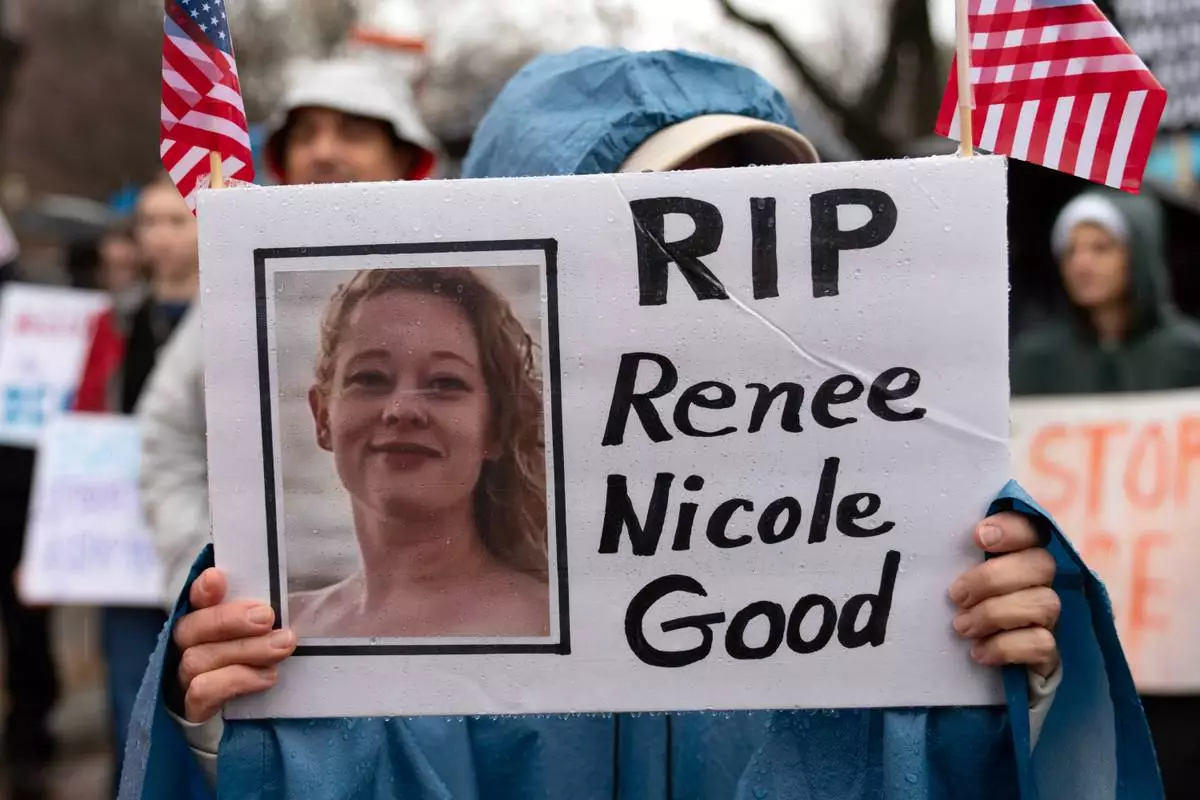
Demonstrators protest outside the White House in Washington, Saturday, Jan. 10, 2026, against the Immigration and Customs Enforcement agent who fatally shot Renee Good in Minneapolis. (AP Photo/Jose Luis Magana)
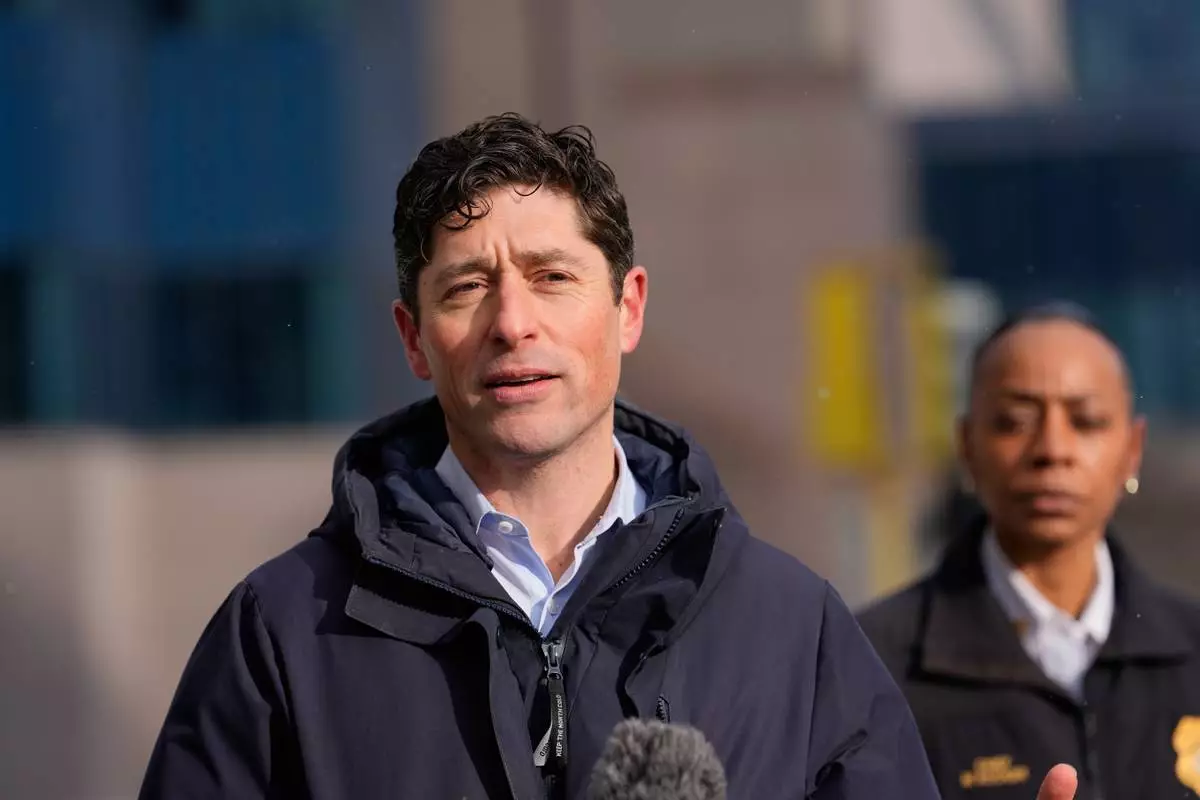
Minneapolis Mayor Jacob Frey holds a news conference on Saturday, Jan. 10, 2026, in Minneapolis. (AP Photo/Jen Golbeck)
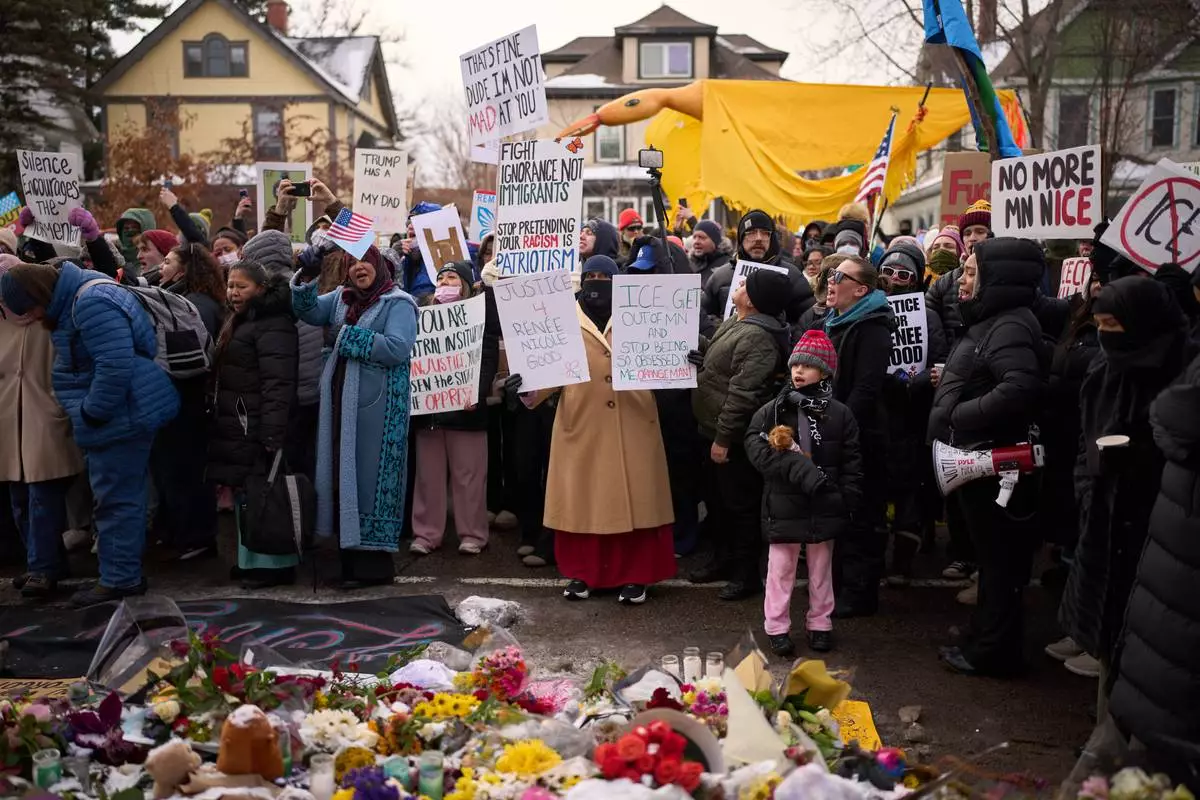
Protesters react as they visit a makeshift memorial during a rally for Renee Good, who was fatally shot by an ICE officer earlier in the week, Saturday, Jan. 10, 2026, in Minneapolis. (AP Photo/John Locher)