Skip to Content Facebook Feature Image

Syria to suffer economic shock, security threats amid Lebanon-Israel tension spiral: analyst

China

China

China

Syria to suffer economic shock, security threats amid Lebanon-Israel tension spiral: analyst

2024-10-03 18:12 Last Updated At:19:37

The spiral of tension between Lebanon and Israel will further cause economic impacts and security threats on Syria, according to analysts in Damascus.

Israel's killing of Hezbollah's chief Sayyed Hassan Nasrallah, the leader who transformed Hezbollah into a military and political force in the Middle East, has left Syrian President Bashar al-Assad without one of his strongest backers.

Flags flew at half-mast across Damascus on Sept. 29 as Syria announced three days of national mourning over the death of Nasrallah, who was killed in an Israeli airstrike on the Lebanese capital Beirut on Sept. 27.

In the Syrian government-controlled areas, there was a wide sentiment of frustration and sadness among Syrians. They believe that they have lost one of the supporting pillars that stood by their side during domestic war and the war against terrorism.

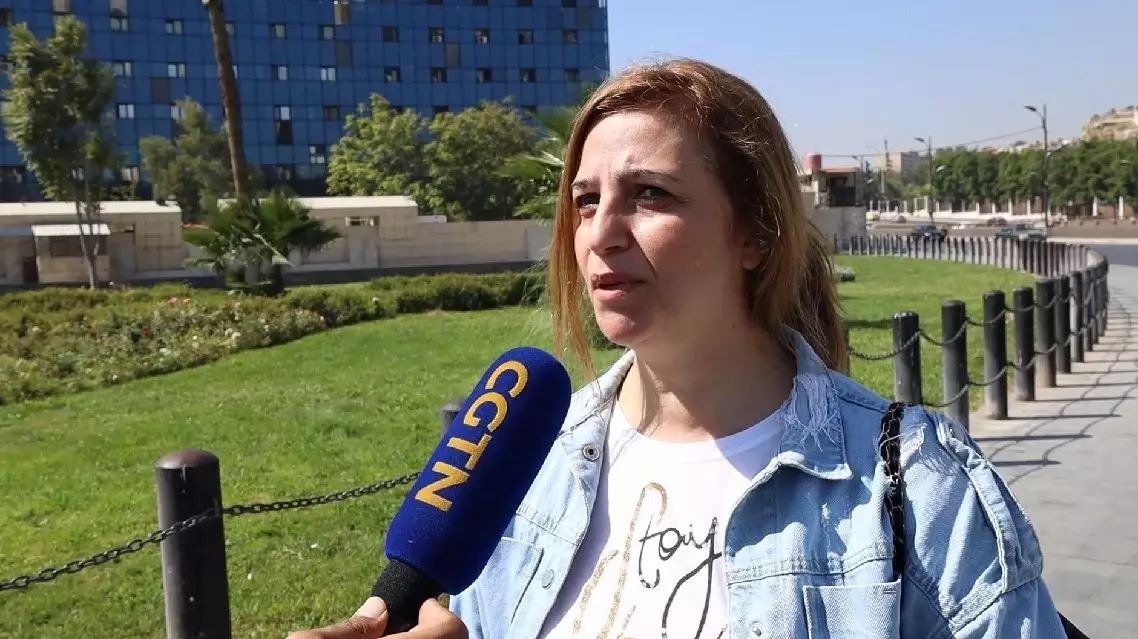
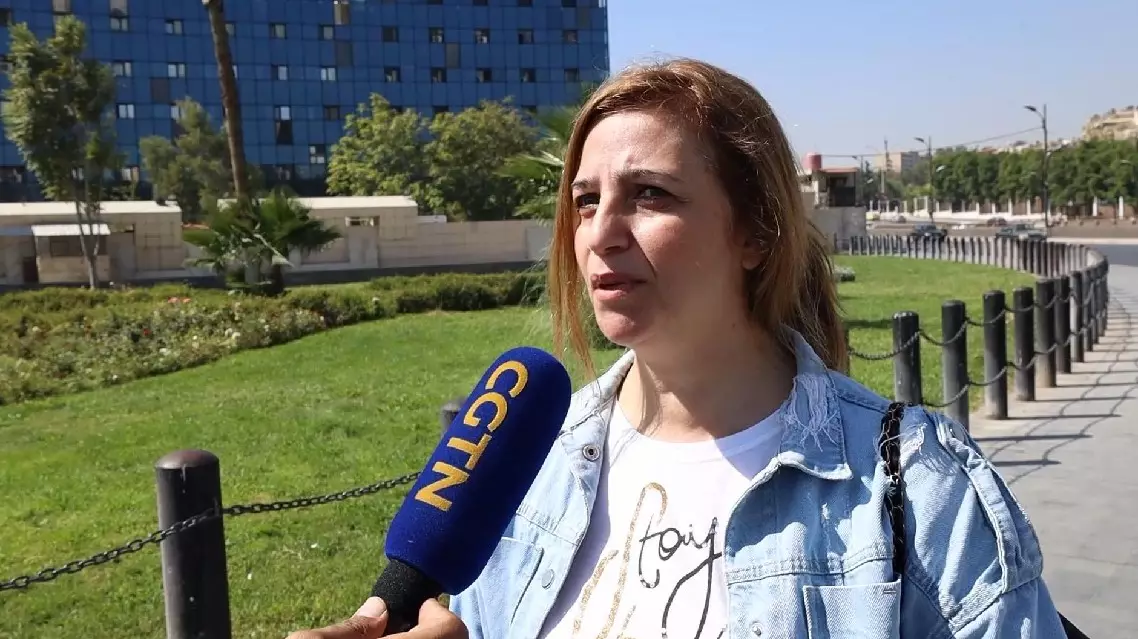
"He stood with the people and the resistance of Palestine all the time, never deserted them. His attitude was heroic, and he was a man of his words," said a Damascus resident named Sobhi.

"We do not forget his standing with us during the Syrian crisis; we shared our victories; the Lebanese and Syrian people stood together at that time. Southern Lebanon is part of our cause, so is the Palestine cause," said Damascus resident Sanaa.

Nasrallah spearheaded the involvement of Hezbollah in the brutal war of its neighbor country Syria. The Syrian media spoke highly of Nasrallah, warning that his assassination might drag the whole region into an unpredictable and endless circle of escalation.

There are potential impacts on Syria if the conflict in Lebanon continues or large-scale retaliation is carried out by Hezbollah in revenge to its leader's killing.

"There are many impacts on Syria, like the economic impact, as Syria is suffering from economic blockade, and the influx of refugees into Syria will make basic items scarce, and Syria will be in need for more resources in that frame. There are security threats, like Israel targeting Syria under the pretext of Lebanese Hezbollah militant penetration into Syria, or weapon deployment to Lebanon from Syria," said Muhammad Omari, a political analyst.

Syrian military recently announced that five of its soldiers were killed in an Israeli air strike that hit a military site near the border crossing which is densely used by Lebanese to flee the war into Syria.

In addition, Israel announced hitting infrastructure on the Lebanese-Syrian borders to stop the transfer of weapons from Syria to Hezbollah.

At the same time, Syria continued to take a quiet policy regarding the war due to its domestic status which was described as fragile.

However, since the outbreak of the war in Gaza, Syria has been seen as a ventilator and lifesaving corridor for Israel's adversaries, leading to multiple attacks by Israel on the already struggling country.

In that context, Syria is highly predictable to be in the spot of any ground offensive by Israel in southern Lebanon, according to the analyst.
Syria to suffer economic shock, security threats amid Lebanon-Israel tension spiral: analyst
Syria to suffer economic shock, security threats amid Lebanon-Israel tension spiral: analyst
Syria to suffer economic shock, security threats amid Lebanon-Israel tension spiral: analyst

Syria to suffer economic shock, security threats amid Lebanon-Israel tension spiral: analyst
The Iranian government is focusing on public concerns and maintaining stable supplies of essential goods amid recent protests, Iranian President Masoud Pezeshkian said in a televised interview on Sunday.

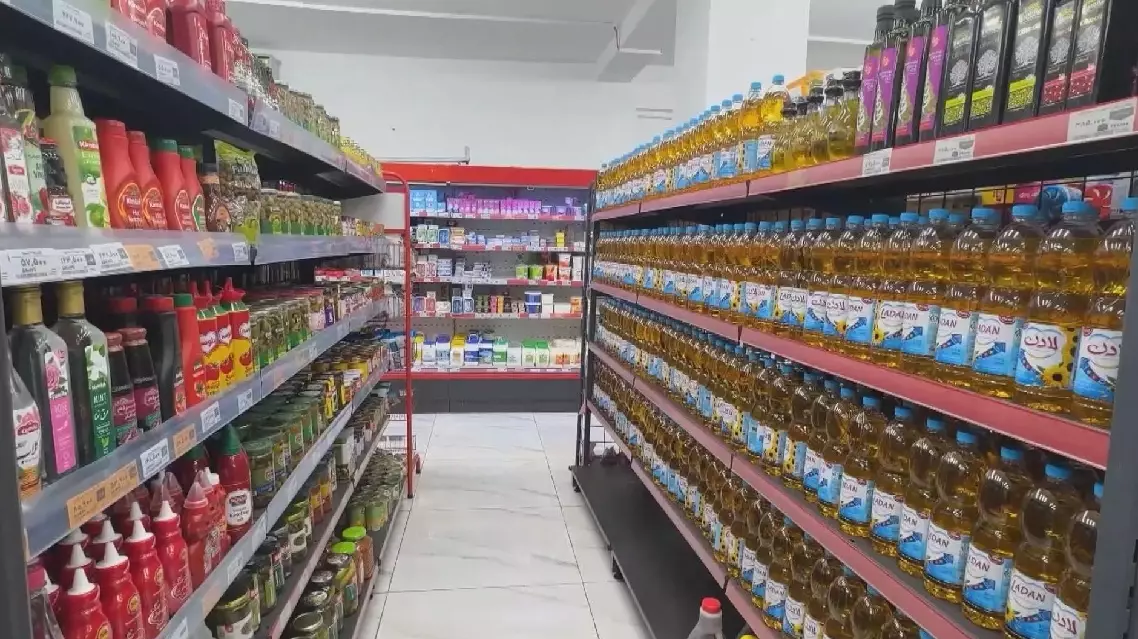
In the city of Karaj, northwest of the capital Tehran, daily life has largely continued as normal. A video filmed by a local resident on Sunday shows food stores open and grocery shelves fully stocked.

"This is the block near my home, and there are some food stores here. Daily life continues here. Last night we did not see many protests in Karaj. Right now the city is very safe. This is a grocery store close to my home. All the food is available; nothing is in shortage. Here are noodles and different types of beans. Here are dairy products, cheese, and yogurt. I also checked other grocery stores and didn't see any shortages. Everything is available," said local resident Ali Reza.

Iranian officials have described recent disturbances as acts orchestrated by the "enemy," including some carried out by well-trained and armed "terrorists." The incidents have caused casualties among security personnel and civilians, as well as property damage.

The Secretary of Iran's Supreme National Security Council Ali Larijani has directed authorities to severely punish the "terrorists."

Meanwhile, Iran's police chief Ahmad-Reza Radan said on Sunday that the police had raised alert levels and arrested several leaders of the troublemakers during the operations on Saturday.

President Pezeshkian noted in the interview that the normal demands of the Iranian people are reasonable and justified, but they must realize that triggering riots and carrying out terrorist acts are the enemy's attempts to undermine the country. He urged the public to remain vigilant.

Also on Sunday, Iranian Parliament Speaker Mohammad Baqer Qalibaf warned that Tehran would regard U.S. and Israeli bases and facilities in the Middle East as "legitimate targets" if Washington takes military action against Iran. His remarks followed media reports saying U.S. President Donald Trump is "seriously considering authorizing a strike" against Iran.

Iranian state media reported that at least 109 members of Iran's security forces have been killed in clashes since the protests began 14 days ago. Meanwhile, human rights groups based outside the country said the number of protesters killed has exceeded 200, though the figure could not be independently verified.

The protests initially erupted over a sharp depreciation of the rial and sweeping subsidy reforms. Iranian authorities have blamed the unrest on foreign-linked agents and sanctions imposed by the United States.

Iranian president says government focusing on ensuring supplies amid protests

Iranian president says government focusing on ensuring supplies amid protests

Recommended Articles