Skip to Content Facebook Feature Image

LSCM Summit 2024: Advancing Hong Kong's Smart City and Digital Economy Initiatives

HK

LSCM Summit 2024: Advancing Hong Kong's Smart City and Digital Economy Initiatives
HK

HK

LSCM Summit 2024: Advancing Hong Kong's Smart City and Digital Economy Initiatives

2024-10-10 11:45 Last Updated At:11:58

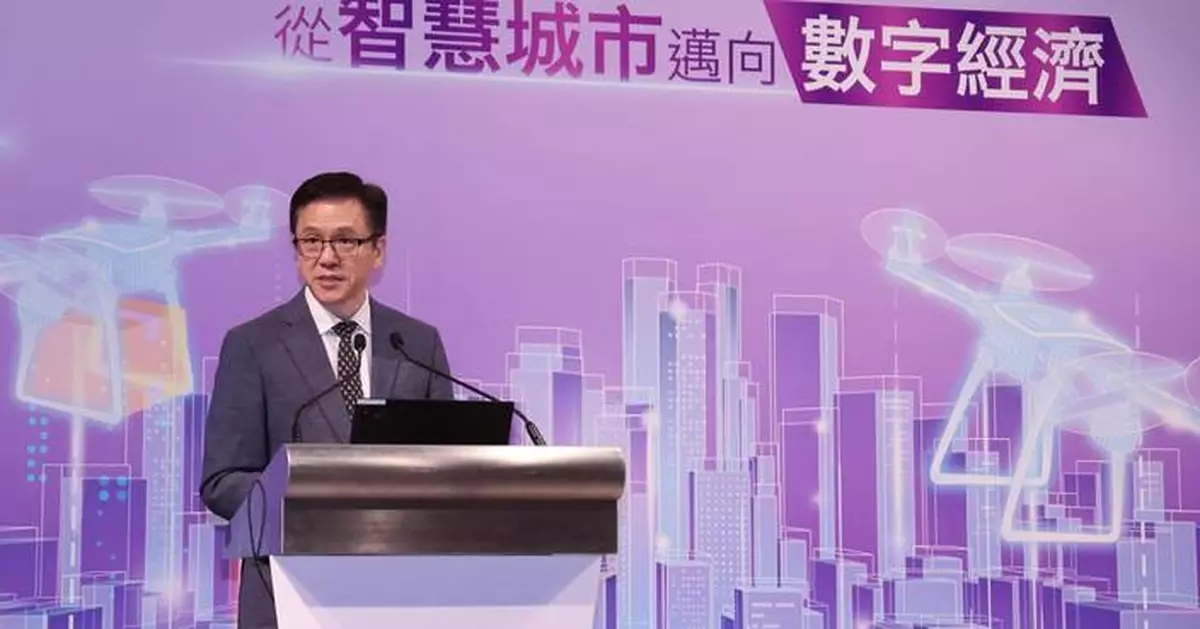
Speech by SITI at LSCM Logistics Summit 2024

Following is the speech by the Secretary for Innovation, Technology and Industry, Professor Sun Dong, at the LSCM Logistics Summit 2024 today (October 10):

萬部長 (Deputy Director-General of the YouthDepartment of the Liaison Office of the Central People's Government in the Hong Kong Special Administrative Region, Ms Wan Ning), 謝書記 (Deputy Secretary of the CPC Working Committee of Nansha Development Zone, Guangzhou Mr Xie Wei), Alan (Chairman of the Logistics and Supply Chain MultiTech R&D Centre (LSCM), Professor Alan Lam), Simon (Chief Executive Officer of the LSCM, Mr Simon Wong), distinguished speakers and guests, ladies and gentlemen,

Good morning. It is my great pleasure to join you today again at the LSCM Logistics Summit, the annual signature event that brings together industry experts, business leaders, and academics to exchange ideas on the latest developments in innovation and technology (I&T) and to promote technology adoption.

In recent years, we have witnessed remarkable advancements in I&T that have accelerated our efforts in building a smart city and bolstering the digital economy. This Summit, themed "The New Era of Digitalisation: From Smart City to Digital Economy", represents a much-welcome opportunity to explore how the evolving technologies are shaping and digitalising Hong Kong and the entire Greater Bay Area (GBA).

Promoting digital economy and smart city development in Hong Kong is one of our major strategic directions as set out in the Hong Kong I&T Development Blueprint promulgated in late 2022. Smart Mobility and Smart Living are also key areas in smart city development. Paying heed to these strategies and priorities, the Government works closely with our key stakeholders such as the LSCM to collaborate on the I&T adventure.

The LSCM is an active partner in our endeavours on smart city development. It participates in a number of pilots and proofs-of-concept involving government bureaux and departments. A notable example is the development of the Cross-boundary Public Services self-service kiosks. The kiosks currently support around 70 public services from the Government, covering tax, company registration, property and vehicle, among others. Setting up in various GBA Mainland cities such as Zhuhai, Guangzhou and Shenzhen, these kiosks facilitate access to Hong Kong's public services for residents and enterprises in the GBA Mainland cities, doing away with the need for in-person visits and providing significant convenience.

The LSCM's efforts have gained wide recognition both locally and internationally, as evident by the eight awards they received at the International Exhibition of Inventions Geneva in April this year, including the self-service kiosk I shared just now. Other award-winning solutions cover a broad range of technologies such as satellite signal monitoring and Internet of things.

All these demonstrate the strong capability and creativity of theLSCM, and represent a testimony to Hong Kong's strengths and commitment to turning our vision of becoming an international I&T centre into reality.

I am excited to learn that theLSCM will expand its collaboration networks by signing three MOUs with three leading research institutes from Mainland China respectively covering different fields of information technology such as software and container logistics. I am confident that these collaborations will inject new impetus into the LSCM's work to generate more breakthroughs in the areas of smart city-related solutions.

Ladies and gentlemen, the development of a smart city will remain a priority of the Government. Collaboration will be the key. We will continue to join hands with our partners in the public and private sectors to push forward the smart city development of Hong Kong.

Before I close, I wish you all a rewarding experience at the LSCM Summit 2024. Thank you very much.
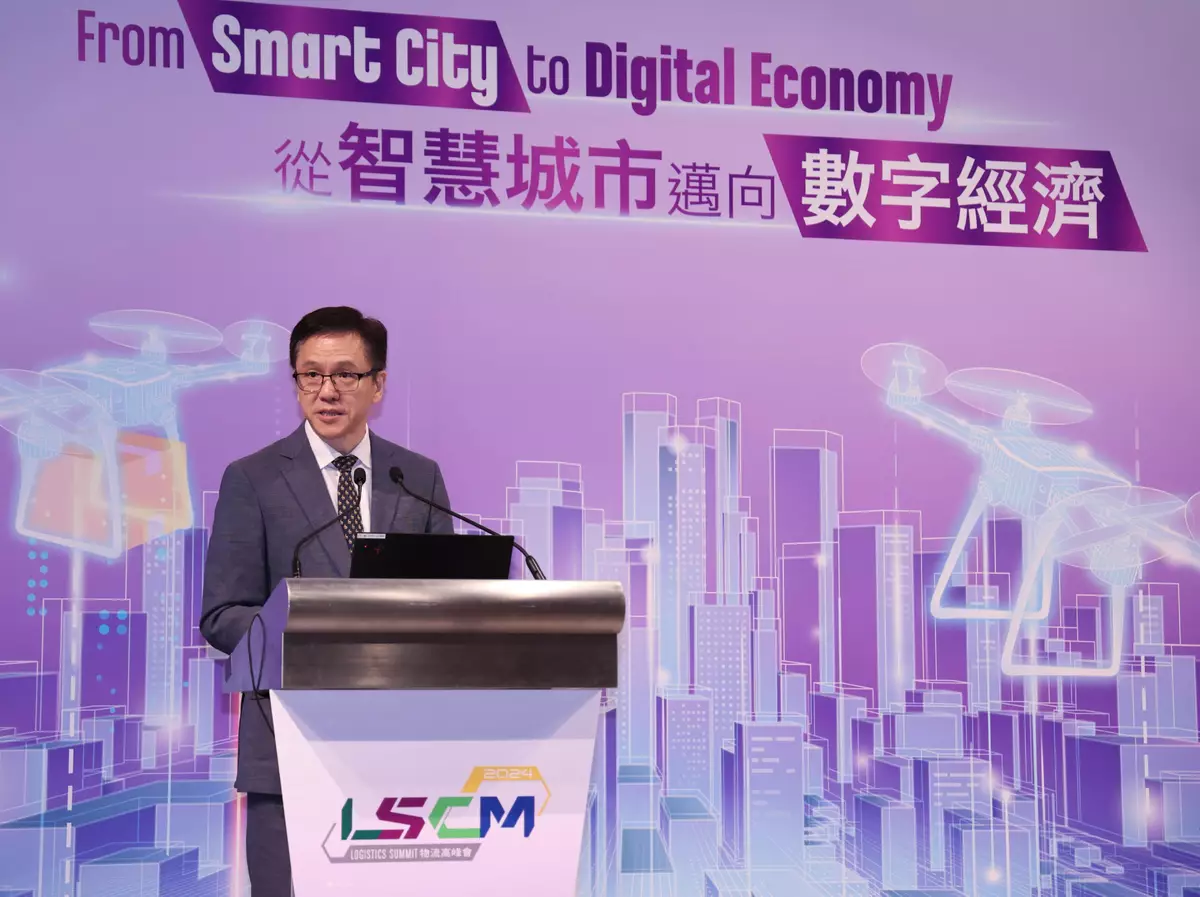
Speech by SITI at LSCM Logistics Summit 2024  Source: HKSAR Government Press Releases
Speech by SITI at LSCM Logistics Summit 2024 Source: HKSAR Government Press Releases
DH appeals to public to adopt healthy lifestyles to prevent diabetes in support of World Diabetes Day

The Department of Health (DH) today (November 14) urged members of the public to adopt healthy lifestyles in support ofWorld Diabetes Day. The risk of developing diabetes mellitus(diabetes) and related complications can be effectively reduced through "early prevention, early detection and early treatment". The Government promotes a healthy lifestyle encompassing healthy eating, reducing fat, salt and sugar intake, being physically active, and refraining from smoking and alcohol consumption through a life-course approach. The Government is actively promoting the Chronic Disease Co-Care (CDCC) Pilot Scheme to manage chronic diseases. The CDCC Pilot Scheme offers convenient screening services for diabetes and hypertension, as well as blood lipid testing, to achieve full coverage of the "three highs".

"Diabetes is a common chronic condition marked by high levels of glucose in the blood, and improper diabetic control may result in serious complications, including heart disease, stroke, kidney failure and blindness. Globally, one in nine adults has diabetes. In Hong Kong, the Population Health Survey 2020-22 conducted by the DH observed that 8.5 per cent of non-institutionalised persons aged 15 to 84 had diabetes or raised blood glucose, which is at a level similar to the 8.4 per cent recorded in 2014-15. The Survey also showed that approximately one in every three persons with diabetes is not aware that he/she is living with the condition. In 2024, there were 442 (provisional figure) registered deaths attributed to diabetes with a crude death rate of 5.9 per 100 000 population (provisional figure)," said the Controller of the Centre for Health Protection of the DH, Dr Edwin Tsui.

The Primary Healthcare Commission (PHC Commission) promotes the Life Course Preventive Care Plan through District Health Centres/District Health Centre Expresses (collectively referred to as DHCs) and family doctors, in order to enhance public awareness of self-health management and disease prevention. The Government launched the three-year CDCC Pilot Scheme in 2023, subsidising Hong Kong residents aged 45 and above with no known medical history of diabetes or hypertension to be paired with family doctors for diabetes and hypertension screening services in the private healthcare market. In March this year, the CDCC Pilot Scheme was expanded to cover blood lipid testing. Participants diagnosed with prediabetes, diabetes, hypertension or hyperlipidaemia after screening can proceed to the treatment phase and will be subsidised by the Government to continue their treatment with a family doctor of their choice and, subject to their health conditions, will be provided with prescribed medication, a dedicated nurse clinic and allied health services. As of October 15 this year, over 160 000 members of the public have enrolled in the Scheme. Approximately 100 400 participants (i.e. about 60 per cent) have completed the screenings, and around 40 500 participants (i.e. about 40 per cent) have proceeded to the treatment phase, including participants who have been diagnosed with prediabetes (i.e. blood glucose level ranging from 6.0 to 6.4 per cent for glycated haemoglobin or a fasting plasma glucose level of 6.1 to 6.9 mmol/L.), diabetes, hypertension or dyslipidaemia. In developing the strategy to focus on caring for the underprivileged group through a Family Medicine service model, the PHC Commission has been expanding the CDCC Pilot Scheme to designated Hospital Authority Family Medicine Clinics and Family Medicine Integrated Centres in phases since end-March this year, providing underprivileged groups with hypertension, high blood glucose and hyperlipidaemia screenings, as well as chronic disease management services. More details of the CDCC Pilot Scheme can be found on the dedicated website.

Among the main types of diabetes (type 1, type 2 and gestational diabetes), type 2 diabetes is the most common form, which makes up more than 95 per cent of all diabetes cases. Key factors that contribute to developing type 2 diabetes include being overweight or obese, not getting enough exercise and genetics.

"Regardless of genetic risk, lifestyle changes are the best way to prevent or delay the onset of type 2 diabetes. Members of the public are urged to reach and keep a healthy body weight, eat a healthy diet and limit sugar and saturated fat intake, refrain from alcohol drinking, and avoid smoking. Moreover, the public should stay physically active with at least 150 to 300 minutes of moderate-intensity aerobic physical activity or an equivalent amount and intensity of physical activity throughout the week. Walking as a way of conducting physical activity can also guard against various chronic diseases and reduce the risk of type 2 diabetes," said Dr Tsui.

To raise public awareness of the prevention of diabetes and other non-communicable diseases, the Government will continue organising health promotional campaigns to enhance people's health literacy about the importance of healthy living, enabling persons at risk to have regular measurements of blood glucose. The Government will also work in close partnership with community partners to foster a health-enhancing environment.

To know more about the Government's initiatives and actions to prevent and control non-communicable diseases including diabetes, please visit the Change for Health websiteof the DH.

Source: AI-found images

Source: AI-found images

Recommended Articles