The European Union's (EU) punitive tariffs on Chinese battery electric vehicles (EVs) are a shortsighted mistake that will do more harm than good and will trigger multiple negative effects on the global auto market, the Brussels-based economic think tank Bruegel said on Wednesday.
The European Commission announced on Oct 4 that it passed a vote to impose punitive tariffs on Chinese EVs, sparking criticism from several European countries and auto industries who warn the move could boomerang against the EU's competitiveness.
Uri Dadush, a researcher with the institute, said in his article published Wednesday that the additional tariff "overstates the problem and will do more harm than good", and will ultimately backfire on the European auto industry.
The article quoted industry insiders as saying that many of the Chinese EVs are produced in joint ventures with EU and US automakers, and the price and quality advantages reflect the advantages of China's related industries in economies of scale, labor costs, battery technology and materials, as well as the full competition and first-mover advantage among Chinese manufacturers.
Dadush said that the high price of EVs in Europe hurts all consumers, especially those with low incomes. Once the EU imposes tariffs on Chinese EVs, many EU citizens, especially those in rural areas, who are willing to make their cars more green and environmentally friendly will find it difficult to achieve their wishes.
The tariff will have also three negative long-term effects, according to Dadush.
First, it may lead to countermeasures from China. China has brought relevant anti-subsidy measures to the WTO dispute settlement mechanism, and the EU may lose the case, as the reasons for the European Commission's request for high tariffs are untenable, and this conclusion has long been a consensus in the industry.
Second, the imposition of tariffs will weaken the motivation of EU electric vehicle manufacturers to cut costs and continue to innovate, as EU automakers still need to compete in China and other fast-growing markets, and the prospect of them gradually falling behind is real.
Third, such decision marks a trade split and further "decoupling" between the Western world and China, leaning to more economic costs uncertainties. "It's not too late for the EU to change its mind," said Dadush in the article.
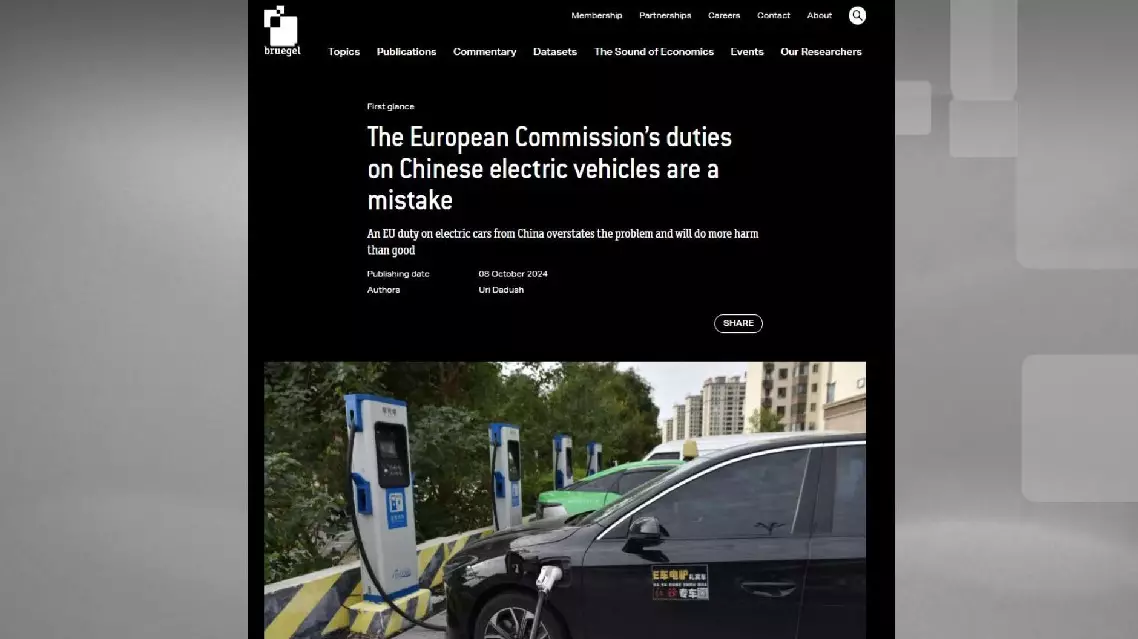
EU's punitive tariffs on Chinese EVs do more harm than good: think tank
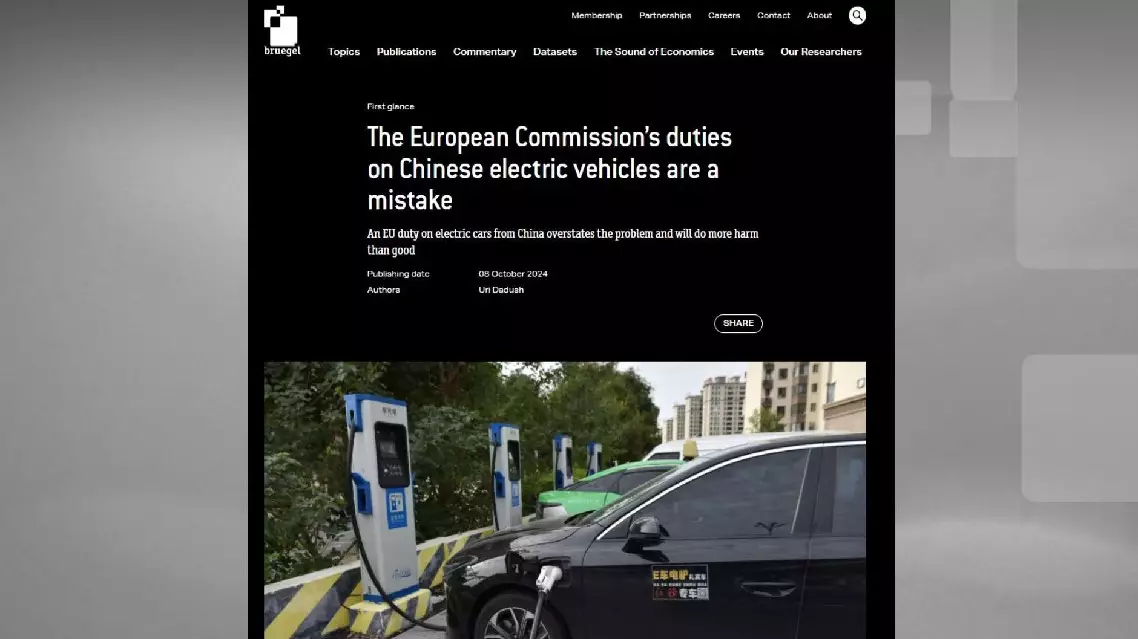
EU's punitive tariffs on Chinese EVs do more harm than good: think tank
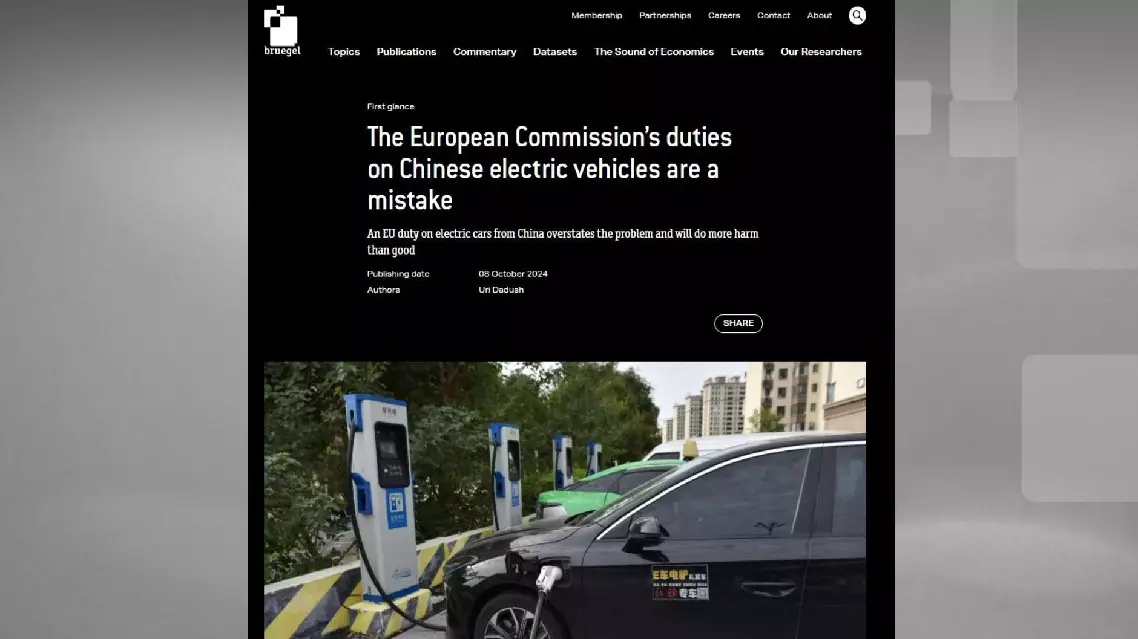
EU's punitive tariffs on Chinese EVs do more harm than good: think tank