Skip to Content Facebook Feature Image

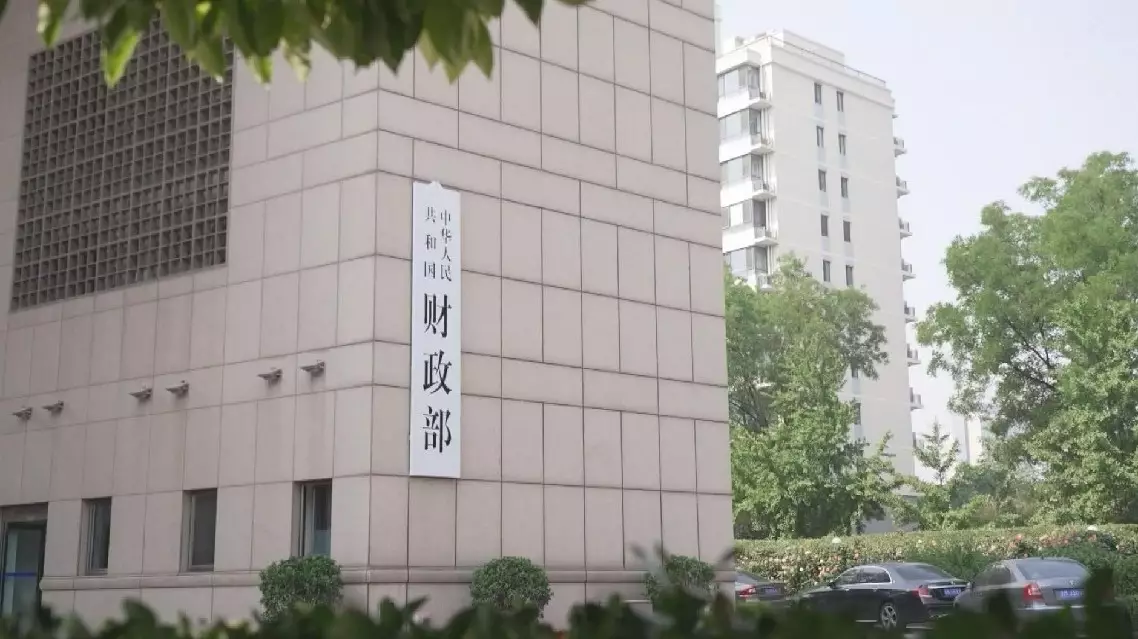
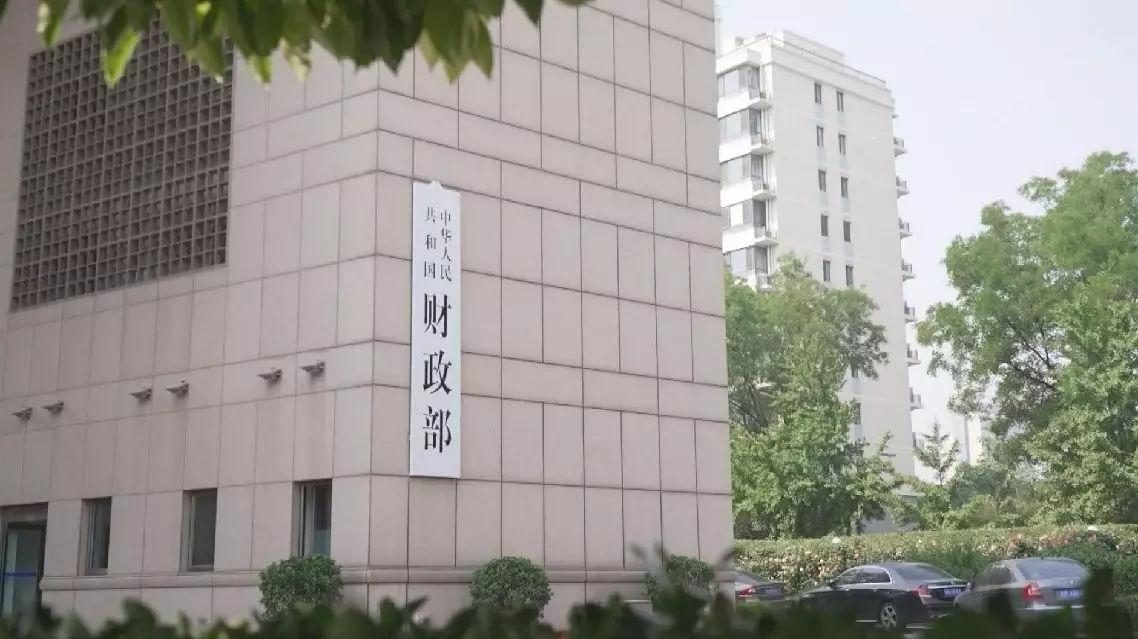
Chinese finance minister outlines measures to guarantee necessary fiscal expenditure
China

China

China

Chinese finance minister outlines measures to guarantee necessary fiscal expenditure

2024-10-12 11:34 Last Updated At:19:27

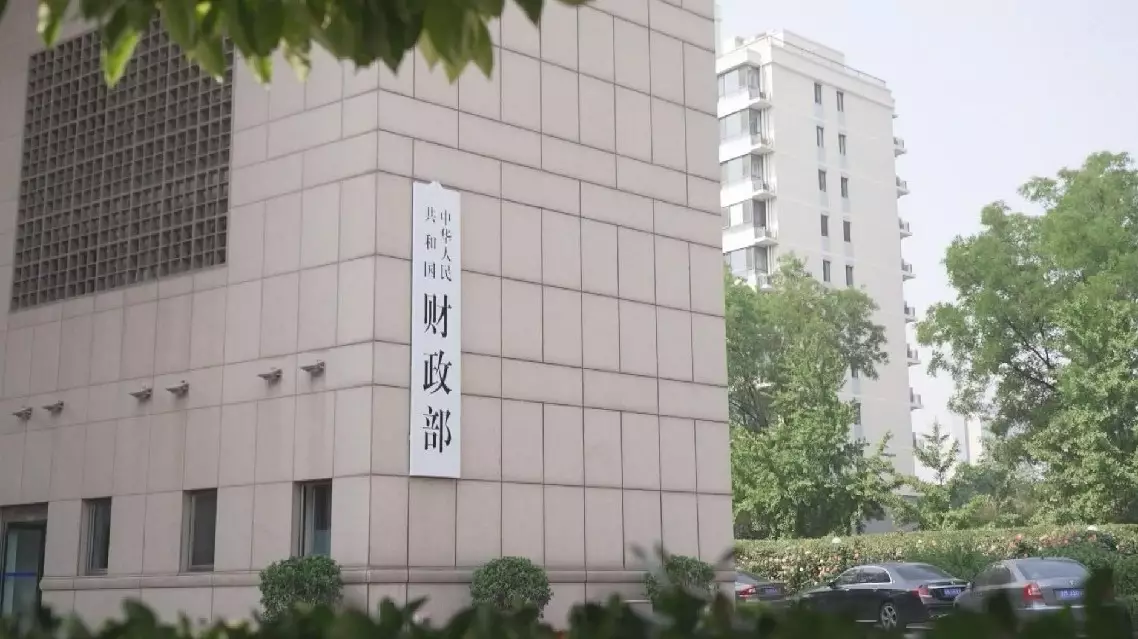
Chinese Finance Minister Lan Fo'an on Saturday outlined three measures aimed at balancing the country's finances for this year while keeping fiscal operation generally stable and guaranteeing expenditures in key areas.

Speaking at a press conference, Lan emphasized that the Chinese government will focus on increasing fiscal strength of local governments, ensuring expenditures in key areas, and making full use of funds raised from various kinds of bonds.

More Images
Chinese finance minister outlines measures to guarantee necessary fiscal expenditure

Chinese finance minister outlines measures to guarantee necessary fiscal expenditure
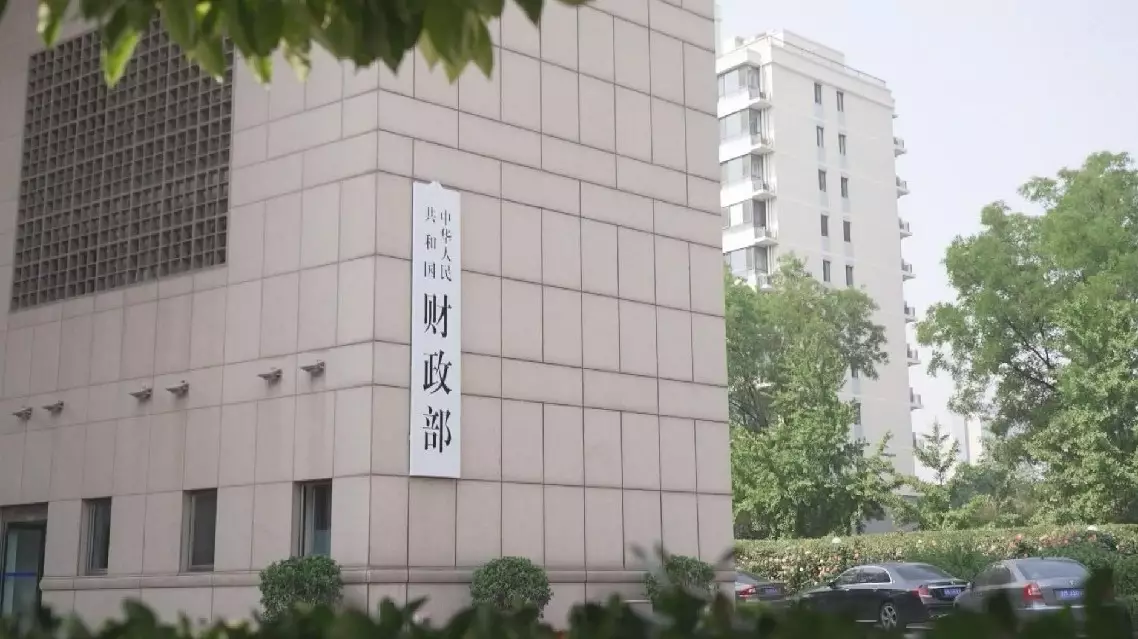
Chinese finance minister outlines measures to guarantee necessary fiscal expenditure
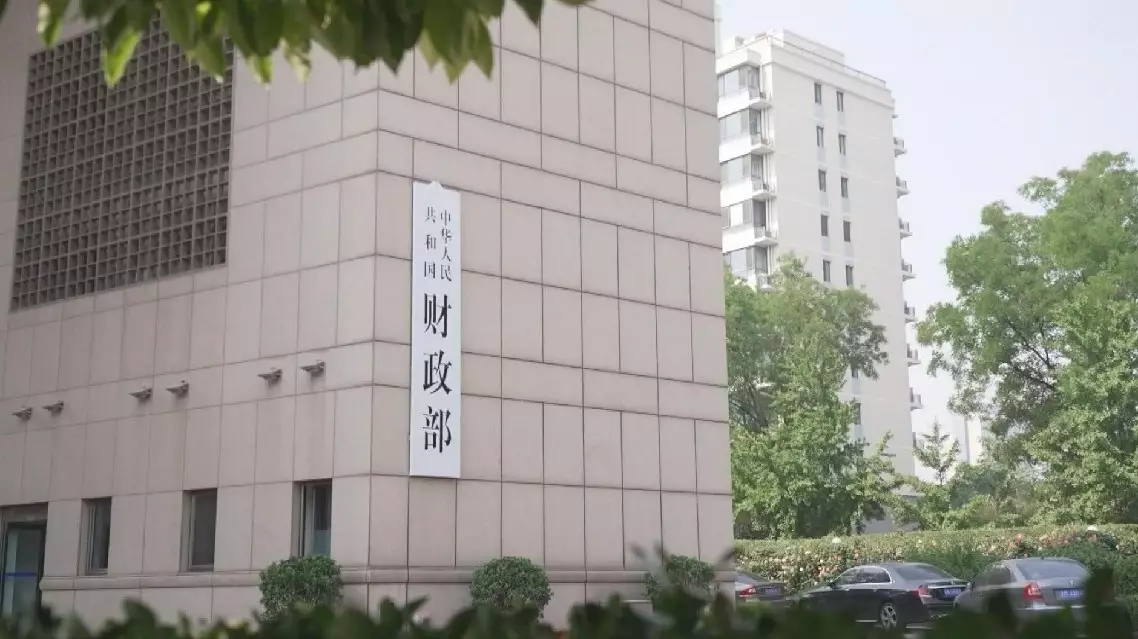
Chinese finance minister outlines measures to guarantee necessary fiscal expenditure
Chinese finance minister outlines measures to guarantee necessary fiscal expenditure
Chinese finance minister outlines measures to guarantee necessary fiscal expenditure
Chinese finance minister outlines measures to guarantee necessary fiscal expenditure
Chinese finance minister outlines measures to guarantee necessary fiscal expenditure
Chinese finance minister outlines measures to guarantee necessary fiscal expenditure
Chinese finance minister outlines measures to guarantee necessary fiscal expenditure
So far this year, the Ministry of Finance has appropriately enhanced the intensity of its proactive fiscal policies, improved its quality and effectiveness, increased financial support for meeting people's basic living needs and key areas, and maintained fiscal expenditure intensity, in order to give full play to the countercyclical regulatory role of fiscal policy and help meet the annual economic and social development goals, Lan said.

From January to September, China's general public budget expenditure was 20.18 trillion yuan (about 2.86 trillion U.S. dollars), up 2 percent, according to Lan.

"Government spending on social security and employment increased by 4.3 percent, education by 1.1 percent, agriculture, forestry and water resources by 6.4 percent, urban and rural communities by 6.1 percent, and housing support by 2.5 percent,” Lan said.

"The general public budget revenue is lower than the target set in the budget at the beginning of the year. We will take a full range of measures to break even this year," Lan added.

According to the minister, the central government has already allocated 400 billion yuan (about 57 billion U.S. dollars) from the local government debt balance limit to supplement comprehensive financial resources of local governments and support local governments in resolving existing debts of investment projects and repaying debts owed to enterprises.

"Local governments are encouraged to make full use of idle assets, strengthen the management of state-owned capital income, and strive to increase fiscal revenue," Lan said.

The central government will also guide local governments to use existing funds such as budget stabilization funds in accordance with laws and regulations to meet fiscal expenditure needs, he added.

In order to ensure key expenditures, the ministry will also make consistent efforts to strictly control general expenditures, and allocate more funds to shore up weak links and improve people's livelihoods, Lan said.

"We will strengthen support for expenditures in key areas such as science and technology and education, increase the basic pension for urban and rural residents and the financial subsidies for basic public health services, and provide strong support for major strategies such as full rural revitalization, green development and coordinated regional development to ensure all policies adopted by the Party Central Committee are fully implemented," he said.

At present, the ministry is also accelerating the use of funds raised from additional treasury bonds, while also issuing ultra-long special treasury bonds, said the minister.

"In terms of special-purpose bonds, a total of 2.3 trillion yuan (about 325 billion U.S. dollars) of funds raised from special-purpose bonds, combining remaining quota and unused funds, will be available for local governments across the country in the next three months. We will urge local governments to make the best of funds raised from various kinds of bonds to speed up projects and pay out in a timely manner according to actual needs to generate tangible outcomes as soon as possible and boost investment," Lan said.

Chinese finance minister outlines measures to guarantee necessary fiscal expenditure

Chinese finance minister outlines measures to guarantee necessary fiscal expenditure
Chinese finance minister outlines measures to guarantee necessary fiscal expenditure

Chinese finance minister outlines measures to guarantee necessary fiscal expenditure

Chinese finance minister outlines measures to guarantee necessary fiscal expenditure

Chinese finance minister outlines measures to guarantee necessary fiscal expenditure

Chinese finance minister outlines measures to guarantee necessary fiscal expenditure

Chinese finance minister outlines measures to guarantee necessary fiscal expenditure

Chinese finance minister outlines measures to guarantee necessary fiscal expenditure

Chinese finance minister outlines measures to guarantee necessary fiscal expenditure

A new round of trade-in subsidy program is energizing China's consumer market these days, with provinces across the country seeing a surge in demand for cars, home appliances and digital devices.

In north China's Shanxi Province, the new trade-in subsidy program, which started on January 9, has further helped boost sales in home appliances and digital devices which are covered by the new round of subsidies.

To enjoy the subsidies, six types of home appliances, including refrigerators and washing machines, must meet national Level 1 energy-efficiency or water-efficiency standards. Digital and smart products include four types, such as mobile phones and tablets, with a sales price cap of 6,000 yuan (about 800 U.S. dollars) per item.

In both categories, subsidies are set at 15 percent of the final transaction price. For home appliances, the maximum subsidy is 1,500 yuan per item. For digital products, the cap is 500 yuan per item. Each consumer can receive a subsidy for one unit in each category.

Neighboring Shanxi, Hebei Province kicked off the year of 2026 with the new round of trade-in subsidy program starting on January 1.

The subsidies cover automobiles, home appliances, and digital products. Individual consumers who purchase designated Level 1 energy-efficiency appliances or eligible digital products priced at no more than 6,000 yuan can receive subsidies equal to 15 percent of the transaction price. The maximum subsidy is 1,500 yuan per appliance and 500 yuan per digital or smart device, with each person limited to one subsidized item in each category.

Data showed that from Jan 1 to 9, Hebei's home appliance trade-in program alone disbursed more than 130 million yuan in subsidies, driving sales of over 920 million yuan.

In east China's Jiangsu Province, the new trade-in subsidy program, taking effect for two weeks, has brought the province a boom in trade-in.

At a local 4S store in Jiangsu's Suqian City, showroom traffic has spiked as salespeople walked customers through the new benefits from the trade-in subsidy program.

"Under the scrappage-and-replacement scheme, customers who buy a new energy vehicle (NEV) can receive a subsidy worth 12 percent of the vehicle price, capped at 20,000 yuan (about 2,860 U.S. dollars). For combustion-engine cars, the subsidy is 10 percent, with an upper limit of 15,000 yuan. For trade-ins, NEVs are able to receive a subsidy worth 8 percent of the vehicle price, up to 15,000 yuan, while combustion-engine cars will receive a 6-percent subsidy, with a cap of 13,000 yuan," said Sun Yue, a saleswoman at the store.

In the home appliance sector, Jiangsu's policy this year stipulates that only products that meet China's Level 1 energy-efficiency standard are eligible for subsidies. The scheme covers six major categories, including refrigerators and washing machines.

Consumers who purchase qualifying appliances can receive a subsidy equal to 15 percent of the final retail price, up to a maximum of 1,500 yuan per item. Each person is limited to one subsidized unit per product category.

Four types of digital and smart products, such as mobile phones and tablets, are eligible for a 15-percent subsidy capped at 500 yuan per unit, with a retail price no more than 6,000 yuan.

"With the national subsidy policy back in place this year, I went to the store to check what discounts I could get. It knocked 500 yuan off the price. [The discounted price is] very reasonable," said Wang Kang, a resident of Jiangsu's Xuzhou Province.

To enhance the shopping experience for consumers, many retailers are pairing subsidies with "one-stop" services that combine the delivery of new products with on-site collection of old ones.

"After consumers place an order for new home appliances, our staff will schedule a time to pick up the old units. Recycling the old appliance can also further offset the purchase price of the new one," said Yang Jie, a sales supervisor at a major home appliance company.

China's new trade-in program sparks consumption boom

China's new trade-in program sparks consumption boom

Recommended Articles