Skip to Content Facebook Feature Image

WHO blocked from entering northern Gaza since October: spokeswoman
China

WHO blocked from entering northern Gaza since October: spokeswoman
China

China

WHO blocked from entering northern Gaza since October: spokeswoman

2024-10-13 17:09 Last Updated At:10-14 00:37

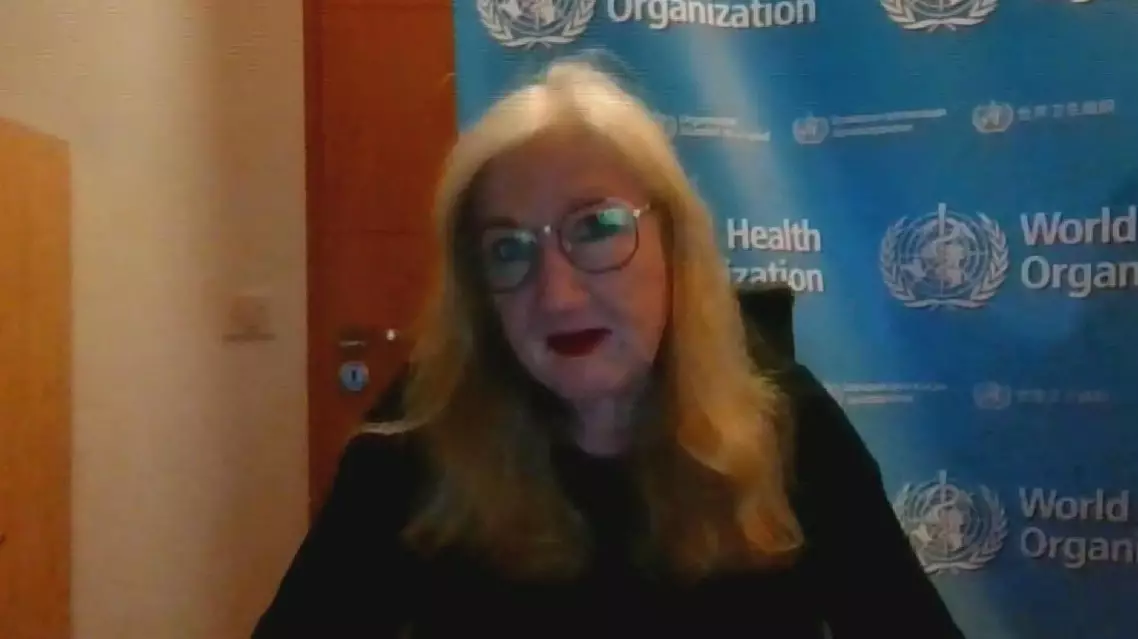
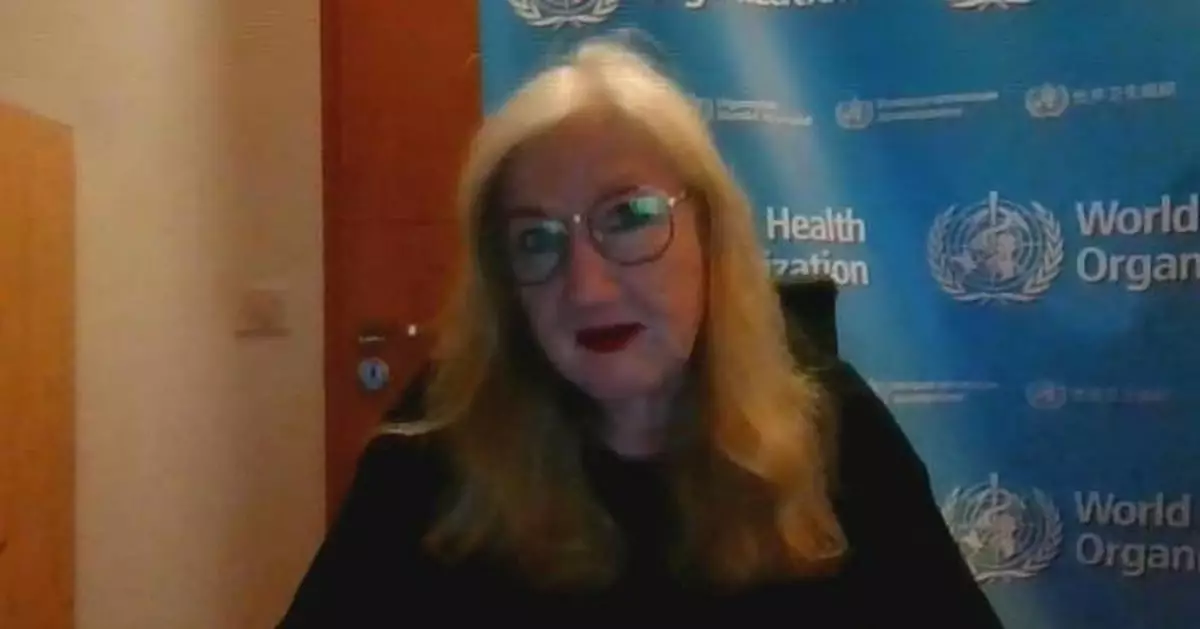
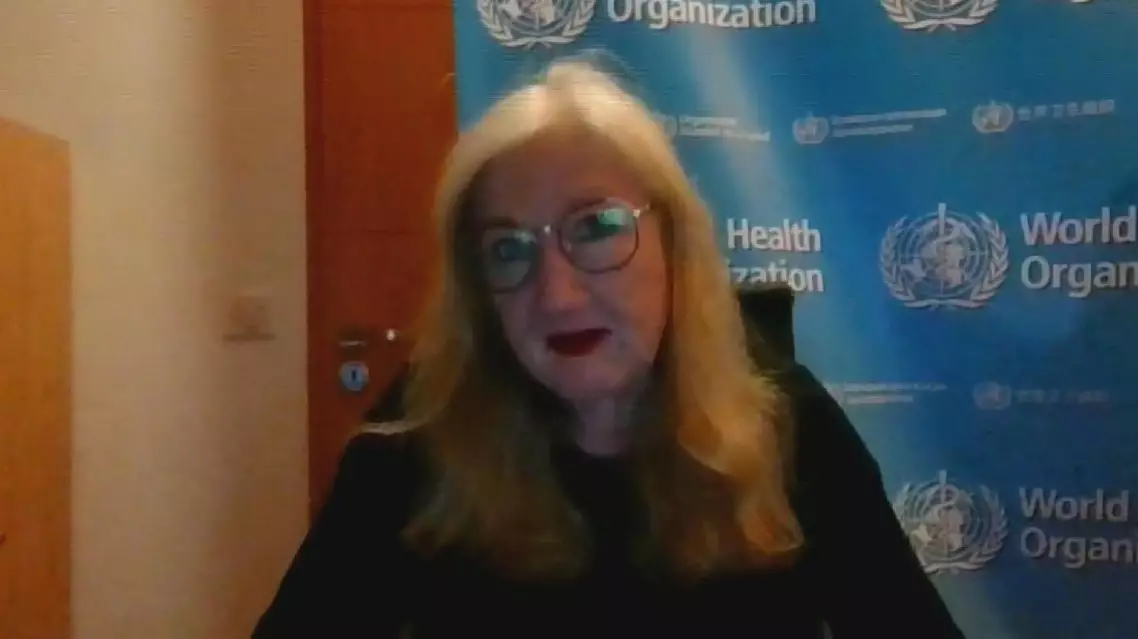
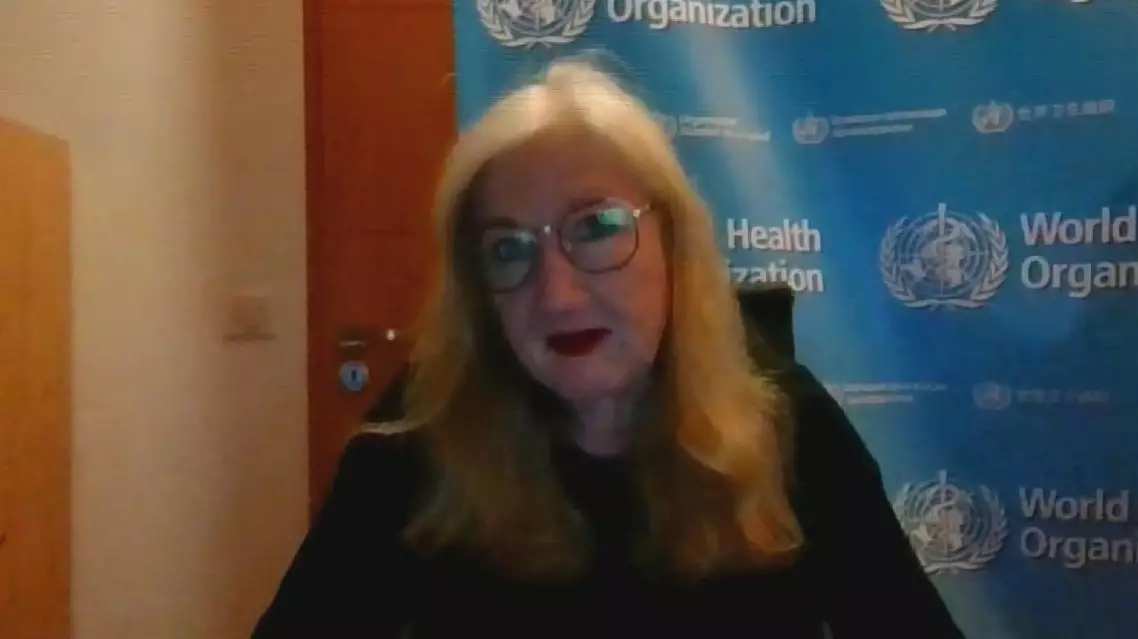
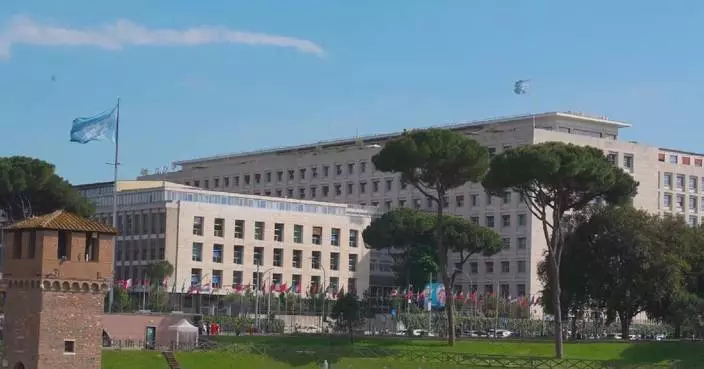
World Health Organization (WHO) staff has been unable to get into northern Gaza since October, leaving no way to provide Palestinians in the area with supplies, medical personnel and other aid, said the organization's spokeswoman on Saturday.

According to Palestinian media reports, the Israeli military has been carrying out continuous airstrikes on the northern and central areas of the Gaza Strip on Friday, killing at least 40 people.

More Images
WHO blocked from entering northern Gaza since October: spokeswoman

WHO blocked from entering northern Gaza since October: spokeswoman
WHO blocked from entering northern Gaza since October: spokeswoman
WHO blocked from entering northern Gaza since October: spokeswoman
WHO blocked from entering northern Gaza since October: spokeswoman
WHO blocked from entering northern Gaza since October: spokeswoman
WHO blocked from entering northern Gaza since October: spokeswoman

WHO blocked from entering northern Gaza since October: spokeswoman

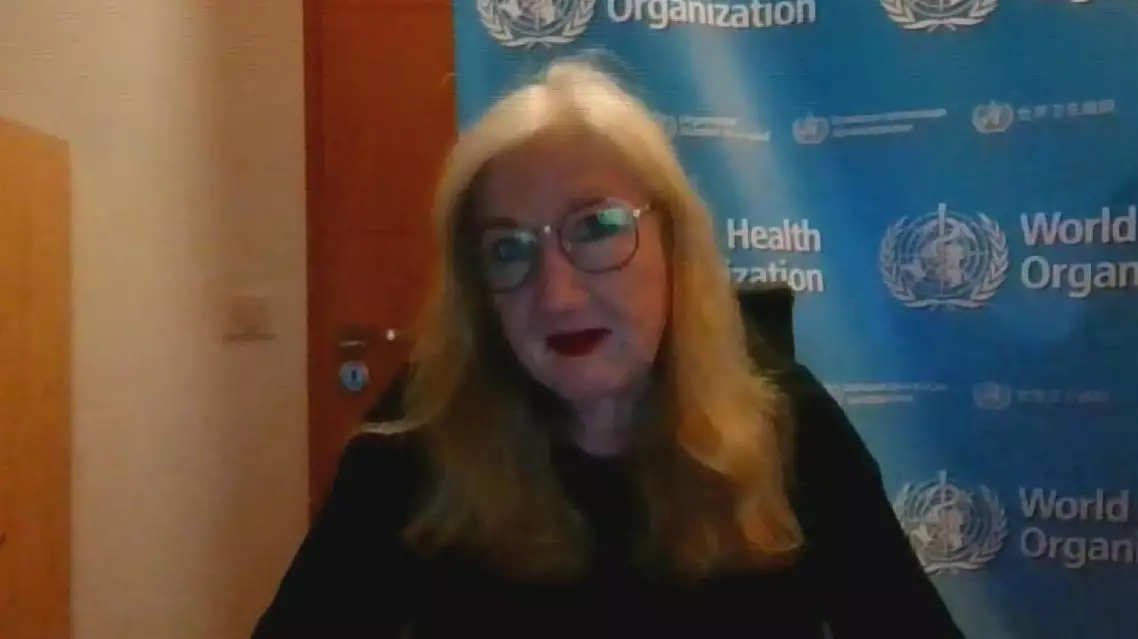
Amid the attacks, survivors are facing increasingly acute shortages of essentials. In an interview with China Global Television Network, WHO spokeswoman Dr. Margaret Harris said efforts to help residents in the area have been blocked since the start of the month.

"My colleagues in Gaza can't get in, So, we have mounted missions every day in October, and every day they've either been impeded or denied. So, we have not been able to get into northern Gaza all of this month. And that means no medical supplies have been getting to hospitals, no fuel, no food, of course, from our colleagues from World Food Program, no people -- we bring in medical teams as well. And in north Gaza, one of the main pediatric hospitals, Kamal Adwan, is also a malnutrition center. We had set up a center for feeding of the children who were starving. Now we can't get in at all to provide supplies. But also, there are many children in those hospitals that we would like to evacuate out of north Gaza, but we can't get in," she said.

The WHO has been carrying out a UN polio vaccination campaign that had already covered about 559,000 children in central and southern Gaza by mid-September, but efforts have lagged in the north.

"It's critical that humanitarian missions are allowed back into the north, supplies depend on it. We are actually starting a polio campaign next week. The north is the last of the areas that that will happen in. But again, we need safe passage and what we really need, and we've said over and over again, and people treat us as if we are talking about fairyland, but we need a ceasefire, we need peace," Harris said.

WHO blocked from entering northern Gaza since October: spokeswoman

WHO blocked from entering northern Gaza since October: spokeswoman

WHO blocked from entering northern Gaza since October: spokeswoman

WHO blocked from entering northern Gaza since October: spokeswoman
WHO blocked from entering northern Gaza since October: spokeswoman

WHO blocked from entering northern Gaza since October: spokeswoman

WHO blocked from entering northern Gaza since October: spokeswoman

WHO blocked from entering northern Gaza since October: spokeswoman

U.S. President Donald Trump said Sunday that Israel's attack on Beirut "should not have happened," while the Israeli military said it will continue its operations in Lebanon.

Israeli Prime Minister Benjamin Netanyahu and Defense Minister Israel Katz said in a joint statement that the Israeli military struck Hezbollah targets in southern Beirut's Dahieh suburb on Sunday, in response to firing into Israeli territory.

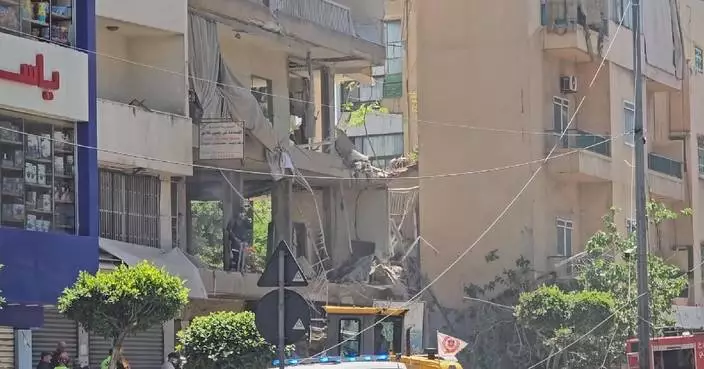
Meanwhile, Lebanese media reported an Israeli airstrike targeted a building in the Ghobeiri area in Beirut's southern suburbs.

The strike drew criticism from Trump, who said a regional peace deal, including Lebanon, was "very close" and urged all parties, especially Israel, to stand down.

"We are very close to a deal that will bring peace to the region, including to Lebanon, and all sides should stand down," he wrote on Truth Social.

"This morning's attack on Beirut should not have happened, particularly on a special day when we are so close to a Peace Deal with Iran," he wrote.

Israel's Sunday strikes should not disrupt the diplomacy efforts for a U.S.-Iran peace deal, Trump said.

"There should be no more attacks by Israel anywhere in Lebanon, but there should also be no more attacks by any other party, including Hezbollah, against Israel," the U.S. president added.

On the same day, the Israel Defense Forces said in a statement that Israeli military chief Eyal Zamir, during his inspection of the Northern Command, said Israeli forces will continue military operations in Lebanon in an effort to secure more favorable terms in future U.S.-mediated negotiations between the two sides.

Zamir said the IDF's operations in key areas such as the Beaufort Ridge in southern Lebanon were crucial, and that Israeli forces will continue their offensive and deepen their ground advance in necessary areas to eliminate security threats posed by Hezbollah.

He added that the IDF remains on high alert for potential developments on other fronts.

Trump says Israeli strike on Beirut should not have happened; Israel says it will continue Lebanon operations

Trump says Israeli strike on Beirut should not have happened; Israel says it will continue Lebanon operations

Recommended Articles