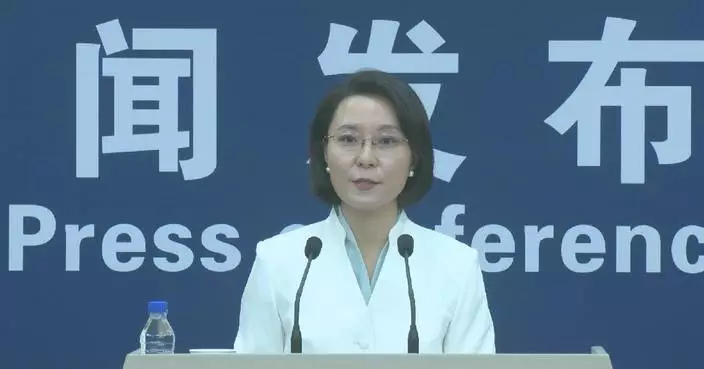
China's reduction in individual income tax has notably eased the burden on low-income groups, with over 70 percent of individuals having comprehensive income exempt from taxation in 2023, according to the data released by the State Taxation Administration on Tuesday.
According to the data, among the remaining less than 30 percent individuals who paid taxes in 2023, over 60 percent were subject to the lowest tax bracket of three percent.
China voted to adopt the revised Individual Income Tax Law in 2018 in an effort to pursue fairer income distribution.
The new law states that the minimum threshold for personal income tax exemption will be raised from 3,500 yuan (about 492 U.S. dollars) to 5,000 yuan (about 703 U.S. dollars) per month.
China's special individual income tax deductions are designed to lower the tax burden for those who have certain expenditures covering areas such as children's education, continuing education, medical treatment for serious diseases, housing loans, rent and elderly care.
"The individual income tax deduction has played an effective role in benefiting low-income groups. The tax payments based on comprehensive income have shown that the low-income groups pay little or no taxes thanks to the tax reform," said Li Ping, deputy director with the Institute of Tax Science of the administration.
"The 5,000 yuan threshold for personal income tax exemption stands at a comparatively high level globally, and can sufficiently cover the basic consumption expenditures. The current deductions for individual income tax in our country have evolved into a relatively comprehensive system, taking into account taxpayers' tax-paying capacity while also aligning with the nation's social and economic policies," said Li.
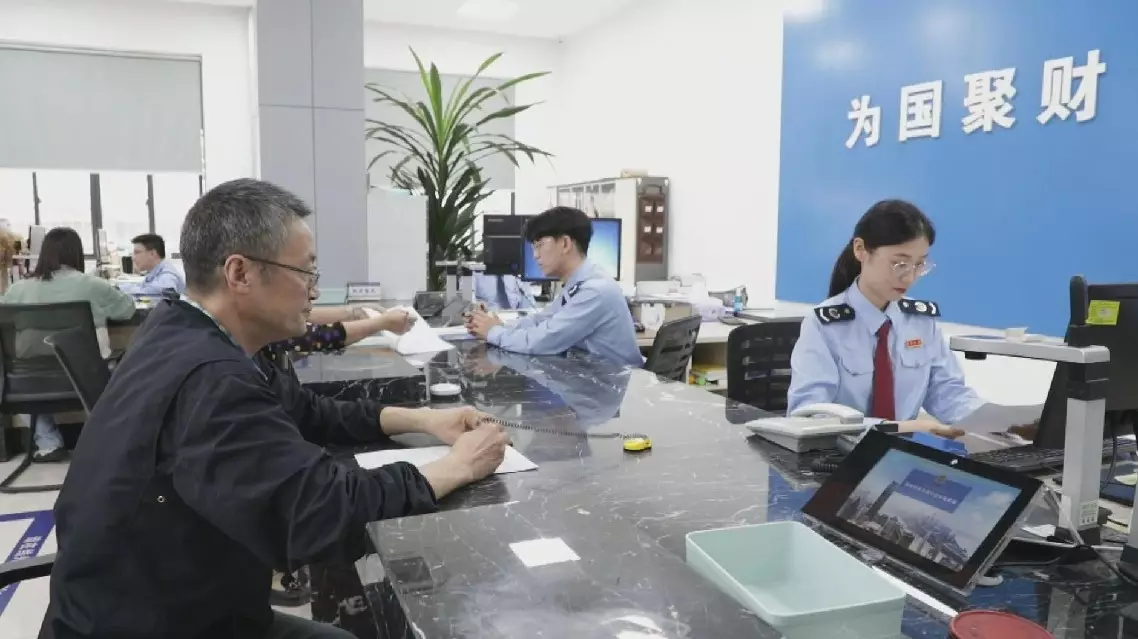
China's individual income tax reduction significantly alleviates burden on low-income groups
China's Minister of Commerce Wang Wentao outlined the key priorities of the 32nd Asia-Pacific Economic Cooperation (APEC) Ministers Responsible for Trade Meeting, which opened on Friday in Suzhou, East China's Jiangsu province.
In an interview with CGTN ahead of the two-day meeting, Wang said free trade, digital cooperation and green economy are high on the agenda of the meeting.
"The key areas include advancing regional economic integration and the Free Trade Area of the Asia-Pacific, supporting the World Trade Organization (WTO) in strengthening digital cooperation and developing green economy. At present, the international situation is marked by intertwined turbulence and chaos, with intensified geopolitical instability. The rise of unilateralism and protectionism poses serious challenges to the international economic and trade order, disrupting global and Asia-Pacific development. Against this backdrop, all parties have higher expectations for this trade ministers' meeting, hoping that it can build consensus and deliver outcomes," Wang said.
This year marks China's third time hosting the APEC meetings and the 35th anniversary of its membership.
By 2025, China had become the largest trading partner of 13 APEC economies. Trade between China and APEC economies reached 3.7 trillion U.S. dollars, accounting for 57.8 percent of China's total foreign trade.
China has signed 24 free trade agreements or economic and trade arrangements with 31 countries and regions, including 15 APEC economies. In recent years, China has also completed upgrades of free trade agreements with APEC economies such as Singapore and Peru.
The minister said that China has always been a firm supporter and an important contributor to APEC.
"We have actively shared our vast market and development opportunities with all parties. China's door to the world will only open wider and wider. Facing the common challenges, China will continue to fulfill its responsibilities as a major country, further deepen reform, expand high-standard opening-up, and continue to provide new opportunities for the Asia-Pacific region and the world with its new achievements in Chinese modernization," the minister said.
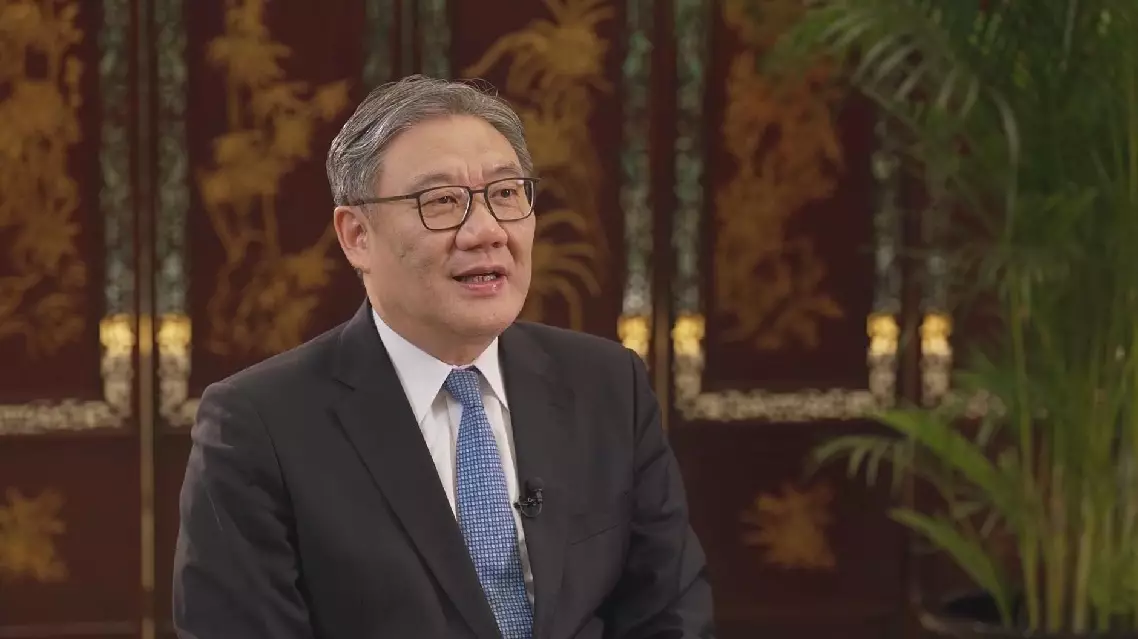
China's Commerce Minister outlines priorities for 32nd APEC trade ministers' meeting