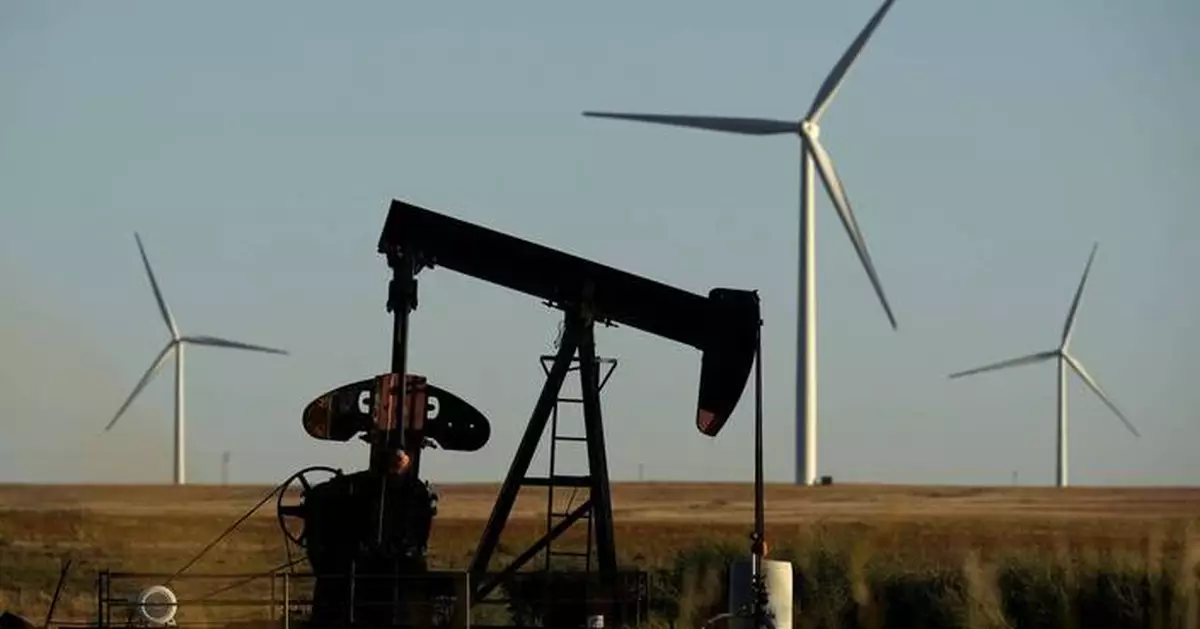
The world is set to make abundant energy by the second half of the decade as the production of batteries and solar panels surges — but there'll also be an excess of planet-warming fossil fuels, a report released Wednesday by the International Energy Agency said.
“We’re now moving at speed into the Age of Electricity,” IEA Executive Director Fatih Birol said in a press statement marking the release of the annual World Energy Outlook. Energy worldwide will "increasingly be based on clean sources of electricity,” he said.
Click to Gallery
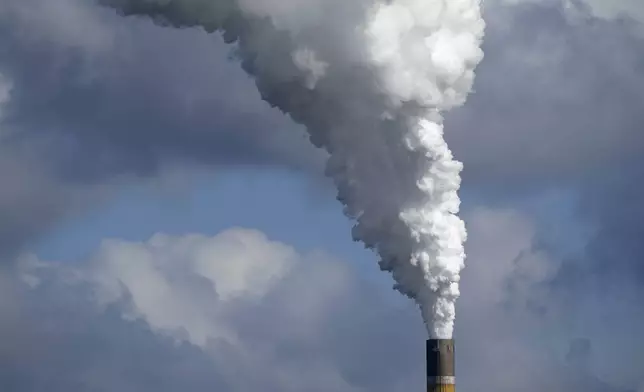
The Schkopau coal-fired power plant operates in Teutschenthal, near Halle, eastern Germany, Tuesday, Oct. 15, 2024. (AP Photo/Matthias Schrader)
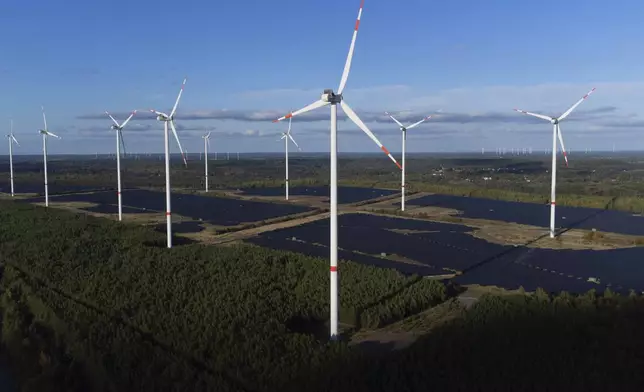
Wind turbines operate at the Klettwitz Nord solar energy park near Klettwitz, Germany, Tuesday, Oct. 15, 2024. (AP Photo/Matthias Schrader)
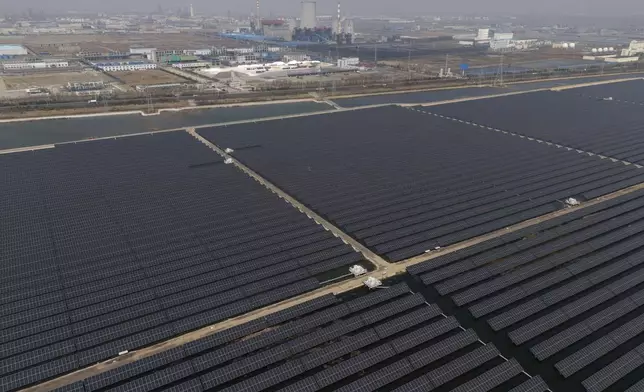
FILE - A solar farm operates near a chemical plant on the outskirts of Weifang in eastern China's Shandong province on March 22, 2024. (AP Photo/Ng Han Guan, File)
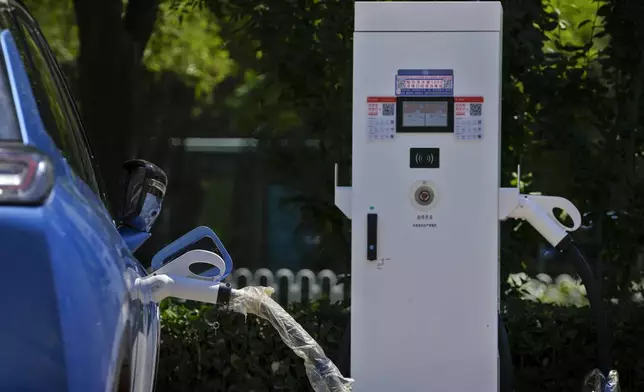
FILE - A Chinese electric vehicle charges in Beijing, Monday, June 24, 2024. (AP Photo/Andy Wong, File)
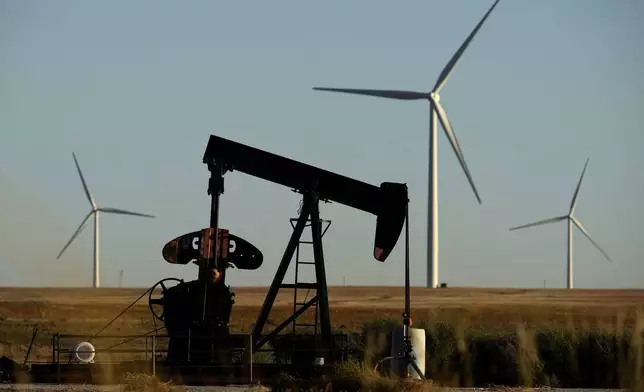
A pumpjack operates in the foreground while wind turbines at the Buckeye Wind Energy wind farm work in the distance, Monday, Sept. 30, 2024, near Hays, Kan. (AP Photo/Charlie Riedel)
But the report also notes that the world is still way off what's needed to cap warming to 1.5 degrees Celsius (2.7 degrees Fahrenheit) above preindustrial times — the limit set in the Paris Agreement — because emissions would decline too slowly. It expects demand for oil and gas to peak later this decade and puts the world on pace to hit 2.4 degrees (4.3 Fahrenheit) of warming.
China in particular — the world's current biggest emitter of greenhouse gases but also the main manufacturer of solar panels and batteries — is driving global energy trends, the report said.
In recent years, China has accounted for most of the growth in oil demand, but electric vehicles now make up 40% of new sales of cars there, and 20% of sales globally, putting major oil and gas producers “in a bind.”
The report indicates that China's emissions of planet-warming gases may peak by 2025, but “given the changes underway in China we think that might be a bit pessimistic,” said Bill Hare, CEO of Climate Analytics.
Hare said “there's every chance” China's emissions have already peaked in 2023, but more data is needed to be sure.
China already accounts for half the world’s electric cars on the road. By 2030, it’s projected that 70% of new car sales in China will be electric. With its massive additions of new wind and solar power, China is aligned with its target for addressing climate change.
The report outlines a future where EV adoption continues to gain momentum, potentially displacing up to 6 million barrels per day of oil demand by 2030. The agency said based on current trends and policies and the availability of materials, EVs will reach 50% of global car sales in 2030.
The clean energy expansion, however, is happening alongside a rise in demand for energy, including power produced by burning coal, according to the Paris-based agency. "This has meant that even as we saw record growth in clean energy installations and additions, emissions kept increasing,” said Lauri Myllyvirta, lead analyst at the think tank Centre for Research on Energy and Clean Air.
Electricity demand is growing even faster than expected, “driven by light industrial consumption, electric mobility, cooling, and data centers and AI,” the report said. The contours of switching heating, vehicles and some industry over to electricity, it said, are beginning to become clear.
Globally, the IEA said that the expansion of wind and solar power alongside the increasing adoption of EVs will ensure a peak in demand for coal, oil and gas within the decade, with carbon emissions also reaching their highest point and ramping downward.
As China’s rapidly switches toward batteries and renewable energy, oil companies find they can sell more of their product to India.
The IEA projects that India will add nearly two million barrels per day of oil to its demand by 2035, potentially offering a lifeline to oil producers looking to offset declining growth in other regions.
Laveesh Bhandari, president of the New Delhi-based think tank Centre for Social and Economic Progress, said India's booming economic growth means it will take the energy it can get.
“While demand for EVs will rise exponentially, the growth will not be able to cover all of the additional growth in demand for vehicles," Bhandari said. "So fossil fuel-powered vehicles use will increase for some time before leveling off and falling.”
Associated Press reporters Seth Borenstein in Washington, D.C. and Sibi Arasu in New Delhi contributed.
The Associated Press’ climate and environmental coverage receives financial support from multiple private foundations. AP is solely responsible for all content. Find AP’s standards for working with philanthropies, a list of supporters and funded coverage areas at AP.org.
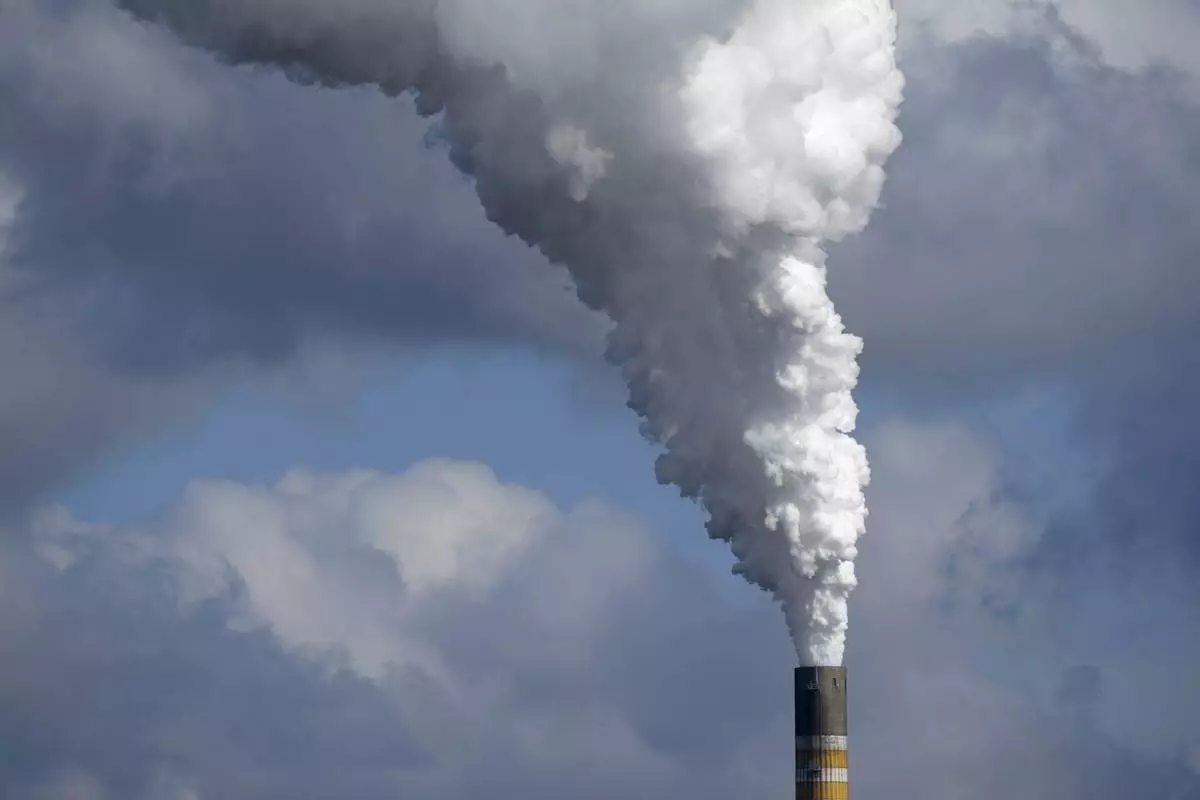
The Schkopau coal-fired power plant operates in Teutschenthal, near Halle, eastern Germany, Tuesday, Oct. 15, 2024. (AP Photo/Matthias Schrader)
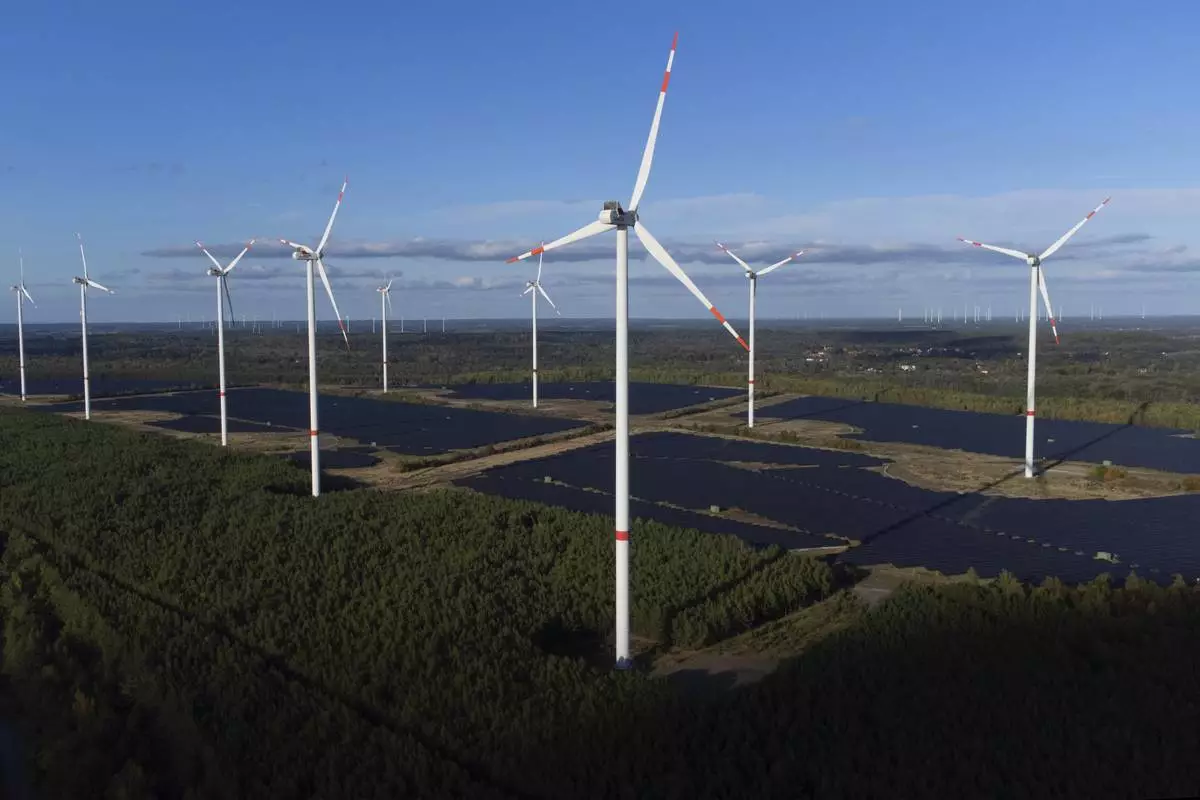
Wind turbines operate at the Klettwitz Nord solar energy park near Klettwitz, Germany, Tuesday, Oct. 15, 2024. (AP Photo/Matthias Schrader)
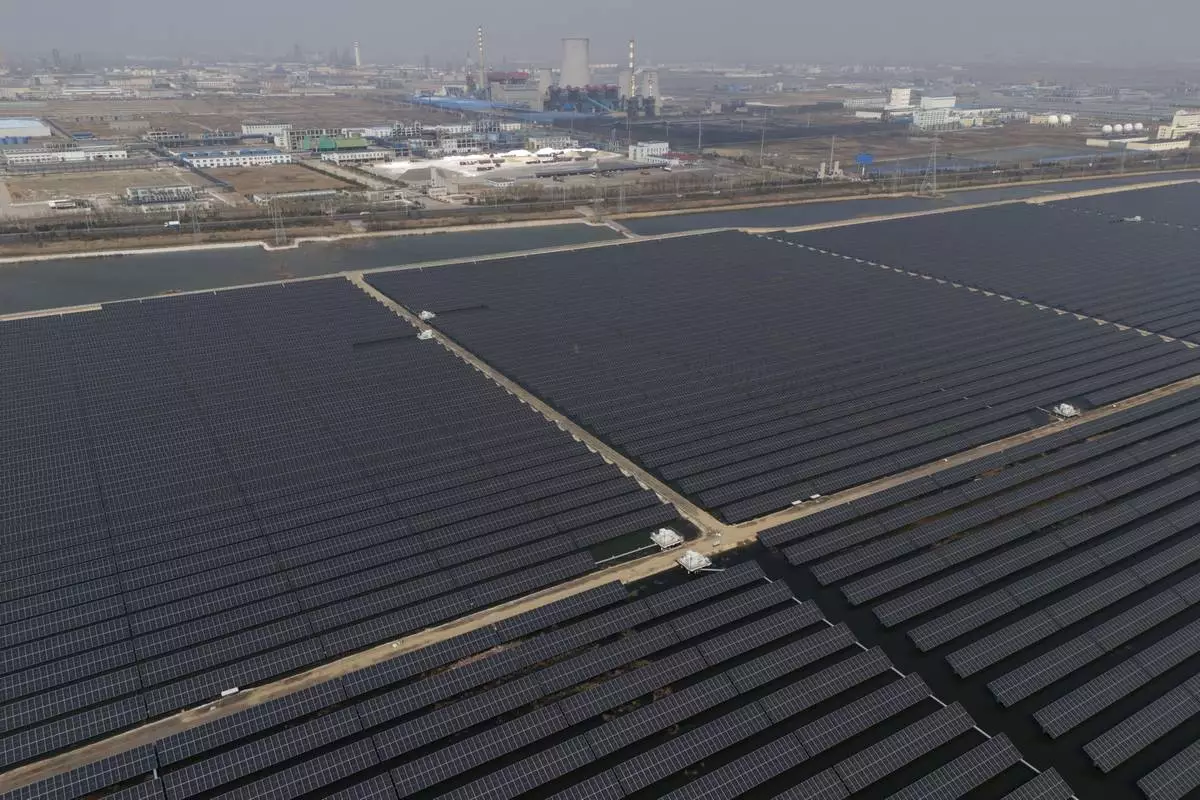
FILE - A solar farm operates near a chemical plant on the outskirts of Weifang in eastern China's Shandong province on March 22, 2024. (AP Photo/Ng Han Guan, File)
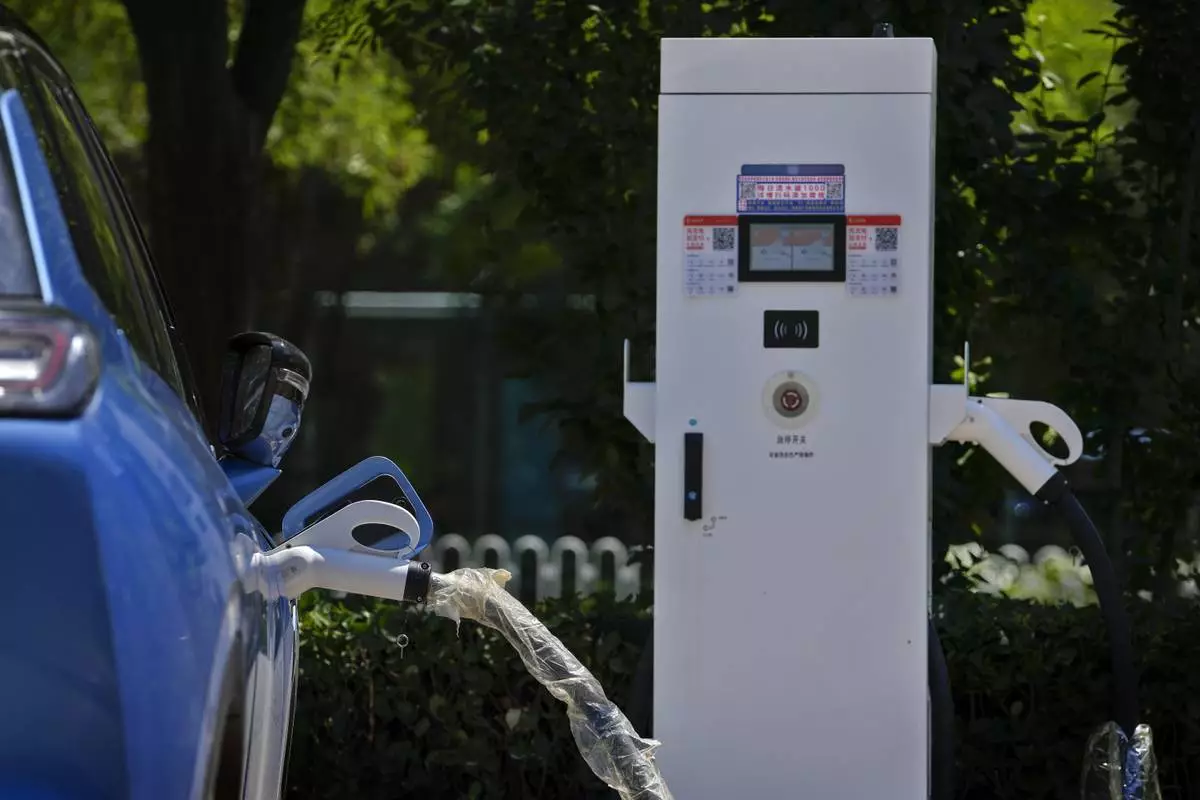
FILE - A Chinese electric vehicle charges in Beijing, Monday, June 24, 2024. (AP Photo/Andy Wong, File)
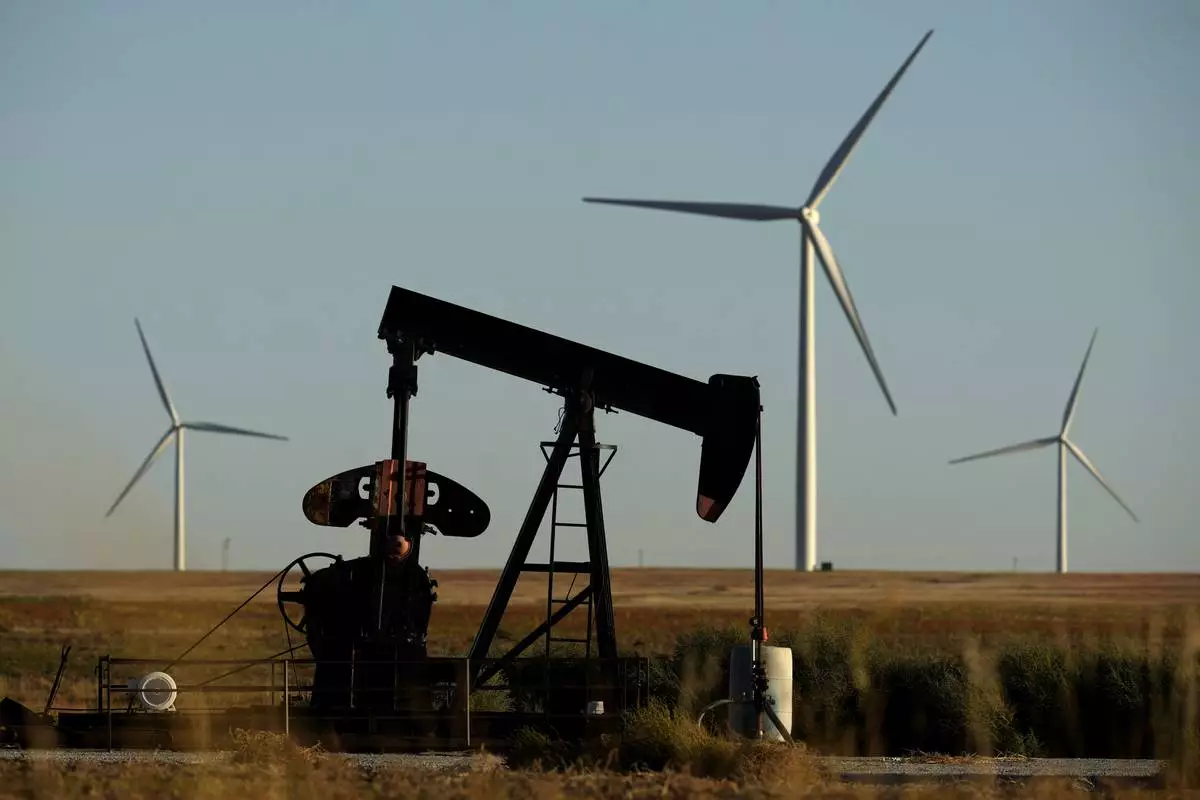
A pumpjack operates in the foreground while wind turbines at the Buckeye Wind Energy wind farm work in the distance, Monday, Sept. 30, 2024, near Hays, Kan. (AP Photo/Charlie Riedel)