Norwegian ski star Aleksander Aamodt Kilde will miss the entire 2024-25 season because his injured left shoulder requires surgery again, nine months after he crashed badly in a downhill in Switzerland.
“I now need another surgery to fully fix the shoulder. This unfortunately means I won’t be competing this winter,” Kilde said in a statement from the Norwegian ski federation Wednesday.
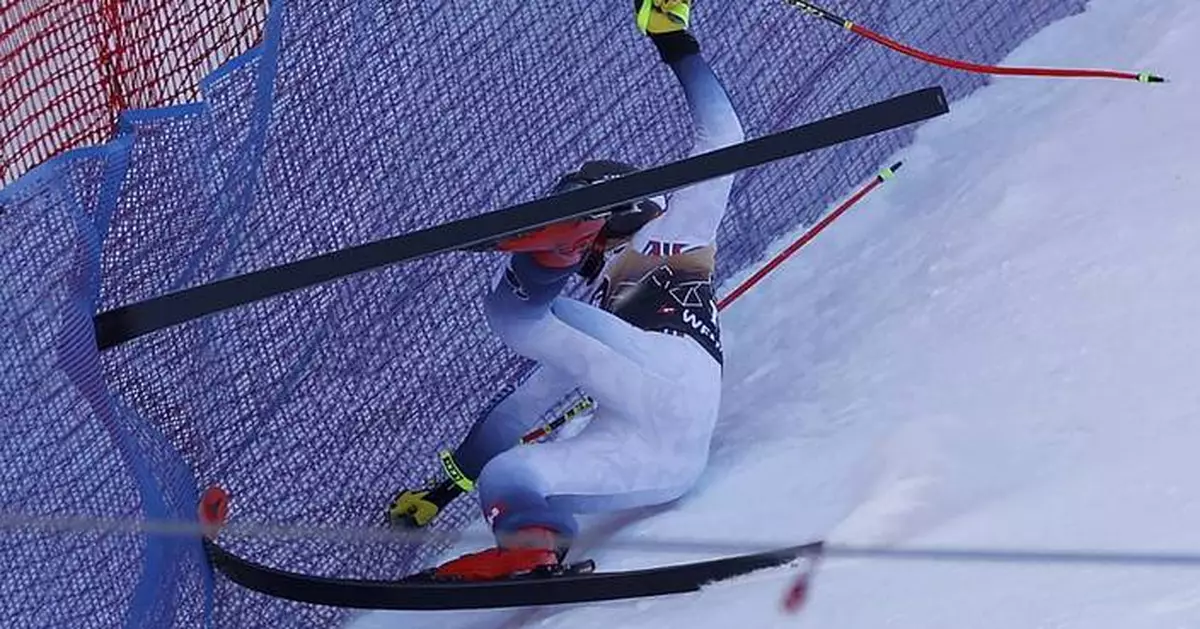
The 32-year-old Kilde, a two-time Olympic medalist who has won 21 World Cup races and took the 2019-20 overall title, had surgery to repair a severe cut and nerve damage in his right calf, plus two torn ligaments in his shoulder, after a terrifying crash near the finish of a downhill in Wengen in January.
Kilde went back on skis in June, but his recovery suffered a setback the following month due to an infection in his shoulder "that caused some complications,” he said.
“There was a big infection in my shoulder that had gone pretty far and I needed to undergo surgery for that,” Kilde said in a video on his Instagram account.
“It was mentally tough, not just because it then takes longer for me to go back skiing,," he said, "but also I was asking myself: ‘Am I going to be able to really use my shoulder ever again?’"
Currently, he added, "two of the muscles are still not attached at this moment, which means I need to do another surgery and reconstruct everything again.”
Kilde was among a slew of World Cup, Olympic and world champions to crash hard in a packed mid-season program, including his fiancée Mikaela Shiffrin.
The American hurt her left knee following a crash on the 2026 Olympic downhill course in Cortina d'Ampezzo, though the World Cup record holder and two-time Olympic champion returned to racing six weeks later.
“We can be going through completely different experiences, and still be able to actually support each other,” Shiffrin said in an online media call Wednesday. “This season, we are going to take it all as it comes, because we can do that with each other.”
The Norwegian ski team's doctor, Trond Floberghagen, expected Kilde to return racing in the 2025-26 Olympic season.
“Unfortunately, neither the medical situation nor the timeline is compatible with an active season this winter,” Floberghagen said.
“After a challenging injury break, Aleksander is now well-prepared and motivated for a new rehabilitation process, and we expect him to be back at the starting line next season.”
Kilde added: "I’m fully committed to my rehab and working towards a strong comeback.”
Many racers commented to Kilde's video on Instagram with messages of encouragement.
Three-time overall World Cup champion Marco Odermatt wrote, “we need you, keep going." American great Lindsey Vonn said, “One more surgery, keep fighting! You’ll be back” and Olympic slalom champion Clement Noel posted, “Keep fighting Aleks!"
The World Cup season starts this weekend with two giant slaloms in Soelden, Austria, with the women racing on Saturday and the men the following day.
The season also includes the world championships in Austria in February.
AP skiing: https://apnews.com/hub/alpine-skiing
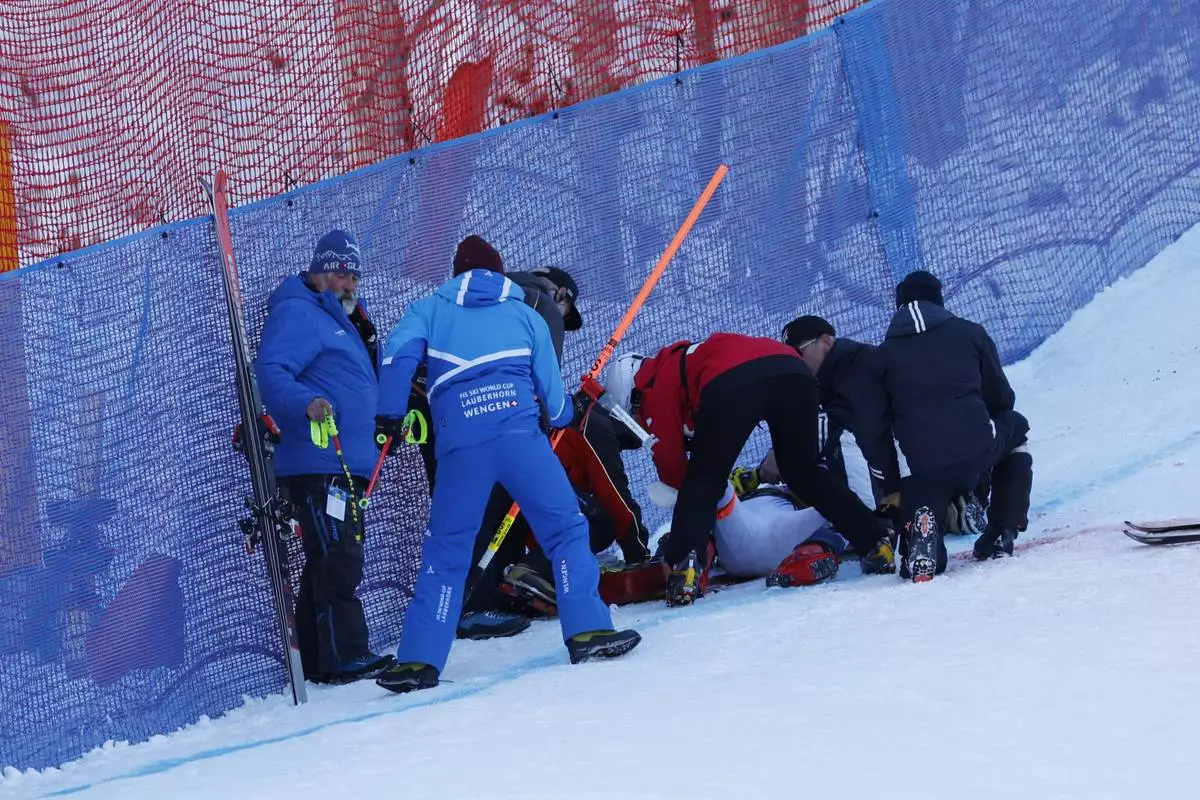
FILE - Norway's Aleksander Aamodt Kilde is attended after falling during an alpine ski, men's World Cup downhill race, in Wengen, Switzerland, Saturday, Jan. 13, 2024. (AP Photo/Alessandro Trovati, File)

FILE - Norway's Aleksander Aamodt Kilde celebrates on the podium after taking second place in an alpine ski, men's World Cup giant slalom race, in Adelboden, Switzerland, Saturday, Jan. 6, 2024. (AP Photo/Giovanni Auletta, File)
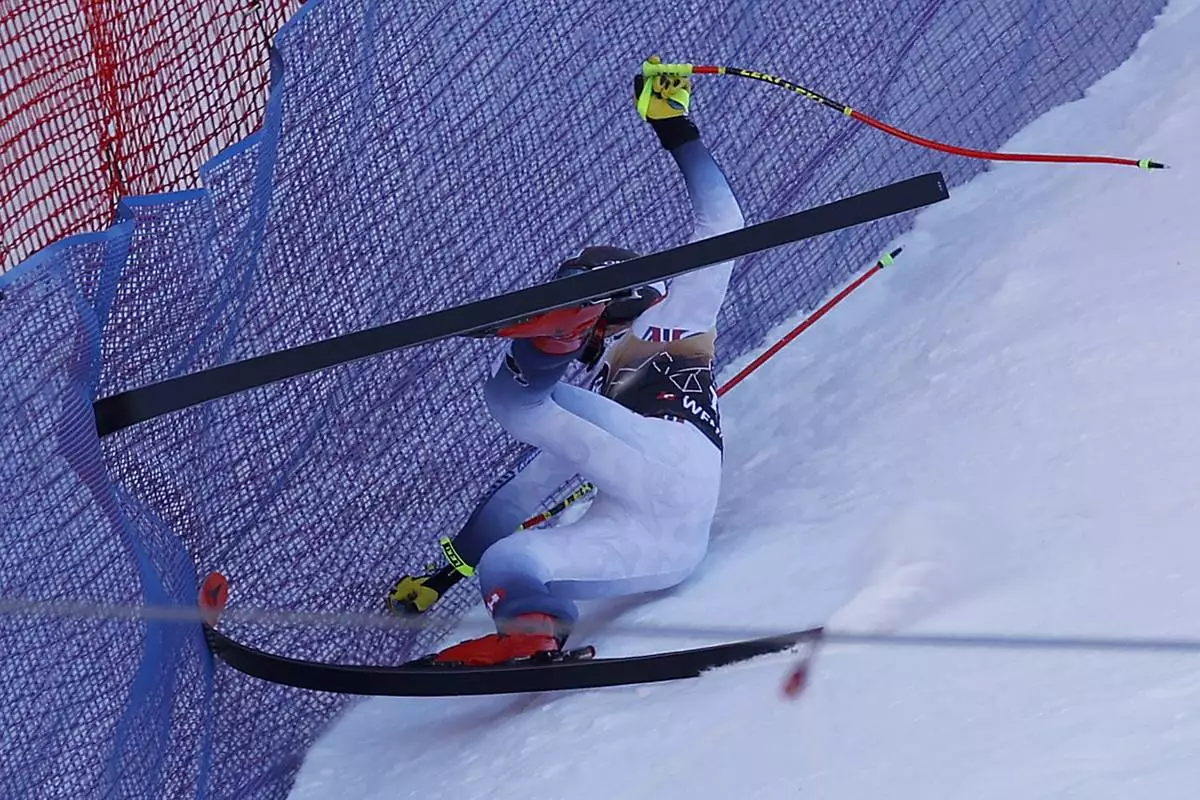
FILE - Norway's Aleksander Aamodt Kilde falls during an alpine ski, men's World Cup downhill race, in Wengen, Switzerland, Saturday, Jan. 13, 2024. (AP Photo/Alessandro Trovati, File)
DUBAI, United Arab Emirates (AP) — U.S. President Donald Trump said Iran wants to negotiate with Washington after his threat to strike the Islamic Republic over its bloody crackdown on protesters, a move coming as activists said Monday the death toll in the nationwide demonstrations rose to at least 544.
Iran had no immediate reaction to the news, which came after the foreign minister of Oman — long an interlocutor between Washington and Tehran — traveled to Iran this weekend. It also remains unclear just what Iran could promise, particularly as Trump has set strict demands over its nuclear program and its ballistic missile arsenal, which Tehran insists is crucial for its national defense.
Meanwhile Monday, Iran called for pro-government demonstrators to head to the streets in support of the theocracy, a show of force after days of protests directly challenging the rule of 86-year-old Supreme Leader Ayatollah Ali Khamenei. Iranian state television aired chants from the crowd, who shouted “Death to America!” and “Death to Israel!”
Trump and his national security team have been weighing a range of potential responses against Iran including cyberattacks and direct strikes by the U.S. or Israel, according to two people familiar with internal White House discussions who were not authorized to comment publicly and spoke on condition of anonymity.
“The military is looking at it, and we’re looking at some very strong options,” Trump told reporters on Air Force One on Sunday night. Asked about Iran’s threats of retaliation, he said: “If they do that, we will hit them at levels that they’ve never been hit before.”
Trump said that his administration was in talks to set up a meeting with Tehran, but cautioned that he may have to act first as reports of the death toll in Iran mount and the government continues to arrest protesters.
“I think they’re tired of being beat up by the United States,” Trump said. “Iran wants to negotiate.”
He added: “The meeting is being set up, but we may have to act because of what’s happening before the meeting. But a meeting is being set up. Iran called, they want to negotiate.”
Iran through country's parliamentary speaker warned Sunday that the U.S. military and Israel would be “legitimate targets” if America uses force to protect demonstrators.
More than 10,600 people also have been detained over the two weeks of protests, said the U.S.-based Human Rights Activists News Agency, which has been accurate in previous unrest in recent years and gave the death toll. It relies on supporters in Iran crosschecking information. It said 496 of the dead were protesters and 48 were with security forces.
With the internet down in Iran and phone lines cut off, gauging the demonstrations from abroad has grown more difficult. The Associated Press has been unable to independently assess the toll. Iran’s government has not offered overall casualty figures.
Those abroad fear the information blackout is emboldening hard-liners within Iran’s security services to launch a bloody crackdown. Protesters flooded the streets in the country’s capital and its second-largest city on Saturday night into Sunday morning. Online videos purported to show more demonstrations Sunday night into Monday, with a Tehran official acknowledging them in state media.
In Tehran, a witness told the AP that the streets of the capital empty at the sunset call to prayers each night. By the Isha, or nighttime prayer, the streets are deserted.
Part of that stems from the fear of getting caught in the crackdown. Police sent the public a text message that warned: “Given the presence of terrorist groups and armed individuals in some gatherings last night and their plans to cause death, and the firm decision to not tolerate any appeasement and to deal decisively with the rioters, families are strongly advised to take care of their youth and teenagers.”
Another text, which claimed to come from the intelligence arm of the paramilitary Revolutionary Guard, also directly warned people not to take part in demonstrations.
“Dear parents, in view of the enemy’s plan to increase the level of naked violence and the decision to kill people, ... refrain from being on the streets and gathering in places involved in violence, and inform your children about the consequences of cooperating with terrorist mercenaries, which is an example of treason against the country,” the text warned.
The witness spoke to the AP on condition of anonymity due to the ongoing crackdown.
The demonstrations began Dec. 28 over the collapse of the Iranian rial currency, which trades at over 1.4 million to $1, as the country’s economy is squeezed by international sanctions in part levied over its nuclear program. The protests intensified and grew into calls directly challenging Iran’s theocracy.
Nikhinson reported from aboard Air Force One.
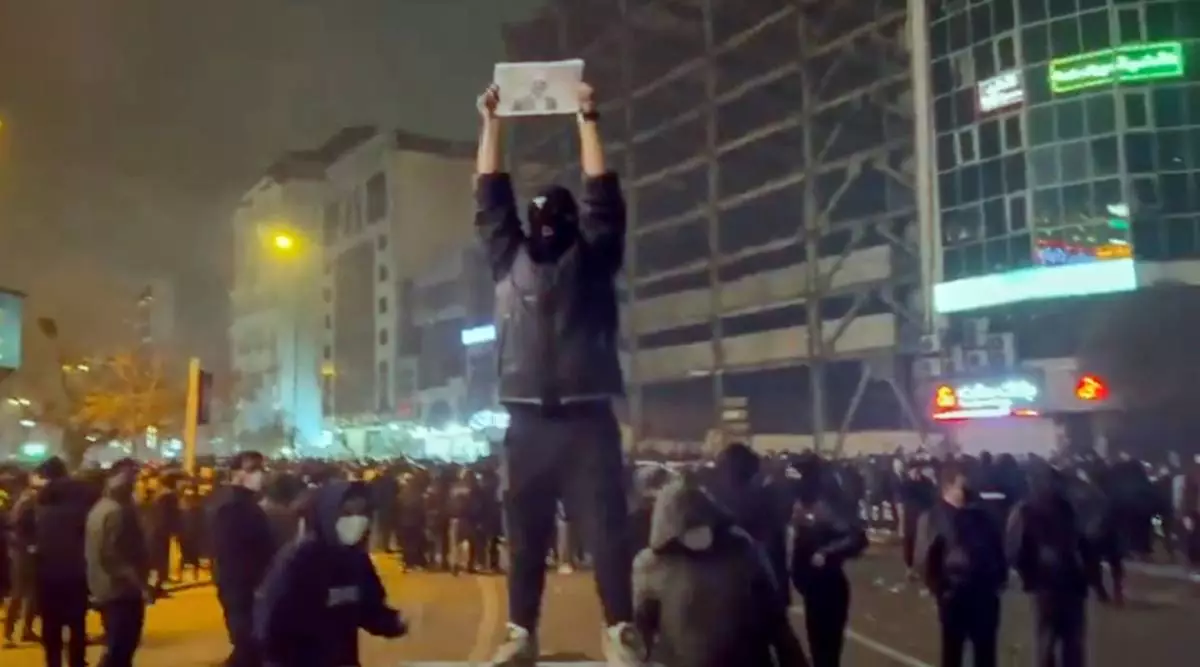
In this frame grab from video obtained by the AP outside Iran, a masked demonstrator holds a picture of Iran's Crown Prince Reza Pahlavi during a protest in Tehran, Iran, Friday, January. 9, 2026. (UGC via AP)
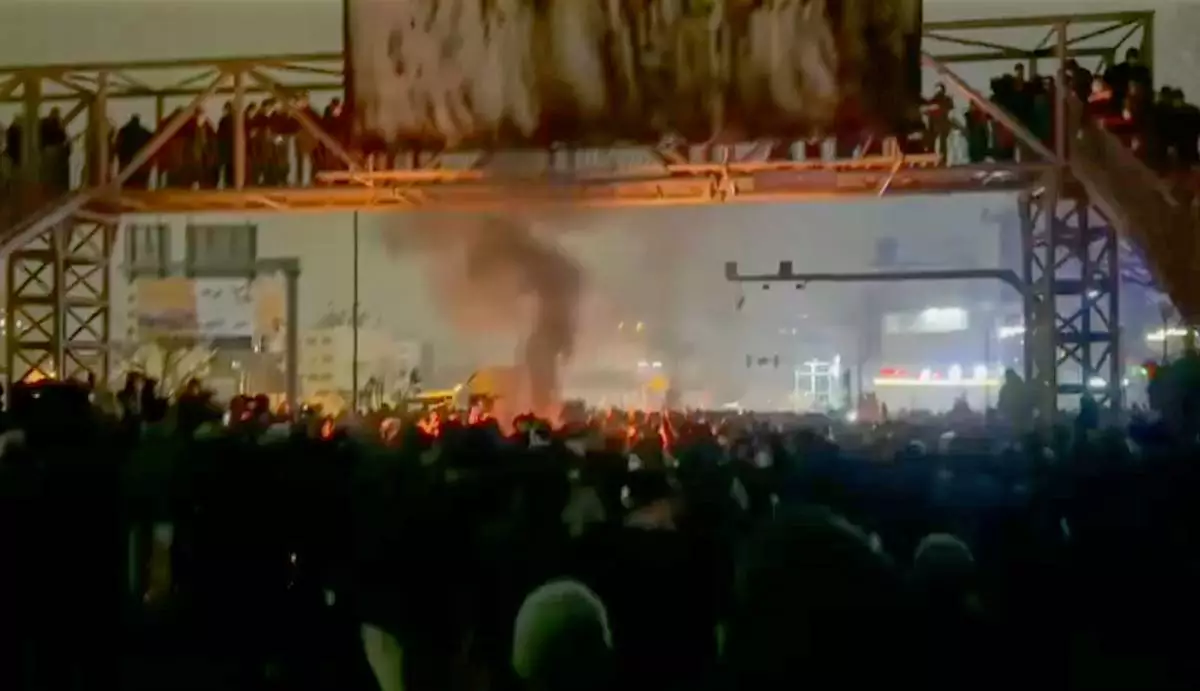
In this frame grab from footage circulating on social media from Iran shows protesters taking to the streets despite an intensifying crackdown as the Islamic Republic remains cut off from the rest of the world in Tehran, Iran, Friday, Jan. 9, 2026.(UGC via AP)
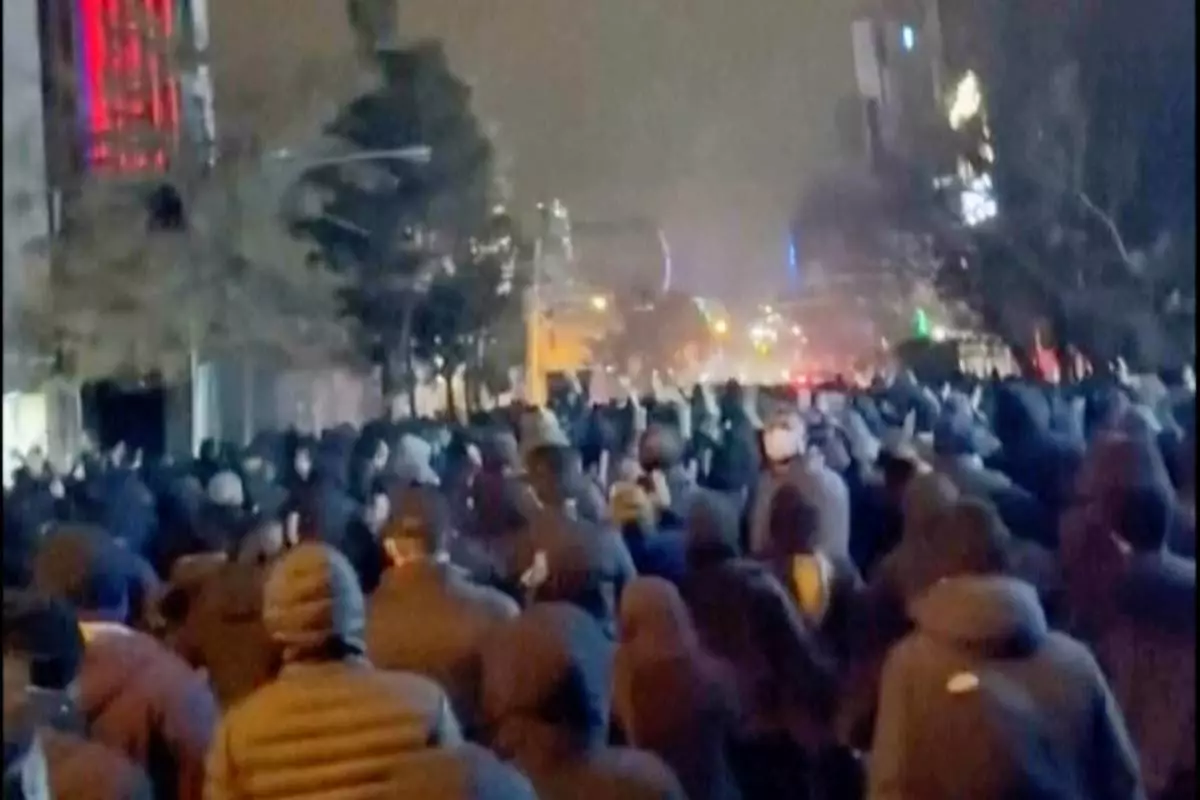
In this frame grab from footage circulating on social media from Iran showed protesters once again taking to the streets of Tehran despite an intensifying crackdown as the Islamic Republic remains cut off from the rest of the world in Tehran, Iran, Saturday Jan. 10, 2026. (UGC via AP)