A statue of the ancient Chinese philosopher Confucius was unveiled at the Kazan Federal University on Wednesday as the 16th BRICS Summit continues in the Russian city.
The 2.5-meter statue, located across the street from the university's library, stands as a symbol of China-Russia cultural exchanges. In 2007, the Kazan Federal University co-founded a Confucius Institute with China's Hunan Normal University.
Kazan Federal University Rector Lenar Safin noted that the statue's unveiling during the ongoing BRICS summit carries symbolic meaning, and delivers a message of Eastern philosophy, represented by Confucius and Confucianism, helping to foster cultural exchanges among nations, build consensus and promote joint development.
The unveiling ceremony was attended by Shen Haixiong, deputy head of the Publicity Department of the Communist Party of China Central Committee and president of the China Media Group, Bella Cherkesova, Deputy Minister of Digital Development, Communications, and Mass Media of the Russian Federation, Oleg Dobrodeev, CEO of All-Russia State Television and Radio Broadcasting Company (VGTRK) and other media guests from BRICS countries attending a BRICS media dialogue in Kazan.
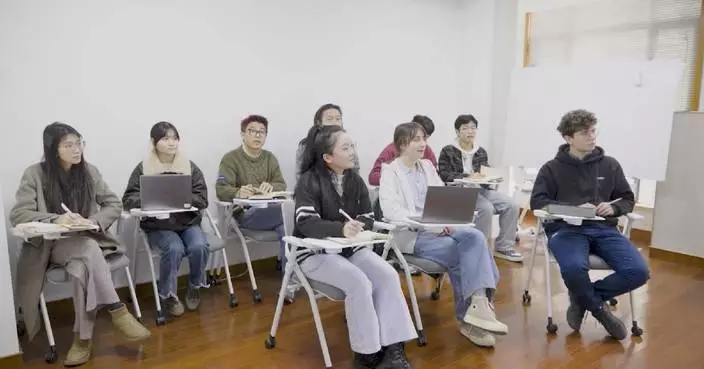
Founded in 1804, Kazan Federal University established Russia's first Chinese language teaching institution in 1837. The university has maintained a strong tradition of Chinese language education and cultural studies. Currently, over 2,000 Chinese students are enrolled at the university, alongside approximately 1,000 local students who are studying Chinese.
The three-day 16th BRICS Summit kicked off on Tuesday, gathering leaders from the emerging-market cooperative group in Kazan.
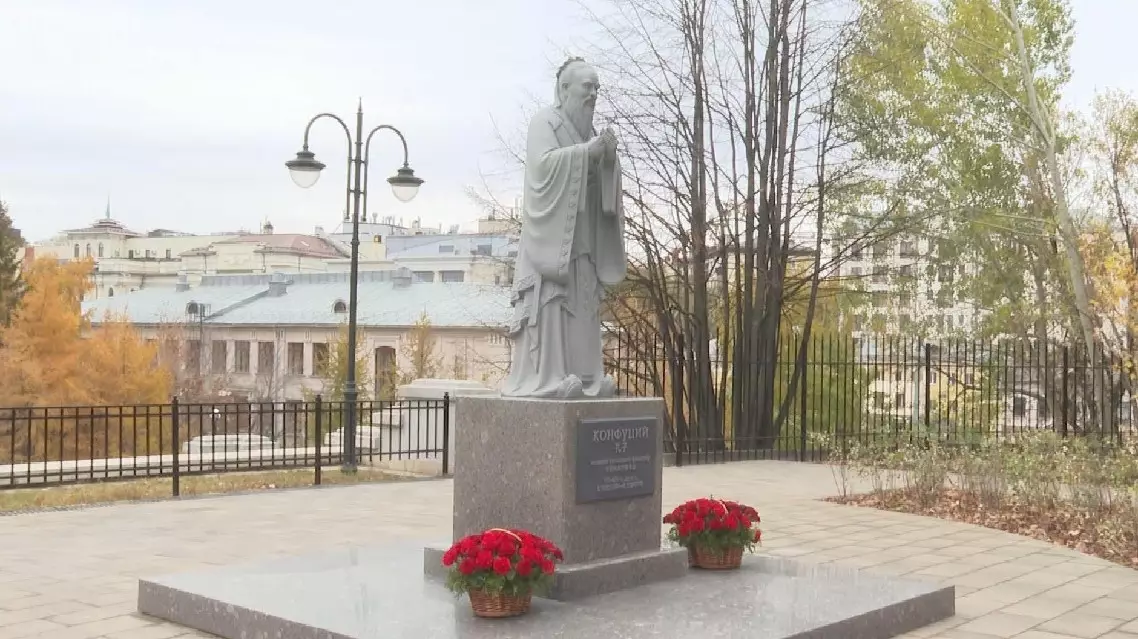
Statue of Confucius unveiled at Russia's Kazan Federal University
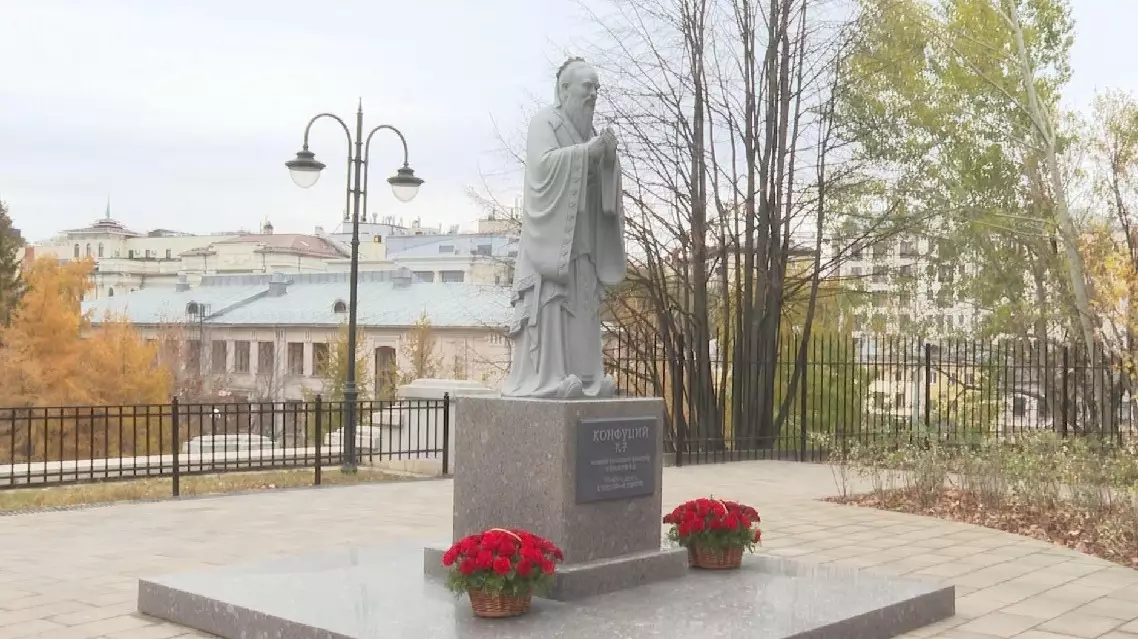
Statue of Confucius unveiled at Russia's Kazan Federal University
Institutional opening-up, a key topic at this year's two sessions and in the 15th Five-Year Plan, is fundamentally about establishing long-term effectiveness through systematic, nationwide efforts rather than fragmented, short-term actions, said a deputy to the 14th National People's Congress (NPC) on Friday in Beijing.
The "two sessions", a major event in China's political calendar, refer to the annual meetings of China's top legislature, the National People's Congress (NPC), and the top political advisory body, the National Committee of the Chinese People's Political Consultative Conference (CPPCC).
Peng Shou, also an academician of Chinese Academy of Engineering, explained that by developing comprehensive pilot frameworks in free trade zones like Shanghai and the Hainan Free Trade Port, China is transforming fragmented policies into cohesive systems, such as addressing processing VAT to boost high-tech industries; and exploring the expansion of models like negative lists and digital infrastructure to create a more transparent and predictable environment for global partners.
"I believe that a system is about long-term effectiveness, it's not a short-term move, and not fragmented. It's not about handling isolated cases, but about involving everyone, the whole society," said Peng.
China has built a series of comprehensive testing grounds for institutional openness.
With 22 free trade zones covering the entire country, a full-scale pilot framework has been established. Especially in free trade zones like Shanghai and the Hainan Free Trade Port, China has launched over 110 innovative, integrated pilot measures.
"Turning previous fragmented small policies into a systematic framework is key. For example, the issue of processing and value-added tax is well addressed. By incorporating processing technologies and adding value, it drives the development of high-tech industries," said Peng.
Such models could also be promoted in other regions.
Peng also said that the Hainan Free Trade Port's special customs operations can be used as a great example.
"We may apply this negative list model to some cities or development zones. Additionally, we can focus on digital infrastructure, using AI and digital technology as a foundation in cities like Beijing and Shanghai," he said.
At its core, institutional opening-up is not just about aligning with global standards; it's about creating a more open, transparent, and predictable environment that attracts global partners, according to Peng.
By embracing this new model, China is not only enhancing its position in the global market but also reshaping its own economic future, he added.
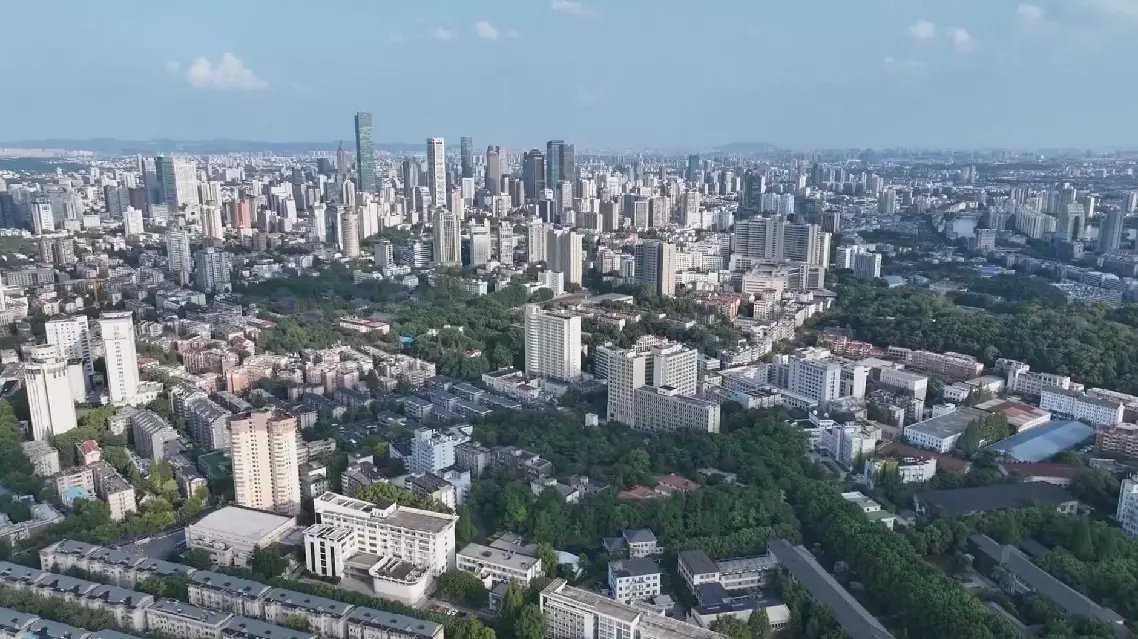
NPC deputy emphasizes long-term, systematic impact of institutional opening-up strategies