Skip to Content Facebook Feature Image

A civil rights icon's childhood home will not be a museum after opposition from her descendants

News

A civil rights icon's childhood home will not be a museum after opposition from her descendants
News

News

A civil rights icon's childhood home will not be a museum after opposition from her descendants

2024-10-25 11:25 Last Updated At:11:31

NEW ORLEANS (AP) — After Candice Henderson-Chandler moved to New Orleans and bought her first house in 2021, she learned it had played a key role in the city's civil rights history and was the childhood home of a prominent activist, Oretha Castle Haley. Henderson-Chandler, who is Black, soon founded a nonprofit and planned to convert part of the property into a museum to celebrate this history.

She also listed the property on the rental site Airbnb marketing its civil rights legacy and sold museum memberships and civil rights-era themed products like “Freedom Fighter” citrus candles on her nonprofit's website.

More Images
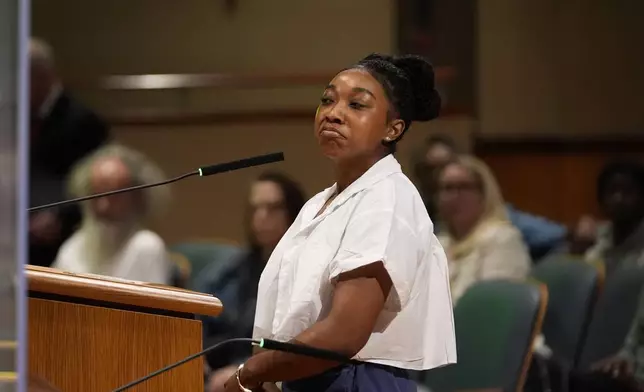
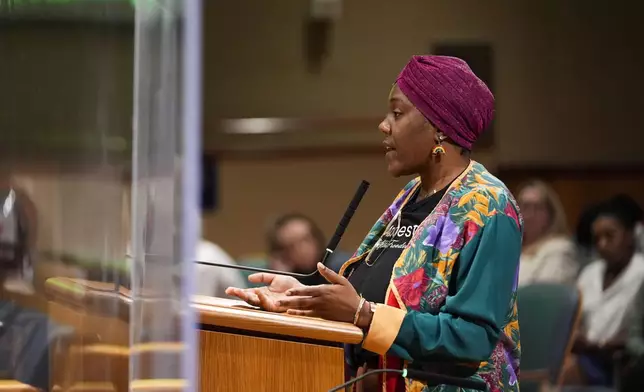
Simone Haley, granddaughter of Oretha Castle Haley, speaks during a city council hearing regarding the dispute over her grandmother's former home and plans by others to create a museum, in New Orleans, Thursday, Oct. 24, 2024. (AP Photo/Gerald Herbert)
Simone Haley, granddaughter of Oretha Castle Haley, speaks during a city council hearing regarding the dispute over her grandmother's former home and plans by others to create a museum, in New Orleans, Thursday, Oct. 24, 2024. (AP Photo/Gerald Herbert)

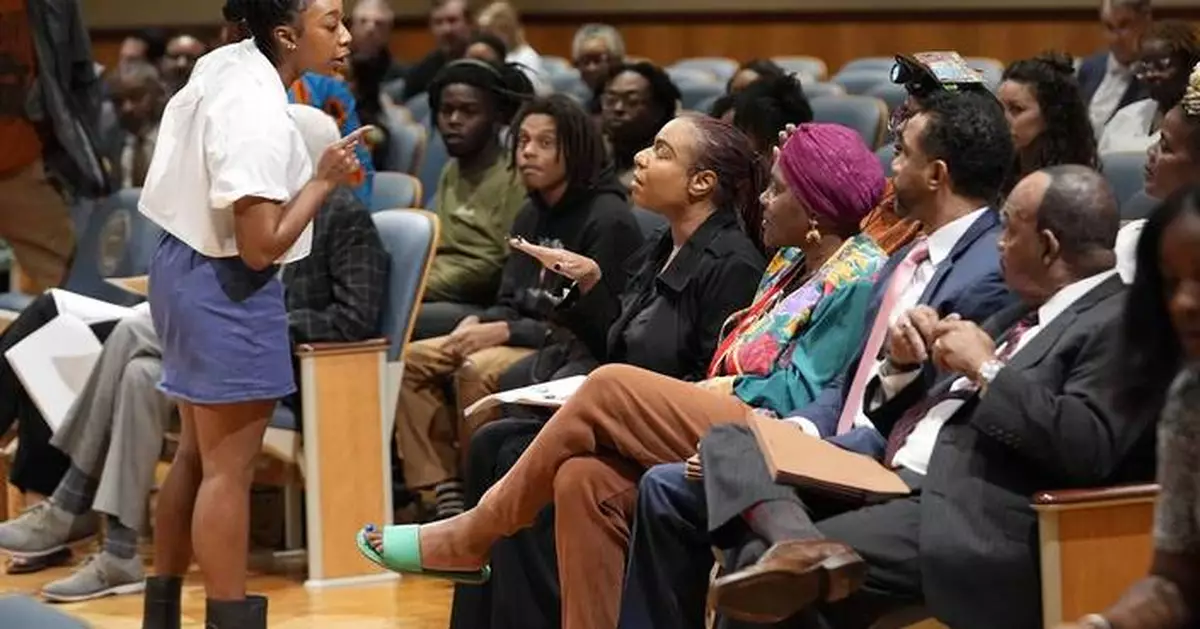
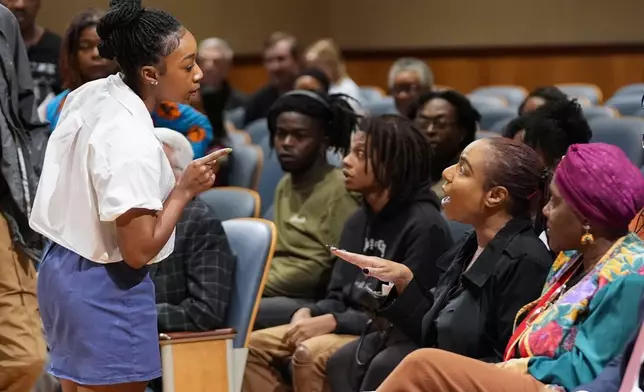
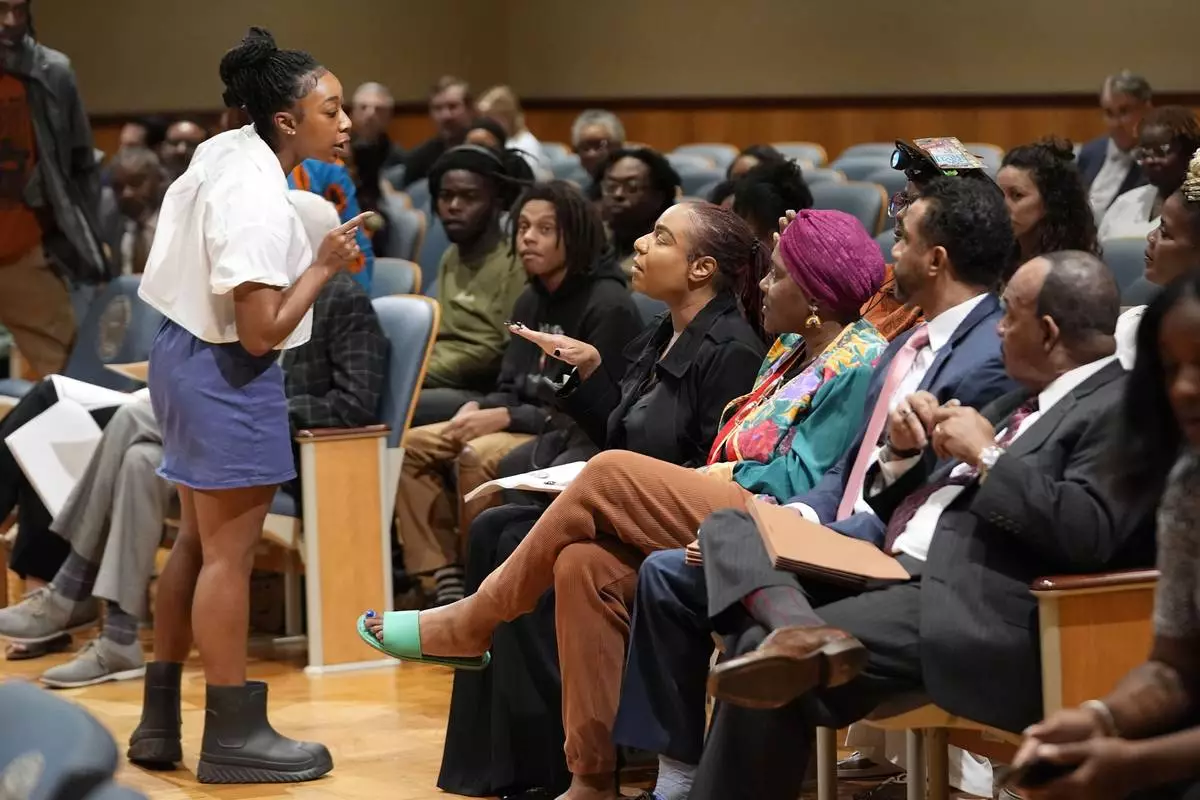
Simone Haley, granddaughter of Oretha Castle Haley, challenges Lakita Smith, seated with Candice Henderson-Chandler, after speaking during a city council hearing regarding the dispute over her grandmother's former home and plans by the property owner, Henderson-Chandler, to create a museum, in New Orleans, Thursday, Oct. 24, 2024. (AP Photo/Gerald Herbert)
Simone Haley, granddaughter of Oretha Castle Haley, challenges Lakita Smith, seated with Candice Henderson-Chandler, after speaking during a city council hearing regarding the dispute over her grandmother's former home and plans by the property owner, Henderson-Chandler, to create a museum, in New Orleans, Thursday, Oct. 24, 2024. (AP Photo/Gerald Herbert)

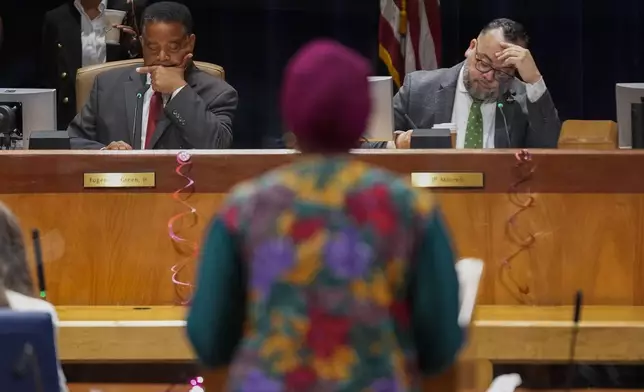
Candice Henderson-Chandler, who purchased the former home of civil rights leader Oretha Castle Haley and plans to open a museum, speaks during a city council hearing on the matter, which is opposed by Castle Haley's family, in New Orleans, Thursday, Oct. 24, 2024. (AP Photo/Gerald Herbert)
Candice Henderson-Chandler, who purchased the former home of civil rights leader Oretha Castle Haley and plans to open a museum, speaks during a city council hearing on the matter, which is opposed by Castle Haley's family, in New Orleans, Thursday, Oct. 24, 2024. (AP Photo/Gerald Herbert)
New Orleans city council members Eugene J. Green, left, and JP Morrell, listen as Candice Henderson-Chandler, who purchased the former home of civil rights leader Oretha Castle Haley and plans to open a museum, speaks during a city council hearing on the matter, which is opposed by Castle Haley's family, in New Orleans, Thursday, Oct. 24, 2024. (AP Photo/Gerald Herbert)

New Orleans city council members Eugene J. Green, left, and JP Morrell, listen as Candice Henderson-Chandler, who purchased the former home of civil rights leader Oretha Castle Haley and plans to open a museum, speaks during a city council hearing on the matter, which is opposed by Castle Haley's family, in New Orleans, Thursday, Oct. 24, 2024. (AP Photo/Gerald Herbert)

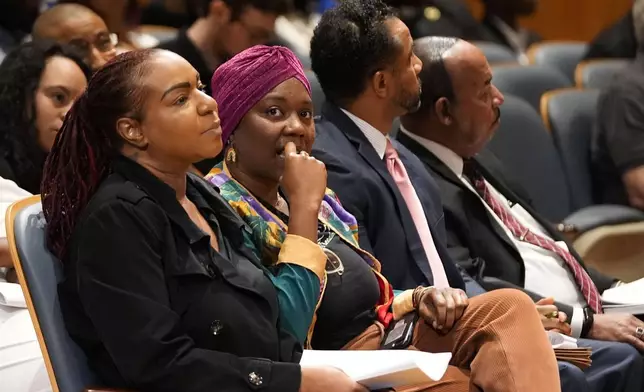
Candice Henderson-Chandler, second left, property owner of the home of former civil rights leader Oretha Castle Haley, listens during a city council hearing regarding her plans to open a museum, opposed by Oretha Castle Haley's family, in New Orleans, Thursday, Oct. 24, 2024. (AP Photo/Gerald Herbert)
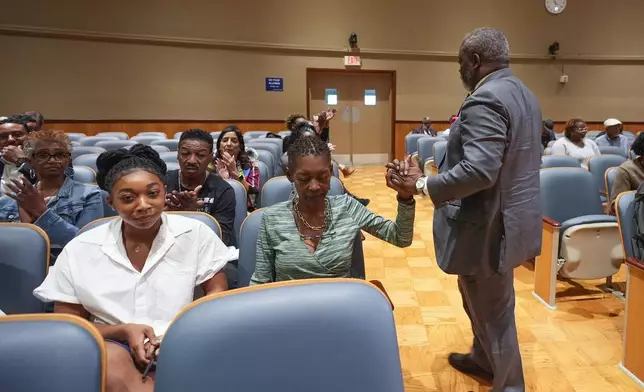
Candice Henderson-Chandler, second left, property owner of the home of former civil rights leader Oretha Castle Haley, listens during a city council hearing regarding her plans to open a museum, opposed by Oretha Castle Haley's family, in New Orleans, Thursday, Oct. 24, 2024. (AP Photo/Gerald Herbert)

Sundiata Haley, son of Oretha Castle Haley, is congratulated by civil rights attorney Tracy L. Washington, as he walks to his seat after speaking during a city council hearing regarding the dispute over Oretha Castle Haley's former home, and plans by others to create a museum, in New Orleans, Thursday, Oct. 24, 2024. (AP Photo/Gerald Herbert)
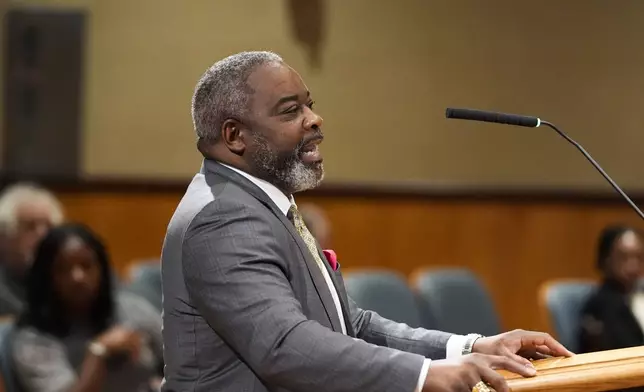
Sundiata Haley, son of Oretha Castle Haley, is congratulated by civil rights attorney Tracy L. Washington, as he walks to his seat after speaking during a city council hearing regarding the dispute over Oretha Castle Haley's former home, and plans by others to create a museum, in New Orleans, Thursday, Oct. 24, 2024. (AP Photo/Gerald Herbert)
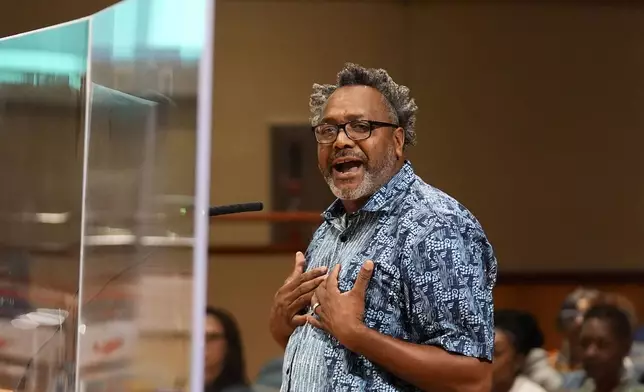
Sundiata Haley, son of Oretha Castle Haley, speaks during a city council hearing regarding the dispute over her former home and plans by others to create a museum, in New Orleans, Thursday, Oct. 24, 2024. (AP Photo/Gerald Herbert)
Sundiata Haley, son of Oretha Castle Haley, speaks during a city council hearing regarding the dispute over her former home and plans by others to create a museum, in New Orleans, Thursday, Oct. 24, 2024. (AP Photo/Gerald Herbert)

Okyeame Haley, son of Oretha Castle Haley, speaks during a city council hearing regarding the dispute over her former home and plans by others to create a museum, in New Orleans, Thursday, Oct. 24, 2024. (AP Photo/Gerald Herbert)

Okyeame Haley, son of Oretha Castle Haley, speaks during a city council hearing regarding the dispute over her former home and plans by others to create a museum, in New Orleans, Thursday, Oct. 24, 2024. (AP Photo/Gerald Herbert)

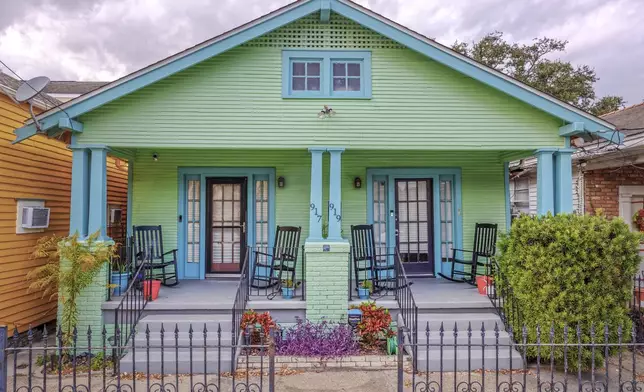
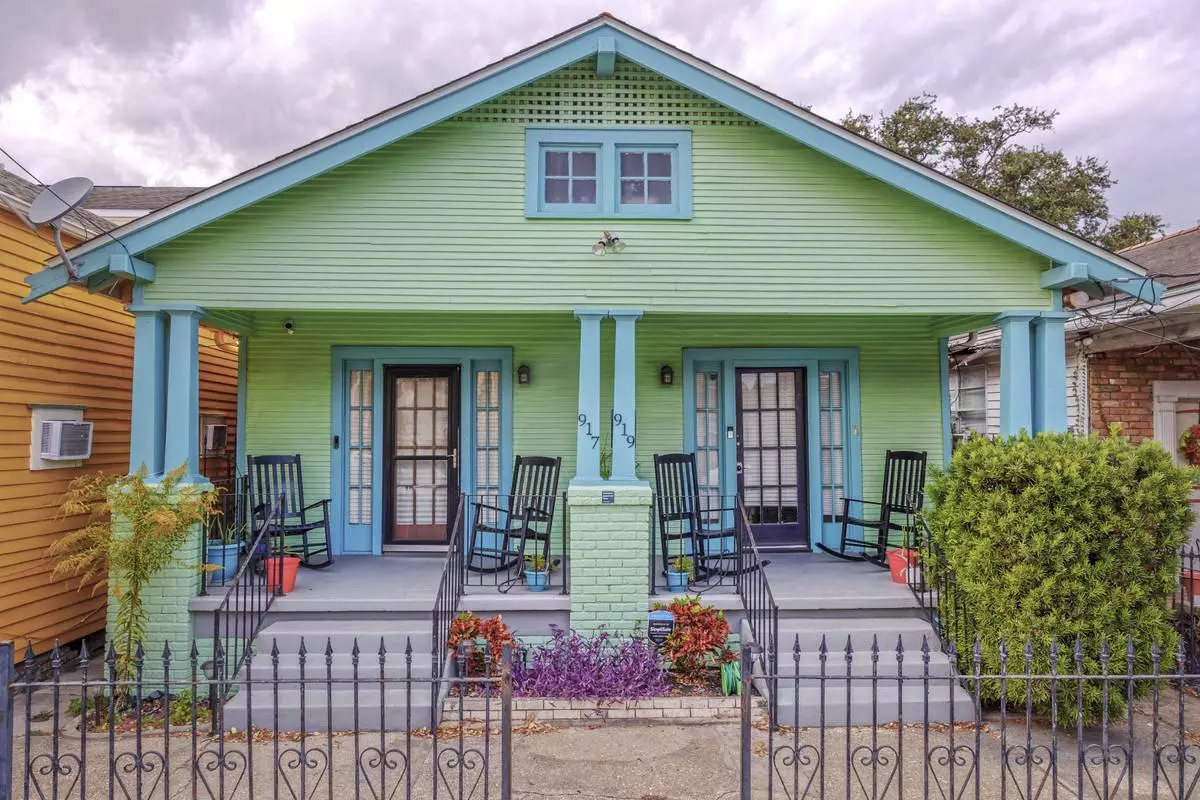
FILE - Family home of civil rights movement leader Oretha Castle Haley, on 917-919 North Tonti Street in New Orleans, Thursday, Nov. 9, 2023. (Chris Granger/The Times-Picayune/The New Orleans Advocate via AP, File)
FILE - Family home of civil rights movement leader Oretha Castle Haley, on 917-919 North Tonti Street in New Orleans, Thursday, Nov. 9, 2023. (Chris Granger/The Times-Picayune/The New Orleans Advocate via AP, File)

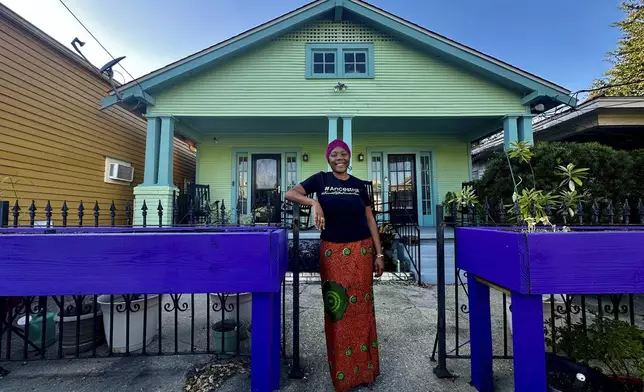
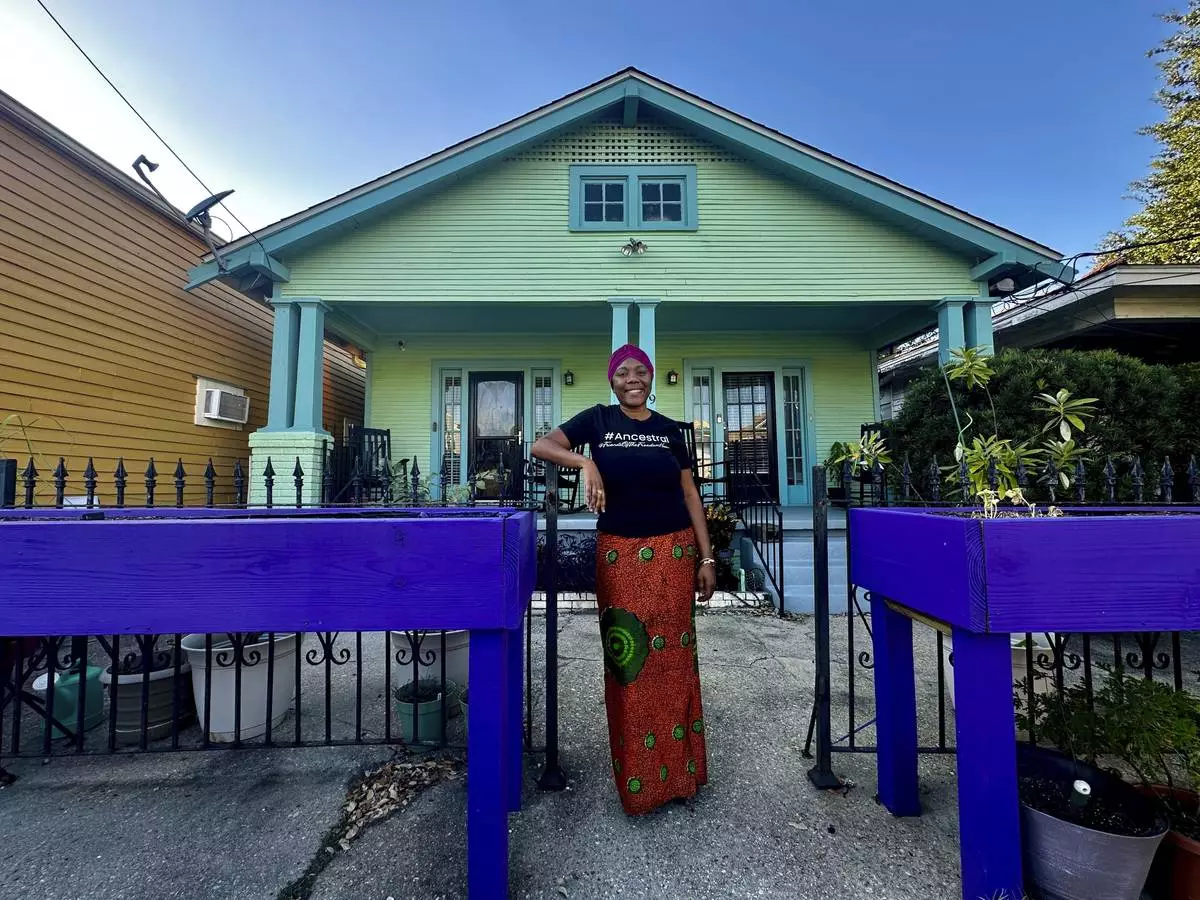
Candice Henderson-Chandler poses in front of her home, also known as the Freedom House, where Civil Rights leaders in New Orleans once used as a safe house, Oct. 23 2024. (AP Photo/Stephen Smith)
Candice Henderson-Chandler poses in front of her home, also known as the Freedom House, where Civil Rights leaders in New Orleans once used as a safe house, Oct. 23 2024. (AP Photo/Stephen Smith)

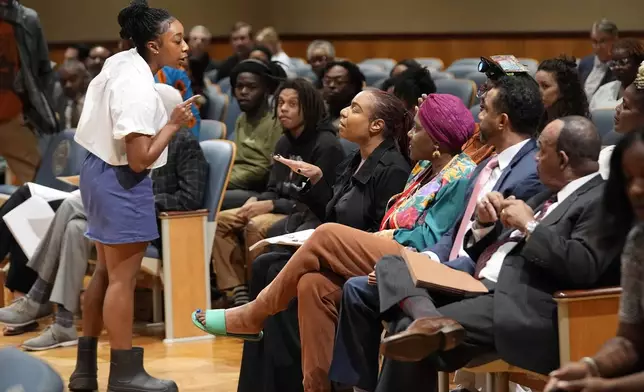
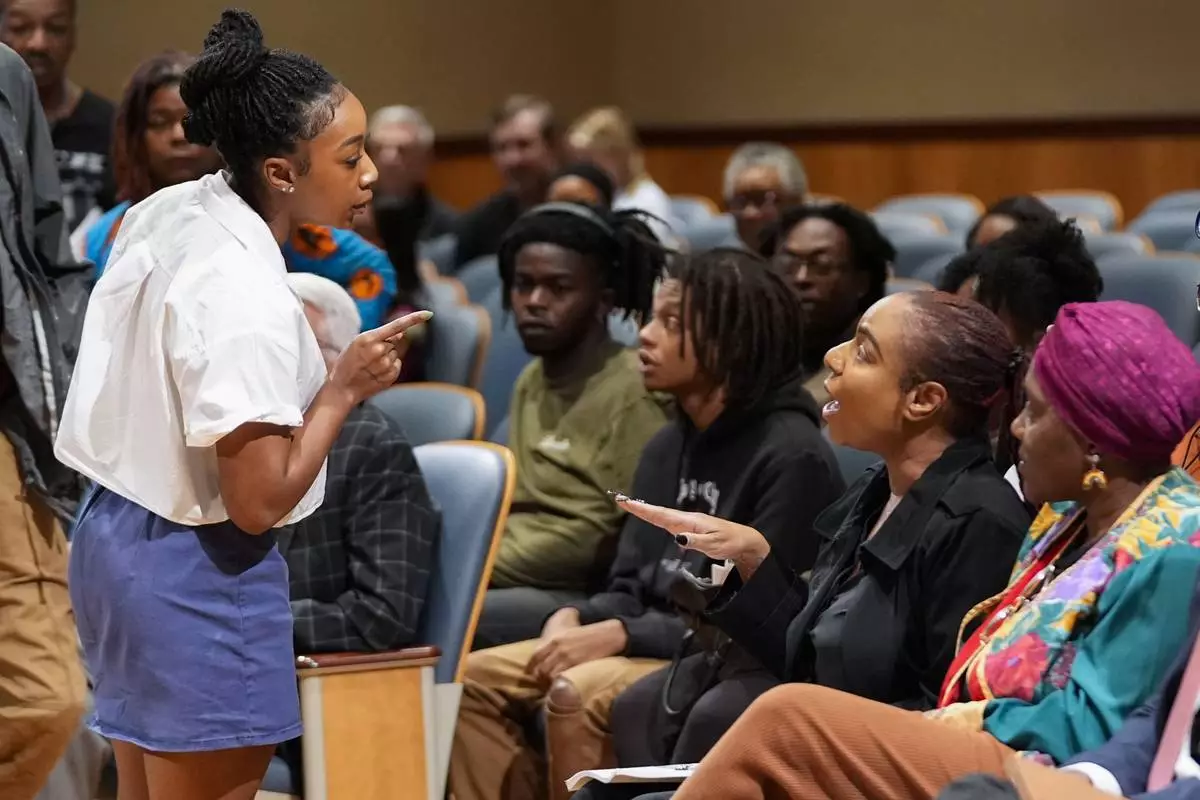
Simone Haley, granddaughter of Oretha Castle Haley, challenges Lakita Smith, seated with Candice Henderson-Chandler, after speaking during a city council hearing regarding the dispute over her grandmother's former home and plans by the property owner, Henderson-Chandler, to create a museum, in New Orleans, Thursday, Oct. 24, 2024. (AP Photo/Gerald Herbert)

Simone Haley, granddaughter of Oretha Castle Haley, challenges Lakita Smith, seated with Candice Henderson-Chandler, after speaking during a city council hearing regarding the dispute over her grandmother's former home and plans by the property owner, Henderson-Chandler, to create a museum, in New Orleans, Thursday, Oct. 24, 2024. (AP Photo/Gerald Herbert)

But on Thursday, the majority of the New Orleans City Council rejected Henderson-Chandler's plans in a vote that would have changed the zoning to allow for a museum. Opponents of the museum warned it was yet another attempt by outside interests to commodify and profit from the city's rich Black cultural heritage. Three of Haley’s sons and seven of her grandchildren said in a statement that Henderson-Chandler was exploiting the civil rights activist’s legacy against their wishes.

“In our people and our history, often times all they could leave you was your name — that is the history of Black people in the United States," said Councilmember Jean Paul Morrell, who voted against the museum. “If all you have is your name, there’s a reason why people in this city care so much about who uses your name and how.”

In 1960, Haley had co-founded the New Orleans chapter of the Congress of Race Equality, one of the leading groups in the Civil Rights Movement. She was a change-maker who was “extremely significant” in leading protests and sit-ins to desegregate New Orleans, said Clyde Robertson, director of the Center for African and African American studies at the Southern University of New Orleans. Haley died in 1987, and a boulevard in the city now carries her name.

Haley's family's property at 917-919 North Tonti Street in Tremé, one of the nation's oldest Black neighborhoods, served as a safe house where participants in the 1961 Freedom Rides combating segregation on public buses could get meals and spend the night. Since 2023, the property has been listed on the National Historic Registry as the “Castle Family Home.”

Haley’s younger brother, Johnny Castle, 79, remembers waking up to get ready for school as a teenager and often finding an array of civil rights activists staying at the family home. Castle inherited the property in 1998 and held onto it for years as the City of New Orleans and a local university discussed buying the home for preservation. The plans did not materialize, and Castle said he could not afford the cost of maintaining the property, relinquishing it under bankruptcy proceedings in 2011.

Years later, he got connected with Henderson-Chandler, a Chicago native, after she bought the property. She said she initially planned to create a space for women of color to heal but became fascinated by the home's legacy. Castle “would call me night after night, and I just fell in love with history through his eyes, through his storytelling, through his countless memories,” Henderson-Chandler said.

Castle, who lives in Georgia, said his relatives overstated his sister's influence in shaping the property's legacy. He said that his parents, the owners of the home, had also contributed by opening its doors to activists. He supported Henderson-Chandler's vision for a museum and community center.

“That’s the historic legacy that Candice is carrying on, that she’s making available to the community,” he said.

One of Haley’s sons, Michael, also met with Henderson-Chandler after he learned she owned the home. He said she initially told his family she planned to turn it into a wellness center.

“She never once said that she wanted to do any sort of museum” or anything connected to his mother’s legacy, he said. He discovered her plans via social media posts that included images of his mother. Henderson-Chandler said she had made efforts to reach out to the Haley family.

Michael Haley, along with other family members, sued Henderson-Chandler under the Allen Toussaint Legacy Act, a Louisiana law protecting the commercialization of the identities of the deceased without permission from their heirs. In August 2023 a civil court issued a preliminary injunction barring Henderson-Chandler from “representing the legacy of Oretha Castle Haley in any manner whatsoever.”

Henderson-Chandler, who is challenging the injunction, proceeded with plans for a museum omitting mention of Castle Haley and focusing on the broader civil rights movement. Her lawyer, William Aaron, said Haley’s legacy did not represent the whole Civil Rights Movement in New Orleans and that a museum at the property could discuss the contributions of dozens of other activists.

“All of that can happen with no mention of Oretha Castle Haley whatsoever,” Aaron said in an interview.

Haley's descendants strongly disagreed that the property's significance could be disconnected from Haley.

“How are you going to do that? She lived there!” Haley's son Okyeame Haley told the city council. "You're going to have a museum in the house where she lived, but her legacy is not going to be included. It’s gibberish.”

“Anything at 917 (North Tonti Street) represents the legacy of Oretha Castle Haley, period,” another of her sons Sundiata Haley told the city council.

Haley's granddaughter, Simone Haley, said she believed the underlying motivation behind the museum was money and that her own family had no interest in commercializing the legacy. She turned directly to address Henderson-Chandler at the council meeting.

“I love the idea that you guys are trying to honor people, I think the stories need to be told, but there’s a correct way to tell the stories,” she said, prompting a verbal altercation between her and one of Henderson-Chandler's friends.

Supporters of the museum pointed out that the home Haley had owned in the city and where she had later raised her own family was now in a blighted condition and questioned why this had been allowed to happen. Michael Haley said in an interview that the other property had been out of their family's possession for decades and was irrelevant to the issue of the proposed museum. The supporters said that thwarting the museum would deny an opportunity to share the city's history with the next generation.

Henderson-Chandler said she had consulted with other members of the community and had received the blessings of veterans of the Civil Rights Movement.

Morrell, the councilmember, said relatives of two other prominent deceased civil rights leaders in the city had told him they were not informed of plans to highlight their legacies in the museum, which had been raised by Henderson-Chandler’s lawyer.

“If you want to tell someone’s story you have to talk to their family about it,” Morrell said.

Haley's grandson, Blair Dottin-Haley, said that by voting down the museum the City Council had followed what “our ancestors would want us to do.”

“We will always stand and fight against those who would take our culture and misappropriate and mishandle it and mismanage it,” he said.

Associated Press journalist Stephen Smith contributed to this story.

Brook is a corps member for The Associated Press/Report for America Statehouse News Initiative. Report for America is a nonprofit national service program that places journalists in local newsrooms to report on undercovered issues. Follow Brook on the social platform X: @jack_brook96
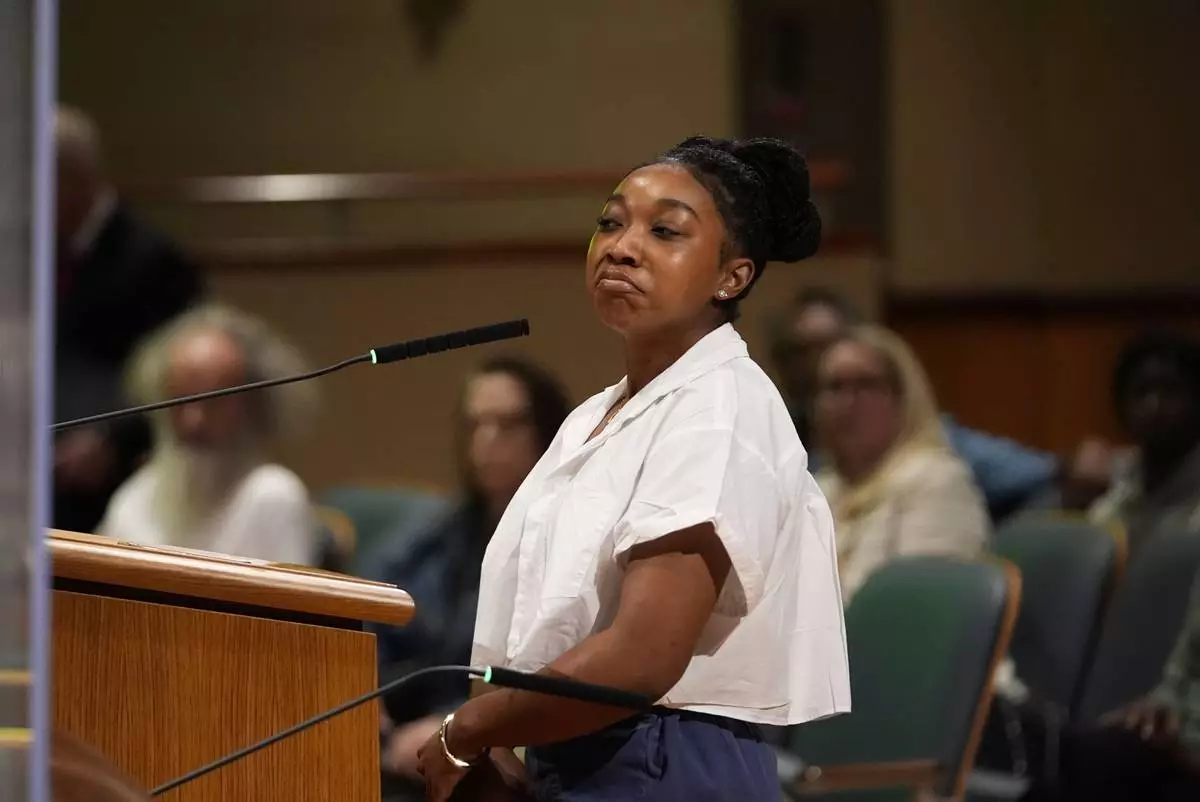
Simone Haley, granddaughter of Oretha Castle Haley, speaks during a city council hearing regarding the dispute over her grandmother's former home and plans by others to create a museum, in New Orleans, Thursday, Oct. 24, 2024. (AP Photo/Gerald Herbert)
Simone Haley, granddaughter of Oretha Castle Haley, speaks during a city council hearing regarding the dispute over her grandmother's former home and plans by others to create a museum, in New Orleans, Thursday, Oct. 24, 2024. (AP Photo/Gerald Herbert)

Simone Haley, granddaughter of Oretha Castle Haley, challenges Lakita Smith, seated with Candice Henderson-Chandler, after speaking during a city council hearing regarding the dispute over her grandmother's former home and plans by the property owner, Henderson-Chandler, to create a museum, in New Orleans, Thursday, Oct. 24, 2024. (AP Photo/Gerald Herbert)
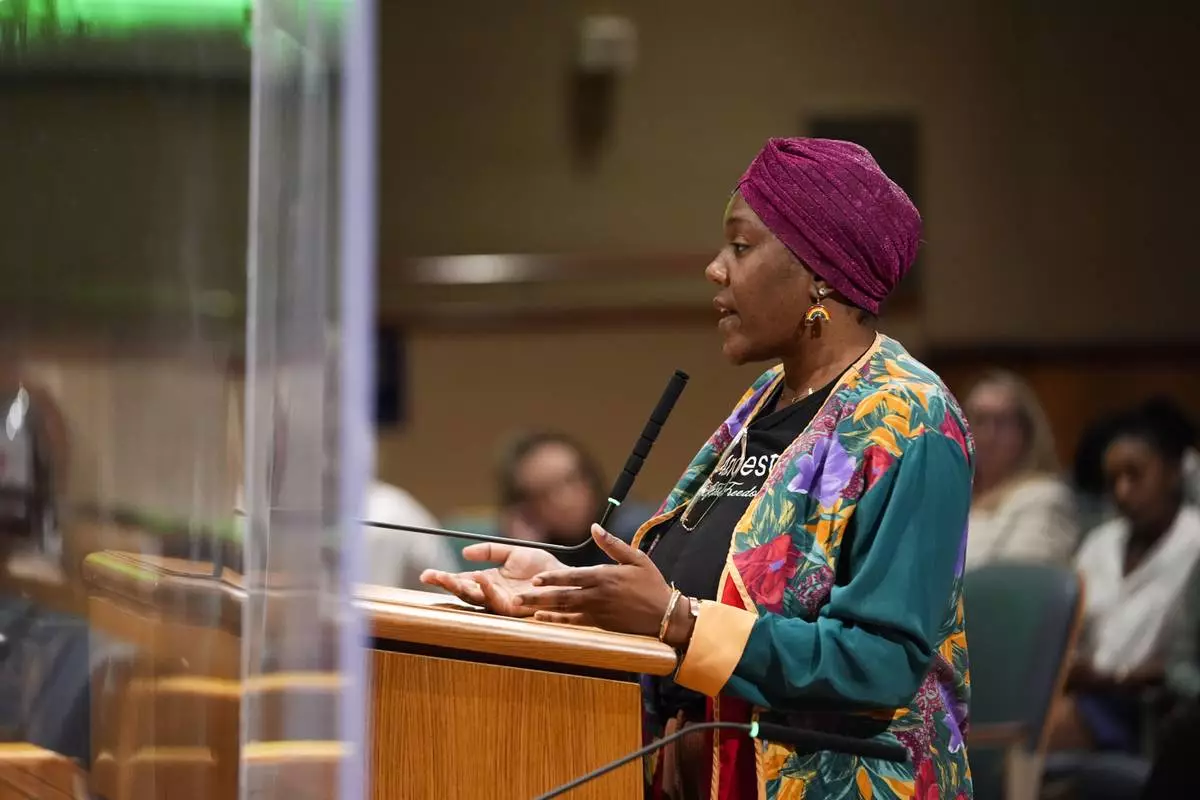
Simone Haley, granddaughter of Oretha Castle Haley, challenges Lakita Smith, seated with Candice Henderson-Chandler, after speaking during a city council hearing regarding the dispute over her grandmother's former home and plans by the property owner, Henderson-Chandler, to create a museum, in New Orleans, Thursday, Oct. 24, 2024. (AP Photo/Gerald Herbert)

Candice Henderson-Chandler, who purchased the former home of civil rights leader Oretha Castle Haley and plans to open a museum, speaks during a city council hearing on the matter, which is opposed by Castle Haley's family, in New Orleans, Thursday, Oct. 24, 2024. (AP Photo/Gerald Herbert)
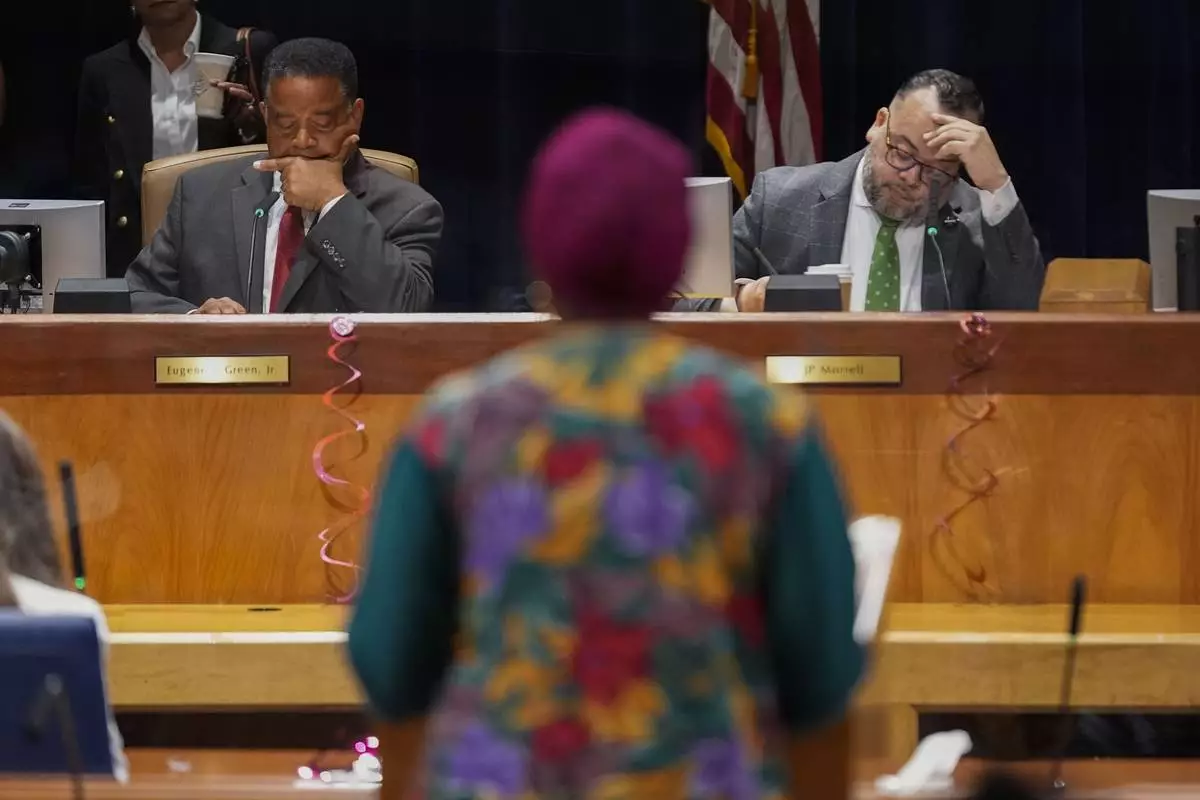
Candice Henderson-Chandler, who purchased the former home of civil rights leader Oretha Castle Haley and plans to open a museum, speaks during a city council hearing on the matter, which is opposed by Castle Haley's family, in New Orleans, Thursday, Oct. 24, 2024. (AP Photo/Gerald Herbert)
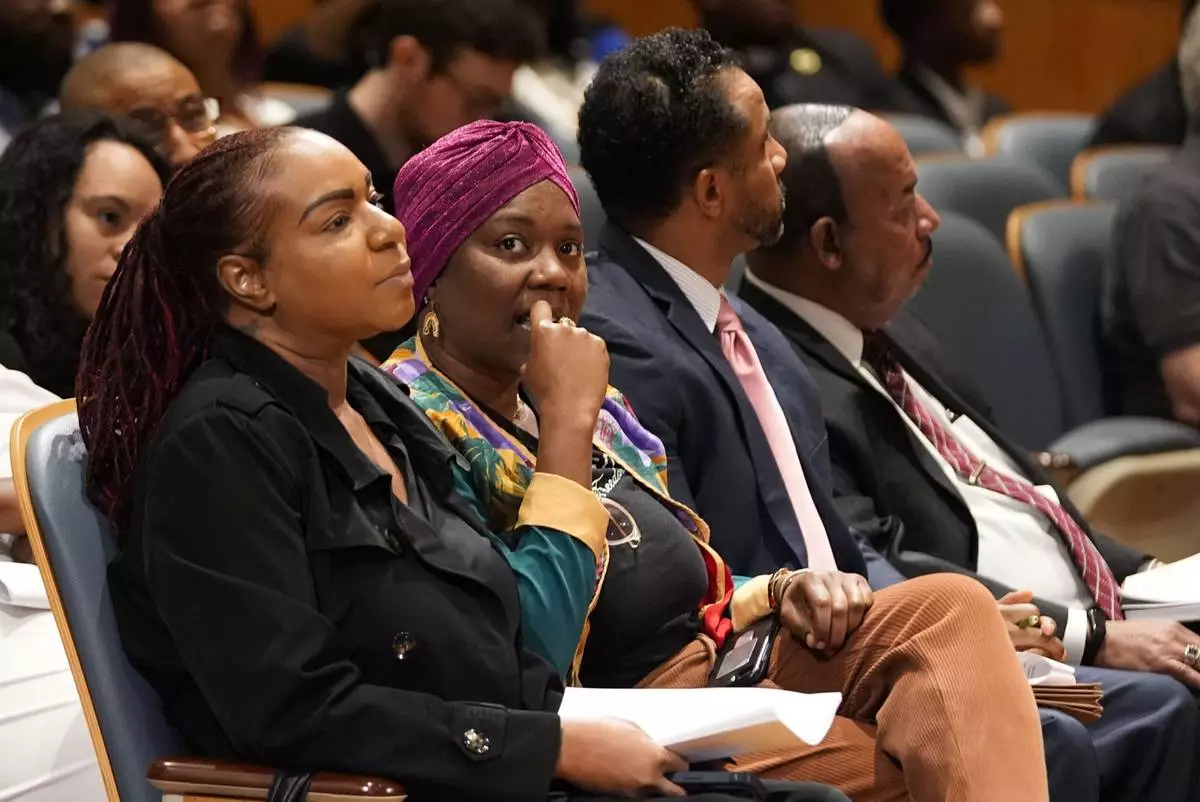
New Orleans city council members Eugene J. Green, left, and JP Morrell, listen as Candice Henderson-Chandler, who purchased the former home of civil rights leader Oretha Castle Haley and plans to open a museum, speaks during a city council hearing on the matter, which is opposed by Castle Haley's family, in New Orleans, Thursday, Oct. 24, 2024. (AP Photo/Gerald Herbert)

New Orleans city council members Eugene J. Green, left, and JP Morrell, listen as Candice Henderson-Chandler, who purchased the former home of civil rights leader Oretha Castle Haley and plans to open a museum, speaks during a city council hearing on the matter, which is opposed by Castle Haley's family, in New Orleans, Thursday, Oct. 24, 2024. (AP Photo/Gerald Herbert)

Candice Henderson-Chandler, second left, property owner of the home of former civil rights leader Oretha Castle Haley, listens during a city council hearing regarding her plans to open a museum, opposed by Oretha Castle Haley's family, in New Orleans, Thursday, Oct. 24, 2024. (AP Photo/Gerald Herbert)
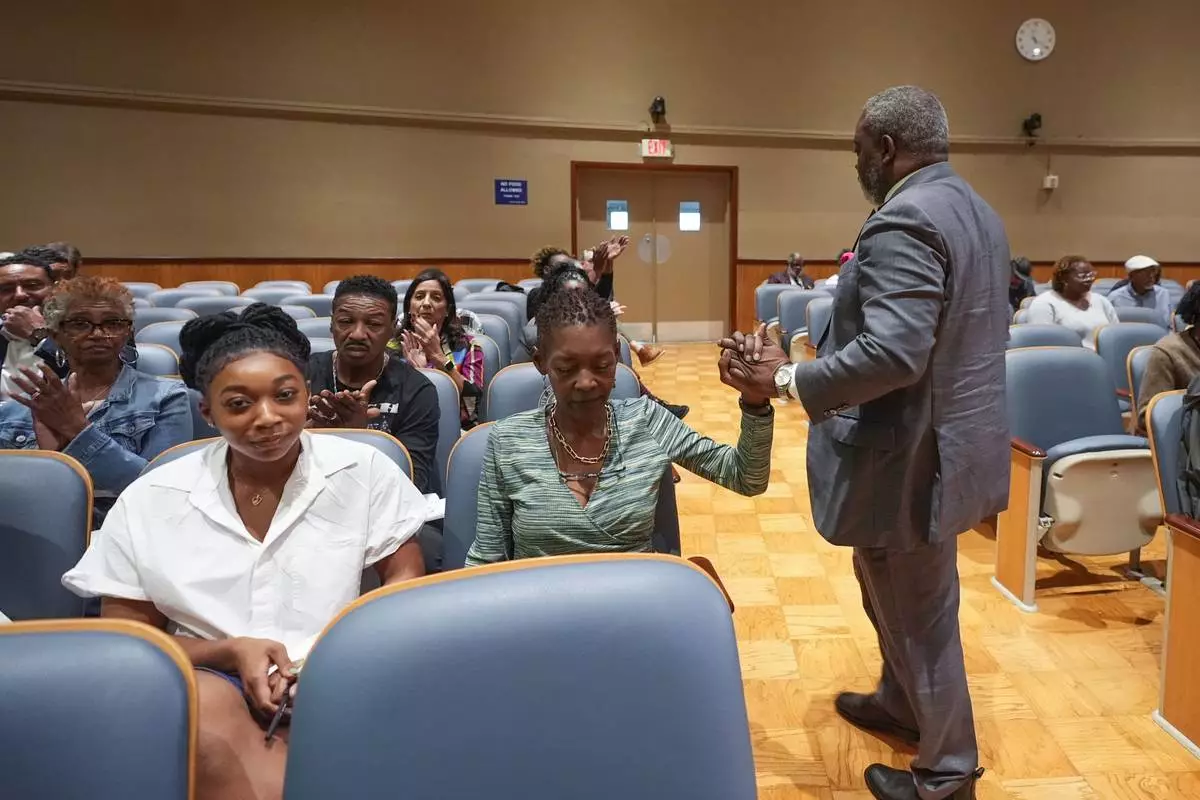
Candice Henderson-Chandler, second left, property owner of the home of former civil rights leader Oretha Castle Haley, listens during a city council hearing regarding her plans to open a museum, opposed by Oretha Castle Haley's family, in New Orleans, Thursday, Oct. 24, 2024. (AP Photo/Gerald Herbert)

Sundiata Haley, son of Oretha Castle Haley, is congratulated by civil rights attorney Tracy L. Washington, as he walks to his seat after speaking during a city council hearing regarding the dispute over Oretha Castle Haley's former home, and plans by others to create a museum, in New Orleans, Thursday, Oct. 24, 2024. (AP Photo/Gerald Herbert)
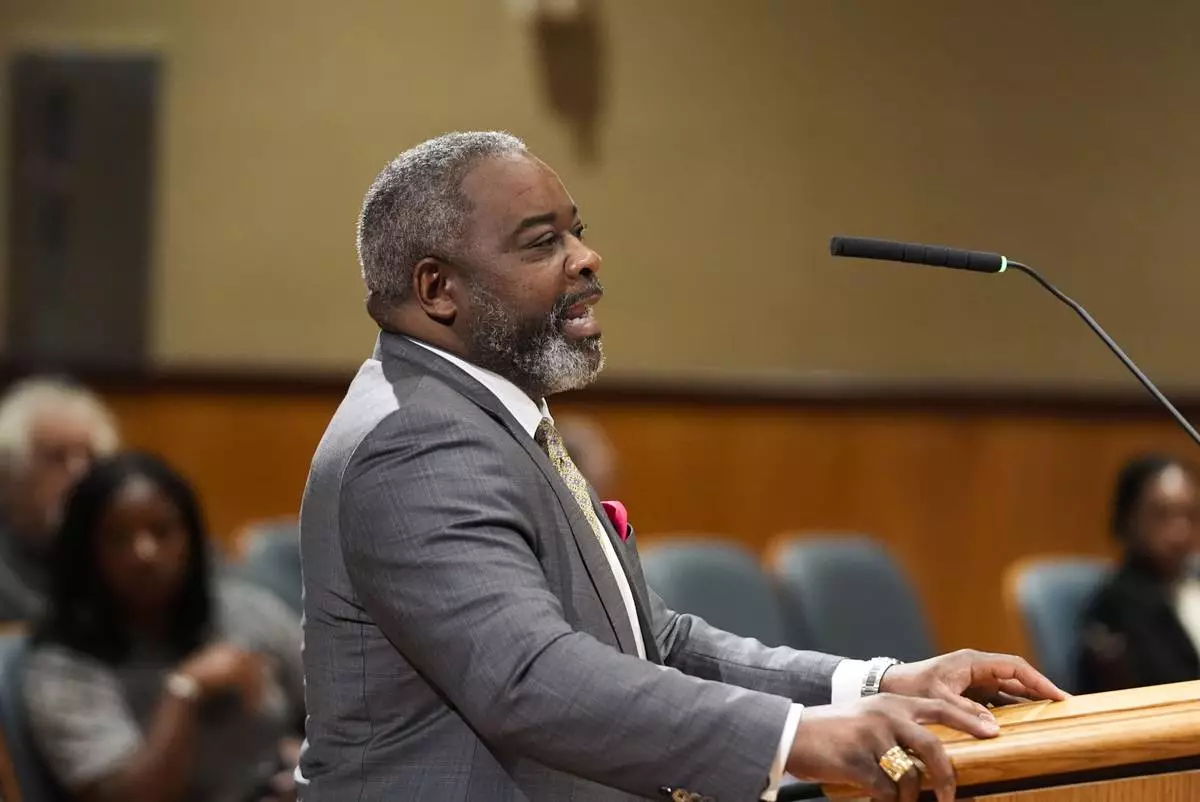
Sundiata Haley, son of Oretha Castle Haley, is congratulated by civil rights attorney Tracy L. Washington, as he walks to his seat after speaking during a city council hearing regarding the dispute over Oretha Castle Haley's former home, and plans by others to create a museum, in New Orleans, Thursday, Oct. 24, 2024. (AP Photo/Gerald Herbert)
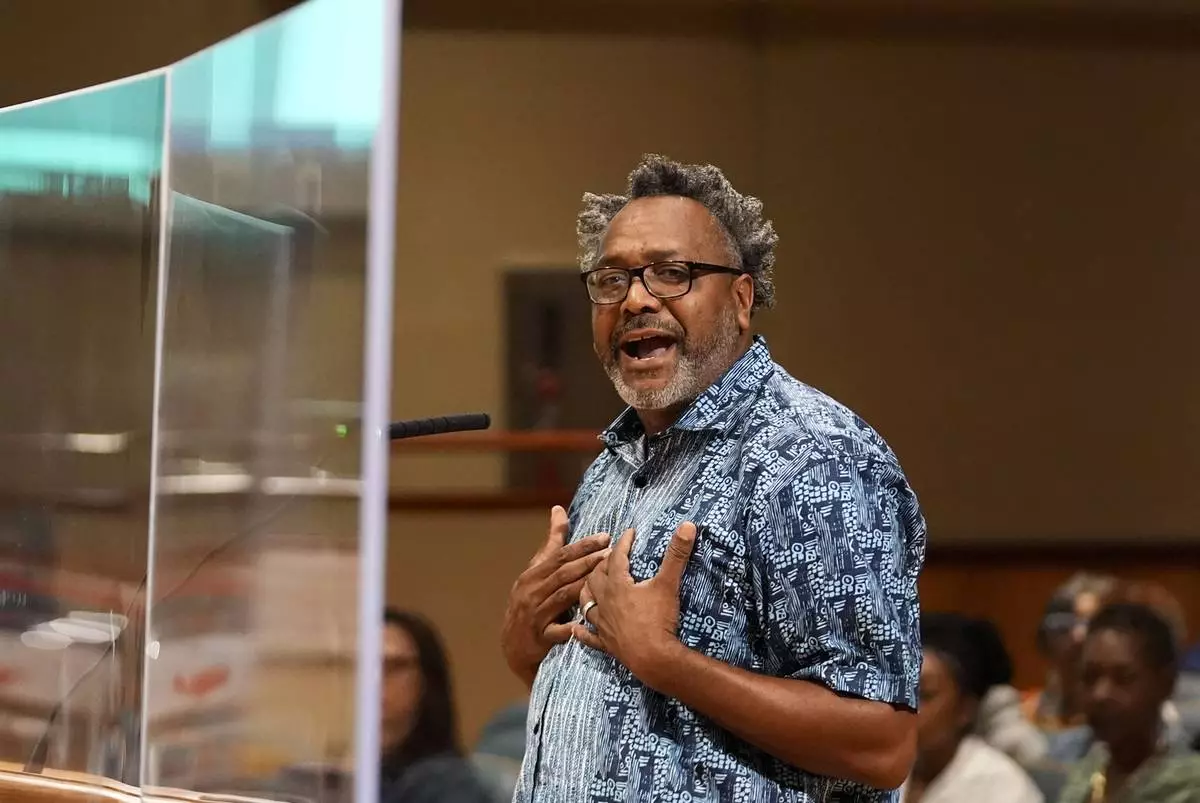
Sundiata Haley, son of Oretha Castle Haley, speaks during a city council hearing regarding the dispute over her former home and plans by others to create a museum, in New Orleans, Thursday, Oct. 24, 2024. (AP Photo/Gerald Herbert)
Sundiata Haley, son of Oretha Castle Haley, speaks during a city council hearing regarding the dispute over her former home and plans by others to create a museum, in New Orleans, Thursday, Oct. 24, 2024. (AP Photo/Gerald Herbert)

Okyeame Haley, son of Oretha Castle Haley, speaks during a city council hearing regarding the dispute over her former home and plans by others to create a museum, in New Orleans, Thursday, Oct. 24, 2024. (AP Photo/Gerald Herbert)

Okyeame Haley, son of Oretha Castle Haley, speaks during a city council hearing regarding the dispute over her former home and plans by others to create a museum, in New Orleans, Thursday, Oct. 24, 2024. (AP Photo/Gerald Herbert)

FILE - Family home of civil rights movement leader Oretha Castle Haley, on 917-919 North Tonti Street in New Orleans, Thursday, Nov. 9, 2023. (Chris Granger/The Times-Picayune/The New Orleans Advocate via AP, File)
FILE - Family home of civil rights movement leader Oretha Castle Haley, on 917-919 North Tonti Street in New Orleans, Thursday, Nov. 9, 2023. (Chris Granger/The Times-Picayune/The New Orleans Advocate via AP, File)

Candice Henderson-Chandler poses in front of her home, also known as the Freedom House, where Civil Rights leaders in New Orleans once used as a safe house, Oct. 23 2024. (AP Photo/Stephen Smith)
Candice Henderson-Chandler poses in front of her home, also known as the Freedom House, where Civil Rights leaders in New Orleans once used as a safe house, Oct. 23 2024. (AP Photo/Stephen Smith)

Simone Haley, granddaughter of Oretha Castle Haley, challenges Lakita Smith, seated with Candice Henderson-Chandler, after speaking during a city council hearing regarding the dispute over her grandmother's former home and plans by the property owner, Henderson-Chandler, to create a museum, in New Orleans, Thursday, Oct. 24, 2024. (AP Photo/Gerald Herbert)
Simone Haley, granddaughter of Oretha Castle Haley, challenges Lakita Smith, seated with Candice Henderson-Chandler, after speaking during a city council hearing regarding the dispute over her grandmother's former home and plans by the property owner, Henderson-Chandler, to create a museum, in New Orleans, Thursday, Oct. 24, 2024. (AP Photo/Gerald Herbert)

ACERRA, Italy (AP) — Pope Leo XIV on Saturday greeted one by one families who lost loved ones to illegal toxic dumping in an area near Naples, tied to a multi-billion criminal racket run by the mafia.

Many paused to share photographs and other mementos of children and young people who have died or are battling cancer because of the pollution.

Leo's visit to the so-called Terra dei Fuochi, or Land of Fires, came on the eve of the 11th anniversary of Pope Francis’ big ecological encyclical Laudato Si (Praised Be), and indicates Leo’s commitment to carry on his predecessor’s environmental agenda.

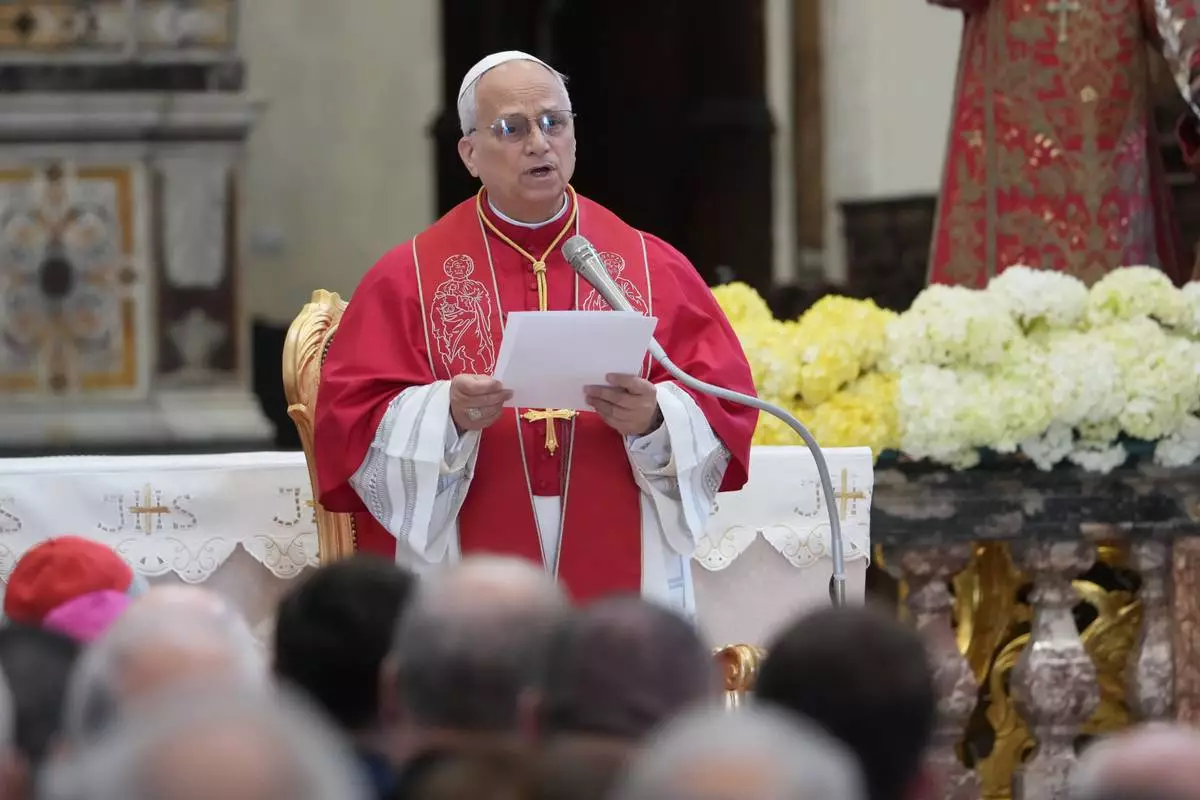
“I have come first of all to gather the tears of those who have lost loved ones, killed by environmental pollution caused by unscrupulous people and organizations who for too long were able to act with impunity,” Leo said in remarks to family members and local clergy inside Acerra's cathedral.

The pontiff recalled that the area now dubbed the Land of Fires was once called “Campania felix,” Latin for blessed or fruitful countryside, "capable for enchanting for its fertility, its produce and its culture, like a hymn to life.

"And yet — here is death, of the land and of men,'' the pope said.

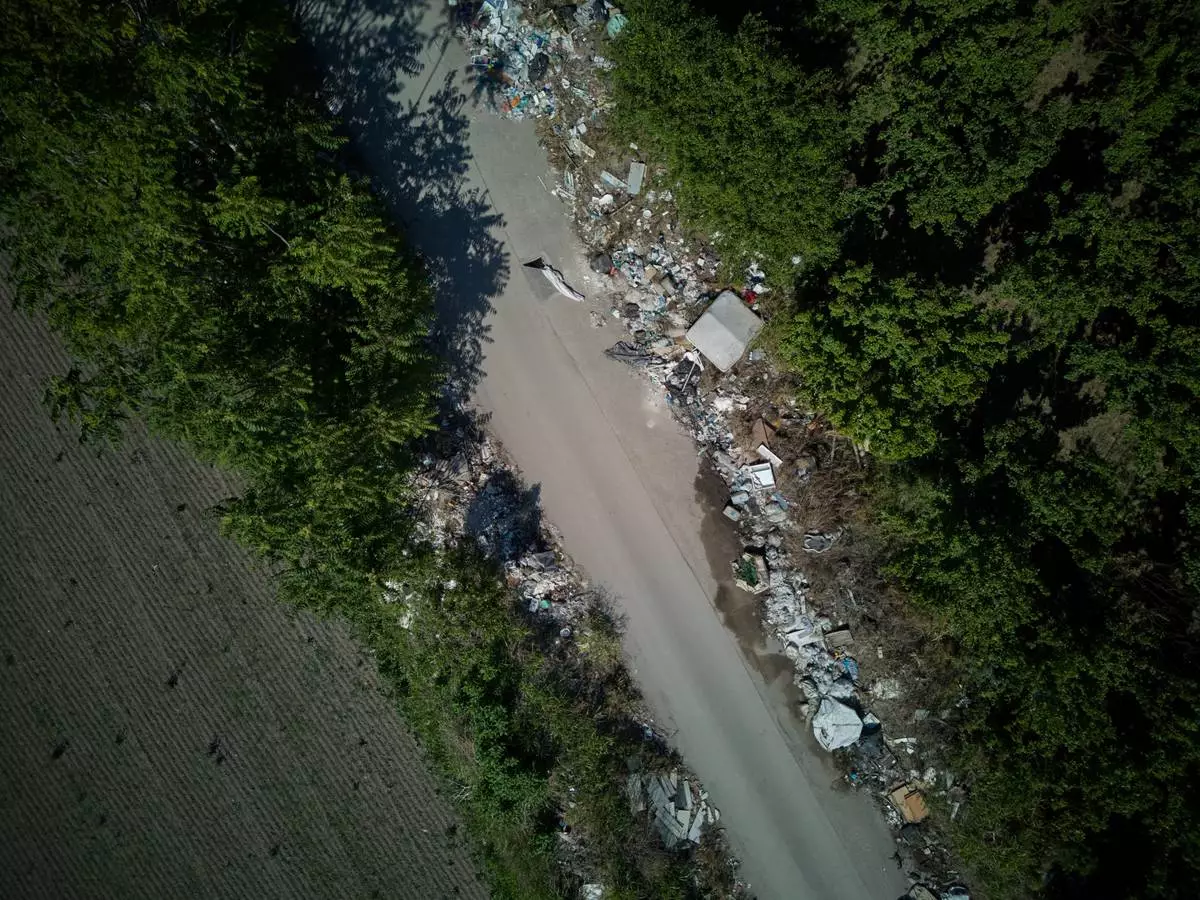
The European Court of Human Rights last year validated a generation of residents’ complaints that mafia dumping, burial and burning of toxic waste led to an increased rate of cancer and other ailments in the area of 90 municipalities around Caserta and Naples, encompassing a population of 2.9 million people.

The court found Italian authorities had known since 1988 about the toxic pollution, blamed on the Camorra crime syndicate that controls waste disposal, but failed to take necessary steps to protect the residents. The binding ruling gave Italy two years to set up a database about the toxic waste and verified health risks associated with living there.

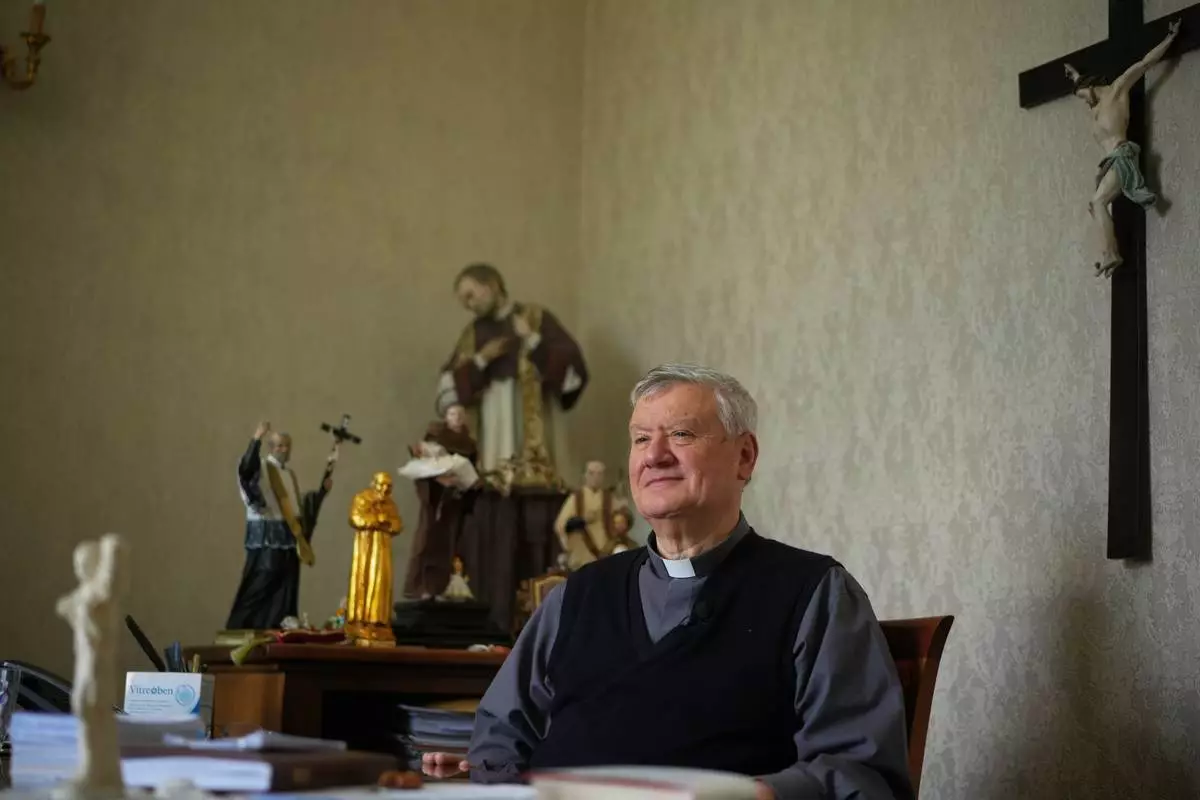
Bishop Antonio Di Donna estimated 150 young people had died in the city of some 58,000 over the past three decades — emphasizing in his opening remarks that the number didn't take into account adults and victims in other municipalities.

He urged the pope to admonish those who continue to pollute, noting that the dumping of tons of toxic waste was reported a day earlier near Castera. Di Donna said that Italian officials had identified dozens more human-caused contamination sites throughout the country, including the Venetian port of Marghera, and the leaching of PFAS forever chemicals into groundwater near Vicenza.

"We say to those brothers of ours ensnared in evil and seized by a mirage of fabulous earnings: Convert, change your ways, because what you are doing is not only a crime, it is a sin that cries out to God for vengeance,'' the bishop said.

The pope later greeted the mayors of the 90 communities impacted by the toxic dumping, and greeted thousands of people waving yellow flags and chanting “Papa Leone” along the route of his popemobile and in a central piazza.

The victims include Maria Venturato, who died of cancer in 2016 at the age of 25. Her father, Angelo, said he hopes to speak with the pope to explain their reality, “not for me … for the next generation.”

“I’d like to give these young people a future, so I’m asking for the pope’s help with this. That is, I’m making a strong appeal to him to go to those in power and say, ‘Look, let’s heal this land of fires,’" he said on the eve of the pope's visit.

Inside the cathedral, Filomena Carolla presented the pope with a book containing memories from the life of her daughter, Tina De Angelis, who died of cancer at the age of 24.

“I’m just angry at the people who poisoned the soil, because what did our children have to do with it? What did they have to do with it, so young,” Carolla told The Associated Press on Friday.

Francis' plans to visit the area in 2020 were canceled due to the pandemic.

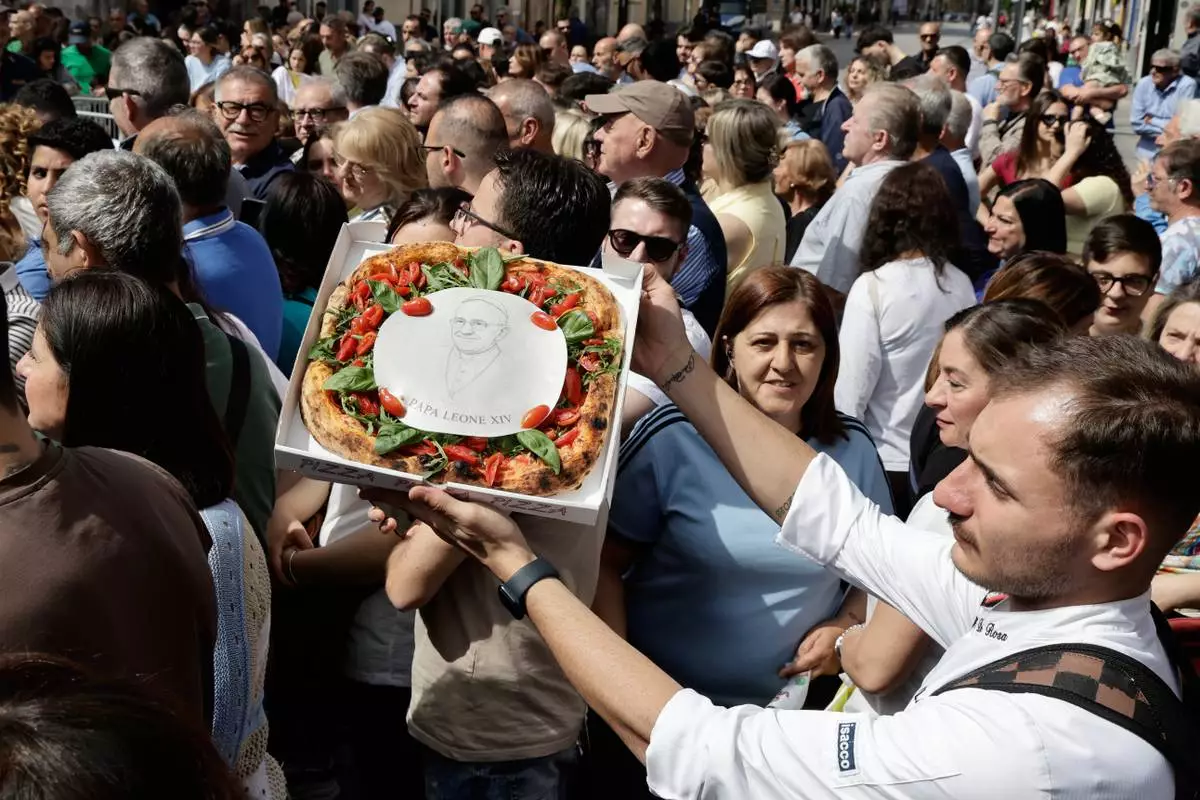
A man presents a pizza with the portrait of Pope Leo XIV during his a one-day pastoral visit in Acerra, Italy, Saturday, May 23, 2026. (AP Photo/Salvatore Laporta)

A man presents a pizza with the portrait of Pope Leo XIV during his a one-day pastoral visit in Acerra, Italy, Saturday, May 23, 2026. (AP Photo/Salvatore Laporta)

Pope Leo XIV delivers his speech during his meeting with clergy, religious and families of victims of environmental pollution in the Saint Mary of the Assumption Cathedral in Acerra, near Naples, Italy, Saturday, May 23, 2026. (AP Photo/Andrew Medichini)

Pope Leo XIV delivers his speech during his meeting with clergy, religious and families of victims of environmental pollution in the Saint Mary of the Assumption Cathedral in Acerra, near Naples, Italy, Saturday, May 23, 2026. (AP Photo/Andrew Medichini)

Pope Leo XIV rides on his popemobile during his one-day pastoral visit in Acerra, Italy, Saturday, May 23, 2026. (AP Photo/Salvatore Laporta)

Pope Leo XIV rides on his popemobile during his one-day pastoral visit in Acerra, Italy, Saturday, May 23, 2026. (AP Photo/Salvatore Laporta)

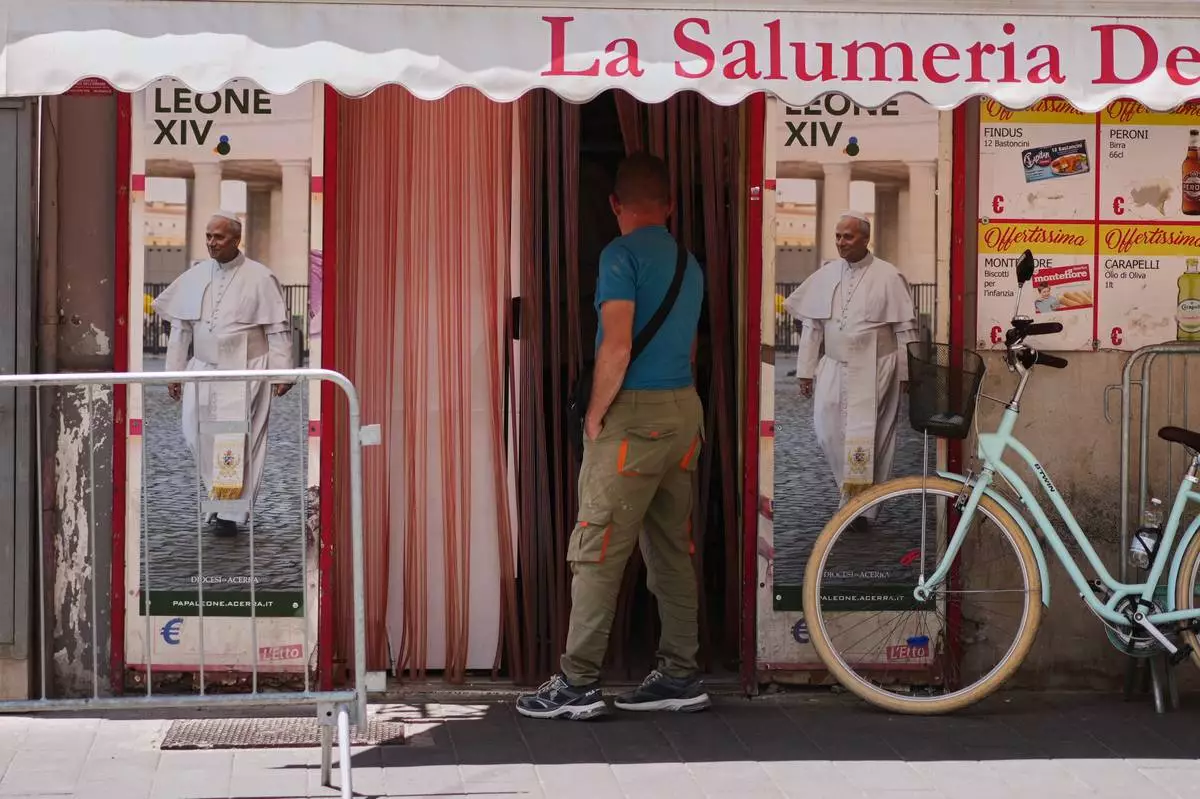
A man enters a grocery store with posters of Pope Leo XIV ahead of his visit to the southern Italian town of Acerra in the Terra dei Fuochi, or Land of Fires, Friday, May 22, 2026. (AP Photo/Andrew Medichini)

A man enters a grocery store with posters of Pope Leo XIV ahead of his visit to the southern Italian town of Acerra in the Terra dei Fuochi, or Land of Fires, Friday, May 22, 2026. (AP Photo/Andrew Medichini)

Acerra bishop Antonio Di Donna speaks during an interview with the Associated Press ahead of Pope Leo XIV's visit to the southern Italian town of Acerra in the Terra dei Fuochi, or Land of Fires, an area scarred by decades of pollution from illegal waste dumping and burning, much of it linked to organized criminal groups, Friday, May 22, 2026. (AP Photo/Andrew Medichini)

Acerra bishop Antonio Di Donna speaks during an interview with the Associated Press ahead of Pope Leo XIV's visit to the southern Italian town of Acerra in the Terra dei Fuochi, or Land of Fires, an area scarred by decades of pollution from illegal waste dumping and burning, much of it linked to organized criminal groups, Friday, May 22, 2026. (AP Photo/Andrew Medichini)

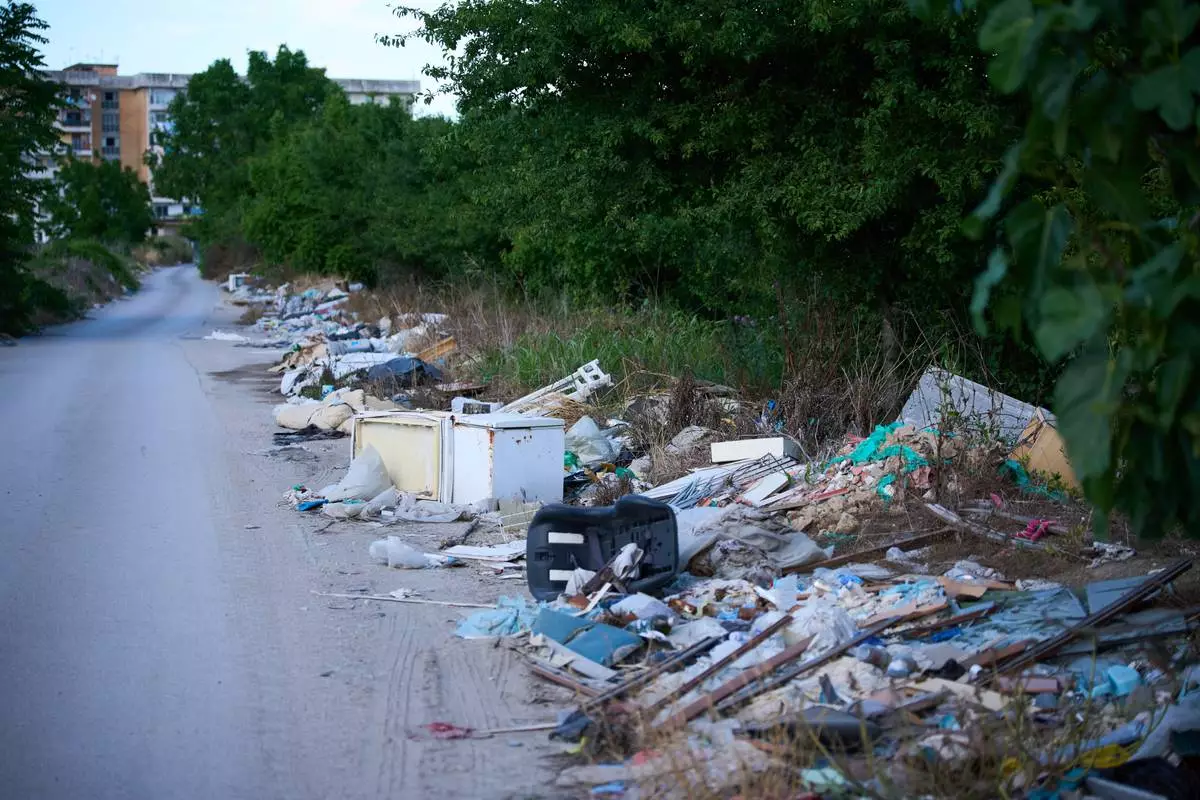
Illegal waste is seen on the side of a road in the outskirts of the southern Italian town of Acerra in the Terra dei Fuochi, or Land of Fires, an area scarred by decades of pollution from illegal waste dumping and burning, much of it linked to organized criminal groups, Friday, May 22, 2026, a day ahead of Pope Leo XIV's visit. (AP Photo/Andrew Medichini)

Illegal waste is seen on the side of a road in the outskirts of the southern Italian town of Acerra in the Terra dei Fuochi, or Land of Fires, an area scarred by decades of pollution from illegal waste dumping and burning, much of it linked to organized criminal groups, Friday, May 22, 2026, a day ahead of Pope Leo XIV's visit. (AP Photo/Andrew Medichini)

Illegal waste is seen on the side of a road in the outskirts of the southern Italian town of Acerra in the Terra dei Fuochi, or Land of Fires, an area scarred by decades of pollution from illegal waste dumping and burning, much of it linked to organized criminal groups, Friday, May 22, 2026, a day ahead of Pope Leo XIV's visit. (AP Photo/Andrew Medichini)

Illegal waste is seen on the side of a road in the outskirts of the southern Italian town of Acerra in the Terra dei Fuochi, or Land of Fires, an area scarred by decades of pollution from illegal waste dumping and burning, much of it linked to organized criminal groups, Friday, May 22, 2026, a day ahead of Pope Leo XIV's visit. (AP Photo/Andrew Medichini)

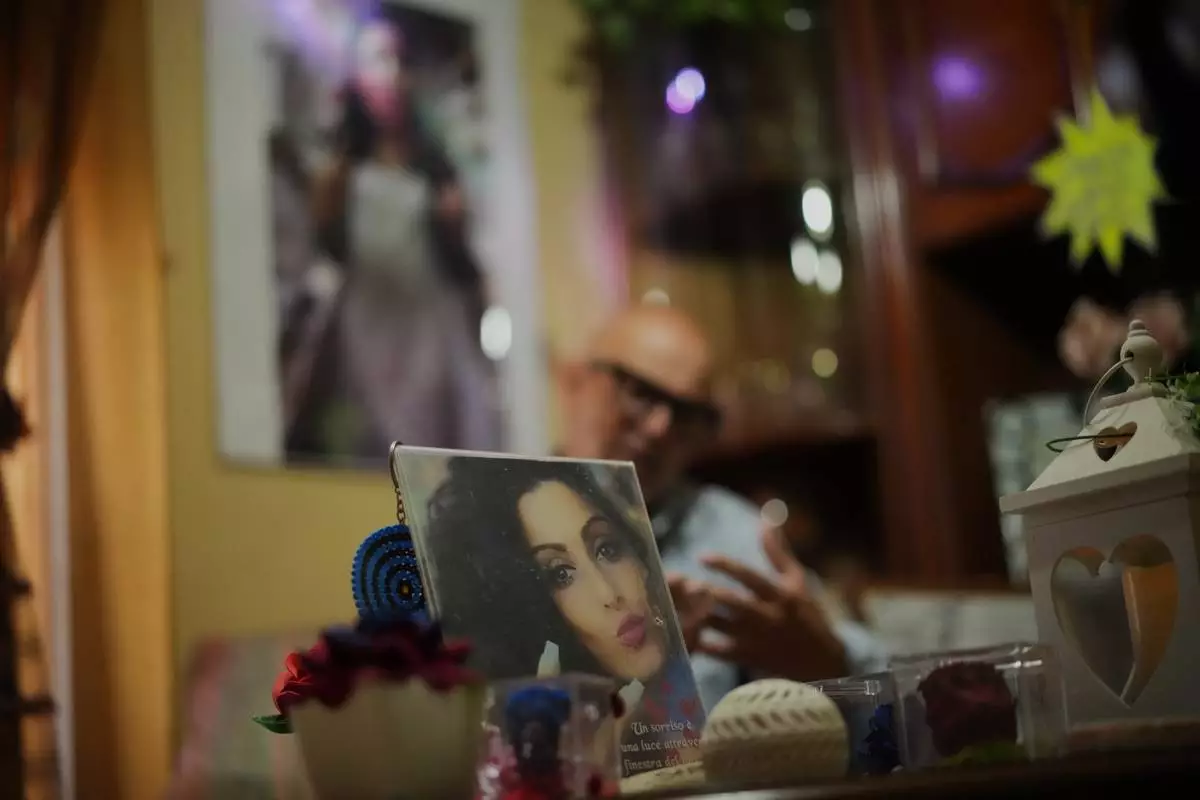
Angelo Venturato talks during an interview with the Associated Press next to photos of his daughter Maria who died at the age of 25 of a cancer he claims to be connected to decades of pollution from illegal waste dumping and burning, much of it linked to organized criminal groups, in the southern town of Acerra, Friday, May 22, 2026. (AP Photo/Andrew Medichini)

Angelo Venturato talks during an interview with the Associated Press next to photos of his daughter Maria who died at the age of 25 of a cancer he claims to be connected to decades of pollution from illegal waste dumping and burning, much of it linked to organized criminal groups, in the southern town of Acerra, Friday, May 22, 2026. (AP Photo/Andrew Medichini)

Recommended Articles