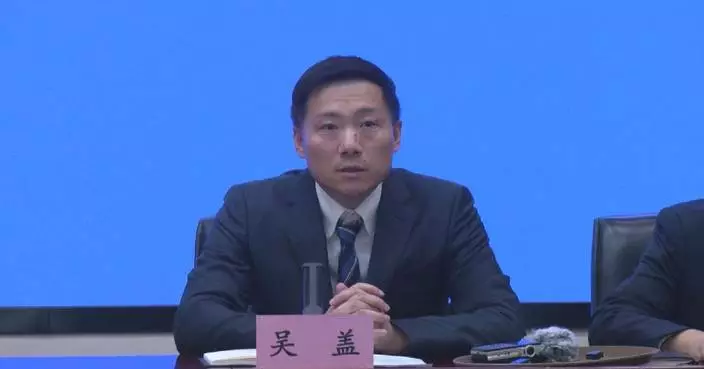
Finnish elevator giant KONE has expressed long-term confidence in the Chinese market, viewing the country as "tantamount" to the company's future growth, said Joe Bao, managing director of KONE Greater China.
Bao made the remarks as Finnish President Alexander Stubb arrived in Beijing on Monday for a four-day state visit to China at the invitation of President Xi Jinping.
Monday marks the 74th anniversary of the establishment of diplomatic ties between China and Finland.
Over the past two decades, China has emerged as Finland's largest trading partner in Asia, and is home to 250 Finnish firms.
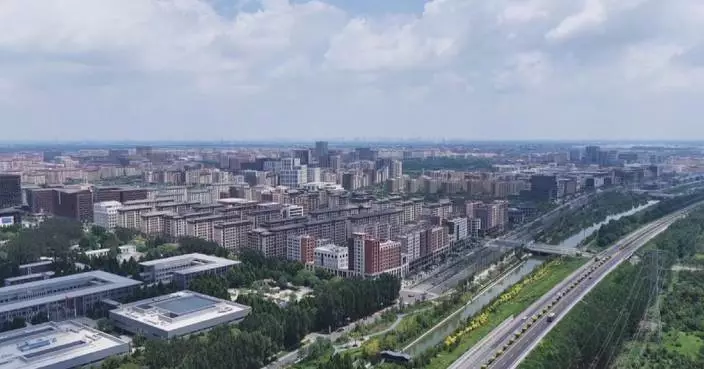
KONE has made significant inroads into the Chinese market since its entry in 1996, with China now its largest market and Kunhsan, a city neighboring Shanghai, housing its biggest manufacturing hub.
Bao said China's rapid urbanization over the past decades has provided KONE with opportunities, and the firm stays committed to helping make Chinese cities "taller, greener and more accessible."
Despite concerns over a slowdown in fixed-asset investment and the property market, Bao expressed optimism about the future demand for elevators in China.
"I would say there are a lot of fluctuations in the market today, but I think it's a very short-term part of our economic cycle. I think long-term, I'm very bullish about the sector's growth and sustainable growth going forward. Today, China has over 10 million elevators and escalators in use and it [has] the youngest elevators and escalators of any country in the world with over 90 percent being less than 20 years old. It's really about safety and quality, and how can we leverage our leadership in digital to really maintain that," he said.
Regarding the Finnish president's state visit, Bao highlighted Finland's pioneering role in establishing the diplomatic relationship between the two countries.
"Finland was one of the first Western countries to establish bilateral ties with China, and over the last 74 years there's been great growth in the cooperation between the two countries, particularly in trade and economics. If you think about KONE, we've supported and been part of Finnish presidential visit since the late 1980s. And when we established ourselves in 1996 in Kunshan, one of the goals was to really grow and be part of China, 'China for China.' Today we employ over 20,000 employees across China, and we service over 600,000 elevators and escalators. So for us being part of China is tantamount to our growth, and I think for the future I see that as only growing momentum," he said.
President Stubb led a large delegation with three ministers to China, where he was scheduled to hold talks with Xi and meet other senior officials respectively on bilateral ties and issues of mutual concern.
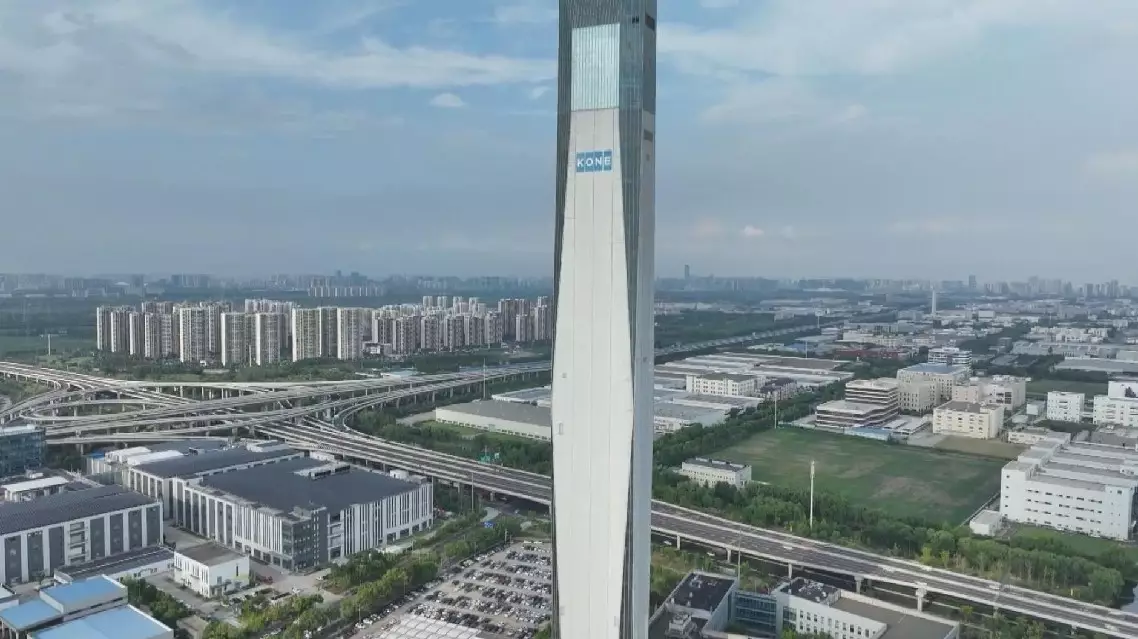
Finnish elevator maker KONE anticipates growing momentum in China