TOKYO (AP) — A remote-controlled robot has safely returned with a tiny piece of melted fuel it collected from inside one of three damaged reactors at the tsunami-hit Fukushima Daiichi nuclear power plant for the first time since the 2011 meltdown.
The Tokyo Electric Power Company Holdings, which manages the plant, said Saturday that the extendable fishing rod-like robot successfully clipped a piece of gravel of about 5 millimeters (0.2 inches), the size of a tiny bit of granola, from the top surface of a mound of molten fuel debris that sits on the bottom of the No. 2 reactor’s primary containment vessel.
The “telesco” robot, with its frontal tongs still holding the melted fuel bit, returned to the enclosed container for safe storage after workers in full hazmat gear pulled it out of the containment vessel earlier Saturday.
The sample return marks the first time the melted fuel is retrieved out of the containment vessel. But the mission is not over until it's certain that the sample's radioactivity is below a set standard and safely placed into a container.
If the radioactivity exceeds the limit, the robot must go back inside the reactor to find another piece. TEPCO officials said they expect the piece is small enough to meet the requirement.
The mission initially started in August for what was supposed to be a two-week round trip but had been suspended twice due to mishaps.
First one was the procedural mistake at the beginning that held up the work for nearly three weeks, then the robot’s two cameras designed to transmit views of the target areas for its operators in the remote control room failed. The camera problem required the robot to be pulled out all the way for replacement before the mission resumed Monday.
Fukushima Daiichi lost its key cooling systems during the 2011 earthquake and tsunami, causing meltdowns in its three reactors. An estimated 880 tons of fatally radioactive molten fuel remains in them, and TEPCO has carried out a number of robotic probes to figure out how to decommission the plant.
Telesco on Wednesday successfully clipped a piece presumably measuring less than 3 grams (0.1 ounce) from the planned area right underneath the Unit 2 reactor core, from which large amounts of melted fuel fell during the meltdown 13 years ago, TEPCO said.
Plant chief Akira Ono said only the tiny spec can provide key data to plan decommissioning strategy, develop necessary technology and robots and retroactively learn how the accident had developed.
The government and TEPCO have set a 30-to-40-year target for the cleanup, which experts say is overly optimistic and should be updated.
No specific plans for the full removal of the fuel debris or its final disposal have been decided.
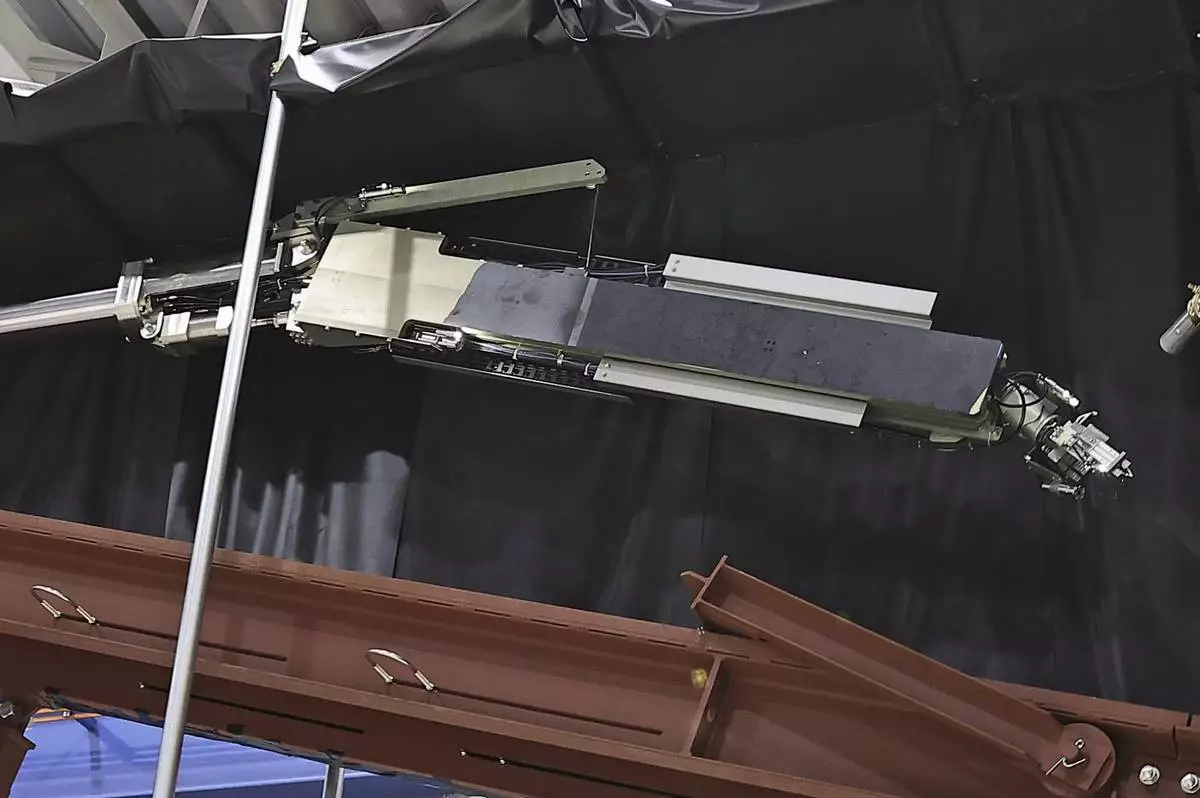
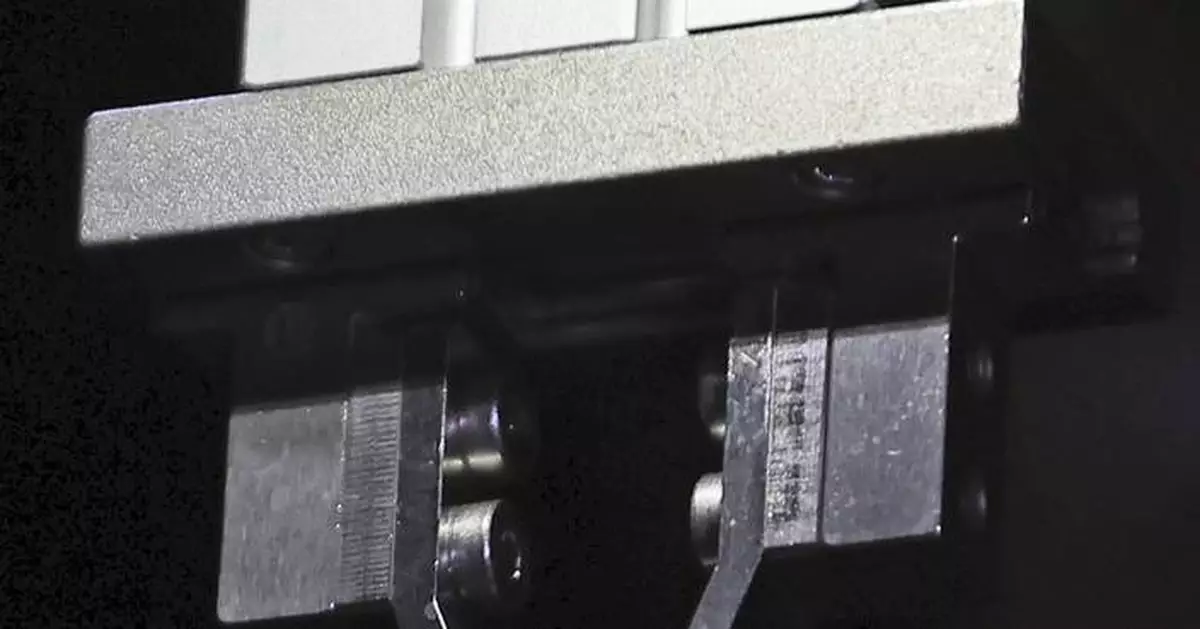
FILE - Tokyo Electric Power Company Holdings, also known as TEPCO, the operator of Japan's wrecked Fukushima Daiichi nuclear power plant, reveals a robot to be used to retrieve debris at the power plant in Kobe, western Japan, May 28, 2024. (Kyodo News via AP, File)
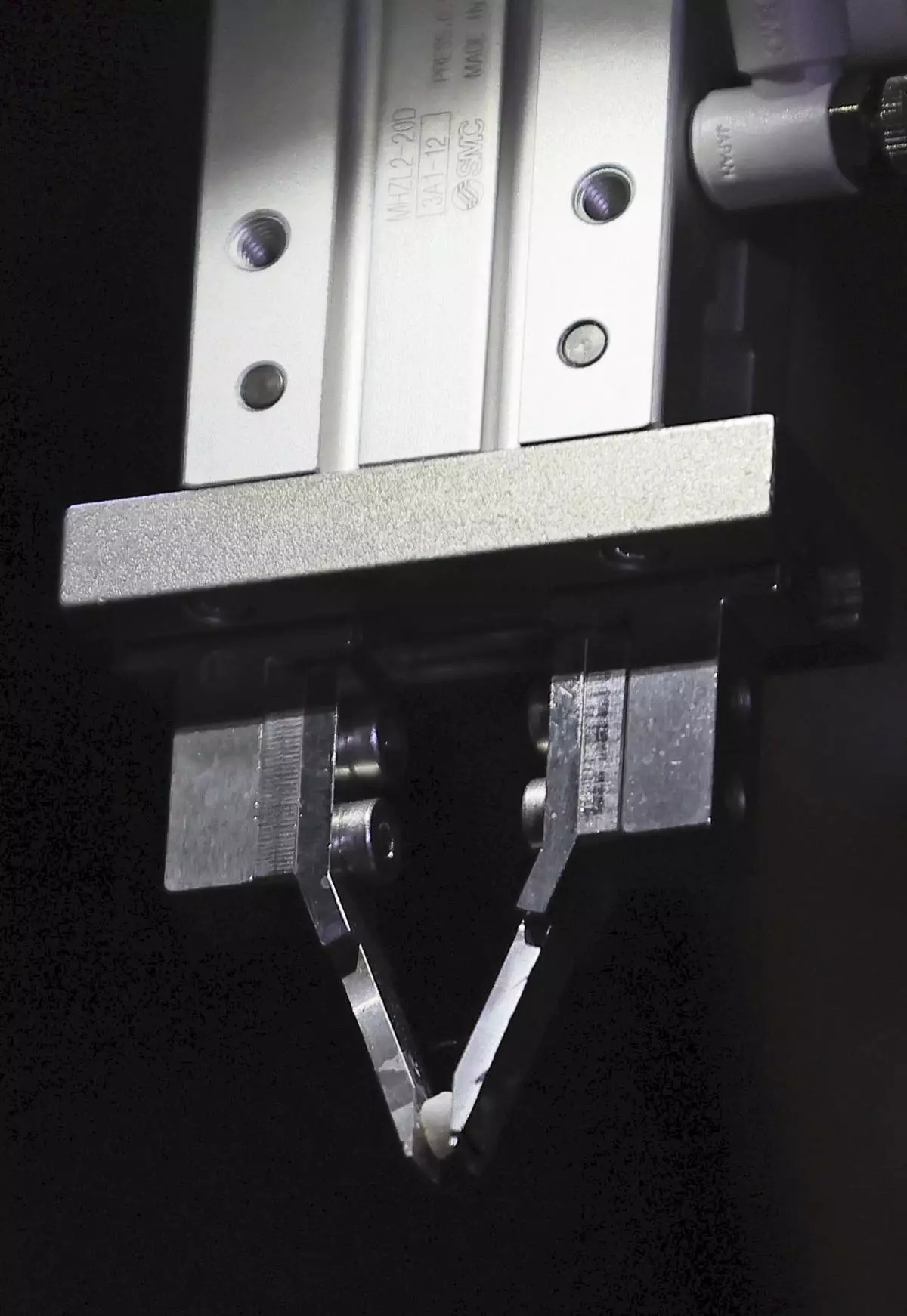
A device to remove debris from a reactor at the damaged Fukushima Nuclear power plant demonstrates to pinch a stone, as revealed in Kobe, western Japan, May 28, 2024. (Kyodo News via AP, File)
NAGOYA, Japan (AP) — South Korean golfer Tom Kim got what he came for by winning the men's singles on Saturday at the Asian Games: a gold medal and an exemption from military service back home.
He shot a 6-under 64 in Saturday's final round for a four-day total of 18-under 262. Three golfers were three back and faced a playoff with Kazuki Higa of Japan taking silver and Thailand's Sadom Kaewkanjana earning bronze.
Tom Kim made a special effort to win in Japan, flying across the Pacific when the Presidents Cup competition ended last weekend.
Asked about the exemption, he took the gold-medal approach.
“Despite that, I’m more proud that I’m able to bring a medal for my country,” he said.
He did acknowledge pressure — the flight, the expectations, the gold medal and more.
“I tried not to think about it,” he said. “I just tried to play (the) best for my country. It's a big stepping stone. I think the pressure that I felt this week, I'll be able to implement it in my upcoming seasons."
Most able-bodied men in South Korea must serve about 18 months in uniform, but a medal of any color at the Olympics — or gold in the Asian Games — provides an out.
However, South Korea failed to win the team competition. That means that S.H. Kim, who played on the team with Tom Kim, did not get the exemption. He closed with a 73 and the third team member, 35-year-old Mun Do-yeob, shot 70. Mun had already served and did not need the exemption.
Kim Joo-hyung goes by Tom Kim when he plays on the PGA Tour, and Kim Seong-hyeon goes by S.H. Kim when he plays abroad.
China won the team event with silver for South Korea and bronze for Japan.
The military exemption in South Korea also applies to classical and traditional musicians, dancers and other artists who are viewed as enhancing national pride.
The Asian Games format was 72 holes of stroke play. The teams were made up of three players, but only the best two scores counted each day toward the team total.
Tom Kim dominated the 7,035-yard at the Kasugai Country Club. The last two days he carded eagles on the par-5 13th, a 520-yard hole that was very gettable on sunny days for the final rounds with little wind.
Sixteen South Korea baseball players are also exempt after defeating Japan 3-1 in the Asian Games final earlier in the week. So are three South Koreans who won gold in esports, an event at the Asian Games.
“Of course the result is important, and the fact that the players will be exempt from the military service is important,” said Lee Sang-hyeok, who is known as “Faker” in the world of esports.
Lee won gold three years ago at the Asian Games in Hangzhou, China, and this time helped teammates avoid the conscription.
Some at home question if the exemption — created more than 50 years ago — is fair. The South Korean news agency Yonhap a few days ago termed the system “outdated” and called for change.
The news agency said the baseball game victory over Japan “symbolically reflects the changed times and the public's expectations.”
SNTV video journalist Nicky Zhu contributed to this report.
See full AP coverage of Asian sports here
See AP’s full golf coverage here
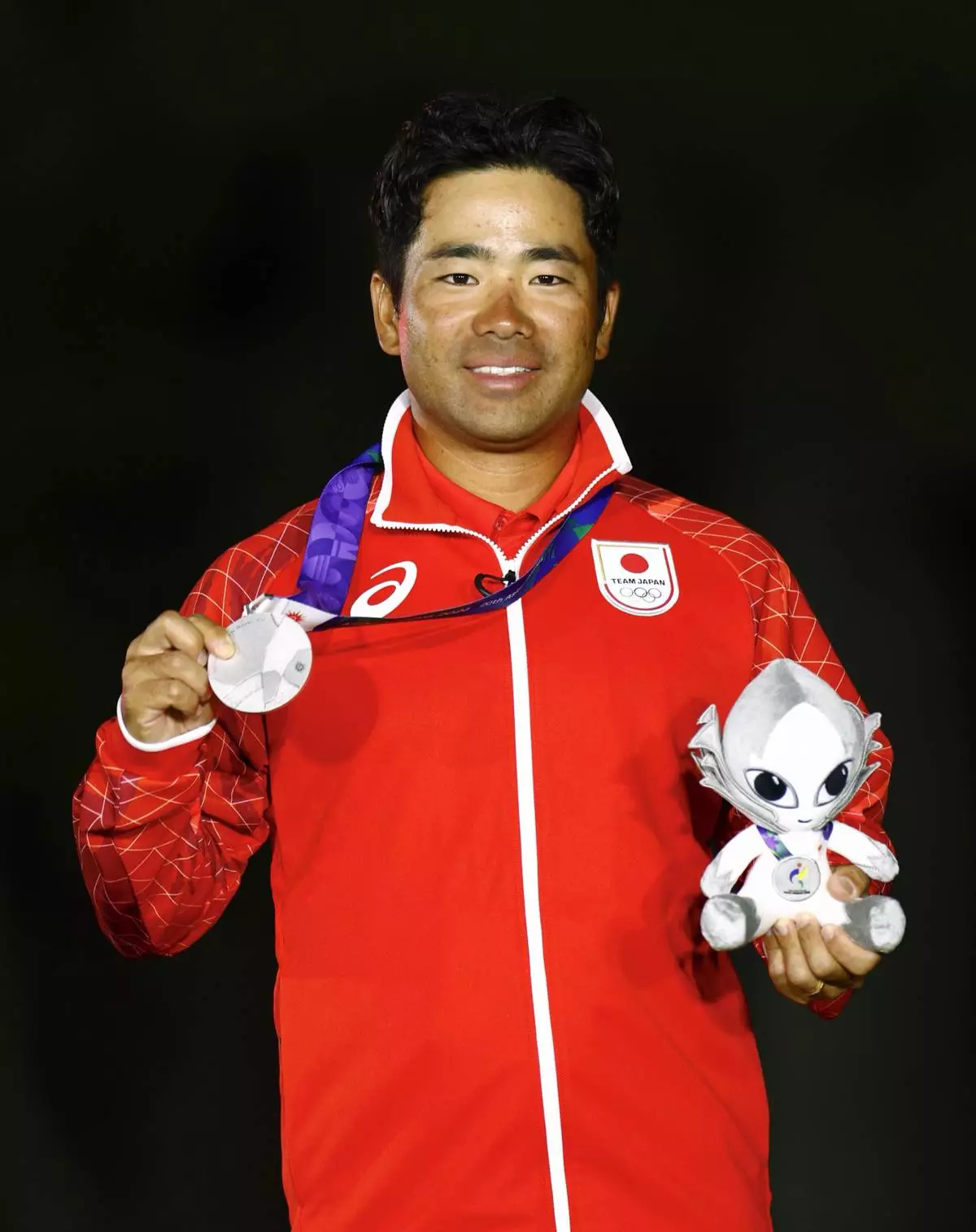
Kazuki Higa holds his silver medal after a playoff in the men’s singles in golf at the Asian Games in Kasugai, central Japan, Saturday, Oct. 3, 2026. (Natsumi Yasumoto/Kyodo News via AP)
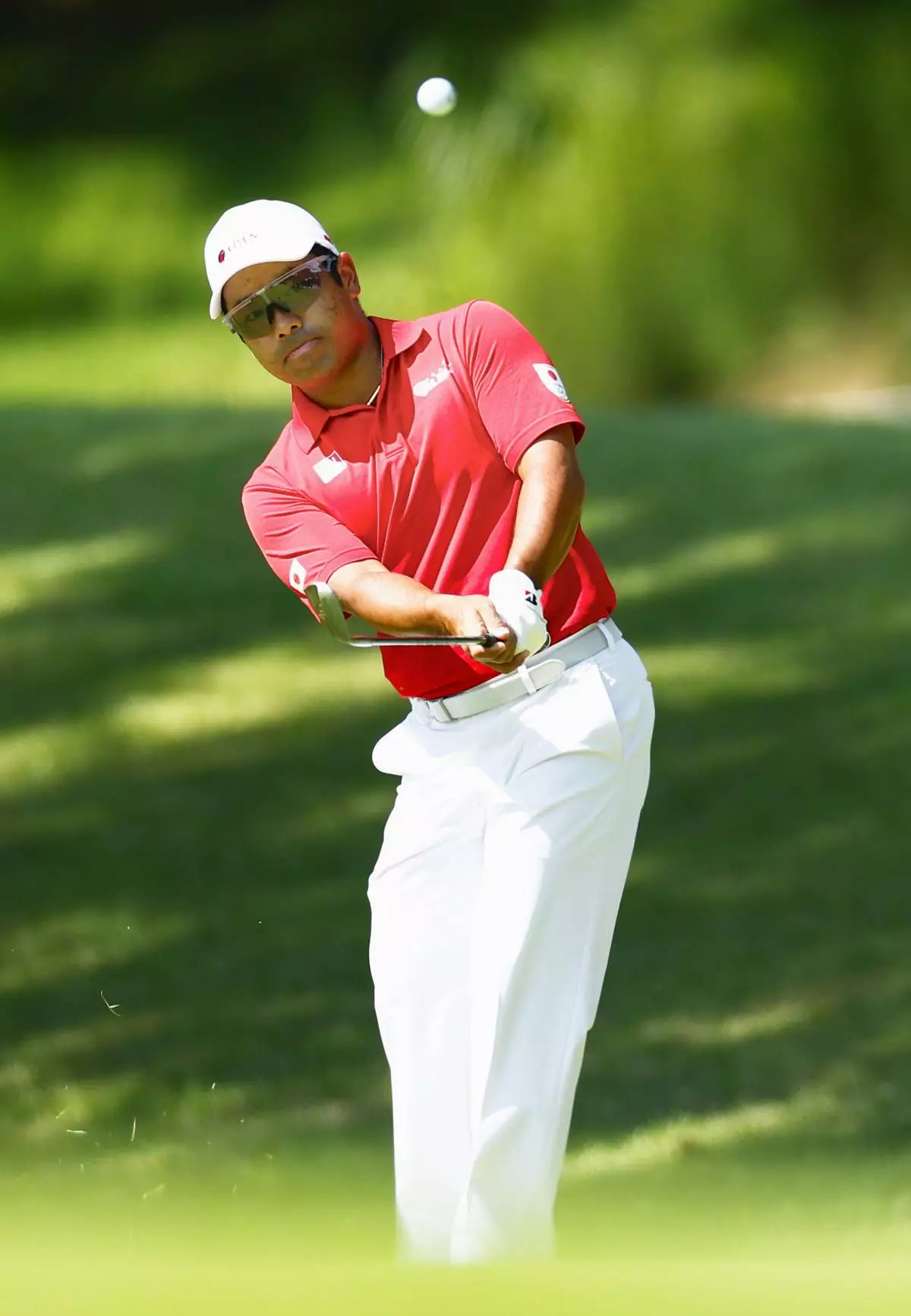
Kazuki Higa plays a shot during the men’s singles in golf at the Asian Games in Kasugai, central Japan, Saturday, Oct. 3, 2026. (Natsumi Yasumoto/Kyodo News via AP)
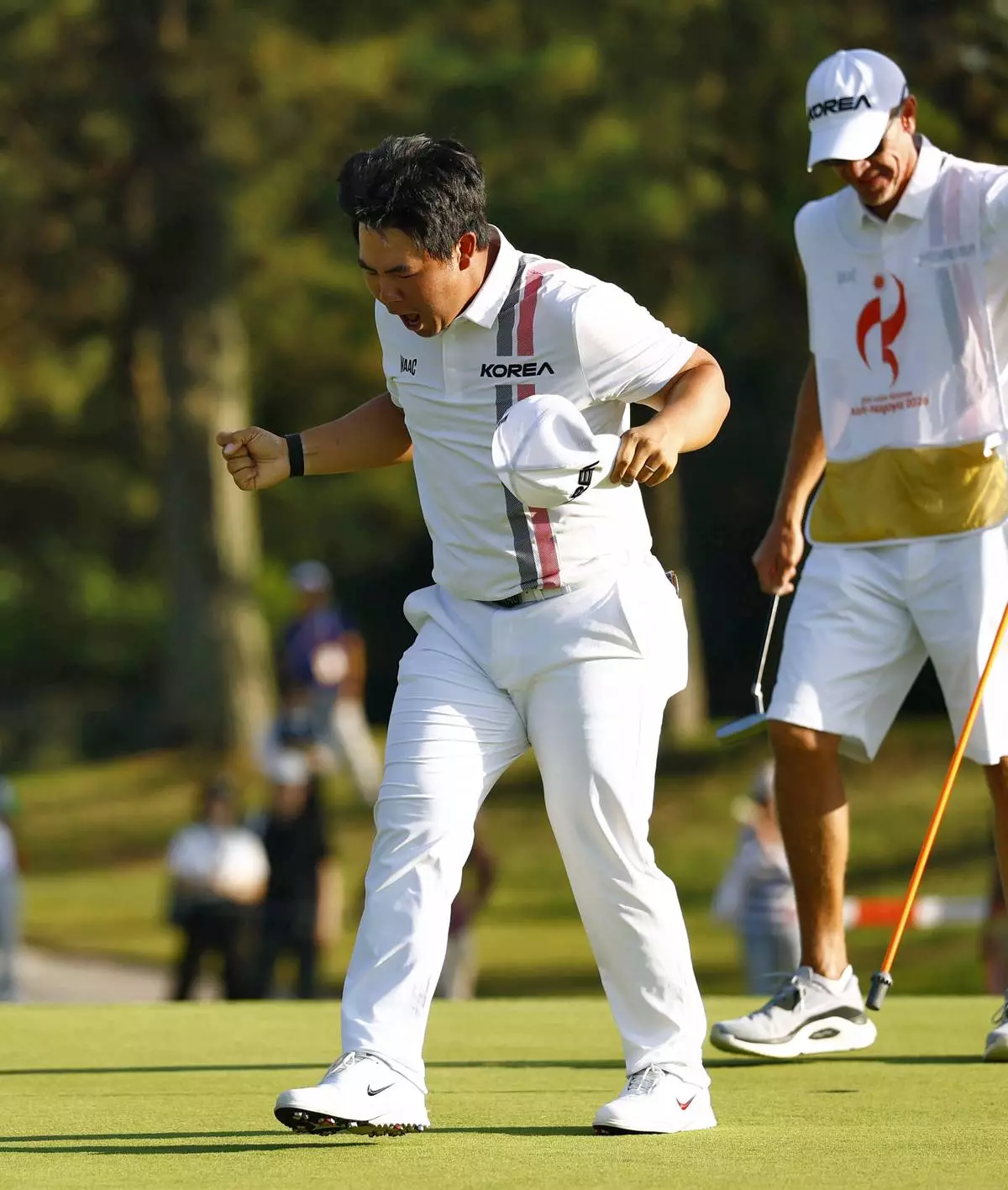
South Korea's Tom Kim, also known as Kim Joo-hyung, reacts as he wins the men’s singles in golf at the Asian Games in Kasugai, central Japan, Saturday, Oct. 3, 2026. (Natsumi Yasumoto/Kyodo News via AP)
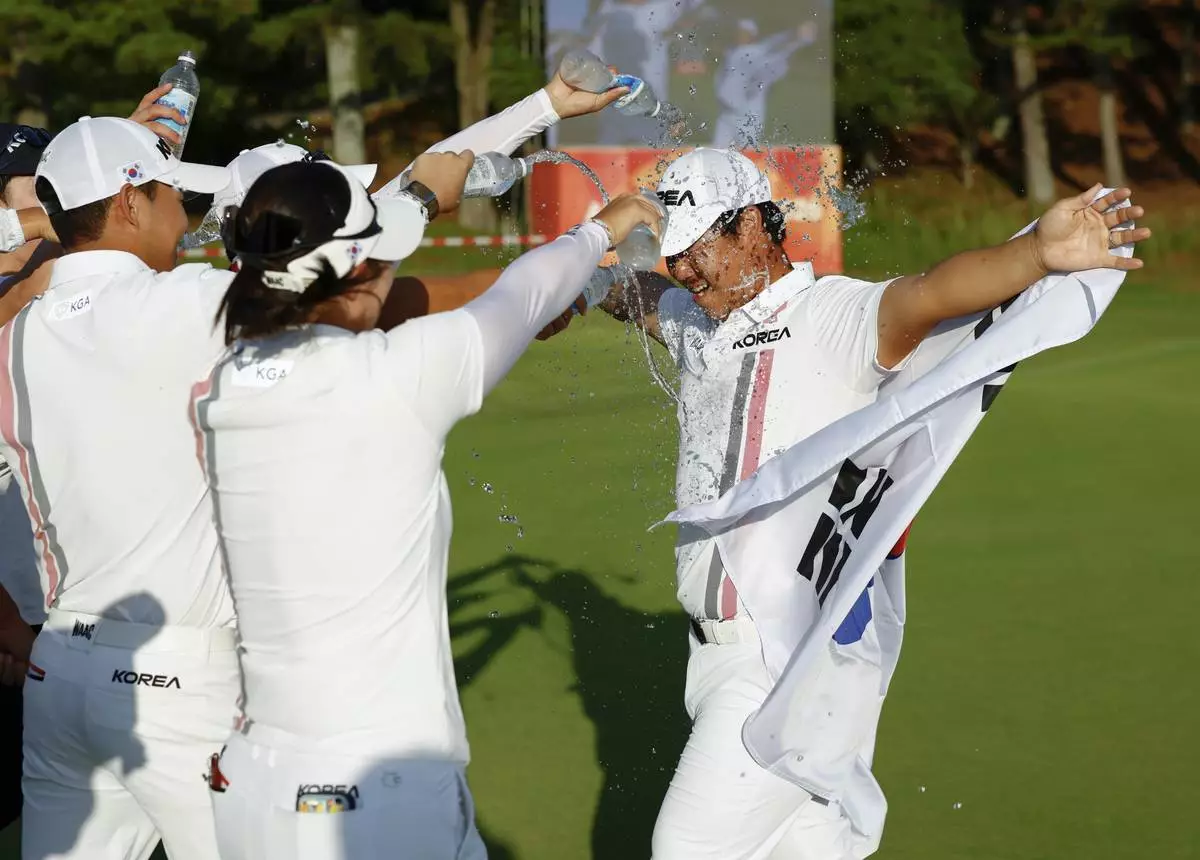
South Korea's Tom Kim, right, also known as Kim Joo-hyung, celebrates after winning the men’s singles in golf at the Asian Games in Kasugai, central Japan, Saturday, Oct. 3, 2026. (Natsumi Yasumoto/Kyodo News via AP)
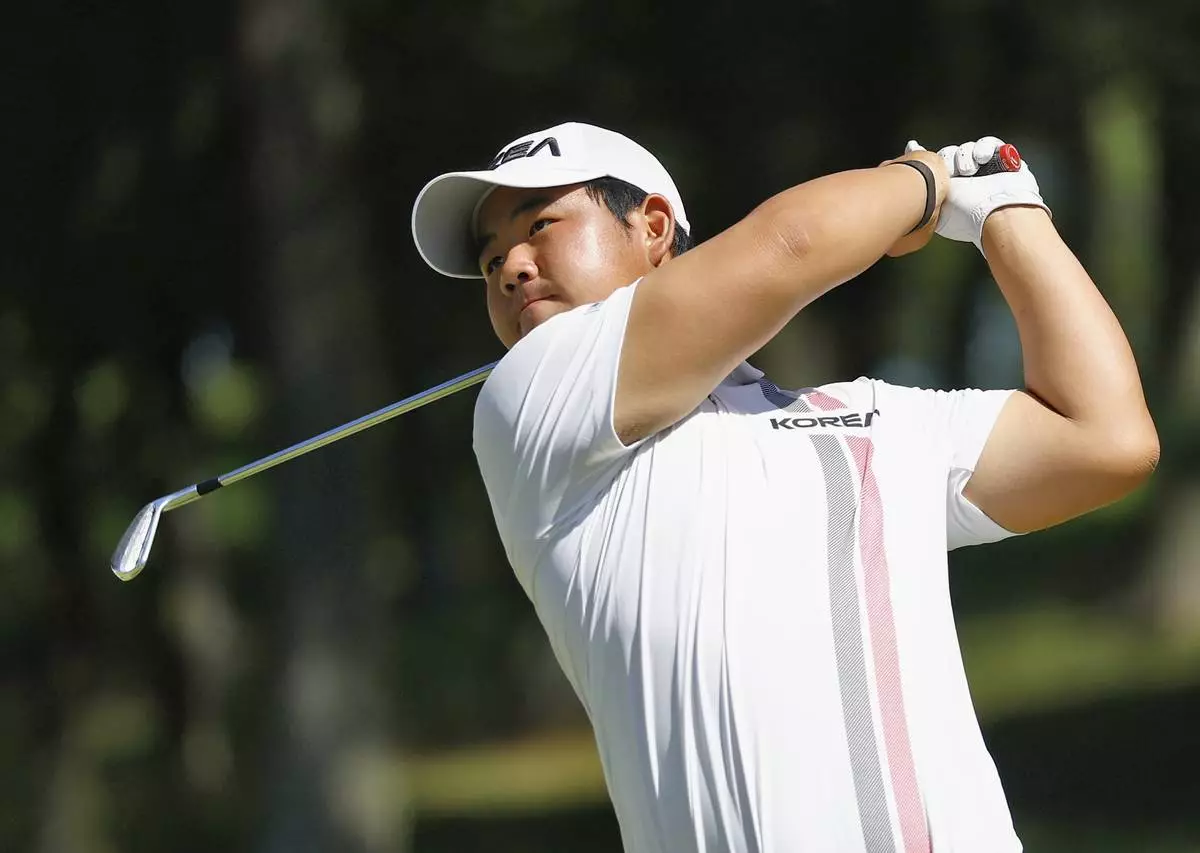
South Korea's Tom Kim, also known as Kim Joo-hyung, plays a shot in the men’s singles in golf at the Asian Games in Kasugai, central Japan, Saturday, Oct. 3, 2026. (Natsumi Yasumoto/Kyodo News via AP)
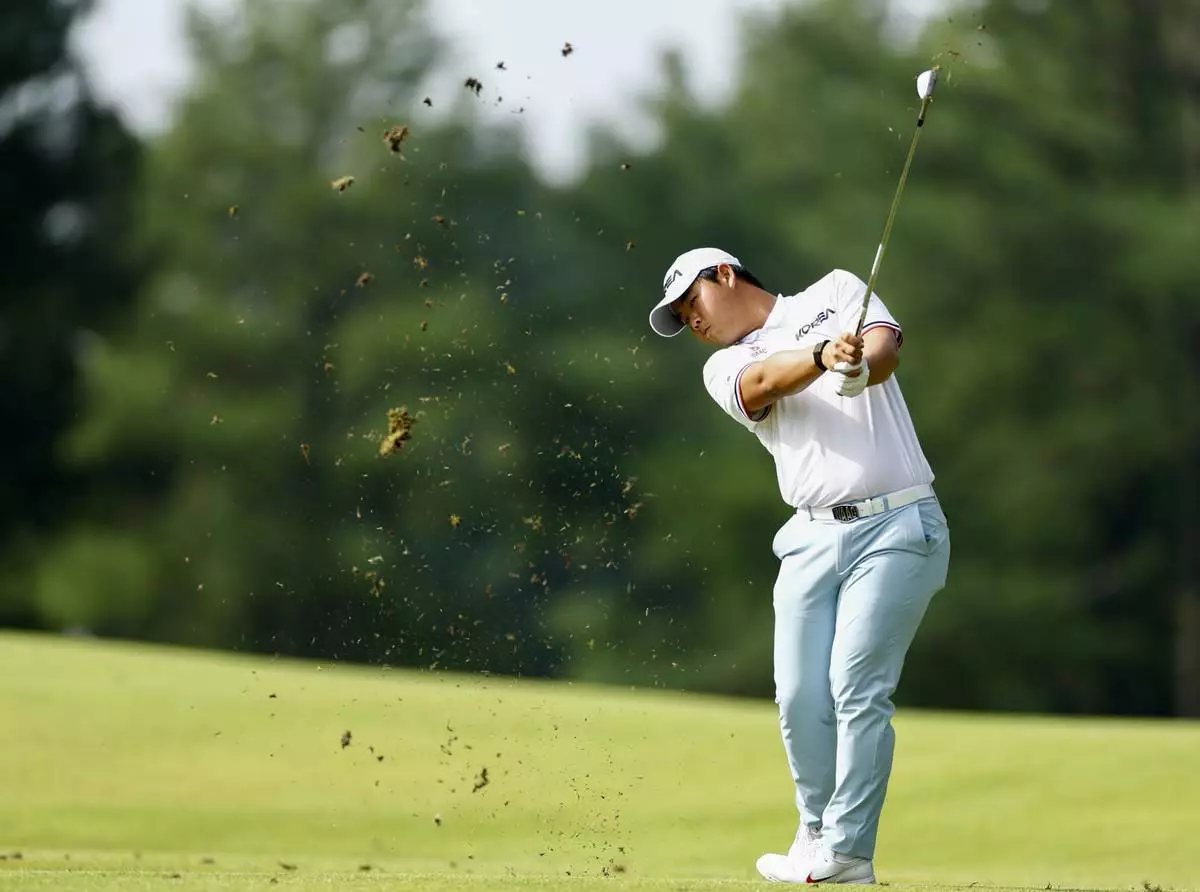
South Korea’s Kim Joo-hyung, better known as Tom Kim, plays a shot during the first round of golf at the Asian Games in Kasugai, central Japan, Wednesday, Sept. 30, 2026. (Natsumi Yasumoto/Kyodo News via AP)