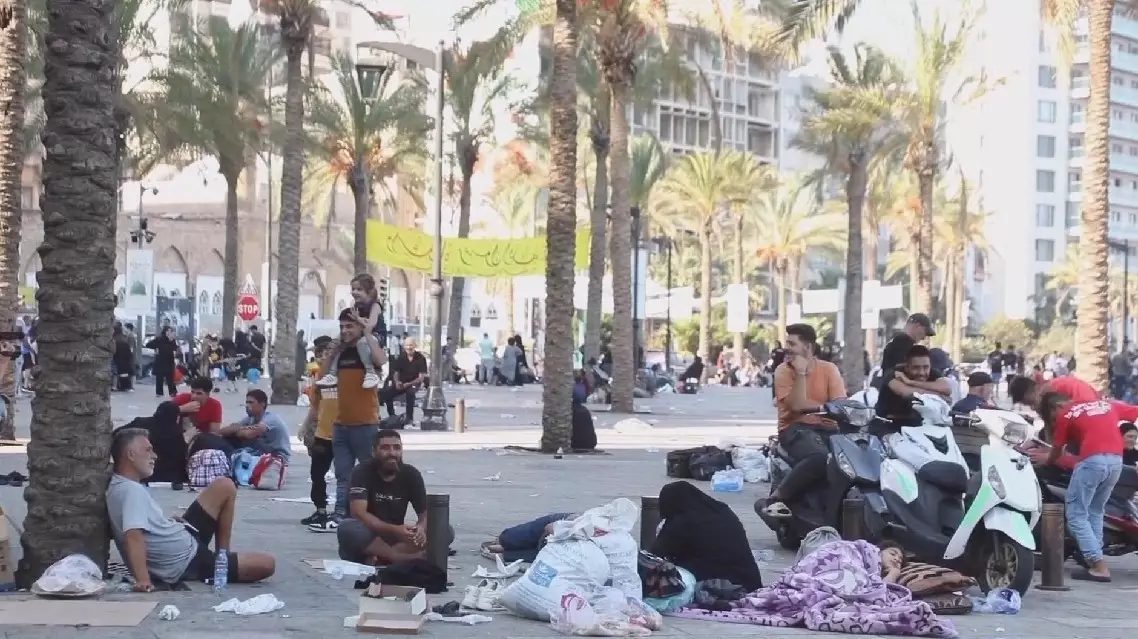
The death toll from Israeli airstrikes on Lebanon since the beginning of the Israeli-Hezbollah conflict in last October had reached 2,986, with injuries rising to13,402, the Lebanese Health Ministry said on Sunday.
Eighteen people were killed and 83 others injured on Sunday in Israeli attacks on Lebanon, said the ministry.
The United Nations Office for the Coordination of Humanitarian Affairs (OCHA) said in its latest report that due to Israel's continued air strikes and bombings, the humanitarian situation in Lebanon today is more severe than it was in 2006, when a major conflict between Lebanon and Israel broke out.
Imran Riza, who served as the United Nations Special Coordinator for Lebanon (UNSCOL), condemned attacks against civilians and infrastructure, and called on all parties to the conflict to immediately cease hostilities and protect the people.
The OCHA said in its report that the Israeli army had repeatedly asked people in Baalbek in eastern Lebanon, Nabatieh in the south, and the southern suburbs of the capital Beirut to evacuate, before launching airstrikes on these areas.
As key infrastructure such as medical institutions have been damaged by airstrikes, many hospitals are overloaded, and some hospitals are facing a shortage of blood supplies, urgently needing blood donations to cope with the surge in the number of wounded, said the report.
Previously, due to the continued airstrikes by the Israeli army, arrangements for the delivery of aid supplies to Baalbek had to be postponed, and medical supplies provided to Lebanon by other countries were also forced to be postponed due to frequent attacks near the airport.
Death toll from Israeli strikes on Lebanon rises to 2,986
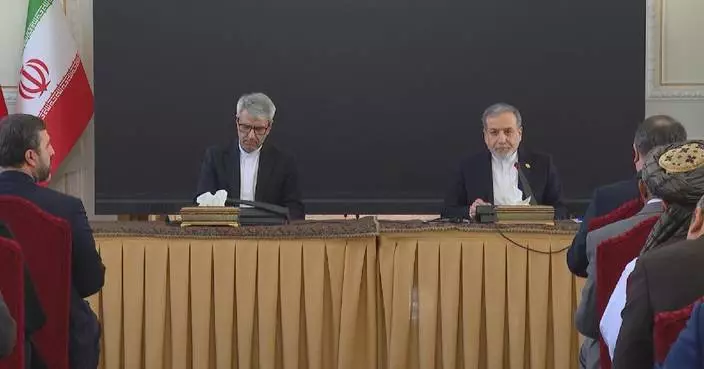
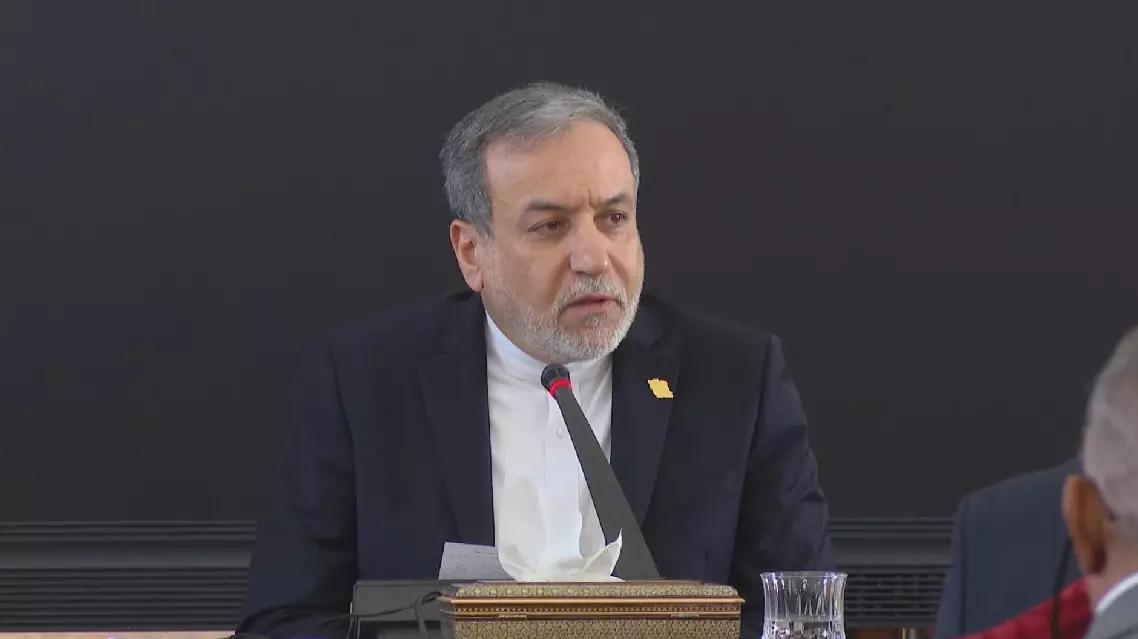
Iranian Foreign Minister Seyed Abbas Araghchi said on Monday that Iran has obtained extensive documents and evidence linking the recent unrest across the country to the U.S. and Israel, noting that Mossad agents attempted to direct such "terrorist acts."
Araghchi said at a press conference in Tehran that since Dec 28, 2025, Iran had seen peaceful demonstrations organized by industry associations and economic professional. In the following days, more participants joined, and the situation gradually escalated from peaceful rallies into violent clashes.
Beginning on Jan 8, terrorists and armed groups carrying weapons entered protest sites and opened fire on police and civilians, with the aim of steering demonstrations toward violence, bloodshed and chaos, he said.
"Israeli media reports are rife with claims that Israel has designed and conducted operations in Iran. Mr. [Mike] Pompeo, who was Trump's CIA director, said on his X that 'Happy New Year to every Iranian in the streets. Also to every Mossad agent walking beside them.' This clearly shows that Mossad agents attempted to direct such terrorist acts," the minister said. Addressing military threats from the U.S. and Israel, Araghchi said Iran does not seek war but is fully prepared to face up to war. He added that Iran is ready for serious and pragmatic negotiations with the U.S., but the talks must be based on fairness, equality and mutual respect, rather than unilateral pressure or directives from Washington.
On the same day, Iranian Foreign Ministry spokesman Esmaeil Baghaei condemned the U.S. and Israel at a regular press briefing in Tehran. He said the two countries have made "extensive interventionist remarks" regarding Iran's situation, saying such statements are intended to foment chaos, violence and instability.
The spokesman said Iran is closely monitoring the development of the situation and remains fully prepared, warning that Iran's armed forces will respond to any act of aggression by its enemies.
Mossad agents attempt to direct terrorist acts: Iranian FM