South Korean tourists are flocking to China, taking advantage of a new visa policy that allows visitors from nine countries to stay for up to 15 days without a visa.
China is extending the visa-free policy to ordinary passport holders from Slovakia, Norway, Finland, Denmark, Iceland, Andorra, Monaco, Liechtenstein, and the Republic of Korea on a trial basis, according to the Ministry of Foreign Affairs.
From November 8, 2024, through December 31, 2025, travelers from these nine countries are exempt from visas to enter China and can stay for no more than 15 days for business, tourism, family visits, and transit purposes, the ministry added.
"It's easy to travel under the visa-free policy. I think we'll visit China more often. This time, we're going to Shanghai for some night views," said a South Korean tourist.
"Destinations in China’s biggest cities, such as Beijing and Guangzhou, are especially attractive to South Korean youth," said Jao Isy-ang, manager of a travel agency in South Korea.
South Korean airlines and travel agencies are actively responding to the surge in demand for travel between South Korea and China. Both Korean Air and Asiana Airlines have announced plans to increase flights on these routes.
On Friday, the first group of visa-free tourists from South Korea arrived at Zhangjiajie Grand Canyon in central China's Hunan Province, a favorite destination among the country's travelers.
"Now that it's visa-free, it's very convenient. This is wonderful," said Jang Min-seon, a South Korean tourist.
Their arrival is expected to significantly boost the region's tourism industry during this season.
"Since the implementation of the visa-free policy we've seen a dramatic increase in inquiries from South Korea, with a particular interest in Zhangjiajie tours," said Li Guanghui, a travel agent in Zhangjiajie.
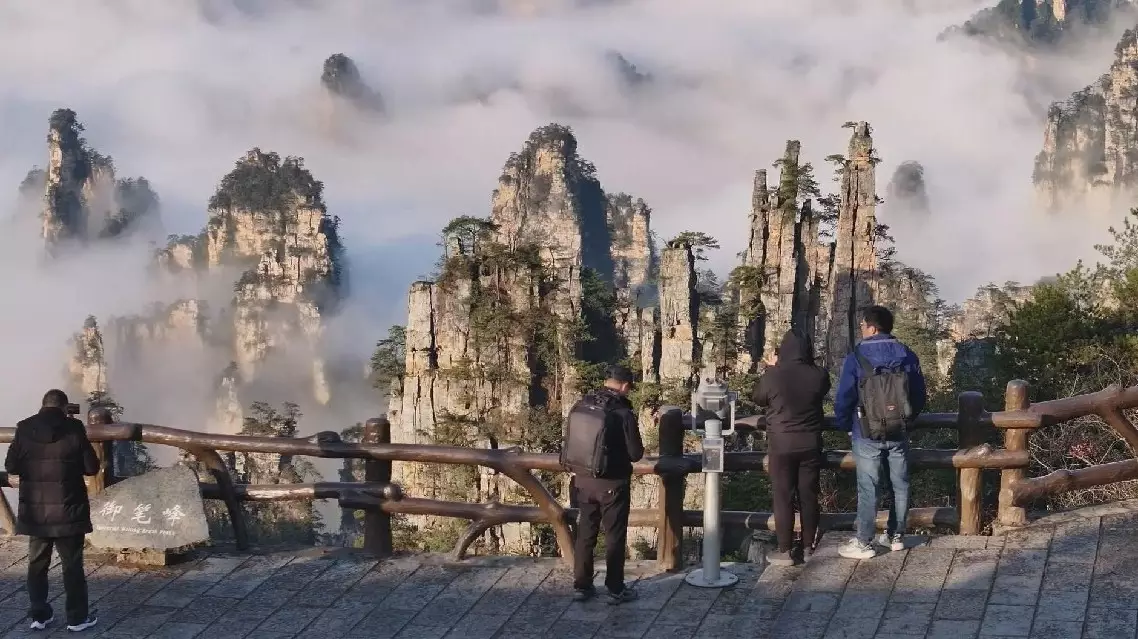
China welcomes first group of visa-free tourists from South Korea
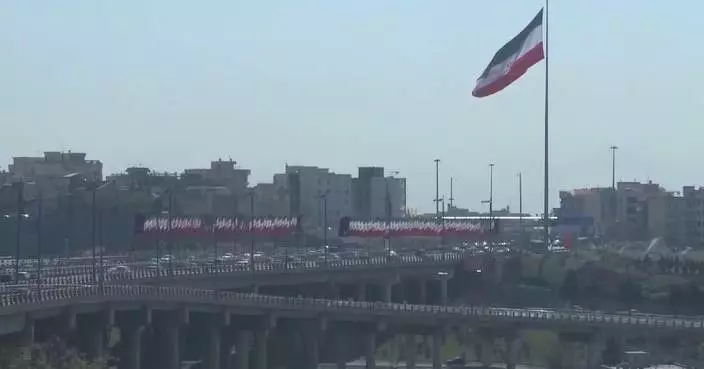
The Iranian government is focusing on public concerns and maintaining stable supplies of essential goods amid recent protests, Iranian President Masoud Pezeshkian said in a televised interview on Sunday.
In the city of Karaj, northwest of the capital Tehran, daily life has largely continued as normal. A video filmed by a local resident on Sunday shows food stores open and grocery shelves fully stocked.
"This is the block near my home, and there are some food stores here. Daily life continues here. Last night we did not see many protests in Karaj. Right now the city is very safe. This is a grocery store close to my home. All the food is available; nothing is in shortage. Here are noodles and different types of beans. Here are dairy products, cheese, and yogurt. I also checked other grocery stores and didn't see any shortages. Everything is available," said local resident Ali Reza.
Iranian officials have described recent disturbances as acts orchestrated by the "enemy," including some carried out by well-trained and armed "terrorists." The incidents have caused casualties among security personnel and civilians, as well as property damage.
The Secretary of Iran's Supreme National Security Council Ali Larijani has directed authorities to severely punish the "terrorists."
Meanwhile, Iran's police chief Ahmad-Reza Radan said on Sunday that the police had raised alert levels and arrested several leaders of the troublemakers during the operations on Saturday.
President Pezeshkian noted in the interview that the normal demands of the Iranian people are reasonable and justified, but they must realize that triggering riots and carrying out terrorist acts are the enemy's attempts to undermine the country. He urged the public to remain vigilant.
Also on Sunday, Iranian Parliament Speaker Mohammad Baqer Qalibaf warned that Tehran would regard U.S. and Israeli bases and facilities in the Middle East as "legitimate targets" if Washington takes military action against Iran. His remarks followed media reports saying U.S. President Donald Trump is "seriously considering authorizing a strike" against Iran.
Iranian state media reported that at least 109 members of Iran's security forces have been killed in clashes since the protests began 14 days ago. Meanwhile, human rights groups based outside the country said the number of protesters killed has exceeded 200, though the figure could not be independently verified.
The protests initially erupted over a sharp depreciation of the rial and sweeping subsidy reforms. Iranian authorities have blamed the unrest on foreign-linked agents and sanctions imposed by the United States.
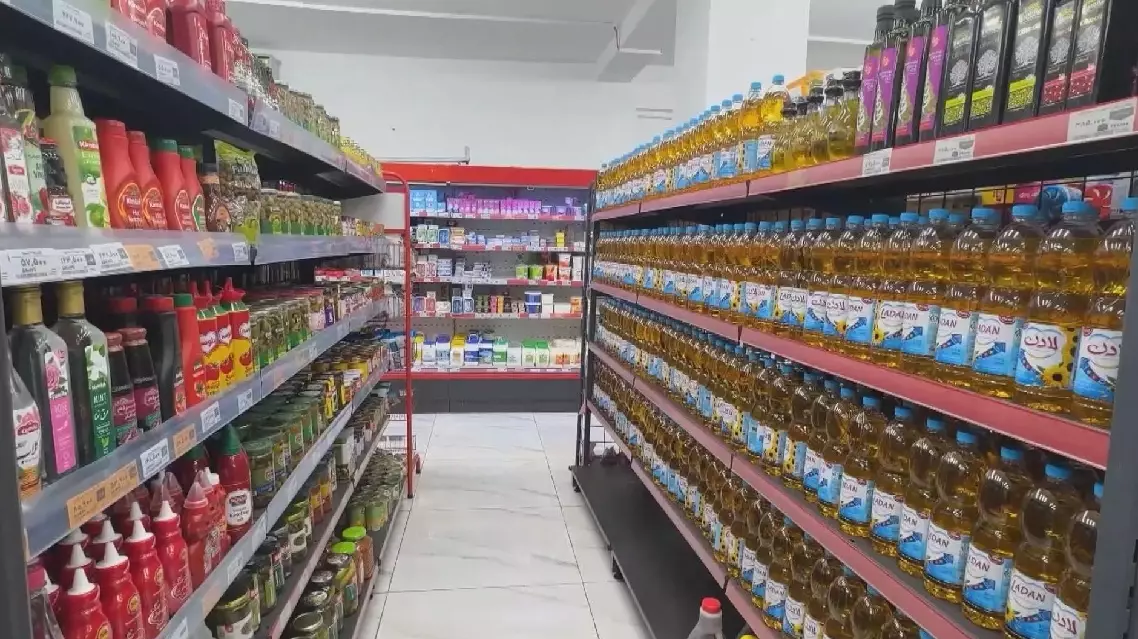
Iranian president says government focusing on ensuring supplies amid protests