A China-Brazil friendship tea garden was opened at the Rio de Janeiro Botanical Garden on Saturday to mark the the 50th anniversary of the establishment of diplomatic relations between the two countries
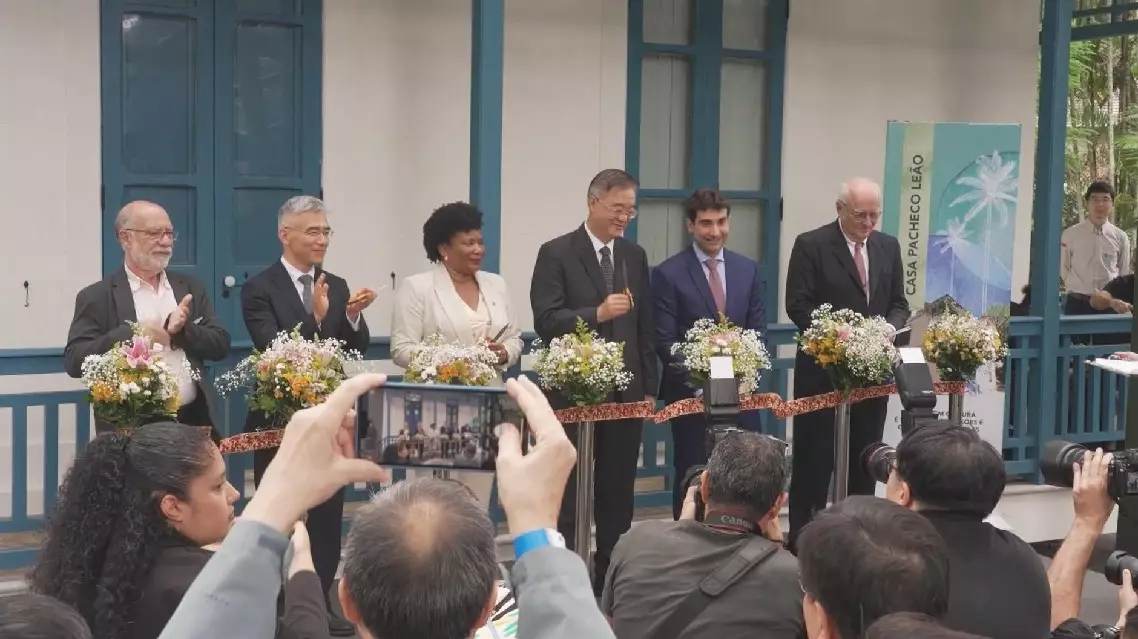
Chinese Ambassador to Brazil Zhu Qingqiao, Brazilian Minister of Culture Margareth Menezes, Brazil's central bank governor-elect Gabriel Galipolo, Rio de Janeiro Botanical Garden president Sergio Besserman Vianna, and more than 100 other representatives from both sides attended the opening ceremony.
Click to Gallery
China-Brazil friendship tea garden opens in Rio de Janeiro
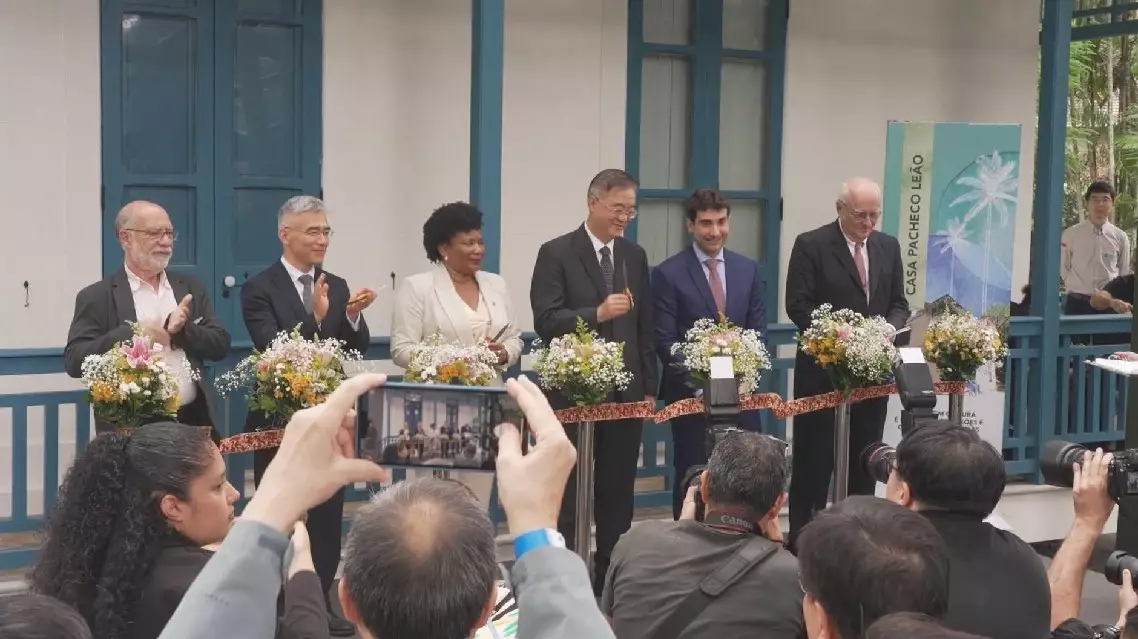
China-Brazil friendship tea garden opens in Rio de Janeiro
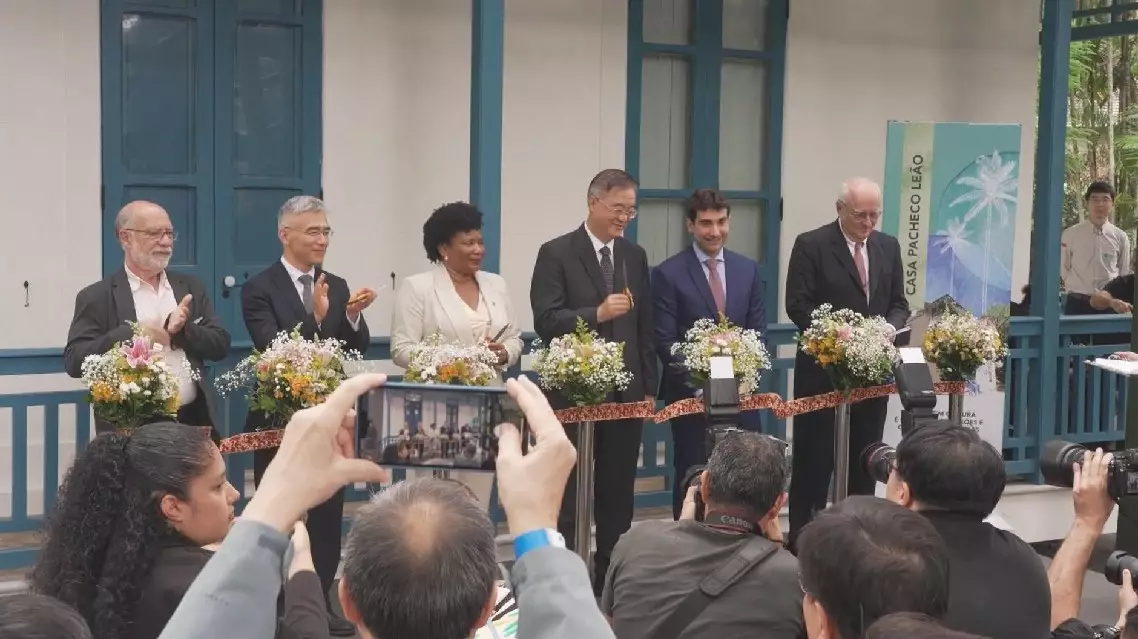
China-Brazil friendship tea garden opens in Rio de Janeiro
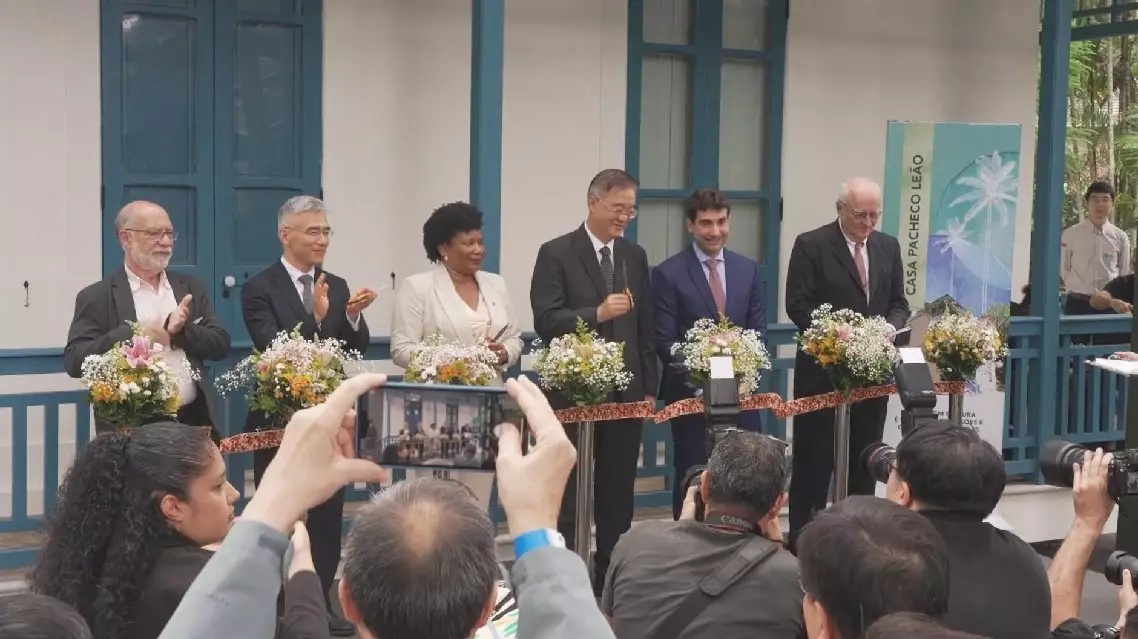
China-Brazil friendship tea garden opens in Rio de Janeiro
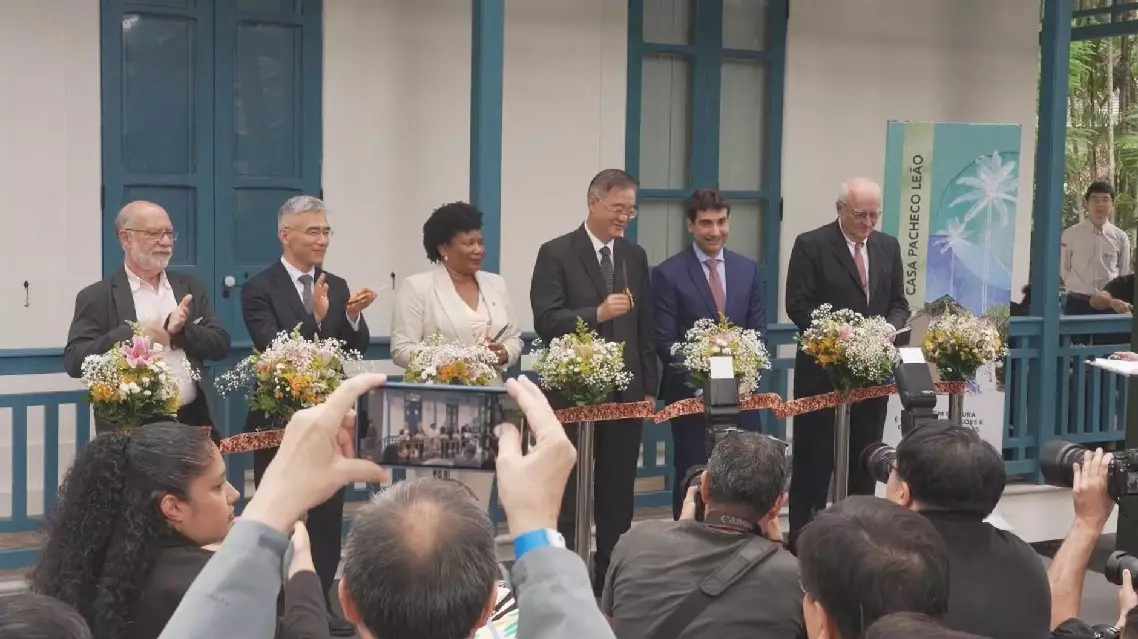
China-Brazil friendship tea garden opens in Rio de Janeiro
The project is funded by Chinese companies in Brazil, by using restored historical buildings in the park to create the friendship garden.
The Chinese side also introduced high-quality Chinese tea saplings to the park and set a tea culture exhibition, adding luster to the 19th G20 Summit, which is scheduled for Nov 18 to 19 in Rio de Janeiro.
Chinese and Brazilian officials also jointly cut the ribbon at the ceremony to mark the official opening of the tea exhibition.
"Chinese culture has spread to Brazil and Brazilian culture has also been recognized in China. I think this is a very positive signal for both sides. We can learn more from each other's cultural traditions," said Menezes.
"This will be a place to present the Chinese tea and the Chinese culture of tea for all the Brazilians, because we receive a million Brazilians from the whole country every year," said Vianna.
China-Brazil friendship tea garden opens in Rio de Janeiro
China-Brazil friendship tea garden opens in Rio de Janeiro
China-Brazil friendship tea garden opens in Rio de Janeiro
China-Brazil friendship tea garden opens in Rio de Janeiro
China-Brazil friendship tea garden opens in Rio de Janeiro