Millions of Zimbabweans continue to face food insecurity, a pressing challenge that officials blame on an El Nino-induced drought and the resulting economic slowdown.
According to the Zimbabwe Livelihoods Vulnerability Assessment released in May, about 7.7 million people in the country cannot provide enough food for themselves due to massive crop failure. The majority are in rural areas. (https://stateofthenation.co.zw/2024/05/15/drought-puts-7-7-million-zimbabweans-in-need-of-food-assistance/)
However, the hardships are not restricted to the countryside, as many families in cities are cutting back on meals and sinking into debt.
In Epworth, a high-density settlement in Harare, resident Maria Matiringe is finding it harder to get by.
"I do piece jobs as a domestic worker, but right now, no one has any extra money to pay me because things are tight due to the drought. My income has gone down when prices of most foodstuffs are going up," she said.
Matiringe has reduced the number of meals she cooks at home to one and now spends money on bare essentials, re-packed into smaller quantities.
Women and children in urban and rural areas bear the brunt of the drought.
Donors are working with authorities to sink irrigation boreholes in an effort to improve food production during dry seasons. They are also focusing on enabling communities to bounce back next season.
"People who did not harvest anything last year have no seeds to plant. They may have sold off their cattle, their goats and all, so to avoid a repeat situation next year where people did not plant enough because they didn't have seed or are not able to rely on their livestock, we need to look at ways of recovery activities. But for that harvest to happen, we need seeds, we need fertilizers, we need to work with these rural communities to enable them to restart," said Walter Mwasaa, Acting Country Director at Care International.
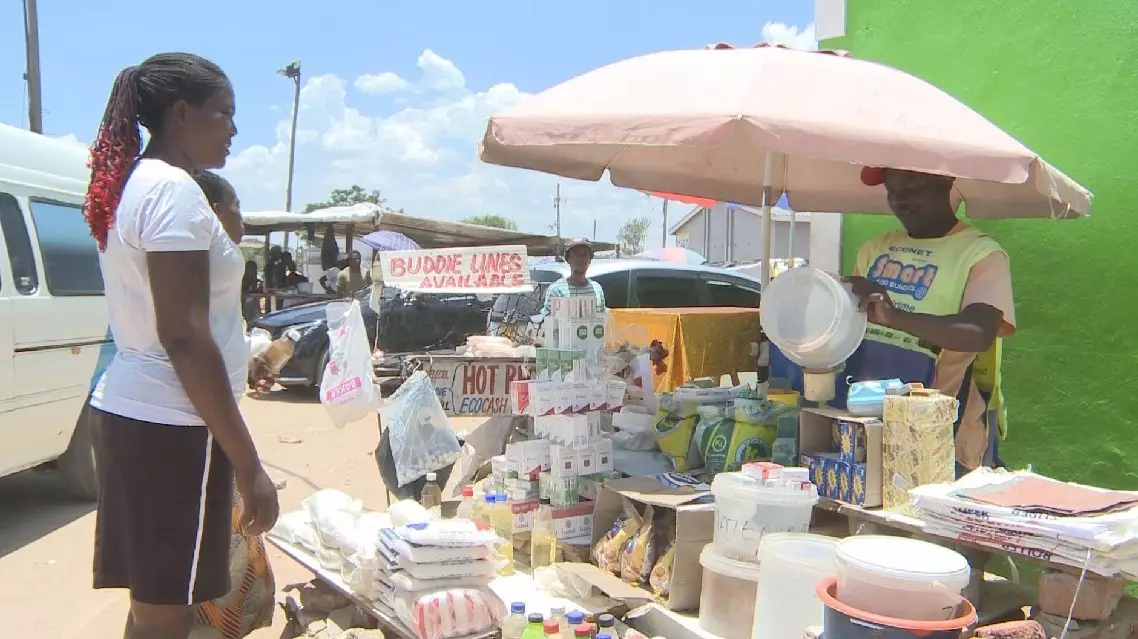
Continued food insecurity impacts millions of Zimbabweans
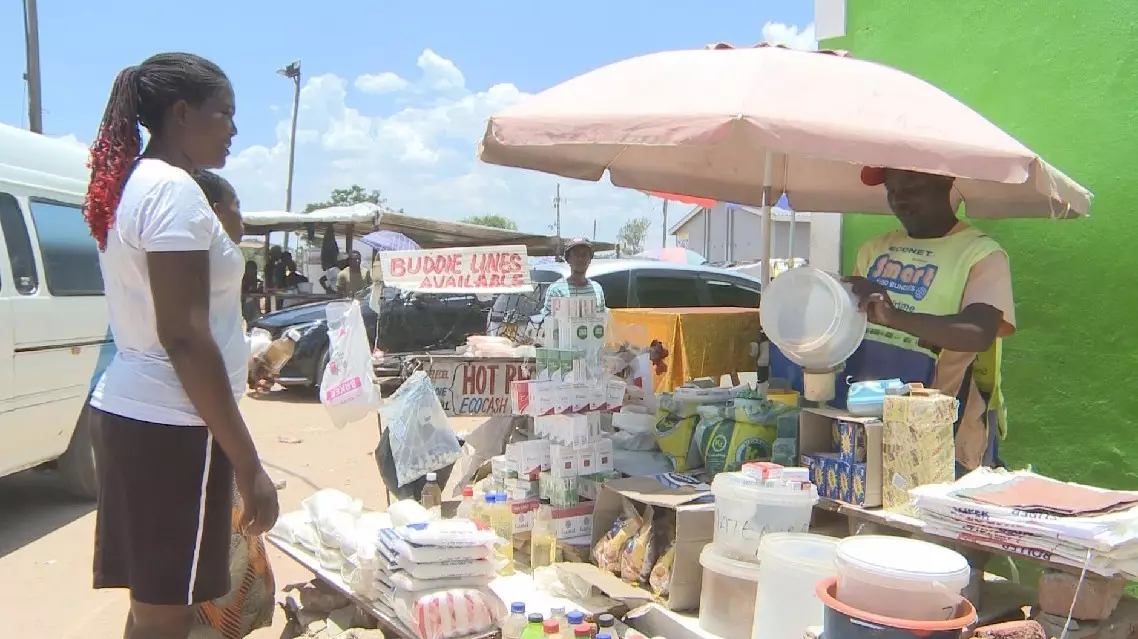
Continued food insecurity impacts millions of Zimbabweans
The 4th China (Anhui) Science and Technology Innovation Achievement Transformation Fair, which kicked off on Sunday in Hefei, east China's Anhui Province, has gathered sci-tech innovation resources from across the country, demonstrating robust technological strengths and their application potential.
The three-day fair features eight exhibition zones, showcasing over 2,800 high-quality achievements from more than 1,000 organizations. Notably, over 30 percent of the exhibits are debuting at a national-level event.
During the fair, 13 specialized matchmaking events will be held, covering key fields including artificial intelligence, nuclear fusion energy, and low-altitude economy. These sessions aim to further link national innovation resources and facilitate the translation of more sci-tech achievements into industrial applications in Anhui.
"High-quality outcomes from the three comprehensive national sci-tech innovation centers -- the Beijing-Tianjin-Hebei region, the Yangtze River Delta, and the Guangdong-Hong Kong-Macao Greater Bay Area -- along with cutting-edge achievements from 31 top-tier universities both within and outside Anhui -- are being showcased at the fair. This represents a remarkable convergence of the country's top sci-tech innovation resources," said Chen Longsheng, deputy director of the Anhui Provincial Department of Science and Technology.
Additionally, a dedicated interactive zone has been set up in the main exhibition hall, spotlighting the latest advancements in intelligent robotics. Visitors can engage in immersive, hands-on experiences to gain an up-close appreciation of how technological progress is shaping a better quality of life.
The China (Anhui) Science and Technology Innovation Achievement Transformation Fair serves as an important window to showcase cutting-edge sci-tech innovations and a key platform for business matchmaking and transactions, helping to deepen the integration between technological innovation and industrial growth.
Having been successfully held three times previously, the fair has drawn participants from national ministries, prestigious universities and research institutes, tech companies, and investment and financing institutions. Over its previous editions, the fair has facilitated the signing of 780 technology projects, with a total value approaching 230 billion yuan (about 33.64 billion U.S. dollars).
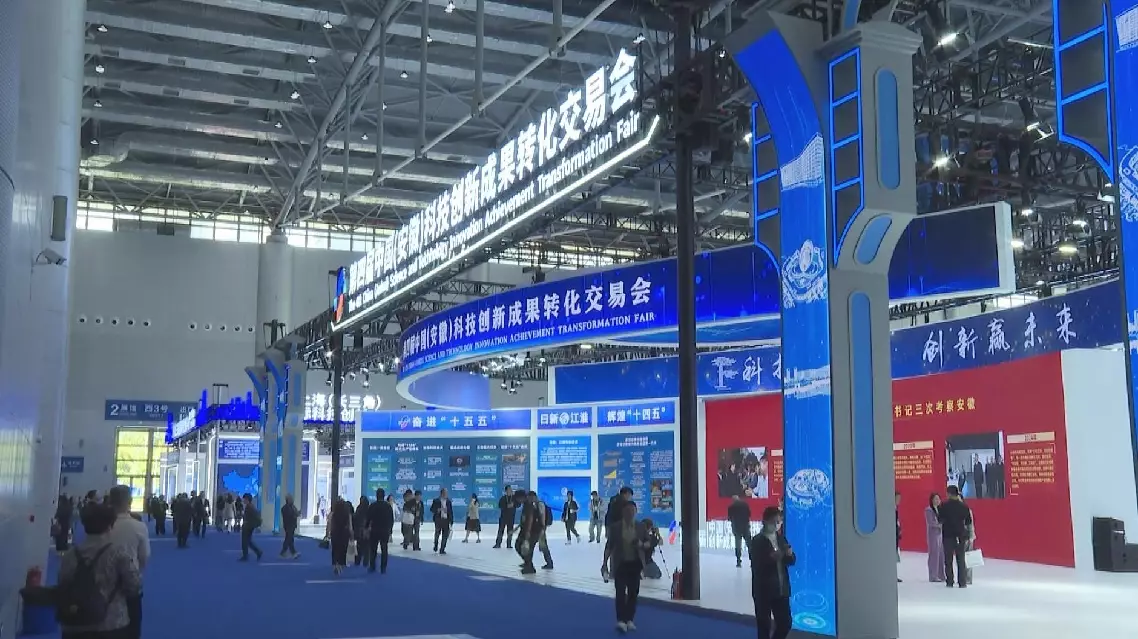
National sci-tech innovation resources converge at east China's Anhui tech fair