China's civil aviation sector reported steady growth in October, data from the Civil Aviation Administration of China (CAAC) showed Monday.
In October, passenger trips reached 64.09 million, up 14.3 percent year over year. while domestic passenger trips came in at 58.29 million, up 10.5 percent year on year, international passenger trips surpassed 5.8 million, surging 76.1 percent year on year and having recovered to 96 percent of the level of October 2019, according to the CAAC.
The civil aviation market's freight volume topped 809,000 tonnes last month, with international freight transport reached 330,000 tonnes, up 52 percent over the same period in 2019.
In the first 10 months of this year, the sector handled 620 million passenger trips, up 18.6 percent year over year. A total of about 7.3 million tonnes of cargos and mails were transported, a growth of 23.9 percent year-on-year. In particular, the cargo and mail transport volume on the international air routes surged 48.5 percent compared with the same period of last year.
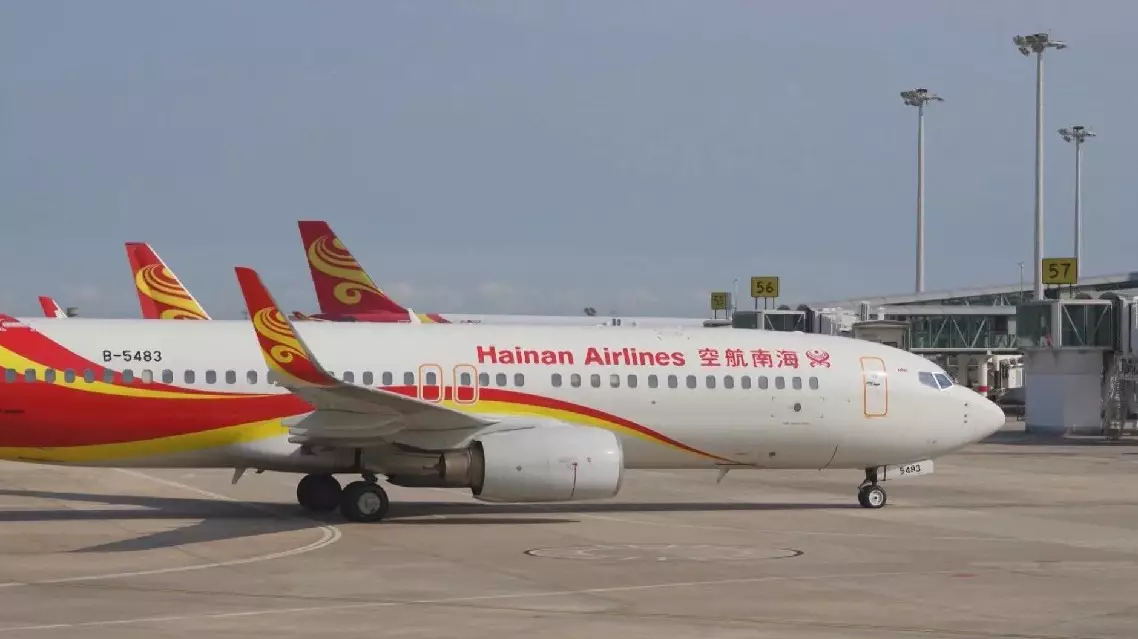
China's aviation sector maintains stable growth in October
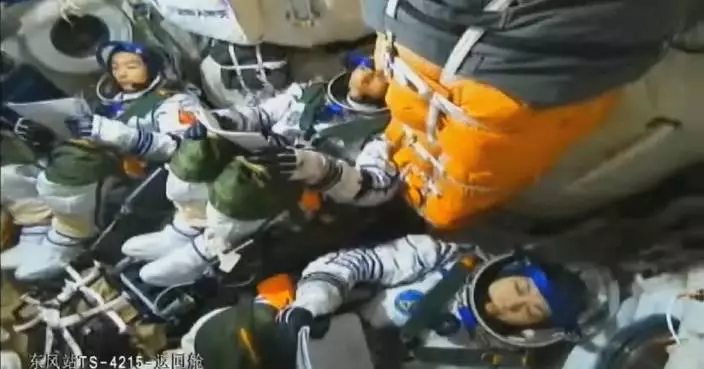
The three astronauts aboard China's Shenzhou-23 spaceship have entered the country's Tiangong space station and met with their astronaut colleagues early Monday morning, as they now begin an in-orbit crew handover.
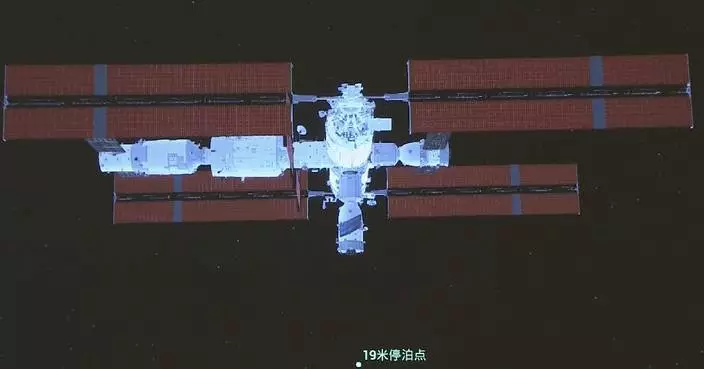
Mission commander Zhu Yangzhu and fellow astronauts Zhang Zhiyuan and Lai Ka-ying successfully entered the station's core module Tianhe after the spaceship made a fast automated rendezvous and docked with the Tianhe module at 02:45 (Beijing Time) on Monday.
The three Shenzhou-21 crew members opened the hatch at 05:13 (Beijing Time) and greeted the new arrivals, according to the China Manned Space Agency (CMSA).
The six astronauts then took group pictures for the eighth in-orbit get-together in China's aerospace history.
Notably, one of the Shenzhou-23 crew members is set to undertake a year-long stay aboard the space station, double the usual duration of previous Shenzhou missions.
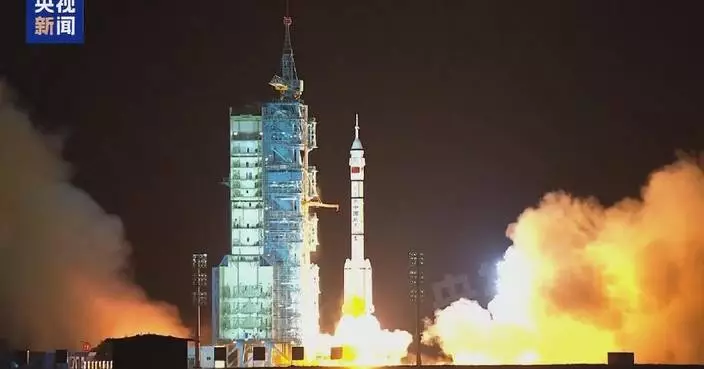
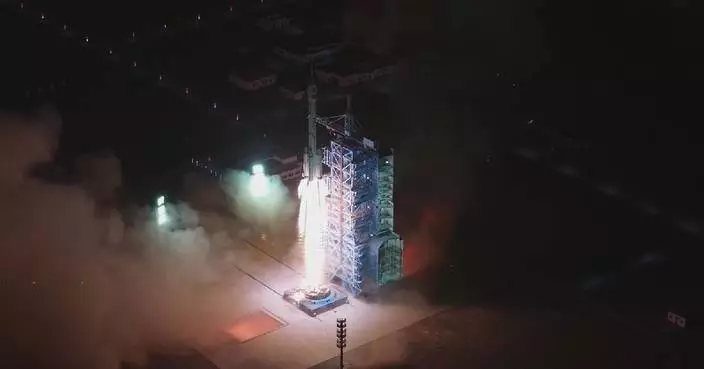
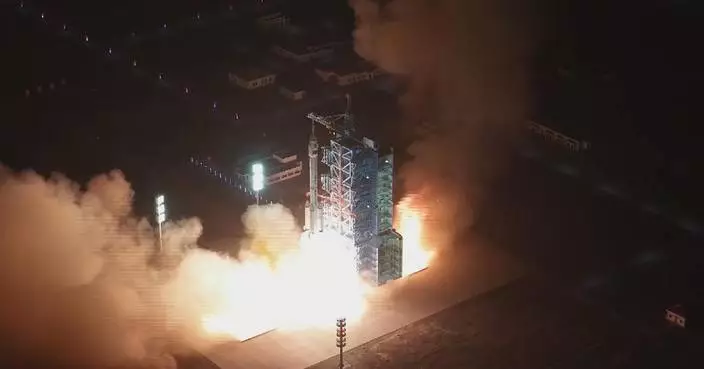
The Shenzhou-23 spaceship, atop a Long March-2F carrier rocket, blasted off from the Jiuquan Satellite Launch Center in northwest China at 23:08 (Beijing Time) on Sunday.
Shenzhou-23 marks the 40th flight of China's manned spaceflight program and the seventh manned flight mission since the Tiangong space station entered its application and development phase in late 2022.
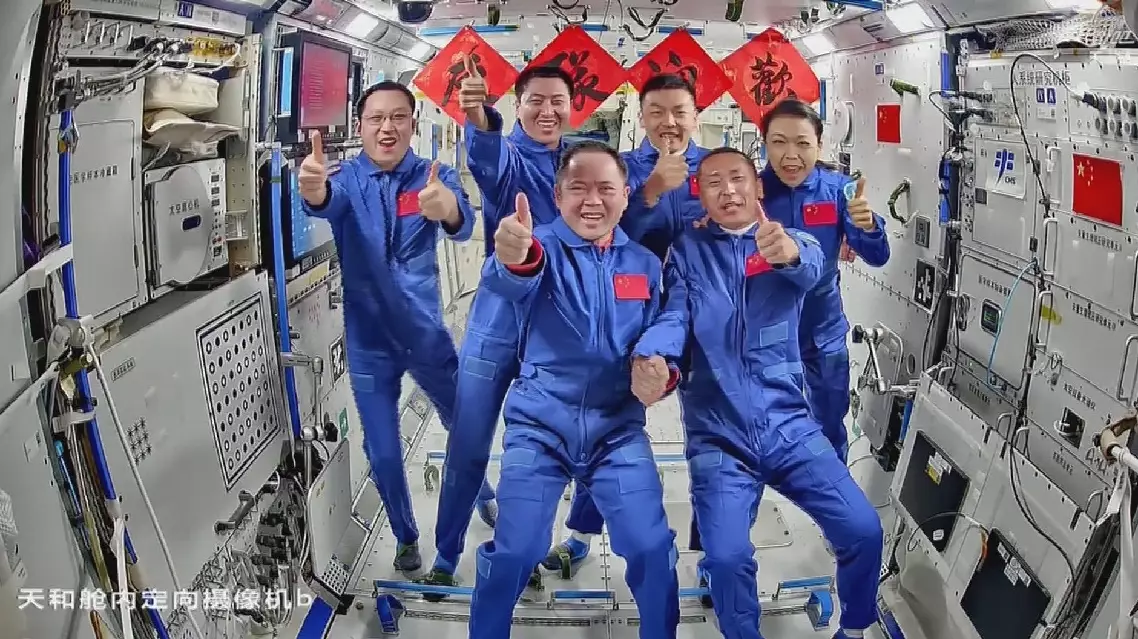
Shenzhou-23 astronauts enter Tiangong space station, meet Shenzhou-21 crew