Enhancement of operation of Mega ACE Fund and its application arrangements
The Government today (November 30) announced details of the enhancement of the operation of the Mega Arts and Cultural Events (ACE) Fund and its application arrangements.
Taking into consideration the latest developments in Hong Kong's arts and culture sector and ecology, as well as various views from different parties, the Culture, Sports and Tourism Bureau (CSTB) has reviewed the operation and funding mode of the Mega ACE Fund and consulted the Mega ACE Committee. The CSTB will enhance the operation of the Mega ACE Fund through the following areas with a view to better and more effectively promoting the development of arts and culture, as well as boosting tourism and the economy:
(i) the assessment criteria will emphasise the requirement for the funded events to cover elements that promote tourism and bring economic benefits, with a view to integrating arts and culture with the socio-economic development to bring a positive impact to Hong Kong's community as a whole;
(ii) the Mega ACE Fund will adopt a fixed application cycle, i.e. three rounds of applications each year, with deadlines set on the last working day of April, August, and December each year respectively, and applicants should submit applications at least six months prior to the proposed event date. This not only encourages event organisers to make adequate planning, but also allows the Mega ACE Fund to consider applications received in the same round in one lot. Upon examining the merits of each application, the Mega ACE Fund will identify not more than four projects that deserve support in that round and determine the corresponding funding amount. The target is to support at most 10 projects each year, with a view to utilising limited resources more effectively;
(iii) matching grant will be introduced to encourage the event organisers to solicit commercial sponsorship to enhance the level of participation of commercial organisations and to follow the over-arching principle of industry building; and
(iv) the requirements on key performance indicators (KPIs) will be strengthened, including adding KPIs in respect of the integrated development of mega arts and cultural events and tourism to better monitor the effectiveness of events and showcase the impact of the Mega ACE Fund.
The new mechanism will officially take effect on January 1, 2025, and is applicable to events to be organised on or after July 1, 2025. Applicants should use the new version of the application form (i.e. the "November 2024" version) and submit applications at least six months prior to the proposed event date. For example, if the event is to be organised on July 1, 2025, the application should be submitted on January 1, 2025, at the latest. After the deadline of each round of application, the Mega ACE Committee Secretariat will notify the applicants of the results generally within 14 weeks. The deadline of the first round of applications will be April 30, 2025. The Secretariat will process the applications received between January 1 and April 30, 2025, in one lot.
For events to be organised between May 1 and June 30, 2025, having considered that event organisers may not be able to submit the applications at least six months prior to the event as required upon the implementation of the new mechanism, the CSTB will make special transitional arrangement, which accepts applications to be submitted at least four months prior to the event as per the existing requirement. However, applicants should use the new version of the application form (i.e. the "November 2024" version), and the Mega ACE Fund will consider the applications concerned under the new mechanism, but the approved applications will not contribute to the target number of the supported projects in the same year.
For more information and the application form, please visit www.cstb.gov.hk/en/councils-boards-and-committees/mega-arts-and-cultural-events-committee.html.
The CSTB launched the Mega ACE Fund in April 2023. It aims to attract and support international and large-scale arts and cultural events to be held in Hong Kong, with a view to fostering Hong Kong’s development as an East-meets-West centre for international cultural exchange. The Fund has supported 20 large-scale arts and cultural events so far.
CHP urges public to promptly receive seasonal influenza vaccination as another severe paediatric influenza infection case reported
The Centre for Health Protection (CHP) of the Department of Health (DH) today (January 18) recorded a severe paediatric influenza infection case. The CHP again reminded parents to arrange for their children to receive a free seasonal influenza vaccination (SIV) promptly. The SIV remains one of the most effective methods of preventing influenza and its complications, and can reduce the risk of serious complications or death from infection.
The case involves a 14-year-old boy with underlying illness. He developed a fever, shortness of breath and productive cough since January 16. He sought medical attention at the Accident and Emergency Department of Pamela Youde Nethersole Eastern Hospital on January 17 and was transferred to the paediatric intensive care unit for further management on the same day. He is currently in critical condition. His respiratory specimen tested positive for influenza A virus upon laboratory testing. The clinical diagnosis is influenza A infection complicated with severe pneumonia and septic shock.
A preliminary investigation revealed that the boy received the 2025/26 SIV only three days before onset of illness. As it generally takes two weeks for the body to develop sufficient protection after vaccination, the boy was not protected by the vaccine. Therefore, it is not counted as being vaccinated. The boy had no travel history during the incubation period. Two of his household contacts developed mild respiratory symptoms earlier. The nasal swab sample of one of the household contacts tested positive for influenza A virus via rapid antigen test. The symptoms were mild and hospitalisation was not required.
The summer influenza season just ended had recorded 25 severe paediatric influenza cases, including three fatal cases. The affected children were aged between 6 months to 17 years old. Among them, 20 cases (80 per cent) had not received an SIV (including one case who received the 2025/26 SIV only four days before onset of illness).
"The summer influenza season was ended. However, influenza activity may rise again as the weather remains cold in the first quarter of this year and it cannot be ruled out that the circulating virus strains may change as the winter influenza season approaches. Therefore, I once again urge all individuals aged 6 months or older, except those with known contraindications, to act promptly if they have not yet received an SIV. This includes those who contracted influenza during the summer influenza season in order to guard against other circulating virus strains that may emerge during the upcoming winter influenza season. Furthermore, although there are some antigenic differences between the currently circulating influenza A (H3) virus strain and the virus strain contained in the vaccine, scientific research indicates that this season's influenza vaccines can still offer protection against the variant strain of subclade K, as well as the influenza A (H1) and influenza B strains included in the vaccine," the Controller of the CHP, Dr Edwin Tsui, said.
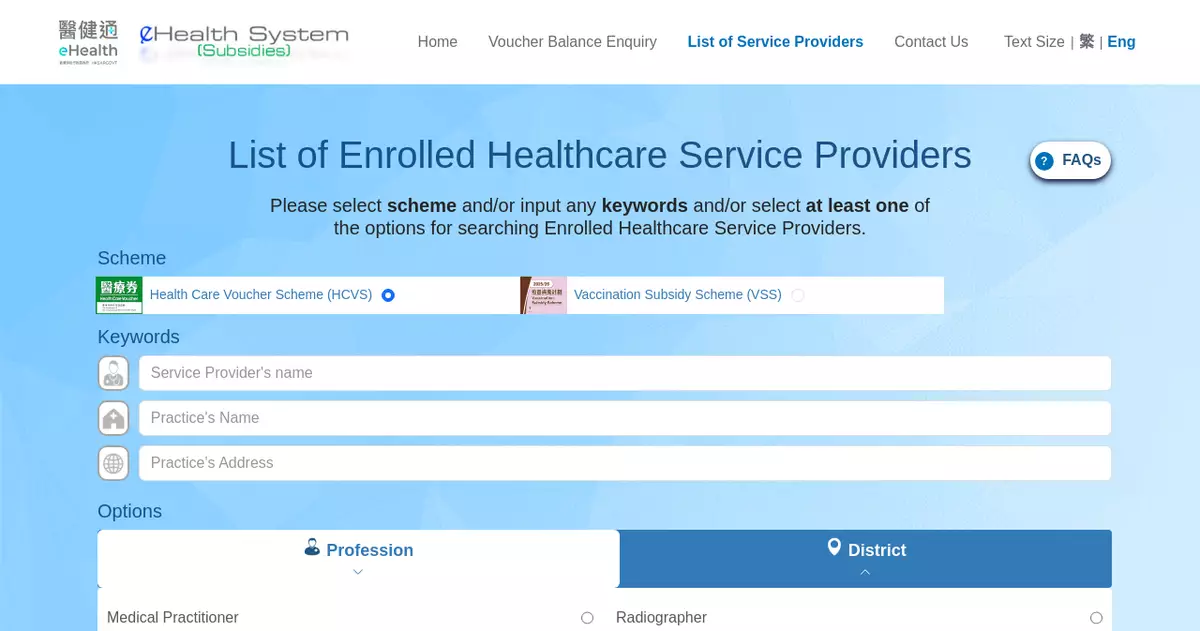
"Although the influenza activity has declined to below the baseline level at the moment, outbreaks caused by influenza viruses still occurred in schools and residential care homes. For children who did not join the SIV School Outreach Programme, parents should promptly bring their children toprivate doctorsenrolled in the Vaccination Subsidy Scheme to receive an SIV. In addition, the SIV coverage rate for children aged 6 months to under 2 years is only about 23 per cent. Although this represents an approximate 4 percentage point increase compared to the same period last year, it is still much lower than that of other age groups. Through the Primary Healthcare Commission, the CHP has urged family doctors to assist in encouraging parents to allow their children to receive an SIV," Dr Tsui added.
He also reminded members of the public that, especially for children, the elderly and those with underlying illnesses, they should seek medical advice promptly for early treatment if they present with fever and respiratory symptoms. As children with influenza can deteriorate rapidly, parents must pay close attention to their children's condition. They should go to an Accident and Emergency Department immediately if the child's condition deteriorates, for example, if they develop symptoms such as shortness of breath, wheezing, blue lips, chest pain, confusion, a persistent fever or convulsions.
Separately, high-risk individuals should wear surgical masks when staying in crowded places. People with respiratory symptoms, even if mild, should wear a surgical mask and seek medical advice promptly. They should also consider whether to attend work or school.
In addition to issuing timely reminders to healthcare professionals and schools based on the latest seasonal influenza development, the CHP also uploads the latest seasonal influenza information on its website weekly. Members of the public can visit the CHP'sseasonal influenzaandCOVID-19 & Flu Expresswebpages.
Source: AI-found images