South Korea, one of the world's major plastic consumers per capita, is using artificial intelligence (AI) technology to tackle plastic pollution, which is playing an increasingly important role in waste recycling.
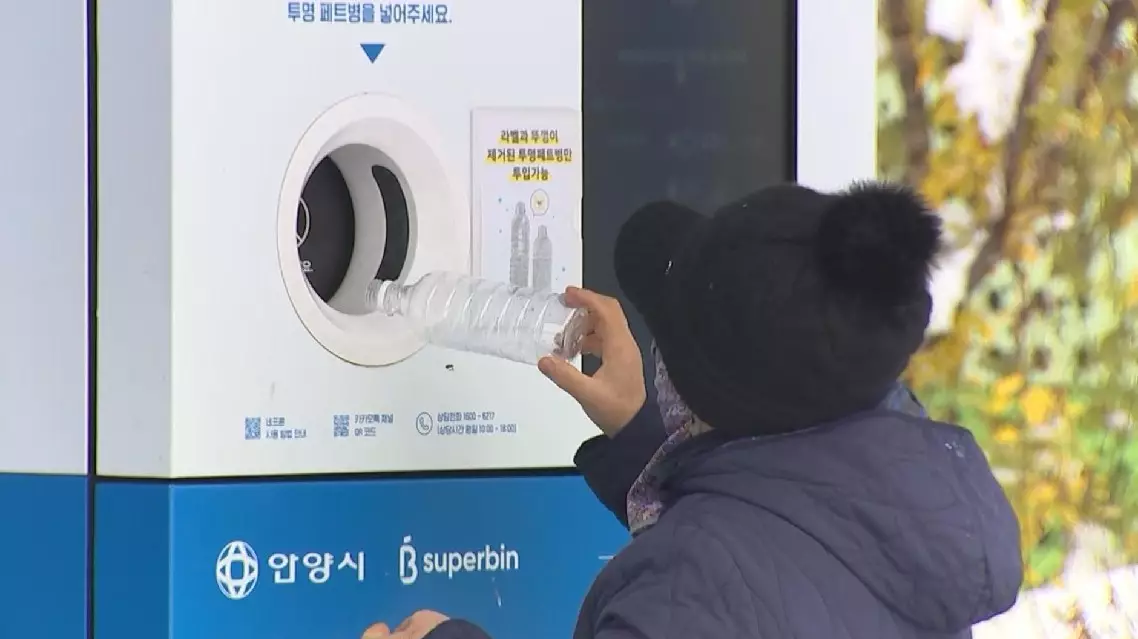
At a residential quarter in Seoul Metropolitan Area, a new type of recycling bin is gaining popularity. Powered by AI, the bin can identify almost all kinds of plastic bottles available in South Korea within a matter of seconds. Each machine can process up to 600 kilograms of plastic a month.
More than 1,000 AI-powered recycling bins have been set up in communities, parks, and other public spaces across South Korea, retrieving at least 500 million plastic bottles in just over a year. In return, residents can earn points redeemable for money.
"I often use [recycling bins.] There are fewer people today because of the snow, but usually, people have to line up for their turn. Someone around here has earned up to 180,000 Korean won (about 130 U.S. dollars) worth points, which not only protects environment but is also a way to make extra money," a resident told CCTV.
A recycling factory in Hwaseong, Gyeonggi Province processes those collected plastic bottles. Here, large bundles of compressed plastic wastes are sorted and cleansed. The AI system removes impurities, and the plastic is then cleansed in hot water and shredded into small chips. After about 25 minutes, plastic granules that can be used to make fibers or containers are generated.
"Currently we can produce around 10,000 tons of processed plastic granules a year, which are mainly supplied to petrochemical, fiber, and plastic container manufacturing companies," said Hong Seong-en, planning department manager at a local recycling company.
In South Korea, recycled plastic finds commercial applications in various industries such as automotive and home appliances. Commodities made from recycled plastic are also increasingly seen in consumers' daily life.
One fashion store in Seoul specializes in eco-friendly products made from plastic. For example, a backpack is crafted from 16 plastic bottles, making it both a sustainable and stylish option for consumers.
"I never expected this was made from plastic bottles. It looks pretty, and light in weight. More importantly, it's environmentally friendly and it's functional," said a shopper.
Data from South Korea's Ministry of Environment showed that more than 12 million tons of plastic waste were generated across the country in 2021, with plastic bottles and bags making up over 40 percent of the total.
AI tech supports plastic waste recycling in South Korea