Skip to Content Facebook Feature Image

Annual family commemoration for Nanjing Massacre victims launched in east China

China

China

China

Annual family commemoration for Nanjing Massacre victims launched in east China

2024-12-02 10:30 Last Updated At:14:37

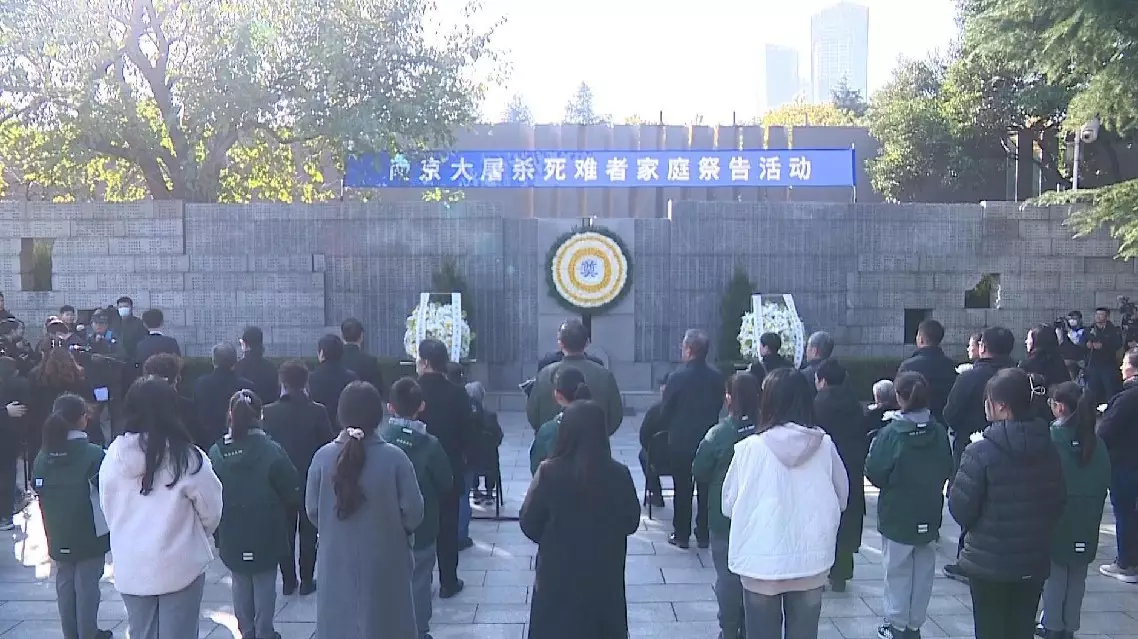
The 2024 family commemoration for the victims of the Nanjing Massacre was launched on Sunday in Nanjing, capital of east China's Jiangsu Province.

It came less than a fortnight before China's national memorial day on Dec. 13, which was inaugurated ten years ago.

Families of the victims paid tribute to their loved ones in front of a "wailing wall" outside the Memorial Hall of the Victims in Nanjing Massacre by Japanese Invaders. This wall has the names of 10,665 victims killed 87 years ago engraved on it.

On Dec. 13, 1937, invading Japanese troops captured Nanjing, then the Chinese capital. Over a period of six weeks, these invaders killed more than 300,000 Chinese civilians and unarmed soldiers.

Among the mourners was 95-year-old Xia Shuqin. On Dec. 13, 1937, then eight-year-old Xia narrowly survived the brutal killing spree, with seven out of nine members of her immediate family slaughtered.

Her father knelt down and begged the invaders not to hurt civilians, but was shot dead.

Her mother and one-year-old sister, who hid beneath a table, were pulled out by the invaders. They dashed the baby to the ground and stabbed her to death. Later, Japanese soldiers raped her mother and killed her.

Xia's grandparents were also murdered by the invaders, while her two elder sisters were raped and killed. She hid in a quilt and lost consciousness after being stabbed three times.

Xia is among the 32 registered Nanjing Massacre survivors -- with an average age of over 94.

The Chinese government has preserved survivors' testimonies in both written documents and video footage. These records of the massacre were listed by UNESCO on the Memory of the World Register in 2015.

However, as the survivors are getting old and dying, their descendants are recognized as important for passing on memories and telling the truth about the atrocities.
Annual family commemoration for Nanjing Massacre victims launched in east China
Annual family commemoration for Nanjing Massacre victims launched in east China

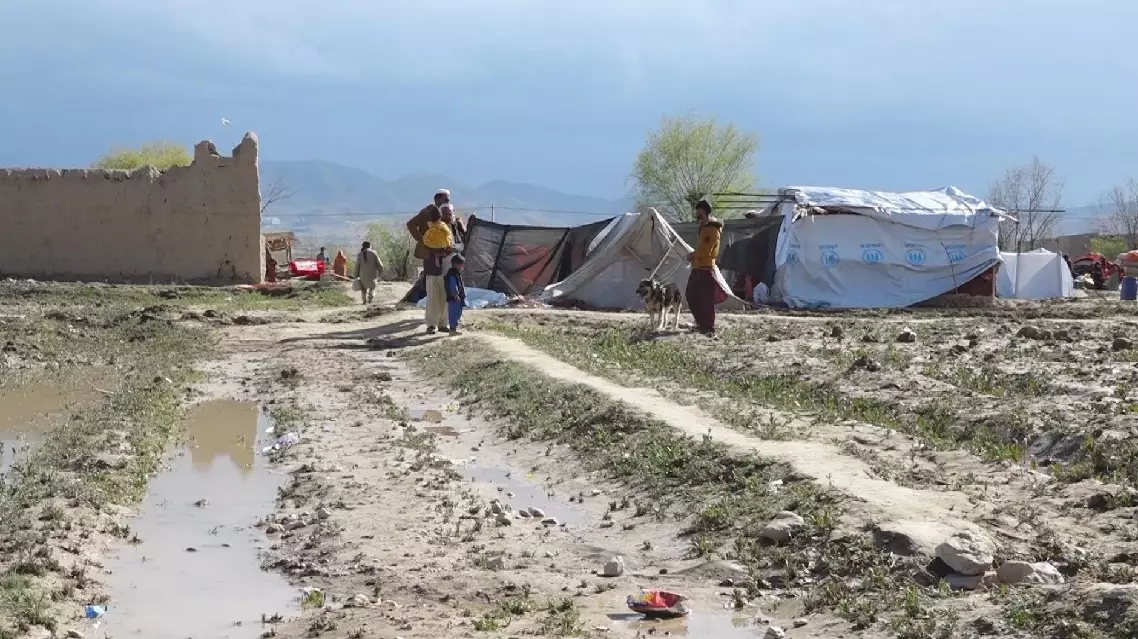
Recent flashfloods and mudslides in eastern Afghanistan have devastated the homes of local residents who returned from refugee camps in neighboring Pakistan, worsening their already difficult living conditions.

A family of 10 who recently returned from Pakistan found themselves once again facing hardship. Their homes and belongings were swept away when flash floods tore through their village, forcing them to move into makeshift shelters.

After decades in Pakistan, the family, along with other Afghan refugees, had just finished living in cramped brick shelters and returned to their ancestral homeland. Only a month after setting up their tents, a sudden flash flood struck in the middle of the night.

"The flood surged down from the upper part of the village, forcing us to flee in darkness. It was a devastating torrent—we managed to save our children, but all our belongings were swept away," said Bahram Jan from the returned family.

Unpredictable weather in eastern Afghanistan makes rebuilding especially difficult. For this family, limited financial resources make constructing a proper house on their land even more challenging.

"We spent nearly 45 years in Pakistan as refugees. After returning to our homeland, we are now struck by such disasters, leaving everything in ruins. While we are grateful to be back in our country, we urgently appeal for proper housing to be built for us here,” said Jan.

Bahram's son, Esmatullah, had tried to support the family with a small roadside shop, but floodwaters wiped out much of his inventory, dealing another blow to the family.

"The flood swept away all the materials in my shop, and I struggled to replace them. It was so severe that we could not protect anything," said the boy.

Eastern Afghanistan flashfloods destroy homes of returned refugees

Eastern Afghanistan flashfloods destroy homes of returned refugees

Recommended Articles