Skip to Content Facebook Feature Image

Aleppo residents face survival crisis as rebel forces take control of city

China

China

China

Aleppo residents face survival crisis as rebel forces take control of city

2024-12-05 15:02 Last Updated At:12-06 00:37

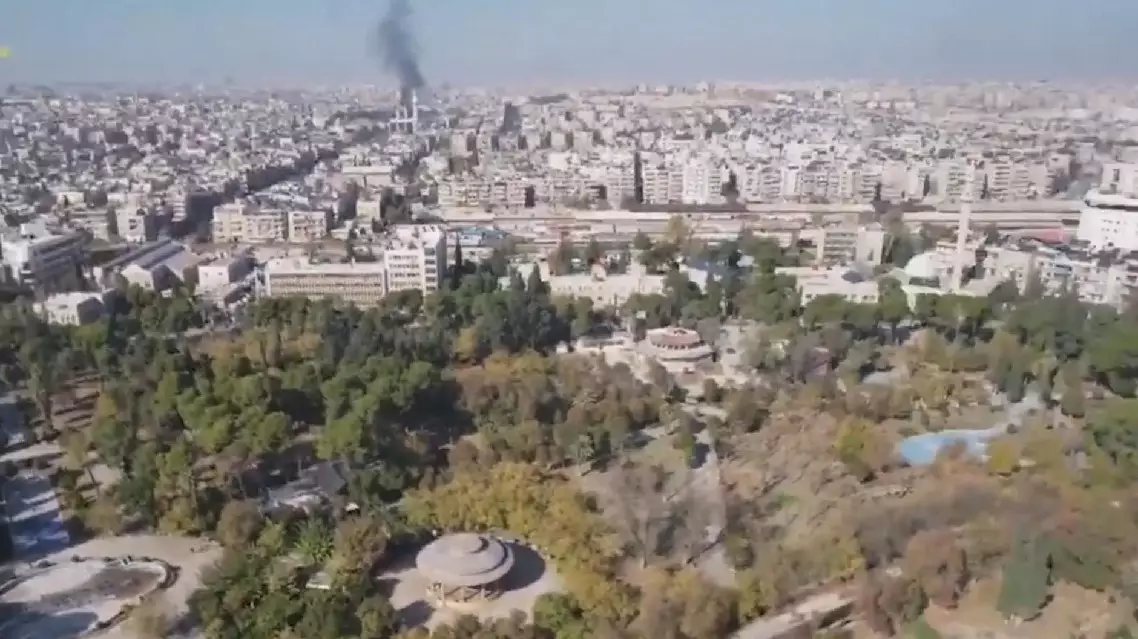
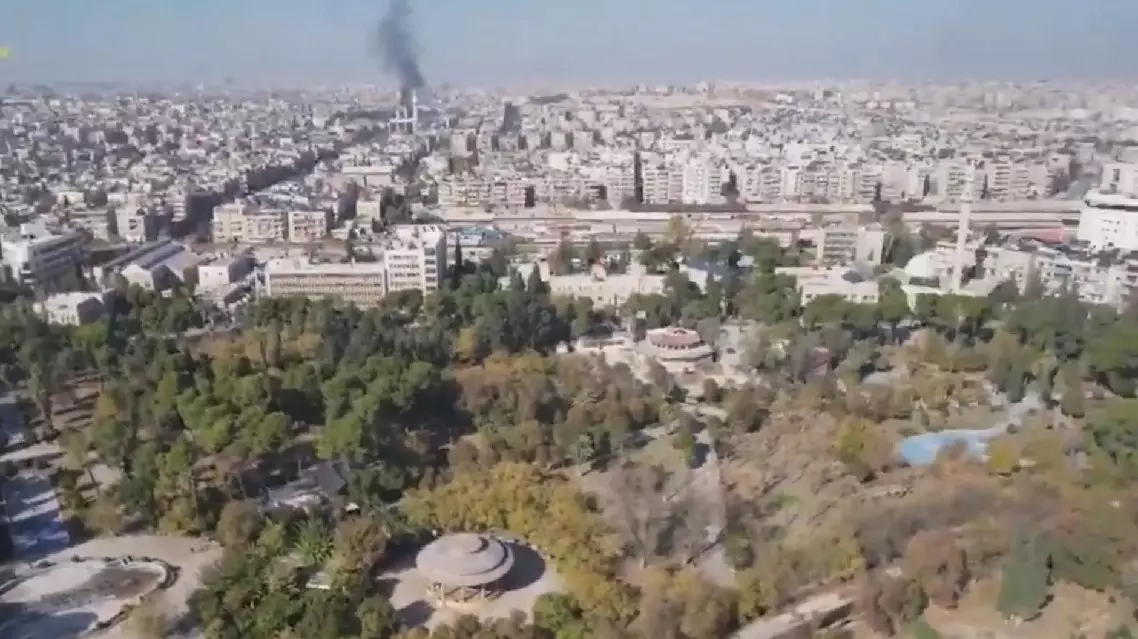
Aleppo residents are facing a severe survival crisis due to shortages of essential materials after the city fell to Syrian rebel forces.

Syrian rebel factions, mainly Hayat Tahrir al-Sham (HTS), seized control of the country's second largest city of Aleppo a few days ago.

Since then, the situation in Aleppo has deteriorated rapidly, with essential services collapsing and infrastructure ruined. Key hospitals are severely damaged or out of service due to equipment shortages and a lack of medical staff. Communication blackouts and the shutdown of financial services have further paralyzed the city.

Besides, the local media outlet Sham FM reported ongoing incidents of theft in several homes and neighborhoods in the city by unknown armed individuals, believed to be escaped criminals from Aleppo Central Prison.

Currently, tens of thousands of residents have fled the city, while over two million locals remain trapped inside.

In a phone interview with China Central Television (CCTV), Aleppo resident Mohammed said now he has no choice but to stay at home. He also expressed concern that all banks have ceased operations, and food supplies are at risk of running out.

"For quite a few days, no supplies have been able to enter the city. ATMs are down, and banks are closed, so money transfer is impossible. Citizens' cash is running out, and food supplies are also shrinking. Some bakeries have shut down. There's one near my home that has been closed since Thursday. Yesterday, we had an 18-hour power outage," said Mohammed.

Due to the electricity shortage, communication throughout the city has also been severely disrupted, said Mohammed.

"The power supply is unstable, and generators are running low on diesel. Internet speeds are very slow, with some network signals cut off," he said.

For residents still in Aleppo, leaving their homes is also a dangerous option. The high cost of gasoline and the potential for unforeseen dangers during the journey make fleeing quite risky.

"Where can I go? I can't sleep on the streets, so I have no choice but to stay here, even though there's no food and no safety," said Mohammed.

The recent escalation in Syria underscores the intensifying conflict between government forces and rebel groups.

The United Nations and humanitarian organizations have repeatedly called for the protection of civilians and unimpeded access to aid delivery, expressing concern over the impact of the ongoing conflict on the Syrian population.
Aleppo residents face survival crisis as rebel forces take control of city
Aleppo residents face survival crisis as rebel forces take control of city
Aleppo residents face survival crisis as rebel forces take control of city
Aleppo residents face survival crisis as rebel forces take control of city

Aleppo residents face survival crisis as rebel forces take control of city
Aleppo residents face survival crisis as rebel forces take control of city

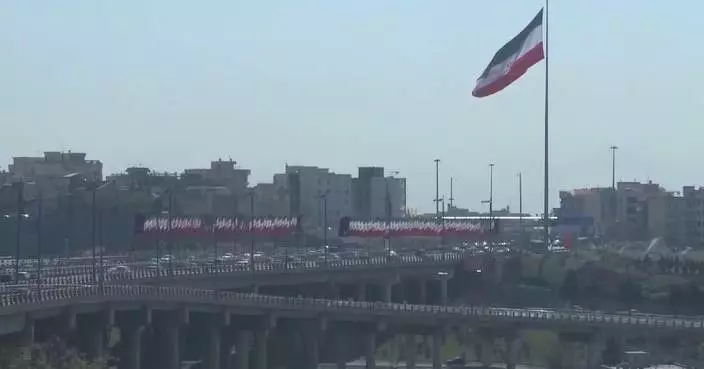
The Iranian government is focusing on public concerns and maintaining stable supplies of essential goods amid recent protests, Iranian President Masoud Pezeshkian said in a televised interview on Sunday.

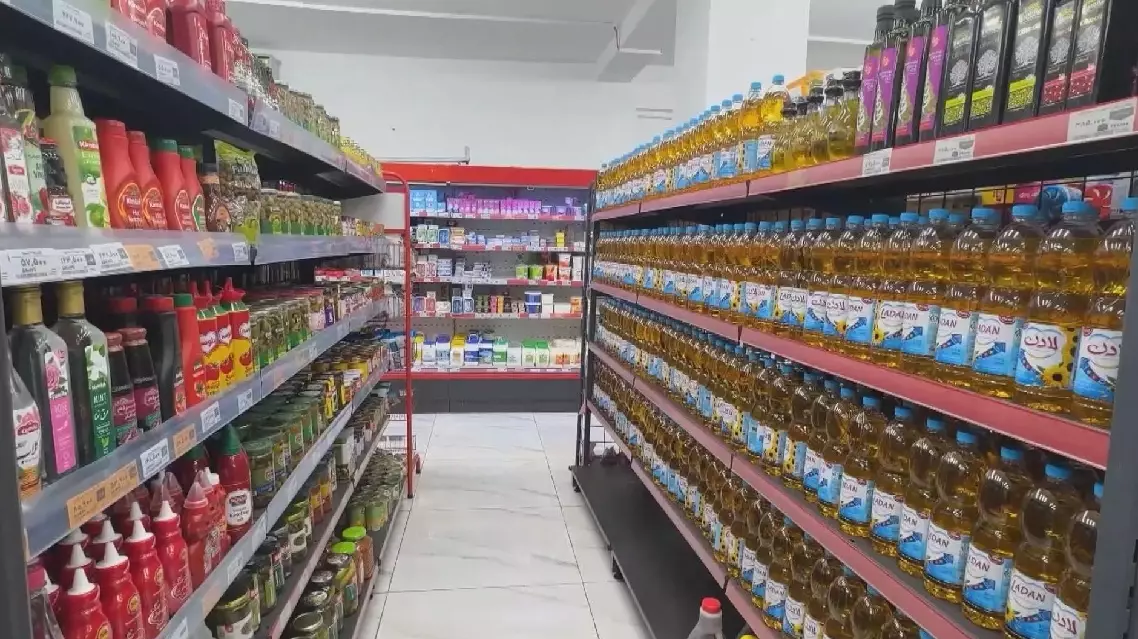
In the city of Karaj, northwest of the capital Tehran, daily life has largely continued as normal. A video filmed by a local resident on Sunday shows food stores open and grocery shelves fully stocked.

"This is the block near my home, and there are some food stores here. Daily life continues here. Last night we did not see many protests in Karaj. Right now the city is very safe. This is a grocery store close to my home. All the food is available; nothing is in shortage. Here are noodles and different types of beans. Here are dairy products, cheese, and yogurt. I also checked other grocery stores and didn't see any shortages. Everything is available," said local resident Ali Reza.

Iranian officials have described recent disturbances as acts orchestrated by the "enemy," including some carried out by well-trained and armed "terrorists." The incidents have caused casualties among security personnel and civilians, as well as property damage.

The Secretary of Iran's Supreme National Security Council Ali Larijani has directed authorities to severely punish the "terrorists."

Meanwhile, Iran's police chief Ahmad-Reza Radan said on Sunday that the police had raised alert levels and arrested several leaders of the troublemakers during the operations on Saturday.

President Pezeshkian noted in the interview that the normal demands of the Iranian people are reasonable and justified, but they must realize that triggering riots and carrying out terrorist acts are the enemy's attempts to undermine the country. He urged the public to remain vigilant.

Also on Sunday, Iranian Parliament Speaker Mohammad Baqer Qalibaf warned that Tehran would regard U.S. and Israeli bases and facilities in the Middle East as "legitimate targets" if Washington takes military action against Iran. His remarks followed media reports saying U.S. President Donald Trump is "seriously considering authorizing a strike" against Iran.

Iranian state media reported that at least 109 members of Iran's security forces have been killed in clashes since the protests began 14 days ago. Meanwhile, human rights groups based outside the country said the number of protesters killed has exceeded 200, though the figure could not be independently verified.

The protests initially erupted over a sharp depreciation of the rial and sweeping subsidy reforms. Iranian authorities have blamed the unrest on foreign-linked agents and sanctions imposed by the United States.

Iranian president says government focusing on ensuring supplies amid protests

Iranian president says government focusing on ensuring supplies amid protests

Recommended Articles