UNESCO's decision to inscribe the Spring Festival on the Intangible Cultural Heritage List stands to enhance China's cultural identity and foster mutual understanding among civilizations, said Chinese cultural officials.
The Spring Festival, also known as the Chinese New Year, falls on the first day of the first month of the lunar calendar and has been China's most important festival for centuries, bringing families together over many generations.
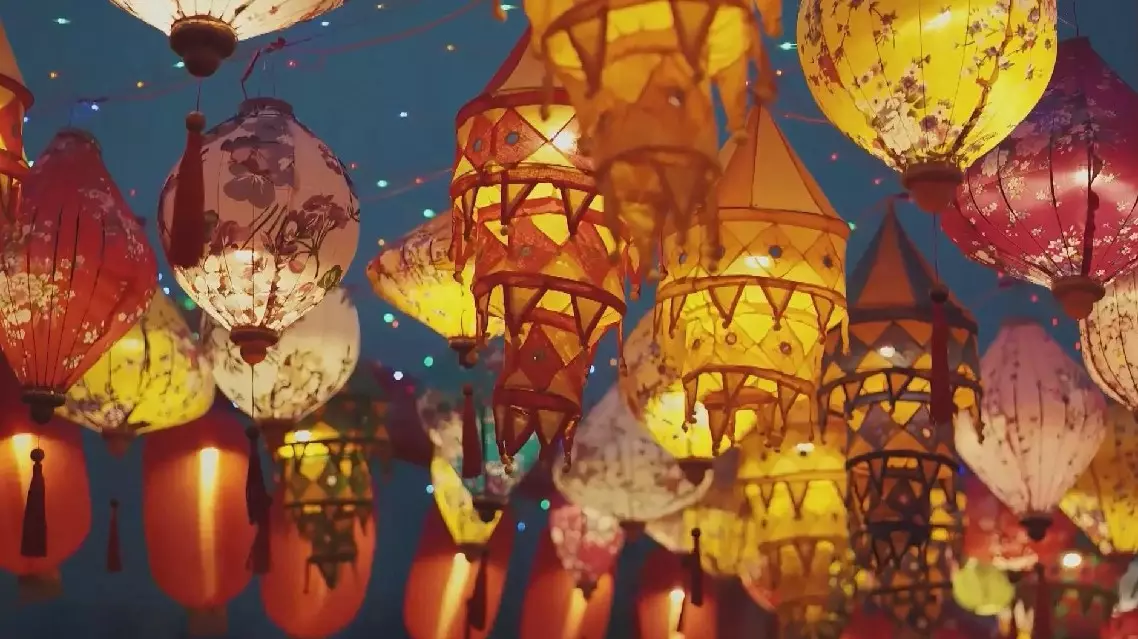
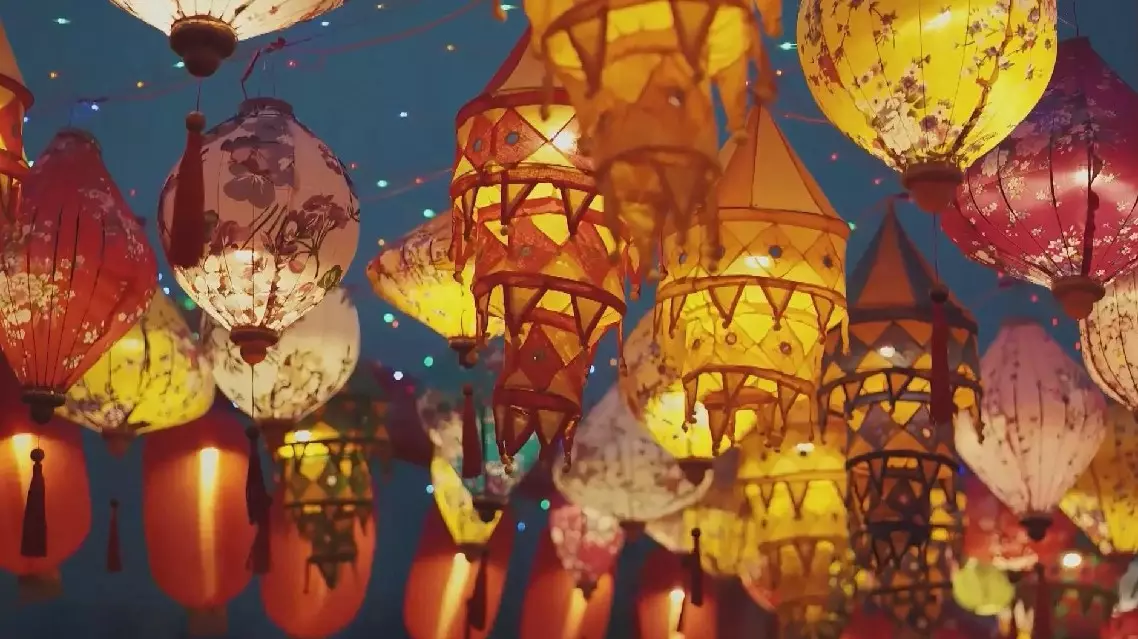
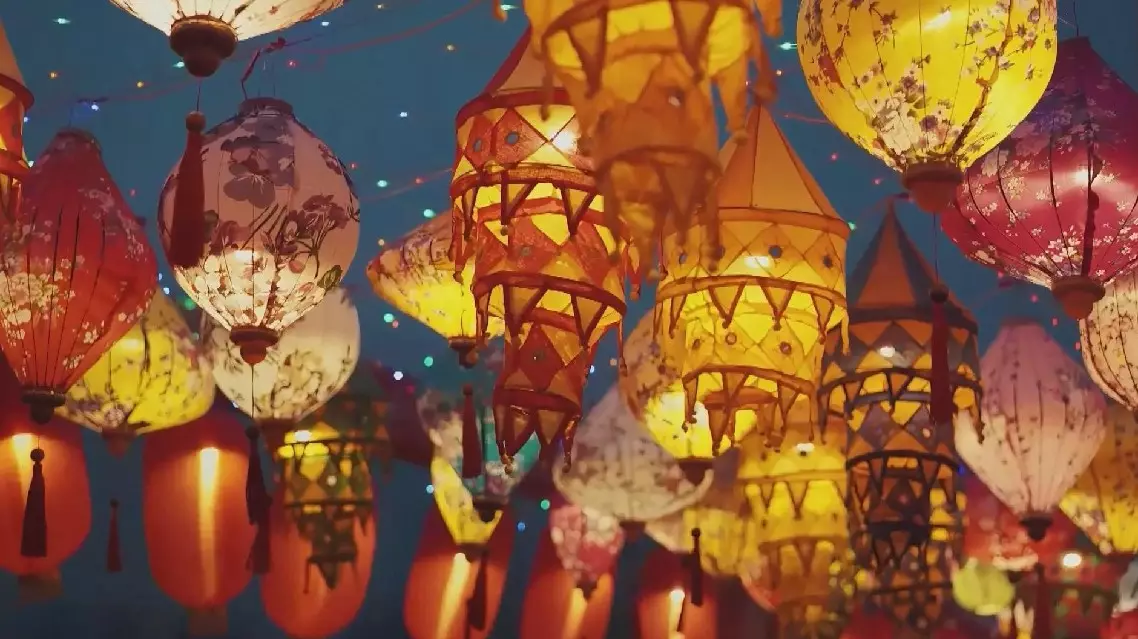
The festival remains a key cultural highlight, with people carrying on the tradition of hanging red lanterns, setting off fireworks and fixing red scrolls with rhyming phrases on their doors, hoping to ward off evil spirits and bring good luck.
The United Nations Educational, Scientific and Cultural Organization (UNESCO) on Wednesday inscribed the Spring Festival and the associated social practices on the Representative List of the Intangible Cultural Heritage of Humanity.
The decision was made during the 19th session of the Intergovernmental Committee for the Safeguarding of the Intangible Cultural Heritage, taking place in Paraguay from Dec 2 to 7. The committee recognized the festival for its wide array of rituals and unique cultural elements that engage all of Chinese society.
This milestone marks the 44th Chinese project to be included on the UNESCO list, making China the country with the most entries. "The Spring Festival's inscription will further strengthen the cultural identity and confidence of the Chinese people, adding vibrant Chinese elements to the world's cultural diversity. Guided by Xi Jinping Thought on Culture, we have reinforced the legal and regulatory framework for Intangible Cultural Heritage and improved our protection and inheritance systems. Through measures such as rescue, sustainable protection through productive practice, holistic protection, and digital preservation, we aim to ensure that our intangible cultural heritage continues to meet people's aspirations for a better life as it is passed down through generations," said Shan Gangxin, director of the Intangible Cultural Heritage Department of China's Ministry of Culture and Tourism.
In recent years, China's systematic approach to the protection of intangible cultural heritage has received high praise from UNESCO. This year, China was once again elected to the Intergovernmental Committee for the Safeguarding of the Intangible Cultural Heritage.
The inscription of the Spring Festival carries profound significance in raising global recognition of China's intangible cultural heritage and expanding the country's cultural influence, officials said.
"Following the inscription, China now has 44 items on UNESCO's heritage list, the highest number in the world. We will seize this opportunity to organize colorful and diverse Spring Festival celebrations worldwide, making it a shared moment of happiness for people across the globe. We will also continue to act on the Global Civilization Initiative, promoting mutual understanding among people of all countries and fostering exchanges between civilizations," said Xiao Nan, deputy director of the Bureau of international exchange and cooperation under the Ministry of Culture and Tourism.
The Global Civilization Initiative, proposed by President Xi Jinping in March 2023, stressing tolerance, coexistence, exchanges and mutual learning among different civilizations to advance humanity's modernization process and foster the flourishing of global civilizations.
Spring Festival's UNESCO recognition enhances cultural identity, global exchange
Spring Festival's UNESCO recognition enhances cultural identity, global exchange
Spring Festival's UNESCO recognition enhances cultural identity, global exchange