Three Chinese cultural elements were added by the United Nations Educational, Scientific and Cultural Organization (UNESCO) to its Representative List of Intangible Cultural Heritage of Humanity on Thursday, showing China's efforts in protecting intangible cultural heritage.
UNESCO's decision was made during the 19th session of the Intergovernmental Committee for the Safeguarding of the Intangible Cultural Heritage, taking place in Paraguay from Dec. 2 to 7.
The three Chinese cultural elements, namely "traditional Li textile techniques: spinning, dyeing, weaving and embroidering" "Qiang New Year festival" and "traditional design and practices for building Chinese wooden arch bridges", were previously included in the List of Intangible Cultural Heritage in Need of Urgent Safeguarding in 2009.
Since 2009, China has made significant efforts to preserve these three cultural elements. While protecting the traditional design and construction techniques of its wooden arch bridges, the country is also safeguarding the surrounding natural ecosystems. The preservation of the Qiang New Year festival has played a crucial role in maintaining Qiang ethnic traditions while promoting local eco-tourism. Meanwhile, the safeguarding of traditional Li textile techniques has been instrumental in increasing the income of local communities, particularly women, through the establishment of cooperatives and small businesses.
The successful transfer of the three Chinese cultural elements to the Representative List also marks the first official implementation of the transfer procedure under the framework of the UNESCO Convention for the Safeguarding of the Intangible Cultural Heritage, reflecting China's excellent practices and achievements in systematic safeguarding of intangible cultural heritage, and providing valuable reference for other countries in their efforts to protect intangible cultural heritage.
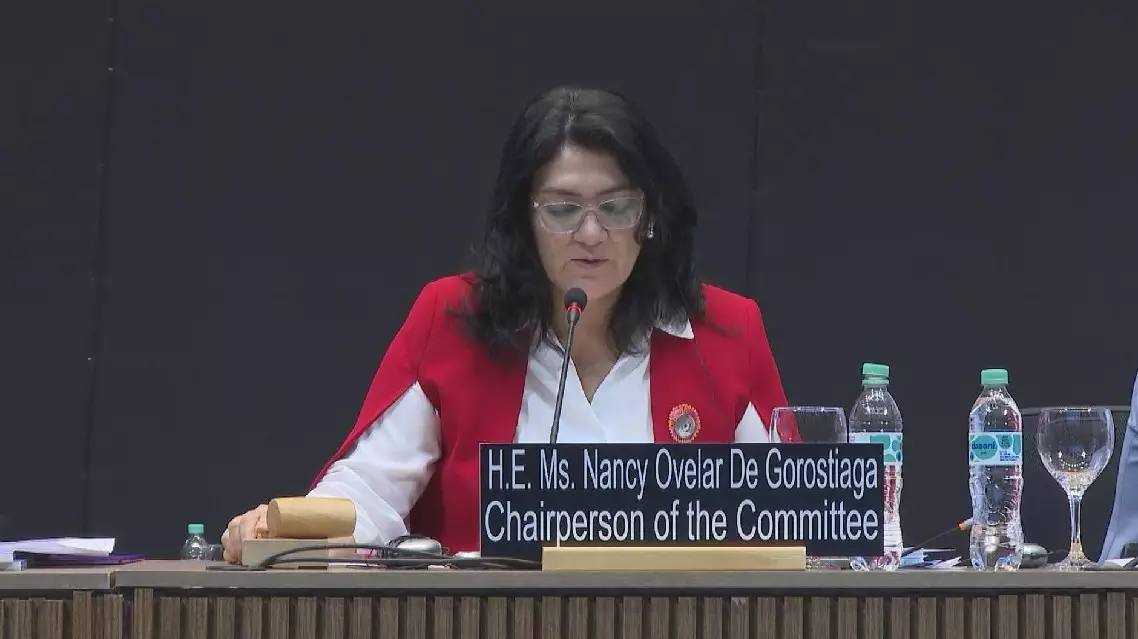
"These three elements were transferred from the List of Intangible Cultural Heritage in Need of Urgent Safeguarding to the Representative List of Intangible Cultural Heritage of Humanity. It is the result of a lot of hard work. In particular, we can see that this country attaches great importance to the protection of intangible cultural heritage, which is very important," said Nancy Ovelar de Gorostiaga, the chairperson of the 19th session of Intergovernmental Committee for Safeguarding of Intangible Cultural Heritage.
"China has so many different minorities, ethnic groups. The fact that it is giving importance to these ethnic groups and giving it the same status as all other shows that China has the goodwill to maintain plurality and cultural diversity, and I very much appreciate that," said Lubna Marium, a Bangladeshi NGO representative.
With the addition of these three elements, China now has 44 cultural elements recognized by UNESCO as Intangible Cultural Heritages of Humanity, with 39 included in the Representative List of the Intangible Cultural Heritage of Humanity, four in the List of Intangible Cultural Heritage in Need of Urgent Safeguarding, and one in the Register of Good Safeguarding Practices.
Newly added cultural elements to intangible cultural heritage list show China's preserving efforts
Newly added cultural elements to intangible cultural heritage list show China's preserving efforts