Skip to Content Facebook Feature Image

ViewSonic Powers Team Spirit and Innovative Learning at 2024 PASVEX Robotics Signature Event

Business

ViewSonic Powers Team Spirit and Innovative Learning at 2024 PASVEX Robotics Signature Event
Business

Business

ViewSonic Powers Team Spirit and Innovative Learning at 2024 PASVEX Robotics Signature Event

2024-12-20 01:00 Last Updated At:01:15

BREA, Calif., Dec. 20, 2024 /PRNewswire/ -- ViewSonic Corp, a leading global provider of visual solutions, supports the 2024-25 PASVEX Robotics Signature Event, held from December 19th to 21st at the Pacific American School (PAS) in Hsinchu, Taiwan. The event brings 61 international teams together to compete in robotics challenges, fostering innovative learning and team engagement. To enhance the experience for participants and spectators, PAS has adopted ViewSonic's 163-inch All-in-One LED display (LDM Series) alongside multiple visual solutions, ensuring crisp, live competition broadcasts and strengthening the overall event atmosphere.

"Hosting this competition reflects our commitment to providing students with a platform that inspires creativity and fosters learning," said Pamela Chu, Head of School at Pacific American School. "The addition of ViewSonic's visual solutions, such as the 163-inch LED display, serves as an excellent tool for international events. Its flexibility also enhances students' experiences, elevating their engagement in a variety of school activities."

"It is exciting to witness ViewSonic's LED display empowering PAS to host a global robotics competition. The All-in-One LED display simplifies setup while delivering vibrant visuals and an engaging experience for sizable audiences. With the added mobility of the floor stand, it offers greater flexibility and accessibility for large display applications. This reflects our dedication to offering solutions that meet the needs of organizations while advancing innovation and transformative visual experiences," said Dean Tsai, General Manager of Projector & LED Display Business Unit at ViewSonic.

The LDM Series delivers large, clear, and immersive competition live-streaming for participants who stay in the viewing area, addressing the limitations of previously fixed, wall-mounted 130-inch traditional LED displays. The 163-inch high-brightness screen, paired with dual 30W speakers, enhances the viewing experience and engagement, while its all-in-one system integration design and a built-in OS allow for easy operation via remote control and dedicated VEX broadcast app installation. The addition of a mobile stand ensures easy repositioning, enabling the display to adapt to diverse event layout needs, such as wirelessly mirroring tactical strategies for sports coaching, presenting artwork, or serving as a backdrop for musical performances.

Beyond the LDM Series, ViewSonic's broader suite of visual solutions ensures a seamless visual experience across the venue. ViewBoard interactive displays are featured to display real-time rankings, competition schedules, and updates in key areas, improving accessibility for teams. A high-brightness laser projector in the media center supports live streaming and event broadcasting, presenting clear visuals and reliable performance for spectators.

About Pacific American School
In a world shaped by AI and emerging technologies, Pacific American School is redefining education to meet the demands of the future. Transitioning from traditional content-based learning, the school emphasizes project-based, interdisciplinary approaches to develop critical thinking, problem-solving, and innovation—essential skills in an AI-driven era, empowering students to apply their knowledge in real-world contexts.

The school's strong track record of graduates attending world-renowned colleges and universities demonstrates its commitment to student success, PAS is a launchpad for future global leaders, equipped with the skills, values, and vision to make a meaningful impact. For more information, visit www.pacificamerican.org.

About ViewSonic
Founded in 1987 in California, ViewSonic is a leading global visual solutions provider with a presence in over 100 countries. The company leverages over 35 years of expertise in visual technology to deliver a comprehensive portfolio of hardware, software, content, and services. ViewSonic offers a wide range of products, with screen sizes spanning from 5 inches to a massive 760 inches. This includes interactive displays, large format displays, LED displays, pen displays, monitors, projectors, SaaS, AI services, interactive content, and more. This innovative ecosystem empowers education, workplaces, and individuals to foster creativity, collaboration, and seamless learning. ViewSonic focuses on designing products that deliver optimal performance and customer satisfaction while integrating sustainable production practices and upholding comprehensive environmental, social, and governance standards. The company's goal is to enable customers to "See the Difference". Learn more at www.viewsonic.com.

BREA, Calif., Dec. 20, 2024 /PRNewswire/ -- ViewSonic Corp, a leading global provider of visual solutions, supports the 2024-25 PASVEX Robotics Signature Event, held from December 19th to 21st at the Pacific American School (PAS) in Hsinchu, Taiwan. The event brings 61 international teams together to compete in robotics challenges, fostering innovative learning and team engagement. To enhance the experience for participants and spectators, PAS has adopted ViewSonic's 163-inch All-in-One LED display (LDM Series) alongside multiple visual solutions, ensuring crisp, live competition broadcasts and strengthening the overall event atmosphere.

"Hosting this competition reflects our commitment to providing students with a platform that inspires creativity and fosters learning," said Pamela Chu, Head of School at Pacific American School. "The addition of ViewSonic's visual solutions, such as the 163-inch LED display, serves as an excellent tool for international events. Its flexibility also enhances students' experiences, elevating their engagement in a variety of school activities."

"It is exciting to witness ViewSonic's LED display empowering PAS to host a global robotics competition. The All-in-One LED display simplifies setup while delivering vibrant visuals and an engaging experience for sizable audiences. With the added mobility of the floor stand, it offers greater flexibility and accessibility for large display applications. This reflects our dedication to offering solutions that meet the needs of organizations while advancing innovation and transformative visual experiences," said Dean Tsai, General Manager of Projector & LED Display Business Unit at ViewSonic.

The LDM Series delivers large, clear, and immersive competition live-streaming for participants who stay in the viewing area, addressing the limitations of previously fixed, wall-mounted 130-inch traditional LED displays. The 163-inch high-brightness screen, paired with dual 30W speakers, enhances the viewing experience and engagement, while its all-in-one system integration design and a built-in OS allow for easy operation via remote control and dedicated VEX broadcast app installation. The addition of a mobile stand ensures easy repositioning, enabling the display to adapt to diverse event layout needs, such as wirelessly mirroring tactical strategies for sports coaching, presenting artwork, or serving as a backdrop for musical performances.

Beyond the LDM Series, ViewSonic's broader suite of visual solutions ensures a seamless visual experience across the venue. ViewBoard interactive displays are featured to display real-time rankings, competition schedules, and updates in key areas, improving accessibility for teams. A high-brightness laser projector in the media center supports live streaming and event broadcasting, presenting clear visuals and reliable performance for spectators.

About Pacific American School
In a world shaped by AI and emerging technologies, Pacific American School is redefining education to meet the demands of the future. Transitioning from traditional content-based learning, the school emphasizes project-based, interdisciplinary approaches to develop critical thinking, problem-solving, and innovation—essential skills in an AI-driven era, empowering students to apply their knowledge in real-world contexts.

The school's strong track record of graduates attending world-renowned colleges and universities demonstrates its commitment to student success, PAS is a launchpad for future global leaders, equipped with the skills, values, and vision to make a meaningful impact. For more information, visit www.pacificamerican.org.

About ViewSonic
Founded in 1987 in California, ViewSonic is a leading global visual solutions provider with a presence in over 100 countries. The company leverages over 35 years of expertise in visual technology to deliver a comprehensive portfolio of hardware, software, content, and services. ViewSonic offers a wide range of products, with screen sizes spanning from 5 inches to a massive 760 inches. This includes interactive displays, large format displays, LED displays, pen displays, monitors, projectors, SaaS, AI services, interactive content, and more. This innovative ecosystem empowers education, workplaces, and individuals to foster creativity, collaboration, and seamless learning. ViewSonic focuses on designing products that deliver optimal performance and customer satisfaction while integrating sustainable production practices and upholding comprehensive environmental, social, and governance standards. The company's goal is to enable customers to "See the Difference". Learn more at www.viewsonic.com.

** The press release content is from PR Newswire. Bastille Post is not involved in its creation. **

ViewSonic Powers Team Spirit and Innovative Learning at 2024 PASVEX Robotics Signature Event


ViewSonic Powers Team Spirit and Innovative Learning at 2024 PASVEX Robotics Signature Event
Advance Global Compliance in FCM, PFAS, and IoT Cybersecurity

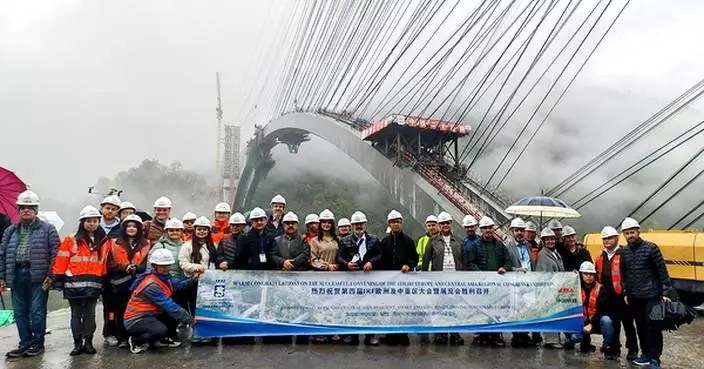
HONG KONG, Dec. 4, 2025 /PRNewswire/ -- On 28 November 2025, TÜV Rheinland Hong Kong successfully hosted its inaugural Coffee Machines & Appliances Summit: Brewing Up Food Contact & Chemical Safety, marking the first regional technical conference dedicated to addressing the converging challenges of food contact material safety, chemical regulatory change, and cybersecurity in connected appliances. The event brought together brands, suppliers, OEMs, and retailers from around the world.

This summit arrives at a crucial moment for the global appliance industry. Coffee machines and small household appliances are no longer simple mechanical devices; they now involve complex material interfaces, increasingly regulated chemical compositions, and rapidly expanding IoT connectivity. These shifts have created new compliance burdens for manufacturers while intensifying expectations from regulators and consumers alike.

Opening the summit, Jay Yang, Senior Vice President, Products, TÜV Rheinland Greater China, emphasized that manufacturers must now navigate multiple regulatory domains simultaneously. He remarked that the industry is undergoing "one of its most profound transformations," where the traditional boundaries between materials compliance, chemical safety, and digital trust are disappearing. He noted that TÜV Rheinland's role is to provide both technical guidance and strategic clarity as companies rethink their global compliance frameworks.

TÜV Rheinland GMP and Food Safety Services for Your Food Contact Materials

Global Food Contact Material Challenges and the Transition Toward Safer Materials

Food contact material (FCM) compliance is a topic that has become increasingly complex due to the growing variety of materials used in modern appliances and the growing influence of stricter global regulations.

Nick Cheng, Food Contact Material Safety Manager at TÜV Rheinland Asia, opened the technical program by examining global market requirements across the EU, US, China, Japan, and Mercosur. Rather than presenting isolated regulations, he highlighted how the tightening of migration testing requirements, the emphasis on documentation completeness, and the divergence of national standards have collectively increased the compliance burden for manufacturers seeking global market access. Cheng explained that inconsistent regulatory frameworks often lead to delays in product launches, increased testing costs, and supply-chain disruptions when suppliers lack the capability to meet global documentation demands.

Following this, Gary Lo, Product Manager and FCM Specialist from TÜV Rheinland LGA Products GmbH, explored the industry's shift toward BPA-free and alternative materials. Lo explained that while global regulatory pressure has accelerated the transition away from BPA-containing polymers, the industry's challenge now lies in implementing proper GMP (Good Manufacturing Practice) to ensure material consistency, traceability, and safety. He stressed that without disciplined GMP processes — including proper validation, chemical monitoring, and documentation practices — manufacturers face heightened risks of non-compliance that could result in product recalls, reputational damage, or restricted market entry.

To deepen the discussion, participants engaged in an interactive breakout session examining how global brands are building internal FCM governance systems. The session underscored that effective FCM compliance is not merely a testing issue, but a cross-functional supply-chain responsibility.

PFAS Regulatory Pressure and the Search for Viable Alternatives

Regulatory bodies in Europe and the United States have moved swiftly toward broad restrictions on PFAS, and these changes are reshaping material strategies for appliance manufacturers, particularly those relying on high-performance coatings, gaskets, and heat-resistant components.

Alice Yau, Senior Manager of Electrical and Material Testing at TÜV Rheinland Greater China, provided an overview of the PFAS legislative landscape. She explained that PFAS oversight has expanded from narrow chemical lists to broader "class-based" restrictions, meaning manufacturers must evaluate their entire product architecture — from coatings to lubricants to molded parts — for potential PFAS presence. This shift has created unprecedented urgency within R&D teams, as traditional materials may soon be non-compliant.

Complementing this regulatory perspective, Bernd Fritzsche, Global Head of the Technical Competence Center for Chemical Analysis at TÜV Rheinland Group, addressed the analytical challenges of PFAS detection. He noted that PFAS analysis requires specialized instrumentation, harmonized testing methodologies, and sophisticated laboratory validation to avoid inconsistent or inconclusive results. These factors make PFAS testing one of the most technically demanding areas within chemical compliance today, with significant implications for manufacturers attempting to declare their products PFAS-free.

From an industry standpoint, Eleonora Furlanetto, Food Safety Compliance Leader at De'Longhi Appliances S.r.l., provided a brand-level perspective on the practical challenges of replacing PTFE and other PFAS-containing materials. She explained that while regulatory drivers are clear, the transition to alternative materials is far from straightforward. Manufacturers must balance performance integrity, heat resistance, consumer expectations, and cost feasibility — all while ensuring that new materials meet stringent safety and regulatory requirements. Furlanetto also stressed the importance of transparent communication with consumers, especially when marketing PFAS-free claims, which must be backed by scientifically robust validation.

Participants then joined an in-depth breakout session focusing on the feasibility of PFAS alternatives. Many companies indicated that the biggest gap lies in reliable validation protocols and consistent global acceptance of testing methodologies.

Cybersecurity in the Age of Connected Coffee Machines

As appliances increasingly connect to mobile apps, cloud services, and AI-driven features, the summit broadened its scope in the closing session to address IoT cybersecurity — now a critical compliance requirement in multiple global markets.

Arnold Li, Business Development Executive for Electrical Products at TÜV Rheinland Greater China, explained how the integration of IoT and AI has transformed coffee machines and household appliances into sophisticated digital devices. This transformation has invited new cybersecurity risks, prompting regulators in Europe, the US, and Asia to introduce mandatory cybersecurity requirements. Li outlined the implications for manufacturers, including vulnerability assessment, secure-by-design development, data protection requirements, and the growing need for compliance frameworks that ensure ongoing device security throughout the product lifecycle.

In his closing remarks, Limao Tian, Managing Director of TÜV Rheinland Hong Kong, highlighted that safety in modern appliances is now multi-dimensional. He stressed that chemical safety, material integrity, and digital security can no longer be managed independently, and that TÜV Rheinland's integrated testing and certification capabilities are designed to support manufacturers across these converging domains as regulations continue to evolve globally.


Advance Global Compliance in FCM, PFAS, and IoT Cybersecurity

HONG KONG, Dec. 4, 2025 /PRNewswire/ -- On 28 November 2025, TÜV Rheinland Hong Kong successfully hosted its inaugural Coffee Machines & Appliances Summit: Brewing Up Food Contact & Chemical Safety, marking the first regional technical conference dedicated to addressing the converging challenges of food contact material safety, chemical regulatory change, and cybersecurity in connected appliances. The event brought together brands, suppliers, OEMs, and retailers from around the world.

This summit arrives at a crucial moment for the global appliance industry. Coffee machines and small household appliances are no longer simple mechanical devices; they now involve complex material interfaces, increasingly regulated chemical compositions, and rapidly expanding IoT connectivity. These shifts have created new compliance burdens for manufacturers while intensifying expectations from regulators and consumers alike.

Opening the summit, Jay Yang, Senior Vice President, Products, TÜV Rheinland Greater China, emphasized that manufacturers must now navigate multiple regulatory domains simultaneously. He remarked that the industry is undergoing "one of its most profound transformations," where the traditional boundaries between materials compliance, chemical safety, and digital trust are disappearing. He noted that TÜV Rheinland's role is to provide both technical guidance and strategic clarity as companies rethink their global compliance frameworks.

TÜV Rheinland GMP and Food Safety Services for Your Food Contact Materials

Global Food Contact Material Challenges and the Transition Toward Safer Materials

Food contact material (FCM) compliance is a topic that has become increasingly complex due to the growing variety of materials used in modern appliances and the growing influence of stricter global regulations.

Nick Cheng, Food Contact Material Safety Manager at TÜV Rheinland Asia, opened the technical program by examining global market requirements across the EU, US, China, Japan, and Mercosur. Rather than presenting isolated regulations, he highlighted how the tightening of migration testing requirements, the emphasis on documentation completeness, and the divergence of national standards have collectively increased the compliance burden for manufacturers seeking global market access. Cheng explained that inconsistent regulatory frameworks often lead to delays in product launches, increased testing costs, and supply-chain disruptions when suppliers lack the capability to meet global documentation demands.

Following this, Gary Lo, Product Manager and FCM Specialist from TÜV Rheinland LGA Products GmbH, explored the industry's shift toward BPA-free and alternative materials. Lo explained that while global regulatory pressure has accelerated the transition away from BPA-containing polymers, the industry's challenge now lies in implementing proper GMP (Good Manufacturing Practice) to ensure material consistency, traceability, and safety. He stressed that without disciplined GMP processes — including proper validation, chemical monitoring, and documentation practices — manufacturers face heightened risks of non-compliance that could result in product recalls, reputational damage, or restricted market entry.

To deepen the discussion, participants engaged in an interactive breakout session examining how global brands are building internal FCM governance systems. The session underscored that effective FCM compliance is not merely a testing issue, but a cross-functional supply-chain responsibility.

PFAS Regulatory Pressure and the Search for Viable Alternatives

Regulatory bodies in Europe and the United States have moved swiftly toward broad restrictions on PFAS, and these changes are reshaping material strategies for appliance manufacturers, particularly those relying on high-performance coatings, gaskets, and heat-resistant components.

Alice Yau, Senior Manager of Electrical and Material Testing at TÜV Rheinland Greater China, provided an overview of the PFAS legislative landscape. She explained that PFAS oversight has expanded from narrow chemical lists to broader "class-based" restrictions, meaning manufacturers must evaluate their entire product architecture — from coatings to lubricants to molded parts — for potential PFAS presence. This shift has created unprecedented urgency within R&D teams, as traditional materials may soon be non-compliant.

Complementing this regulatory perspective, Bernd Fritzsche, Global Head of the Technical Competence Center for Chemical Analysis at TÜV Rheinland Group, addressed the analytical challenges of PFAS detection. He noted that PFAS analysis requires specialized instrumentation, harmonized testing methodologies, and sophisticated laboratory validation to avoid inconsistent or inconclusive results. These factors make PFAS testing one of the most technically demanding areas within chemical compliance today, with significant implications for manufacturers attempting to declare their products PFAS-free.

From an industry standpoint, Eleonora Furlanetto, Food Safety Compliance Leader at De'Longhi Appliances S.r.l., provided a brand-level perspective on the practical challenges of replacing PTFE and other PFAS-containing materials. She explained that while regulatory drivers are clear, the transition to alternative materials is far from straightforward. Manufacturers must balance performance integrity, heat resistance, consumer expectations, and cost feasibility — all while ensuring that new materials meet stringent safety and regulatory requirements. Furlanetto also stressed the importance of transparent communication with consumers, especially when marketing PFAS-free claims, which must be backed by scientifically robust validation.

Participants then joined an in-depth breakout session focusing on the feasibility of PFAS alternatives. Many companies indicated that the biggest gap lies in reliable validation protocols and consistent global acceptance of testing methodologies.

Cybersecurity in the Age of Connected Coffee Machines

As appliances increasingly connect to mobile apps, cloud services, and AI-driven features, the summit broadened its scope in the closing session to address IoT cybersecurity — now a critical compliance requirement in multiple global markets.

Arnold Li, Business Development Executive for Electrical Products at TÜV Rheinland Greater China, explained how the integration of IoT and AI has transformed coffee machines and household appliances into sophisticated digital devices. This transformation has invited new cybersecurity risks, prompting regulators in Europe, the US, and Asia to introduce mandatory cybersecurity requirements. Li outlined the implications for manufacturers, including vulnerability assessment, secure-by-design development, data protection requirements, and the growing need for compliance frameworks that ensure ongoing device security throughout the product lifecycle.

In his closing remarks, Limao Tian, Managing Director of TÜV Rheinland Hong Kong, highlighted that safety in modern appliances is now multi-dimensional. He stressed that chemical safety, material integrity, and digital security can no longer be managed independently, and that TÜV Rheinland's integrated testing and certification capabilities are designed to support manufacturers across these converging domains as regulations continue to evolve globally.


** The press release content is from PR Newswire. Bastille Post is not involved in its creation. **

TÜV Rheinland Hong Kong Convenes First Comprehensive Coffee Machines & Appliances Summit

TÜV Rheinland Hong Kong Convenes First Comprehensive Coffee Machines & Appliances Summit

Recommended Articles