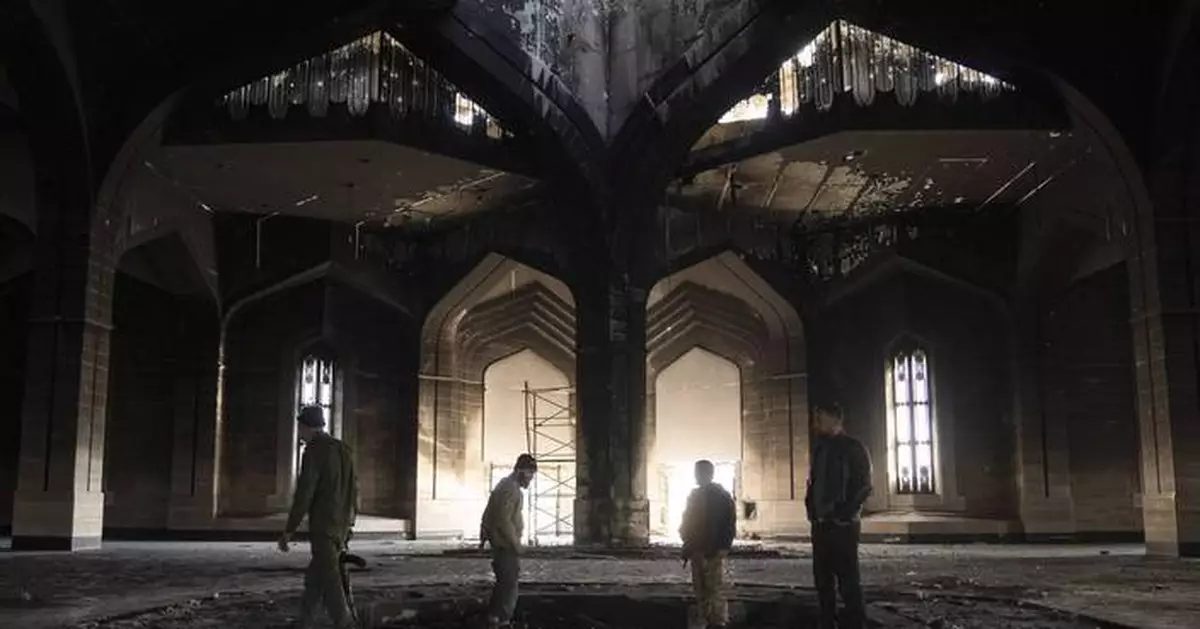
QARDAHA, Syria (AP) — On the walls of the palatial mausoleum built to house the remains of former Syrian President Hafez Assad, vandals have sprayed variations of the phrase, “Damn your soul, Hafez.”
Nearly two weeks after the ouster of his son, Bashar Assad, people streamed in to take photos next to the burned-out hollow where the elder Assad’s grave used to be. It was torched by rebel fighters after a lightning offensive overthrew Assad's government, bringing more than a half-century rule by the Assad dynasty to an end.
Click to Gallery
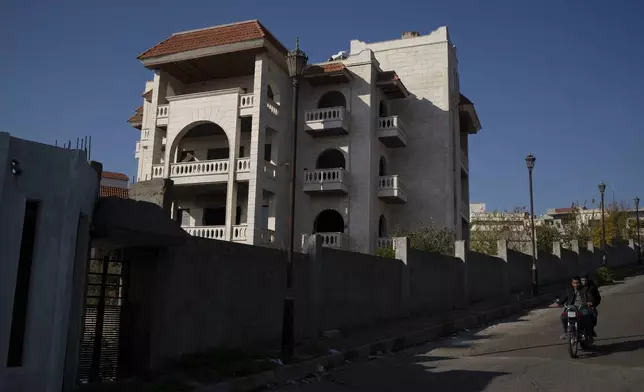
Men ride a motorcycle past a property owned by ousted Syrian President Bashar Assad's family in Qardaha, Syria, on Tuesday, Dec. 17, 2024. (AP Photo/Leo Correa)
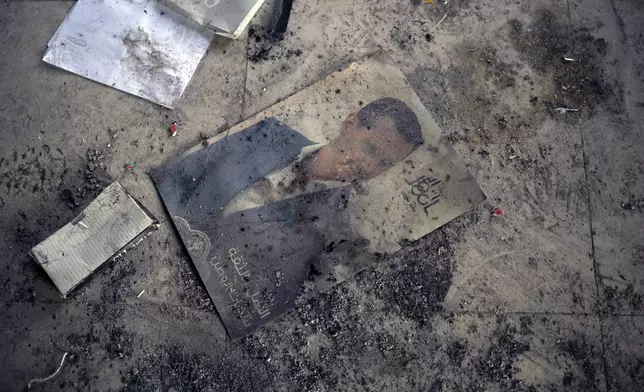
A photo of ousted Syrian President Bashar Assad lies on the ground of his family's damaged property in Qardaha, Syria, on Tuesday, Dec. 17, 2024. (AP Photo/Leo Correa)
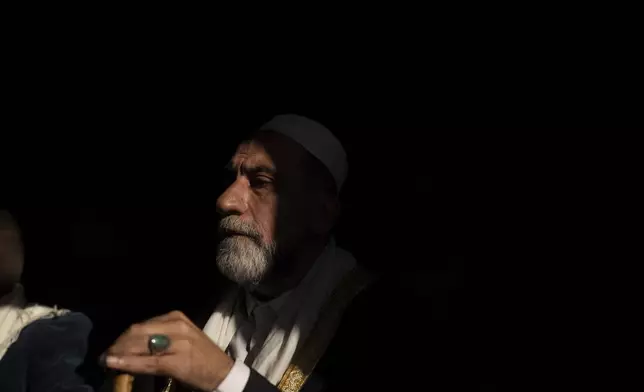
The local Alawite religious leader, Sheikh Deeb Dayoub, takes part in a community meeting at the city council to discuss local issues after the fall of ousted Syrian President Bashar Assad's government in Qardaha, Syria, on Tuesday, Dec. 17, 2024. (AP Photo/Leo Correa)
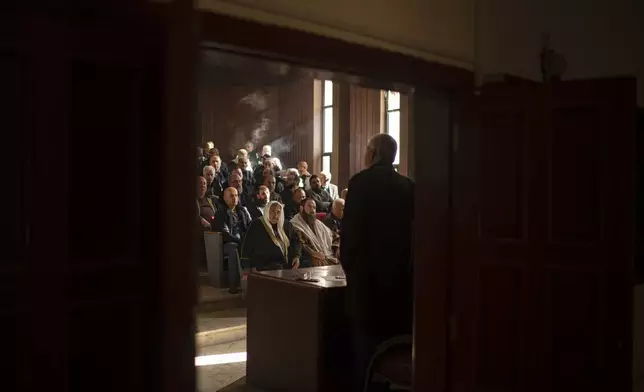
Members of the community meet after the fall of ousted Syrian President Bashar Assad's government in Qardaha, Syria, on Tuesday, Dec. 17, 2024. (AP Photo/Leo Correa)
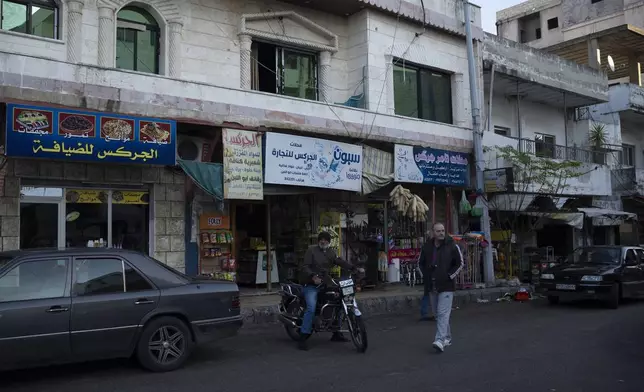
A man walks along the street in Qardaha, Syria, the hometown of late Syrian President Hafez Assad, on Tuesday, Dec. 17, 2024. (AP Photo/Leo Correa)
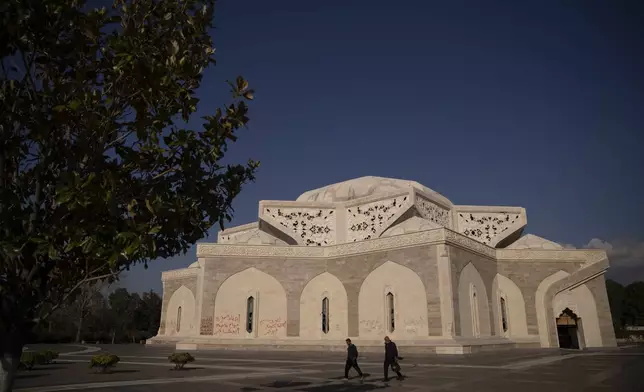
People walk by the mausoleum of Syria's former President Hafez Assad in Qardaha, Syria, on Tuesday, Dec. 17, 2024. (AP Photo/Leo Correa)

A man leaves a damaged property owned by ousted Syrian President Bashar Assad's family, in Qardaha, Syria, on Tuesday, Dec. 17, 2024. (AP Photo/Leo Correa)
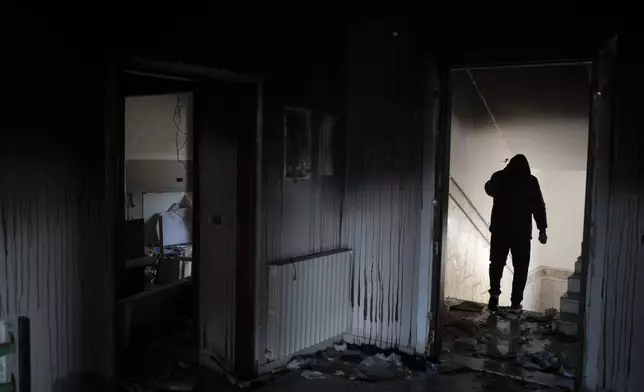
A man walks through ousted Syrian President Bashar Assad's damaged family property in Qardaha, Syria, on Tuesday, Dec. 17, 2024. (AP Photo/Leo Correa)
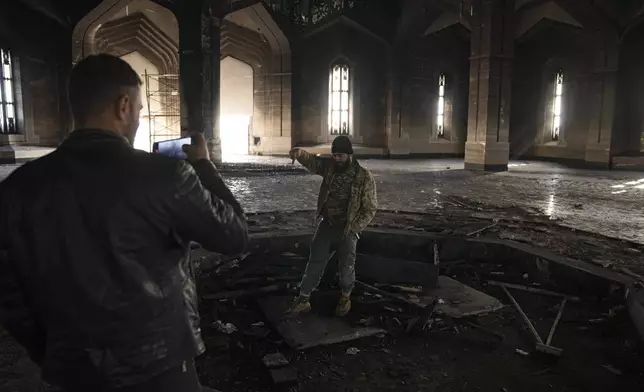
A man records a video of a Syrian fighter standing atop the burned-out tomb of Syria's former President Hafez Assad at his mausoleum in Qardaha, Syria, on Tuesday, Dec. 17, 2024. (AP Photo/Leo Correa)
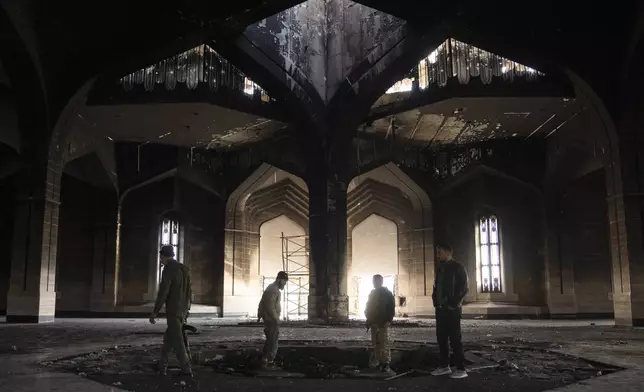
Syrian fighters step around the burned-out tomb of late Syrian President Hafez Assad at his mausoleum in Qardaha, Syria, on Tuesday, Dec. 17, 2024. (AP Photo/Leo Correa)
The mausoleum's sprawling grounds — and the surrounding area, where the ousted president and other relatives had villas — were until recently off limits to residents of Qardaha, the former presidential dynasty's hometown in the mountains overlooking the coastal city of Latakia.
Nearby, Bashar Assad’s house was emptied by looters, who left the water taps running to flood it. At a villa belonging to three of his cousins, a father and his two young sons were removing pipes to sell the scrap metal. A gutted piano was tipped over on the floor.
While the Assads lived in luxury, most Qardaha residents — many, like Assad, members of the Alawite minority sect — survived on manual labor, low-level civil service jobs and farming to eke out a living. Many sent their sons to serve in the army, not out of loyalty to the government but because they had no other option.
“The situation was not what the rest of the Syrian society thought,” said Deeb Dayoub, an Alawite sheikh. “Everyone thought Qardaha was a city built on a marble rock and a square of aquamarine in every house," he said, referring to the trappings of wealth enjoyed by Assad's family.
In the city’s main street, a modest strip of small grocery stores and clothing shops, Ali Youssef, stood next to a coffee cart, gesturing with disdain. “This street is the best market and the best street in Qardaha and it’s full of potholes.”
Families resorted to eating bread dipped in oil and salt because they could not afford meat or vegetables, he said. Youssef said he dodged mandatory military service for two years, but eventually was forced to go.
“Our salary was 300,000 Syrian pounds,” a month, he said — just over $20. “We used to send it to our families to pay the rent or live and eat with it" while working jobs on the side to cover their own expenses.
"Very few people benefited from the former deposed regime,” Youssef said.
So far, residents said, the security forces made up of fighters from Hayat Tahrir al-Sham — the main group in the coalition that unseated Assad, and which is now ruling the country — have been respectful toward them.
“The security situation is fine so far, it’s acceptable, no major issues,” said Mariam al-Ali, who was in the market with her daughter. “There were a few abuses … but it was fixed.” She did not elaborate, but others said there had been scattered incidents of robberies and looting or threats and insults.
Al-Ali called Assad a “traitor,” but she remained circumspect about her Alawite community's position in the new Syria.
“The most important thing is that there should be no sectarianism, so there will be no more blood spilled,” she said.
Dayoub, the Alawite sheikh, described “a state of anticipation and caution among all citizens in this area, and in general among Alawites,” although he said fears have started to ease.
At the town’s municipal building, dozens of notables sat on bleachers discussing the country' s new reality and what they hoped to convey to the new leadership.
Much was centered around economic woes — retired public servants' salaries had not been paid, the price of fuel had risen, there was no public transportation in the area.
But others had larger concerns.
“We hope that in the next government or the new Syria, we will have rights and duties like any Syrian citizen — we are not asking for any more or less,” said Jaafar Ahmed, a doctoral student and community activist. “We don’t accept the curtailment of our rights because the regime was part of this component.”
Questions also loomed about the fate of the area's sons who had served in Assad's army.
Since the army's collapse in the face of the rebel advance, residents said several thousand young army recruits from Qardaha have gone missing. Some later turned up on lists of former soldiers being held at a detention center in Hama.
“These are young guys who are 22 or 23 and they never took part" in active combat, said Qais Ibrahim, whose nephews were among the missing. Over the past few years, active combat was largely frozen in the country's civil war. “We send our children to the army because we don’t have any other source of income.”
Um Jaafar, who gave only her nickname out of fear of reprisals, said the family had no information about the fate of her two sons, stationed with the army in Raqqa and Deir Ezzour, though one son's name later turned up on the list of those imprisoned in Hama.
“My children got the best grades in school, but I didn’t have the ability to send them to the university,” she said. “They went to the army just for a salary that was barely enough to cover their transportation costs.”
Syria's new authorities have set up “reconciliation centers” around the country where former soldiers can register, hand over their weapons and receive a “reconciliation ID” allowing them to move freely and safely in Syria for three months.
But Ahmed, the doctoral student, said he wants more. As the country attempts to unify and move on after nearly 14 years of civil war, he said, “We want either forgiveness for all or accountability for all.”
Ahmed acknowledged that during the war, “rural Latakia was responsible for some radical groups,” referring to pro-Assad militias accused of widespread abuses against civilians. But, he said, opposition groups also committed abuses.
Rebels often indiscriminately targeted Alawites because they were seen as the firmest pillar of Assad’s rule — and some Islamist extremists among the rebels consider them heretics.
“We hope that there will be either an open process of reconciliation ... or transitional justice in which all will be held accountable for their mistakes, from all parties," he said.
"We can’t talk about holding accountable one ... group but not another.”
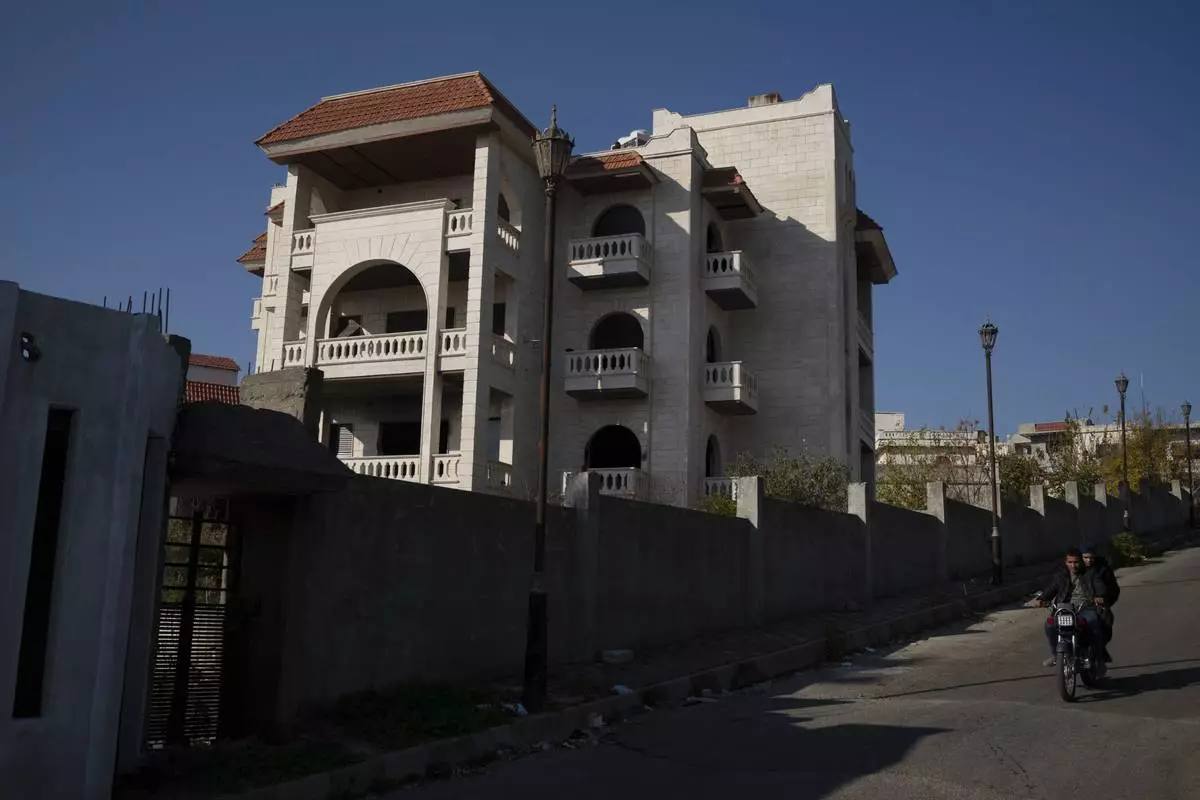
Men ride a motorcycle past a property owned by ousted Syrian President Bashar Assad's family in Qardaha, Syria, on Tuesday, Dec. 17, 2024. (AP Photo/Leo Correa)
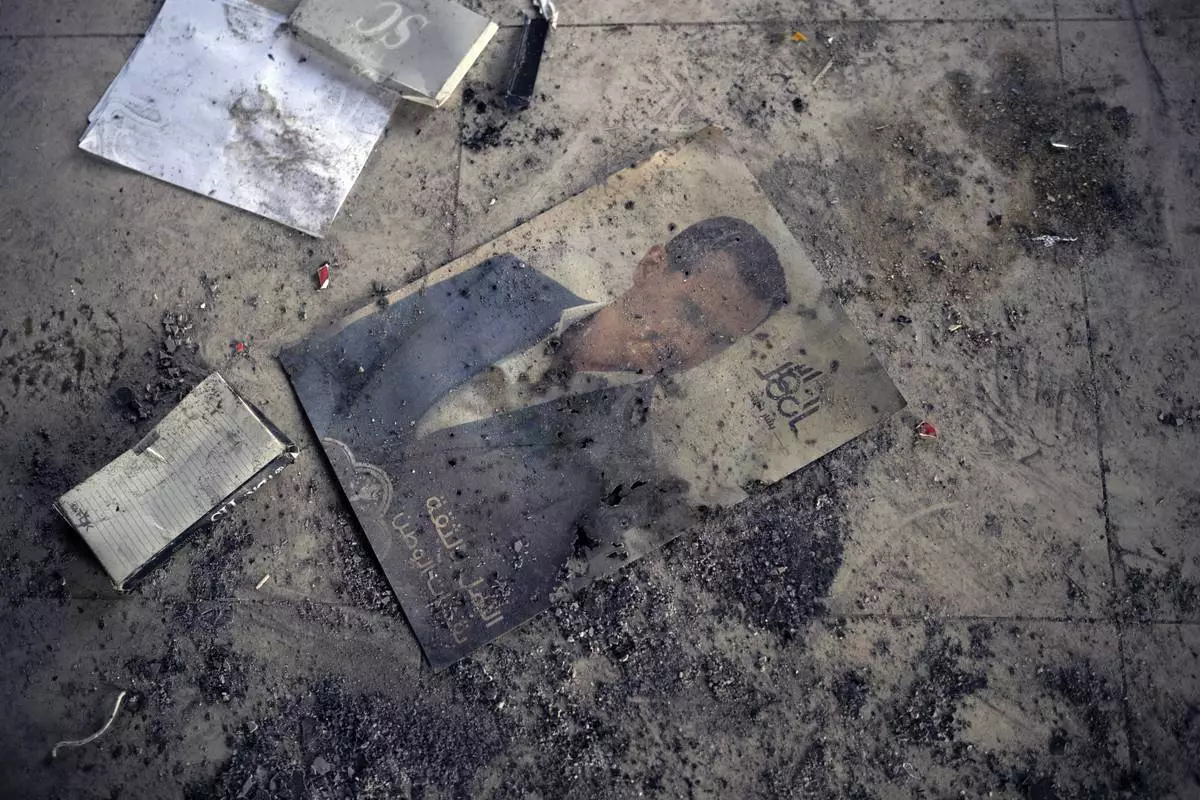
A photo of ousted Syrian President Bashar Assad lies on the ground of his family's damaged property in Qardaha, Syria, on Tuesday, Dec. 17, 2024. (AP Photo/Leo Correa)
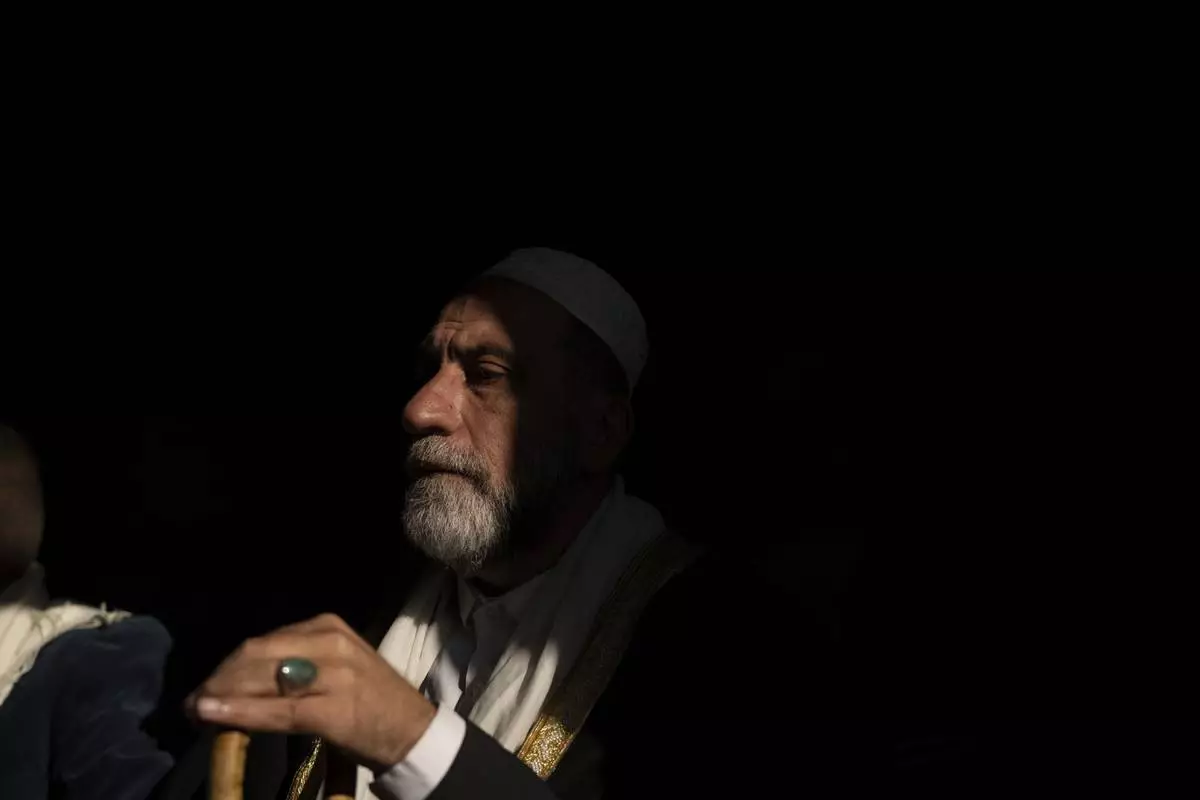
The local Alawite religious leader, Sheikh Deeb Dayoub, takes part in a community meeting at the city council to discuss local issues after the fall of ousted Syrian President Bashar Assad's government in Qardaha, Syria, on Tuesday, Dec. 17, 2024. (AP Photo/Leo Correa)
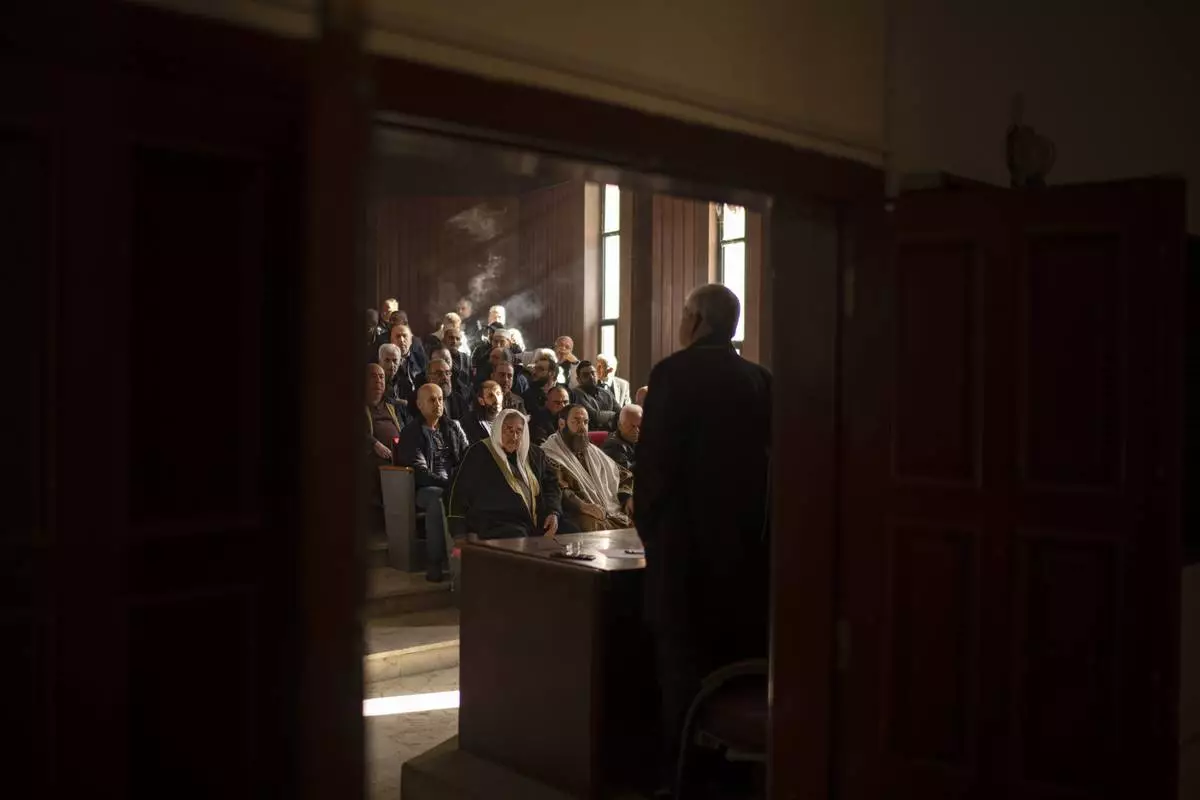
Members of the community meet after the fall of ousted Syrian President Bashar Assad's government in Qardaha, Syria, on Tuesday, Dec. 17, 2024. (AP Photo/Leo Correa)
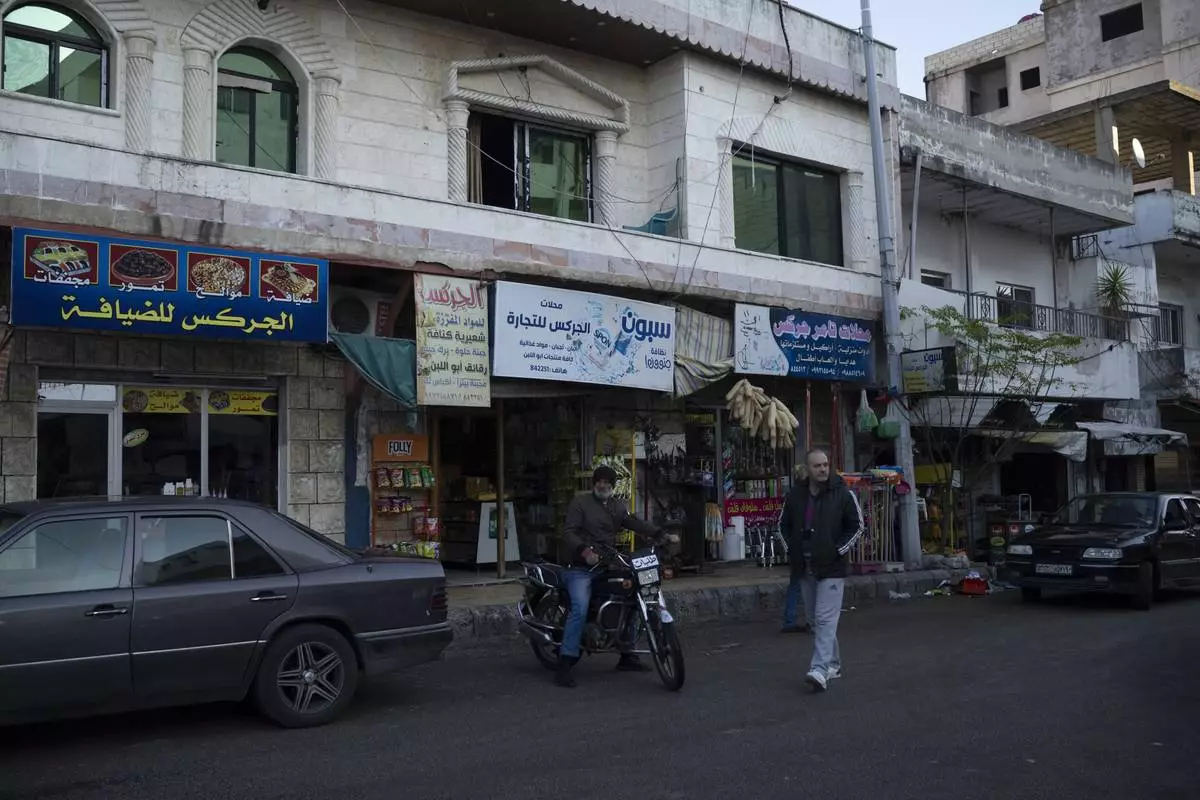
A man walks along the street in Qardaha, Syria, the hometown of late Syrian President Hafez Assad, on Tuesday, Dec. 17, 2024. (AP Photo/Leo Correa)
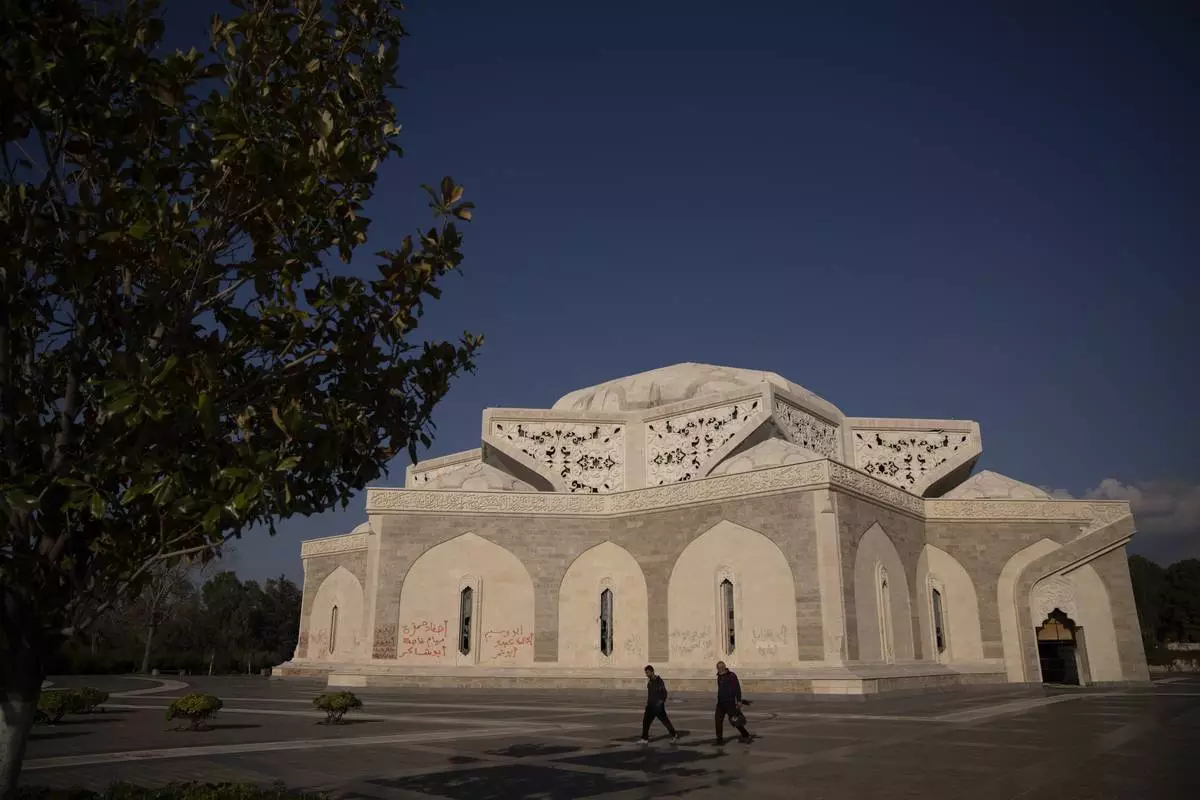
People walk by the mausoleum of Syria's former President Hafez Assad in Qardaha, Syria, on Tuesday, Dec. 17, 2024. (AP Photo/Leo Correa)
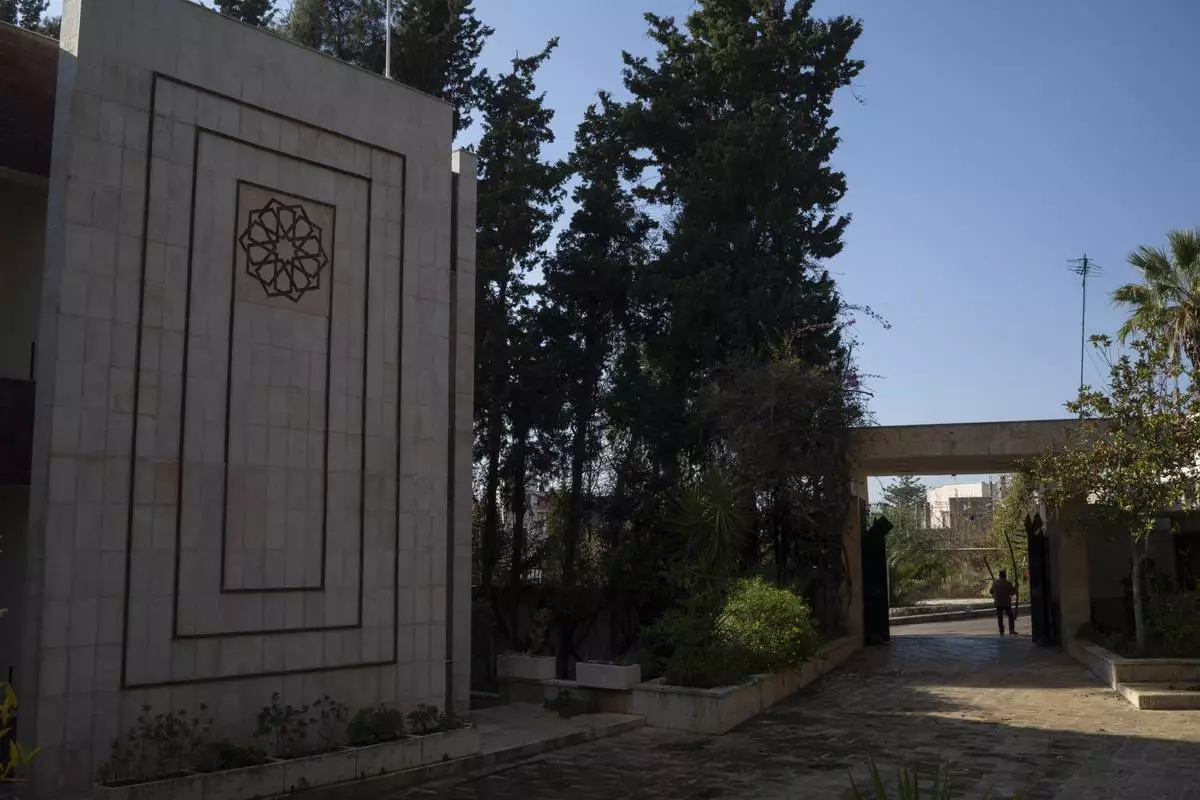
A man leaves a damaged property owned by ousted Syrian President Bashar Assad's family, in Qardaha, Syria, on Tuesday, Dec. 17, 2024. (AP Photo/Leo Correa)
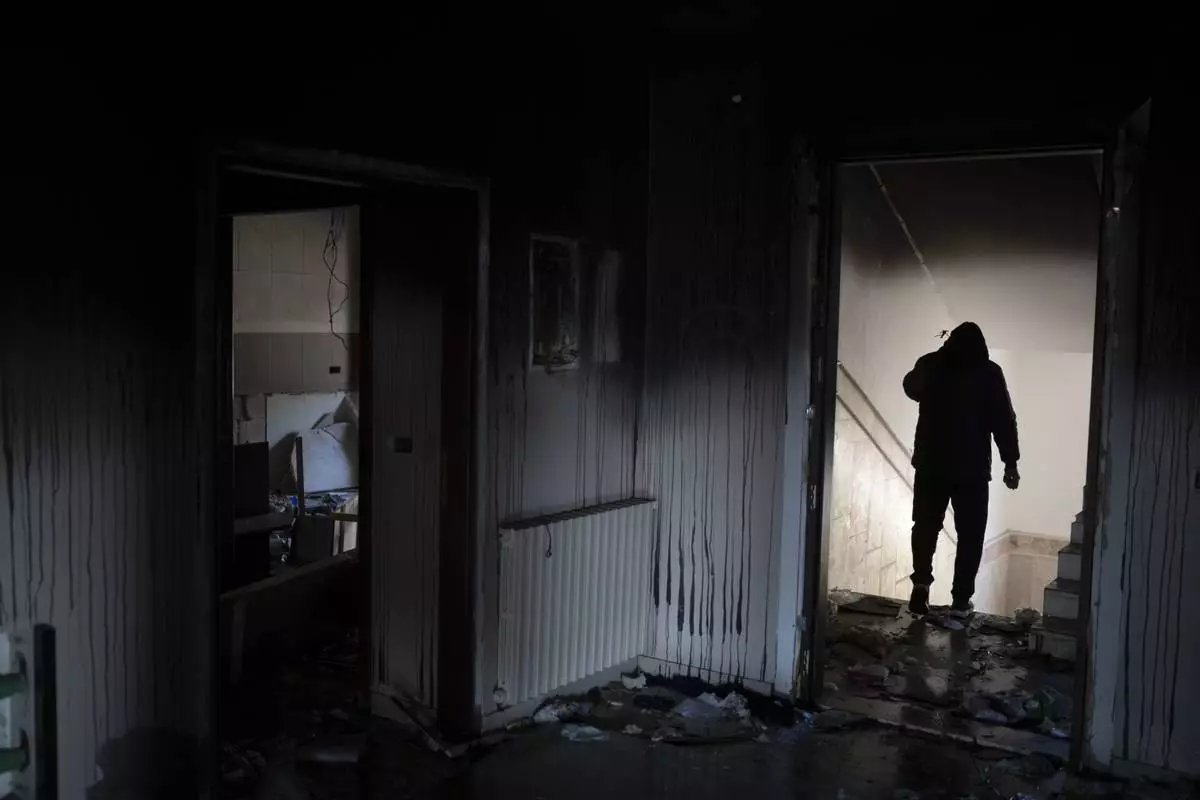
A man walks through ousted Syrian President Bashar Assad's damaged family property in Qardaha, Syria, on Tuesday, Dec. 17, 2024. (AP Photo/Leo Correa)
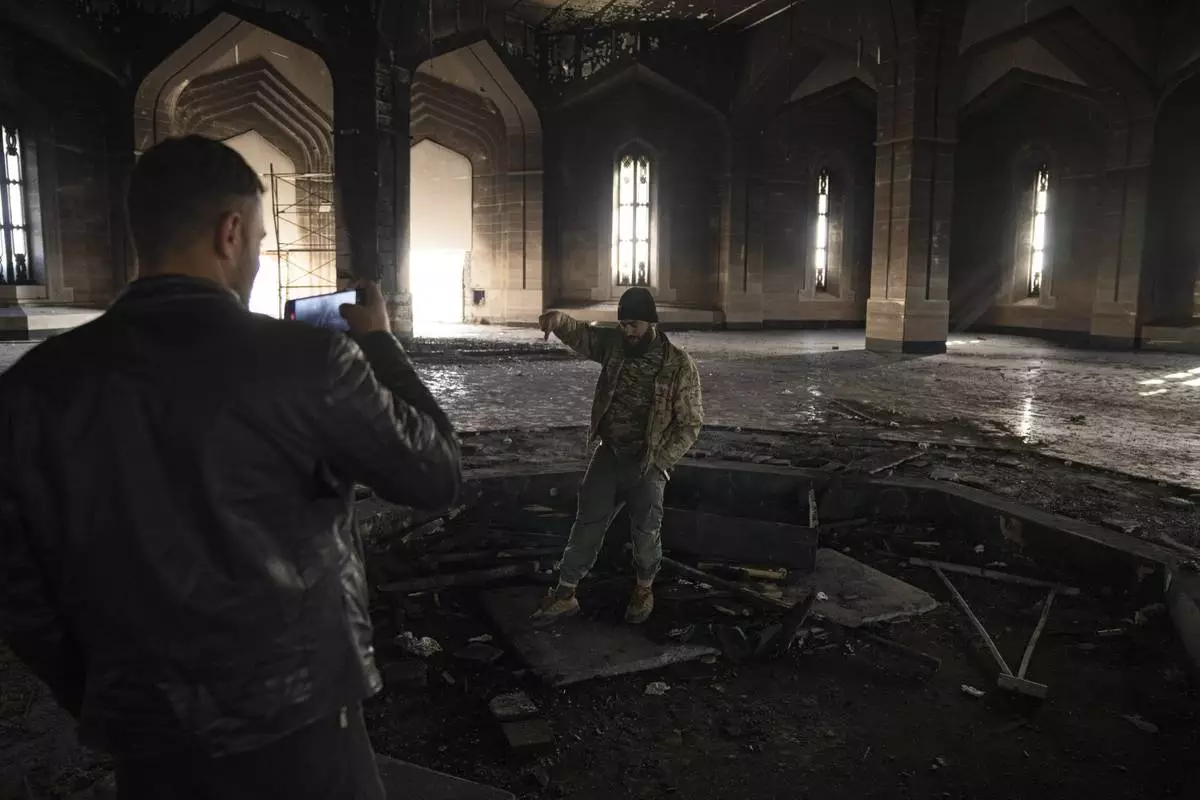
A man records a video of a Syrian fighter standing atop the burned-out tomb of Syria's former President Hafez Assad at his mausoleum in Qardaha, Syria, on Tuesday, Dec. 17, 2024. (AP Photo/Leo Correa)
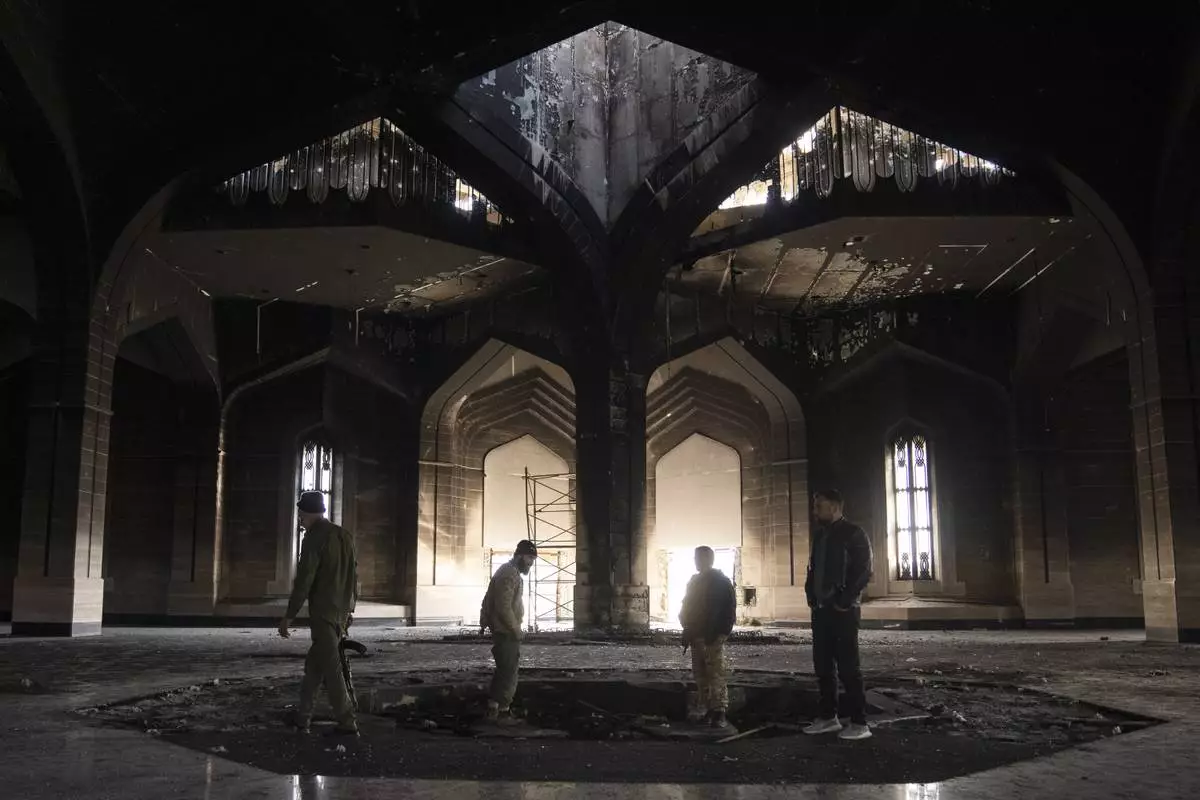
Syrian fighters step around the burned-out tomb of late Syrian President Hafez Assad at his mausoleum in Qardaha, Syria, on Tuesday, Dec. 17, 2024. (AP Photo/Leo Correa)