Shanghai L+SNOW Indoor Skiing Theme Resort, the world's largest indoor ski resort, has captivated visitors and ski lovers across the world with novelty experience since its opening in September this year.
Due to different weather conditions, China's winter sports used to take place in the northern part of the country where the weather is colder in winter. However, in recent years, the increase in ice-and-snow facilities in China's southern region has attracted more people there to fall in love with these sports.
Spanning about 350,000 square meters, the indoor ski resort in Shanghai incorporates dining, accommodation, entertainment, and shopping with a Nordic inspired design.
Its indoor ice-and-snow theme park alone covers more than 90,000 square meters, making it the world's largest indoor ski facility. The park features a vertical drop of nearly 60 meters indoors, which allows skiers to have an alpine skiing-like experience.
"It is probably the only indoor ski resort in China that features cable cars. When coming down, the speed of the cable car in the resort is faster than that of a regular cable chair, enabling quicker transport of skiers," said Huang Jianchen, a ski lover.
In addition to professional ski slopes for beginners, intermediate-level and advanced skiers, the park features over 20 snow-based entertainment programs for non-skiers, including China's first indoor snow train to take people on ice and snow journey. Snow gliders and ice bikes can offer loads of fun for visitors.
"My husband and I met through skiing, and we have one son and one daughter. In the past, it was difficult to take our children to outdoor ski resorts, but now we can enjoy skiing while they play in the children's entertainment area, which makes things much more convenient for us," said visitor Huang Jiani when she was on the snowfield train.
The park also boasts three hotels, with one of them allowing guests in 17 rooms to directly access to the slopes.
Since beginning construction in 2019, the resort has been hailed as a new landmark commercial complex in Shanghai and a popular tourist attraction for ski enthusiasts from home and abroad.
"Singaporeans actually travel (abroad) to go for the ski experience. It is pretty amazing. We've really enjoyed it. It's a very fun place for the kids and adults", said a tourist from Singapore.

World's largest indoor ski resort offers novelty experience for visitors
Iran on Tuesday warned it would deliver a stern response to any new aggression, after U.S. President Donald Trump ordering preparations for a prolonged naval blockade of the country.
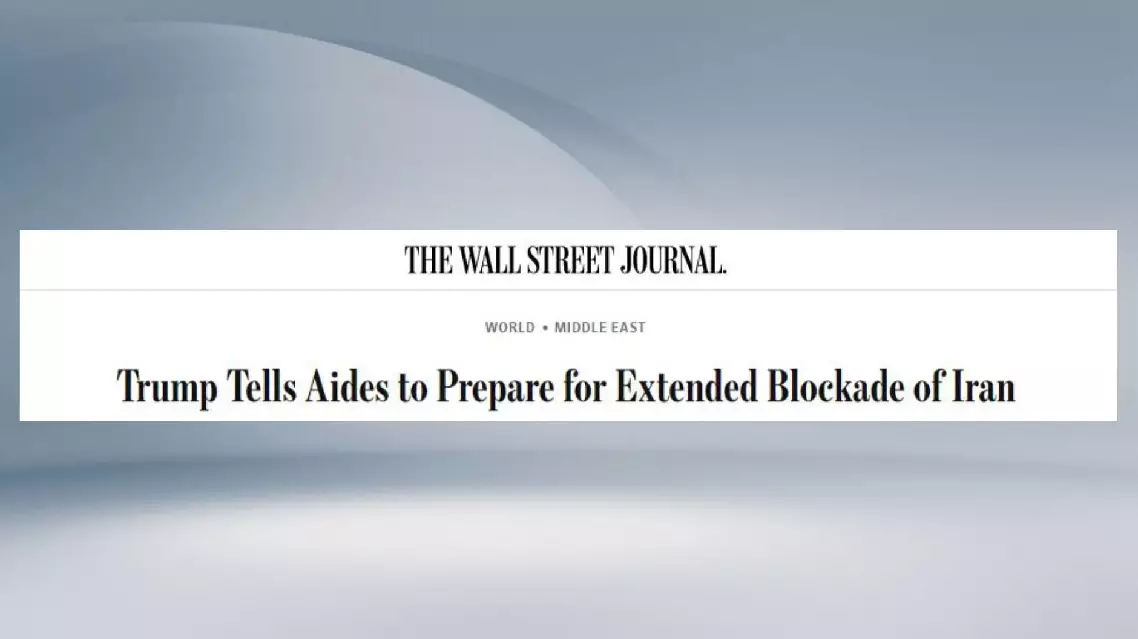
Trump has instructed his administration to prepare for an extended blockade of Iran as the ceasefire remains in place amid stalled talks, The Wall Street Journal reported on Tuesday, citing U.S. officials.
In recent meetings, including a Monday discussion with top security officials in the White House, Trump opted to continue squeezing Iran's economy and oil exports by preventing shipping to and from its ports, said the report.
The president assessed that the blockade, "a high-risk bid" to compel Tehran's nuclear capitulation, carries less risk than other options -- resume bombing or walk away from the conflict, the officials were quoted as saying.
Iranian government spokesperson Fatemeh Mohajerani stated the same day that Tehran has completed "all necessary arrangements" to counter the U.S. naval blockade.
She noted that Iran's primary strategy focuses on maximizing its geographical advantages through effective tactical maneuvers.
Also on Tuesday, Iranian army spokesman Mohammad Akraminia declared that the military considers the current situation a state of war.
Akraminia added that Iran has fully updated its target lists and operational equipment, promising a "stern response" to any further aggression.
Mujtaba Ferdosipour, head of Iran's Interests Section in Cairo, told the IRNA news agency on Wednesday that U.S. attempts to force unilateral demands through a naval blockade are ineffective. He stressed that Iran's extensive land borders with neighboring countries provide viable alternatives to bypass the maritime restrictions.
Ferdosipour reiterated that the Strait of Hormuz is closed only to vessels linked to Israel and the United States. He asserted that Iran has the right to manage security in the strait, maintaining that this position does not violate international conventions.
The envoy further stated that Iran does not trust the United States and has no desire for direct negotiations. He emphasized that Tehran can employ all available means to defend itself against attacks.
According to the latest data from the UN Trade and Development (UNCTAD), ship transits through the Strait of Hormuz have plummeted by 95.3 percent since Feb 27. The disruption has caused global food prices to rise by approximately six percent, while crude oil prices in European markets have surged by nearly 50 percent.
Iran warns of stern response as US plans prolonged blockade