DAMASCUS, Syria (AP) — Clashes between Islamists who took over Syria and supporters of ousted President Bashar Assad's government killed six Islamic fighters on Wednesday and wounded others, according to a British-based war monitor.
The Syrian Observatory for Human Rights said the fighters were killed while trying to arrest a former official in Assad's government, accused of issuing execution orders and arbitrary rulings against thousands of prisoners. The fighters were from Hayat Tahrir al-Sham, or HTS, which led the stunning offensive that toppled Assad earlier this month.
Click to Gallery
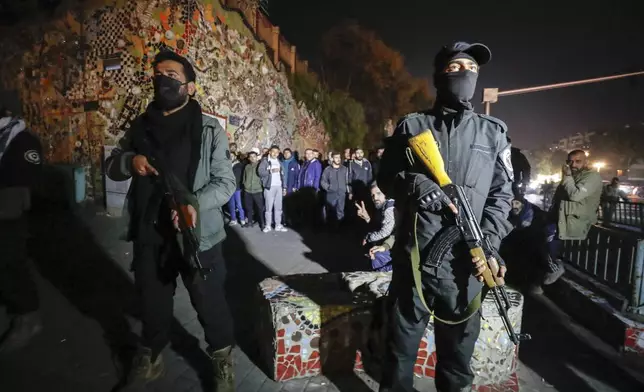
Security forces of the new Syrian government secure the area around group of Alawite protesters in the Mazzeh district in Damascus Wednesday Dec. 25, 2024. The minority Alawite community is an offshoot of Shiite Islam that form President Bashar Assad belongs to. (AP Photo/Omar Sanadiki)
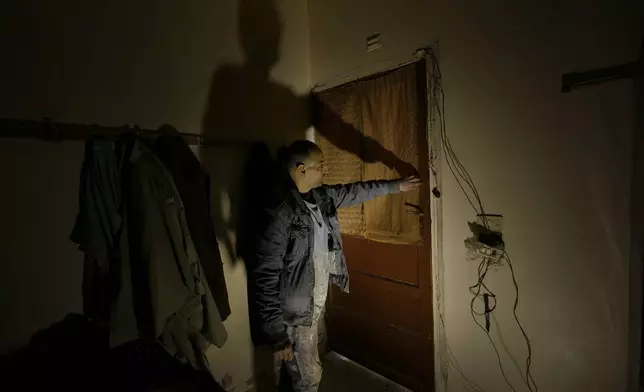
Hussein Arbeeni, 41, shows how he blocked a room door by tapes where 23 people locked themselves inside it to prevent leakage of the sarin struck during a 2013 chemical weapons attack that was blamed on then President Bashar Assad's forces, in Zamalka neighbourhood, on the outskirts of Damascus, Syria, Wednesday, Dec. 25, 2024. (AP Photo/Hussein Malla)
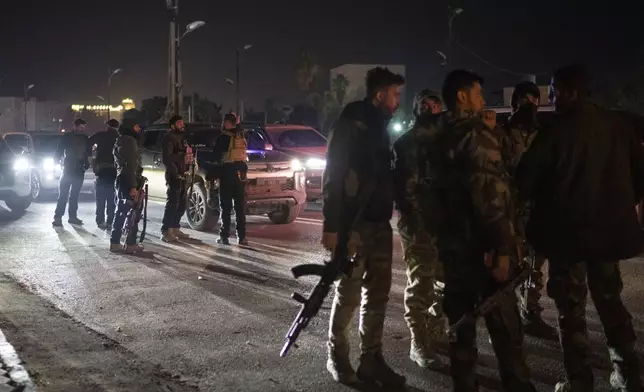
Syrian fighters gather during the night on a street in Damascus, Syria, Wednesday, Dec. 25, 2024. (AP Photo/Leo Correa)
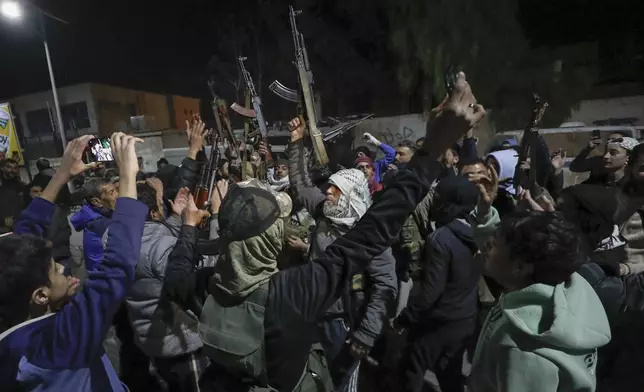
Syrian rebel fighters shout slogans against the late Assad regime in the Mazzeh district in Damascus Wednesday Dec. 25, 2024 (AP Photo/Omar Sanadiki)
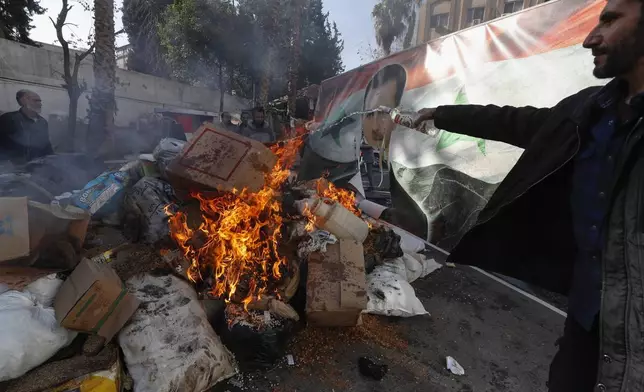
A banner with an image depicting the ousted Syrian President Bashar Assad is placed on the fire as a Syrian member of the rebel forces destroys drugs and alcoholic beverages, found at a complex building, in Damascus, Syria, Wednesday, Dec. 25, 2024. (AP Photo/Omar Sanadiki)
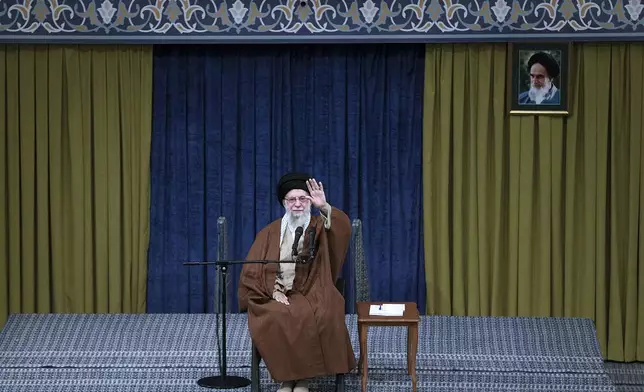
In this photo released by the official website of the office of the Iranian supreme leader, Supreme Leader Ayatollah Ali Khamenei waves to the crowd during a meeting in Tehran, Iran, Sunday, Dec. 22, 2024. A portrait of the late revolutionary founder Ayatollah Khomeini hangs at right. (Office of the Iranian Supreme Leader via AP)
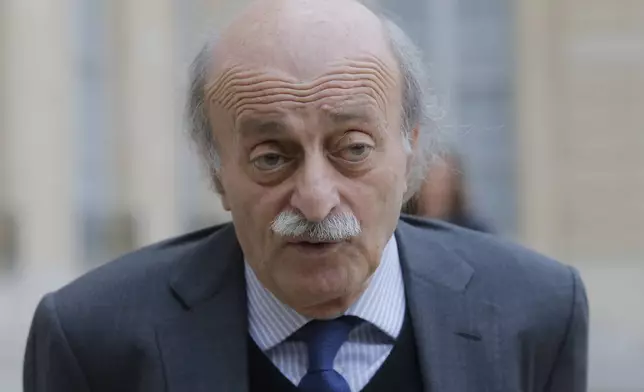
FILE - Lebanese Druse leader Walid Jumblatt speaks to the media after a meeting with France's President Francois Hollande at the Elysee Palace in Paris, Tuesday, Feb. 21, 2017. (AP Photo/Michel Euler, File)
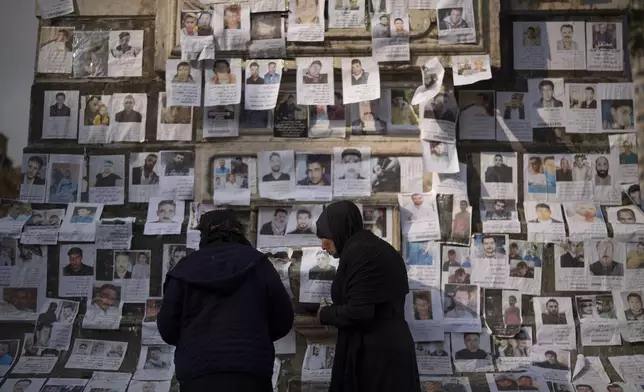
Women look at photos of people reported to be missing by members of ousted Syrian President Bashar Assad's army, or a pro-government militia, in the Marjeh square in Damascus, Syria, Sunday, Dec. 22, 2024. (AP Photo/Leo Correa)
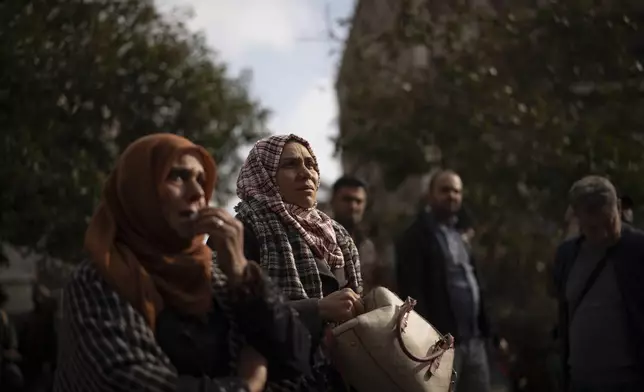
Hanaa, center, and her mother Khawla, left, who are searching for any information about her brother Hussam al-Khodr, look at photos of people reported to be missing by members of ousted Syrian President Bashar Assad's army, or a pro-government militia, in the Marjeh square in Damascus, Syria, Sunday, Dec. 22, 2024. According to Hanaa, her brother was a soldier and went missing in 2014. (AP Photo/Leo Correa)
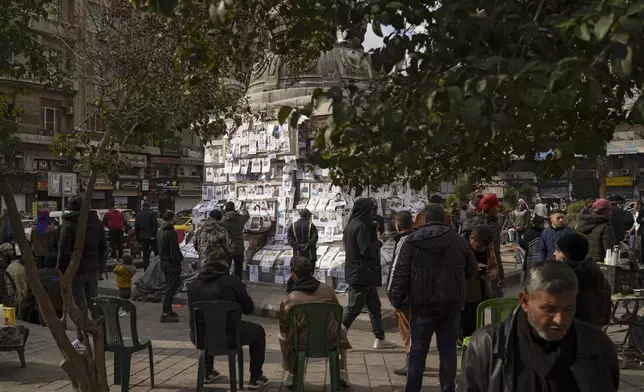
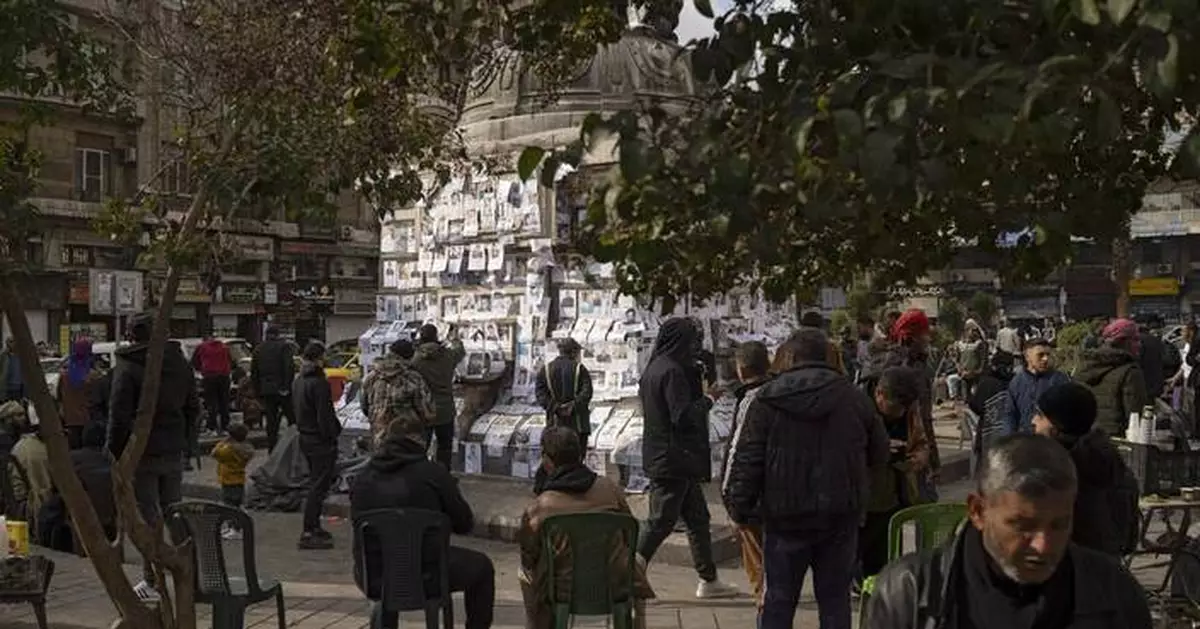
People look at photos of people reported to be missing, by members of ousted Syrian President Bashar Assad's army or a pro-government militia, as others sit to smoke and drink tea at the Marjeh square in Damascus, Syria, Sunday, Dec. 22, 2024. (AP Photo/Leo Correa)
Syria’s transition has been surprisingly smooth but it’s only been a few weeks since Assad fled the country and his administration and forces melted away. The insurgents who ousted Assad are rooted in fundamentalist Islamist ideology, and though they have vowed to create a pluralist system, it isn’t clear how or whether they plan to share power.
Since Assad’s fall, dozens of Syrians have been killed in acts of revenge, according to activists and monitors, the vast majority of them from the minority Alawite community, an offshoot of Shiite Islam that Assad belongs to.
In the capital, Damascus, Alawite protesters scuffled with Sunni counter-protesters and gunshots were heard. The Associated Press could not confirm details of the shooting.
Alawite protests also took place along the coast of Syria, in the city of Homs and the Hama countryside. Some called for the release of soldiers from the former Syrian army now imprisoned by the HTS. At least one protestor was killed and five were wounded in Homs by HTS forces suppressing the demonstration, said the Syrian Observatory. In response to the protests, HTS imposed a curfew from 6 pm until 8am.
The Alawite protests were apparently in part sparked by an online video showing the burning of an Alawite shrine. The interim authorities insisted the video was old and not a recent incident.
Sectarian violence has erupted in bursts since Assad's ouster but nothing close to the level feared after nearly 14 years of civil war that killed an estimated half-million people. The war fractured Syria, creating millions of refugees and displacing tens of thousands throughout the country.
This week, some Syrians who were forcibly displaced, started trickling home, trying to rebuild their lives. Shocked by the devastation, many found that little remains of their houses.
In the northwestern Idlib region, residents were repairing shops and sealing damaged windows on Tuesday, trying to bring back a sense of normalcy.
The city of Idlib and much of the surrounding province has for years been under control of the HTS, led by Ahmad al-Sharaa, formerly known as Abu Mohammed al-Golani, once aligned with al-Qaida, but has been the scene of relentless attacks by the government forces.
Hajjah Zakia Daemessaid, who was forcibly displaced during the war, said coming back to her house in the Idlib countryside was bitter-sweet.
“My husband and I spent 43 years of hard work saving money to build our home, only to find that all of it has gone to waste,” said the 62-year-old.
In the dusty neighborhoods, cars drove by with luggage strapped on top. People stood idly on the streets or sat in empty coffee shops.
In Damascus, Syria's new authorities raided warehouses on Wednesday, confiscating drugs such as the banned stimulant Captagon and cannabis, which were used by Assad's forces. A million Captagon pills and hundreds of kilograms (pounds) of cannabis were set ablaze, the interim authorities said.
Albam reported from Damascus, Syria, and Alsayed from Idlib, Syria.
Follow AP’s Syria coverage at https://apnews.com/hub/syria

Security forces of the new Syrian government secure the area around group of Alawite protesters in the Mazzeh district in Damascus Wednesday Dec. 25, 2024. The minority Alawite community is an offshoot of Shiite Islam that form President Bashar Assad belongs to. (AP Photo/Omar Sanadiki)
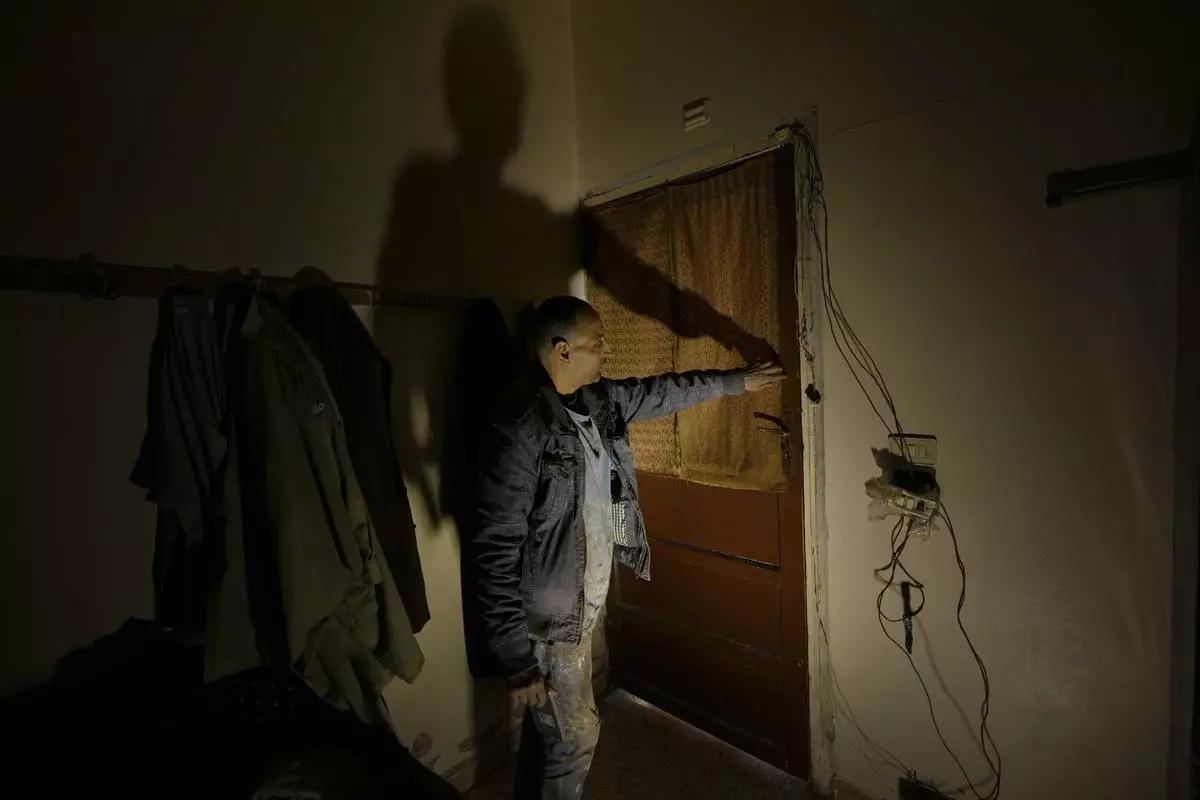
Hussein Arbeeni, 41, shows how he blocked a room door by tapes where 23 people locked themselves inside it to prevent leakage of the sarin struck during a 2013 chemical weapons attack that was blamed on then President Bashar Assad's forces, in Zamalka neighbourhood, on the outskirts of Damascus, Syria, Wednesday, Dec. 25, 2024. (AP Photo/Hussein Malla)
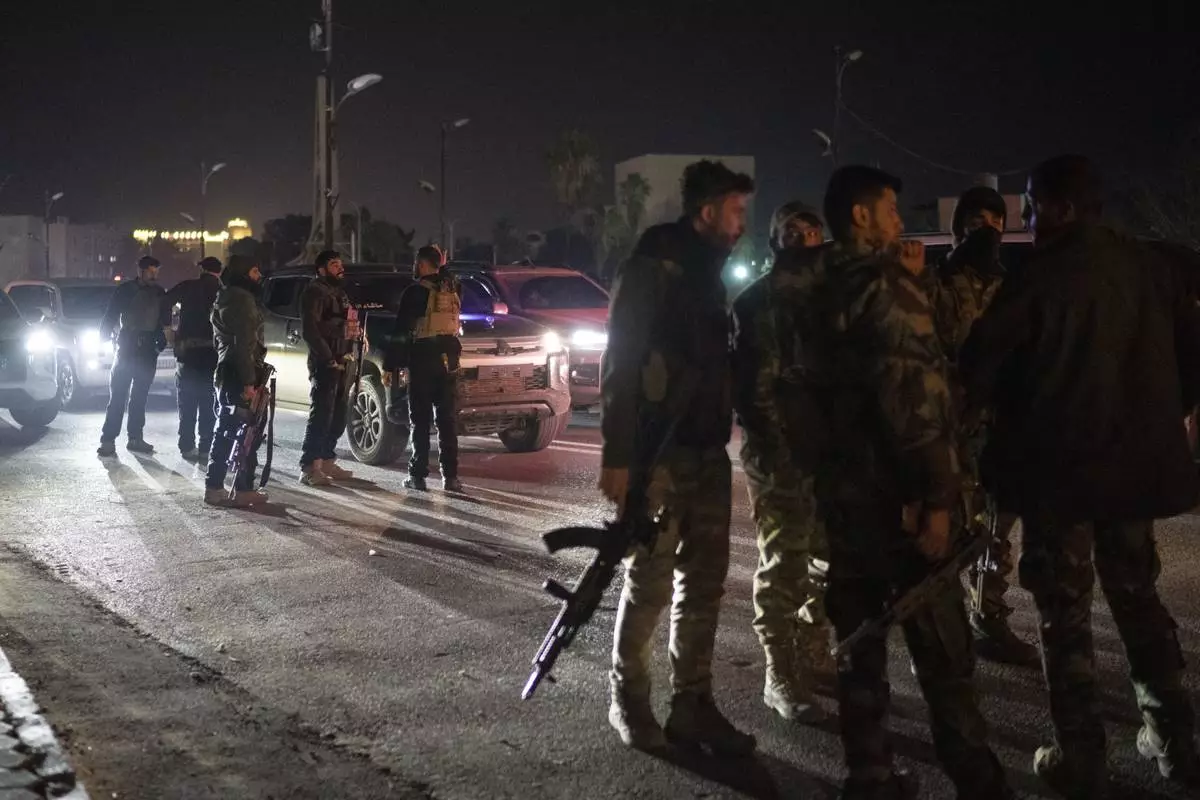
Syrian fighters gather during the night on a street in Damascus, Syria, Wednesday, Dec. 25, 2024. (AP Photo/Leo Correa)
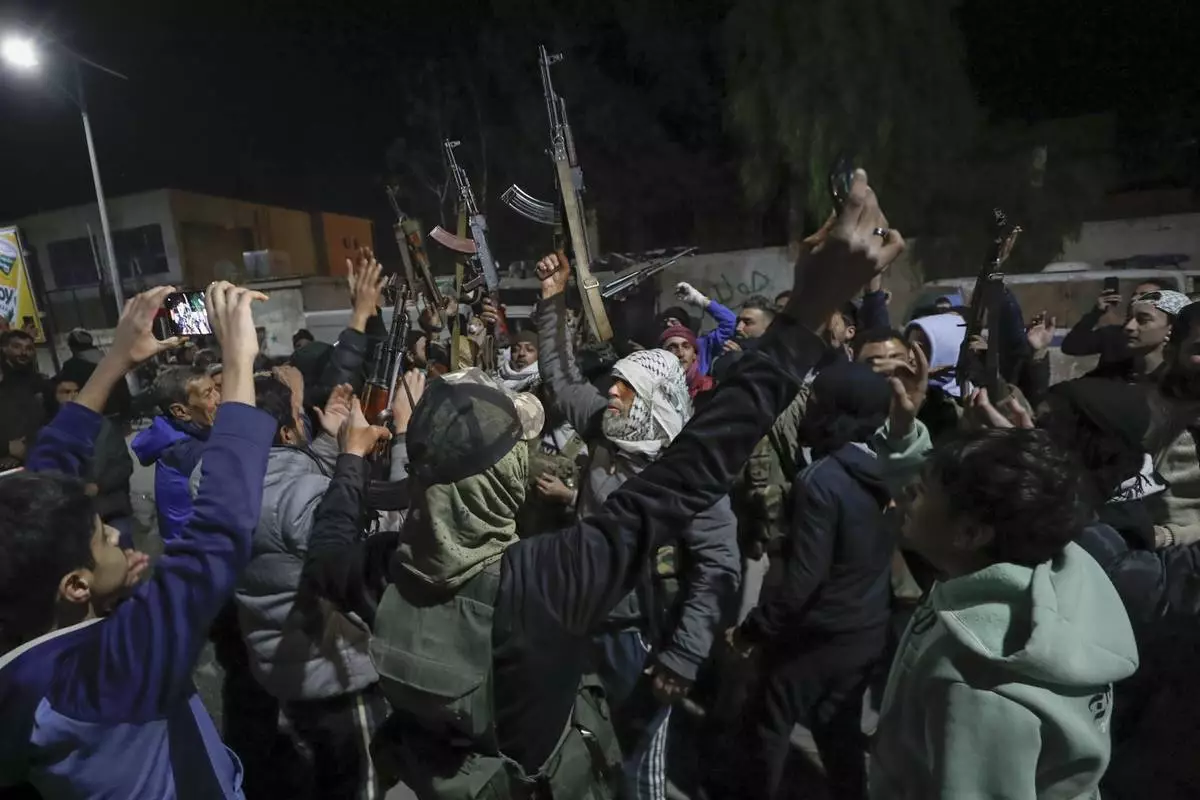
Syrian rebel fighters shout slogans against the late Assad regime in the Mazzeh district in Damascus Wednesday Dec. 25, 2024 (AP Photo/Omar Sanadiki)
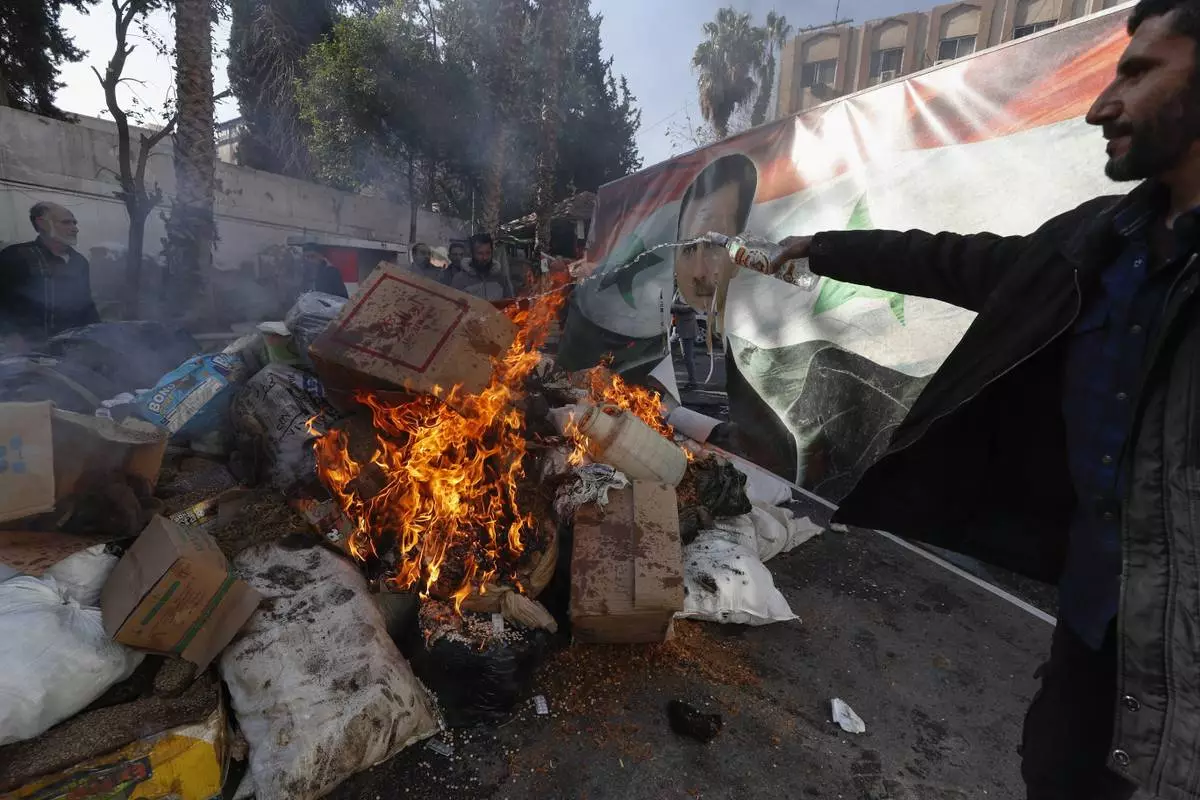
A banner with an image depicting the ousted Syrian President Bashar Assad is placed on the fire as a Syrian member of the rebel forces destroys drugs and alcoholic beverages, found at a complex building, in Damascus, Syria, Wednesday, Dec. 25, 2024. (AP Photo/Omar Sanadiki)
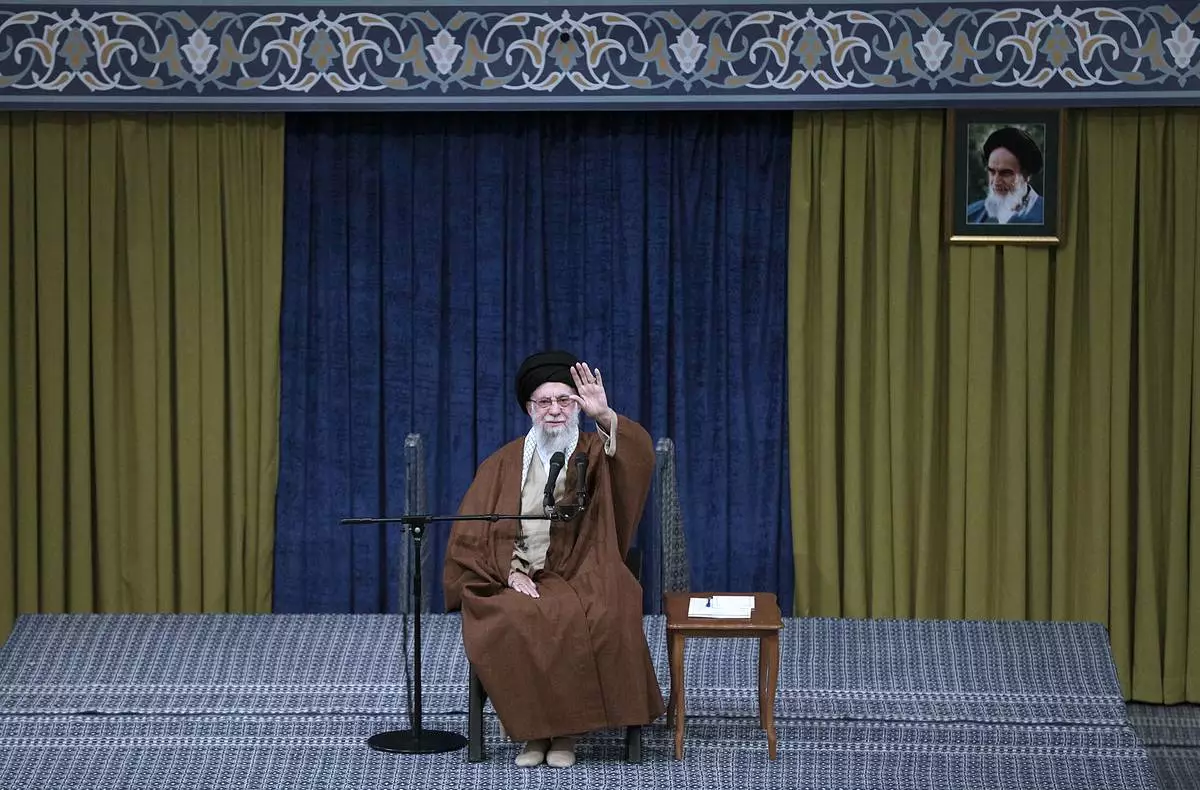
In this photo released by the official website of the office of the Iranian supreme leader, Supreme Leader Ayatollah Ali Khamenei waves to the crowd during a meeting in Tehran, Iran, Sunday, Dec. 22, 2024. A portrait of the late revolutionary founder Ayatollah Khomeini hangs at right. (Office of the Iranian Supreme Leader via AP)
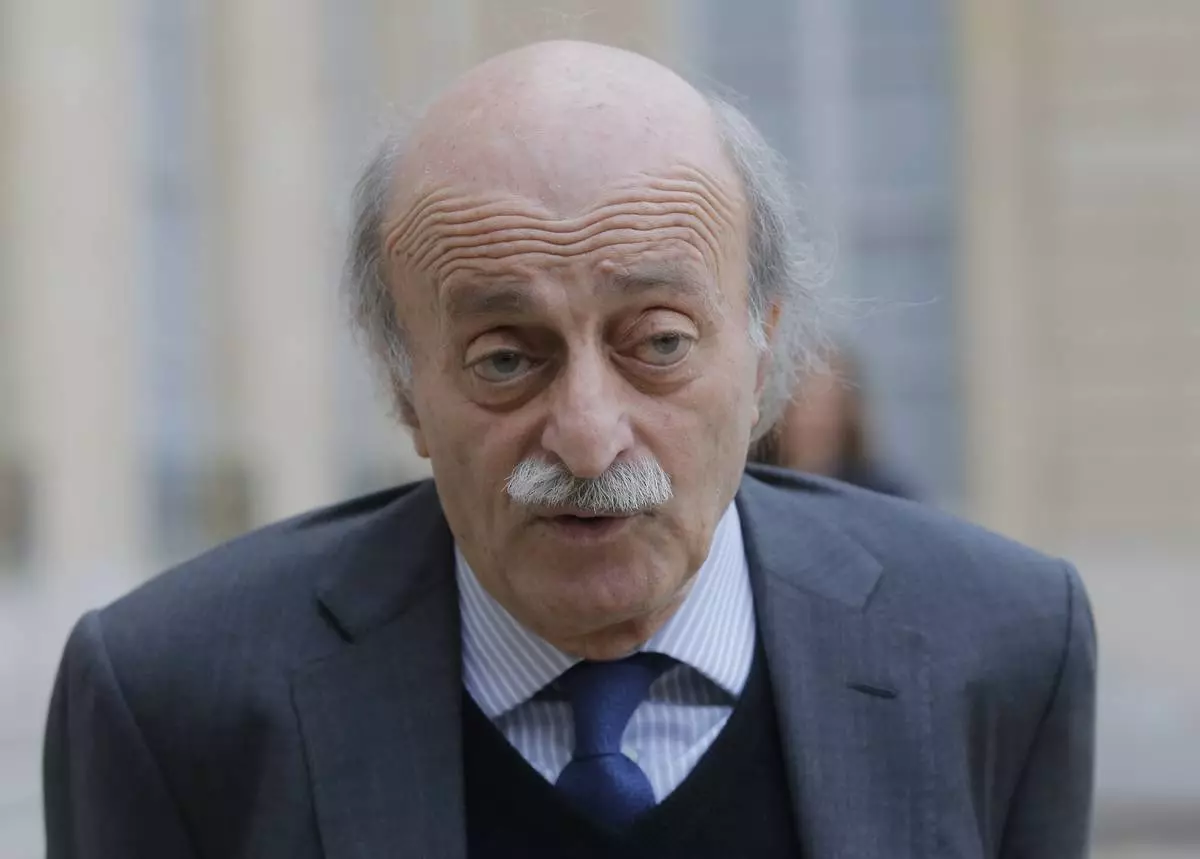
FILE - Lebanese Druse leader Walid Jumblatt speaks to the media after a meeting with France's President Francois Hollande at the Elysee Palace in Paris, Tuesday, Feb. 21, 2017. (AP Photo/Michel Euler, File)
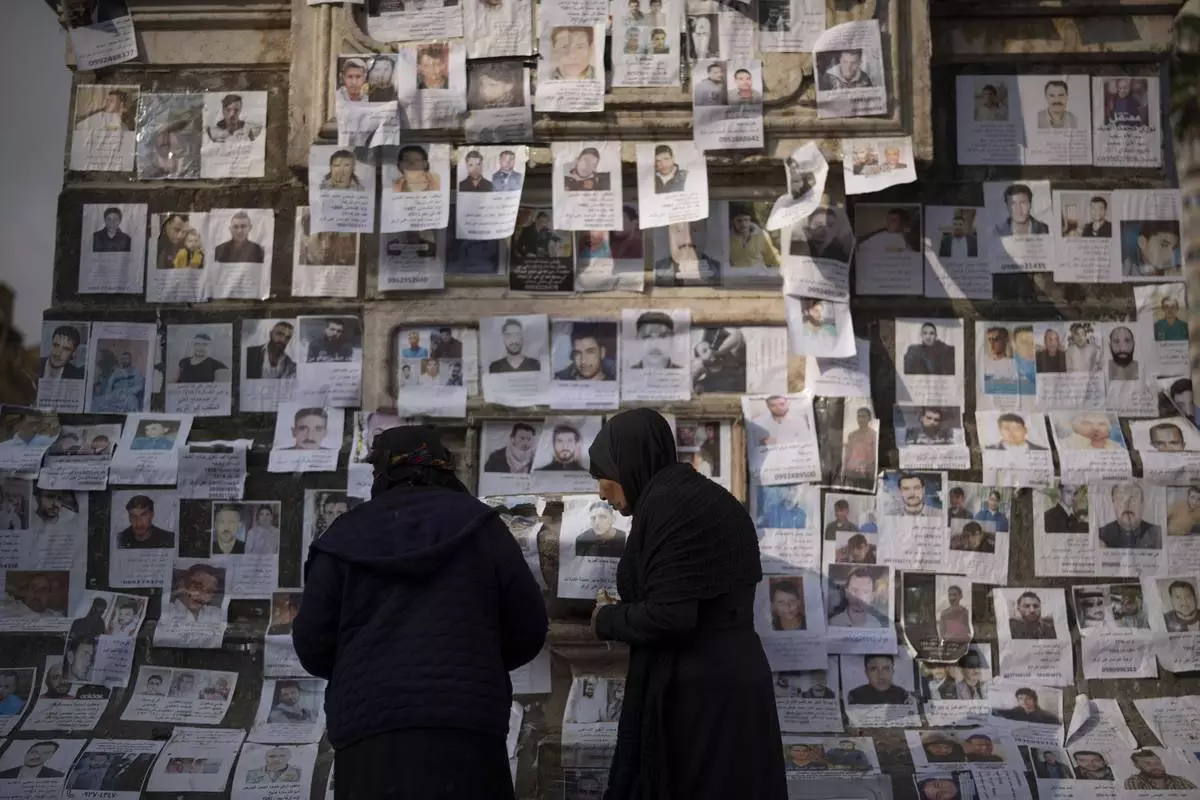
Women look at photos of people reported to be missing by members of ousted Syrian President Bashar Assad's army, or a pro-government militia, in the Marjeh square in Damascus, Syria, Sunday, Dec. 22, 2024. (AP Photo/Leo Correa)
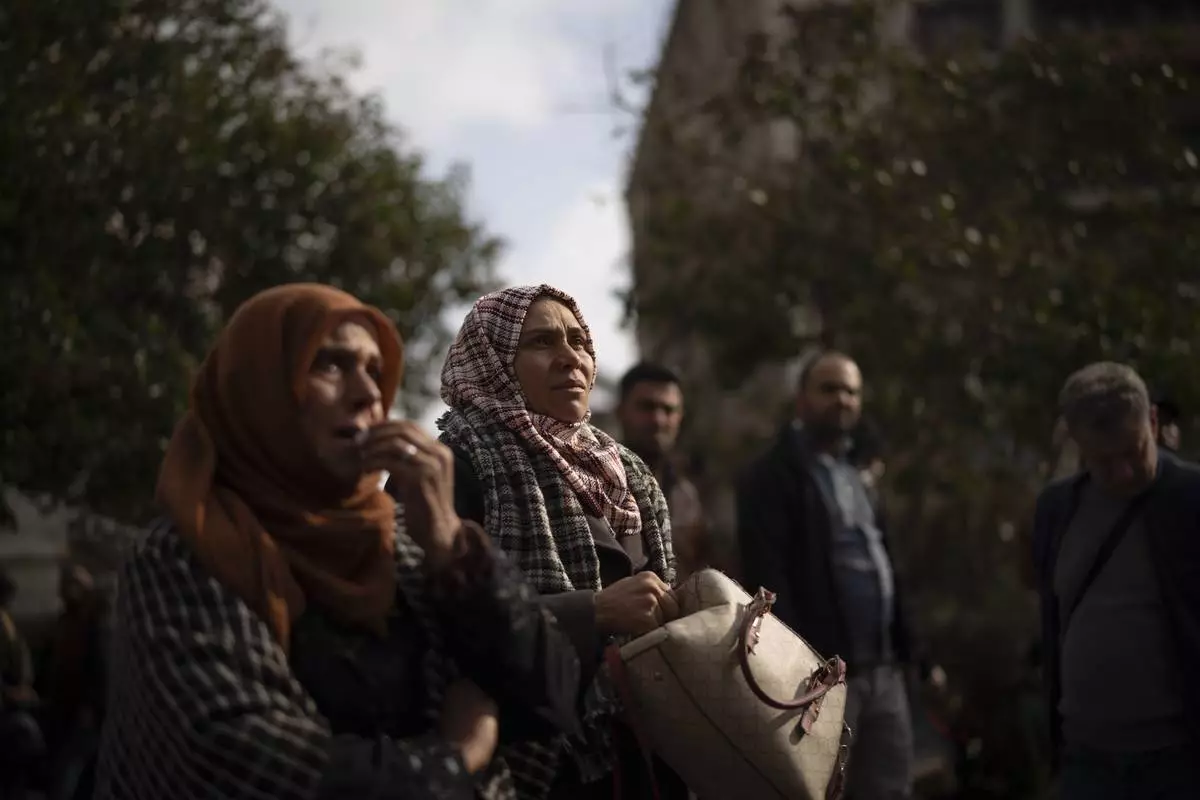
Hanaa, center, and her mother Khawla, left, who are searching for any information about her brother Hussam al-Khodr, look at photos of people reported to be missing by members of ousted Syrian President Bashar Assad's army, or a pro-government militia, in the Marjeh square in Damascus, Syria, Sunday, Dec. 22, 2024. According to Hanaa, her brother was a soldier and went missing in 2014. (AP Photo/Leo Correa)

People look at photos of people reported to be missing, by members of ousted Syrian President Bashar Assad's army or a pro-government militia, as others sit to smoke and drink tea at the Marjeh square in Damascus, Syria, Sunday, Dec. 22, 2024. (AP Photo/Leo Correa)