Syria's long-drawn-out crisis has led to the collapse of its electricity infrastructure and a sharp decline in conventional energy resources.
Since the onset of the civil war, the country's electricity supply has fallen to less than 25 percent of pre-war levels.
The destruction of power plants and critical infrastructure, coupled with difficulties in securing the fuel required to operate them, has left Syria's total power generation at under 2,000 megawatts.
This limited supply must be distributed across more than 13 provinces. Yet, electricity is essential to both the country's economy and its people's daily life.
Prolonged power outages have placed a heavy burden on the Syrian population, forcing many to turn to private generators and batteries to produce and store energy.
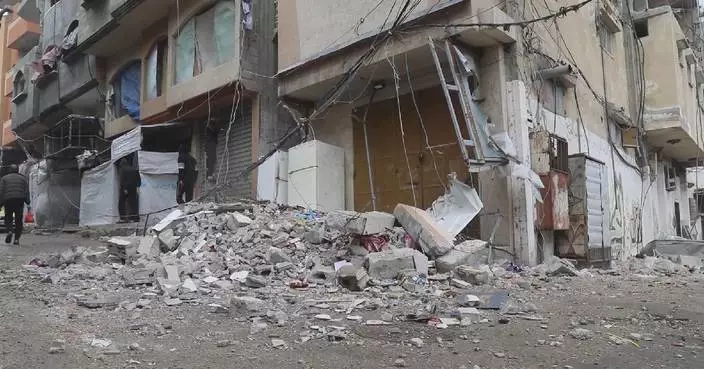
In Zamalka, a town in rural Damascus, it has endured over 13 years without government-provided electricity where residents rely on private generators and solar power to meet their energy needs.
The sound of generators in this town is deafening, yet the machines are a lifeline for people who want to live here.
The government electricity grid is mostly damaged, and people count on alternative transmission lines to deliver power to homes plunged in darkness.
"The war has destroyed the power grid, which the government has not fixed, so people have started to connect cables from generators to their houses. But the problem is that people cannot afford it. It costs 50,000 to 60,000 Syrian pound (around 3.9 to 4.6 U.S. dollars) a week to power just one light bulb," said Bassam Qaddour, mayor of Zamalka Town in Rural Damascus.
The long power outage also impacts businesses, as this area hosts numerous workshops.
Ibrahim Hajo is a blacksmith. He said he pays more than 600 U.S. dollars a month for electricity from private generators nearby to run his machines, as the government has not provided power for years.
"The cost of the final product is increasing. Before the war, I only had to pay my cost and the cost of raw materials. But now I have to add electricity, so the final cost is drastically increasing," he said.
Power outages are not the only problem in the energy sector. Fuel shortages are another protracted issue that's impacted the daily life of Syrians for years, especially in terms of affordability and availability.
The streets of Damascus are full of smuggled gasoline bottles and gas cylinders from neighboring countries. They are used to alleviate the shortages in fuel nationwide.
But prices are high when compared with the median income, which is no more than 25 U.S. dollars per month for households.
"The prices must be lowered. They are too expensive for the citizens regarding what they earn," said a resident named Yaser Khoder.
Strengthening the country's energy infrastructure and ensuring availability of fuel will be the main challenge for the new government in Syria.
It's a mission that requires restoring the nation's oil and gas fields, which are both still out of the government's control.
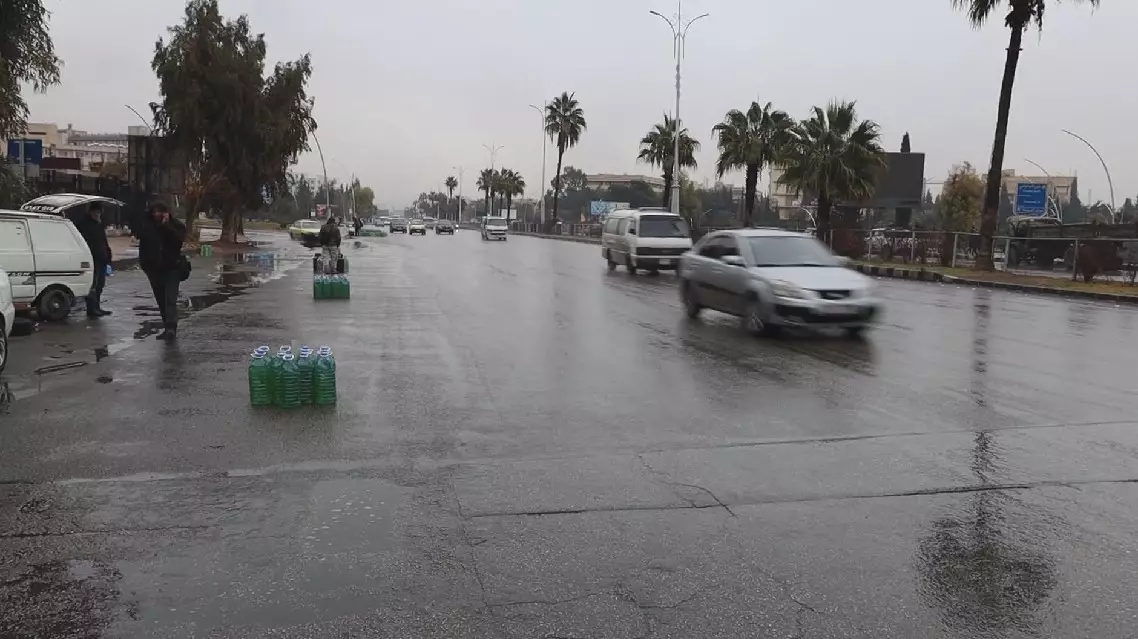
Syrians face energy crisis
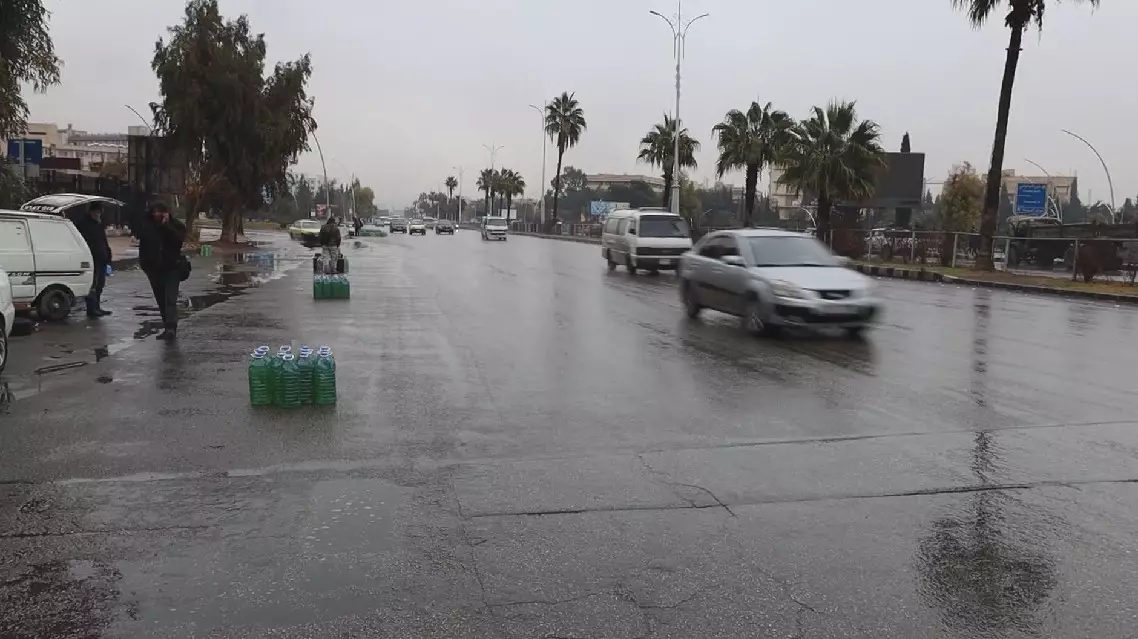
Syrians face energy crisis