China's constant progress in space medicine has facilitated its four manned missions in the past two years since the Tiangong space station was built, according to a report released on Monday.
The report on the progress in scientific research and applications of Chinese space station was released by the China Manned Space Engineering Office (CMSEO) to celebrate the second anniversary of the comprehensive completion of the Chinese space station.
In the past two years, a total of 68 projects have been implemented in orbit in the fields of space life sciences and human research, mainly focusing on basic space biology, space biotechnology and applications, space life ecology, the origin and intersection of space life, the impact of space environment on human physiology, traditional medicine and new health testing techniques, human factors in space flight, and space brain science, according to the report.
"Our space medicine experiments mainly focus on the impact of space flight, such as microgravity and radiation, on human health, including the behavioral capacity of astronauts in space, and the relevant protection. We have also carried out some systematic and large-scale studies on advanced medical monitoring and support technologies and the space application of traditional medicine, with some theoretical and technological breakthroughs made. No matter in theoretical level or that of technological support, space medicine is indeed maturing and improving constantly with the development of flight missions," said Liu Zhaoxia, a fellow with the China Astronaut Research and Training Center.
To protect astronauts from bone loss and muscle atrophy in space, Chinese researchers have developed a device countering bone loss and some other kinds of medical equipment, which can also serve public health.
"The device not only functions to prevent astronauts from bone loss in microgravity, but also helps with treatment of disuse bone loss for elderly and long-term bedridden patients on the ground, so it could be promoted to clinical application. We have also developed acupoint stimulation devices such as acupoint stimulation clothing and portable acupoint stimulation devices, which can function to a certain extent prevent cardiovascular diseases, muscle atrophy and bone loss. It can also be applied to clinical treatment," Liu said.
In 2024, the Shenzhou-18 crew, who were sent to the space station on April 25 and returned to Earth on Nov 4, stayed in orbit for a record 192 days.
In the future, astronauts will stay and work longer in orbit in more complicated space environments, which requires more advances in space medicine, Liu noted.
"It's an inevitable trend that the manned space missions will operate longer flights and go farther into space, so we will surely aim at longer flights into farther and deeper space in our further development. To support such endeavors, our relevant space medicine guarantee must constantly go deeper to cope with new problems cropping up in manned missions," she said.
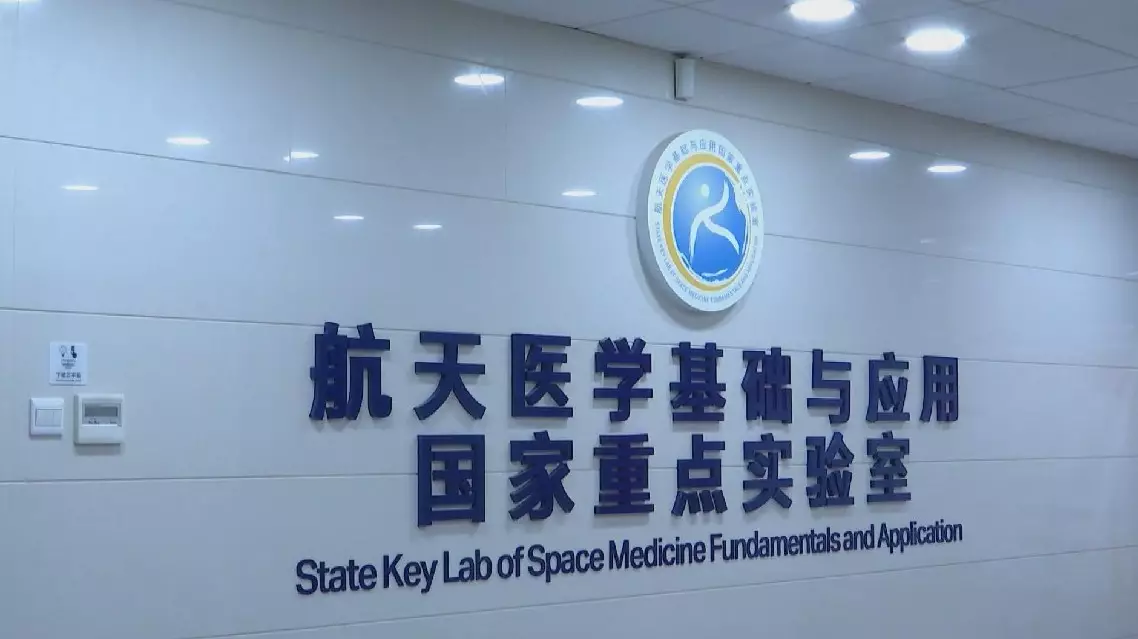
China advances space medicine to support manned missions