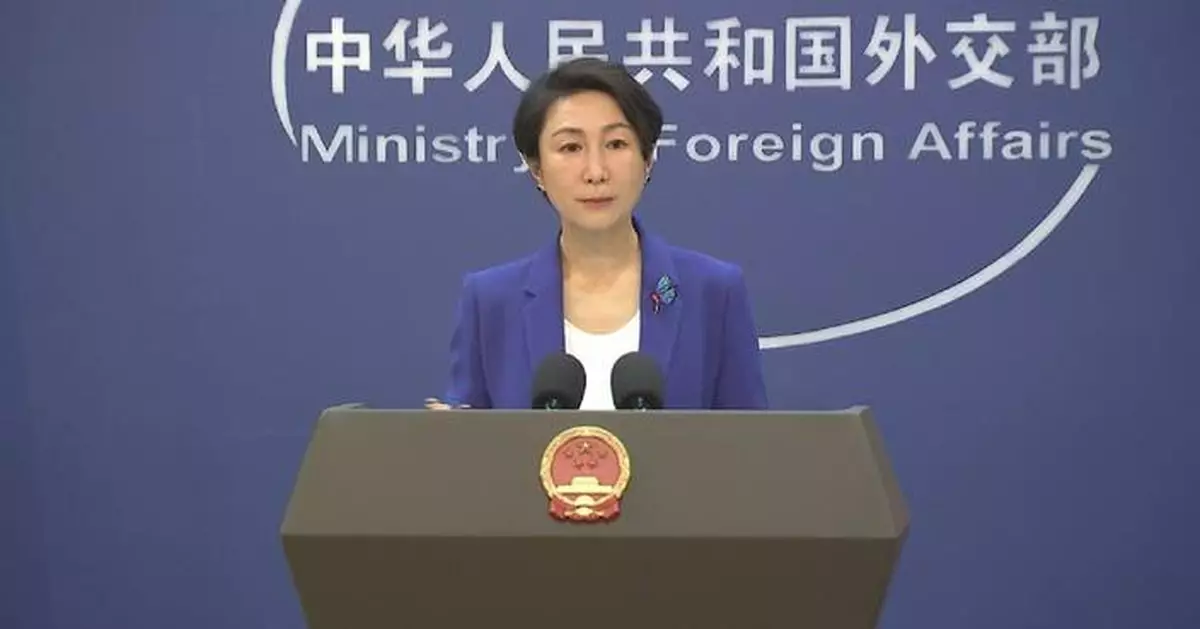
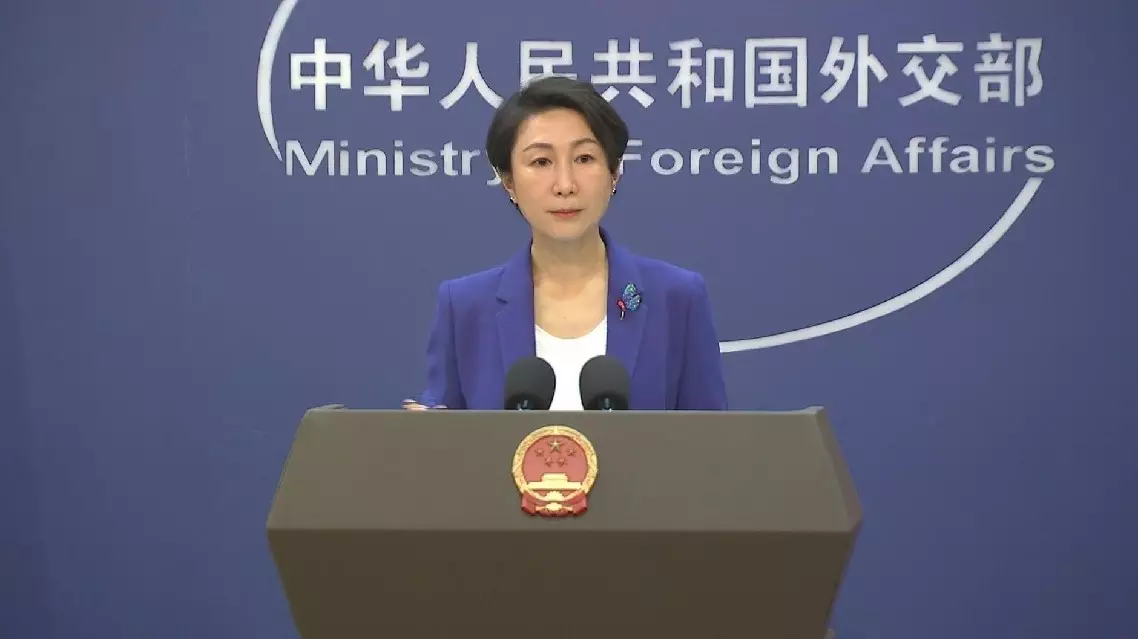
China will continue to implement the Regional Comprehensive Economic Partnership (RCEP) to promote shared development and prosperity in the Asia-Pacific region, Foreign Ministry spokeswoman Mao Ning said on Friday. Wednesday marks the third anniversary of the entry into force of the RCEP.
Mao made the comments when asked to spell out the achievements RCEP has made over the past three years.
"The RCEP is the world's largest free trade agreement in terms of population, economic scale and development potential. It has injected strong momentum into Asia-Pacific regional economic integration, created huge market opportunities for its member countries and bolstered international confidence in multilateralism. According to research by the Asian Development Bank, the RCEP is expected to generate 245 billion U.S. dollars in economic growth and create 2.8 million jobs for countries in the region by 2030. As the largest economy in the RCEP, China will continue its high-quality implementation of the RCEP, advancing the quality of free trade in the Asia-Pacific region to achieve shared development and prosperity," said Mao.
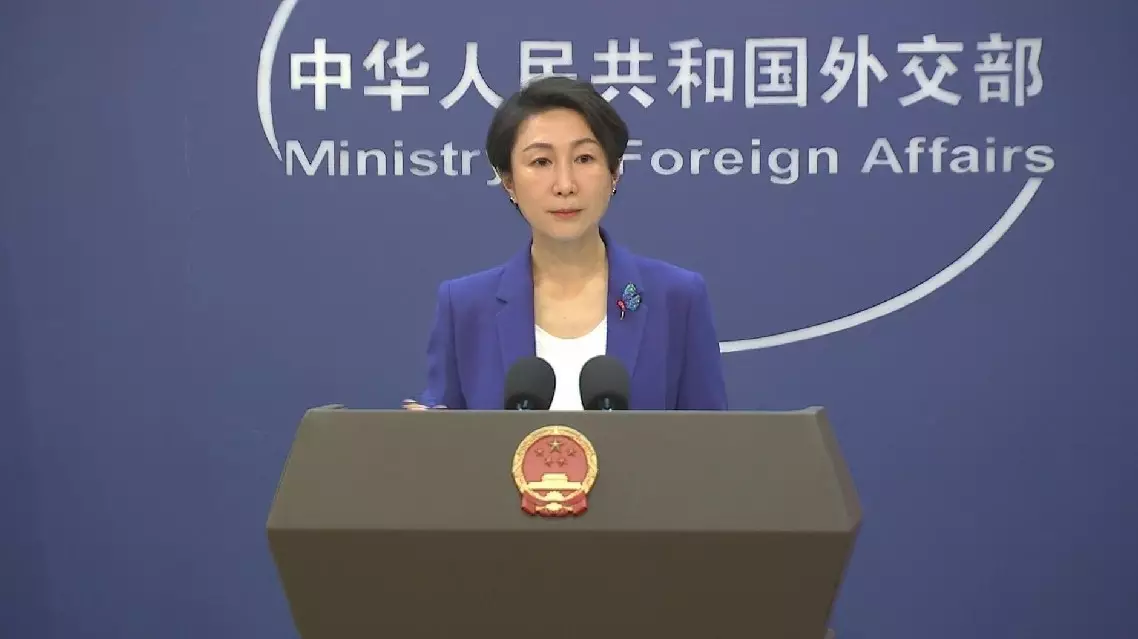
China to continue promoting high-quality implementation of RCEP for common prosperity: spokeswoman
China to continue promoting high-quality implementation of RCEP for common prosperity: spokeswoman
A batch of newly declassified Soviet documents related to Unit 731 of the Japanese Imperial Army in World War II is a reminder of horrors of Japanese militarism, said an official from China's Central Archives.
Zhou Zhenfan, deputy director of archive preservation department of China's Central Archives, made the remarks in an interview with China Global Television Network (CGTN) as the China's Central Archives released the batch of documents on Saturday.
The archive copies, which China received from Russia, include trial records of Unit 731 members, investigation reports on the unit's crimes, and internal official correspondence of Soviet authorities, covering the period running from May 11, 1939 to Dec. 25, 1950.
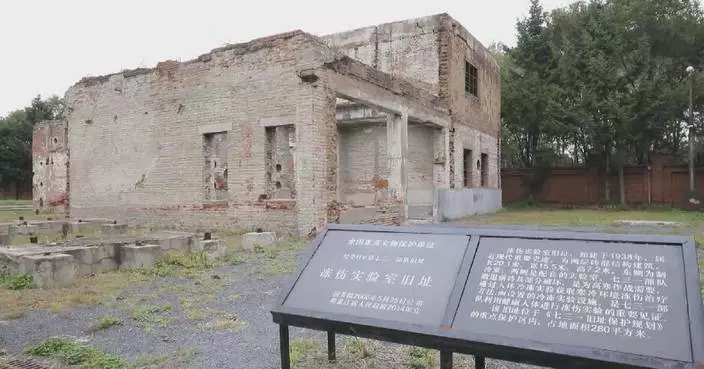
During World War II, the Japanese invading forces established a biological warfare network across multiple Asian countries, with Unit 731 located in Harbin, northeast China's Heilongjiang Province, serving as a top-secret base for biological weapons and human experiments.
At least 3,000 people from China, the Soviet Union and other countries and regions were used in human experiments conducted by Unit 731.
Zhou said that the archives have provided concrete historical evidence of Japan's biological warfare crimes in China.
"The evidence chain provided by this batch of archives is comprehensive and interlocking, offering full testimony regarding the organizational structure, production capacity, crimes, and harm to humanity of the entire Unit 731. The chain of evidence is interconnected, forming what can be described as irrefutable proof, leaving no room for denial," said Zhou.
Zhou cited one example from the archives that best showed the severity of these atrocities.
"The archives reveal that two successive heads of the production department of Unit 731 -- Kiyoshi Kawashima and Tomio Karasawa -- both detailed the unit's monthly bacterial production capacity. This clearly indicates that under permissive conditions, they were fully capable of mass-producing bacterial weapons," said Zhou.
According to the archives, between 1940 and 1942, Unit 731 conducted a series of field expeditions testing the deployment of lethal pathogens. Experiments involving the spread of the plague bacillus produced what the unit described as "complete results" in central China.
The testimonies reveal that in the summer of 1941, multiple aircraft from Unit 731 carried out reconnaissance missions near Dongting Lake in Changde in south central China's Hunan Province. They dropped fleas infected with the plague bacillus. The operation was intended to disrupt Chinese military supply and transport lines, as Changde was a critical strategic hub along those routes.
"Kiyoshi Kawashima mentioned that Shiro Ishii, the head of Unit 731, told him that he had read a Chinese publication describing the symptoms of Chinese victims affected by biological weapons. Ishii was reportedly very pleased, believing that the biological weapons had achieved the intended effects and that their large-scale use was feasible," said Zhou.
Zhou highlighted the great significance of the archives in understanding the impact of Japanese militarism on China and other nations and called on people to remember history and cherish peace.
"These archives play a unique and significant role in helping China and the world understand the atrocities committed by Japan during World War II against China and other nations. They expose the evil nature of Japanese militarism, serve as a stark reminder of the tragedies wrought by war crimes, and urge us to remember history and cherish peace," said Zhou.

Unit 731 archives reminds horrors of Japanese militarism, calls to cherish peace: official