The United Nations Security Council has warned that Israel's military operations are pushing the Palestinian healthcare system to the brink of collapse, during its first meeting in 2025, as the Gaza Strip's hospitals are overwhelmed with a surge in casualties.
The Security Council -- including its new members for the current term -- held its first meeting of 2025 on Friday, focusing on the conflict in Gaza and attacks on its health facilities.
The Council was informed that "a human rights catastrophe continues to unfold in front of the world," and that Israel's justifications for its operations are often vague and contradicted by reports.
Volker Turk, the UN High Commissioner for Human Rights, provided devastating details on the situation in Gaza, saying that Israel's actions raise concerns about whether international law is being violated.
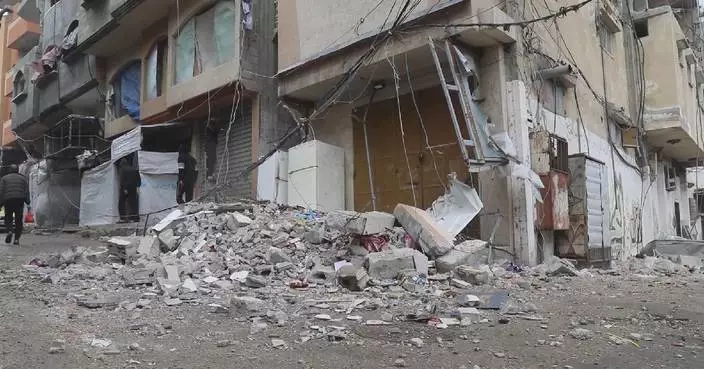
Turk told the meeting that Israel had conducted 136 strikes on 27 hospitals and said that healthcare staff were being subjected to arrests, harassment and interrogations.
"The protection of hospitals during warfare is paramount, and must be respected by all sides, at all times. The destruction of hospitals across Gaza, goes beyond depriving Palestinians of their right to access adequate healthcare," he said.
Israel's claim that Hamas uses hospitals improperly and as a base for military operations was often "vague, broad, and contradicted by public reports," according to Turk.
The meeting follows a raid on Kamal Adwan Hospital, the last major functioning health facility in northern Gaza in recent days. It is reported that the hospital's director, Dr. Hussam Abu Safiya, was arrested and has not been seen since.
Israel said the director has been detained, saying he is suspected of "potential involvement in terrorist activity."
China's Permanent Representative Fu Cong said that as the world was counting down to the New Year, people in Gaza were counting down to the next bombing.
"We urge Israel to strictly abide by its obligations under international humanitarian law, stop turning hospitals into battlefields, stop attacking medical facilities, ensure the safety of medical institutions and medical personnel, and release all detained medical personnel," he said.
The meeting comes as a delegation from Israel is expected to arrive in Qatar to continue negotiations for a ceasefire agreement with Hamas.
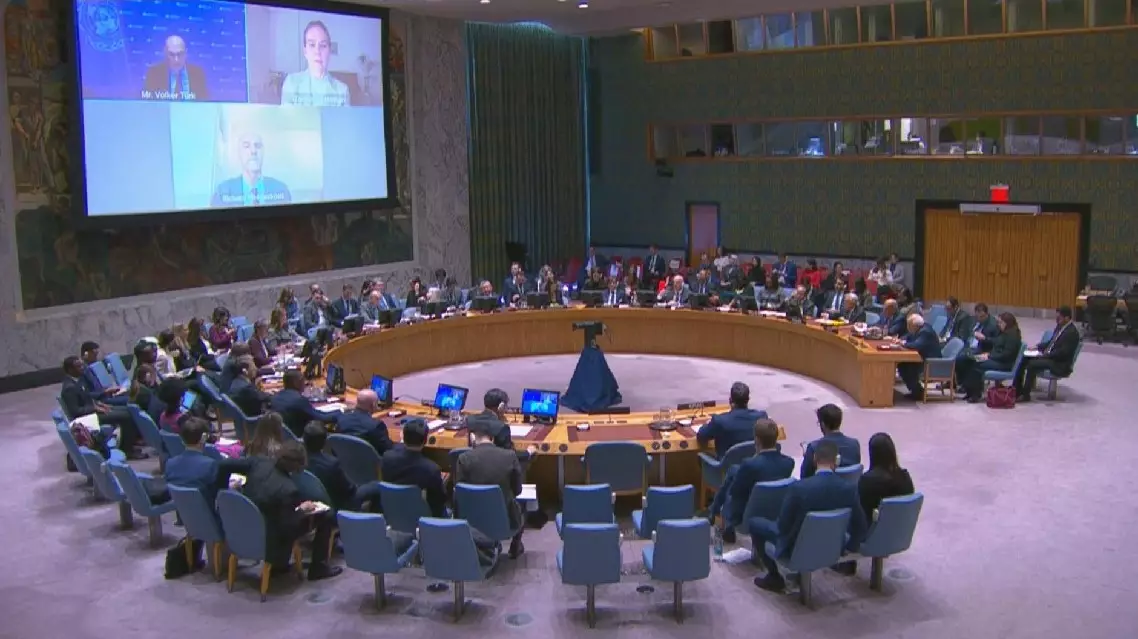
UN Security Council warns of continuing "human rights catastrophe" in Gaza
UN Security Council warns of continuing "human rights catastrophe" in Gaza
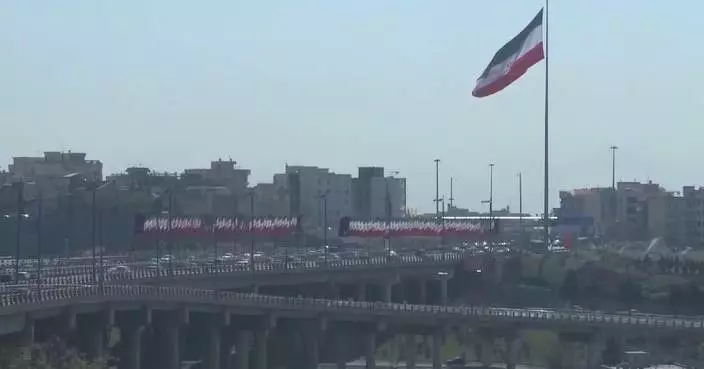
The Iranian government is focusing on public concerns and maintaining stable supplies of essential goods amid recent protests, Iranian President Masoud Pezeshkian said in a televised interview on Sunday.
In the city of Karaj, northwest of the capital Tehran, daily life has largely continued as normal. A video filmed by a local resident on Sunday shows food stores open and grocery shelves fully stocked.
"This is the block near my home, and there are some food stores here. Daily life continues here. Last night we did not see many protests in Karaj. Right now the city is very safe. This is a grocery store close to my home. All the food is available; nothing is in shortage. Here are noodles and different types of beans. Here are dairy products, cheese, and yogurt. I also checked other grocery stores and didn't see any shortages. Everything is available," said local resident Ali Reza.
Iranian officials have described recent disturbances as acts orchestrated by the "enemy," including some carried out by well-trained and armed "terrorists." The incidents have caused casualties among security personnel and civilians, as well as property damage.
The Secretary of Iran's Supreme National Security Council Ali Larijani has directed authorities to severely punish the "terrorists."
Meanwhile, Iran's police chief Ahmad-Reza Radan said on Sunday that the police had raised alert levels and arrested several leaders of the troublemakers during the operations on Saturday.
President Pezeshkian noted in the interview that the normal demands of the Iranian people are reasonable and justified, but they must realize that triggering riots and carrying out terrorist acts are the enemy's attempts to undermine the country. He urged the public to remain vigilant.
Also on Sunday, Iranian Parliament Speaker Mohammad Baqer Qalibaf warned that Tehran would regard U.S. and Israeli bases and facilities in the Middle East as "legitimate targets" if Washington takes military action against Iran. His remarks followed media reports saying U.S. President Donald Trump is "seriously considering authorizing a strike" against Iran.
Iranian state media reported that at least 109 members of Iran's security forces have been killed in clashes since the protests began 14 days ago. Meanwhile, human rights groups based outside the country said the number of protesters killed has exceeded 200, though the figure could not be independently verified.
The protests initially erupted over a sharp depreciation of the rial and sweeping subsidy reforms. Iranian authorities have blamed the unrest on foreign-linked agents and sanctions imposed by the United States.
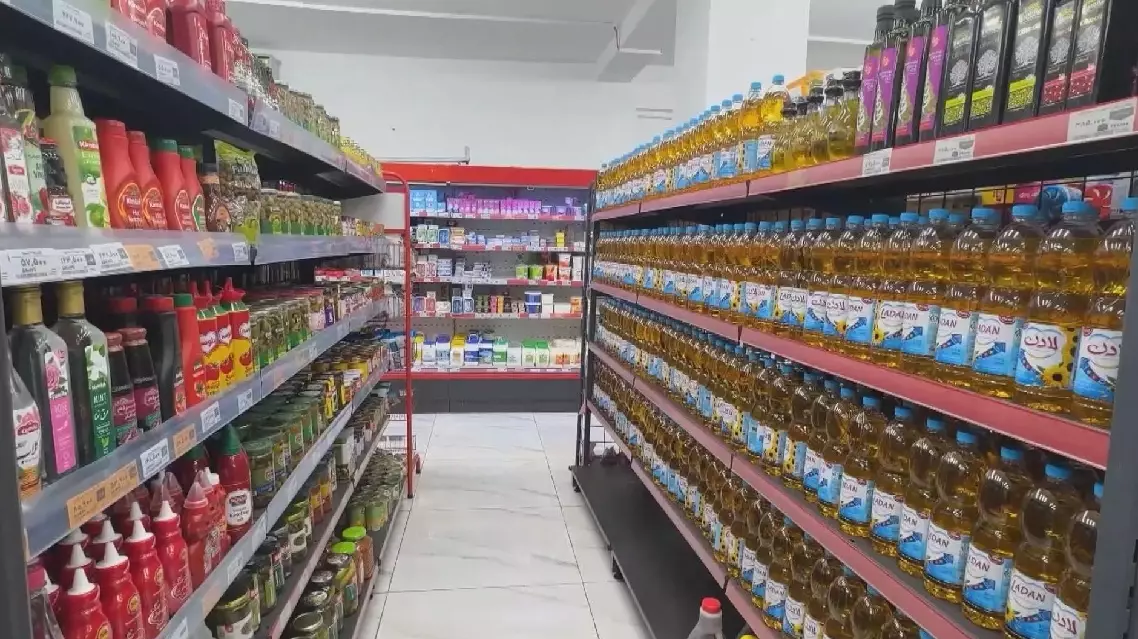
Iranian president says government focusing on ensuring supplies amid protests