As an estimated 12.22 million university graduates are expected to enter the job market in 2025, China is ramping up efforts to address their employment demands through a range of policy initiatives and innovative services.
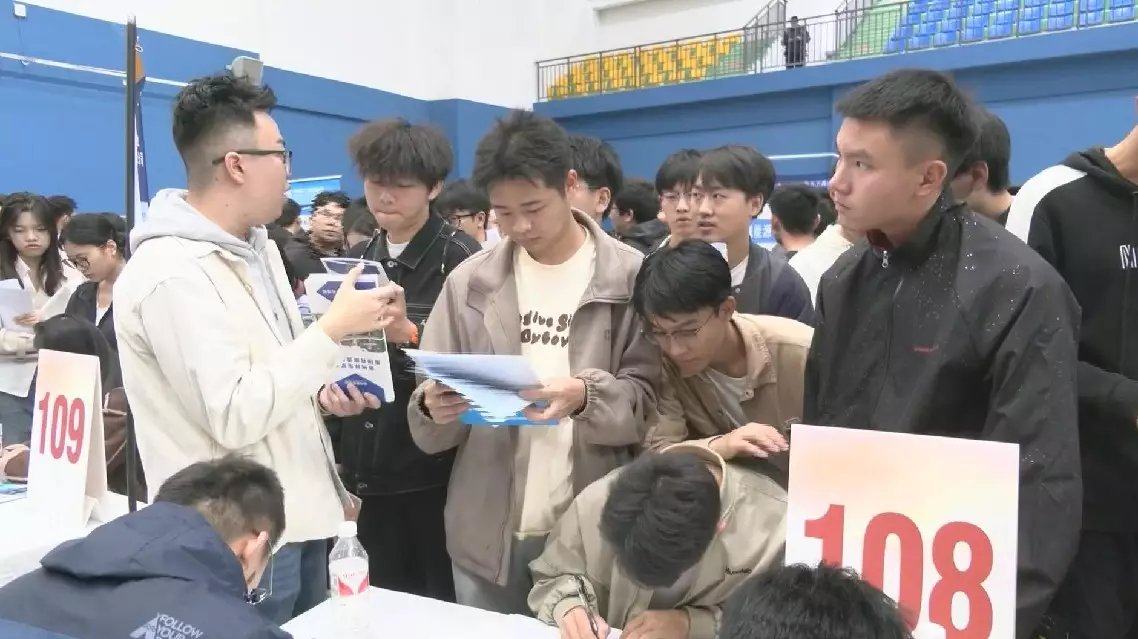
The National College Student Employment Service Platform, 24365 Campus Recruitment Service, has collaborated with universities across the country to organize online and in-person recruitment fairs across various fields including equipment manufacturing, environmental protection, and rural revitalization. Running from December 2024 to February this year, these events are designed to provide a steady stream of job opportunities for graduating students.
"University students are showing great interest in policy-based positions, such as civil servants, jobs in public institutions, state-owned enterprises, the army's enlistment and grass-roots projects. So it's important to arrange their recruitment schedules and priorities properly, and to recruit as many policy-based positions as possible and as early as possible, allowing enough time for graduates to pursue other opportunities at the job market," said Wu Aihua, deputy director of the Ministry of Education's Department of Higher Education (and Employment).
Apart from recruitment efforts, local authorities in Beijing, Guizhou and Henan have rolled out specific policies to boost employment, including issuing one-time subsides for employers hiring eligible young job seekers, and creating more policy-based posts and helping students start businesses.
To widen graduates' access to job opportunities, many regions in the country have also introduced innovative employment services, taking a more proactive approach in meeting their employment needs.
At Minjiang University in Fuzhou, east China's Fujian Province, a graduate employment service station has been put into use. With the support of the local human resources bureau, the station offers tailored services such as policy consultation, resume guidance, and job interview coaching. It also hosts "employment markets" on a regular basis, where students can meet employers and learn about the latest job openings.
Currently, 24 such service stations have been set up in 24 local universities and colleges in Fuzhou to better prepare graduating students for employment.
"Based on different majors and job-seeking intentions of students, the stations advance employment and talent services earlier in students' academic calendar, providing them with a whole-process service system," said Ruan Chengliang, a staff member from the Fuzhou Personnel and Talent Public Services Center affiliated with the Municipal Human Resources and Social Security Bureau.
In central China's Henan Province, authorities have set up "youth talent markets" on university campuses, providing a platform for graduates to meet employers, learn about employment policies, and access entrepreneurship resources.
Meanwhile, local Communist Youth League (CYL) organizations and government housing departments have continued to offer free accommodation services for graduates searching for jobs in other cities.
In Changzhou, east China's Jiangsu Province, graduates can reserve housing in Youth Stations through a mobile app, which not only provides accommodations, but also organizes job fairs, policy briefings, and employment-themed study tours in collaboration with local universities and businesses.
In Shenzhen, the municipal commission of housing and CYL branch have introduced a special initiative, offering 10,000 free housing units for graduates coming to the city for interviews. From November 2024 to June 2025, recent graduates can enjoy up to seven days of free accommodation during job hunting.
Similar Youth Stations have also been set up across Shanghai, with over 70 locations available to serve job-seeking graduates. The stations offer free transitional housing, employment resources, and career counseling to students entering the labor market for the first time.
China steps up employment services for 2025 graduates